



Tours in Porto/Oporto (Leixoes)


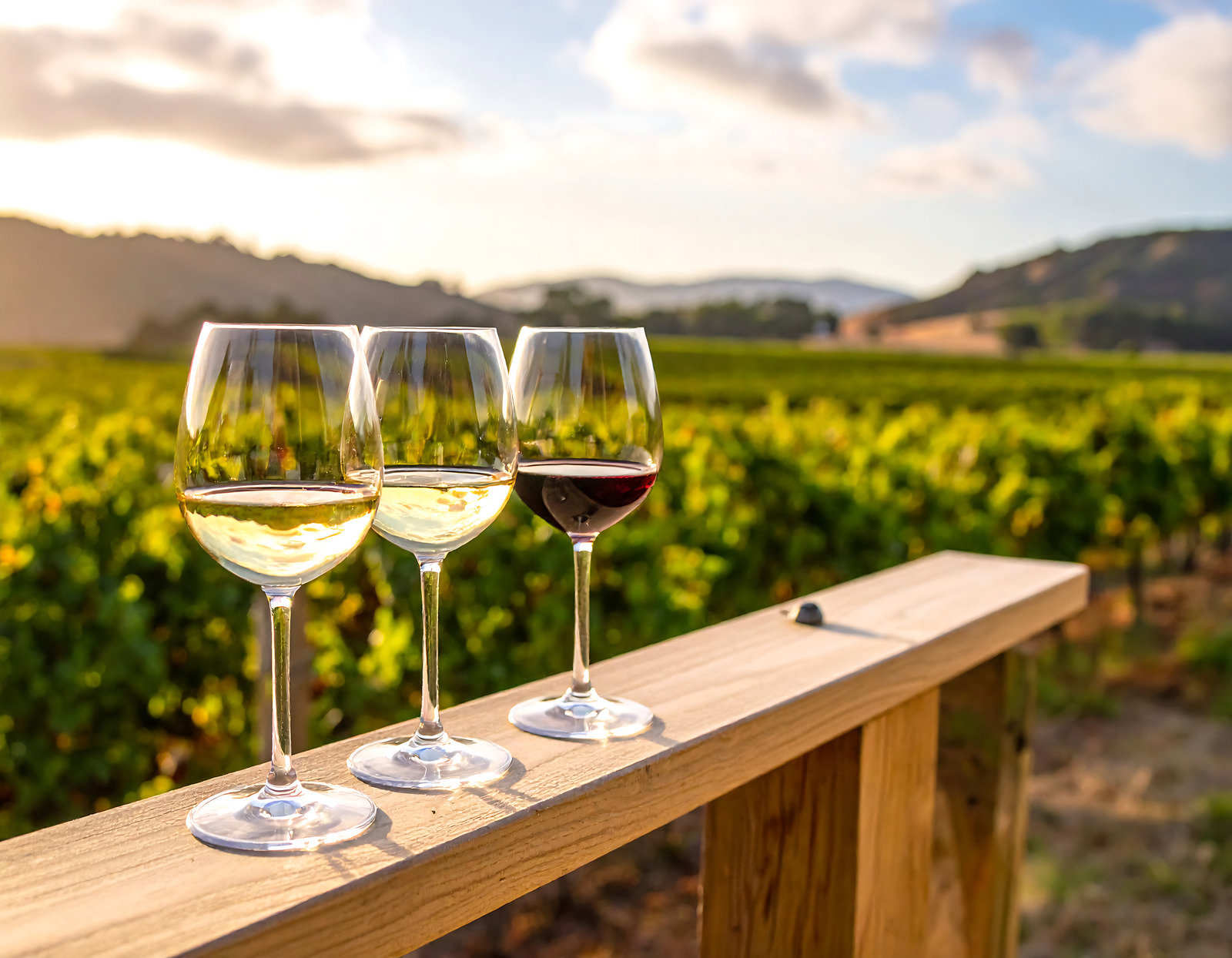
Cruising to Porto/Oporto (Leixoes) in a group?
Skip the crowded ship excursion bus. One dedicated planner will design a private shore experience around exactly what your group wants — coordinated from first enquiry to the moment you're back on board. More memorable, more flexible, and more affordable than you might expect. Spend less time organising, more time enjoying.
Explore Group Travel →Cruising to Porto/Oporto (Leixoes)
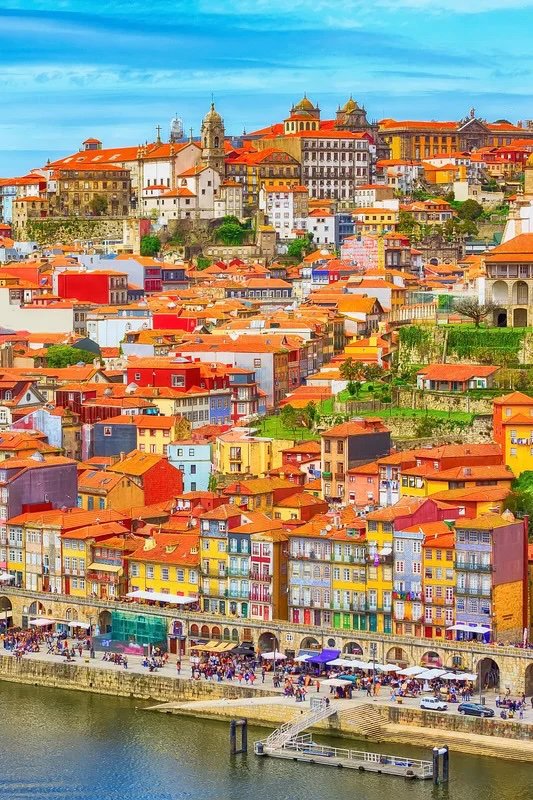
Porto sits at the mouth of the Douro River, its terraced hillsides tumbling toward water in a cascade of terracotta rooftops, blue-and-white azulejo tiles, and baroque church towers. Few European cities wear their history quite so visibly: the Ribeira waterfront, a UNESCO World Heritage Site since 1996, is a tightly packed warren of medieval lanes, iron-balconied houses, and ancient wine merchants' vaults. From the decks of the rabelo boats moored along the quayside to the barrel-vaulted cellars across the river in Vila Nova de Gaia, port wine permeates every aspect of the city's identity.
The port of Leixoes lies in Matosinhos, just north of the city centre, meaning cruise passengers are within striking distance of Porto's highlights without a long overland journey. The metro connects the port area directly to the heart of the city, and much of what makes Porto remarkable — the São Bento railway station's epic tilework, the Clérigos Tower, the ornate Livraria Lello bookshop — can be reached on foot once you arrive in the historic centre.
Beyond the city limits, the Douro Valley beckons. The vineyards that drape Portugal's greatest river valley in a UNESCO-recognized cultural landscape are accessible on a full-day excursion, offering terraced hillsides, riverside quintas, and tastings of wines that range far beyond the port the valley made famous. It is a journey through one of Europe's most dramatic agricultural landscapes, where centuries of human effort have shaped the steep schist hillsides into something extraordinary.
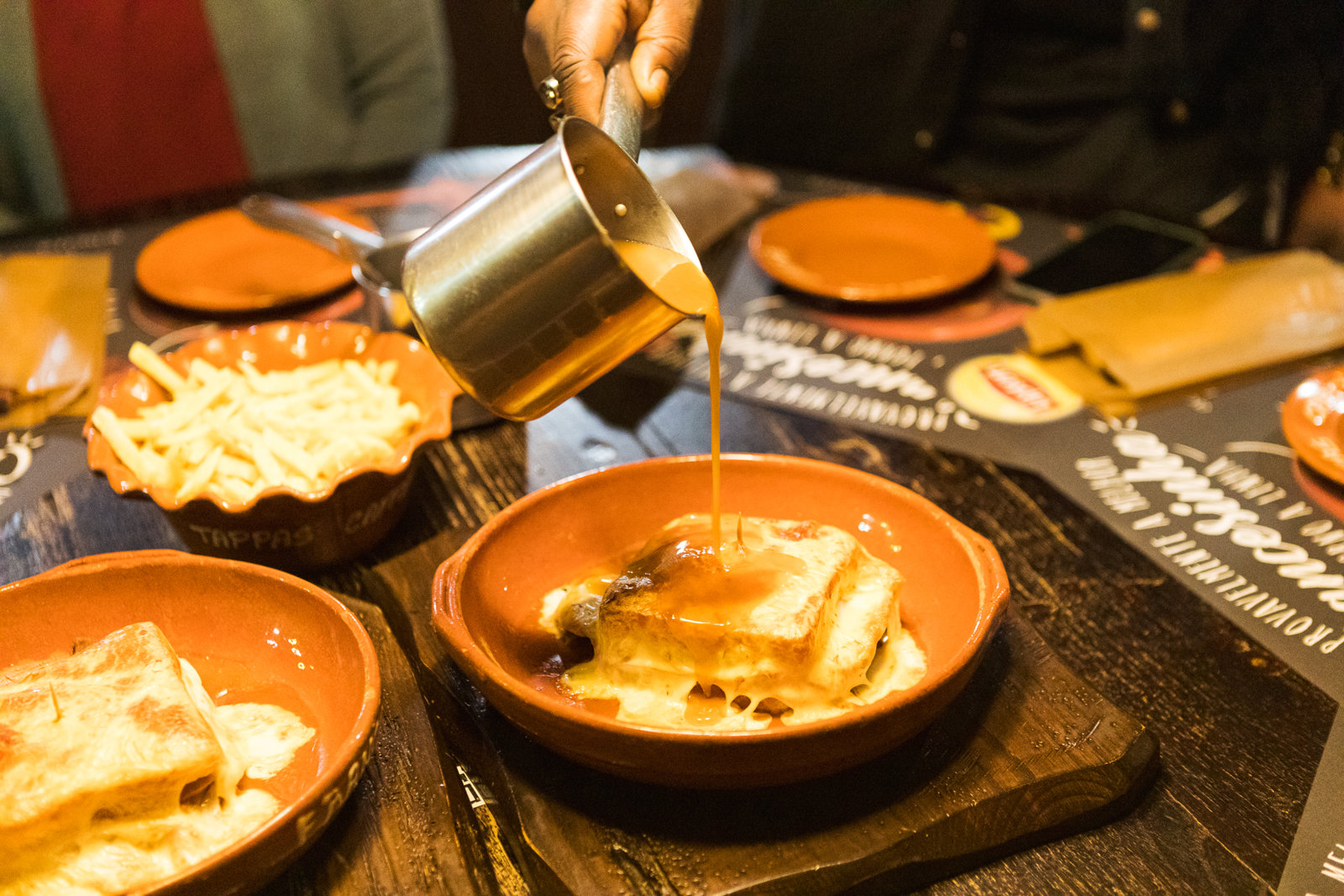
Porto is also a city of unmistakable flavours: the francesinha — a layered meat sandwich smothered in beer-and-tomato sauce — is local legend, alongside pastel de nata, fresh Atlantic seafood, and a wine list that opens well before noon in any self-respecting local café. For a single day ashore, Porto rewards those who embrace its compact, walkable historic core while keeping one eye on the shimmering river below.
Top things to do in Porto/Oporto (Leixoes) on a cruise stopover
Port Wine Cellars of Vila Nova de Gaia
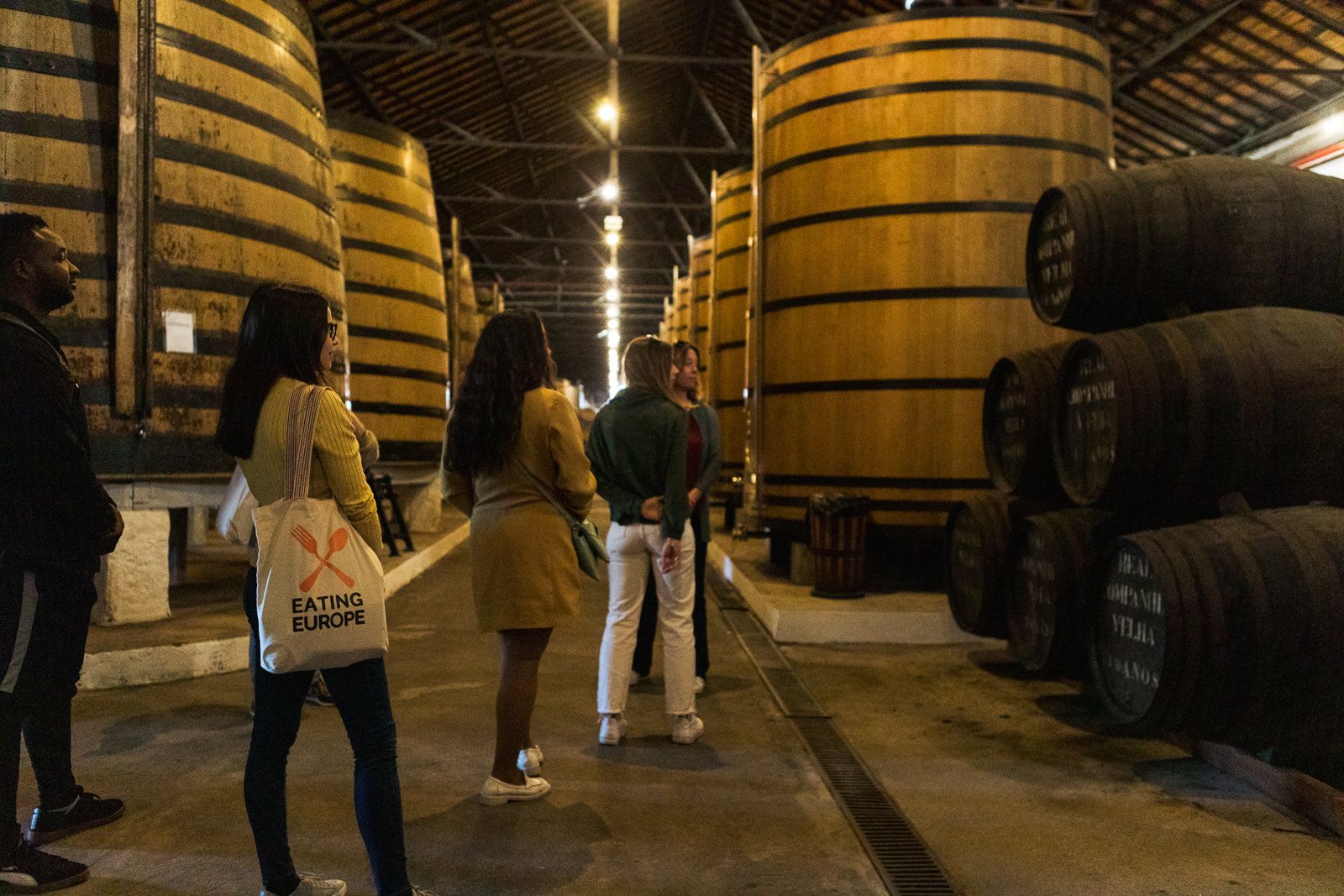
Porto's identity is inseparable from port wine, and Vila Nova de Gaia across the Douro River is where the great houses of the trade have aged their wines for centuries. A guided tour of the historic cellars introduces visitors to the geography of the Douro valley, the winemaking traditions of its founding families, and the remarkable range of the wine itself — from crisp dry whites to velvet-smooth aged tawnies and vintage ports of extraordinary depth. The experience brings together the aromas of the barrel warehouse with the story of a trade that has connected Portugal to Britain and beyond for over three centuries. This is not merely a tasting stop; it is an immersion into the soul of the city and the reason Porto bears its name on a wine known worldwide.
The Ribeira and Porto's UNESCO Waterfront
The Ribeira district is Porto's heart: a UNESCO-listed waterfront of medieval houses, riverside cafés, and the traditional rabelo boats once used to transport wine barrels down the Douro from the valley quintas. The narrow lanes behind the quayside open onto small squares, baroque churches, and buildings adorned with hand-painted azulejo tiles. The iron Luís I Bridge spans the river in two levels, offering pedestrians extraordinary views across to the Gaia port lodges. A guided culinary journey through these streets — pairing the architecture with petiscos, local wine, and the warm hospitality of Porto's taverns — reveals a neighbourhood that has been continuously inhabited for over a thousand years and shows no signs of losing its vitality.
The Douro Valley — Portugal's Great Wine Landscape
Portugal's greatest river valley unfolds east of Porto in a landscape of terraced vineyards so dramatic it earned UNESCO World Heritage recognition. A full-day Douro Valley excursion takes visitors through towns like Peso da Régua and Pinhão, where quintas cling to steep hillsides above the river and wine has been produced since at least the 17th century. Wine tastings at a local estate are a highlight, as is simply absorbing the scale of the landscape — the stacked stone terraces representing centuries of human effort to coax grapes from challenging schist terrain. Lunch alongside the river, with local wine and traditional Portuguese food, transforms what might be a sightseeing drive into a genuinely memorable day in one of Europe's most extraordinary wine regions.
São Bento Station and Porto's Architectural Treasures
Porto's São Bento station is among the most spectacular railway stations in Europe — its entrance hall lined with over 20,000 azulejo tiles depicting scenes from Portuguese history, daily life, and the country's great river journeys. Beyond the station, the upper city rewards exploration: the Clérigos Tower offers panoramic views over the red rooftops and winding river; the Majestic Café serves a perfectly formed espresso beneath belle époque plasterwork; and the Livraria Lello bookshop — with its extravagant Art Nouveau interior — draws as many admirers as any gallery. Porto's architecture is a continuous conversation between Gothic, Baroque, and Modernism, with azulejo tiles serving as the connective thread across seven centuries of construction.
Mercado do Bolhão and Porto's Food Culture
Porto's Mercado do Bolhão — a recently restored 19th-century cast-iron market hall — is where the daily rhythms of the city are most authentically on display. Vendors sell fresh fish from the nearby Atlantic, regional cheeses, charcuterie, local wine, and traditional cakes. The surrounding streets offer any number of spots to taste a francesinha, order a bifana (marinated pork roll), or sit with a glass of white port and tonic — Porto's refreshing aperitif of choice. A progressive culinary walk through the market quarter and the Ribeira, sampling the city's food culture at each stop, is one of the most effective ways to understand what makes Porto distinct from every other European city with a good waterfront.
A Progressive Dinner Through Porto's Neighborhoods
One of the most rewarding ways to experience Porto is through its food culture, following a route through the city's neighborhoods from market quarter to Ribeira. Each stop brings a different element of the local table — petiscos (Portuguese tapas), a glass of vinho verde, a bowl of caldo verde soup, and a final tasting of port wine paired with local cheese and charcuterie. The experience transforms a day ashore into something genuinely social and distinctly Portuguese: an encounter with the ingredients, producers, and traditions that give Porto's food scene its identity. Unlike a single restaurant meal, a progressive dinner provides texture and variety across the city's different characters — from the commercial bustle of the market to the atmospheric calm of the waterfront at dusk.
Porto/Oporto (Leixoes) travel tips
Book Port Cellar Visits in Advance. The most reputable cellars in Vila Nova de Gaia fill up during peak summer season. If you plan to visit independently, check opening times and booking requirements well in advance. Popular lodges can experience significant queues for walk-in visitors; pre-booking guarantees both entry and a guided experience with time built in for the tasting. Most lodges offer multiple tour formats at different price points.
Wear Comfortable Footwear. Porto is genuinely hilly, and the historic centre involves steep cobbled lanes, irregular pavements, and significant elevation changes between the Ribeira waterfront and the upper city. Good walking shoes with grip and support will make the day considerably more comfortable. The Ribeira itself is relatively flat, but reaching São Bento station, the Clérigos Tower, or the cathedral from the waterfront involves a noticeable climb.
The Metro is Reliable and Straightforward. Metro Line A runs from the Matosinhos area near the port directly to central Porto, with the journey taking approximately 20–25 minutes. Purchase an Andante card and load it with travel credit at station machines; the same card covers all metro journeys. Keep your validated ticket throughout the journey — inspectors are common and fines for fare evasion are substantial. The system is modern, clean, and generally easy to navigate using the signage and network maps on platforms.
Afternoon Light on the Ribeira is Exceptional. Porto faces west toward the Atlantic, and the afternoon sun catches the ochre and terracotta facades of the Ribeira in a way photographers find irresistible. If your schedule allows, aim to reach the waterfront in the mid-to-late afternoon for the most atmospheric conditions. Port cellar tours work well in the morning when the cellars are cooler and crowds are thinner. Plan São Bento station and the upper city for mid-morning, then work down to the river as the day progresses.
The Douro Valley Deserves a Full Day. Do not attempt the Douro Valley as a rushed half-day; the journey each way takes 1–1.5 hours, and the valley itself rewards a slower pace. A full-day excursion with time for a riverside lunch and a proper winery visit is the appropriate format. Trying to compress this into a few hours produces a long drive with a brief stop rather than a meaningful engagement with one of Europe's great wine landscapes. The correct choice is the valley for a full day, or Porto city for a half-day — not an attempt to do both.
Carry Euros for Markets and Small Cafés. While card payments are accepted almost universally in central Porto's tourist-facing businesses, traditional tascas (local taverns), market stalls, and older neighbourhood establishments often still operate on a cash basis. Having €20–30 in small notes allows for spontaneous stops at a neighbourhood tasca, a market vendor, or a street food counter without any inconvenience. ATMs in the city centre are plentiful and generally offer competitive exchange rates.
Port Facts Every Cruiser Needs To Know
Porto/Oporto (Leixoes) shore excursion FAQs
The Port of Leixoes is located in Matosinhos, approximately 15 kilometres north of Porto's historic centre. By metro (Line A), the journey takes approximately 20–25 minutes. By road, the same journey typically takes 20–35 minutes depending on traffic conditions, particularly during morning peak hours.
Walking the full distance from Leixoes to central Porto is not practical for most visitors — it is a 15-kilometre journey through suburban and urban areas with no particular scenic reward. The metro connection from near the port is straightforward and deposits passengers within comfortable walking distance of the UNESCO historic centre and the Ribeira waterfront.
For the most popular lodges in Vila Nova de Gaia, advance booking is strongly recommended during peak summer months (July–August). Smaller cellars sometimes accept walk-ins, but availability cannot be guaranteed. Organized excursions typically include pre-arranged cellar access with a dedicated guide, which removes the uncertainty of independent booking.
A Douro Valley excursion realistically occupies a full day, leaving very limited time for Porto's historic centre. Passengers who want a meaningful experience of both typically face a genuine choice. Porto's city centre — the Ribeira, São Bento station, and Vila Nova de Gaia — is a full and rewarding day in itself. The Douro Valley deserves another day entirely.
English is widely spoken in Porto's tourism-facing businesses — restaurants, wine cellars, shops, and most establishments in the historic centre. Outside the heavily touristed Ribeira and Gaia areas, some patience with basic phrases or a translation app may occasionally be useful, though the city's tourism infrastructure is well developed.
The historic centre of Porto presents challenges for visitors with significant mobility limitations — steep cobbled streets, uneven surfaces, and substantial elevation changes characterize the Ribeira and adjacent areas. The waterfront promenade itself is more accessible, and Vila Nova de Gaia's main esplanade along the Douro is relatively flat. Passengers should discuss specific requirements when booking excursions to ensure appropriate arrangements are made.
The UNESCO-listed Ribeira waterfront, the streets leading up to the cathedral (Sé), and the crossing of the Luís I Bridge to Vila Nova de Gaia form the essential on-foot circuit. São Bento station and the Clérigos Tower are a short uphill walk from the Ribeira. Together these form a compact and remarkably rewarding area that can be thoroughly explored in 3–4 hours.
The francesinha is Porto's iconic sandwich — layers of cured ham, linguiça sausage, and steak inside toasted bread, smothered in a rich sauce of beer, tomato, and brandy, topped with a fried egg. It is heavy, warming, and entirely specific to Porto. Virtually every local restaurant serves one; establishments in the Bonfim and Baixa districts where locals are eating tend to serve the most authentic versions.
Portugal uses the Euro (€). Credit and debit cards are accepted almost universally in Porto's tourist-facing businesses. Cash is useful for traditional markets, smaller neighbourhood cafés, and tips. ATMs are abundant in the city centre. The main market, Mercado do Bolhão, has a mix of vendors — some accept cards, others prefer cash.
The Douro Valley is accessible by train from Porto's São Bento and Campanhã stations, with services running east to Peso da Régua and beyond. However, the train journey takes approximately 2 hours each way, and independent exploration of the valley's quintas and terraced viewpoints requires additional local transport. For a cruise day ashore, an organized excursion is the most practical way to experience the valley meaningfully within the available time.
Filters
Select a filter to refine results.
Tour Type
Tour Activity
 Cart
Cart
 USD
USD GBP
GBP AUD
AUD EUR
EUR CAD
CAD