



Tours in Paris


Cruising to Paris in a group?
Skip the crowded ship excursion bus. One dedicated planner will design a private shore experience around exactly what your group wants — coordinated from first enquiry to the moment you're back on board. More memorable, more flexible, and more affordable than you might expect. Spend less time organising, more time enjoying.
Explore Group Travel →Cruising to Paris
Le Havre sits at the mouth of the Seine estuary on the Normandy coast, serving as the gateway port for cruises calling at Paris and one of Europe's most richly varied shore-excursion regions. The port is a place with its own distinct story: almost entirely destroyed by Allied bombing and German demolition in 1944, it was rebuilt from 1945 to 1964 by architect Auguste Perret in a radical modernist vision of wide boulevards, uniform concrete facades, and St Joseph's Church with its extraordinary illuminated tower — a design so coherent that UNESCO inscribed the entire postwar city as a World Heritage Site in 2005. For those with time before or after an excursion, the Musée d'Art Moderne André Malraux holds one of France's finest Impressionist collections outside Paris.
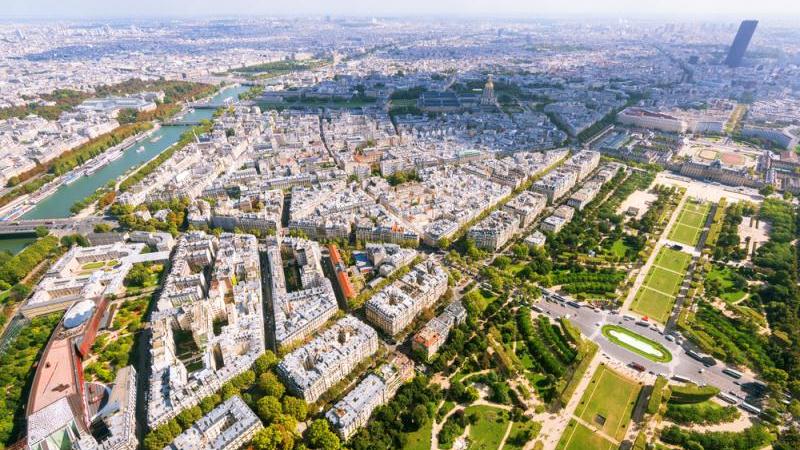
Paris lies approximately 220 kilometres southeast of Le Havre, about two hours by road. The city needs little introduction — it remains, by most measures, the most visited destination on earth, and a day spent in its company invariably reveals why. The great museums, the Gothic spires, the Seine embankments at golden hour, the café tables and the chestnut trees: Paris delivers on its reputation with a consistency that few cities match. Half-day excursions allow focused visits — the Louvre alone can occupy a morning without exhaustion — while full-day itineraries combine panoramic city sightseeing with a museum or riverside quarter in depth.
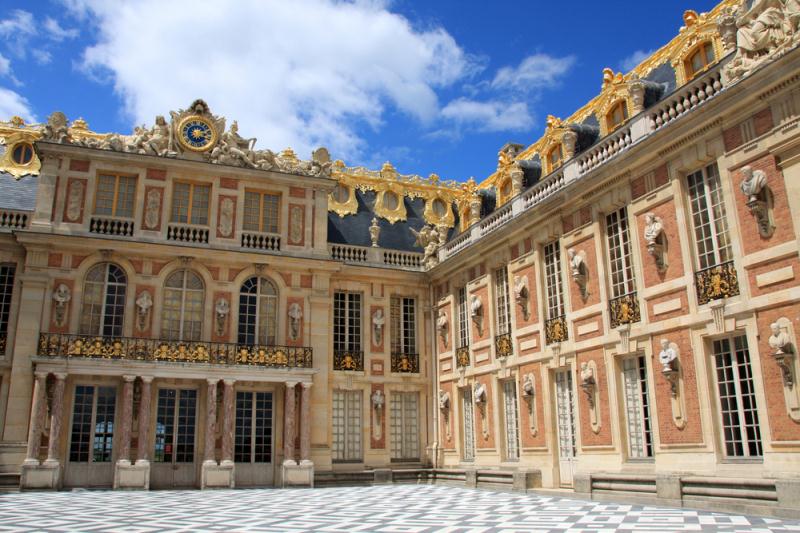
Beyond Paris itself, the region surrounding Le Havre offers some of France's most compelling day-trip territory. The Palace of Versailles, constructed for Louis XIV as the most extravagant royal residence in European history, is just over two hours from the port and fills a day with grandeur and intrigue. Giverny, where Claude Monet lived from 1883 until his death in 1926 and created the extraordinary water garden that inspired his late Waterlilies series, is barely an hour away — closer to Le Havre than Paris — and is among the most visited artist residences in the world. To the west along the Normandy coast, the D-Day beaches and memorials of June 1944 draw visitors from every corner of the globe in an act of remembrance that feels as vital today as ever.
For cruise passengers using Le Havre as an embarkation or disembarkation point, the region rewards time spent on either end of the voyage. Whether arriving from Charles de Gaulle or Orly airport, or departing for a final day in France, the area between Paris and the Normandy coast offers more than most travellers can absorb in a single visit — which is precisely what makes it worth returning to.
Top things to do in Paris on a cruise stopover
Paris: The Eternal City of Light
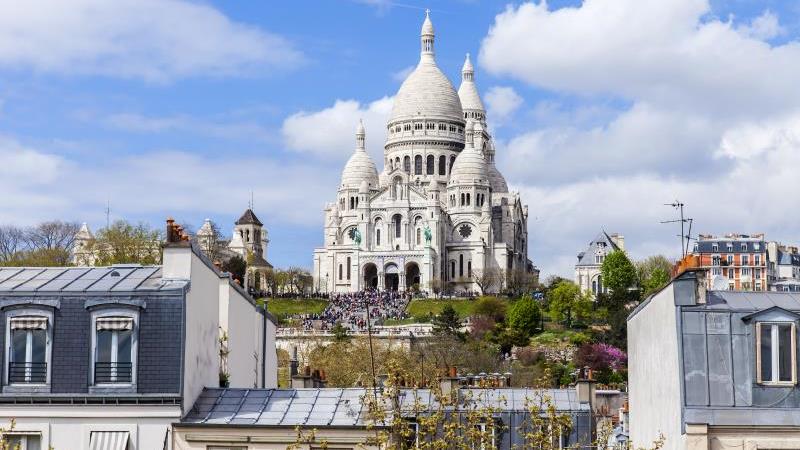
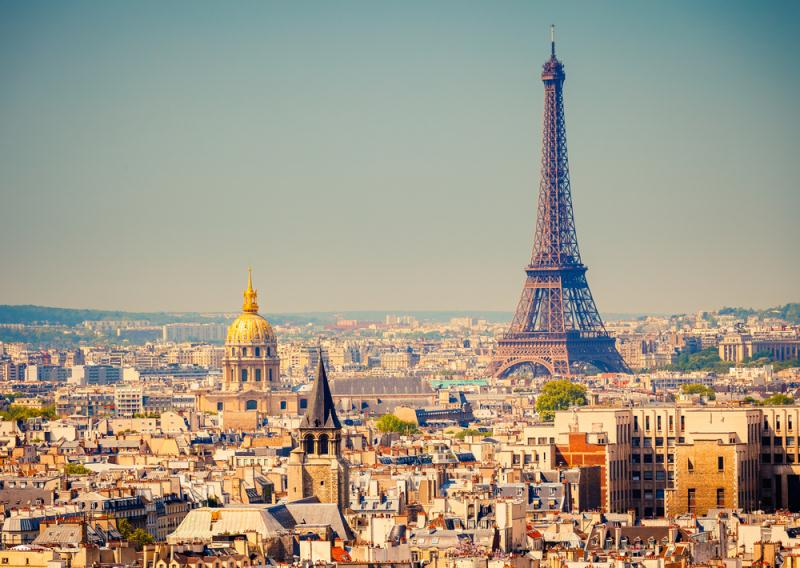
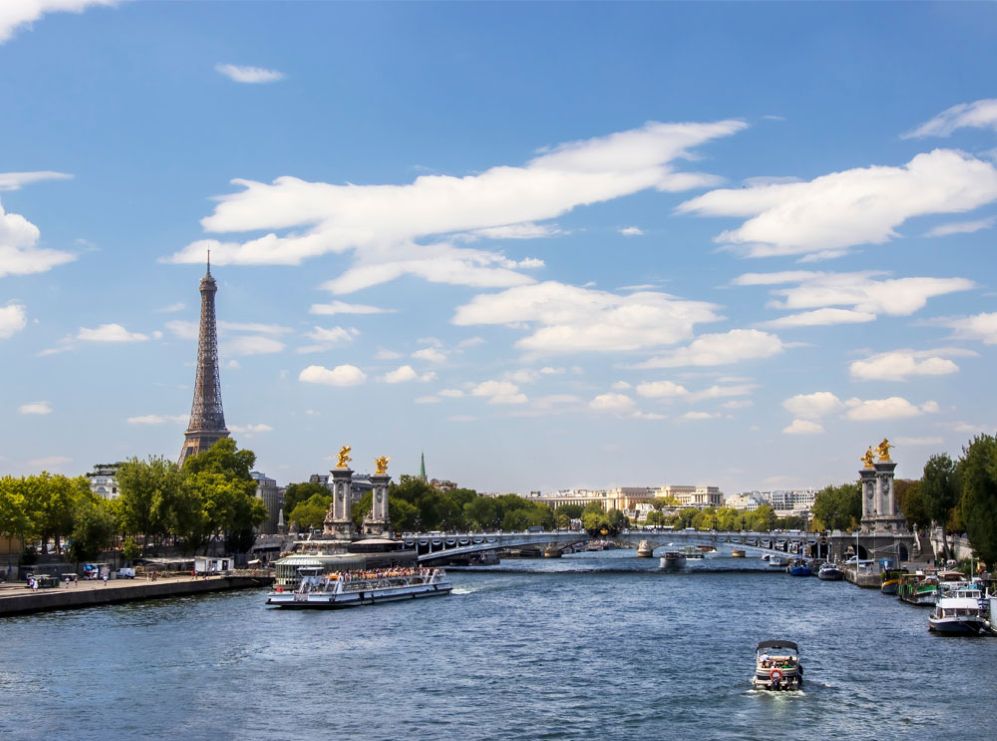
No city in the world rewards sightseeing more generously than Paris, and even a compressed day from Le Havre makes a powerful impression. A panoramic driving tour connects the landmarks that define the city's image globally: the Eiffel Tower from the Trocadéro, the Arc de Triomphe at the head of the Champs-Élysées, the Place de la Concorde, the Musée d'Orsay's magnificent Beaux-Arts facade, Notre-Dame Cathedral on its island in the Seine, and the hilltop Basilica of Sacré-Cœur above Montmartre. Between the monuments, the texture of Paris — the arrondissement market streets, the bouquinistes selling second-hand books along the river embankment, the terrasse of a brasserie at midday — is as much of the experience as any individual sight.
The Louvre: A Museum Worthy of Its Own Day
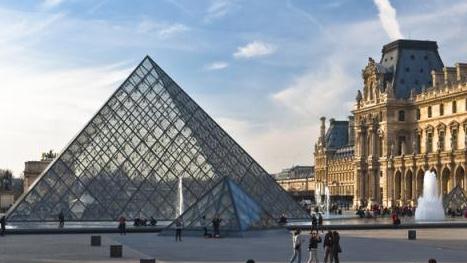
The Louvre is the world's most visited museum and one of the largest — a former royal palace containing over 35,000 works spanning human civilisation from ancient Mesopotamia to 19th-century France. A guided half-day tour navigates the scale intelligently, focusing on the collections that reward concentrated attention: the Winged Victory of Samothrace on its monumental staircase, the Venus de Milo in her ancient Greek perfection, and Leonardo da Vinci's Mona Lisa in the Salle des États. A professional guide transforms what could be an overwhelming experience into a coherent, memorable narrative. The glass pyramid entrance, designed by I.M. Pei and opened in 1989, has itself become one of Paris's most recognisable architectural statements.
The Palace of Versailles: Royal France at Its Peak
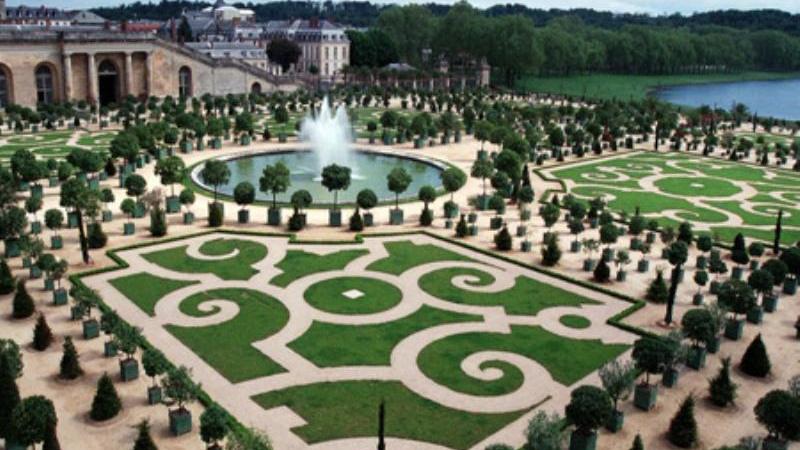
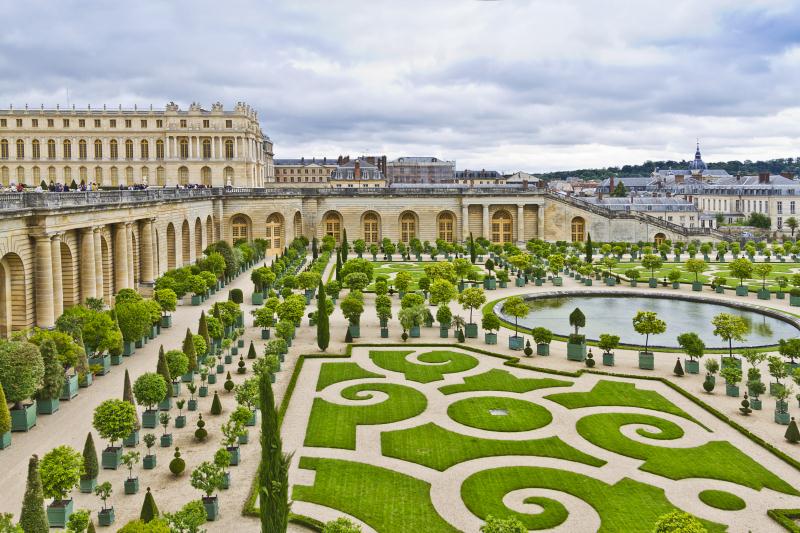
Seventeen kilometres southwest of Paris and roughly two hours from Le Havre, the Palace of Versailles stands as the most extravagant expression of royal power in European history. Louis XIV spent four decades transforming a modest hunting lodge into a palace of 2,300 rooms, moving the entire French court and government here in 1682. The Hall of Mirrors — 73 metres of gilded arches, crystal chandeliers, and 357 mirrors reflecting formal gardens that extend to the horizon — remains one of the great interior spaces in world architecture. The gardens, designed by André Le Nôtre in mathematical perfection across 800 hectares, contain the Grand Canal, the Petit Trianon, and the rustic Hameau de la Reine where Marie Antoinette played at country life. Versailles comfortably fills an entire day.
Giverny: Monet's Garden and the Birth of Impressionism
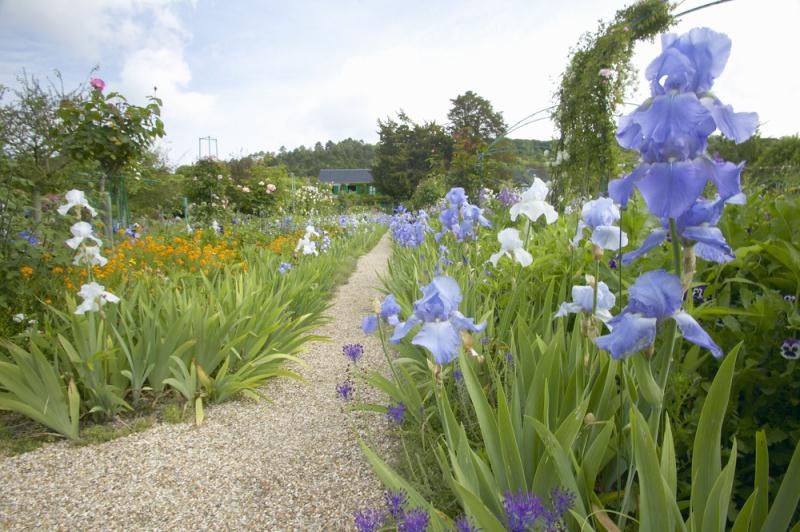
Approximately 75 kilometres east of Le Havre and barely an hour's drive from the port, Giverny is one of the most remarkable small villages in France. Claude Monet lived here from 1883 until his death in 1926, creating over those 43 years a garden of such studied beauty that it became the primary subject of his final decades of painting. The water garden — with its Japanese bridge, weeping willows, and the famous lily pond — is the direct inspiration for the vast Waterlilies series now displayed at the Orangerie in Paris. Visiting Giverny in late April through June, when the wisteria cascades over the bridge and irises bloom around the water, reveals why Monet described the garden as his greatest masterpiece. The house is preserved exactly as he left it, his Japanese woodblock print collection intact on the studio walls.
Normandy D-Day: Remembrance on a Storied Coastline
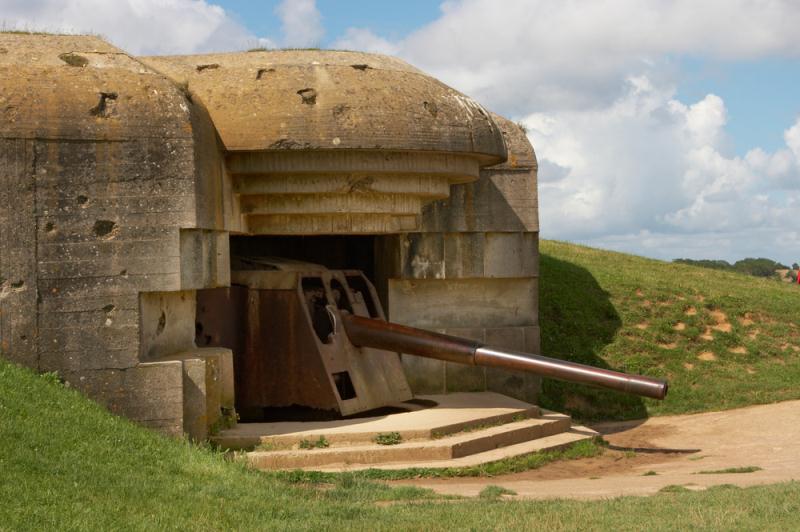
The coastline stretching west from Le Havre carries one of the 20th century's most consequential histories. On 6 June 1944, Allied forces landed on five beaches — Utah, Omaha, Gold, Juno, and Sword — beginning the liberation of occupied Western Europe. The American cemetery at Colleville-sur-Mer, perched on the bluffs above Omaha Beach with its 9,387 white marble crosses overlooking the sea, is one of the most affecting memorial landscapes in the world. The Normandy American Memorial, the Overlord Museum, and the preserved remnants of the Mulberry Harbour at Arromanches speak to the extraordinary logistics of the operation. A full-day excursion along the D-Day coast combines historical context, memorial visits, and the quietly powerful experience of standing on the beaches themselves.
Mont Saint-Michel: An Island Abbey at the World's Edge
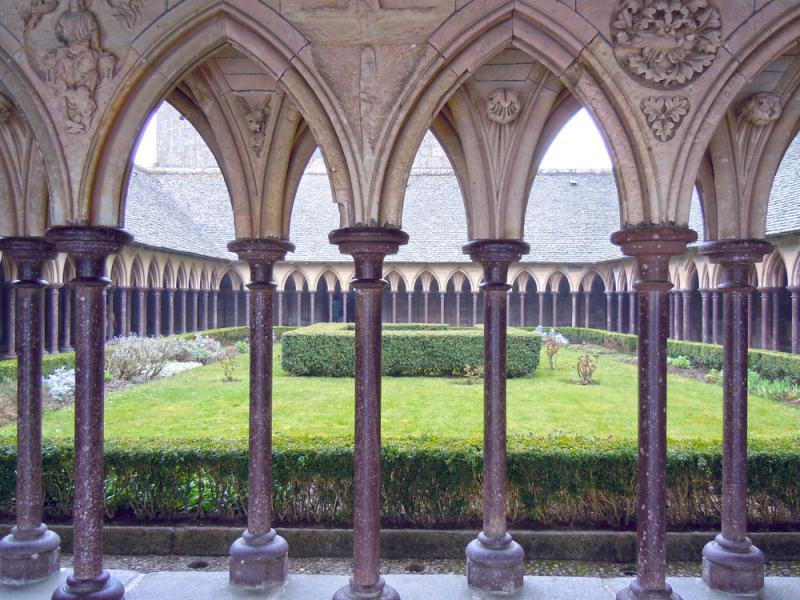
Rising from the tidal flats of the bay that bears its name, Mont Saint-Michel is one of France's most iconic images and a place of genuine otherworldly drama. The Benedictine abbey at its summit has been a pilgrimage destination since the 8th century, and the medieval village that climbs the island's flanks — with its single main street, ramparts, and views across tidal mudflats to the distant shore — feels entirely removed from the modern world. The bay around Mont Saint-Michel has some of the most extreme tidal ranges in Europe: the sea retreats kilometres at low tide and returns at extraordinary speed. A full-day private excursion from Le Havre covers approximately 12 hours of travel and sightseeing — long but utterly memorable for those with the stamina.
Paris travel tips
Factor in the Travel Time to Paris. Paris is roughly 2 hours from Le Havre by road, meaning a day excursion to the city effectively gives you 4–6 hours on the ground depending on traffic. This is enough time for a focused experience — a panoramic city tour, or the Louvre, or Versailles — but trying to do all three in one day leads to exhaustion and rushed impressions. Choosing one main focus and pursuing it properly is almost always more satisfying.
Visit Giverny in May or June for Peak Bloom. Monet's garden is beautiful throughout the visitor season (April to October), but late April through June represents the peak: wisteria cascades over the Japanese bridge, irises ring the water lily pond, and the riot of colour in the Clos Normand flower garden closest approximates what Monet himself documented in his paintings. Visiting on a weekday and arriving early significantly reduces the crowds at this immensely popular site.
Pre-Book Louvre and Versailles Entry. Both the Louvre and the Palace of Versailles operate timed-entry ticket systems. At peak season, same-day tickets are often unavailable, and queues for those without pre-booked access can be extremely long. Any itinerary including these sites should secure entry well in advance. Guided tours with pre-reserved tickets skip the main queues and provide the additional benefit of interpretive context that transforms the experience.
Pack for Normandy Weather. Normandy has a maritime climate that is characterised by changeability: a sunny morning can give way to sea mist or a brief shower without much warning. The D-Day beach coastline is often windier than inland areas. A light waterproof jacket and comfortable walking shoes are sensible preparation regardless of the forecast, particularly for the cemetery visits and cliff-top viewpoints above Omaha Beach.
Visit the D-Day Sites with Appropriate Preparation. The Normandy American Cemetery and the D-Day beaches are places of profound historical and emotional weight. Many visitors find them more affecting than anticipated, particularly the cemetery at Colleville-sur-Mer where the scale of sacrifice becomes visceral. Taking time to read a brief history of Operation Overlord beforehand enriches the visit significantly, and a knowledgeable guide who can contextualise the military strategy makes an enormous difference to understanding what you are seeing.
Allow Flexibility for the Tides at Mont Saint-Michel. The tidal range around Mont Saint-Michel can exceed 14 metres — among the largest in Europe — and the timing of tides determines whether you see the island surrounded by water or standing on exposed mudflats. Both views are extraordinary, but checking the tide schedule before departure helps set expectations. The causeway and car park are always accessible; it is purely a matter of the visual spectacle around the island itself.
Port Facts Every Cruiser Needs To Know
Paris shore excursion FAQs
Le Havre is approximately 220 kilometres northwest of Paris by road, a journey of around 2 hours under normal traffic conditions. By SNCF train from Le Havre station to Paris Saint-Lazare the journey takes approximately 2 hours with several departures daily. The travel time each way must be factored into planning any Paris excursion from the cruise port.
Yes, considerably. Giverny is approximately 75 kilometres from Le Havre — roughly 1 hour by road — making it a much shorter journey than Paris. This makes Giverny an efficient choice for guests who want to see the Impressionist landscape without spending most of their day in transit. A morning departure allows a leisurely visit to the gardens and Monet's house before returning comfortably to the ship.
Attempting Paris and Versailles in a single day from Le Havre is very ambitious and generally not recommended. Versailles alone — palace interior, Hall of Mirrors, formal gardens — merits a full day, and the round trip from Le Havre adds approximately 4 hours of travel. If you want to see both, the Palace of Versailles is located about 17 kilometres southwest of central Paris and can be combined with a brief panoramic Paris drive, but this will be a long, fast-paced day with little time at either location.
A Paris highlights day excursion typically includes a panoramic tour by vehicle covering the Eiffel Tower (from the Trocadéro esplanade), Arc de Triomphe and Champs-Élysées, Place de la Concorde, Notre-Dame Cathedral, the Latin Quarter, and Montmartre with Sacré-Cœur. Some itineraries include a guided Louvre visit. Stops for photographs and some free time for shopping or cafés are usually built into the schedule. Private tours offer greater flexibility in timing and pace.
A comprehensive D-Day Normandy tour from Le Havre typically runs for a full day of approximately 10–12 hours, given the coastal geography of the battlefield and the number of significant sites. Key stops usually include Omaha Beach, the Normandy American Cemetery at Colleville-sur-Mer, Pointe du Hoc (where American Rangers scaled the cliffs), and the Mulberry Harbour remains at Arromanches. A knowledgeable guide is strongly recommended to make sense of the military geography.
Mont Saint-Michel is accessible from Le Havre but represents the longest excursion in the region — approximately 3.5 hours each way by road, making for a full day of roughly 12 hours including time at the site. The visit itself typically allows 2–3 hours to walk the ramparts, climb to the abbey, and explore the medieval village. It is a physically demanding day but one that most visitors who make the journey consider entirely worthwhile.
French is the language throughout the region. In Paris, English is widely spoken at major museums, hotels, and in tourist-facing businesses. Outside Paris — in Normandy villages, local markets, and smaller restaurants — English comprehension is much less reliable. Learning a handful of French phrases (greetings, please, thank you, the bill) is genuinely appreciated and makes interactions smoother. A guide who speaks your language removes any communication concerns entirely.
Spring (April–June) is widely regarded as the finest season: Monet's Giverny gardens are at peak bloom, Paris is warm and colourful with outdoor café culture in full swing, and the Normandy coastline is green and photogenic. September and early October are also excellent — weather remains mild and crowds thin noticeably after the summer peak. July and August bring reliable warmth but very large crowds at all major sites, with advance booking essential for any ticketed attraction.
Paris presents a mix of accessibility experiences. The major museums including the Louvre and Versailles have significant accessibility provisions, with lifts, ramps, and accessible routes. However, many of the city's historic streets, cobbled lanes (particularly in Montmartre), and the older Métro stations present challenges for wheelchairs and mobility aids. The Seine embankments and the Champs-Élysées area are flat and accessible. Wheelchair-adapted vehicle tours allow visitors with mobility considerations to experience the city's panoramic highlights comfortably.
Le Havre is more than just a transit point. Its postwar reconstruction by architect Auguste Perret is inscribed as a UNESCO World Heritage Site — a rare honour for 20th-century architecture. The Musée d'Art Moderne André Malraux (MuMa) holds one of France's finest Impressionist collections outside Paris, including major works by Monet, Boudin, and Dufy. The city has a pleasant waterfront and a lively market. For guests with time before or after their cruise, Le Havre itself offers a genuinely interesting urban experience that most visitors overlook.
Filters
Select a filter to refine results.
Tour Type
Tour Activity
 Cart
Cart
 USD
USD GBP
GBP AUD
AUD EUR
EUR CAD
CAD