



Tours in Praia Da Vitoria


Cruising to Praia Da Vitoria in a group?
Skip the crowded ship excursion bus. One dedicated planner will design a private shore experience around exactly what your group wants — coordinated from first enquiry to the moment you're back on board. More memorable, more flexible, and more affordable than you might expect. Spend less time organising, more time enjoying.
Explore Group Travel →Cruising to Praia Da Vitoria
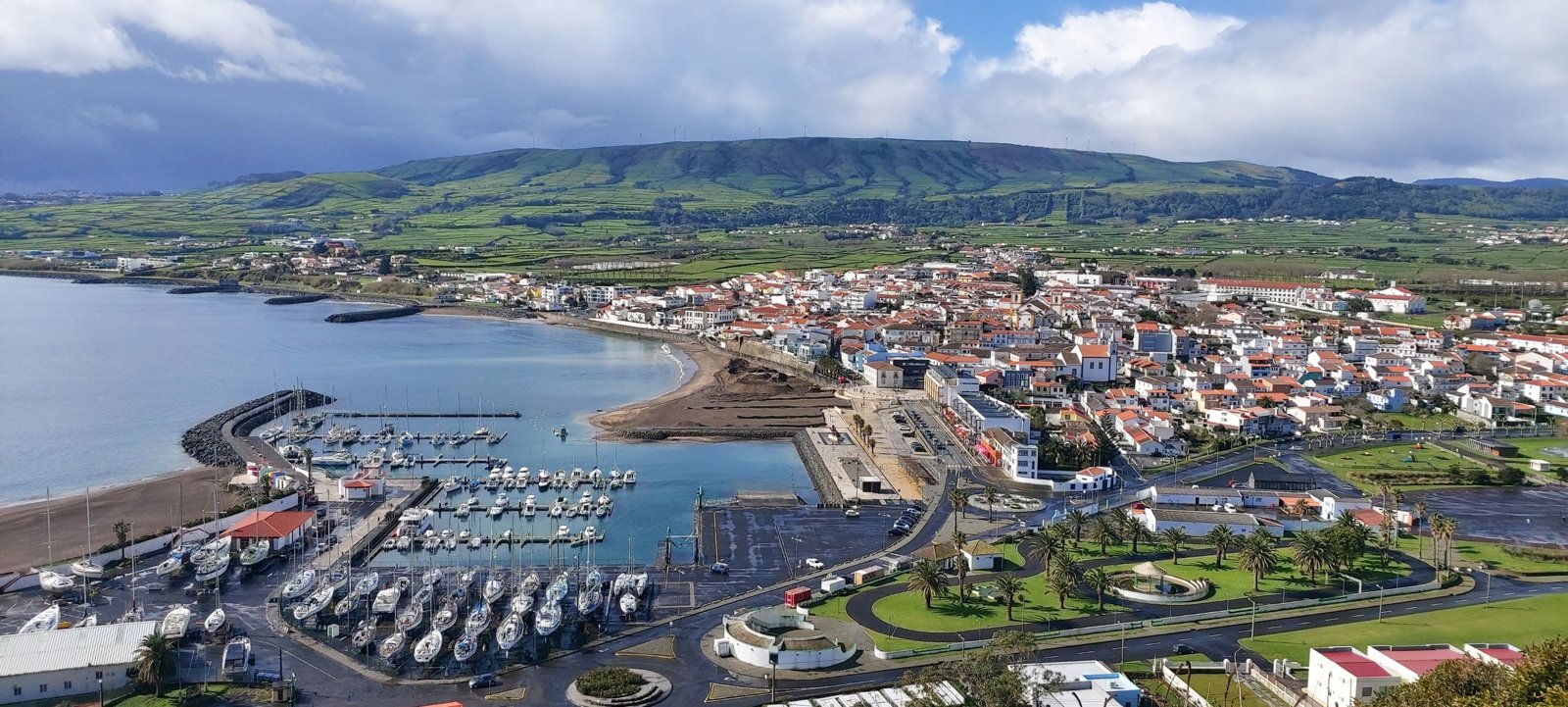
Praia da Vitória sits on the eastern coast of Terceira, one of nine volcanic islands that make up Portugal's Azores archipelago — an isolated chain strung across the mid-Atlantic roughly 1,500 kilometres from Lisbon. The town itself is modest and genuine: whitewashed buildings with blue trim face a broad sandy bay, fishing boats share the harbour with visiting vessels, and the pace of life reflects an island culture that has absorbed centuries of Atlantic trade without being reshaped by mass tourism. It is a place that rewards curiosity, offering an immediate sense of arrival somewhere genuinely different.
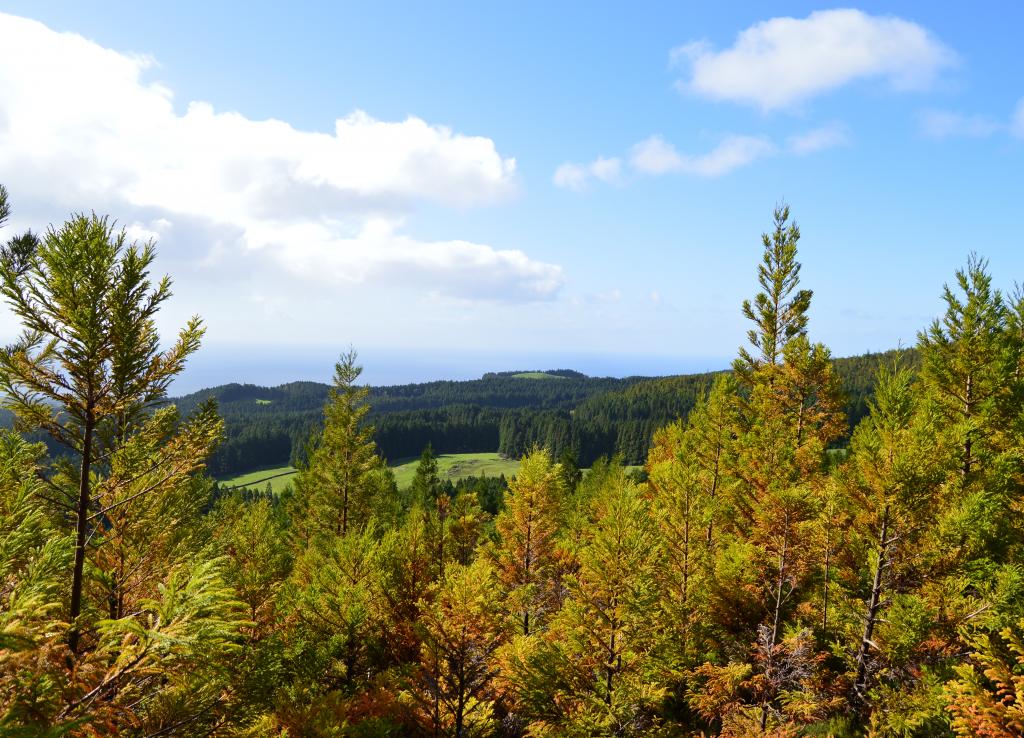
Beyond the town, Terceira reveals a landscape of remarkable geological drama. The island's volcanic origins are written across every feature: ancient lava fields, calderas, fumarolic steam vents, and a lava tube that descends 90 metres into the earth all speak to the tectonic forces still active beneath the Atlantic seafloor. The interior is covered in dense laurisilva forest — one of Europe's rarest ecosystems — while summer transforms the roadsides into ribbons of blue and purple as hydrangeas bloom along every lane. It is a landscape that shifts from lush green to stark black volcanic rock within a single short drive.
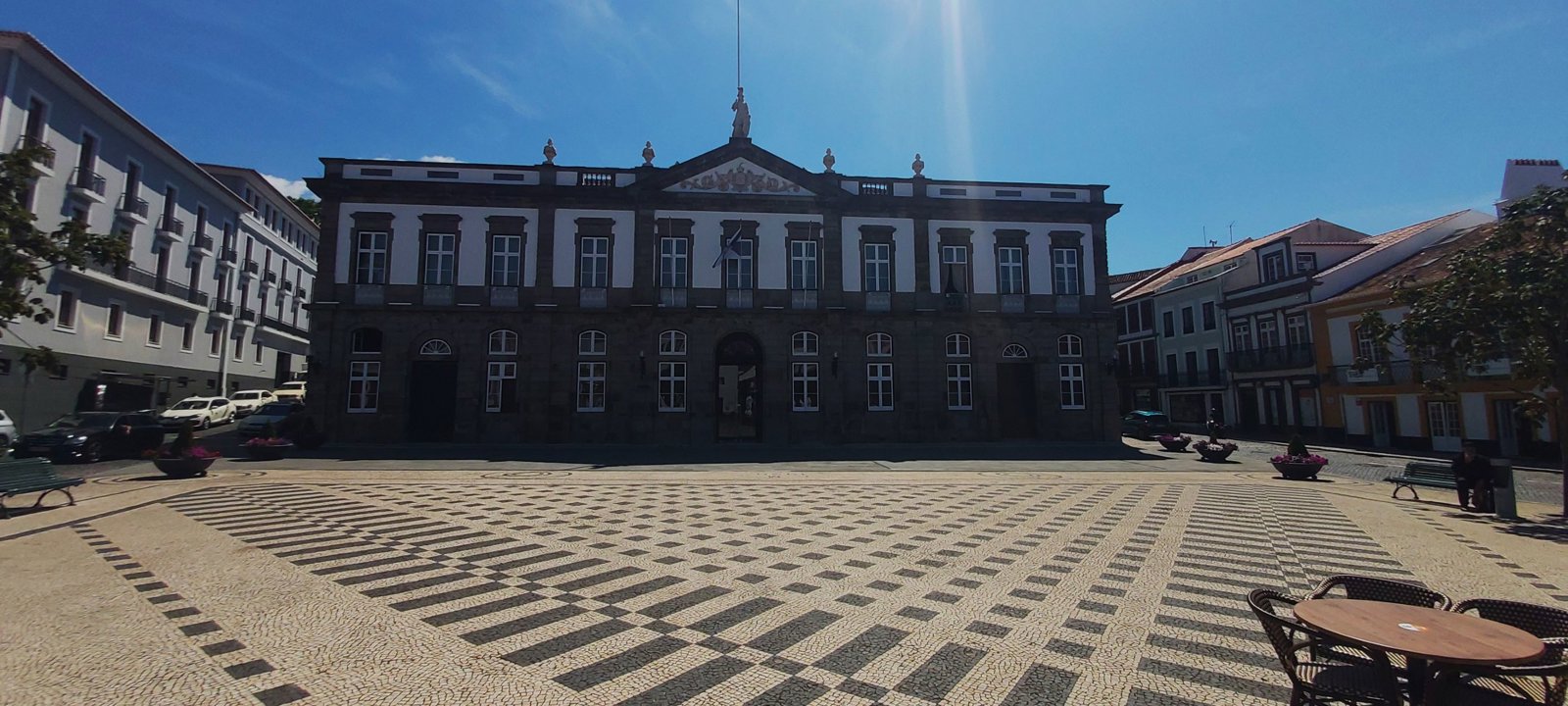
On the island's western coast lies Angra do Heroismo, a city of extraordinary historic importance. From the 15th century onwards, Angra served as a critical waypoint on Portuguese voyages of discovery — every fleet returning from the Americas, Africa, and Asia passed through this harbour. The intact ensemble of Renaissance streets, baroque churches, and military fortifications that resulted earned the city UNESCO World Heritage status in 1983. Walking its cobbled centre is one of the Atlantic world's more underrated urban pleasures.
For cruise passengers with a day ashore, Terceira offers a rare combination: world-class geological spectacle, genuine UNESCO heritage, authentic island culture, and hiking through landscapes that feel nothing like mainland Europe. The island is compact enough that a well-planned day can encompass volcanic wonders and the historic city comfortably — provided the logistics are in place to make the most of limited hours.
Top things to do in Praia Da Vitoria on a cruise stopover
The Trail of the Black Mysteries
A volcanic hiking excursion unlike anything found in mainland Europe. Terceira's dramatic lava domes rise steeply from the island's interior, and this trail threads through ancient forests, past hidden lagoons, and across the otherworldly black rock formations that give the route its striking name. The landscape is the product of volcanic eruptions over millennia, and the contrast between lush greenery and dark basalt creates a genuinely arresting visual experience. Experienced guides bring the geology to life, explaining how Terceira's interior was shaped by forces still active beneath the Atlantic seafloor. Walking conditions are manageable for reasonably fit travellers, though sturdy footwear is essential on uneven volcanic terrain.
West Coast Discovery and Angra do Heroismo
Terceira's west coast sweeps towards one of the Atlantic world's great surprises: Angra do Heroismo, a UNESCO World Heritage City that served as a vital waypoint on Portuguese voyages of discovery from the 15th century onwards. The city's historic centre preserves a remarkable ensemble of Renaissance streets, ornate churches, and fortifications — all remarkably intact given the intervening centuries. The coastal road between Praia da Vitória and Angra passes through characteristic Azorean villages, with blue hydrangea hedgerows lining the roads in summer and the Atlantic glittering below. Lunch included in this excursion makes it a genuinely relaxed way to absorb the island's most significant historic landscape.
Volcanic Wonders of Terceira Island
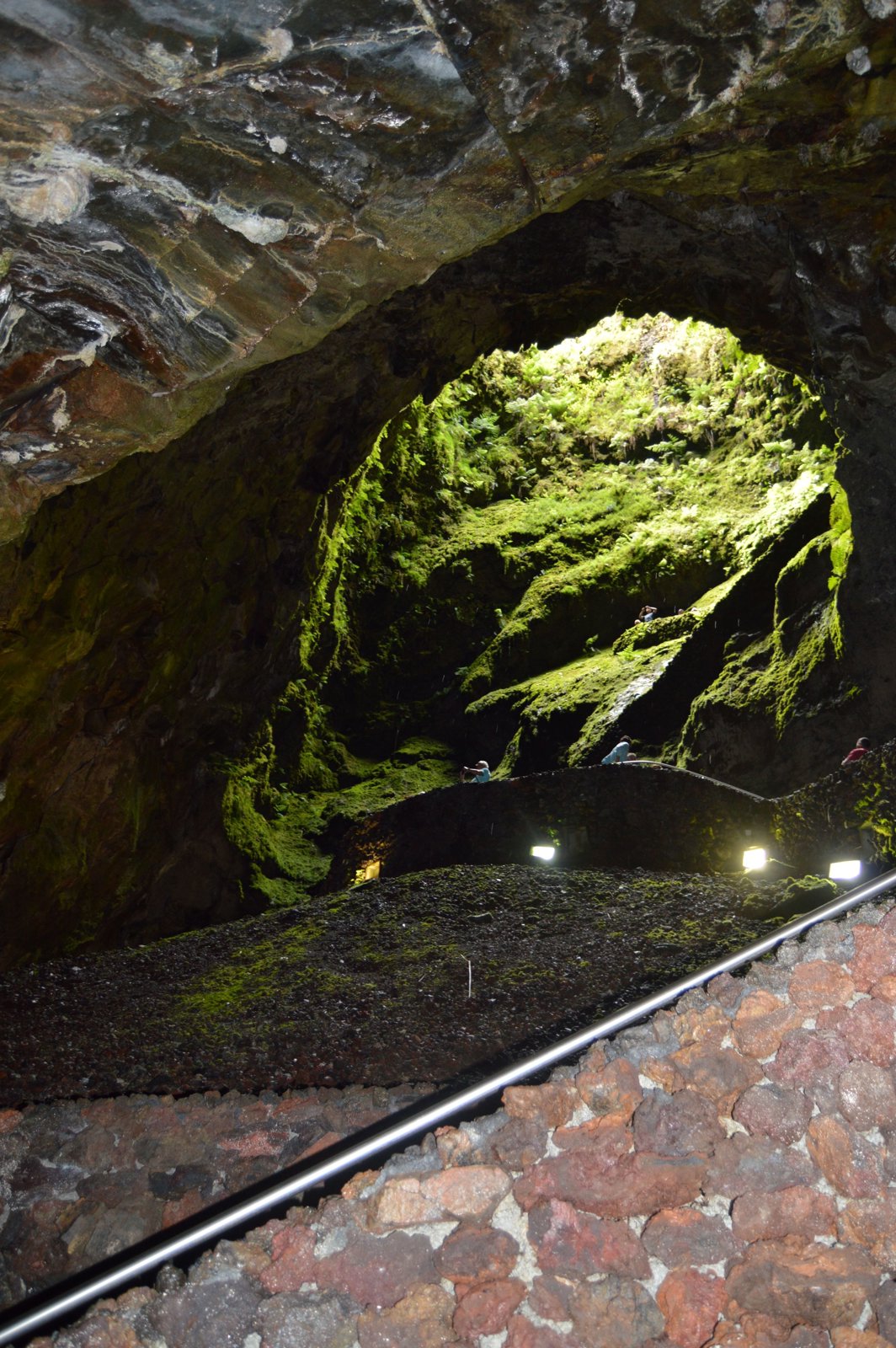
Terceira conceals some of the Atlantic's most extraordinary geological formations. The island's lava tube Algar do Carvão plunges 90 metres into the earth, where stalactites hang above an underground lake in a space of genuine awe. Nearby fumarolic fields at Furnas do Enxofre emit sulphurous steam from vents in the earth, while ancient lava flows have hardened into sculptural forms across the landscape. This guided discovery brings together these remarkable features, giving context to the volcanic forces that created the Azores and continue to shape this mid-Atlantic archipelago. For anyone with an interest in geology or dramatic natural scenery, this is Terceira at its most elemental.
Best of Terceira: A Full-Day Scenic Journey
A full day on Terceira is the most rewarding way to appreciate the island's diversity. This comprehensive excursion weaves together the principal highlights — volcanic landscapes, traditional Azorean villages, coastal viewpoints, and the cultural legacy of centuries-old settlement. The characteristic Impérios do Espírito Santo — the brightly painted chapels that dot island communities — speak to the deeply rooted traditions shaping daily life here. The island's north coast harbours unique volcanic swimming pools carved from basalt lava, while interior ridgeline views extend on clear days across the Atlantic to neighbouring islands. This tour provides the clearest sense of why Terceira is considered one of the Azores' most complete destinations.
Lagoons and Interior Landscapes
Terceira's interior conceals a series of lagoons and wetlands of surprising tranquillity. Lagoa do Negro — a serene lake set within dense laurisilva forest — exemplifies the Azores' capacity to feel genuinely remote and pristine despite centuries of settlement. The forests here belong to the Macaronesian laurel woodland ecosystem, one of the rarest in Europe and listed as a natural heritage feature of global importance. Birdsong, fern-draped trails, and the stillness of the water create a meditative contrast to the island's more dramatic volcanic features. Whether encountered on a hiking excursion or as part of a scenic drive, these inland landscapes provide some of the most memorable imagery of a day on Terceira.
Terceira's Living Culture: Villages and Island Traditions
Away from the geological spectacle, Terceira has a deeply rooted cultural identity shaped by centuries of Atlantic trade and Portuguese religious tradition. The island's villages preserve a way of life that changes slowly: whitewashed houses face onto cobbled squares, and the rhythms of agriculture and fishing remain part of everyday existence. Summer brings the festas do Espírito Santo — communal celebrations of warmth and colour centred on the brightly painted Impérios chapels found throughout the island. Traditional crafts, local markets, and the unhurried pace of Azorean life offer a welcome contrast to the geological drama found elsewhere.
Praia Da Vitoria travel tips
Pack Layers for Changing Atlantic Weather. Terceira's mid-Atlantic position means weather can shift from sunshine to cloud and drizzle within an hour, even in peak summer. Pack a lightweight waterproof layer regardless of the forecast, and dress in separable layers that can be added or removed as conditions change. The island's higher elevations are noticeably cooler and windier than the coast, which matters particularly on hiking trails and at the volcanic formations in the interior.
Wear Sturdy Footwear for Volcanic Terrain. Many of Terceira's most rewarding landscapes involve uneven volcanic rock, lava fields, and forest trails. Trainers with good grip are the minimum requirement; proper walking shoes or lightweight hiking boots are ideal for trail-based excursions. The black lava rock surfaces can be slippery when wet and are uneven underfoot even when dry. Sandals or flat-soled shoes are suitable only for the town centre and Angra do Heroismo's more developed streets.
Try Alcatra — A Dish Found Nowhere Else. Alcatra is Terceira's most celebrated dish and something genuinely not found elsewhere in the world. The slow-cooked beef stew, prepared in a traditional clay pot with wine, garlic, and local spices, is served in traditional restaurants throughout the island. If the excursion you choose includes lunch, alcatra is the obvious order. It represents Azorean culinary identity more completely than any other single dish, and the clay-pot cooking method produces a depth of flavour that rewards the experience.
Explore Angra do Heroismo Beyond the Main Square. Angra's UNESCO-listed historic centre rewards wandering rather than checklist touring. The fortifications — particularly the São João Baptista Fort, one of the most complete 16th-century military complexes surviving in the Atlantic world — tell the story of Terceira's strategic importance to Portuguese trade routes. The upper town gardens (Jardim Duque da Terceira) offer excellent views over the city and the bay. Allow at least two hours in Angra to absorb the scale and character of this genuinely remarkable city.
Cash Is Useful in Traditional Markets and Villages. While card payments are accepted in most restaurants and shops in Praia da Vitória and Angra do Heroismo, smaller village vendors, traditional markets, and roadside stalls may operate on a cash basis. Carrying a modest amount of Euros provides flexibility to take advantage of local produce and crafts encountered along excursion routes — Azorean cheese, honey, and local liqueurs make excellent provisions for the onward journey.
Build in a Buffer for the Return to Port. Terceira's most absorbing landscapes and the UNESCO city of Angra do Heroismo have a tendency to claim more time than planned. Establish your latest departure time clearly before heading out — whether on an organised excursion with a fixed schedule or exploring independently around Praia da Vitória — and build in a reasonable buffer. The town and port are close to each other, but the best island experiences require travel across the island's length.
Port Facts Every Cruiser Needs To Know
Praia Da Vitoria shore excursion FAQs
The two main towns on Terceira are approximately 16 km apart, connected by the island's main road. The journey takes around 20–25 minutes by car or excursion vehicle. Public buses serve the route, though schedules may not align with typical cruise shore time — organised excursions are the most reliable way to reach Angra and return to the ship comfortably.
Praia da Vitória's town centre and waterfront are reasonably accessible on foot, but much of the island's volcanic terrain — including hiking trails and lava tube entries — involves uneven surfaces and steps. Angra do Heroismo's historic streets are largely walkable on relatively flat cobbles, though some areas are hilly. Passengers with mobility concerns should review specific excursion details carefully when selecting their day's activities.
Yes. Praia da Vitória has a sandy beach — relatively rare in the Azores, where most swimming is from volcanic rock platforms or natural pools. The beach is one of the island's main summer attractions and is a short distance from the town centre. Sea temperatures are milder than northern Europe but cooler than the Mediterranean, typically reaching around 22°C in summer.
No — Angra do Heroismo is approximately 16 km west of Praia da Vitória and requires transport. Walking between the two towns is not practical within a typical cruise day ashore. Organised excursions are the most efficient way to reach Angra and return to the ship comfortably within the available time.
The Azores have a mild, subtropical Atlantic climate with temperatures ranging from around 15°C in winter to 25°C in summer. Rain is possible year-round, though summer brings extended periods of settled, sunny weather. Microclimatic variation across the island is common; conditions can change rapidly, particularly at higher elevations. Packing layers and a waterproof layer is always wise regardless of the season.
ATMs are available in both Praia da Vitória and Angra do Heroismo. Card payments are accepted at most restaurants, shops, and tourist businesses across the island. Carrying a small amount of cash is advisable for traditional markets, smaller village establishments, and roadside vendors where card facilities may not be available.
The Azores archipelago sits atop the Mid-Atlantic Ridge, one of the most tectonically active zones on Earth. Terceira's volcanic features include calderas, lava tubes, fumarolic fields, and basalt-edged coastline — geological formations created over millions of years of volcanic activity. The lava tube Algar do Carvão descends 90 metres and contains an underground lake, making it one of the most accessible volcanic formations in Europe.
The Azores are generally somewhat more affordable than mainland Portugal's major cities for restaurants and local produce, though imported goods can be pricier given the islands' remote location. Excursions and activities represent good value compared to many European cruise destinations. Local produce — cheese, wine, honey, and preserved goods — is particularly well-priced and of excellent quality.
Portuguese is the official language; the Azorean dialect differs slightly from mainland Portuguese but is the same language. English is commonly understood in Praia da Vitória and Angra do Heroismo, particularly at restaurants and tourism businesses. A few words of Portuguese are always warmly received by locals and reflect well on visitors making the effort.
Yes. The town centre of Praia da Vitória is compact, attractive, and easily explored on foot in an hour or two. The waterfront, parish church, local cafes, and the sandy beach offer a pleasant introduction to Azorean town life. For the island's signature volcanic and heritage highlights — including the lava tube, volcanic formations, and Angra do Heroismo — transport to other parts of Terceira is necessary.
Filters
Select a filter to refine results.
Tour Type
Tour Activity
 Cart
Cart
 USD
USD GBP
GBP AUD
AUD EUR
EUR CAD
CAD