



Tours in Portimao


Cruising to Portimao in a group?
Skip the crowded ship excursion bus. One dedicated planner will design a private shore experience around exactly what your group wants — coordinated from first enquiry to the moment you're back on board. More memorable, more flexible, and more affordable than you might expect. Spend less time organising, more time enjoying.
Explore Group Travel →Cruising to Portimao
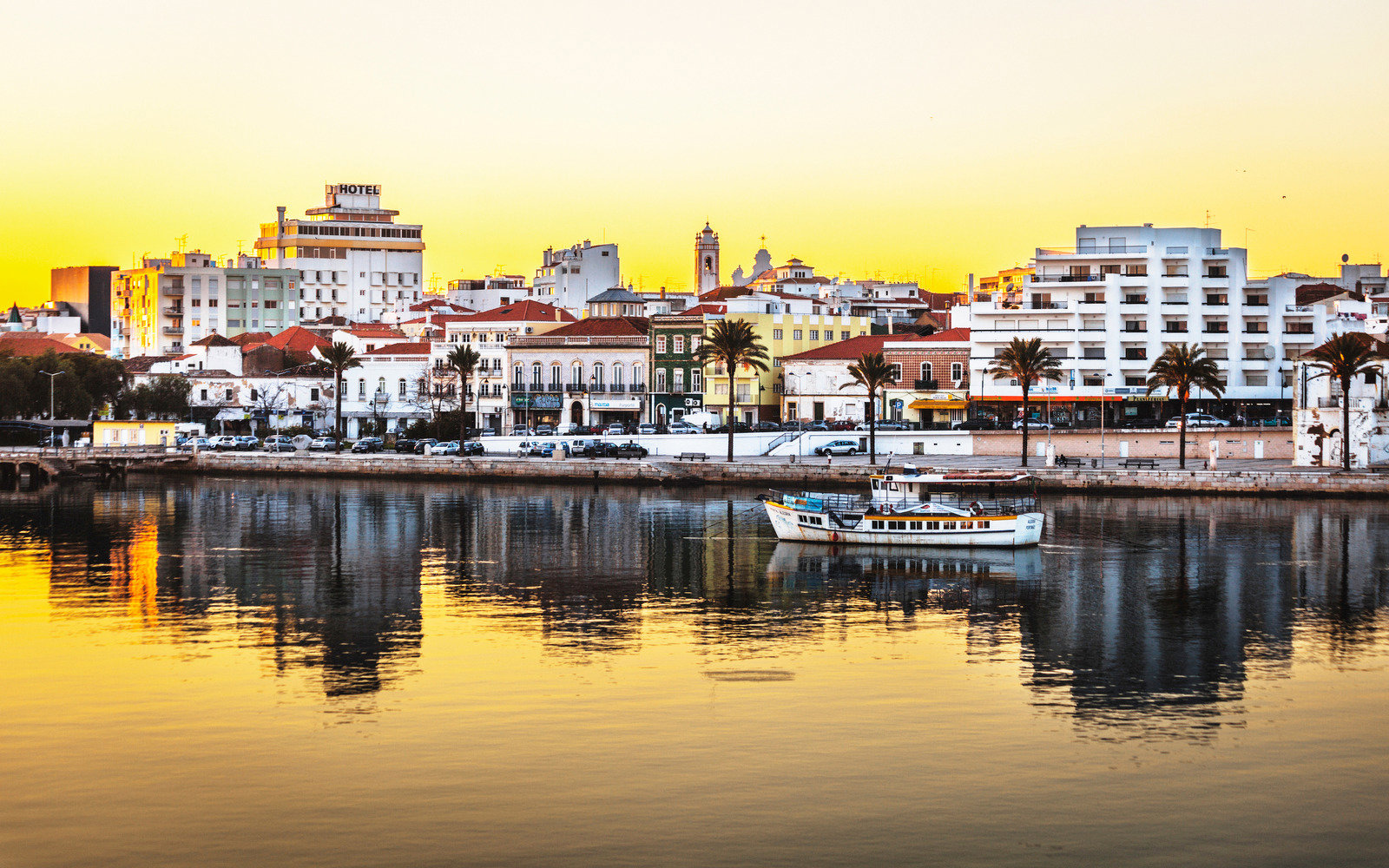
Portimão is the Algarve's second-largest city and one of southern Portugal's most rewarding cruise destinations — a place where Atlantic beaches of extraordinary beauty sit alongside a riverside working waterfront that retains much of the spirit of its sardine-canning past. Located on the estuary of the Rio Arade, the city occupies a natural harbor that has been in use since Phoenician times, and the layers of that history are visible if you know where to look: in the riverside warehouses converted to restaurants and galleries, in the baroque church towers rising above the low whitewashed skyline, and in the fishing boats still working the river alongside the pleasure craft.
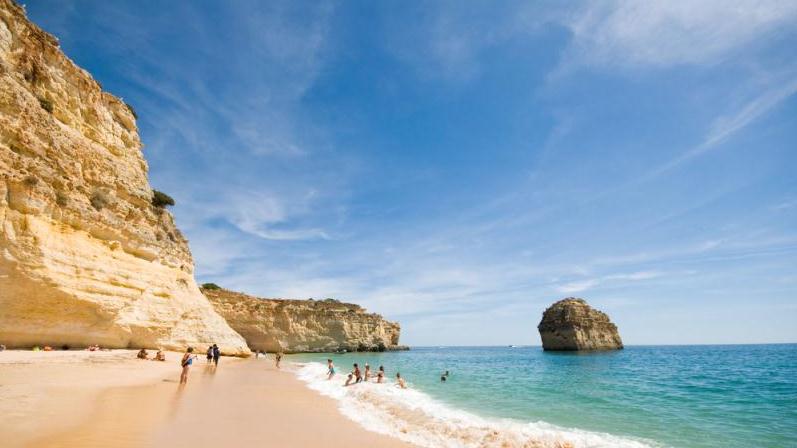
The Algarve region surrounding Portimão is defined above all by its coastline. Golden limestone cliffs, eroded by Atlantic wave action into arches, grottos, sea stacks, and cathedral-like formations, back fine sand beaches that draw visitors from across Europe. Praia da Rocha, just three kilometers south of the port, is one of the most iconic stretches of coast in Portugal. But the Algarve's appeal extends far beyond the beach. To the west, historic Lagos preserves one of the finest medieval old towns in southern Portugal, while the dramatic headlands at Sagres and Cabo de São Vicente mark the very southwestern tip of the European continent — a place with genuine historical resonance as the departure point of the Age of Discovery navigators.
For cruise passengers, Portimão functions as an ideal gateway to a diverse range of experiences within easy reach. Lagos, 18 kilometers west, combines beautifully preserved Moorish-influenced architecture with proximity to the extraordinary Ponta da Piedade rock formations. Sagres and its cape lie 45 minutes further along the coast. Inland, the red sandstone Moorish castle at Silves — once the most important city in the Algarve under Arab rule — offers historical depth that complements the coastal drama. Tours to the eastern Algarve reach the elegant whitewashed town of Tavira and the Spanish border, opening an entirely different face of the region.
The city itself offers a pleasant waterfront promenade, an excellent sardine tradition that the region celebrates annually, and the converted Fábrica da Sardinha canning complex where industrial heritage meets contemporary dining. Shopping for ceramic tiles, cork products, and local almond sweets along the riverside market provides a compact introduction to Algarvian craft traditions. As a launch point for one of Europe's most diverse coastlines, Portimão delivers.
Top things to do in Portimao on a cruise stopover
Lagos: Medieval Walls and the Edge of the Atlantic World
Eighteen kilometers west of Portimão, Lagos is one of the Algarve's most compelling towns — a place where medieval walls, Moorish-influenced architecture, and one of Portugal's darkest historical chapters coexist within a beautifully preserved old town. The walled city center conceals azulejo-decorated chapels, shaded cobblestone squares, and the extraordinary Igreja de Santo António with its gilded baroque interior. Adjacent to the church, the Museu Municipal occupies the site of what is recognized as Europe's first dedicated slave market — a sobering and important element of the town's significance in the Age of Discovery. VA's half-day and full-day private tours from Portimão make Lagos the primary destination, with time for both the historic core and the Ponta da Piedade rock formations just south of town.
Sagres and Cabo de São Vicente
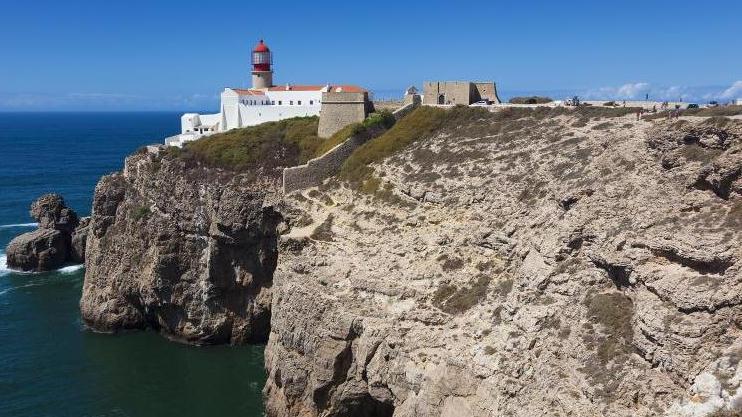
The southwesternmost point of continental Europe sits at Cabo de São Vicente, where vertical cliffs plunge 70 meters into the open Atlantic. The working lighthouse marks the exact point where Vasco da Gama, Bartolomeu Dias, and other Age of Discovery navigators departed into the unknown — it is one of the most historically charged viewpoints in Europe. Sagres, six kilometers from the cape, was home to Henry the Navigator's legendary school of navigation; the Fortaleza de Sagres occupies a windswept promontory above the sea, its enormous stone compass rose still visible in the courtyard. VA private tours combine both headlands with Lagos in a western Algarve itinerary that captures the full dramatic sweep of Portugal's Atlantic edge.
Silves: The Moorish Capital in the Hills
Thirty kilometers northeast of Portimão, Silves was once the capital of Al-Gharb — the Moorish territory that gave the Algarve its name — and one of the most important cities in the medieval Iberian Peninsula. The ochre-red sandstone Castelo dos Mouros dominates the hilltop skyline, preserving six original towers and substantial lengths of Moorish wall in remarkable condition. Below the castle, the 13th-century Gothic cathedral occupies the site of the former Grand Mosque. The town retains an authentic, non-touristic character that contrasts sharply with the coastal resorts, and the traditional restaurants around the castle walls serve some of the most honest regional cooking in the Algarve. VA's western Algarve tours that include Silves alongside Sagres offer a genuinely comprehensive picture of the region.
Eastern Algarve: Faro, Tavira, and the Spanish Border
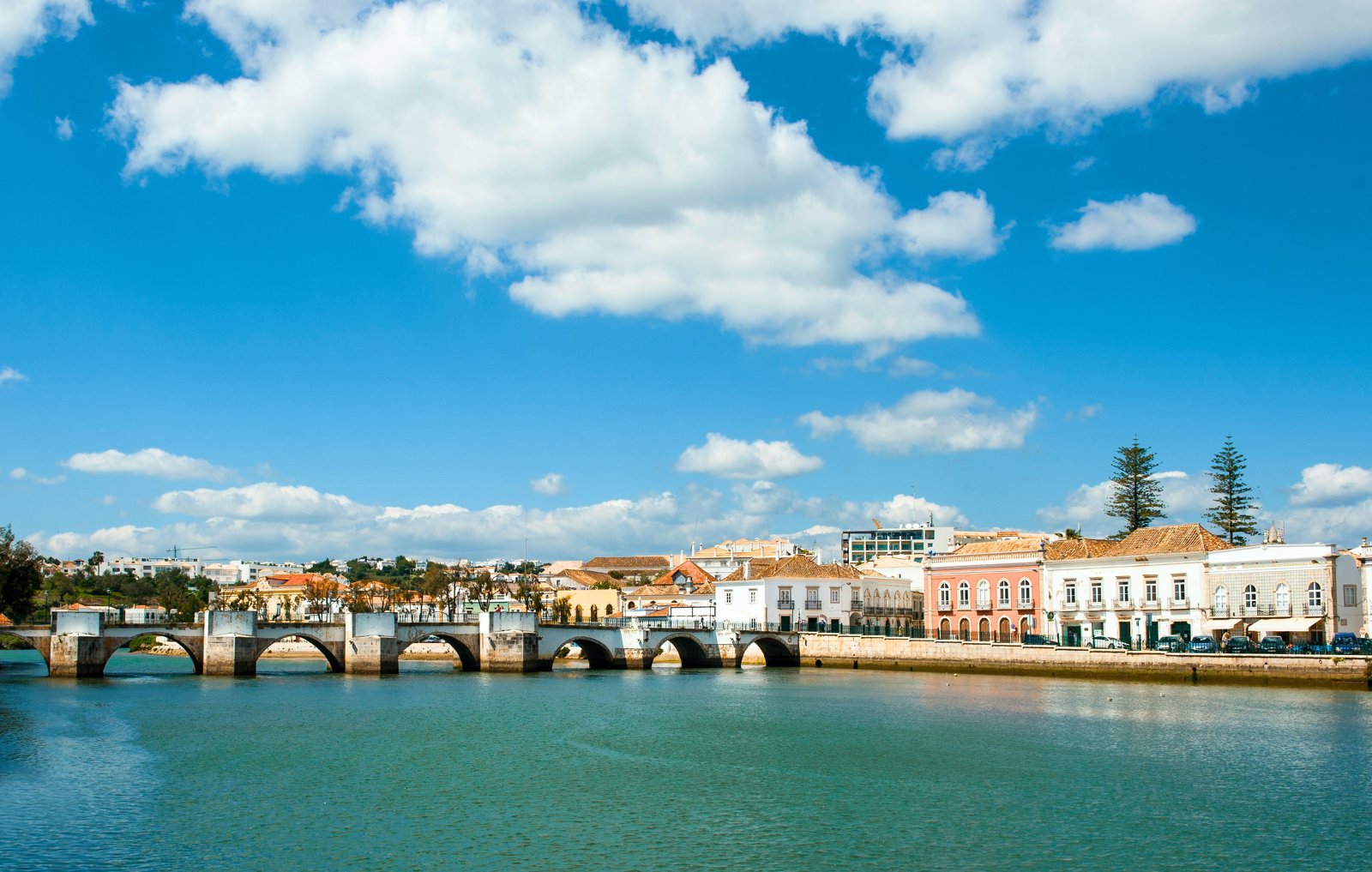
The eastern Algarve presents a quieter, more architecturally elaborate face of the region. Tavira is widely considered the most beautiful town in the Algarve — a place of Roman bridges, whitewashed churches with ornate rooflines, and a labyrinthine Moorish-influenced old quarter that has largely escaped the development pressures affecting towns further west. Faro, the regional capital, possesses a well-preserved walled old city, an evocative bone chapel in the Igreja do Carmo, and a UNESCO-listed natural park on its doorstep. VA's eastern Algarve private tour extends to the Spanish border, offering a full-day survey of a region that most coastal visitors entirely overlook.
Portimão Riverfront and Sardine Heritage
The city's working waterfront along the Rio Arade retains genuine port character despite its leisure development. The converted sardine canning factory complex houses restaurants, art installations, and a small exhibition on the canning industry that defined Portimão's economy for most of the 20th century. The riverside restaurants grilling sardines and fresh fish over charcoal are among the most atmospheric in Portugal — the smoke, the light off the water, and the informality of the outdoor seating create a dining experience that feels authentically local. A street art trail celebrating the sardine-canning heritage lines building facades near the dock, making a riverside walk a worthwhile prelude to any excursion.
Aljezur and the Wild Costa Vicentina
North of Sagres, the Costa Vicentina is the wildest stretch of Atlantic coastline in southwestern Europe — protected within the Parque Natural do Sudoeste Alentejano e Costa Vicentina and consequently free of the resort development that characterizes much of the eastern Algarve. The village of Aljezur, overlooked by the ruins of a Moorish castle on a volcanic outcrop, serves as a gateway to beaches so undeveloped they feel near-deserted even in peak summer. The landscape here — low Atlantic heath, wind-sculpted dunes, and dramatic sea cliffs — belongs to a different register from the groomed resorts further east. VA's western Algarve tour that continues north to Aljezur offers a perspective on Portugal's Atlantic coast that most cruise visitors never encounter.
Portimao travel tips
Prioritize Lagos for History and Architecture. Of all the destinations accessible from Portimão on a day port call, Lagos offers the richest combination of history, architecture, and atmosphere within a compact, walkable area. The walled old town, the slave market museum, the extraordinary gilded interior of Santo António church, and the nearby Ponta da Piedade rock formations can fill a rewarding four to five hours. Allow time to sit in a café in the main square before returning — the unhurried pacing is part of what makes a Lagos visit memorable.
Order the Sardines at the Waterfront. Portugal takes grilled sardines seriously, and Portimão perhaps more than anywhere. If eating at the riverside, order the charcoal-grilled sardines with boiled potatoes and salad — simple, inexpensive, and genuinely excellent. Peak sardine season is June through September, when the fish are at their fattest; they remain available outside these months but the quality and size vary. The ritual of eating them with bread and a glass of local wine on an outdoor terrace by the river is one of the Algarve's most enjoyable experiences.
Apply Sun Protection Generously. The Algarve sun is intense, particularly from June through September. UV levels routinely reach very high or extreme during midday hours, and the reflective quality of white limestone cliffs and sandy beaches amplifies exposure considerably. A hat, high-factor sunscreen, and a light long-sleeved layer are essential for cliff walks, boat excursions, and time at viewpoints — all situations where shade is minimal and extended exposure is unavoidable.
Don't Skip Silves on a Western Algarve Day. Many visitors focus exclusively on the coast and pass through the Algarve without visiting Silves — a consistently regretted omission. The Moorish castle is the finest in Portugal by most assessments, the hilltop setting provides views across the citrus groves of the river valley below, and the town retains an authentic character quite unlike the coastal resorts. Adding Silves to a western Algarve itinerary extends journey time by 45–60 minutes but provides historical context that makes everything else on the route more meaningful.
Go West for the Most Dramatic Scenery. The Algarve's most spectacular coastal scenery concentrates in the western section between Lagos and Cabo de São Vicente. The limestone rock formations at Ponta da Piedade, the vertical cliffs at the cape, and the windswept Sagres headland collectively represent some of the most dramatic Atlantic coastline in Europe. The eastern Algarve is more architecturally refined and historically layered, but for raw scenic impact, the west wins decisively. If time allows only one direction from Portimão, heading west rewards most spectacularly.
Check Entry Fees at Key Sites. The Fortaleza de Sagres charges a small admission fee separate from any tour cost. The Museu Municipal in Lagos (slave market museum) also has an entry charge. The view from Cabo de São Vicente itself is entirely free and accessible. Some VA tour packages include entrance fees in the overall price; others do not. Confirm what is included before your excursion departs to avoid unexpected costs, and bring a small amount of cash as not all entry booths accept cards reliably.
Port Facts Every Cruiser Needs To Know
Portimao shore excursion FAQs
Praia da Rocha is approximately 3km south of the cruise terminal. Local buses operate along this route. The beach is one of the Algarve's most celebrated, featuring a long sandy bay backed by golden limestone cliffs and a line of beach bar facilities throughout the summer season. On a warm day it makes a simple, pleasant independent outing for those who prefer beach time to sightseeing.
Lagos is 18km west of Portimão and connected by regional bus services from the central bus station (journey approximately 30–45 minutes). However, cruise schedules and bus timetables do not always align well, and the imperative of returning before all-aboard time creates significant pressure for independent travelers. Pre-arranged excursions manage timing more reliably and include the return journey within the planned schedule, removing the stress of monitoring bus times.
Cabo de São Vicente is the southwesternmost point of continental Europe — the last land that explorers like Vasco da Gama and Bartolomeu Dias would have seen before sailing into the unknown Atlantic during the Age of Discovery in the 15th and 16th centuries. Standing at the 70-meter cliffs above the ocean, looking south and west to open water, conveys a sense of historical scale that is surprisingly affecting. The nearby Fortaleza de Sagres preserves Henry the Navigator's connection to this pivotal era of world history.
The Algarve is one of Europe's most family-friendly coastal destinations. Beaches are generally calm and well-supervised in summer. Lagos has excellent child-friendly restaurants and a relaxed atmosphere. The boat tours through the Ponta da Piedade grottoes are popular with children of all ages. The Sagres headland and castle make history tangible in a way that engages younger visitors. Summer temperatures are hot but manageable with appropriate sun protection.
Cataplana is the Algarve's definitive regional dish — a stew of clams, prawns, chouriço, tomato, onion, and fresh herbs cooked in a distinctive hammered copper vessel resembling a clamshell, which seals entirely to trap steam and flavors. It is served table-side, the lid lifted with a flourish to release the aroma. Traditional restaurants along the Portimão waterfront and in Lagos old town serve reliable versions. Portions are typically generous and often intended to serve two people.
Absolutely. Silves is 30km northeast of Portimão (approximately 30 minutes by road) and offers a perspective on the Algarve entirely different from the coastal towns. The Moorish castle is the finest preserved example in Portugal, the hilltop location provides sweeping views across the citrus groves of the Arade river valley, and the town retains authentic character. VA tours that combine Silves with Sagres and Lagos make comprehensive and rewarding full-day use of available time.
Handpainted ceramic tiles (azulejos), cork products (Portugal is the world's largest cork producer), hand-embroidered textiles, carob products, local almond sweets (Dom Rodrigos, unique to the Algarve), and medronho (arbutus berry spirit distilled in small batches in the hills behind the coast) are all authentically regional. The riverside market in Portimão and the old town shops in Lagos offer better quality and more locally made alternatives to mass-produced tourist items.
The Algarve has one of Europe's most reliably sunny climates, averaging over 300 days of sunshine annually. Summers are hot and dry (28–35°C); spring and autumn are warm and very pleasant (18–26°C); winters are mild (12–18°C) with occasional rain. The region rarely experiences summer rain, making almost any cruise visit from April through October likely to offer excellent outdoor conditions.
Portimão's waterfront and much of the city center are relatively flat and accessible. Praia da Rocha has some accessible beach facilities. Lagos old town involves some cobblestone streets and gentle inclines but is largely manageable. The cliff viewpoints at Ponta da Piedade and Cabo de São Vicente involve uneven ground and are more challenging. The Fortaleza de Sagres courtyard is accessible on paved paths. Passengers with specific mobility requirements should review individual tour descriptions when booking.
The western Algarve (Lagos, Sagres, Cabo de São Vicente, Aljezur) is characterized by dramatic Atlantic-facing cliffs, wild beaches, the Age of Discovery heritage, and the most spectacular coastal scenery in the region. The eastern Algarve (Faro, Tavira, the Spanish border) is architecturally more refined, flatter, and historically layered with Moorish and Roman influences — Tavira in particular is considered the most elegantly beautiful town in the Algarve. VA offers private tours covering both directions from Portimão, each requiring a full day to do justice to the distances involved.
Filters
Select a filter to refine results.
Tour Type
Tour Activity
 Cart
Cart
 USD
USD GBP
GBP AUD
AUD EUR
EUR CAD
CAD