



Tours in Rostock (Berlin)


Cruising to Rostock (Berlin) in a group?
Skip the crowded ship excursion bus. One dedicated planner will design a private shore experience around exactly what your group wants — coordinated from first enquiry to the moment you're back on board. More memorable, more flexible, and more affordable than you might expect. Spend less time organising, more time enjoying.
Explore Group Travel →Cruising to Rostock (Berlin)
Warnemünde is one of those rare ports where the ship itself becomes part of the scenery. Germany's most popular Baltic resort, this former fishing village turned seaside town sits at the mouth of the Warnow River, with its cruise terminal depositing passengers within a short stroll of a broad sandy beach, a whitewashed lighthouse, and a promenade of restaurants, ice cream parlours, and souvenir stalls. For passengers content to stay close to the ship, Warnemünde alone offers a genuinely pleasant few hours of coastal Germany.
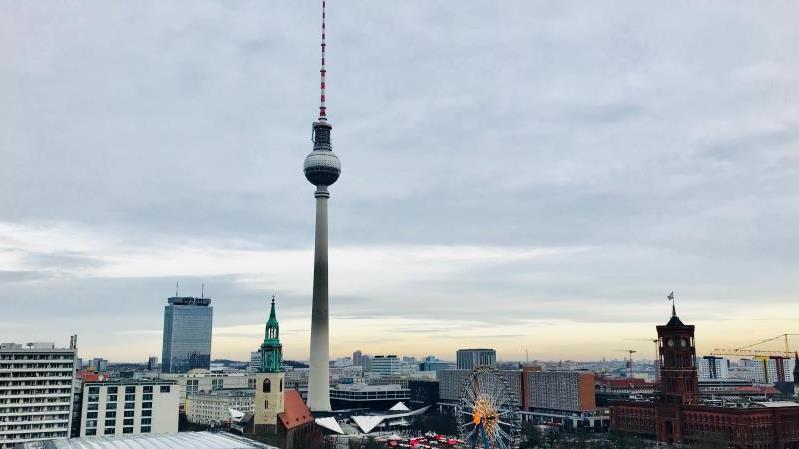
Yet the greater pull for many visitors is the journey inland. Berlin — reunified, reimagined, and endlessly layered — lies roughly two and a half hours south of the coast, and for those willing to commit to a long day's excursion, it remains one of the most rewarding city experiences in the world. From the Brandenburg Gate and the Reichstag dome to the fragmented remnants of the Wall and the sober monumentality of its Holocaust memorials, Berlin confronts its twentieth-century history with unusual candour, making it unlike any other European capital.
Rostock itself, the Baltic's largest German port city, merits exploration beyond Warnemünde. The medieval Hanseatic core along Kröpeliner Strasse harbours Gothic brick churches, a restored market square, and the kind of unhurried civic life that northern German cities do well. The Kröpeliner Tor, a fourteenth-century city gate, stands as a reminder of Rostock's former importance in the powerful Hanseatic trading league.
Whether passengers choose the salt air of the Baltic coast or the weighty history of the German capital, Rostock port opens onto two quite different German experiences. Guided excursions to Berlin are strongly advisable for those making the city journey — the distances involved and the complexity of the city's geography mean that pre-arranged transport transforms what might otherwise be a stressful logistics exercise into a seamless and satisfying day.
Top things to do in Rostock (Berlin) on a cruise stopover
Berlin: An Unmissable Day Journey from the Baltic Coast
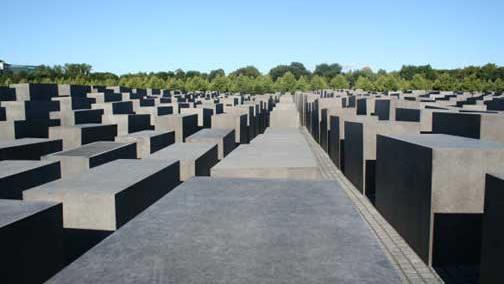
Few cities carry the historical weight of Berlin, and fewer still have transformed that weight into something as compelling as the German capital does today. The Brandenburg Gate, once stranded in no-man's land between East and West, now anchors the city's ceremonial heart. The Reichstag, its glass dome a democratic symbol designed by Norman Foster, offers panoramic views over a city that has reinvented itself repeatedly within living memory. The Holocaust Memorial, an undulating field of concrete slabs south of the Gate, is one of Europe's most affecting sites of remembrance. A private guided tour of Berlin covers these landmarks and more — navigating a city whose sheer scale and complexity reward expert interpretation.
Jewish Heritage in Berlin: A Full-Day Immersion
Berlin's Jewish history is among the most significant and most sorrowful in Europe, and the city has made extraordinary efforts to document, memorialise, and celebrate it. The Jewish Museum Berlin, designed by Daniel Libeskind in a deliberately disorienting zinc-clad building, traces two thousand years of German-Jewish life. The Memorial to the Murdered Jews of Europe confronts history without euphemism. Synagogues, cemeteries, and the streets of the former Scheunenviertel quarter speak to a community that once numbered 170,000 in this city alone. A dedicated full-day Jewish heritage tour provides the context and depth that makes these sites genuinely comprehensible and moving.
The Berlin Wall and the Weight of Division
The Berlin Wall, which stood from 1961 to 1989, bisected a city, separated families, and became the defining physical symbol of the Cold War. Today, its remnants exist in fragments: the East Side Gallery preserves 1.3 kilometres of original Wall sections painted by artists from around the world after reunification. Checkpoint Charlie, the most famous crossing point between East and West, is now a tourist landmark, though the stories it carries remain sobering. The Topography of Terror outdoor exhibition, built on the former Gestapo and SS headquarters, documents the Nazi apparatus in unflinching detail. Berlin's history of division and its peaceful ending is one of the twentieth century's most extraordinary stories.
Warnemünde: The Baltic Resort at the Ship's Doorstep
Warnemünde is one of Germany's most beloved seaside destinations, and its attractions are entirely accessible on foot from the cruise terminal. The broad sandy beach stretches eastward from the harbour mouth, backed by dunes and a promenade lined with restaurants and beach cafés. The white lighthouse, dating from 1898, is the town's most photographed landmark. The old fishermen's quarter, known as the Alter Strom, follows a quiet canal lined with moored boats, smoked fish stalls, and painted wooden cottages. It is an entirely unhurried environment — perfect for passengers who prefer a gentle Baltic morning to the intensity of a Berlin day trip.
Rostock's Hanseatic Old Town
Rostock's medieval core, reached from Warnemünde by a short S-Bahn ride, rewards the visitor with the scale and confidence of a former Hanseatic trading power. Kröpeliner Strasse, one of Germany's most attractive pedestrian streets, links the Neuer Markt (with its restored gabled townhouses and Gothic Rathaus) to the fourteenth-century Kröpeliner Tor city gate. The Petrikirche and Nikolaikirche are impressive examples of North German Brick Gothic architecture. The university, founded in 1419, is the oldest in northern Europe and lends the city a youthful energy that contrasts pleasantly with its medieval fabric.
Accessible Berlin: History Without Barriers
Berlin is one of Europe's more accessible major cities, and a dedicated accessible tour from Rostock ensures that passengers with mobility requirements can experience the German capital's iconic sites without the logistical anxieties that can accompany independent travel. Purpose-adapted vehicles, careful routing, and an experienced guide make the day manageable and meaningful. Key sites including the Brandenburg Gate area, the Holocaust Memorial, and the Reichstag building are all navigable by wheelchair, and Berlin's broad pavements and flat central geography help. The city's accessibility is a reflection of its broader commitment to openness and inclusion.
Rostock (Berlin) travel tips
Make the Berlin Decision Before You Arrive. The choice between spending the day in Warnemünde and Rostock, or making the long journey to Berlin, needs to be made in advance — not on the gangway. A Berlin day trip consumes most of the port day and requires pre-arranged transport. Those arriving unprepared for the distances involved often end up rushing back. If Berlin is the goal, plan for it fully; if the Baltic coast is the goal, Warnemünde and Rostock together offer a genuinely satisfying and far more relaxed alternative.
Allow Generous Time for Return Journeys. Whatever destination you choose, build in a substantial buffer before the ship's departure. The train journey from Berlin to Warnemünde takes approximately 2.5 hours, and delays can occur. Guided excursions are calibrated to ensure timely return; independent travellers should aim to board a Berlin-bound train no later than a firm deadline that guarantees arrival at the ship with time to spare. Missing a ship departure in Germany is a serious inconvenience.
Warnemünde's Alter Strom for Fresh Fish. The Alter Strom canal, running parallel to the beach behind Warnemünde's main promenade, is lined with smoked fish stalls and small restaurants that represent the town's genuine culinary character. Räucherfisch — smoked herring, eel, or mackerel — eaten at a harbour-side stall is a deeply local experience that no amount of restaurant dining replicates. Arrive early; the best stalls can sell out by midday in summer.
Dress for Baltic Weather. The Baltic coast has a maritime climate that changes quickly. Even in summer, a sea breeze can make waterfront temperatures feel considerably cooler than the air temperature suggests. A windproof layer is advisable for Warnemünde's beach and promenade at any time of year. For a Berlin day trip, comfortable walking shoes are essential — the city's main sights are spread across considerable distances and no amount of transport eliminates the walking between them.
Cash for Smaller Transactions. Germany remains more cash-oriented than many comparable European countries. While card payments work in most restaurants, shops, and attractions in both Warnemünde and Berlin, smaller stalls, market vendors, and some traditional establishments still prefer or require cash. Carrying a modest amount of euros avoids the frustration of being turned away at a fish stall or a traditional Imbiss (snack stand) on a busy port day.
Rostock's Neuer Markt for Architecture. If travelling from Warnemünde into Rostock city centre, the Neuer Markt (New Market Square) is the architectural centrepiece. The Gothic Rathaus with its baroque façade, the surrounding gabled merchant houses, and the scale of the square itself convey Rostock's former wealth as a Hanseatic trading city. The square is a natural gathering point and a good base for walking the pedestrian zone. The Stadtkirche St. Marien, slightly west of the market, contains a famous astronomical clock installed in 1472.
Port Facts Every Cruiser Needs To Know
Rostock (Berlin) shore excursion FAQs
Berlin is approximately 220 kilometres south of Warnemünde. The regular train service from Rostock Hauptbahnhof to Berlin Hauptbahnhof takes around 2.5 hours each way, making the total travel time for a Berlin day trip roughly five hours. From Warnemünde to Rostock Hauptbahnhof adds around 20 minutes by S-Bahn. Guided excursions using private coaches may vary in journey time depending on traffic.
The Brandenburg Gate, the Reichstag, the Holocaust Memorial, the remnants of the Berlin Wall including the East Side Gallery, Checkpoint Charlie, the Berlin Cathedral (Berliner Dom), and the Unter den Linden boulevard are all achievable on a well-structured day trip. The Museumsinsel (Museum Island) and the Jewish Museum require more dedicated time than a single day typically allows for those also travelling from the coast.
Yes. A dedicated accessible Berlin sightseeing tour operates from Rostock using adapted vehicles, making the day manageable for passengers who use motorised equipment or have mobility requirements. Berlin's central sightseeing areas are generally well-suited to accessible travel, with broad pavements, flat terrain in the historic core, and accessible facilities at major attractions.
Warnemünde offers a full port-day of activities within easy walking distance of the ship. The sandy Baltic beach, the lighthouse, the Alter Strom canal with its smoked fish stalls and restaurants, the Teepott building (a distinctive 1960s landmark), and the general atmosphere of a traditional German seaside resort are all on the doorstep. It is an entirely relaxed and pleasant alternative to a long day trip.
The S-Bahn S1 line connects Warnemünde station (a short walk from the cruise terminal) to Rostock Hauptbahnhof in approximately 20 minutes, with frequent departures throughout the day. The journey is straightforward and inexpensive. From Rostock Hauptbahnhof, the pedestrian old town along Kröpeliner Strasse is a short walk.
Rostock was a major member of the Hanseatic League, the medieval trading confederation that dominated Baltic commerce from the 13th to 17th centuries. The city's Gothic brick churches, merchant townhouses, and its university — founded in 1419, the oldest in northern Europe — reflect this prosperous heritage. Rostock suffered considerable wartime damage but its old town core has been thoughtfully restored.
Germany uses the Euro (€). Card payments are accepted at most restaurants, hotels, and larger shops in both Warnemünde and Berlin. However, Germany retains a strong cash culture, and smaller vendors, market stalls, and traditional Imbiss snack stands frequently prefer or require cash. Carrying a modest amount of euros is advisable.
English is widely spoken in Warnemünde's tourist areas and throughout Berlin. Germany's tourism industry is well-equipped for international visitors. In smaller shops or more local establishments in Rostock, German may be the primary language, but basic communication in English is generally manageable. Having a few phrases in German is always appreciated.
Rostock and Warnemünde experience a temperate Baltic maritime climate. Summer months (June–August) average 18–23°C, with warm sunny days and relatively low rainfall. Sea breezes can make coastal temperatures feel cooler than they are. May and September are pleasant with fewer crowds. July and August are the most reliably warm months for beach visits.
For passengers making the Berlin day trip, plan to leave Berlin no later than a time that provides a 3-hour cushion before ship departure — accounting for the 2.5-hour rail journey plus time to reach the station and walk back to the terminal from Warnemünde. Guided excursions are timed to return passengers with a safe buffer. Independent travellers should be conservative with timing, as trains can be delayed and missing the ship is a costly outcome.
Filters
Select a filter to refine results.
Tour Type
Tour Activity
 Cart
Cart
 USD
USD GBP
GBP AUD
AUD EUR
EUR CAD
CAD