



Tours in Savona


Cruising to Savona in a group?
Skip the crowded ship excursion bus. One dedicated planner will design a private shore experience around exactly what your group wants — coordinated from first enquiry to the moment you're back on board. More memorable, more flexible, and more affordable than you might expect. Spend less time organising, more time enjoying.
Explore Group Travel →Cruising to Savona
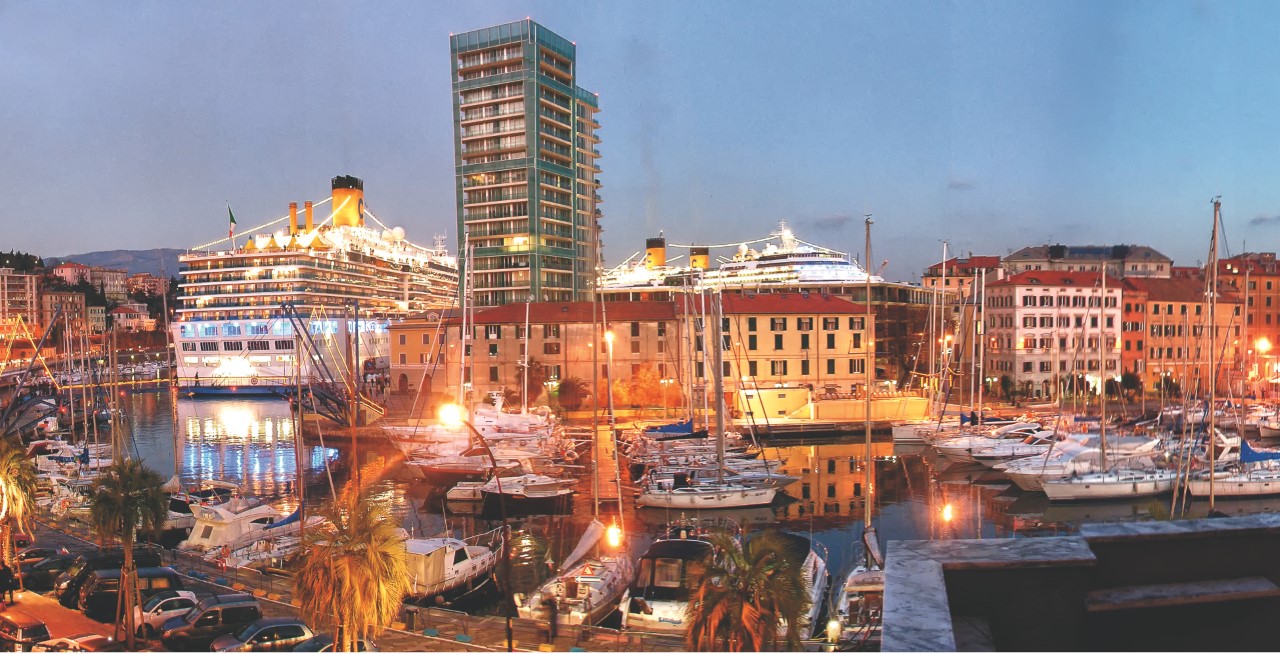
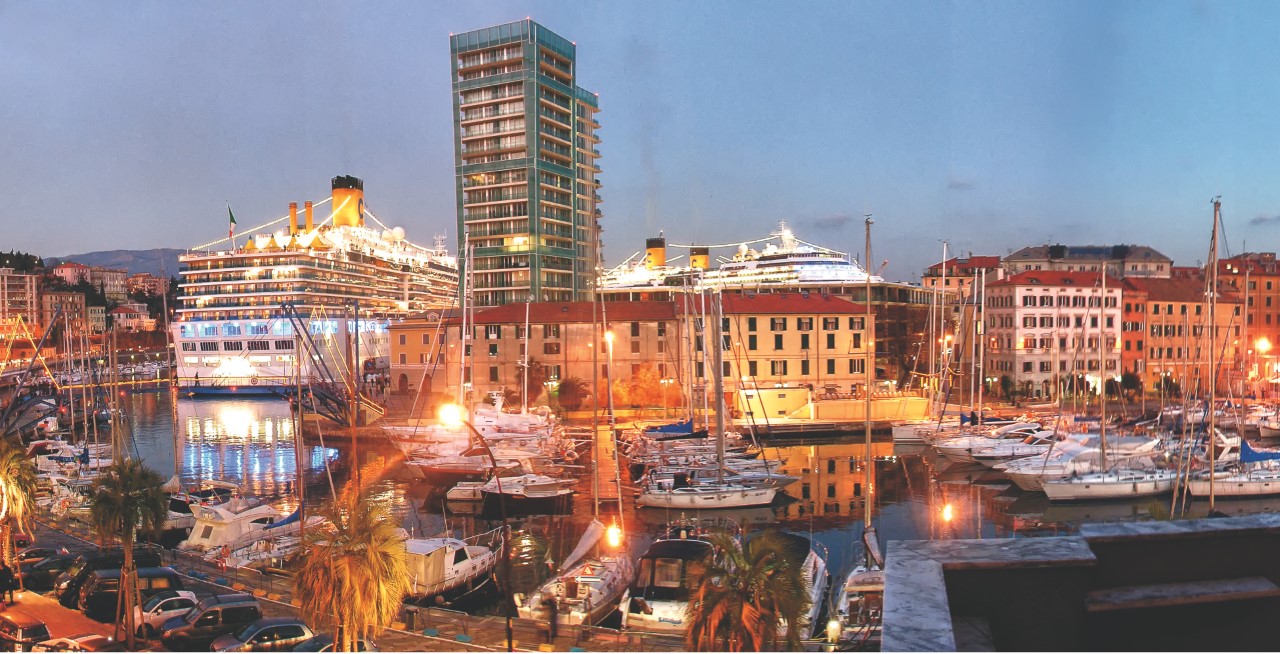
Savona occupies a privileged position on the Ligurian coast, tucked between the Maritime Alps and the Ligurian Sea roughly halfway between Genoa and the French border. Though it functions principally as one of Italy's busiest cruise embarkation ports, the city holds genuine character well beyond its terminal infrastructure — a compact medieval center of cobbled lanes, baroque churches, and ochre-washed facades that rewards even a brief morning of exploration before passengers board their ships.
The city's most dramatic landmark is the Priamar Fortress, a hulking 16th-century citadel that dominates the harborfront from a rocky promontory. Built by the Republic of Genoa after the Genoese razed Savona's own fortifications as punishment for resistance, the Priamar now houses archaeological museums and hosts cultural events throughout the summer. Below it, the old harbor district preserves a fishing-village atmosphere that the larger resort towns of the Riviera di Ponente have mostly lost to tourist development.
Ligurian cuisine is reason enough to linger in Savona before departure. This stretch of coast produces some of Italy's finest olive oil, the freshest anchovies from the Gulf of Genoa, and a street-food culture revolving around farinata — the golden, crisp chickpea flatbread baked in wood-fired ovens — and the cheese-filled focaccia di Recco. Pesto originated just along the coast in Genoa, and its authentic version, made only with Ligurian basil, bears little resemblance to what most travelers encounter elsewhere.
For those arriving a day before embarkation or with time after disembarkation, Savona also serves as an efficient springboard. Genoa, one of Europe's great but underappreciated historic cities, is barely forty minutes away by regional train. The port's logistical advantages — including reliable ground transport to Genoa's international airport — mean that planning the beginning or end of a cruise around Savona rather than against it is entirely feasible with the right arrangements in place.
Top things to do in Savona on a cruise stopover
Priamar Fortress: Savona's Sentinel Above the Harbor
The Priamar Fortress rises from a rocky headland directly above the cruise terminal, its 16th-century Genoese stonework impossible to miss as ships approach. Built after Genoa's forces leveled Savona's original medieval citadel in 1528, the Priamar served variously as military stronghold, prison — it briefly held Giuseppe Mazzini — and administrative center before becoming the cultural landmark it is today. Within its ramparts, the Museo Civico and the Museo Sandro Pertini house archaeological collections and works by Pertini, a Savona native who became President of Italy. The views from the fortress walls over the harbor, city rooftops, and the Ligurian Sea are among the finest in the western Riviera, and the walk up from the port takes no more than fifteen minutes.
The Old Town: Lanes, Palaces, and the Cathedral of Our Lady of the Assumption
Savona's historic center unfolds in a network of narrow caruggi — the covered Ligurian alleyways that channel sea breezes and shade walkers from summer sun. Piazza Mameli forms the civic heart, ringed by baroque facades and anchored by the Fontana Degli Ormeggiatori. The Cathedral of Our Lady of the Assumption, rebuilt in the late 16th century after the Genoese destruction, contains an extraordinary polyptych altarpiece and the Cappella Sistina di Savona — not to be confused with Rome's more famous chapel, but equally significant locally as the family chapel commissioned by Pope Sixtus IV, who was born in this region. Via Paleocapa, the long pedestrianized main street, connects old town to the modern seafront and lines itself with independent cafes, bakeries, and small shops ideal for last provisions before sailing.
Ligurian Street Food: Farinata, Focaccia, and the Pesto Trail
Few Italian regional cuisines are as immediately accessible to visitors as Liguria's, and Savona offers an authentic introduction without the tourist markup of Cinque Terre or the Portofino coast. The defining street foods are farinata — a thin, unleavened pancake of chickpea flour baked at high temperature in copper pans until golden and slightly crisp at the edges — and focaccia in its various forms, from the simple olive-oil-drenched sheet bread to the filled focaccia al formaggio oozing with stracchino cheese. The pesto served in Ligurian trattorias is made with the small-leafed Genoese basil grown in coastal microclimates that give it a sweetness unmatched elsewhere. A counter lunch at a local forno or focacceria near the market is as memorable as any formal restaurant.
The Riviera di Ponente: Savona's Coastal Setting
Savona sits at the midpoint of the Riviera di Ponente — the western Ligurian coast — a stretch of shoreline that runs from the French border toward Genoa in a succession of small resort towns, pine-backed beaches, and cliff-edge promenades. The light here has an unusual quality, diffused by sea haze and the proximity of the Alps, that has made this coast a destination for painters and writers since the 19th century. Alassio and Finale Ligure, both accessible by regional train in under thirty minutes, offer beautiful beaches and well-preserved historic centers for those with a few extra hours. The coastal cycling path connecting several Riviera towns is among the most scenic in Italy, threading between cliff and sea along former railway cuttings.
Day-Trip Access to Genoa: A Renaissance Republic Worth Knowing
Genoa remains one of Europe's most rewarding and least-visited major historic cities — a dense, layered metropolis where the wealth of a maritime republic produced palaces that UNESCO has recognized as a World Heritage ensemble. The Palazzi dei Rolli, a collection of aristocratic town palaces that once accommodated visiting heads of state, line narrow lanes barely wide enough for two pedestrians and conceal opulent frescoed courtyards behind plain stone facades. The old harbor district, the Caruggi medieval lanes, the Museo di Palazzo Reale, and the birthplace of Christopher Columbus all sit within walking distance of the railway station. From Savona, trains run frequently and the journey takes approximately 40 minutes, making Genoa a realistic option for passengers with several hours before embarkation or after disembarkation.
Noli: A Medieval Coastal Village Preserved in Amber
Twelve kilometers west of Savona along the coast road, Noli is one of the best-preserved medieval villages on the entire Italian Riviera — a former independent republic with towers, Romanesque churches, and an intact system of medieval defenses that somehow escaped the modernization pressures that reshaped neighboring towns. The village clusters around a sheltered bay beneath the ruins of its castle, its main street lined with arcaded medieval buildings and small family-run restaurants serving the freshest local seafood. The beach directly in front of the village is uncrowded by Riviera standards, sheltered by the surrounding headlands, and sandy rather than the pebble shores typical further east. Noli rewards an unhurried morning or afternoon from Savona for those who prefer quiet, authentically Italian coastal atmosphere to the more developed resort towns.
Savona travel tips
Arrive in Savona the Evening Before Embarkation. Building in an overnight stay before your cruise departs removes all the stress of travel delays affecting your boarding. Savona has a range of accommodation from boutique hotels in the historic center to comfortable options near the terminal. Arriving the previous evening also gives you a full morning to explore the city, visit the Priamar Fortress, and have a proper Ligurian lunch before boarding in the afternoon — a far more relaxed start to a cruise than rushing from an airport transfer.
Head to a Focacceria Early for Breakfast, Ligurian Style. In Liguria, breakfast at a focacceria is a local institution. Freshly baked focaccia — warm, fragrant with olive oil, sometimes topped with sage or olives — eaten standing at the counter with a coffee is how much of the population starts the day. Bakeries and focaccerias near the market and along Via Paleocapa open early and serve the best product in the first two hours of trading. Skip the hotel breakfast if you want a genuinely local start to the day.
The Priamar Fortress Is Free to Enter and Rarely Crowded. Unlike many Italian historic sites that require advance booking, the Priamar Fortress grounds are generally accessible without pre-booking, and the fortress museums charge modest entry fees. The site is rarely overcrowded, even in summer, as most visitors pass through Savona without stopping. Morning visits benefit from the best light on the harbor views and the cooler temperatures on the exposed upper ramparts. Allow 90 minutes to explore the grounds, outer walls, and at least one of the internal museums properly.
Carry Small Euro Notes for Markets and Traditional Bakeries. While card payments are accepted in most Savona establishments, the city's market stalls, small focaccerias, and family-run bars often prefer cash for small transactions. Arriving with a supply of small Euro notes — fives and tens — avoids any awkwardness when buying fresh bread, market produce, or a coffee at a traditional bar. The city market near Piazza del Popolo operates on weekday mornings and sells local produce including the Ligurian olive oils and dried herbs worth picking up as edible souvenirs.
Factor in the Genoa Airport Connection Carefully. Many cruise passengers flying home via Genoa's Cristoforo Colombo Airport after disembarkation in Savona underestimate the logistics of this transfer. The airport is not directly served by regular trains from Savona — a connection via Genoa city is required, or a direct ground transfer. Allow generous time, particularly in summer when road traffic around Genoa can be congested. A pre-arranged transfer directly from the cruise terminal to the airport removes the uncertainty entirely and is the most reliable option for passengers with flight connections.
Pack a Light Layer Even in Summer. Savona and the Ligurian coast enjoy a mild Mediterranean climate, but the sea breeze along the harbor promenade can be surprisingly brisk in the morning and evening, even in July and August. A light jacket or cardigan is useful for harbor walks, particularly if you plan to sit at a waterfront cafe in the evening. Spring and autumn visitors should be prepared for occasional rain, though downpours rarely last long on this stretch of coast.
Port Facts Every Cruiser Needs To Know
Savona shore excursion FAQs
The Palacrociere cruise terminal is immediately adjacent to the historic center — passengers can walk from the gangway to the old town, the cathedral, and Via Paleocapa in under ten minutes. The Priamar Fortress is a fifteen-minute walk from the terminal. Savona is one of the most conveniently situated cruise ports in the Mediterranean for independent exploration on foot.
Savona rewards a few hours of genuine exploration — the Priamar Fortress, the old town caruggi, the Cathedral with its Cappella Sistina, and the street food culture are all worth experiencing. For passengers with five or more hours available, combining a brief Savona exploration with a train journey to Genoa makes excellent use of the time. For those with only two to three hours, Savona itself is sufficient.
There is no direct rail connection between Savona and Genoa Airport — the airport sits outside the main Genoa rail network and requires either a bus connection from Genoa Piazza Principe station or a direct ground transfer. The most reliable option for cruise passengers with luggage and flight connections is a pre-arranged direct transfer from Savona port to the airport, which typically takes 60 to 90 minutes depending on traffic.
Cinque Terre is accessible from Savona by train via Genoa, with a total journey of roughly two hours each way. This makes it a feasible day excursion for passengers arriving the day before embarkation or with a full free day. However, the return journey needs to be planned carefully to ensure arrival back in Savona well before any boarding deadline. Cinque Terre is extremely popular in summer and the villages can be crowded.
Farinata is the essential Savona street food — the thin, crisped chickpea flatbread baked in copper pans. Focaccia in its Ligurian forms (plain with olive oil, or filled with stracchino cheese) is superb here. Trofie al pesto made with local basil is the classic pasta course, and fresh anchovies from the Gulf of Genoa appear on most menus in various preparations. The local Pigato white wine is an excellent accompaniment to seafood.
Savona is a safe, walkable Italian city. The historic center, harbor promenade, and Priamar Fortress area are all pleasant for independent exploration. As with any port city, normal urban awareness is sensible — keep bags close in crowded market areas and be mindful of traffic in areas without dedicated pedestrian zones. The port terminal area is well managed, and the walk to the city center is along well-lit, populated streets.
A pre-arranged direct ground transfer from Genoa Airport to Savona cruise port is the most practical option, particularly for passengers arriving with luggage and a specific boarding window. The journey by road takes approximately 60 to 90 minutes. An alternative using public transport involves taking the Volabus shuttle from the airport to Genoa Brignole station, then a regional train to Savona — allow at least two and a half hours total for this option and more during peak travel periods.
Yes — both Savona itself and the immediately surrounding coastline have accessible beaches. The city beach at Savona is a short walk from the center. The village of Noli, twelve kilometers west, has one of the best sandy beaches on this stretch of coast and is particularly pleasant in early summer and September when crowds thin. Beaches in this part of the Riviera tend to be a mix of free public sections and paying lido-style establishments with loungers and facilities.
Savona uses the Euro. ATMs are widely available in the city center and near the cruise terminal, and most hotels, restaurants, and shops accept card payments. It is worth arriving with a small amount of Euro cash for bakeries, market purchases, and smaller cafes that may prefer cash for low-value transactions. Currency exchange facilities are available at the port and in the city center.
Yes — Savona has a solid selection of trattorias and seafood restaurants within easy walking distance of the cruise terminal. Reservations are advisable for the better-regarded places, particularly on days when large ships are in port. The harbor area and the streets immediately behind the Piazza del Popolo have concentrations of restaurants serving Ligurian cuisine. For a special meal, a short taxi ride to a trattoria in the hillside towns above the city offers excellent food away from the port crowds.
Filters
Select a filter to refine results.
Tour Type
Tour Activity
 Cart
Cart
 USD
USD GBP
GBP AUD
AUD EUR
EUR CAD
CAD