



Tours in Sibenik


Cruising to Sibenik in a group?
Skip the crowded ship excursion bus. One dedicated planner will design a private shore experience around exactly what your group wants — coordinated from first enquiry to the moment you're back on board. More memorable, more flexible, and more affordable than you might expect. Spend less time organising, more time enjoying.
Explore Group Travel →Cruising to Sibenik
Sibenik occupies a privileged position on the central Dalmatian coast, tucked into the estuary where the Krka River meets the Adriatic. Unlike many Croatian towns shaped by Venetian or Roman foundations, Sibenik is authentically Croatian in origin — founded in the eleventh century and shaped by local dynasties before coming under Venetian and later Ottoman influence. That layered history shows in every alley, fortress wall and stone-carved doorway of its compact old town.
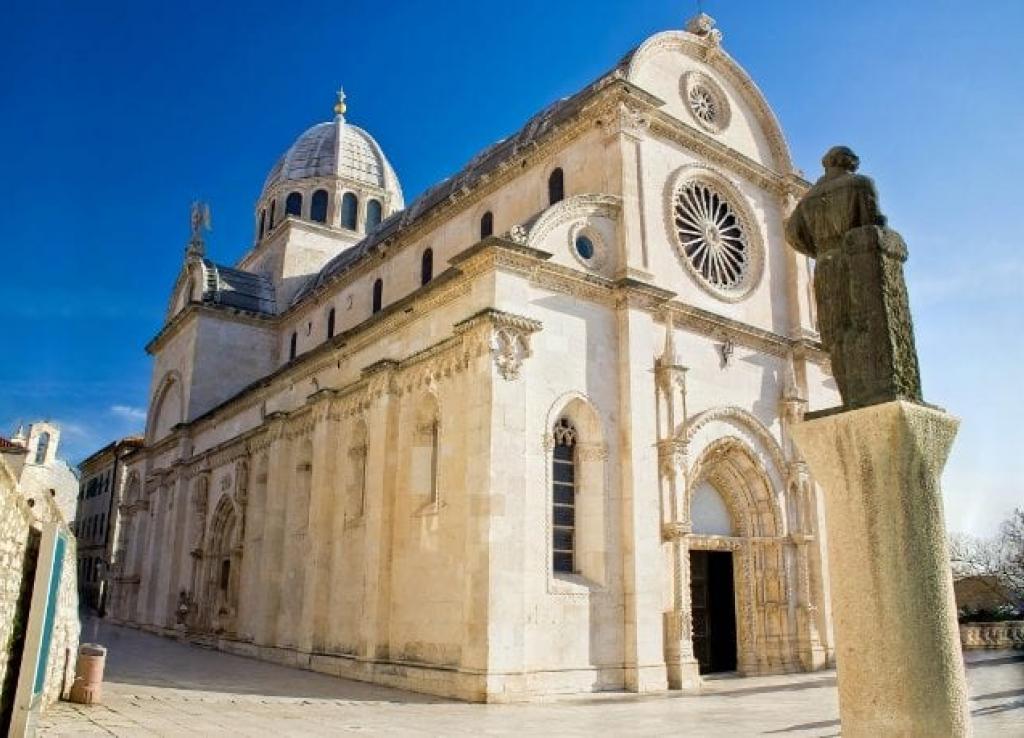
The city's crowning glory is the Cathedral of St James, a UNESCO World Heritage Site completed in the fifteenth and sixteenth centuries entirely from stone, without mortar, brick or timber. Its architect, Juraj Dalmatinac, used an interlocking stone technique so innovative it still draws architects and historians from around the world. The frieze of 71 sculpted portrait heads circling the exterior is one of the most arresting details in all of Dalmatian architecture.
Beyond the cathedral, three Venetian-era hilltop fortresses frame the cityscape — St Michael, St John and Barone — and the narrow lanes between them reward unhurried exploration. Small family-run restaurants serve Dalmatian staples of grilled fish, lamb peka and local wines within earshot of the Adriatic. The unhurried pace here contrasts pleasantly with the busier crowds of Split and Dubrovnik.
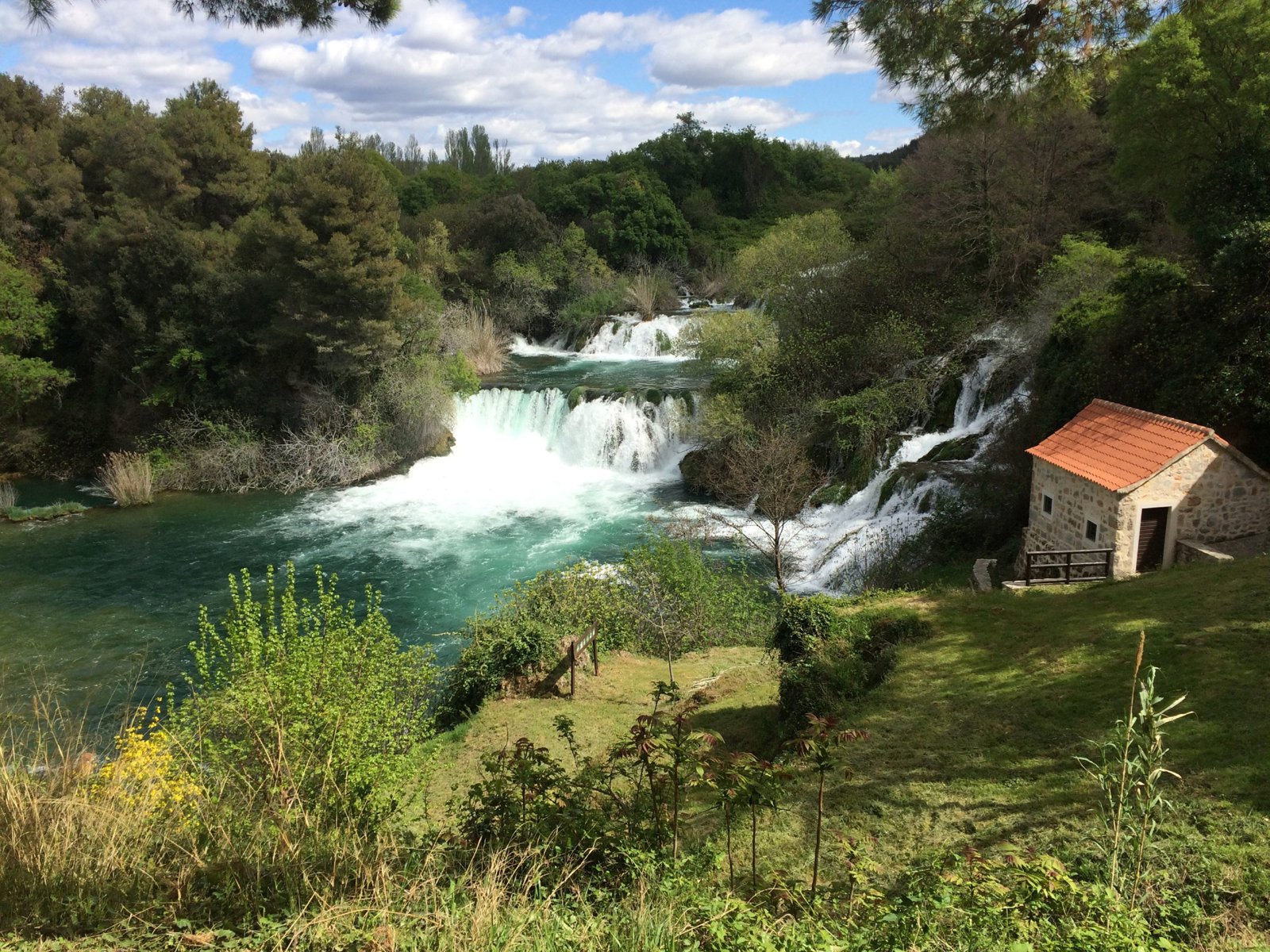
Sibenik's greatest natural asset lies a short drive inland: Krka National Park, where the Krka River descends through a series of travertine waterfalls and cascades surrounded by dense Mediterranean vegetation. The park's centrepiece, Skradinski Buk, remains one of Croatia's most photographed natural spectacles and is accessible within a comfortable shore excursion timeframe.
Top things to do in Sibenik on a cruise stopover
Cathedral of St James — A UNESCO Masterpiece in Stone
The Cathedral of St James (Katedrala Svetog Jakova) stands as one of the most significant Renaissance buildings in Central Europe and the crowning achievement of Croatian medieval architecture. Completed between 1431 and 1535, the cathedral was constructed entirely from interlocking stone blocks — no mortar, no brick, no timber — using a technique pioneered by master architect Juraj Dalmatinac that was genuinely radical for its era. The exterior is adorned with a remarkable frieze of 71 sculpted portrait heads encircling the apsis, believed to represent contemporaries of the architect. Inside, the stone baptistery carved by Dalmatinac is considered a masterwork of decorative sculpture. Inscribed on the UNESCO World Heritage List in 2000, the cathedral sits at the heart of the old town and serves as the natural starting point for any exploration of Sibenik.
Krka National Park — Waterfalls, Boardwalks and River Wilderness
Established to protect the Krka River canyon and its extraordinary travertine formations, Krka National Park encompasses 142 square kilometres of karst landscape, waterfalls, lakes and Mediterranean forest. The park's most celebrated feature, Skradinski Buk, is a cascading series of seventeen waterfalls spanning nearly 800 metres — one of the largest travertine waterfalls in Europe. A wooden boardwalk system allows visitors to walk directly alongside and even beneath the falls, with pools of startling turquoise clarity stretching between. The park also encompasses the island monastery of Visovac, accessible by boat, and the upper falls at Roški Slap. Wildlife within the park includes over 200 bird species, otters and a remarkable diversity of freshwater fish. The journey from Sibenik through the Krka canyon by road provides dramatic viewpoints in its own right.
Sibenik's Old Town Lanes and Medieval Fortresses
Few Croatian old towns retain as authentic a medieval atmosphere as Sibenik's compact stone quarter. The labyrinthine lanes — many too narrow for anything wider than a wheelbarrow — climb steeply from the waterfront through layers of history: Romanesque churches, Gothic palaces, Renaissance loggias and Baroque fountains all compressed within a few hundred metres. Three fortresses watch over the city from surrounding hilltops. Fortress St Michael (Tvrđava sv. Mihovila) at the top of the old town offers the finest panorama over the channel, the islands and the Sibenik roofscape. Fortress Barone and Fortress St John complete what the city bills as a fortification system recently open to visitors as cultural venues. The Republic Square (Trg republike), bordered by the cathedral, bishop's palace and loggia, is the social heart of the city and a natural gathering place.
The Sibenik Archipelago — Islands Within Sight
Sibenik sits at the entrance to a sheltered inner sea studded with more than 240 islands, islets and reefs — one of the most intricate island landscapes on the entire Adriatic coast. The four largest islands of the Sibenik archipelago — Prvic, Zlarin, Krapanj and Kaprije — are each inhabited and distinctly individual in character. Zlarin is known as the island of coral and has no cars. Krapanj is the lowest inhabited island in Croatia, famous historically for its sponge divers, and the monastery on the island preserves a collection of Renaissance paintings and relics. Prvic shelters the grave of Faust Vrancic, the Renaissance polymath who designed one of the world's first parachutes. Ferry services connect these islands to Sibenik port, offering a gentler, more contemplative counterpoint to the mainland's UNESCO attractions.
Dalmatian Seafood Culture — Restaurants, Markets and Local Flavour
The waterfront promenade and old town lanes of Sibenik host a concentration of restaurants serving Dalmatian cuisine largely unchanged in its essentials for generations. Fishing boats still unload their catch daily at the small harbour, supplying restaurants that prioritise simplicity and freshness over elaboration. The morning market near the old town sells local produce, herbs, olive oil and seasonal fruit. Restaurants along the Fausta Vrancica promenade and hidden within old town courtyards offer everything from casual grilled fish to unhurried multicourse seafood menus. Given the city's relative quietness compared to Split and Dubrovnik, prices are typically more accessible and service more personal. Lunch in Sibenik — sea bass grilled over charcoal, dressed only with olive oil and herbs — is a straightforward pleasure.
Skradin — River Town at the Park Gateway
The small town of Skradin, positioned where the Krka River broadens into a navigable estuary just below the national park entrance, merits a brief stop in its own right. Its compact waterfront is lined with sailing yachts and traditional wooden vessels, with a handful of excellent fish restaurants overlooking the water. The town served as a residence of the medieval Croatian-Hungarian kings and retains a quiet dignity that belies its small scale. Visitors entering Krka National Park typically embark on the boat transfer from Skradin's pier to the Skradinski Buk waterfalls, making the town a natural assembly point before and after the park visit. The drive from Sibenik to Skradin follows the estuary through karst countryside — an attractive journey in itself.
Sibenik travel tips
Book Krka National Park Entry in Advance. Krka National Park introduced an online pre-booking system and visitor capacity limits in recent years, particularly for the Skradinski Buk section. During the summer high season, entry slots fill quickly. Securing entry tickets ahead of your visit — or opting for a pre-arranged shore excursion that includes park entry — avoids disappointment at the gate. Morning arrival at the park is strongly recommended as visitor numbers peak between late morning and early afternoon.
Wear Comfortable Walking Shoes for the Old Town. Sibenik's old town is built entirely on a steep hillside and its lanes are paved with polished limestone steps and cobblestones that become slippery when wet. Rubber-soled walking shoes offer far better grip than sandals or smooth-soled footwear. The ascent to Fortress St Michael is rewarding but requires sustained uphill walking on uneven surfaces. Most of the old town's key sights are spread across varying elevations, so expect stairs at almost every turn.
The Cathedral Interior Requires a Ticket. Entry to the Cathedral of St James interior is ticketed; the fee is modest and contributes to ongoing conservation work. The interior is cool, dim and breathtaking — the stone barrel vault overhead and the elaborately carved baptistery deserve unhurried attention. Photography inside is generally permitted without flash. The cathedral can be busy in the middle of the day; visiting early in the morning or later in the afternoon provides a more contemplative experience.
Bring Swimwear for Krka in Summer. Swimming was historically permitted at specific locations within Krka National Park, though regulations have been modified and tightened in recent years to protect the fragile travertine ecosystem. Confirm current swimming permissions before your visit, as rules can change seasonally. Even if formal swimming areas are restricted, the experience of walking the boardwalk in warm weather benefits greatly from light, quick-drying clothing. A small towel and water shoes are practical additions to any summer Krka visit.
Try Babic Wine — A Local Rarity. Babic is a red wine grape variety grown almost exclusively on the hillsides around Sibenik and the neighbouring Primošten peninsula. It produces full-bodied, darkly coloured wines with notes of wild berries and dried herbs, and is considered one of Croatia's most distinctive indigenous varieties. Very little Babic is exported, making a glass with lunch in Sibenik a genuinely local experience unlikely to be repeated elsewhere. Ask any restaurant for their local Babic selection.
Allow Time for the Fortresses, Not Just the Cathedral. Most visitors to Sibenik focus entirely on the Cathedral of St James and miss the remarkable hilltop fortresses that define the city's skyline. Fortress St Michael has been converted into an open-air cultural venue with panoramic views extending across the channel to the islands. The walk from the old town takes around fifteen minutes uphill but the elevated perspective transforms your understanding of the city's geography and its strategic position on the Croatian coast. On clear days, the view encompasses the entire inner sea of the Sibenik archipelago.
Port Facts Every Cruiser Needs To Know
Sibenik shore excursion FAQs
The main park entrance at Skradin is approximately 17 kilometres from Sibenik's cruise pier, a journey of roughly 25 to 30 minutes by road. Alternatively, the Lozovac entrance to the park is slightly closer to Sibenik at about 14 kilometres. From the Skradin entrance, a short boat transfer takes visitors to the Skradinski Buk waterfalls. Most organised shore excursions include all transfers and make the journey straightforward.
Yes. The Sibenik cruise pier is located adjacent to the city waterfront, and the old town — including the Cathedral of St James — is within easy walking distance. Most passengers can reach the cathedral square in under ten minutes on foot from the gangway. The route follows the waterfront promenade and requires no navigation beyond following the historic centre uphill.
The waterfront promenade and lower sections of the old town are accessible on flat surfaces, but the old town itself climbs steeply via stone stairs and cobblestone lanes. Visitors with significant mobility limitations may find access to the Cathedral of St James manageable (it sits relatively low in the old town), but reaching the upper fortresses involves sustained uphill walking on uneven terrain. Pre-arranging accessible excursion options ensures the most suitable experience.
Early morning is strongly recommended. Visitor numbers at Skradinski Buk build significantly from late morning onwards, particularly in July and August. Arriving at the park as soon as it opens — typically at 8:00 AM in summer — allows for a far more peaceful experience of the waterfalls and boardwalk. Shore excursions that depart early in the morning are preferable for this reason.
The Cathedral of St James is a UNESCO World Heritage Site and active place of worship. Entry requires a ticket (purchased on site). The cathedral was built without mortar using an interlocking stone technique developed by architect Juraj Dalmatinac — the exterior frieze of 71 portrait heads and the carved baptistery inside are the standout details. Dress modestly, as it remains a functioning church. The interior is notably cool even in summer, making it a pleasant refuge on hot days.
Swimming regulations at Krka National Park have changed multiple times in recent years in response to conservation concerns about the travertine formations. Swimming was historically permitted at Skradinski Buk but restrictions have been progressively tightened. It is important to check the current official park rules before your visit, as conditions vary by season and zone. Your shore excursion provider will have the most current information.
Croatia adopted the Euro (EUR) in January 2023, replacing the Kuna. Credit and debit cards are widely accepted in restaurants, larger shops and at park entrance facilities. It is useful to carry a small amount of cash for market stalls, smaller cafes and any entrance fees at minor attractions. ATMs are available in the old town.
Yes, noticeably so. Sibenik receives significantly fewer cruise passengers and independent tourists than either Split (approximately 70 kilometres to the south) or Dubrovnik. This relative quiet is one of the city's genuine appeals — old town restaurants are less likely to be overwhelmed, the cathedral can be experienced without excessive crowds and the general atmosphere remains more authentically everyday Croatian rather than purely touristic.
Yes, provided the itinerary is organised efficiently. A practical approach is to head to Krka National Park first thing in the morning — when it is least crowded — and return to Sibenik by early afternoon for a walk through the old town, lunch and a visit to the Cathedral of St James. This order takes advantage of cooler morning temperatures at the park and allows a relaxed afternoon in the city before returning to the ship.
The historic walled town of Trogir, a UNESCO World Heritage Site, lies approximately 40 kilometres south of Sibenik and can be visited in combination with the city on a longer day. Primošten, a picturesque stone town on a small peninsula to the south, is closer and noted for its Babic vineyards. The island of Prvic, a short ferry ride from Sibenik, offers a car-free environment and the grave of Renaissance polymath Faust Vrancic. Most of these destinations are best combined with an organised excursion to make efficient use of port time.
Filters
Select a filter to refine results.
Tour Type
Tour Activity
 Cart
Cart
 USD
USD GBP
GBP AUD
AUD EUR
EUR CAD
CAD