



Tours in Stockholm


Cruising to Stockholm in a group?
Skip the crowded ship excursion bus. One dedicated planner will design a private shore experience around exactly what your group wants — coordinated from first enquiry to the moment you're back on board. More memorable, more flexible, and more affordable than you might expect. Spend less time organising, more time enjoying.
Explore Group Travel →Cruising to Stockholm
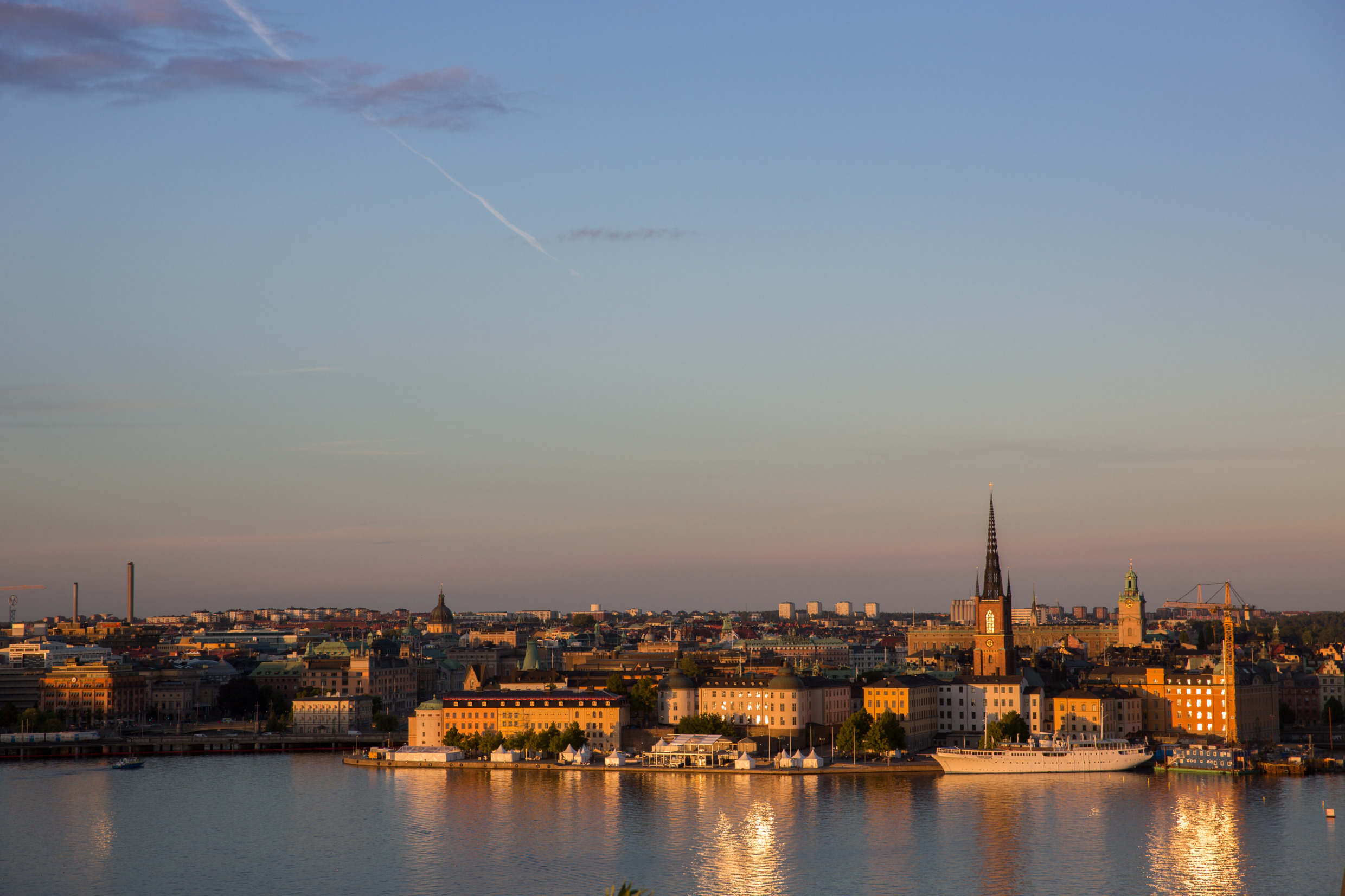
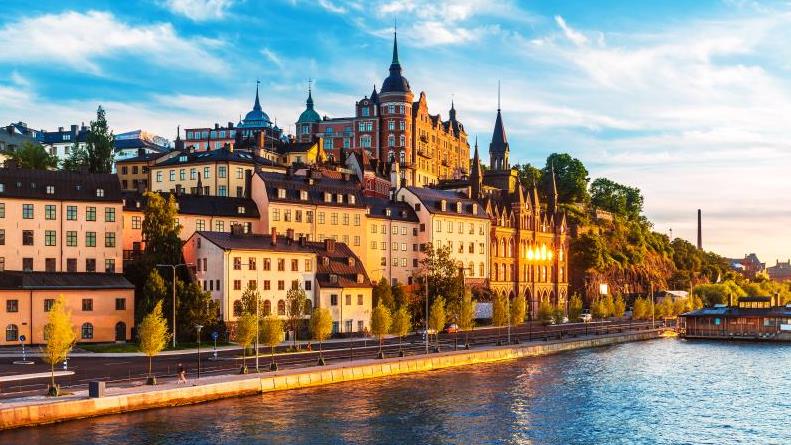
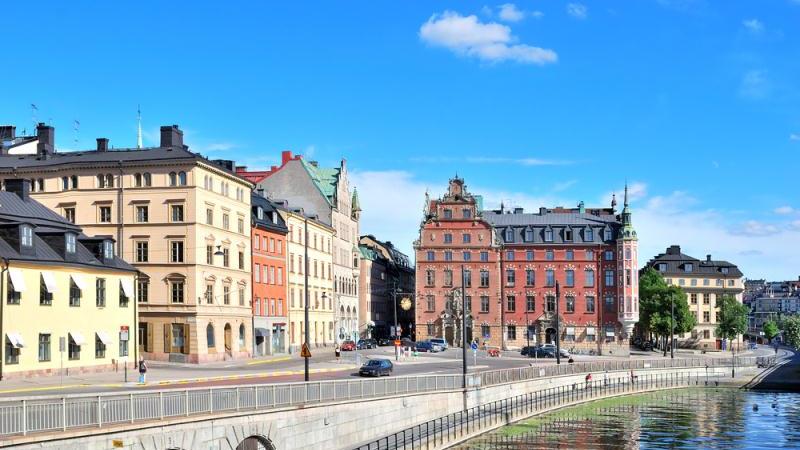
Stockholm is one of Europe's most naturally beautiful capitals, a city that spreads across fourteen islands and seems almost to float upon the water. Where Lake Mälaren flows east into the Baltic Sea, the city established itself eight centuries ago, and the geographical logic of that choice remains legible in every direction from the city center — a view of open water is never more than a few minutes' walk away. For cruise passengers arriving by sea, the approach through the archipelago of more than thirty thousand islands is itself a spectacle, an almost surreal transition from open Baltic water to intimate urban grandeur.
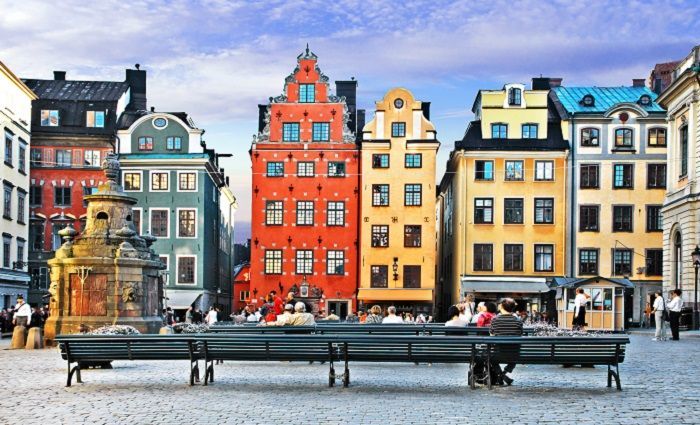
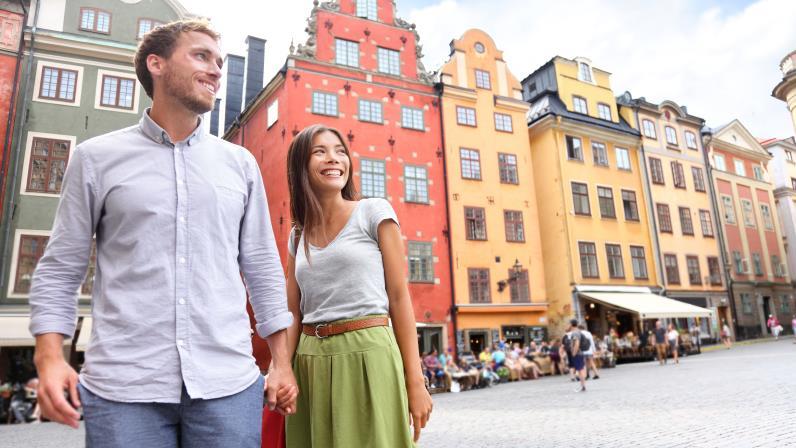
At the heart of the city lies Gamla Stan, the medieval old town that occupies its own small island between the mainland districts and the royal Djurgården. This is one of the finest medieval city centers in Europe: streets barely wide enough for two people to pass, ochre and terracotta buildings that have stood since the thirteenth century, and at the center, the vast Royal Palace — the official residence of the Swedish royal family and one of the largest palaces in the world by room count. Gamla Stan's winding lanes and Stortorget square offer some of the most photographed urban scenery in Scandinavia.
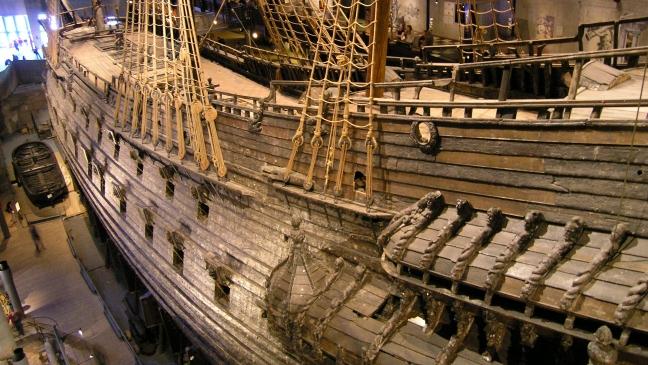
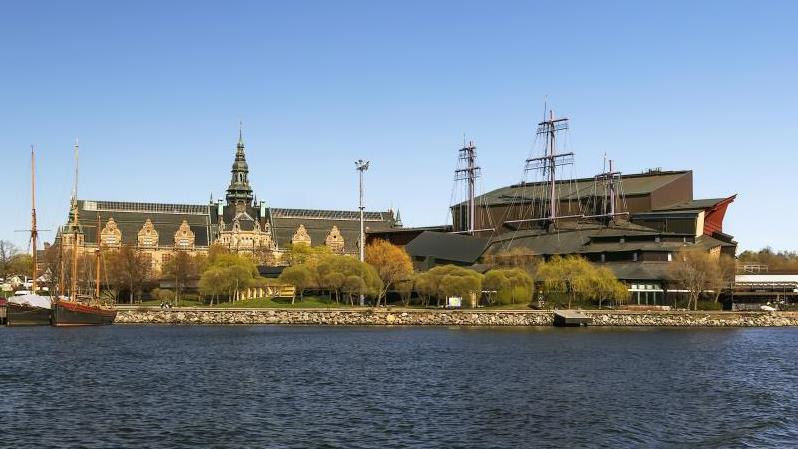
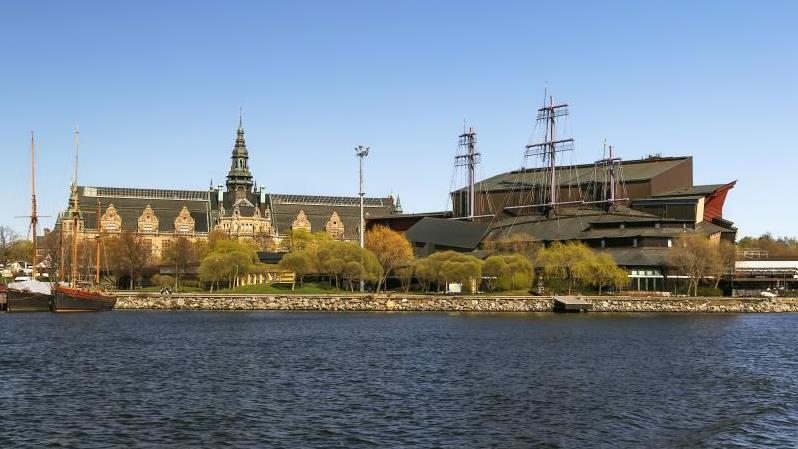
Stockholm's museum landscape is exceptional even by European capital standards. The Vasa Museum on Djurgården island houses the near-perfectly preserved seventeenth-century warship Vasa, which sank on its maiden voyage in 1628 and was raised in 1961 in a state of extraordinary integrity — over 98% of the original ship survives. Elsewhere, Stockholm's City Hall hosts the Nobel Prize banquet each December, its Golden Hall decorated with eighteen million glass mosaic tiles; Skansen is the world's oldest open-air museum; and the ABBA Museum celebrates Sweden's most celebrated musical export.
The city that emerges from these layers — Viking history, medieval trade, royal ceremony, modern Scandinavian design, and a quietly confident contemporary character — is consistently surprising. Stockholm rewards both structured excursions and spontaneous exploration, and its combination of cultural depth, remarkable museums, and sheer visual beauty makes it one of the most anticipated ports on any Baltic or Scandinavian cruise itinerary.
Top things to do in Stockholm on a cruise stopover
Gamla Stan: Stockholm's Medieval Old Town Island
Gamla Stan occupies a small island at the center of Stockholm and represents one of the finest preserved medieval urban landscapes in northern Europe. The main square, Stortorget, has changed little since the fifteenth century; surrounding it are passage-like alleys, Renaissance-era buildings painted in deep ochre, burnt orange, and yellow, and the vast Royal Palace at the island's northern tip. The narrowest street in Stockholm — Mårten Trotzigs Gränd, just 90 centimeters wide — is here, as are the Nobel Prize Museum and the German Church dating from 1571. Gamla Stan features in virtually every Venture Ashore Stockholm tour — the City Hall, Gamla Stan and Vasa Museum group tour, the panoramic city experience, the Ice Bar tours, and the Jewish heritage excursion all pass through this district. It is the natural starting point for any Stockholm day ashore.
Vasa Museum: A Seventeenth-Century Warship Intact and Immense
Few museum experiences anywhere match the immediate impact of entering the Vasa Museum on Djurgården island. The warship Vasa was built for King Gustav II Adolf, launched in 1628, and sank in Stockholm harbor on its maiden voyage after barely 1,300 meters. Lying in the cold, low-salinity Baltic water for 333 years, it was raised in 1961 in a state of extraordinary preservation — over 98% of the original ship is intact, including elaborate carved figureheads, gun ports, and rigging details. The scale of the vessel inside the museum is genuinely startling, and the human story it carries — of ambition, failure, and recovery — is immediately legible. Venture Ashore features the Vasa Museum in multiple Stockholm tours, both as a standalone experience with lunch at Ulla Winbladh and as part of the classic city combination with Gamla Stan and City Hall.
Stockholm City Hall: Setting for the Nobel Prize Banquet
Completed in 1923 on the shores of Lake Mälaren, Stockholm's red-brick City Hall is one of the most distinctive civic buildings in Scandinavia. Its square tower crowned with three golden crowns is visible from across the water and from multiple viewpoints across the city. Inside, the Blue Hall hosts the annual Nobel Prize banquet each December — despite its name, it was left in natural brick rather than painted blue as originally planned. The Golden Hall above contains 18 million hand-set glass mosaic pieces depicting allegorical scenes from Swedish history. Guided tours allow visitors inside both rooms throughout the year. The City Hall is a named highlight on the Discover Stockholm: City Hall, Gamla Stan and Vasa Museum Tour and represents one of Stockholm's most photographed and most significant buildings.
The Ice Bar: Stockholm's Permanently Frozen Landmark Experience
Stockholm's Ice Bar is kept at a constant -5°C year-round; the bar counter, seats, and all drinking vessels are sculpted entirely from ice. Visitors receive warm capes and gloves on arrival, and a cocktail is included with entry. The experience is deliberately theatrical — and memorably different from any other stop on a Stockholm day. It features as a signature element of Venture Ashore's Private Old Town and a Toast at the Ice Bar tour, and also forms the finale of the Private Stockholm Icons experience, which combines Gamla Stan and the Vasa Museum with the ice bar visit. For travelers seeking something genuinely unusual that few European cities offer, it provides a memorable contrast to the historic streets outside.
Stockholm's Jewish Heritage: Eight Centuries of Community History
Stockholm has been home to a significant Jewish community since the late eighteenth century, when Jews were first permitted to settle in the Swedish capital. The Great Synagogue on Wahrendorffsgatan, consecrated in 1870, is a beautiful Neo-Moorish structure at the architectural center of this heritage. The surrounding districts contain community buildings, monuments to Holocaust victims, and sites that speak to Sweden's wartime role sheltering Jewish refugees from across occupied Europe. Venture Ashore's Private Jewish Heritage Tour of Stockholm explores these layers in depth with a specialist guide over approximately 3.5 hours, visiting both historic architecture and contemporary cultural sites. It is a profoundly enriching alternative itinerary for passengers drawn to cultural and historical depth.
Djurgården: Stockholm's Island of Museums, Parks, and Tradition
Djurgården is a remarkably peaceful island just east of Gamla Stan that functions as Stockholm's great cultural and recreational park. Home to the Vasa Museum, Skansen open-air museum (the world's oldest, founded 1891), the ABBA Museum, and Gröna Lund amusement park, it packs an extraordinary range of experiences into a beautiful setting of mature trees and waterfront promenades. Skansen brings together historic Swedish buildings from across the country alongside native Scandinavian animals. Restaurant Ulla Winbladh, a traditional Swedish institution on the island, features specifically in Venture Ashore's Private Vasa Museum and Lunch at Ulla Winbladh tour. Djurgården is easily reached by ferry from near Gamla Stan and deserves at least half a day to explore properly.
Stockholm travel tips
Confirm Your Ship's Terminal Before Planning Your Day. Stockholm has two main cruise terminals with meaningfully different implications for your day. Stadsgården is close to Gamla Stan and walkable to many central attractions. Frihamnen is several kilometers north of the center and requires a bus or other transport, adding noticeable time to your day. Confirm which terminal your ship is using well in advance so you can accurately budget transit time and plan a realistic itinerary.
Arrive at the Vasa Museum as Early as Possible. The Vasa Museum is one of Scandinavia's most visited attractions and draws substantial queues during summer cruise season. Arriving as early in the morning as possible reduces waiting times significantly. Allow at least 90 minutes inside once you enter — the ship is vast and the surrounding exhibits reward time. Those joining organized excursions typically benefit from pre-arranged entry logistics that reduce queuing.
Gamla Stan Rewards Slow, Unplanned Wandering. The medieval old town's most atmospheric moments come from turning off the main tourist street — Västerlånggatan — into the quieter side passages and alleys. The district is compact and impossible to truly get lost in, so allow yourself the freedom to follow interesting lanes without a fixed destination. Wear comfortable flat-soled shoes; the cobblestone streets are beautiful but uneven, and you will walk further than you expect.
Sweden Is Effectively Cashless — Cards Are Preferred. Sweden is one of the most cashless societies in the world, and Stockholm is no exception. Almost every transaction — museum tickets, restaurant meals, café visits, souvenir shops — is handled by card. Some smaller venues may decline cash altogether. Carrying a working international debit or credit card is essential; carrying large amounts of cash is unnecessary. Check any foreign transaction fees on your card before travel.
Djurgården Is Worth the Short Journey — Do Not Skip It. Some visitors staying close to Gamla Stan are tempted to skip Djurgården, treating it as a separate excursion rather than part of a day ashore. In reality, the island is very easily reached by ferry or bus from the city center, and the concentration of attractions there — Vasa Museum, Skansen, ABBA Museum, and excellent restaurant dining — makes it one of the richest single areas in Stockholm. Build it into your day rather than treating it as optional.
Midsummer in Stockholm: Festive but Plan for Altered Hours. If your cruise calls at Stockholm around Midsummer (typically the third weekend of June), you will find a city in celebratory mood. Midsummer Eve is observed with considerable enthusiasm, and many Stockholmers leave the city for the countryside to celebrate — central Stockholm can feel quieter than usual on the day itself. However, some attractions and venues operate on holiday hours, so check specific opening times for any sites you plan to visit before your day ashore.
Port Facts Every Cruiser Needs To Know
Stockholm shore excursion FAQs
Stockholm has two main cruise terminals. Stadsgården is located on the south waterfront very close to Gamla Stan and the city center, making it the most convenient option for walking access to major attractions. Frihamnen is a larger port several kilometers north of the center, requiring a bus or other transport to reach the main sights. Which terminal your ship uses affects your day planning significantly — confirm this before arrival.
The Vasa Museum on Djurgården island houses the near-perfectly preserved warship Vasa, which sank on its maiden voyage in Stockholm harbor in 1628 and was raised in 1961. Over 98% of the original ship remains intact, including elaborate carved figures and decorative details. The museum presents the vessel in a purpose-built hall with full contextual exhibits on crew life, naval history, and the remarkable salvage project. It is consistently ranked among the most visited museums in Scandinavia and features in multiple Venture Ashore Stockholm tours.
Gamla Stan is Stockholm's medieval old town, occupying its own small island between the city's northern and southern districts. It contains some of the finest medieval urban fabric in northern Europe, including the Royal Palace, churches dating from the medieval period, the Nobel Prize Museum, and cobblestone alleys lined with centuries-old buildings. A thorough exploration on foot takes 2–3 hours at a comfortable pace. Wear flat, supportive shoes for the uneven cobblestone streets.
Yes. Stockholm City Hall is open to visitors, and guided tours run throughout the day allowing access to the Blue Hall — site of the annual Nobel Prize banquet — and the Golden Hall with its 18 million glass mosaic pieces. The tower can also be climbed for panoramic city views. The building is close to the central transport hub and easily incorporated into a Stockholm day, particularly for passengers on the Discover Stockholm: City Hall, Gamla Stan and Vasa Museum tour.
Stockholm's Ice Bar is a permanent venue maintained at a constant -5°C year-round, where the bar, seating, and all glassware are sculpted from ice. Visitors are provided with warm capes and gloves, and an included cocktail comes with entry. It is theatrical, genuinely memorable, and unlike anything else in a standard European city itinerary. The experience features in Venture Ashore's Private Old Town and a Toast at the Ice Bar tour, and in the Private Stockholm Icons tour combining Gamla Stan and the Vasa Museum.
Frihamnen cruise terminal is located several kilometers north of Gamla Stan and the main tourist areas. Bus services connect the terminal to the city center, with the journey taking approximately 20–30 minutes depending on traffic. Passengers docking at Frihamnen should factor this transit time into both their morning plans and their return schedule to ensure they are back at the ship before departure. Organized excursions from the terminal handle this logistics question directly.
Stockholm is an excellent introduction to Scandinavia. English is spoken to an exceptional standard throughout the city, public spaces are clean and well-signed, and the major attractions are concentrated in a relatively compact area. The combination of medieval history, outstanding museums, and a beautiful water-facing cityscape gives a broad and immediately engaging sense of Nordic culture. Venture Ashore's Private Stockholm for Beginners tour is specifically designed for first-time visitors to the city.
Djurgården is Stockholm's major museum and cultural park island, home to the Vasa Museum, Skansen open-air museum (the world's oldest, founded 1891), the ABBA Museum, and Gröna Lund amusement park, all within a beautiful parkland setting. The island is also home to Restaurant Ulla Winbladh, a traditional Swedish dining institution that features in Venture Ashore's Private Vasa Museum and Lunch at Ulla Winbladh tour. Djurgården is reached by ferry from near Gamla Stan or by bus from the city center.
Stockholm's Jewish community dates to the late eighteenth century when Jews were first permitted to settle in the Swedish capital. The Great Synagogue on Wahrendorffsgatan, consecrated in 1870, is the architectural centerpiece of this heritage. Additional sites include community buildings, Holocaust memorials, and locations connected to Sweden's wartime sheltering of Jewish refugees. Venture Ashore's Private Jewish Heritage Tour of Stockholm explores this history with a specialist guide over approximately 3.5 hours.
Fika is the Swedish tradition of pausing for coffee with a pastry — most commonly a kanelbullar (cinnamon bun) or cardamom roll. It is a social ritual embedded in Swedish culture, practiced multiple times daily by most Swedes, and represents a moment of deliberate rest rather than simply a coffee stop. Stockholm's traditional konditori (pastry cafés) are the best places to experience it authentically; Gamla Stan and the surrounding neighborhoods have excellent options. Budget at least 20–30 minutes and resist any temptation to rush.
Filters
Select a filter to refine results.
Tour Type
Tour Activity
 Cart
Cart
 USD
USD GBP
GBP AUD
AUD EUR
EUR CAD
CAD