



Tours in Santa Margherita Ligure


Cruising to Santa Margherita Ligure in a group?
Skip the crowded ship excursion bus. One dedicated planner will design a private shore experience around exactly what your group wants — coordinated from first enquiry to the moment you're back on board. More memorable, more flexible, and more affordable than you might expect. Spend less time organising, more time enjoying.
Explore Group Travel →Cruising to Santa Margherita Ligure
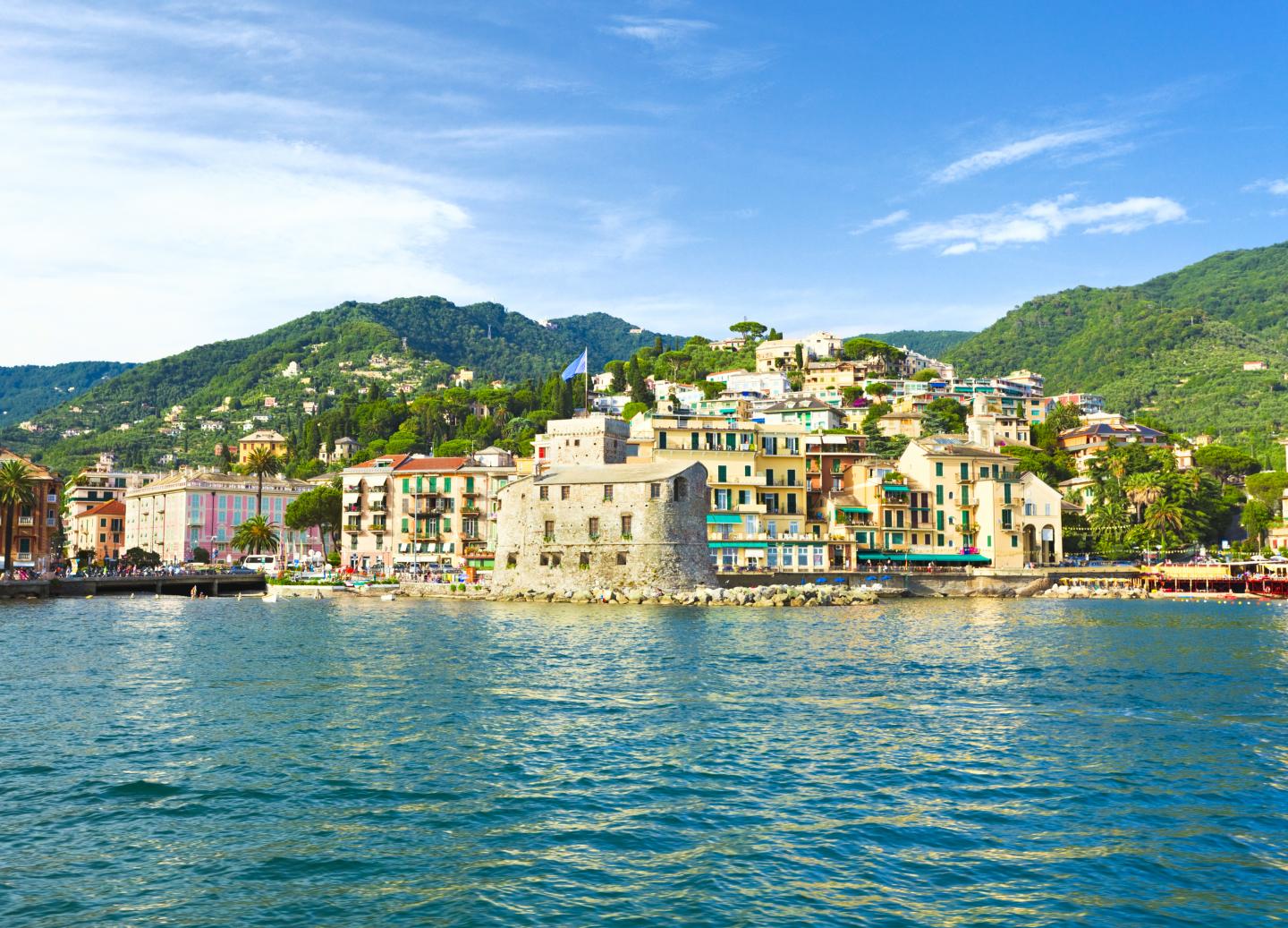
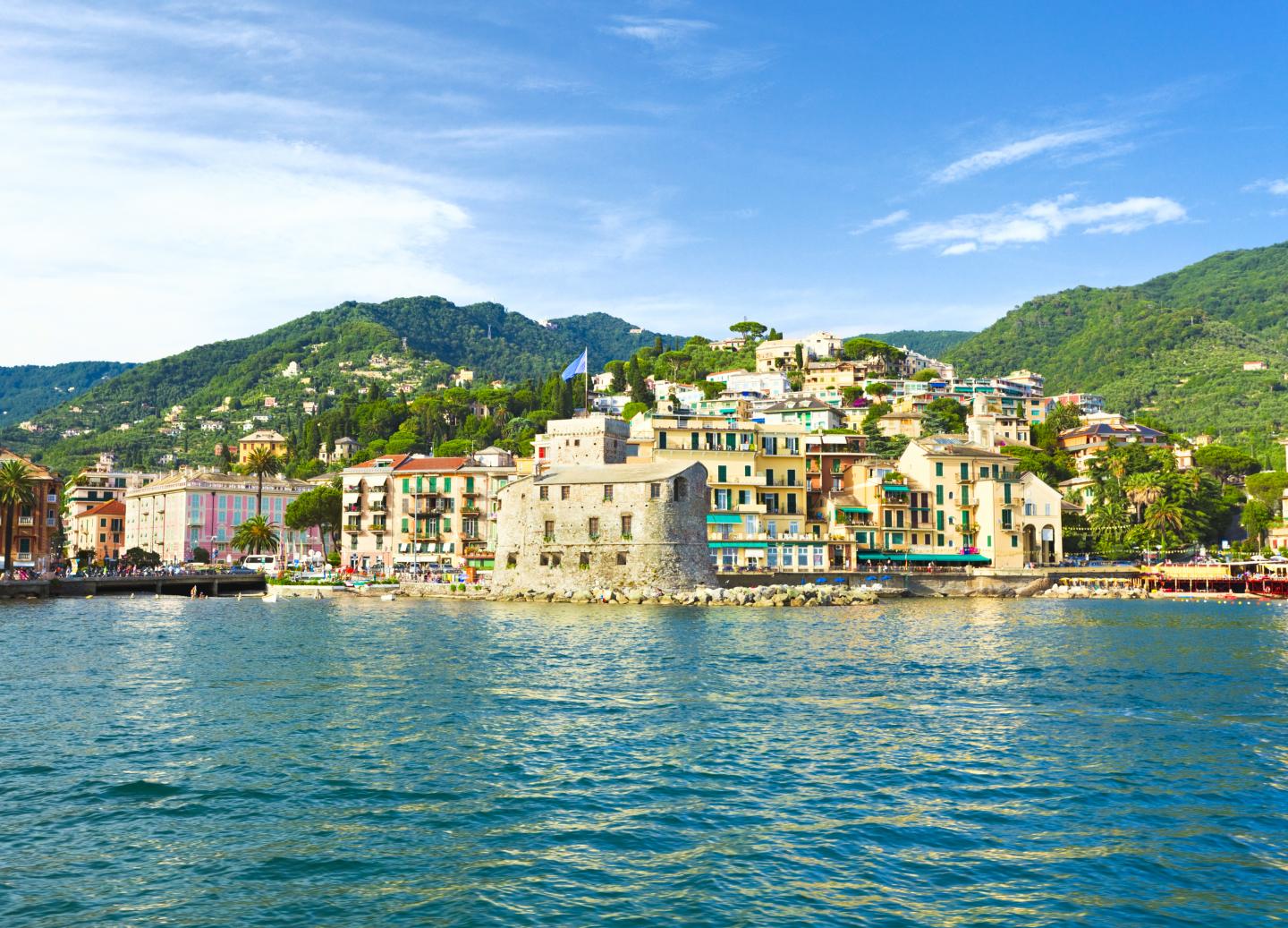
Santa Margherita Ligure occupies one of the most coveted stretches of the Ligurian coast, sheltered within the Gulf of Tigullio between Genoa and the Cinque Terre. The town built its early reputation on the coral trade and fishing, then reinvented itself in the late nineteenth century as a winter retreat for European aristocracy. Those two identities — working harbour and refined resort — are still visible today in the contrast between weather-beaten fishing boats bobbing beneath the ornate façades of liberty-style villas.
The waterfront promenade anchors the town's social life. Palm trees line the lungomare, where Ligurian families and visiting cruise passengers share the same café terraces and gelato queues. Just inland, the tight lanes of the centro storico rise steeply past flower-draped balconies and the golden interior of the Basilica di Santa Margherita d'Antiochia, whose polychrome marble décor reflects the wealth that once poured through this small port. The town is compact enough to explore thoroughly on foot, yet varied enough to reward slow wandering.
What elevates Santa Margherita above other Riviera stops is its proximity to Portofino, the irresistibly photogenic fishing village perched on a promontory five kilometres down the coast. The two towns are linked by a scenic coastal road carved through olive groves, and by a passenger boat service that skims the coves between them. Portofino's piazzetta — with its candy-coloured harbour and designer boutiques — represents a different register of Italian coastal life, one built on glamour rather than industry, and the contrast with Santa Margherita's more grounded character makes visiting both all the more rewarding.
Ligurian cuisine provides another compelling reason to linger. This stretch of coast gave the world pesto alla genovese, and the local trofie and trenette pastas served with it bear little resemblance to the diluted versions found elsewhere. Focaccia baked with olive oil and sea salt, fritto misto di pesce fresh from the morning catch, and crisp local white wines round out a table that is quietly one of Italy's finest.
Top things to do in Santa Margherita Ligure on a cruise stopover
The Seafront Promenade and Liberty Villas
Santa Margherita's lungomare is one of the most gracious on the Italian Riviera. Palm trees line the esplanade where Belle Époque and Art Nouveau villas — their plasterwork flushed in terracotta, ochre, and rose — overlook the boats at anchor in the harbour. The Villa Durazzo, set within a formal Italian garden above the town, offers a glimpse into the aristocratic world that shaped this coast. Walking the promenade at any hour of the day reveals a town still at ease with its own elegance, unhurried by the pace of modern tourism. The harbour itself remains working, with brightly painted fishing boats nudging luxury yachts at the quayside — a visual reminder that Ligurian pragmatism underlies all that refinement.
Portofino: The Glamorous Village Next Door
Five kilometres down the coast, Portofino occupies a small promontory overlooking one of the most photographed harbours in the Mediterranean. The tiny piazzetta is ringed by painted buildings in the colours of Italian sweets — burnt sienna, sage green, dusty pink — mirrored perfectly in the still water below. Castello Brown, the sixteenth-century fortress above the village, offers sweeping views across the gulf and down to San Fruttuoso bay. The atmosphere is unashamedly glamorous: designer boutiques share the lanes with long-established trattorie, and the crowds that pour in during high season are part of the theatre. A dedicated VA excursion covers both towns together, allowing passengers to experience the gentler character of Santa Margherita alongside Portofino's showmanship.
The Basilica di Santa Margherita d'Antiochia
Rising above the central piazza, the town's baroque basilica is a more exuberant interior than its modest exterior suggests. Polychrome marble floors, gilt altars, and painted ceilings speak to the wealth that Ligurian merchants accumulated from trade across the Mediterranean. The church has been rebuilt and embellished across several centuries, and its layers reflect the town's long history as a place where commerce and devotion coexisted comfortably. Early morning or midday visits are quietest. The piazza in front serves as a natural social hub; the café tables beneath the arcades are an excellent place to absorb the daily rhythm of the town before or after exploring further.
Ligurian Food Culture and the Local Market
The covered market near the harbour is a working expression of Ligurian food priorities: bunches of the small-leafed Genovese basil that is legally protected by DOP status, jars of hand-pounded pesto, coils of fresh trofie pasta, and fish so recently caught it still smells of the sea rather than the ice it rests on. The market operates on weekday mornings and is worth visiting even without the intention of buying, purely for the sensory experience. Bakeries throughout the centre sell focaccia by weight from the moment they open; the plain version with sea salt and olive oil is definitive, but the one topped with sliced onions deserves equal consideration. This is a coast that takes its own produce seriously, and eating well here requires very little effort.
Coastal Walking Between Santa Margherita and Portofino
The pedestrian path linking Santa Margherita Ligure with Portofino along the rocky coast provides the most rewarding perspective on this stretch of the Riviera. The route — approximately five kilometres, taking around 90 minutes — passes through umbrella pine forests, scrambles over headlands with views across the gulf, and drops into sheltered coves where the water turns improbably clear. The trail passes through the village of Paraggi, where a small beach provides a logical rest point. The walk is moderately demanding in places — suitable for those comfortable on uneven terrain — and rewards with views unavailable from the road. It is possible to walk one direction and return by ferry or bus. A private walking tour through VA covers the town thoroughly before or after this coastal section.
The Fishing Harbour and Boat Culture
Despite its resort status, Santa Margherita retains a functioning fishing harbour where the day's catch is still brought in each morning and sold directly from the boats. The harbour is the social heart of the town at different hours: fishermen mending nets at dawn, families promenading at dusk, and diners at the harbour-front restaurants after dark. The mix of working fishing vessels, local pleasure craft, and the occasional superyacht creates a layered maritime atmosphere that pure resort towns lack. Short boat excursions depart from the harbour to San Fruttuoso — a secluded medieval abbey accessible only by sea — and to the Portofino marine reserve, where the underwater visibility rewards snorkellers. The harbour view from the Piazza Martiri della Libertà at any time of day is one of the most pleasing on the entire Ligurian coast.
Santa Margherita Ligure travel tips
Time Your Tender Return Carefully. The tender queue at Santa Margherita's harbour can grow significantly in the hour before the last return. On busy port days, aim to be at the pier at least 45 minutes before the final tender departure listed on your daily programme. If you are in Portofino when it is time to return, allow extra time for the ferry crossing back to Santa Margherita or for the bus journey along the coastal road — neither runs on a tight schedule and both can be crowded in peak season.
Visit Portofino Before Midday. Portofino receives a disproportionate volume of day visitors relative to its tiny size, and the piazzetta can feel genuinely congested from mid-morning through the afternoon. Arriving before 10:30 am — whether by ferry or road — allows you to experience the village in something close to its natural state, before coach groups arrive and the light turns harsh. The morning light on the painted façades reflected in the harbour is also photographically far superior to the flat midday glare.
Eat Focaccia From a Bakery, Not a Restaurant. The best focaccia in Santa Margherita is sold by weight from bakeries rather than served as an appetiser in restaurants. Look for a forno (bakery) in the lanes behind the promenade and join the queue — it usually moves quickly. The classic version is dimpled with olive oil and sea salt; the version with rosemary or olives is equally fine. It is inexpensive, freshly baked throughout the morning, and eaten standing on the pavement or taken down to the harbour. This is how locals eat it, and it is the most authentic food experience the town offers.
Wear Comfortable Shoes for Ligurian Terrain. Both Santa Margherita and Portofino involve cobblestones, steep lanes, and uneven stone steps. Comfortable walking shoes with non-slip soles make the experience considerably more enjoyable than sandals or smooth-soled footwear. If you plan to walk any part of the coastal path between the two towns, shoes with grip are essential as the trail includes rocky sections. The heat in summer can also be deceptive; lightweight, breathable clothing and a water bottle are sensible precautions for any extended walk in July or August.
Carry a Light Layer for Church Visits. Italian churches, including the Basilica di Santa Margherita d'Antiochia, require covered shoulders and knees for entry. A lightweight scarf or compact cardigan in your bag solves the problem instantly and doubles as sun protection on the coastal walk or the ferry crossing. Entry is free and the interior is worth a 20-minute visit for its baroque decoration alone. Most churches are open in the morning and close for several hours at midday, typically reopening in the late afternoon.
Use the Ferry to Connect the Two Towns. The passenger ferry between Santa Margherita Ligure and Portofino is a pleasurable way to make the journey in either direction. The crossing takes about 15 minutes and offers sea-level views of the coastline that are simply unavailable from the road or footpath. Boats run roughly every 30–60 minutes depending on season; check the current timetable at the harbour information board on arrival. Returning by ferry after walking the coastal path in one direction is an efficient and scenic way to complete the circuit.
Port Facts Every Cruiser Needs To Know
Santa Margherita Ligure shore excursion FAQs
Ships anchor in the Gulf of Tigullio and operate tender boats to the town pier in Santa Margherita's harbour. The tender ride takes approximately 10–15 minutes depending on conditions. Check your ship's daily programme for the tender schedule and, critically, the time of the last return tender.
Yes — a coastal footpath of approximately five kilometres connects the two towns, taking about 90 minutes at a comfortable pace. The trail passes through pine forests and over rocky headlands with excellent views. It is moderately challenging in places, so flat, grippy shoes are recommended. You can walk one direction and return by ferry or local bus if you prefer not to double back.
Portofino is one of the most picturesque harbour villages in Italy — a tiny piazzetta ringed by brightly painted buildings, surrounded by forested hills. It is genuinely beautiful but also very small and very popular. A visit of one to two hours is usually sufficient to explore the piazza, walk up to Castello Brown for the view, and have a coffee. Combining it with Santa Margherita in a single day is straightforward and forms the basis of the dedicated VA excursion covering both towns.
Ligurian cuisine is among Italy's most distinctive. Trofie al pesto — short twisted pasta with basil pesto, green beans, and potato — is the regional classic. Fresh focaccia, sold by weight from bakeries throughout the morning, is a near-obligatory snack. Fritto misto di pesce (mixed fried seafood) and grilled fish from the morning's catch appear on virtually every harbour-front menu. Local Vermentino or Pigato white wines are the natural accompaniment.
Two to three hours is ample for the town's main attractions: the harbour, the lungomare, the Basilica, the covered market, and a sit-down lunch. If you plan to also visit Portofino — whether by ferry, on foot, or as part of an organised excursion — allow at least half a day for the combined experience. The two complement each other well, with Santa Margherita's everyday authenticity contrasting with Portofino's theatrical glamour.
The seafront promenade and harbour area are largely flat and accessible. The historic centre involves some slopes and uneven paving but nothing extreme. Portofino's piazzetta is accessible, though the walk up to Castello Brown involves steps. The coastal footpath between the two towns is not suitable for wheelchairs or those with significant mobility limitations. The VA scenic drive excursion, which is vehicle-based, provides an excellent alternative for those who prefer to avoid extended walking.
Yes — several small beaches are within easy reach of the town, most of them operated as lidos (private beach clubs) with sun lounger and umbrella rental. The beach at Paraggi, on the coastal road between Santa Margherita and Portofino, is one of the most scenic. Public beach areas exist but are limited. If swimming is a priority, factor beach access into your day's timing, noting that the return tender schedule takes precedence.
The Ligurian coast enjoys a mild Mediterranean climate protected by the Apennine mountains behind it. Summer (June–September) is reliably warm and dry, with temperatures typically between 24°C and 30°C. Spring visits (April–May) bring comfortable warmth and flowers on the villa walls. Occasional thunderstorms are possible in autumn, though September and October remain largely settled and far less crowded than summer.
Cinque Terre is reachable — approximately 60–80 kilometres by train or road from Santa Margherita — but factoring in travel time each way, plus the time needed to explore even one or two villages, makes for a very rushed day when a tender return schedule is in play. Most passengers find that doing justice to either Cinque Terre or the Santa Margherita and Portofino area in a single day is challenging; trying to combine both is not realistic with a typical 6–8 hour port call.
The Euro is the currency. Credit and debit cards are widely accepted at restaurants, shops, and larger cafés. Cash is useful for small purchases — focaccia from a bakery, a coffee at a neighbourhood bar, bus tickets, or the ferry. ATMs are available in the town centre. Prices in the tourist zone, particularly at harbour-front restaurants in Portofino, are at the higher end of the Italian scale; budget accordingly if planning a sit-down lunch there.
Filters
Select a filter to refine results.
Tour Type
Tour Activity
 Cart
Cart
 USD
USD GBP
GBP AUD
AUD EUR
EUR CAD
CAD