



Tours in Southampton (London)





Cruising to Southampton (London) in a group?
Skip the crowded ship excursion bus. One dedicated planner will design a private shore experience around exactly what your group wants — coordinated from first enquiry to the moment you're back on board. More memorable, more flexible, and more affordable than you might expect. Spend less time organising, more time enjoying.
Explore Group Travel →Cruising to Southampton (London)
Southampton stands at the confluence of history and modernity, a city whose waterfront has watched the world's great ships depart for centuries. As the UK's busiest cruise embarkation port, it greeted the Titanic on its maiden — and final — voyage in 1912, dispatched Allied troops during the Second World War, and today handles millions of cruise passengers each year from its cluster of purpose-built terminals. The city wears its maritime identity proudly, and it repays the visitor who pauses to look beyond the boarding gates.
The Old Town, tucked behind the modern waterfront development, preserves one of England's most complete sets of medieval walls, punctuated by towers and gates that have stood since Norman and Plantagenet times. The Bargate — a magnificent fortified gatehouse dating to around 1180 — remains the city's defining landmark, while the Tudor House and Garden offers a glimpse into the domestic life of Tudor merchants grown wealthy on the wool trade. Southampton's WestQuay shopping centre and the revitalised Watermark development draw those seeking a more contemporary experience.
What truly distinguishes Southampton for the cruise traveller, however, is its extraordinary location at the heart of southern England's heritage corridor. Stonehenge, the most iconic prehistoric monument in the world, lies roughly an hour to the northwest. Salisbury, with its breathtaking medieval cathedral and original Magna Carta, is barely 35 minutes away. Windsor Castle — official weekend residence of the British monarch — can be reached before most ships finish their provisioning. And London, with its inexhaustible collection of world-class galleries, palaces, and historic districts, is under 90 minutes by train.
For passengers arriving a day before embarkation or lingering after disembarkation, Southampton functions not merely as a transit point but as a genuinely rewarding base. The city's restaurants have improved dramatically in recent years, its cultural institutions — including the SeaCity Museum, which offers an exceptional Titanic exhibition — are well worth your time, and the broad River Itchen and Test estuary provide a scenic backdrop that reminds you why people have been gathering here since the Romans established their own port at Clausentum.
Top things to do in Southampton (London) on a cruise stopover
Stonehenge: The World's Most Famous Prehistoric Monument
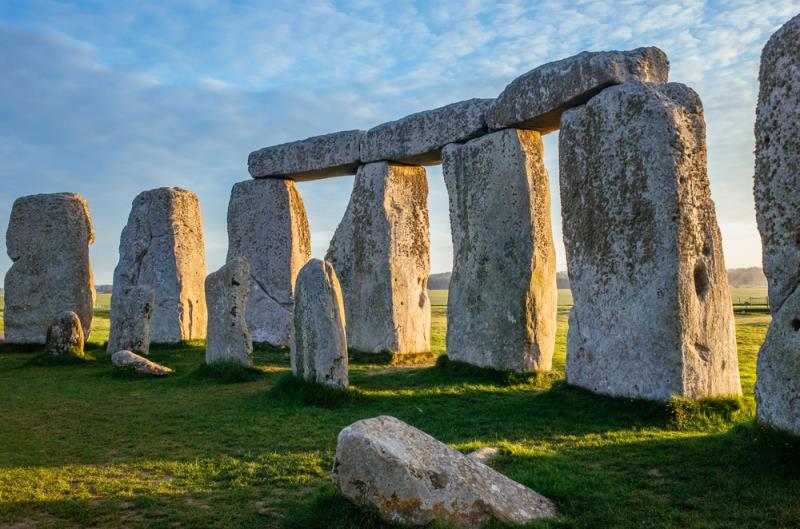
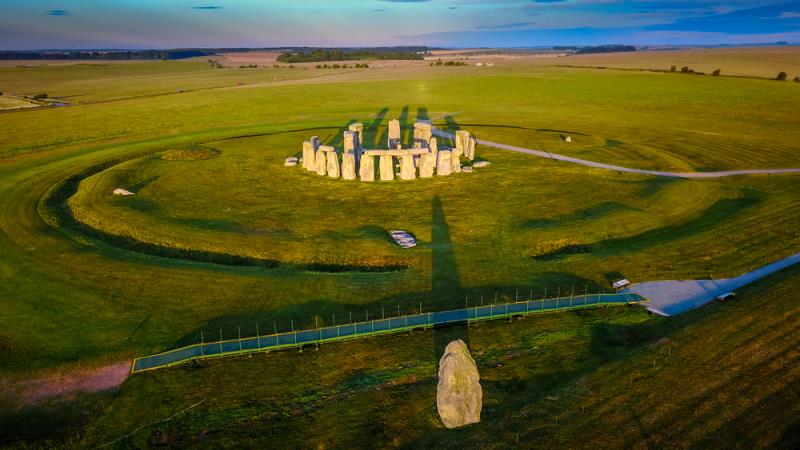
Rising from the vast openness of Salisbury Plain roughly 90 minutes northwest of Southampton, Stonehenge requires no elaborate introduction — yet arriving in its presence for the first time still delivers a jolt of awe that photographs cannot replicate. These massive sarsen stones, some weighing up to 25 tonnes and transported here from Wales around 2500 BC, were arranged with an astronomical precision that continues to confound and inspire. The site is a UNESCO World Heritage monument, and the visitor centre provides rich context about Neolithic life, the meaning of the monument's alignment with the solstice sun, and the communities of people who laboured for generations to build it. The landscape around Stonehenge is dotted with hundreds of ancient burial mounds and earthworks — this is one of the densest concentrations of prehistoric monuments anywhere in the world.
Salisbury Cathedral and the Original Magna Carta
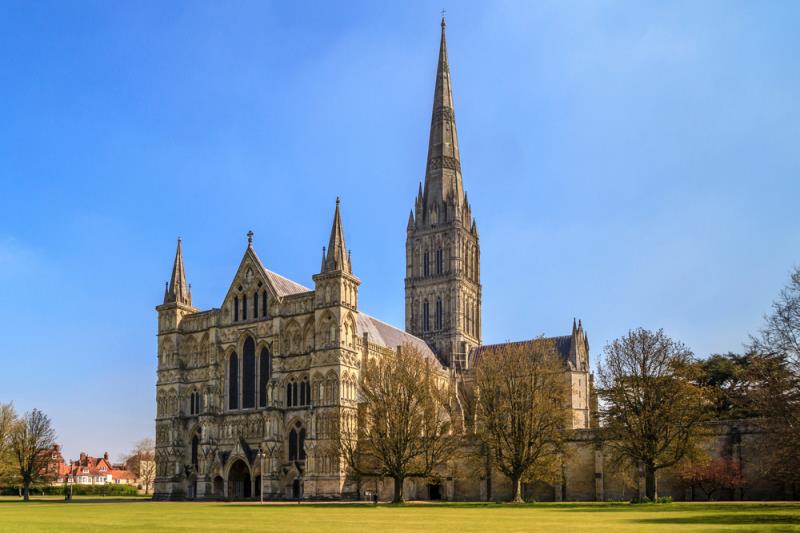
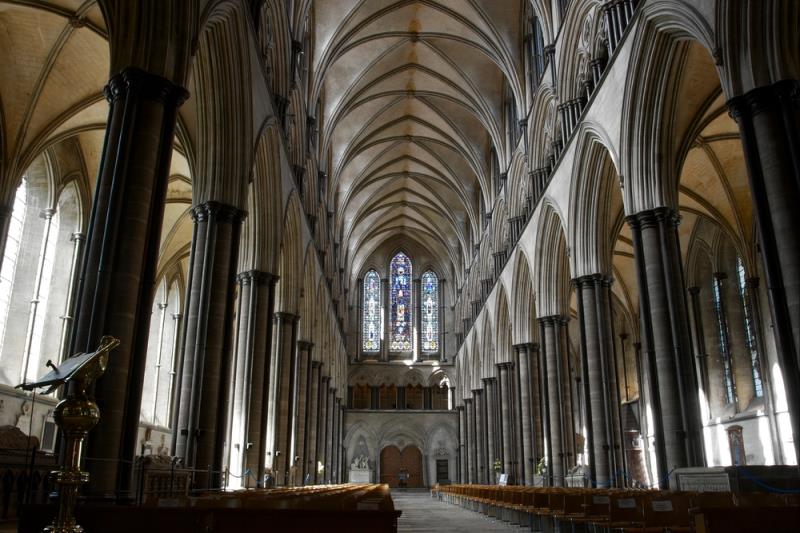
Salisbury Cathedral is, by most measurements, the finest example of Early English Gothic architecture in Britain. Its spire — at 123 metres the tallest in the country — has drawn pilgrims and artists (most famously John Constable) for eight centuries, and it remains the first thing you see as you approach across the water meadows that surround the city. Inside, one of only four surviving original copies of the 1215 Magna Carta is displayed in the Chapter House — the document that established the principle of rule of law and influenced constitutional thinking worldwide. The medieval close that surrounds the cathedral is one of England's most beautiful urban spaces, lined with Georgian townhouses and offering views of the spire from every angle. Salisbury's compact old town and market square are also worth exploring on foot.
Windsor Castle: The World's Oldest Occupied Royal Residence
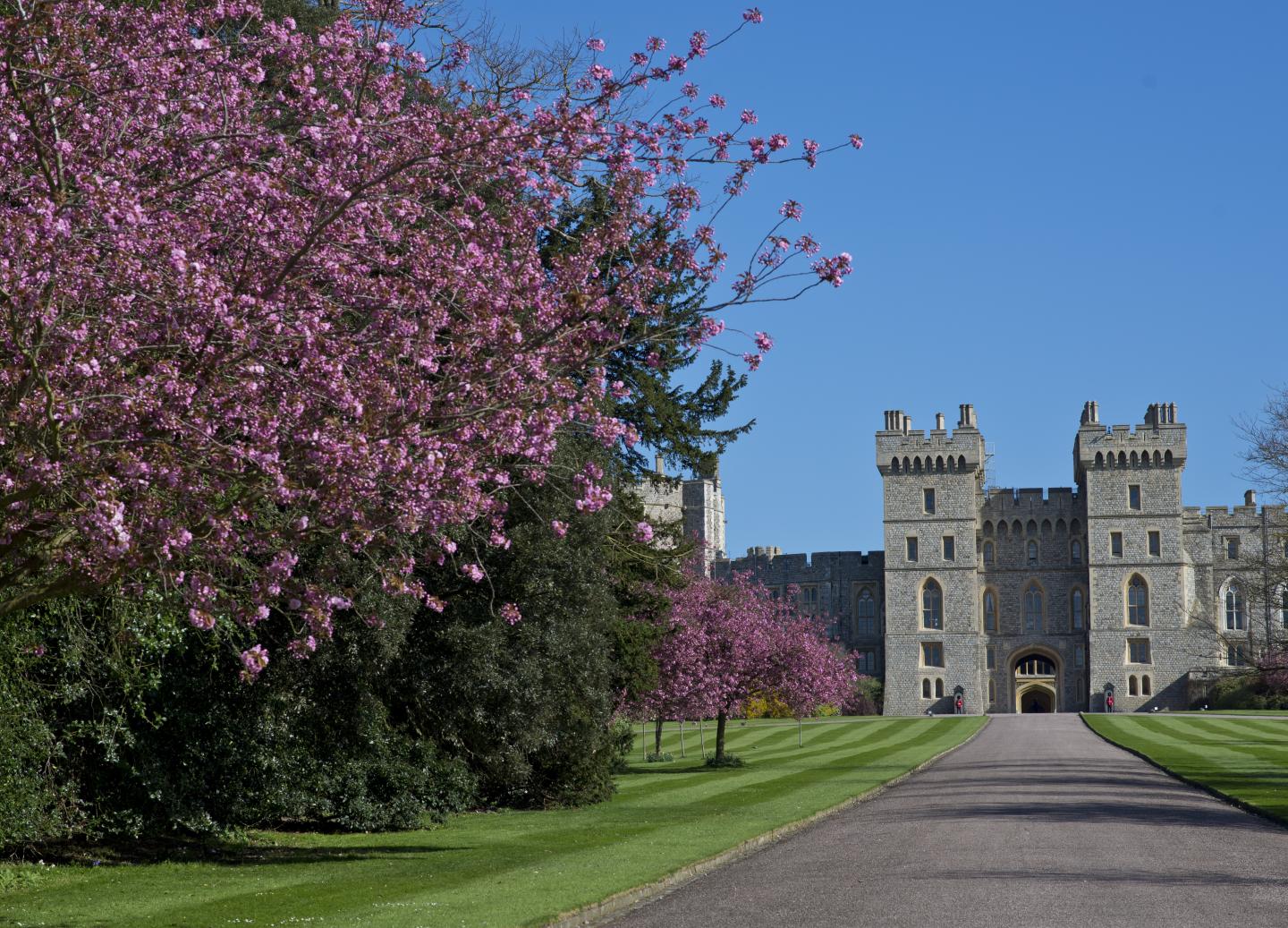
Windsor Castle has been a royal residence for almost a thousand years, and it remains the weekend home of the British monarch — making it a working palace rather than a museum piece. The State Apartments, open to visitors when not in royal use, contain one of the finest collections of royal art in the world, including works by Rubens, Rembrandt, and Canaletto. St George's Chapel, within the castle grounds, is a masterpiece of Perpendicular Gothic architecture and the burial place of ten English monarchs including Henry VIII and, more recently, Prince Philip. The town of Windsor below the castle ramparts is charming, with good restaurants and shops lining the cobbled streets. The adjacent Great Park stretches for nearly 5,000 acres of royal woodland and manicured gardens.
London: An Inexhaustible City Within Easy Reach
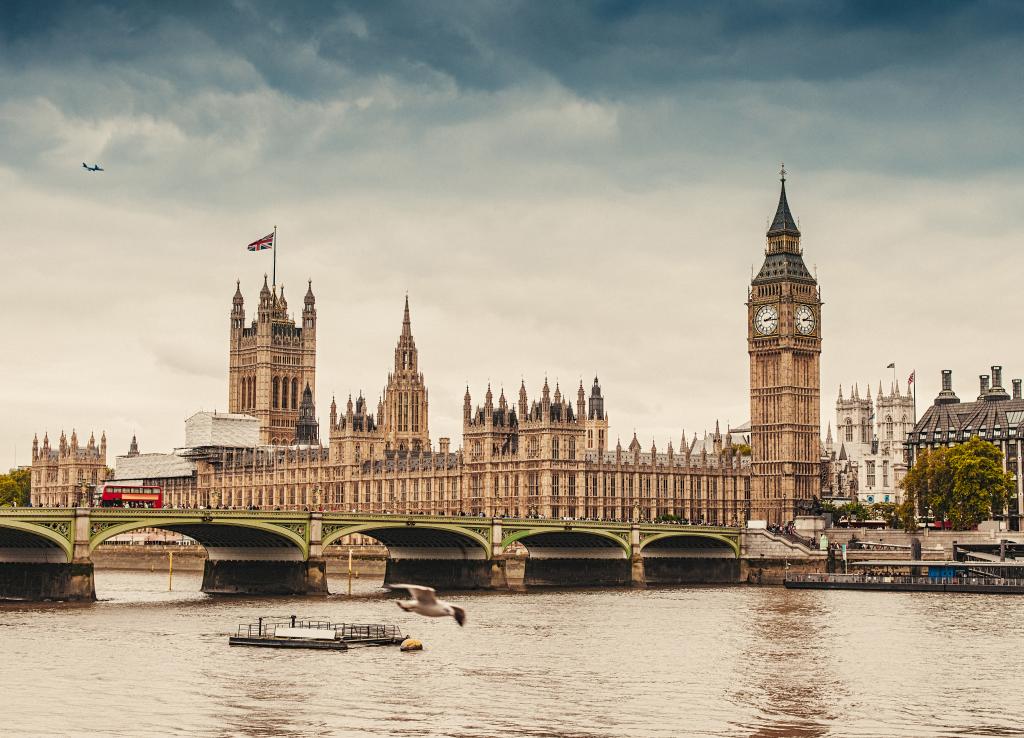
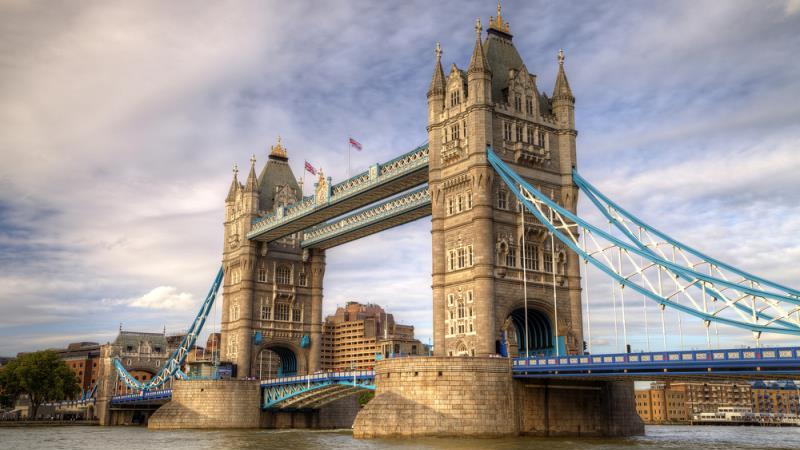
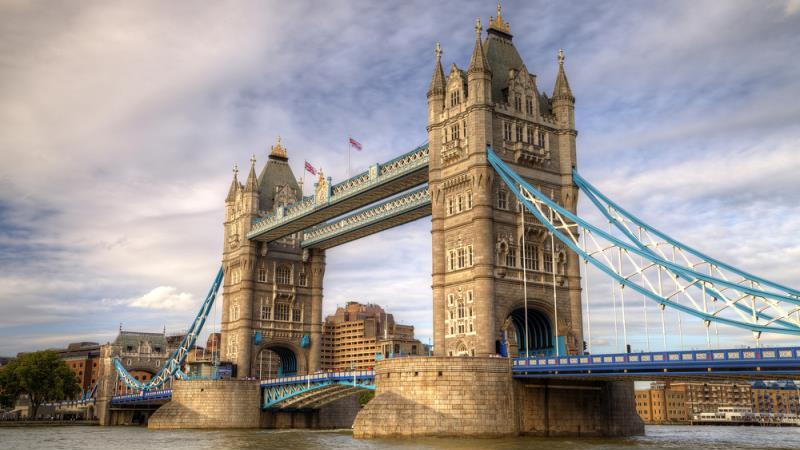
The case for spending at least one day in London when transiting through Southampton barely needs making. The capital sits roughly 80 minutes away by direct train, placing the full sweep of its world-class attractions within comfortable reach. The British Museum houses the Rosetta Stone and the Elgin Marbles. The National Gallery offers free admission to one of the greatest art collections on earth. Westminster Abbey, the Tower of London, Buckingham Palace, the Tate Modern, Borough Market, Greenwich, the Southbank — the city's layers of history and culture are simply inexhaustible. A panoramic driving tour with a knowledgeable guide can deliver the essential geography and highlight the landmarks in a single coherent day, providing context for your own further exploration on foot.
Southampton's Medieval Old Town
Remarkably few visitors who pass through Southampton's cruise terminals take the short walk into the Old Town, which makes the experience all the more pleasurably unhurried when you do. The medieval town walls — built largely in the 13th and 14th centuries — survive in substantial sections, and you can walk along stretches of the ramparts. The Bargate, a handsome twin-towered gatehouse at the northern edge of the Old Town, was once the main entrance to the city and now stands isolated in a pedestrian precinct. The Tudor House and Garden, dating to around 1495, is among the finest surviving examples of a prosperous late medieval townhouse in England. The nearby God's House Tower — formerly an artillery fortification — now operates as an archaeology museum. And the broad Westgate, leading directly to the old harbour, frames a view that unchanged in its essentials since the Pilgrim Fathers departed for America in 1620.
SeaCity Museum and Southampton's Maritime Legacy
No city in Britain is more intimately associated with the story of ocean travel than Southampton, and the SeaCity Museum explores that history with intelligence and emotion. Its centrepiece is an immersive exhibition about the Titanic — which departed from Southampton's White Star Dock on 10 April 1912, carrying a crew of whom 549 were local residents, most of whom did not return. The exhibition presents the disaster through Southampton's perspective with unusual depth and sensitivity. Beyond Titanic, the museum traces the full sweep of the city's maritime history from medieval wool exports to the great Cunard liners of the twentieth century, placing Southampton at the heart of the story of modern migration, trade, and exploration. The city's docks continue to handle cruise ships, container vessels, and car transporters, maintaining an active working-port energy that few comparable heritage sites can match.
Southampton (London) travel tips
Allow Generous Time on Embarkation Day. Even when everything goes smoothly, embarkation days at Southampton can involve queues, baggage procedures, and mandatory safety drills. If you plan to visit attractions on the day you board, finish them with at least two to three hours to spare before your ship's check-in deadline. Pre-cruise tours to Stonehenge or Windsor are specifically designed with this margin built in; independent sightseers should be more conservative still.
Book Heritage Attractions in Advance. Stonehenge operates a timed-entry system and popular time slots sell out weeks ahead in summer. Windsor Castle also benefits from advance booking, particularly for the State Apartments. The Salisbury Cathedral Chapter House, which displays the Magna Carta, has no timed entry but can be crowded at midday. Booking online before you travel guarantees access and often includes a small discount.
Know Which Terminal You're Using. Southampton's four cruise terminals — City, Mayflower, Ocean, and QEII — are spread along the waterfront and are not interchangeable. A transfer between the wrong terminal and a pre-arranged meeting point wastes time and causes stress. Confirm your precise terminal when arranging any transfers or pre-cruise excursions. Your ship's documentation will specify this clearly.
The Old Town is Free and Uncrowded. While many passengers head directly from the terminal to London or Stonehenge, Southampton's medieval heart offers a genuinely rewarding walk at no cost. The town walls, Bargate, and Westgate are freely accessible at all times. The Tudor House and Garden charges a modest admission. Arriving early before the main crowds, or spending an evening in the Old Town if you're staying pre-cruise, makes for a quietly memorable experience of a city that England undervalues.
Pack Layers for Southern England. Even in summer, southern England's weather is famously changeable. A morning that begins with clear skies can deliver a sharp shower by afternoon, particularly on exposed sites like Stonehenge. A light waterproof jacket that folds into a bag is indispensable. Comfortable walking shoes matter at every site you're likely to visit — cathedral floors, castle courtyards, and prehistoric earthworks are all uneven underfoot.
Winchester Makes an Excellent Shorter Alternative. If a full day to Stonehenge or London feels ambitious, Winchester — just 15 minutes by train from Southampton Central — is one of England's most beautiful small cities. The cathedral is magnificent (Jane Austen is buried there; the longest medieval nave in Europe is there). The High Street and Great Hall, which contains a medieval replica of the legendary Round Table, are compact and easily explored on foot in three or four hours. It is less visited than Salisbury but every bit as rewarding.
Port Facts Every Cruiser Needs To Know
Southampton (London) shore excursion FAQs
Southampton is approximately 130 kilometres southwest of London. The fastest option is the direct train from Southampton Central to London Waterloo, which takes roughly 79–90 minutes and runs frequently throughout the day. The journey is comfortable with good onboard facilities. Pre-arranged transfers by road are also available and offer door-to-door convenience between cruise terminals and central London hotels or airports.
By road, Stonehenge is approximately 30 to 40 miles from Southampton and typically takes around 45 to 60 minutes depending on traffic and the specific route. Timed entry tickets must be pre-booked; the site itself warrants between one and two hours. Combined with Salisbury Cathedral, this makes for a very full and rewarding day. Organised pre- and post-cruise excursions manage timing and logistics to keep you on schedule.
Yes, the two sites combine very naturally into a single day. They are only about 14 kilometres apart. A typical itinerary involves arriving at Stonehenge at opening, spending 90 minutes to two hours there, then continuing to Salisbury for a late morning or lunchtime arrival. Salisbury Cathedral, the medieval city centre, and the Magna Carta exhibition in the Chapter House fill the rest of the afternoon comfortably. Pre-cruise tours following this combination are available, with onward transfer to Southampton port.
Yes. Windsor Castle is located roughly 50 miles northeast of Southampton, making it a natural stop en route from London or Heathrow Airport to the cruise terminal. A typical pre-cruise itinerary involves arriving at Windsor in the morning, allowing two to three hours to visit the State Apartments and St George's Chapel, and then continuing by road to Southampton in time for embarkation. The castle is closed to visitors on certain dates when used for official royal engagements, so checking the website in advance is advisable.
Southampton's highlights include the medieval Old Town with its well-preserved town walls, towers, and the 12th-century Bargate gatehouse. The Tudor House and Garden (c.1495) and God's House Tower archaeology museum are both worth visiting. The SeaCity Museum is exceptional, with a deeply researched Titanic exhibition that presents the disaster from the perspective of Southampton's predominantly local crew. The waterfront WestQuay and Westquay Watermark developments offer shopping and dining if you need a straightforward option near the terminals.
From Heathrow, the most convenient options are a direct pre-arranged transfer by road (approximately 75–90 minutes depending on traffic) or a train from Heathrow via Reading to Southampton Central (approximately 90 minutes). From Gatwick, the journey by road typically takes about 90 minutes; by train you would change at Fareham or use the Thameslink to City Thameslink service. Pre-arranged private transfers directly to your specific cruise terminal eliminate any uncertainty about routing and are particularly valuable with heavy luggage.
For early morning embarkations, arriving the night before and staying in Southampton is strongly advisable to avoid the stress of travel-day delays affecting your boarding. Several good hotels sit within easy walking distance of the cruise terminals. After disembarkation, staying in Southampton allows you to take a post-cruise tour to Stonehenge or Salisbury at leisure before travelling onwards. The city itself, while not a traditional tourist destination, has more to offer than most passengers realise, particularly in the Old Town.
Yes. English Heritage, which manages the site, operates a timed-entry system that requires advance booking. Walk-up visitors without a pre-booked slot are turned away during busy periods, which includes most of the summer season from June through August and many weekend dates in spring and autumn. Book tickets via the English Heritage website as far in advance as possible. Organised excursions typically include pre-booked entry as part of the package, removing this concern.
SeaCity Museum in Southampton's city centre is primarily known for its major Titanic exhibition, but it covers the broader maritime history of the port from Roman times to the present day. The Titanic section is notably comprehensive — 549 of the ship's crew came from Southampton and the city's losses in April 1912 were devastating. The exhibition uses personal stories, artefacts, and reconstructed environments to explore the disaster and its aftermath. Admission is charged. It is generally agreed to be among the best maritime museums in England outside London and well worth the time for anyone interested in naval history.
If your flight departs from Heathrow, combining a Stonehenge or Salisbury Cathedral visit on the way is the most popular and rewarding option — the sites lie broadly in the direction of the airport and post-cruise tours designed specifically for this routing are available, concluding with a direct drop-off at Heathrow. For Gatwick departures, the route does not pass as conveniently through the heritage corridor, but a London panoramic tour with onward airport drop-off provides a memorable final morning in England. Always account for check-in deadlines when planning.
Filters
Select a filter to refine results.
Tour Type
Tour Activity
 Cart
Cart
 USD
USD GBP
GBP AUD
AUD EUR
EUR CAD
CAD