



Tours in Tallinn



Cruising to Tallinn in a group?
Skip the crowded ship excursion bus. One dedicated planner will design a private shore experience around exactly what your group wants — coordinated from first enquiry to the moment you're back on board. More memorable, more flexible, and more affordable than you might expect. Spend less time organising, more time enjoying.
Explore Group Travel →Cruising to Tallinn
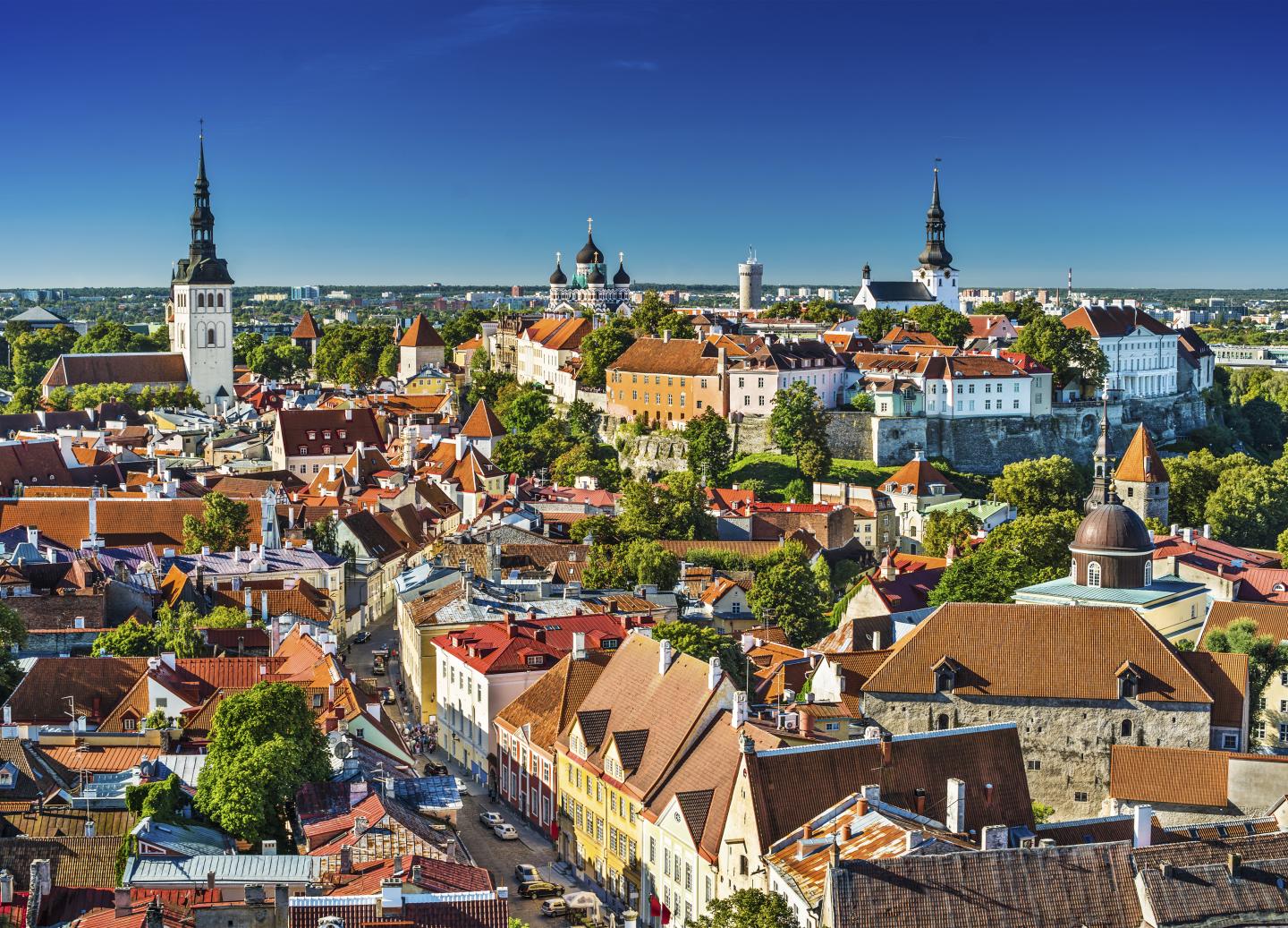
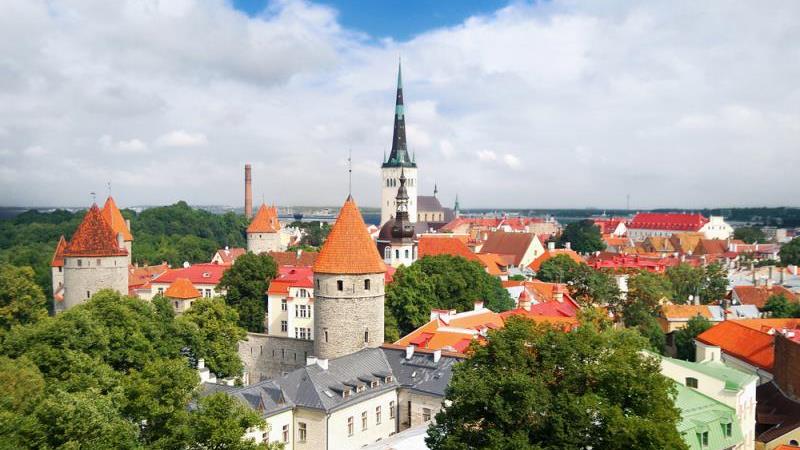
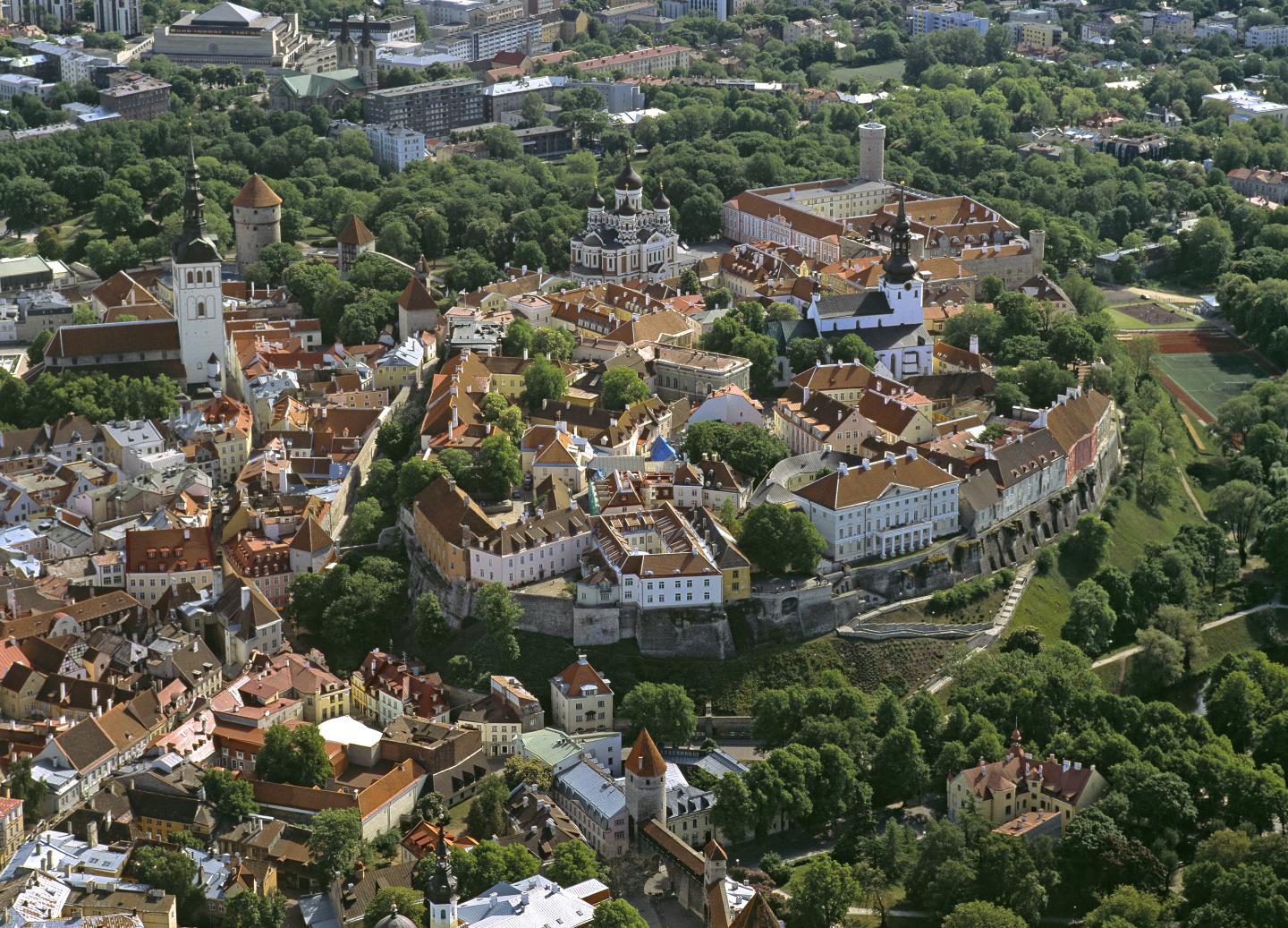
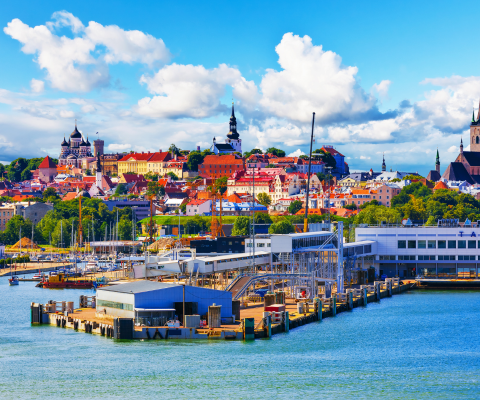
Tallinn is one of Europe's most astonishing surprises — a medieval capital that emerged from the Soviet era with its 13th-century streetscape almost entirely intact. The UNESCO-listed Old Town rises above the Baltic shore in a layered tableau: the hilltop Toompea district crowns the city with castles and onion-domed cathedrals, while the Lower Town fans out below in a maze of guild halls, merchant houses, and hidden courtyards barely changed since the Hanseatic League made this city one of northern Europe's great trading hubs.
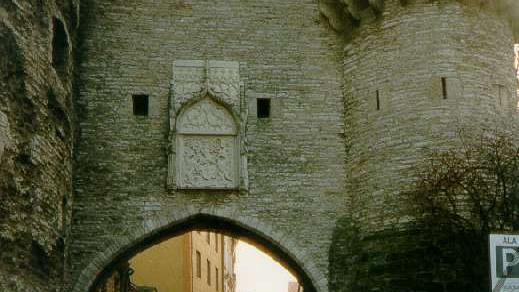
Cruise ships dock at Tallinn's Passenger Port (Reisisadam), so close to the Old Town that the medieval spires are visible from the terminal. A 15-minute walk along a well-signed waterfront path deposits you at the Viru Gate, one of the Old Town's iconic medieval entrances, making Tallinn one of the most effortlessly accessible port calls in the Baltic.
Beyond the walls, Tallinn reveals unexpected depth. A thriving modern city has grown alongside the medieval core, offering world-class contemporary architecture, a buzzing design and dining scene, and museums that place Estonian identity — shaped by Viking trade routes, German crusaders, Swedish monarchs, and Soviet occupation — in vivid context. The Rocca al Mare Open Air Museum preserves rural Estonian life across several centuries in a parkland setting on the city's western edge.
For cruise travellers, Tallinn delivers the rare pleasure of an entire day that feels genuinely unhurried. The compact Old Town rewards slow exploration on foot, the food scene is adventurous and affordable by European standards, and guided excursions can reveal layers of history that the cobblestones alone cannot fully tell.
Top things to do in Tallinn on a cruise stopover
Toompea — The Ancient Upper Town
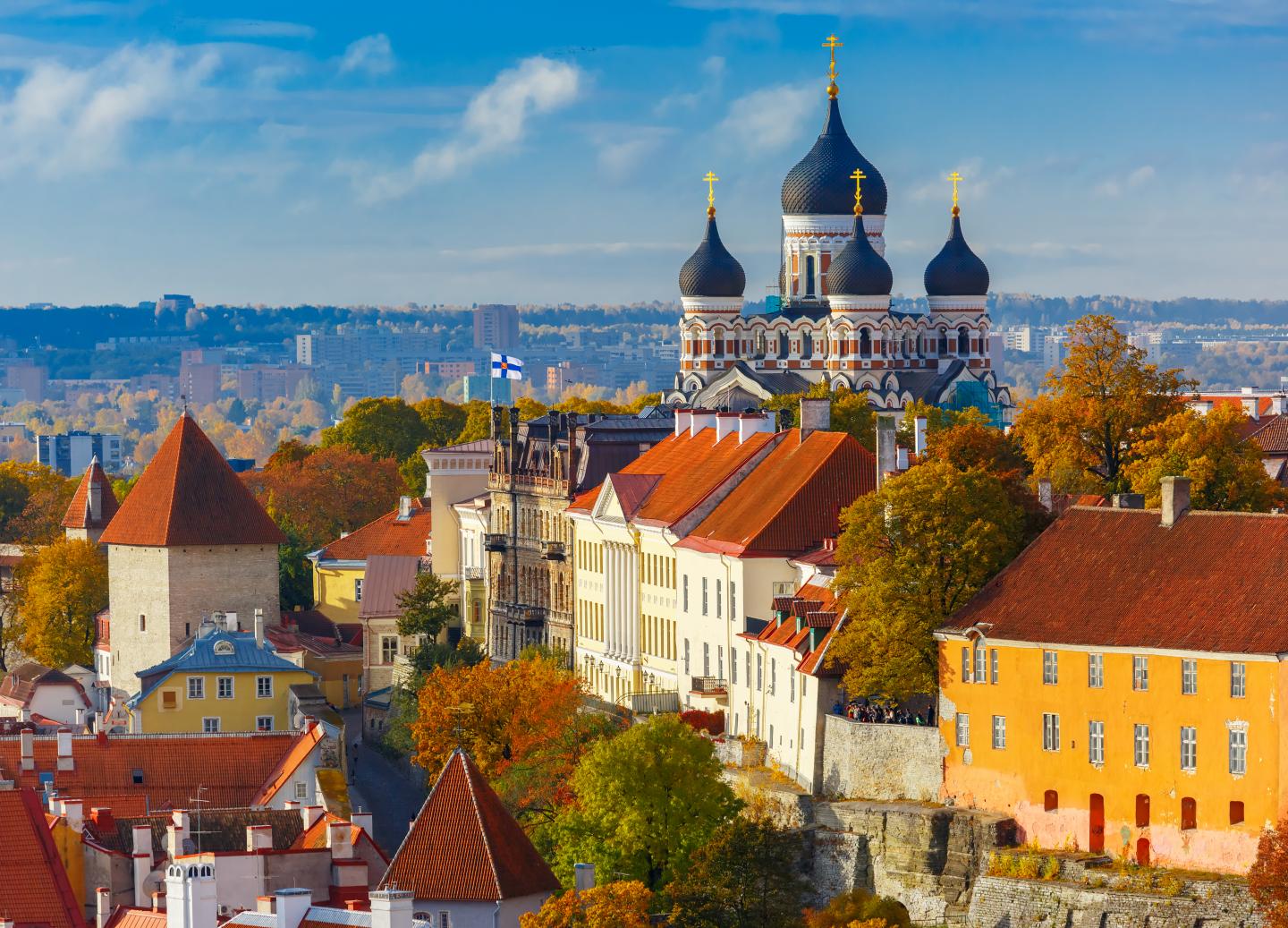
Perched on a limestone plateau above the Lower Town, Toompea is the medieval nerve centre of Tallinn. The dominant landmark is the Russian Orthodox Alexander Nevsky Cathedral (1900), its bulbous onion domes an assertive symbol of Tsarist ambition that still commands the hilltop skyline. Nearby, Toompea Castle — today housing the Estonian Parliament — traces its origins to the Danish conquest of the 13th century. The real reward here is the view: from the Kohtuotsa and Patkuli platforms, the terracotta rooftops, Gothic towers, and Baltic horizon unfold in a panorama that has barely altered in five centuries. Walking guided tours weave through the Upper Town's quiet lanes revealing diplomatic residences, medieval fortifications, and the stories locked inside every carved stone facade.
The Lower Town — Europe's Finest Medieval Streetscape
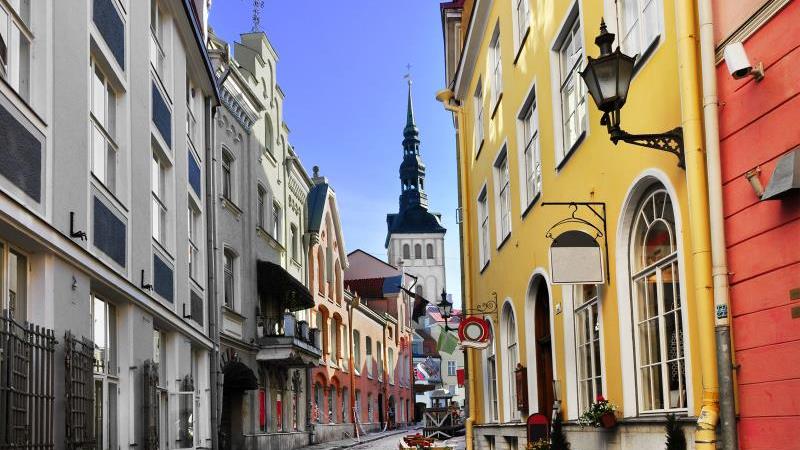
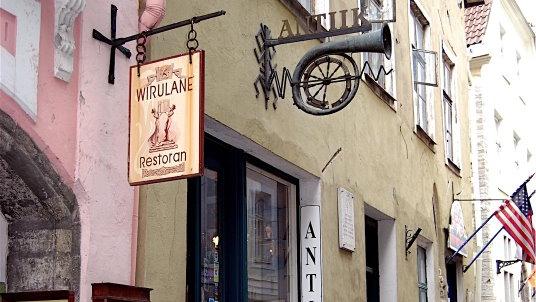
Below Toompea, the Lower Town (Vanalinn) is the commercial and social heart of Tallinn's medieval world. Town Hall Square (Raekoja plats) serves as the central gathering place — the Gothic Town Hall dating from 1404 is one of the best-preserved secular Gothic buildings in Northern Europe, and the square itself has hosted markets, executions, and celebrations for six centuries without interruption. Radiating outward, narrow lanes lead past Hanseatic merchant houses, the Great Guild Hall, and the Church of the Holy Spirit with its baroque clock mounted above the door since 1684. The entire Lower Town functions as a living monument: cafes and restaurants occupy medieval cellars, boutiques fill guild buildings, and local life carries on inside one of Europe's most intact historic urban environments. Private walking tours reveal architectural details and stories invisible to the casual visitor.
Medieval Towers and City Walls
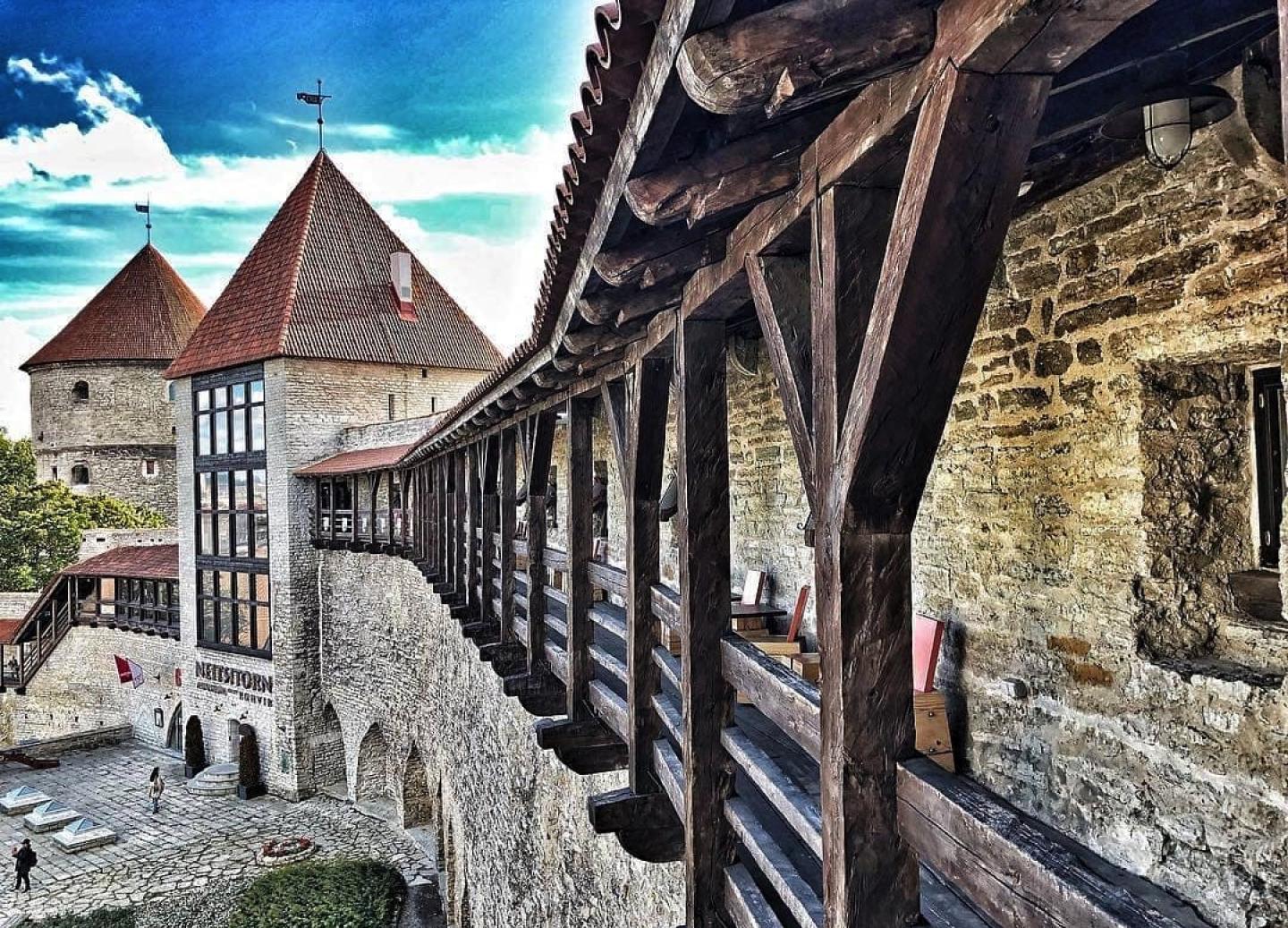
Tallinn's medieval fortifications rank among the most complete in Northern Europe. Approximately 2 kilometres of the original city wall survive, studded with 26 of the original 46 towers — each with a name that evokes both utility and medieval humour: Fat Margaret guards the harbour gate, while the Virgin's Tower once confined women convicted of misconduct. Walking the towers reveals the engineering genius behind a defensive system that repelled Swedish, Russian, and Livonian armies across three centuries. Several towers are now accessible to visitors; some house small museums while others offer elevated views across the Old Town roofscape. Guided tours through this maze of stone bring the legends, sieges, and civic dramas that shaped these walls to vivid life.
Estonian Food Culture — A Taste of the North
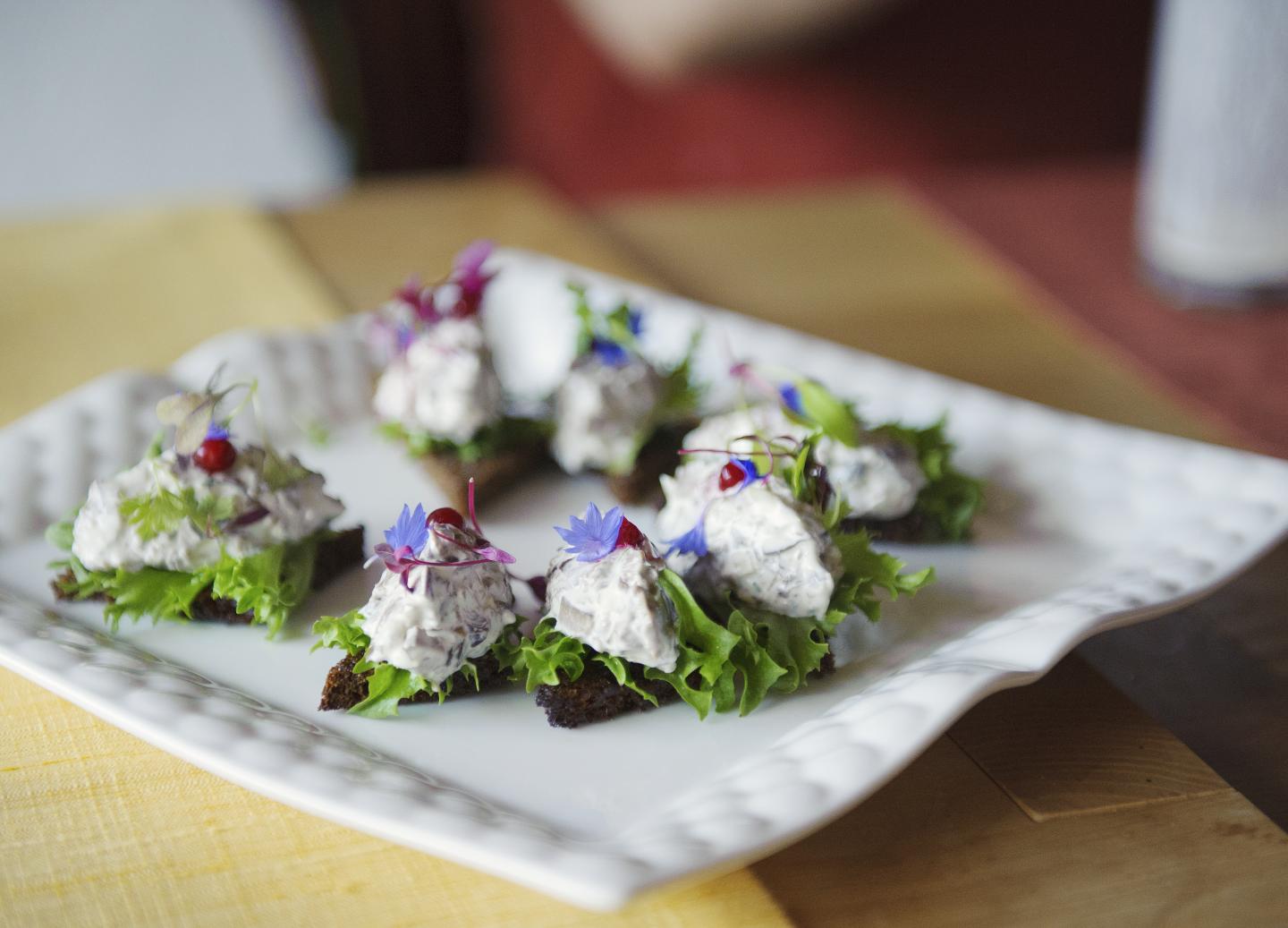
Tallinn has emerged as one of the Baltic's most exciting culinary cities, blending a deep tradition of forest-to-table ingredients with Nordic minimalism and a proud rediscovery of Estonian identity on the plate. Market halls and Old Town restaurants serve pickled herring alongside elk medallions, black rye bread baked to recipes unchanged for centuries, and seasonal wild mushroom preparations that arrive in autumn with an almost ceremonial gravity. Guided culinary walks thread through the Old Town's market spaces and medieval taverns, pairing dishes with the stories behind them — how Soviet scarcity shaped modern Estonian cooking, why black bread is a cultural symbol, and which local cheese producers are reviving pre-war traditions. Vana Tallinn liqueur, served over ice or stirred into coffee, makes an ideal conclusion to any market exploration.
Rocca al Mare Open Air Museum
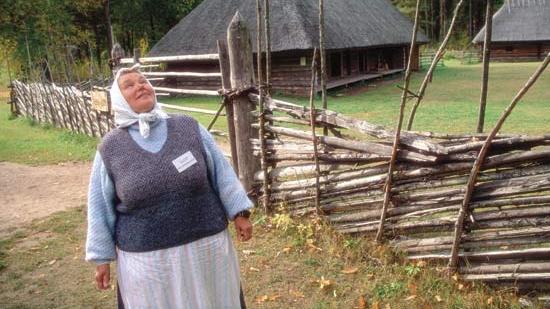
On Tallinn's western outskirts, the Rocca al Mare Open Air Museum spreads across a pine-forested peninsula on the Kopli Bay shore, preserving over 70 historic buildings transplanted from across Estonia. Farmhouses, windmills, a wooden church, village inns, and manor estate buildings trace rural and coastal Estonian life from the 18th through early 20th centuries. Working craft demonstrations bring the buildings alive: blacksmiths, weavers, and bakers operate within the historic structures on scheduled days. The museum provides essential counterpoint to the urban medieval experience of the Old Town — here, the story of ordinary Estonian life unfolds rather than the merchant and noble classes who built the city walls. Private excursions to the museum pair well with a morning in the Old Town for visitors wanting a full picture of Estonian history.
Old Town and Modern City — Two Tallinns in One Day
What makes Tallinn genuinely unusual among medieval European cities is the proximity of its extraordinary historic core to a vibrant, architecturally ambitious modern capital. Just beyond the city walls, districts such as Telliskivi Creative City occupy repurposed Soviet-era factory complexes with design studios, street food markets, and independent galleries. The contrast between the UNESCO-listed medieval streets and the entrepreneurial energy of post-Soviet Tallinn is striking — and intentional. Private tours contrasting old and new Tallinn reward curious travellers who want more than cobblestones: the story of how a tiny Baltic state rebuilt its identity after 1991, achieved independence, and became one of the most digitally advanced societies in the world is as compelling as any Gothic cathedral.
Tallinn travel tips
Wear Comfortable Footwear. Tallinn's Old Town is entirely paved in uneven cobblestones that are genuinely challenging in heeled shoes or inadequate trainers. Comfortable, flat-soled walking shoes with good ankle support will make the difference between a pleasant stroll and an exhausting slog. The same applies after rain, when the rounded stones become slippery.
Seek Out the Free Viewpoints Early. The two main panoramic platforms on Toompea — Kohtuotsa and Patkuli — are free to access and offer the classic Old Town roofscape view. In peak summer, both fill quickly after morning ship arrivals. Heading up first thing, before organised tour groups arrive, rewards you with the scene at its most peaceful and photogenic.
The Old Town is Compact — Don't Rush It. Tallinn's UNESCO core covers only about 1.4 square kilometres and is easy to cross in under 20 minutes. The temptation is to tick off landmarks quickly, but the real character of the city lives in the side streets, hidden courtyards, and medieval alcoves. Allow time to simply wander without agenda — some of the most rewarding discoveries in Tallinn are unscheduled.
Linger Over the Market Stalls. The covered market near the Old Town and the Telliskivi weekend market offer genuinely local produce, handicrafts, and street food. Estonian woollen goods, amber jewellery, and hand-painted wooden items make distinctive souvenirs. Food stalls at market spaces serve local staples at a fraction of the price charged in the tourist-facing restaurants directly on Town Hall Square.
Carry Cash for Small Purchases. Card payment is accepted at virtually all restaurants, museums, and larger shops in Tallinn. However, market vendors, small pastry stalls, and some basement cafes operate cash-only. Bringing a small amount of euros from the ship avoids having to locate an ATM during your limited ashore time.
Check Museum Opening Days. Several of Tallinn's best museums — including the Estonian History Museum in the Great Guild Hall and some tower museums — operate restricted hours or close on Mondays and public holidays. Verifying opening times before heading ashore, particularly for the Rocca al Mare Open Air Museum, prevents disappointment on a port day that cannot be rescheduled.
Port Facts Every Cruiser Needs To Know
Tallinn shore excursion FAQs
The Passenger Port (Reisisadam) is approximately 1 kilometre from the Old Town's Viru Gate entrance. The walk takes around 15 minutes along a well-signed waterfront path. The route is flat and manageable, passing the modern port zone before reaching the medieval walls.
The Old Town is highly walkable — compact, largely flat once you are inside the walls, and well-signposted in English. Independent exploration works well for visitors who simply want to absorb the atmosphere. Guided walking tours, however, add enormous value: the stories behind the buildings, the historical context, and the local knowledge accessible through a good guide transform the Old Town from a pretty streetscape into a deeply layered narrative.
The most practical approach is to spend the morning in the Old Town — Toompea, the city walls, and Town Hall Square — then take a guided excursion to Rocca al Mare in the afternoon. The museum is around 6 kilometres from the Old Town, making transport necessary. Organised shore excursions combine both sites efficiently within a full port call.
Estonia uses the Euro (€). Card payments are accepted almost universally in restaurants, shops, and major attractions. Smaller market vendors and some street stalls may prefer cash, so carrying a modest amount of euros is advisable.
Estonian cuisine is hearty, seasonal, and rooted in the forest and sea. Must-try items include black rye bread (leib), which Estonians consider a cultural cornerstone; smoked Baltic sprats and other cured fish; wild mushroom dishes in autumn; elk or wild boar preparations at the city's medieval-themed restaurants; and kama, a traditional fermented grain flour served with berries. Vana Tallinn liqueur is the classic souvenir spirit — try it in a coffee at any Old Town café.
The Lower Town is relatively flat, with manageable inclines between the main streets. Toompea (the Upper Town) sits on a raised limestone cliff and is reached either by stairs or a road that winds up through the Short Leg Gate. The surfaces throughout are cobblestone, which can be tiring and slippery when wet — flat, comfortable walking shoes are strongly recommended.
Two of the best viewpoints in the city are free to access on Toompea: Kohtuotsa (behind the cathedral) and Patkuli (on the northwest edge of the hill). Both provide the classic view of the Lower Town's medieval rooftops with the Baltic beyond. The tower of the Town Hall also offers elevated views for a small admission fee. These platforms are busiest in the late morning when ship excursions arrive; an early visit is rewarded with much quieter conditions.
The Historic Centre (Old Town) of Tallinn was inscribed on the UNESCO World Heritage List in 1997. The designation recognises the exceptional preservation of a medieval northern European trading city, including its fortifications, churches, merchant and civic buildings, and the urban layout established during the Hanseatic period in the 13th to 16th centuries. It is considered one of the best-preserved medieval city ensembles in the world.
The Estonian Open Air Museum at Rocca al Mare is a large outdoor museum set in a forested park on the western edge of Tallinn. Over 70 historic buildings — farmhouses, windmills, a wooden church, granaries, and manor structures — were transplanted from across Estonia to create an immersive record of rural Estonian life from the 18th through the early 20th century. It is particularly rewarding for visitors interested in folk history, craft demonstrations, and the pastoral traditions behind Estonian culture. Plan at least 2 hours; it is best combined with a morning in the Old Town.
Tallinn is widely considered the most visually dramatic and historically intact of the Baltic capital cruise ports. Its medieval Old Town is more complete than those of Riga or Vilnius, and the proximity of the port to the historic centre is exceptionally convenient. The city's combination of Hanseatic merchant architecture, Soviet-era history, and dynamic modern Estonian identity also gives it unusual narrative range. For many cruise guests, a single day in Tallinn is memorable enough to prompt a return visit independently.
Filters
Select a filter to refine results.
Tour Type
Tour Activity
 Cart
Cart
 USD
USD GBP
GBP AUD
AUD EUR
EUR CAD
CAD