



Tours in Thessaloniki


Cruising to Thessaloniki in a group?
Skip the crowded ship excursion bus. One dedicated planner will design a private shore experience around exactly what your group wants — coordinated from first enquiry to the moment you're back on board. More memorable, more flexible, and more affordable than you might expect. Spend less time organising, more time enjoying.
Explore Group Travel →Cruising to Thessaloniki
Thessaloniki has always played second city to Athens on the map of Greek tourism, but ask anyone who has spent time in both and the answer is complicated. Greece's northern capital is more compact, more lived-in, and — many would argue — considerably more interesting to eat in. It is the kind of place where the archaeological layer cake is served with a side of outstanding pastry, and where an afternoon walk along the waterfront promenade takes you past a Roman triumphal arch, a fourth-century rotunda converted first to a church and then to a mosque, and a Byzantine tower defending the sea.
The city's history reads like a compendium of the Mediterranean world. Founded by a Macedonian king in 315 BC and named for his wife (who was, in turn, named for his father's victory in Thessaly), it rose to become the second city of the Byzantine Empire — more important, at times, than Constantinople itself. The Rotunda of Galerius, the Arch of Galerius, the Byzantine walls snaking over the hills above the city, and the fifty-odd early Christian and Byzantine churches inscribed on the UNESCO World Heritage list speak to centuries of prosperity and spiritual intensity. The Ottoman period added the covered bazaar, the hammams, and the mosques that still punctuate the skyline.
Modern Thessaloniki wears this heritage lightly, with an energy that feels more Balkan than Athenian — louder, more convivial, and obsessed with food in a way that has gained the city an international reputation. The bougatsa shops open before dawn; the market streets of Modiano and Kapani bustle with vendors selling everything from live chickens to aged cheese; and the tavernas of the Ladadika district serve grilled meats and meze until late into the evening. It is, by some measures, the most rewarding food city in all of Greece.
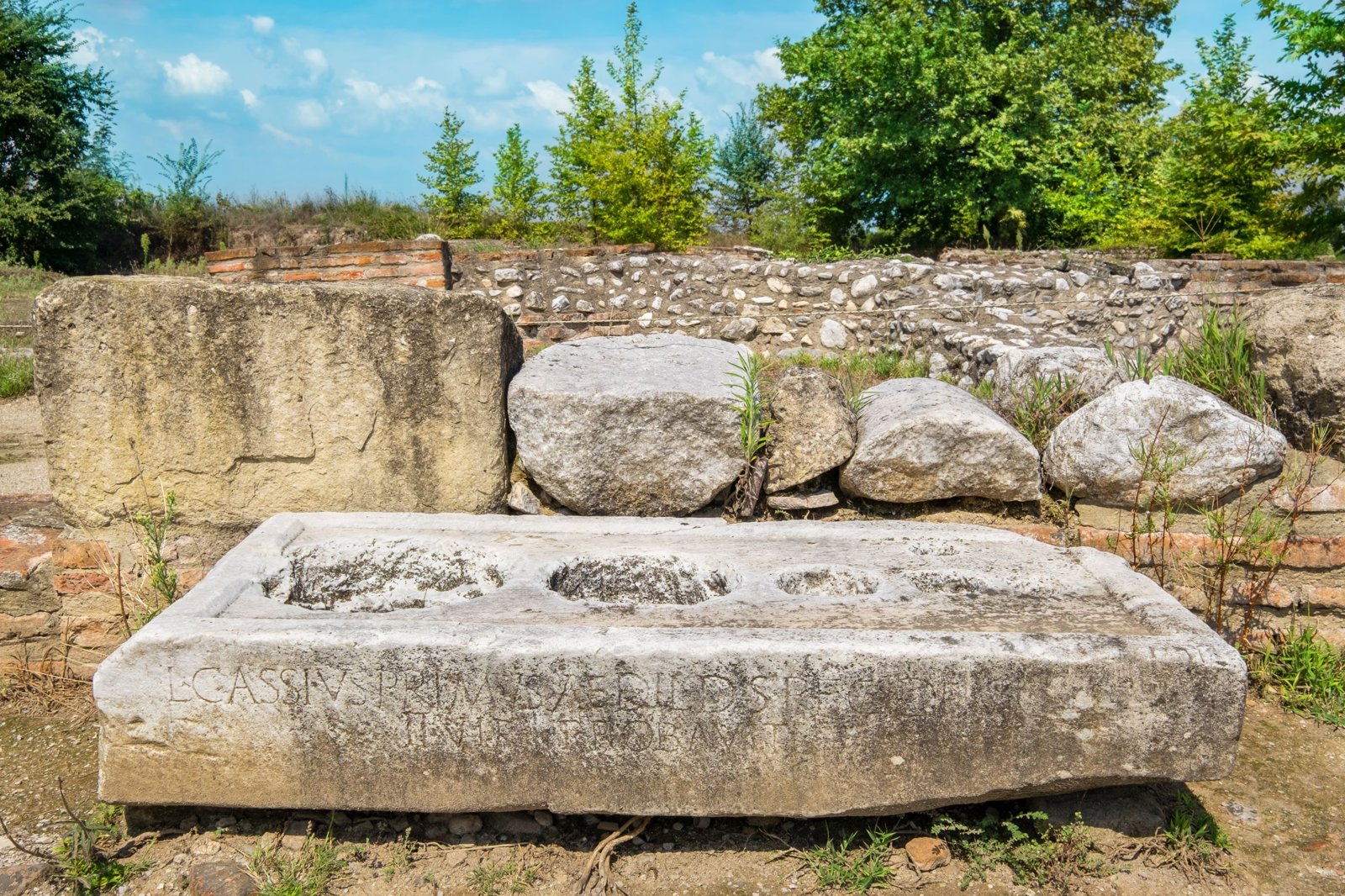
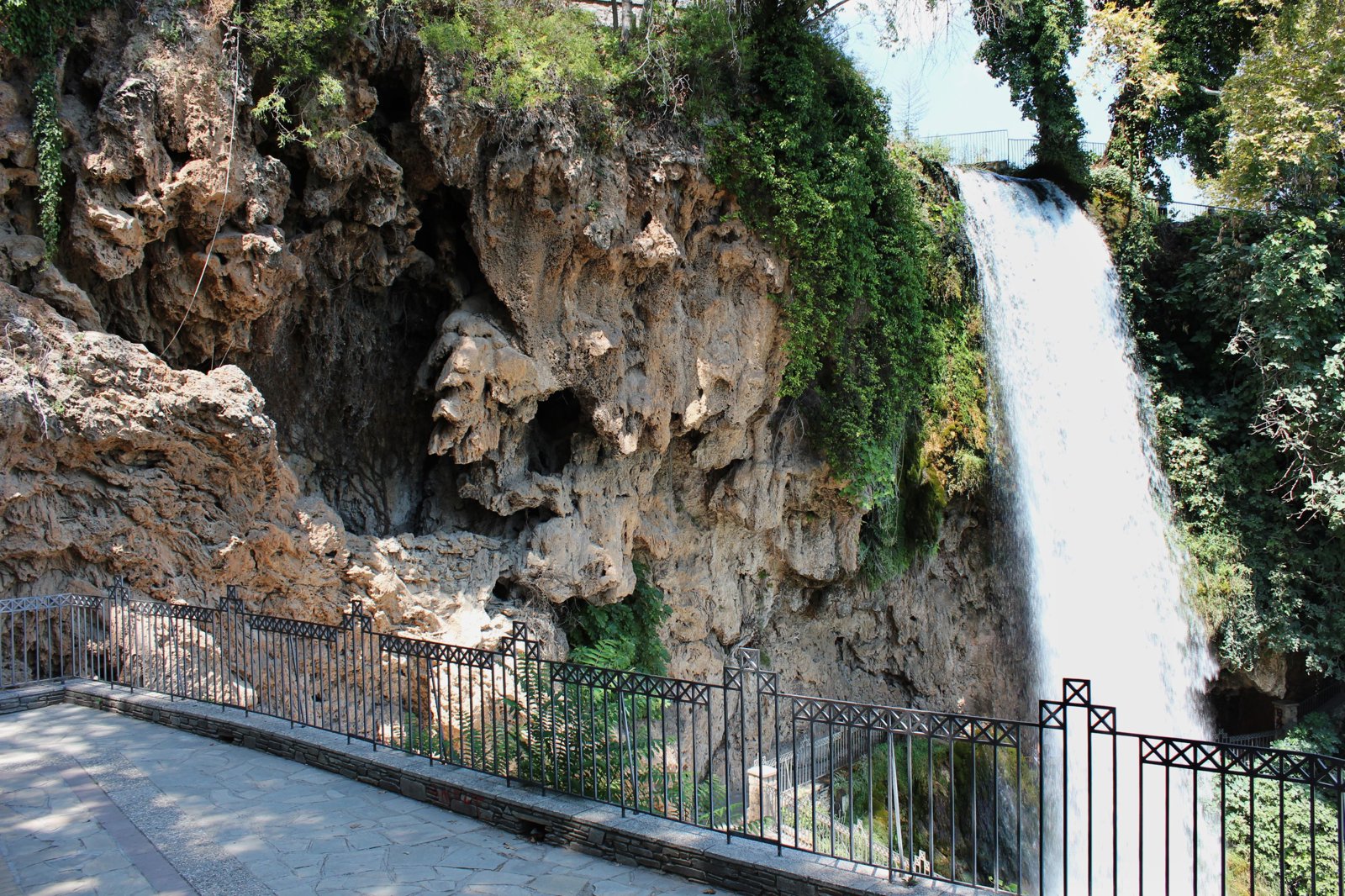
Beyond the city limits, the excursion possibilities are extraordinary. Ancient Pella — birthplace of Alexander the Great and capital of the Macedonian kingdom — lies less than an hour to the west, its mosaics among the finest in the ancient world. The sacred forests of ancient Dion at the foot of Mount Olympus are within reach for a half-day journey. The thermal springs and cascading waterfalls of Pozar and Edessa offer a dramatically different landscape, just inland from the coastal plain. Thessaloniki rewards both those who want to stay and absorb the city, and those who want to use it as a base for exploring one of Europe's richest historical hinterlands.
Top things to do in Thessaloniki on a cruise stopover
Modiano Market and the Multicultural Flavours of Thessaloniki
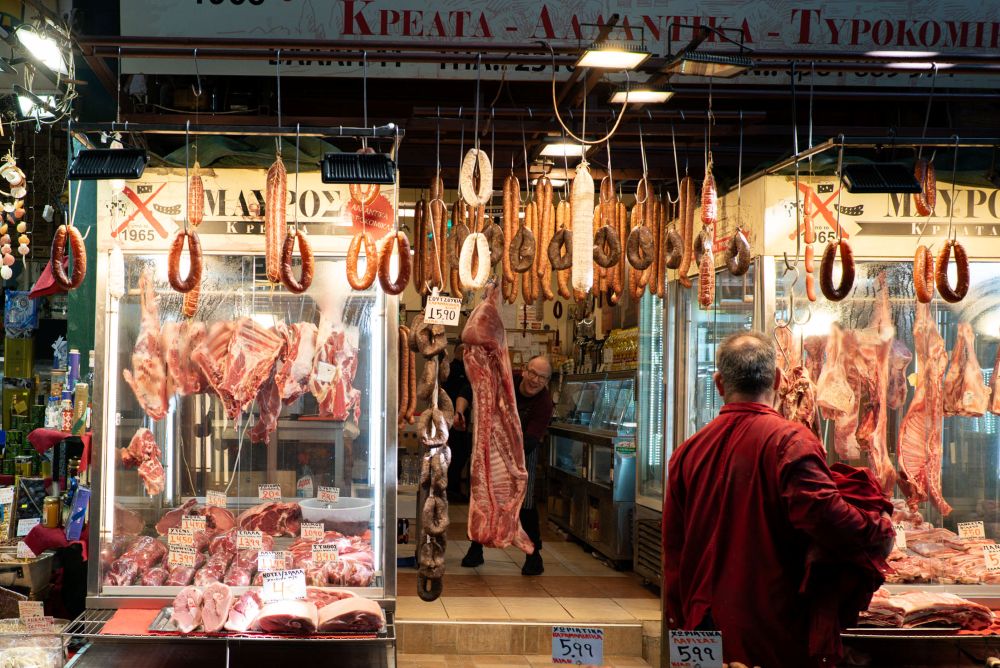
No visit to Thessaloniki is complete without time spent in its covered markets. The Modiano Market — built by the Jewish architect Eli Modiano in 1922 — is a magnificent iron-and-glass hall in the heart of the city, its interior crammed with butchers, fishmongers, cheese sellers, and spice merchants who supply the restaurants of the Ladadika district. Adjacent to it, the older Kapani (Vlali) market spills out onto the surrounding streets in a controlled chaos of seasonal produce, dried herbs, and vendors calling out their prices. Together they form the commercial and social heart of a city that takes its eating seriously. Beyond the food, the markets are a window into Thessaloniki's extraordinary multicultural history — Greek, Jewish, Ottoman, Balkan — visible in the architecture, the products, and the faces of the crowd. The surrounding neighbourhood of narrow lanes, small tavernas, and coffee shops is ideal for a long, unstructured morning of exploration.
The White Tower and Thessaloniki's Waterfront Promenade
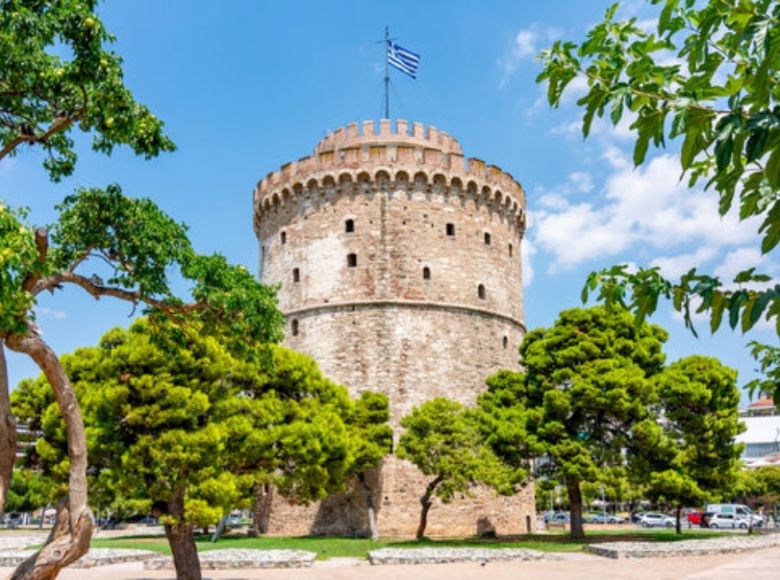
The White Tower is the defining landmark of Thessaloniki — a circular Ottoman fortification built in the fifteenth century at the eastern end of the sea walls, which now stands alone on the waterfront as both a museum and the city's most recognisable image. Its name is something of an irony: the tower was used as a prison and execution site during Ottoman rule and was whitewashed as part of a symbolic cleansing when the city passed to Greece in 1912. Inside, a well-designed museum traces Thessaloniki's history from Byzantine times to the modern era across several floors, with panoramic views from the top terrace. The waterfront promenade that extends from the tower in both directions is the city's social spine — a broad esplanade where citizens walk, cycle, and gather at café tables overlooking the Thermaic Gulf, with Mount Olympus visible on clear days rising from the far shore.
Ancient Pella — Birthplace of Alexander the Great
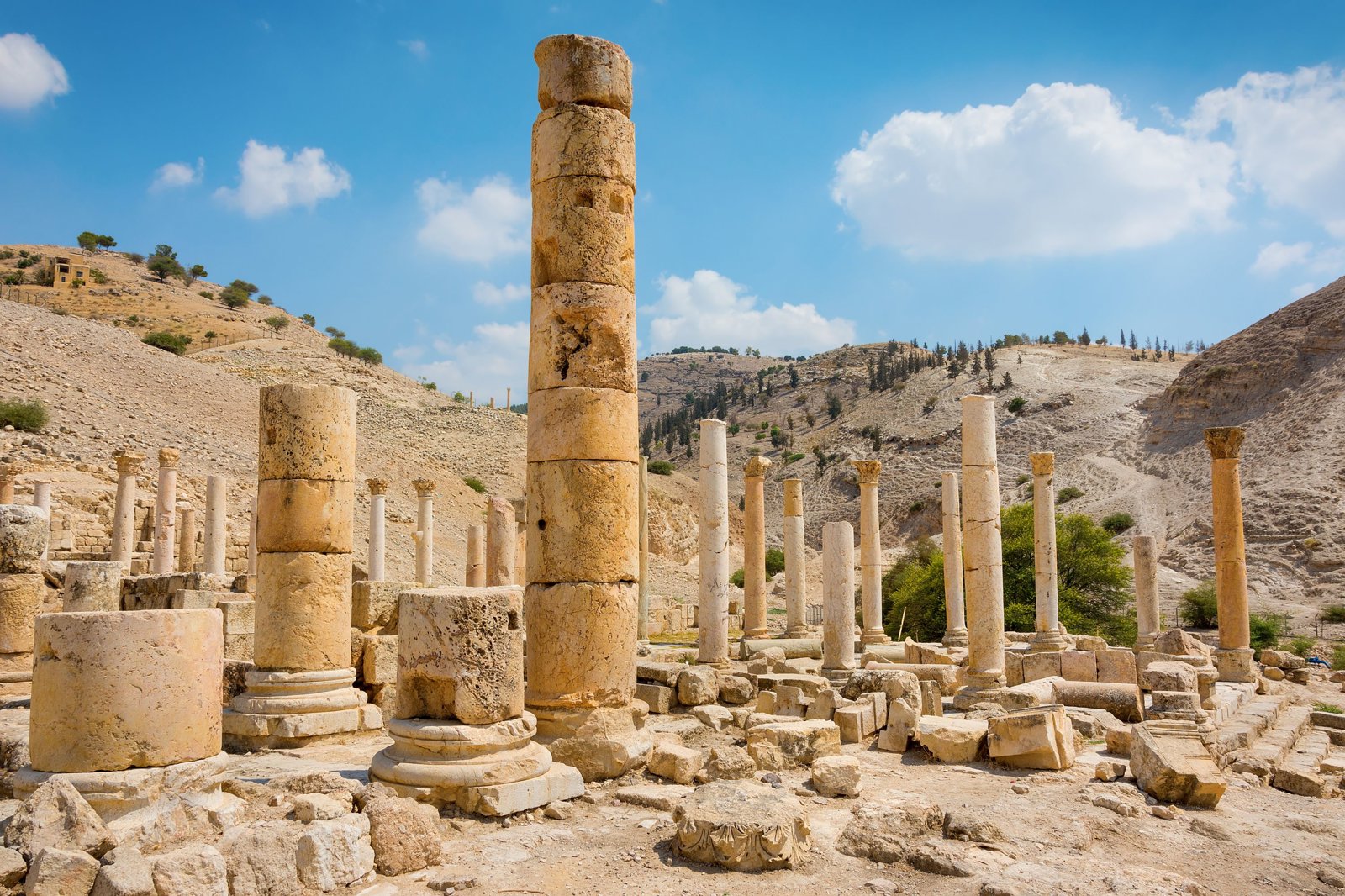
Around 40 kilometres west of Thessaloniki lies one of the most important ancient sites in the Greek world: Pella, the Macedonian capital from which Philip II and his son Alexander the Great launched the conquests that reshaped the ancient world. The site is remarkable for its scale and for the extraordinary quality of its pebble mosaics — complex, finely worked floor compositions depicting mythological scenes and hunting parties that represent some of the finest art of the fourth century BC. A modern archaeological museum displays the best-preserved mosaics and an extensive collection of bronzes, gold jewellery, and everyday objects that illuminate daily life in the Macedonian capital. For anyone with an interest in ancient history, a visit to Pella transforms the abstract concept of Alexander's Macedonia into something tangible and vivid.
Potamos Beach — Mediterranean Relaxation Close to Shore
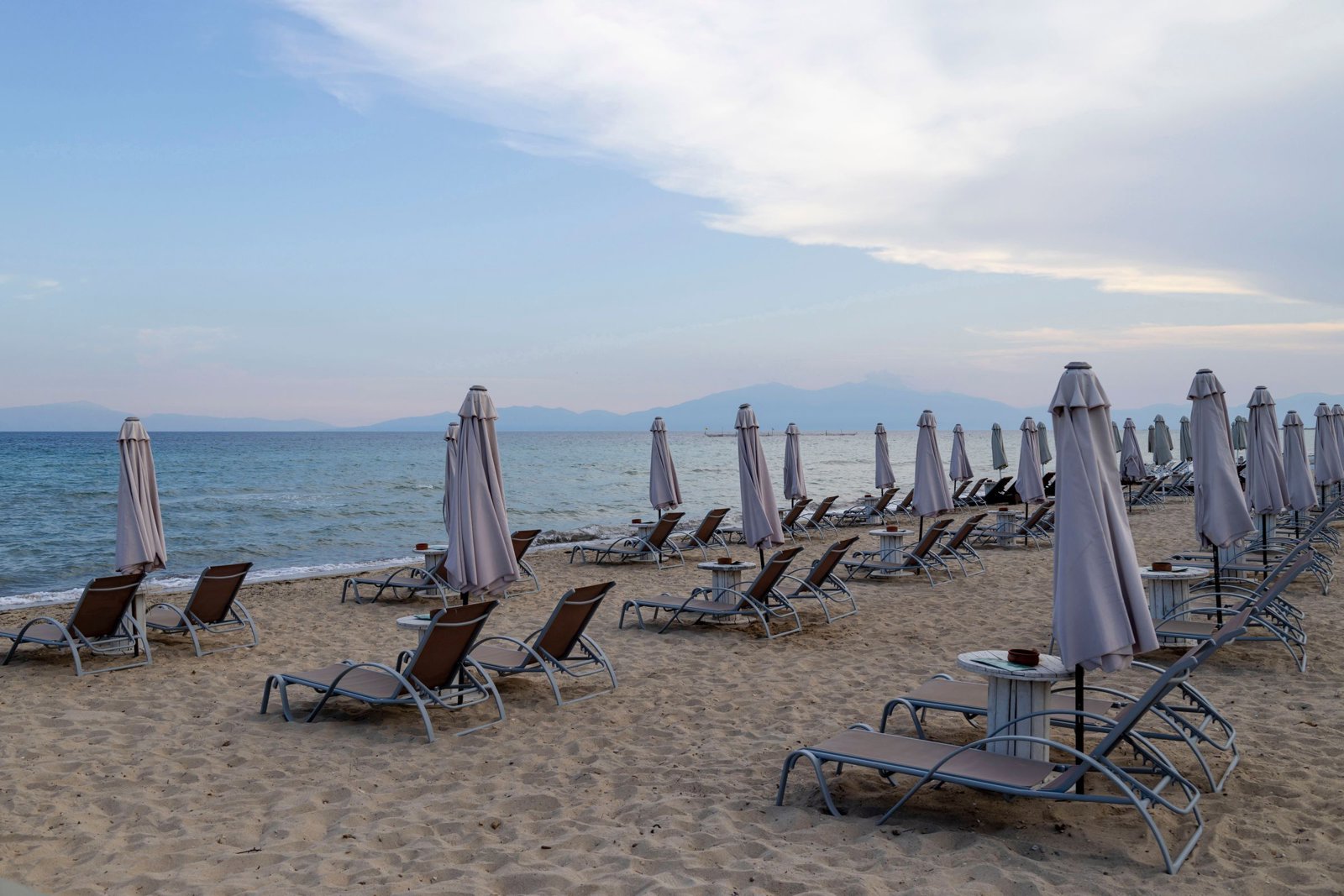
For cruise passengers who want their day ashore to include time by the water rather than on it, the area around Potamos Beach provides a clean, sandy stretch of the Thermaic Gulf accessible by organised shore excursion. The northern Aegean here is warm and calm in summer, with the kind of transparent blue water that defines the Greek sea experience. The beach strip includes tavernas serving grilled fish and cold drinks, making for a genuinely relaxed half-day. The journey from Thessaloniki also passes through the flat coastal plain of the Thermaic Gulf, offering views back towards the city skyline and the faint outline of Mount Olympus to the south — geography that puts the whole region in perspective.
Mount Olympus Foothills — Ancient Dion and Macedonian Wine Country
The foothills of Mount Olympus offer one of the most atmospheric excursions from Thessaloniki. Ancient Dion was the sacred city of the Macedonians — a place of sanctuaries, temples, and religious festivals at the foot of the mountain the Greeks believed to be the home of the gods. The archaeological park is unusually evocative: ruins emerge from waterlogged ground, with Byzantine churches, Hellenistic temples, Roman baths, and statue fragments coexisting in a landscape of poplars and small streams. The adjacent museum houses the remarkable hydraulic organ (hydraulis) discovered during excavations — the world's oldest surviving keyboard instrument. The journey to Dion passes through the wine-producing area of Pieria, and excursions that combine the archaeological site with a wine tasting at a local Macedonian winery offer a satisfying balance of antiquity and pleasure.
Pozar Thermal Baths and the Waterfalls of Edessa
For a completely different dimension to the Thessaloniki port day, the inland route towards Edessa and Pozar reveals a landscape of dramatic contrast to the coastal plain. Edessa is a small town built on a plateau from whose edge a series of waterfalls cascade down a wooded escarpment in impressive curtains of white water — an incongruous and beautiful sight in the dry Macedonian summer landscape. A short distance away, the Pozar thermal baths at the base of the Voras mountain range feed natural hot mineral springs into a series of outdoor and semi-enclosed pools set in a wooded gorge. The combination of dramatic waterfall scenery and a soak in geothermal water provides an entirely different and memorable experience for passengers who want something beyond urban sightseeing.
Thessaloniki travel tips
Eat Bougatsa for Breakfast — from the Right Place. Bougatsa is Thessaloniki's sacred morning ritual and it should be yours too. The best versions come from specialist bougatsa shops rather than general bakeries — the custard should be warm and slightly wobbly inside crisp, buttery filo, dusted with icing sugar and cinnamon. The city has several generations-old establishments near the central market and along Egnatia Street where locals queue from early morning. Sharing a portion with a strong Greek coffee is the ideal way to begin a day's exploration. Cheese-filled bougatsa is the savoury alternative worth trying at a second sitting.
Allow Time for the Rotunda and Arch of Galerius. The Arch of Galerius and the adjacent Rotunda are among the most important late Roman monuments in the world — and they sit just a short walk from the central waterfront, yet many visitors walk past them without realising their significance. The Arch was built around 305 AD to celebrate the emperor's military victories over the Persians, and its carved relief panels, though weathered, contain extraordinary historical detail. The Rotunda next door was built as Galerius's mausoleum but became a church and then a mosque; its interior still retains spectacular early Christian mosaics high up in the dome. Both are part of the UNESCO-listed Paleochristian and Byzantine monuments of Thessaloniki.
Explore the Ano Poli (Upper Town) in the Morning. The Ano Poli, or Upper Town, is the best-preserved Ottoman residential quarter in Greece — a neighbourhood of timber-framed houses, Byzantine church domes, and winding lanes enclosed by the medieval city walls. It sits above and behind the main city grid and is most comfortably reached on foot from the lower city in the morning, before the midday heat. The panoramic views down over the city rooftops and across the Thermaic Gulf to the distant outline of Olympus are among the finest urban vistas in the Greek world. The Heptapyrgion fortress at the top of the hill was used as a prison until 1989 and is now open as a monument and museum.
The Hop-On Hop-Off Bus is an Efficient City Orientation Tool. Thessaloniki's hop-on hop-off panoramic bus tour is a practical way to get a spatial sense of the city and its major monument zones before deciding where to spend more time on foot. The route covers the waterfront, the central museum district, and the upper city, with recorded commentary in multiple languages. For passengers whose time ashore is limited or who find extensive walking difficult, it provides a comfortable overview of a city that spreads across both flat and hilly terrain. A 24-hour ticket allows flexibility throughout the day.
The Ladadika District is the Right Place for Lunch. The Ladadika neighbourhood — a compact grid of nineteenth-century warehouses and commercial buildings converted into tavernas and restaurants — is Thessaloniki's most atmospheric dining district and the best place to experience the city's famous meze culture. A proper Thessaloniki lunch involves a sequence of small shared dishes: grilled octopus, taramosalata, cheese-filled peppers, fresh bread, and a carafe of local wine or a round of tsipouro. The district is lively at lunchtime and the prices are reasonable. It is located a short walk from the waterfront, between the port and the White Tower, making it a natural stop on the way back to the ship.
Check Opening Days for the Archaeological Museum. Thessaloniki's Archaeological Museum houses one of the finest collections of ancient Macedonian art anywhere in the world, including the treasures from the royal tombs at Vergina — gold burial caskets, weapons, and jewellery from the age of Philip II, father of Alexander the Great. However, the museum's opening hours and specific gallery availability can vary seasonally and on public holidays. If the museum is a priority for your visit, it is worth confirming current opening times before your port day. The Museum of Byzantine Culture, a short walk away along the waterfront, is an equally impressive institution and rarely as crowded as the archaeological collections.
Port Facts Every Cruiser Needs To Know
Thessaloniki shore excursion FAQs
The Port of Thessaloniki is located on the western edge of the city waterfront, approximately 2–3 kilometres from the main central area around the White Tower and Aristotelous Square. The waterfront promenade runs directly from the port gates into the heart of the city, making it a flat and pleasant walk of around 25–35 minutes. The central market area and main Byzantine monuments are reachable in under 40 minutes on foot from the berth.
Thessaloniki's Paleochristian and Byzantine Monuments were inscribed on the UNESCO World Heritage list in 1988. The designation covers 15 early Christian and Byzantine churches and monuments within the city, of which the most significant include the Rotunda of Galerius, the Arch of Galerius (Kamara), the Church of Agios Dimitrios (the city's patron saint), the Church of Agios Georgios, and the Acheiropoietos Basilica. The Byzantine walls encircling the upper city are also part of the heritage zone.
Ancient Pella is approximately 40 kilometres west of Thessaloniki, accessible in around 45–50 minutes by road. For anyone with an interest in ancient Greek history — particularly the Macedonian period of Philip II and Alexander the Great — it is absolutely worth visiting. The floor mosaics at Pella are among the finest surviving examples of ancient Greek art, and the site museum is excellent. An organised shore excursion is the practical way to visit given the distance and the need to manage return timings relative to ship departure.
Thessaloniki is widely regarded as the best food city in Greece, a reputation built on exceptional street food (bougatsa, koulouri, trigona pastries), outstanding meze culture, and proximity to high-quality meat, dairy, and wine from the Macedonian interior. The Ladadika district near the waterfront is the most atmospheric area for a sit-down meal. The Modiano and Kapani covered markets are best for browsing produce and experiencing the city's multicultural culinary heritage. The city is also known for its tsipouro bars, where the spirit is served with complimentary small dishes.
On a clear day, yes — Mount Olympus is visible from Thessaloniki's waterfront and from elevated points in the upper city, rising dramatically from the southern shore of the Thermaic Gulf approximately 90 kilometres away. Its snow-capped peak (present from autumn through late spring) is a striking sight on the horizon. An excursion to the ancient sanctuary at Dion, at the base of the mountain, brings you significantly closer and provides the context of the Macedonian sacred landscape that made Olympus so spiritually central to the ancient world.
Thessaloniki was for centuries one of the most important Jewish cities in the world. Following the Ottoman conquest in 1430, Sephardic Jewish refugees expelled from Spain in 1492 settled here in large numbers and made the city a centre of Jewish culture, commerce, and scholarship for over four centuries. At its peak in the nineteenth century, the Jewish community comprised more than half the city's population. The Holocaust devastated the community during the Second World War. Today the Jewish Museum of Thessaloniki and the surviving synagogues, cemeteries, and community buildings document this extraordinary history. The Modiano Market itself was built by a Jewish architect and carries the family name as a daily reminder of that heritage.
The Pozar thermal baths (also called Loutraki Aridaias) are located in a wooded gorge at the base of the Voras mountain range, approximately 130 kilometres west of Thessaloniki — around a 1.5 to 2-hour drive depending on traffic. Natural hot mineral springs feed outdoor and semi-enclosed pools set in dramatic mountain scenery. A shore excursion combining Pozar with the nearby waterfalls of Edessa is a full-day commitment from the port, but provides an experience very different from urban sightseeing — ideal for passengers seeking natural landscape over archaeological monuments.
Thessaloniki is exceptional for history enthusiasts, offering a rare opportunity to encounter multiple civilisations in a single day. Roman monuments (Rotunda, Arch of Galerius), Byzantine churches and city walls, Ottoman mosques and markets, and the traces of the once-great Sephardic Jewish community are all present within walking distance of each other. The Archaeological Museum holds Macedonian royal treasures from the era of Alexander the Great, and nearby excursion sites — Ancient Pella, Ancient Dion — extend the historical scope considerably. Few Mediterranean port cities offer such a dense and accessible layering of history.
Greek is the official language. In the city centre, tourist areas, and the port vicinity, English is spoken broadly and comfortably — at museums, restaurants, hotels, and most shops. Thessaloniki is a major university city with a large student population, which contributes to higher-than-average English proficiency. Away from tourist areas, particularly in the markets and older neighbourhood tavernas, some Greek phrases are appreciated but rarely essential. Staff at all major archaeological sites and museums provide English-language information and guided options.
Thessaloniki's hop-on hop-off panoramic bus operates on a single route covering the main waterfront monuments, the central city, the upper town area, and the main museum district. Tickets are valid for 24 hours, allowing you to board and exit at any stop throughout your port day. The buses run with recorded commentary in multiple languages. The tour is a practical orientation tool for first-time visitors and a comfortable option for those who find extensive walking difficult in the summer heat. It does not extend to out-of-city sites such as Pella or Dion, which require a separate organised excursion.
Filters
Select a filter to refine results.
Tour Type
Tour Activity
 Cart
Cart
 USD
USD GBP
GBP AUD
AUD EUR
EUR CAD
CAD