



Tours in Trieste


Cruising to Trieste in a group?
Skip the crowded ship excursion bus. One dedicated planner will design a private shore experience around exactly what your group wants — coordinated from first enquiry to the moment you're back on board. More memorable, more flexible, and more affordable than you might expect. Spend less time organising, more time enjoying.
Explore Group Travel →Cruising to Trieste
Trieste occupies a singular position in European geography and culture — perched at the northeastern tip of Italy where the Karst limestone plateau drops abruptly to the Adriatic, it served for centuries as the main seaport of the Habsburg Empire. That history left an indelible mark. The boulevards are wider than Italian cities normally build them, the coffee houses run by a ritual that has nothing to do with the quick-fire espresso culture of Naples or Milan, and the architecture speaks unmistakably of Vienna. Walking the city center, you sense the gravitational pull of Central Europe rather than the Mediterranean.
For cruise passengers, Trieste presents a rare double proposition. The city itself rewards exploration: Piazza Unità d'Italia, one of Europe's largest sea-facing squares, anchors a compact historic center packed with neoclassical buildings, Roman ruins, Baroque churches, and the romantic clifftop Miramare Castle — built for Archduke Maximilian of Austria and surrounded by lush formal gardens overlooking the sea. A few hours of purposeful walking covers the essential terrain.
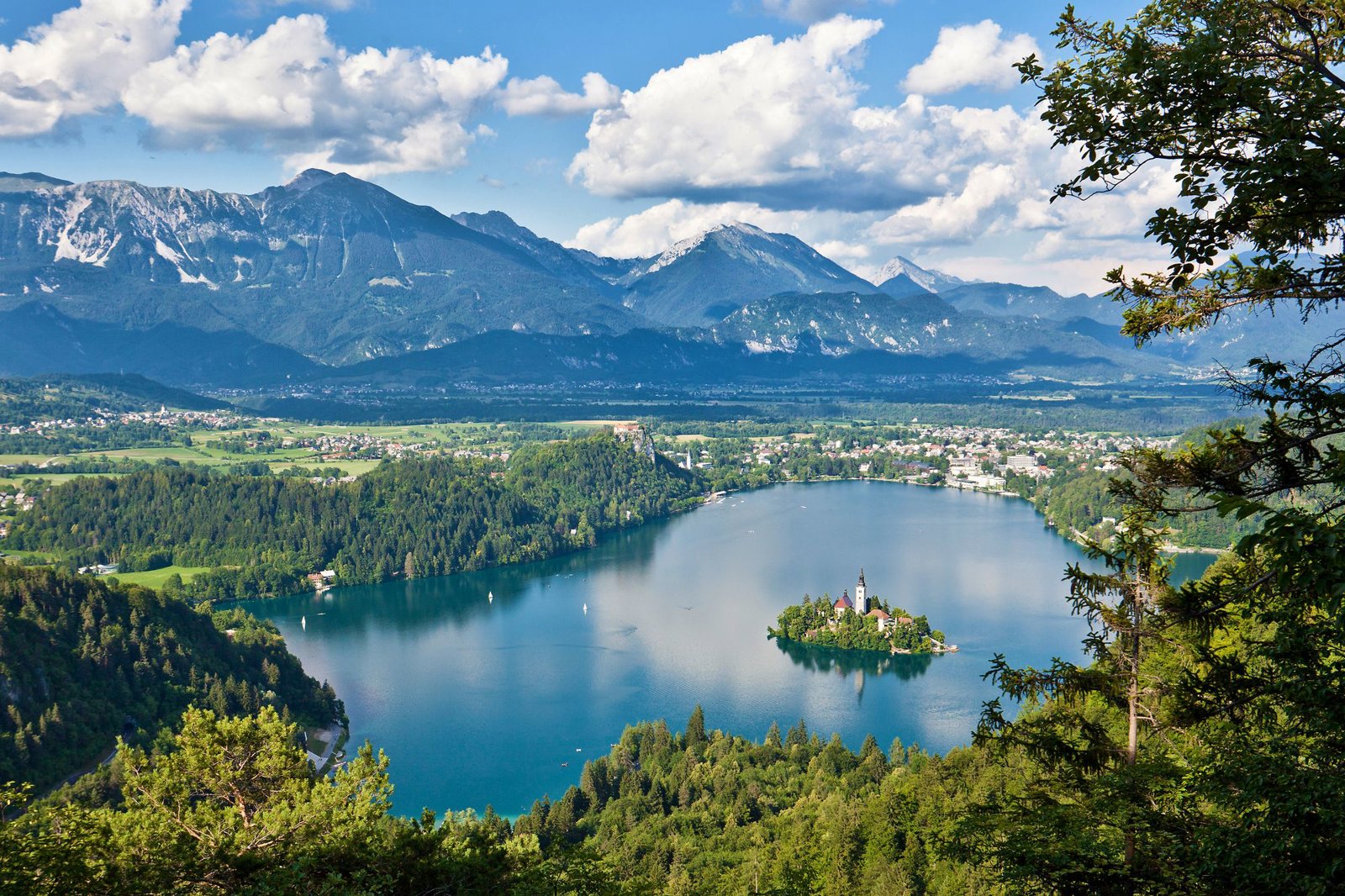
Beyond the city, Trieste serves as an ideal gateway into Slovenia. The dramatic underground world of Postojna Cave — one of Europe's most extraordinary cave systems, complete with its famous electric train and endemic cave salamanders — lies just over an hour away. Ljubljana, Slovenia's charming capital, is a similar distance. Lake Bled, with its cliff-top castle and island church reflected in glacial water, adds another dimension. The Slovenian coast and the medieval Venetian-style town of Piran are reachable in under an hour.
This combination of a distinctive, walkable city and exceptional regional excursion potential makes Trieste a port where early planning pays substantial dividends. Those who know what they are coming to see, and have transport arranged accordingly, will find a day here genuinely memorable.
Top things to do in Trieste on a cruise stopover
Miramare Castle
Few settings in the northern Adriatic match the romantic drama of Miramare, built between 1856 and 1860 on a rocky promontory above the sea for Archduke Maximilian of Austria — the man who would briefly become Emperor of Mexico before his execution in 1867. The white limestone castle rises directly from the cliff edge, its rooms preserved much as Maximilian and his wife Charlotte left them, filled with naval memorabilia, gilded furniture, and maps of an empire that never lasted. The extensive grounds — a designed landscape of rare trees, formal gardens, and sea terraces — are as compelling as the interior. Morning visits avoid the bulk of group tours, and the sea views from the castle walls repay any effort to arrive early.
Piazza Unità d'Italia and the Historic Centre
Trieste's main square is among the largest sea-facing piazzas in Europe — a sweeping neoclassical composition that opens directly onto the Adriatic, flanked by the Palazzo del Governo, the Palazzo del Lloyd Triestino, and the grand Caffè degli Specchi. Built to the scale of imperial ambition, it conveys something the piazzas of smaller Italian cities do not: a sense of a city that once administered vast territories and expected the architecture to say so. The surrounding streets — the canal of the Borgo Teresiano, the Roman Arch of Riccardo, the Castello di San Giusto on its hilltop — give context to Trieste's layered history from Roman port to Habsburg capital of the Adriatic.
Lake Bled and Ljubljana, Slovenia
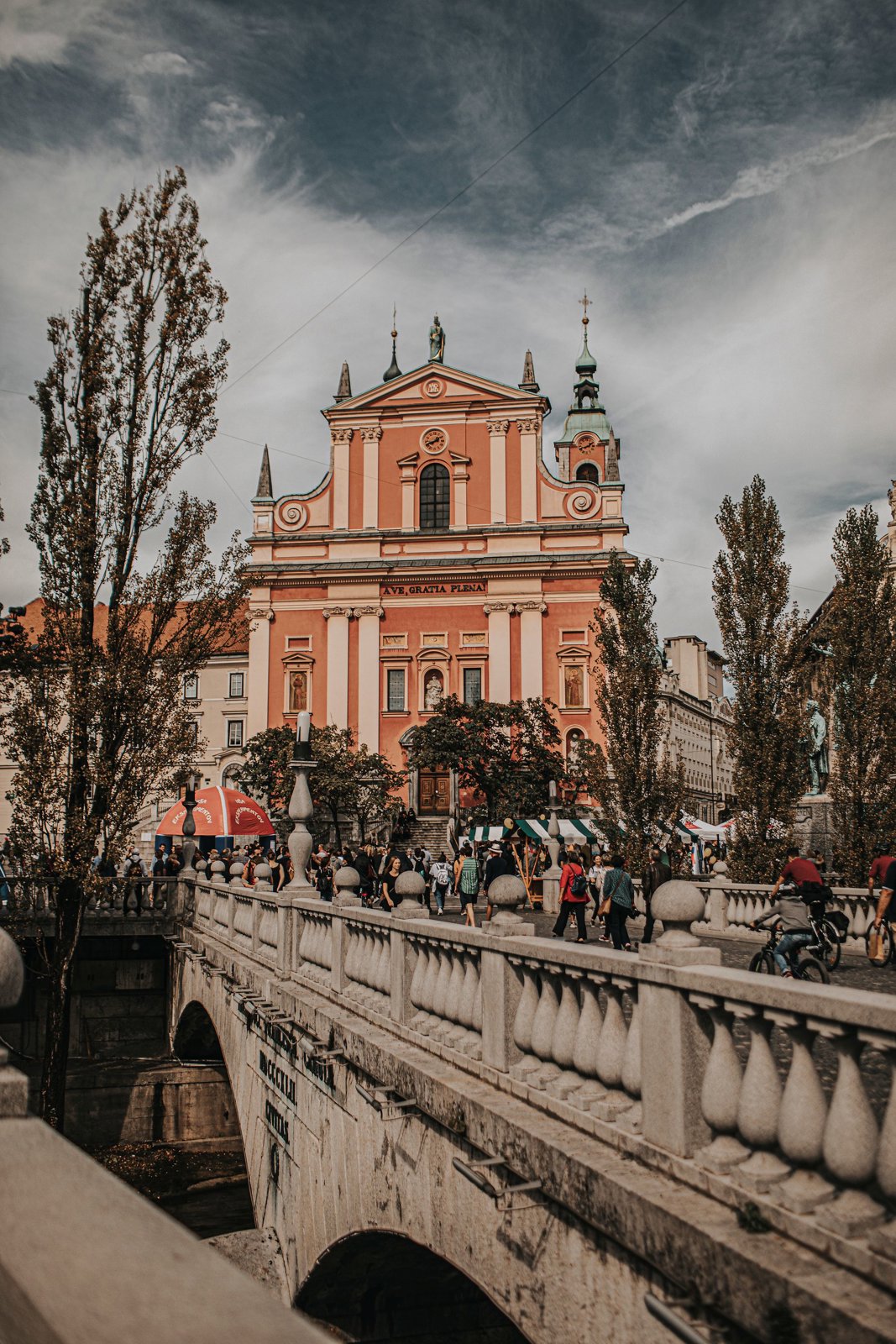
Slovenia's two most celebrated destinations lie within a two-hour drive of Trieste, making them among the most dramatic excursion options available from any cruise port in the region. Lake Bled — a glacially formed alpine lake with a cliff-top castle and an island church reached by traditional wooden pletna boats — offers scenery of almost improbable perfection. Ljubljana, the Slovenian capital, pairs a compact, largely pedestrianized old town with a hilltop castle, elegant café terraces along the Ljubljanica River, and an atmosphere of genuine civic contentment. Combining both in a day is ambitious; dedicating a full day to each separately delivers the best experience.
Postojna Cave and Predjama Castle
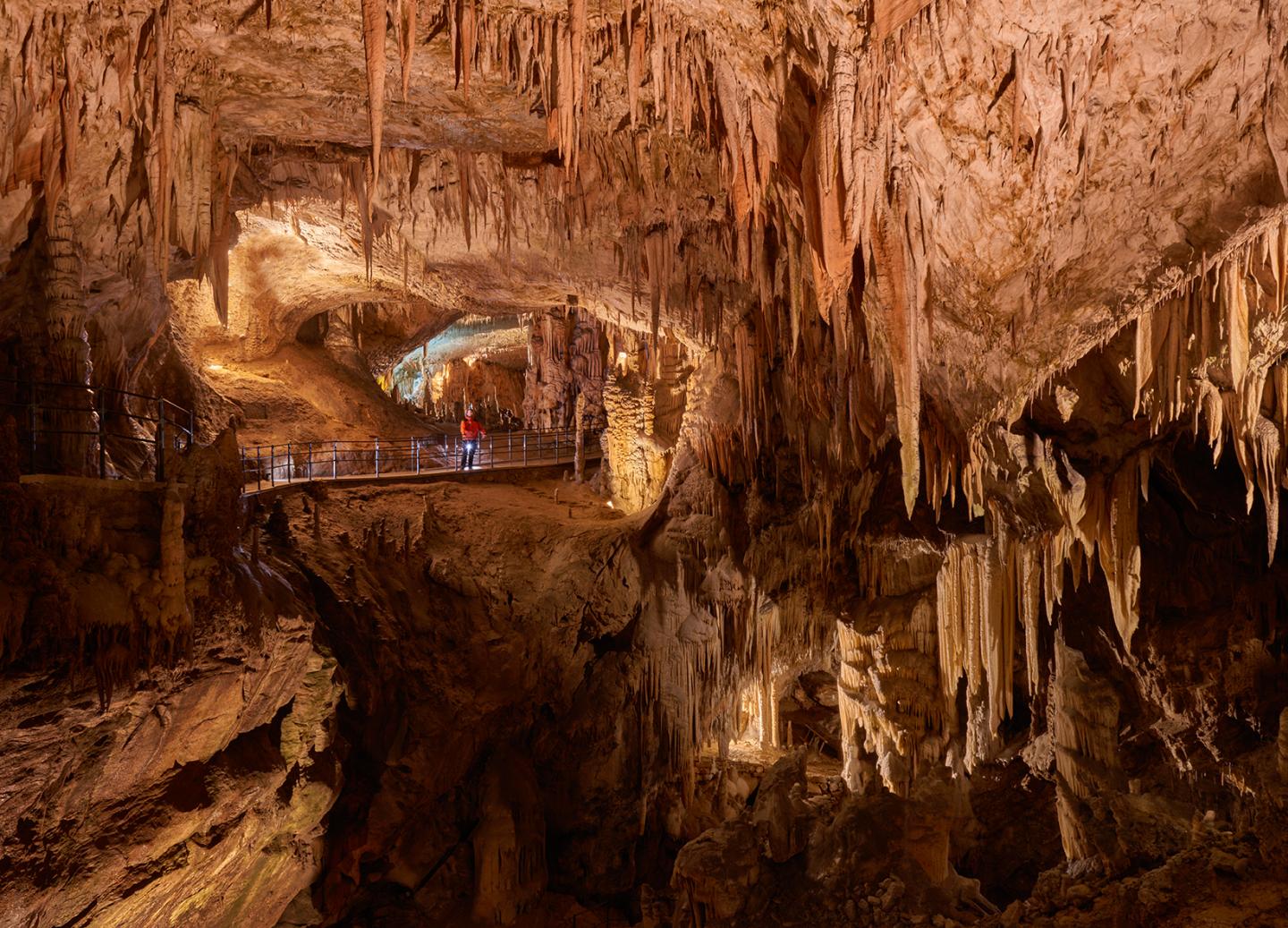
Beneath the Karst limestone plateau lies one of Europe's most extraordinary subterranean worlds. Postojna Cave — a 24km labyrinth of passages, stalactite halls, and underground rivers — is explored partly by electric train and partly on foot, making it accessible to most visitors regardless of mobility. The cave is home to Proteus anguinus, the olm: a blind, unpigmented cave salamander sometimes called the 'human fish,' found only in the limestone aquifers of the Dinaric Alps. Just a short drive away, Predjama Castle sits literally inside the mouth of a cave halfway up a 123-metre cliff face, the residence of the legendary robber knight Erasmus of Lueg. The combination of these two sites makes for one of the most memorable excursion days available from Trieste.
The Slovenian Coast and Piran
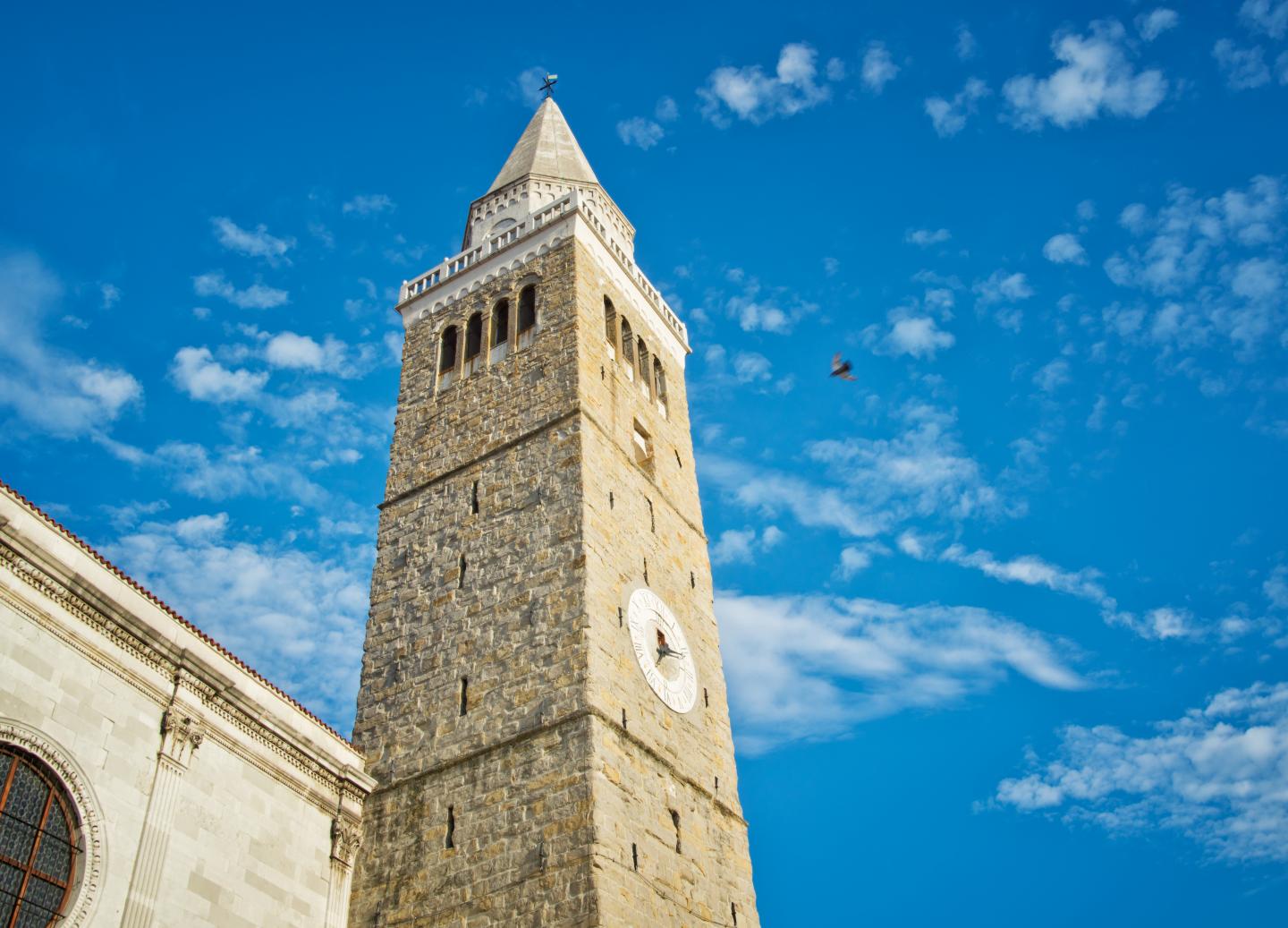
The Slovenian Riviera — a 47km coastline that was once under Venetian rule — offers a completely different kind of excursion from the Karst cave options. Piran, the most beguiling of the coastal towns, is essentially a miniature Venice: a medieval settlement built on a narrow peninsula, its stone campanile rising over a harbour full of fishing boats and its warren of Venetian-Gothic architecture largely intact. The Tartini Square, named for the composer Giuseppe Tartini who was born here, anchors the town. The surrounding sea salt pans of Sečovlje, now a nature park, add an agricultural and historical dimension unique to this stretch of coast.
Trieste's Habsburg Coffee House Culture
Trieste's coffee culture is not merely a curiosity — it is a living institution with its own vocabulary, its own rituals, and its own claim to being the finest in the Italian-speaking world. James Joyce wrote much of Ulysses in Trieste's caffès. Italo Svevo, one of European modernism's great novelists, was a native son. The Caffè San Marco on Via Cesare Battisti, opened in 1914, retains its original red-velvet and dark-wood interior. The Caffè degli Specchi on Piazza Unità has been observing the square since 1839. Ordering coffee correctly — and understanding that a 'capo' here means something completely different from what it means in Rome — is part of the experience of being in Trieste rather than simply passing through it.
Trieste travel tips
Learn the Coffee Vocabulary. Ordering coffee in Trieste without knowing the local terms will result in confused looks from baristas. A 'nero' is a black espresso. A 'capo in b' (capo in bicchiere) is a macchiato served in a glass. A 'capo in tazza' is the same in a ceramic cup. A 'goccia' adds a drop of milk. The rest of Italy's coffee terminology does not apply here. Caffè San Marco on Via Cesare Battisti and Caffè Tommaseo near the canal are among the most historic venues in which to practice.
Visit Miramare Early. Miramare Castle receives substantial group tour traffic from mid-morning onwards in summer. Arriving when the site opens allows a far more relaxed experience of both the interior rooms and the extensive garden terraces. The castle grounds alone — with their sea views, rare trees, and cliff-edge paths — justify the journey on a fine day. A number 36 public bus runs from Piazza Oberdan in the city center to the castle, making independent access straightforward.
Book Postojna Cave in Advance. Postojna Cave is one of Europe's most visited natural attractions and timed entry slots sell out weeks in advance during the summer season. Arriving without a reservation risks being unable to enter, regardless of the distance traveled. If Postojna is on your itinerary, ensure entry is secured before the cruise. Organized excursions that include Postojna handle this automatically.
Carry Your Passport for Slovenia. Slovenia and Italy are both in the Schengen Area, so there is no formal passport control at the border for EU citizens. However, occasional identity checks do occur, and non-EU passengers should treat the border as they would any Schengen crossing. Guides will advise on current requirements. Having your passport available avoids any complications, particularly if traveling on a tour that crosses the border multiple times.
Explore the Canal Quarter on Foot. The Canal Grande of Trieste — a short canal running from the sea into the Borgo Teresiano district — is one of the most photogenic areas of the city and is entirely missed by those who stick to Piazza Unità. The Serbian Orthodox Church of San Spiridione at the canal's head, the 18th-century buildings lining its banks, and the market square at Via Battisti are all within easy walking distance. Allow 45 minutes for a leisurely exploration.
Dress for the Bora. The Bora wind — Trieste's famously violent northeast wind — can arrive with little warning and transform a mild day into a challenging one within minutes. Summer appearances are less frequent but not unknown. A windproof layer in your bag adds negligible weight and can make the difference between an enjoyable waterfront walk and a miserable one. The city's covered arcades and caffè interiors offer shelter, and locals move between them with practiced efficiency when the Bora strikes.
Port Facts Every Cruiser Needs To Know
Trieste shore excursion FAQs
The Porto Vecchio passenger terminal is approximately 15 minutes on foot from Piazza Unità d'Italia, the main civic square. The terminal is centrally positioned — most of the historic center's key sights are within a 30-minute walk. Shuttle services and taxis are also available for those who prefer not to walk.
Yes — Slovenia's main attractions are well within day-trip range. Postojna Cave and Predjama Castle are approximately 60km from Trieste (roughly 1 hour by road). Ljubljana is about 100km away (1.5 hours). Lake Bled is approximately 130km (under 2 hours). Organized excursions make these journeys practical and efficient within a cruise port day, handling border formalities, parking, and timed entry bookings automatically.
Very much so. The key sights — Piazza Unità d'Italia, the Canal Grande, the Roman Arch of Riccardo, the Castello di San Giusto on Colle Capitolino, the Cattedrale di San Giusto, and the historic caffès — are all within a compact area easily covered on foot in 2–3 hours. The city is flat along the waterfront and gradually rises towards the castle hill, which involves a moderate climb but offers panoramic views as a reward.
Yes — timed entry booking is strongly recommended, particularly for summer visits. Postojna is among Europe's most visited natural attractions and entry slots sell out well in advance during July and August. Arriving without a reservation in peak season risks being unable to enter despite the journey. Excursions that include Postojna Cave handle booking as part of the package.
The Bora is a cold, dry northeast wind that strikes Trieste periodically, capable of reaching very high speeds. It is most frequent and most powerful between autumn and spring; summer appearances are less common but not rare. When the Bora blows strongly, some outdoor terraces close and waterfront walking becomes genuinely difficult. The city is well accustomed to it — indoor caffès, covered markets, and arcaded streets provide shelter. Checking the forecast before your visit day is worthwhile.
No — Slovenia adopted the Euro (€) in 2007. No currency exchange is required for any excursion into Slovenia from Trieste. The same Euro notes and coins used throughout Italy are accepted seamlessly across the border.
Trieste's coastline is predominantly rocky, with a character quite different from sandy beach resorts. Barcola, a seafront promenade about 3km from the city center, is extremely popular with locals for swimming in summer from its rocky platforms and small pebbly sections. The water is clear and the setting — limestone cliffs and sea views — is attractive. It is reachable by public bus.
Miramare was built between 1856 and 1860 for Archduke Maximilian of Austria and his wife Charlotte. It sits on a rocky promontory above the sea, about 7km northwest of the city center, surrounded by formal gardens. The interior preserves Maximilian's personal effects, naval instruments, and richly decorated rooms largely as he left them before departing to become Emperor of Mexico (and subsequently face execution). The castle and gardens together represent one of the most evocative Habsburg-era sites in the Adriatic region.
Honestly, attempting a full city exploration and a full Slovenia excursion on the same day is not realistic. The practical choice is either a morning in the city followed by an afternoon at Miramare Castle, or an early departure for a full-day Slovenia excursion (Ljubljana and Bled, or Postojna and Predjama) with minimal city time. Most visitors find that the city's core highlights can be absorbed in 2–3 hours if they prioritize efficiently.
Trieste is an international city with a long history of multilingual commerce and culture. English is spoken in hotels, restaurants, museums, and most tourist-facing contexts. Museum signage frequently includes English. Italian remains the primary language for all daily transactions, and making a minimal effort with basic Italian phrases is always appreciated by local staff.
Filters
Select a filter to refine results.
Tour Type
Tour Activity
 Cart
Cart
 USD
USD GBP
GBP AUD
AUD EUR
EUR CAD
CAD