



Tours in Villefranche


Cruising to Villefranche in a group?
Skip the crowded ship excursion bus. One dedicated planner will design a private shore experience around exactly what your group wants — coordinated from first enquiry to the moment you're back on board. More memorable, more flexible, and more affordable than you might expect. Spend less time organising, more time enjoying.
Explore Group Travel →Cruising to Villefranche
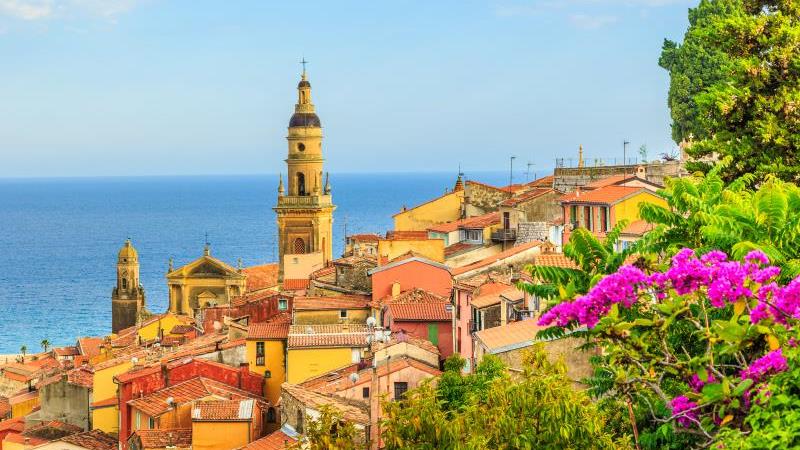
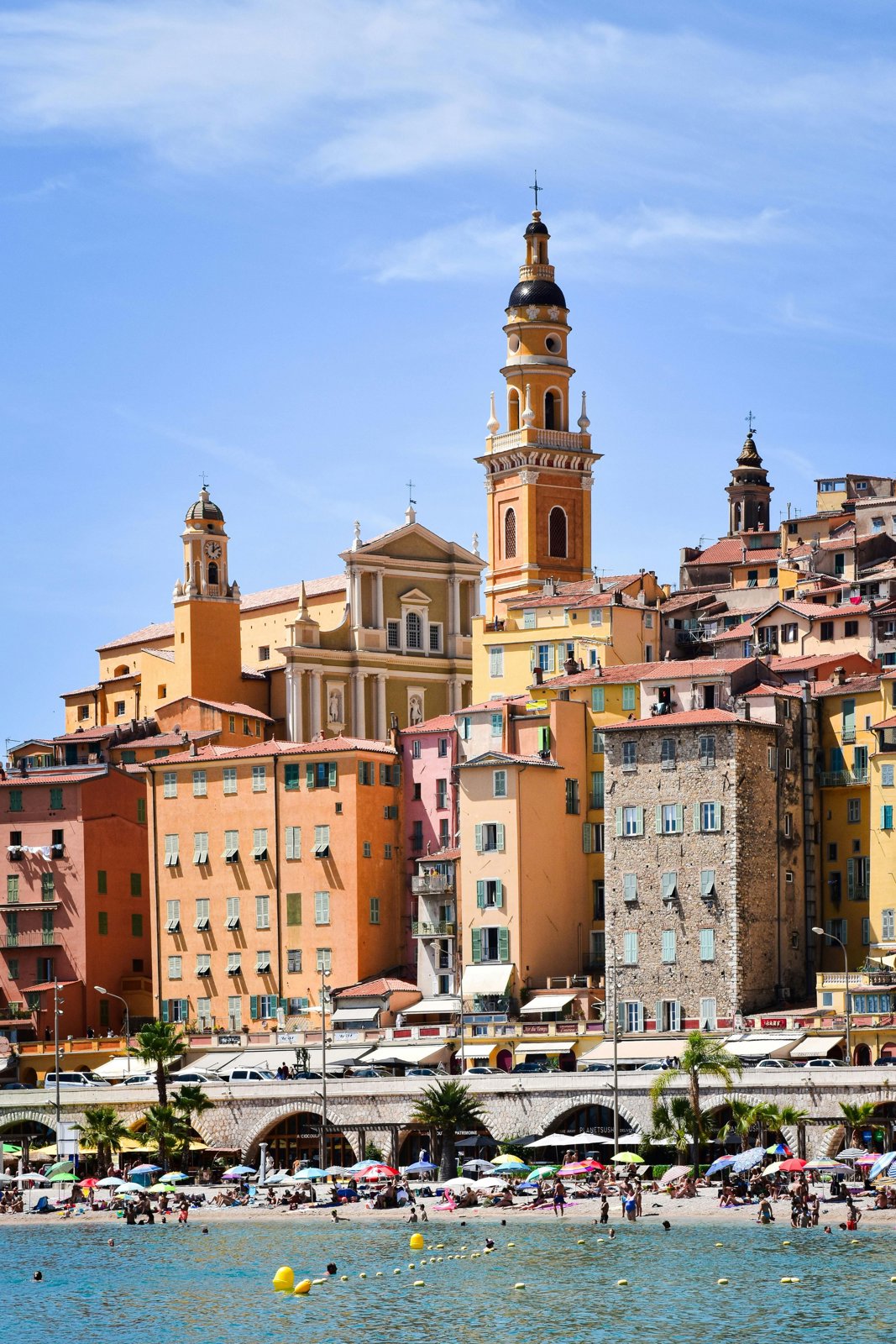
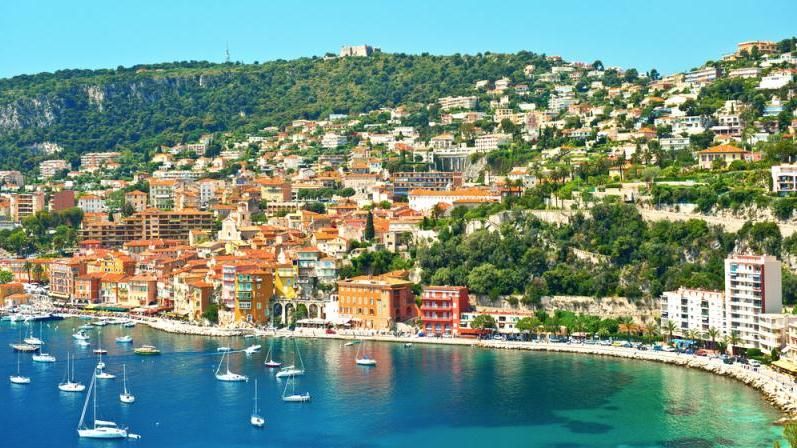
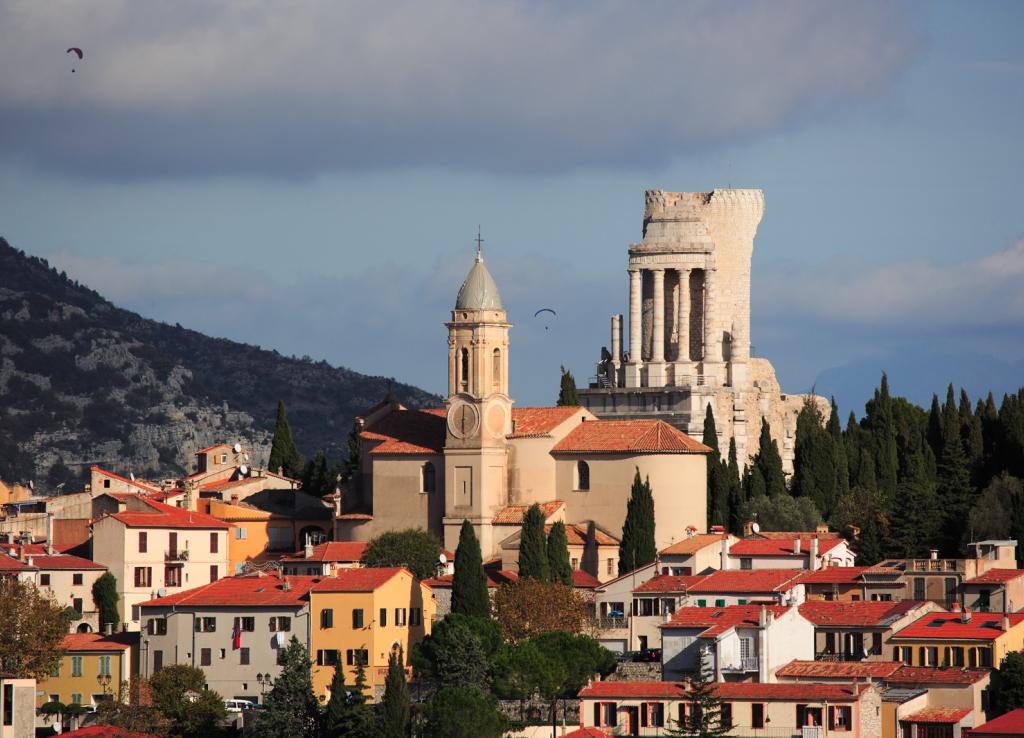
Villefranche-sur-Mer announces itself with color. Terracotta, ochre, and faded rose buildings tumble down steep hillsides to a harbor so deep and sheltered that warships once wintered here. For cruise passengers, this translates to a dramatic tender arrival that deposits you directly into the heart of a medieval fishing village where time moves slowly, pastis is poured generously, and the light on the water dazzles with the same intensity that captivated Cocteau, Renoir, and half the artists of the twentieth century.
The town itself rewards at least an hour of idle exploration — the Rue Obscure, a vaulted medieval street running beneath the old town, is among the most atmospheric lanes on the Riviera, and the Chapel of Saint Pierre, decorated by Jean Cocteau, is a jewel of modern art in miniature. But Villefranche's greater gift to the cruise visitor is its location: it sits at the center of a 100-kilometer arc that encompasses some of the most celebrated destinations in the world, all within reach of a single day ashore.
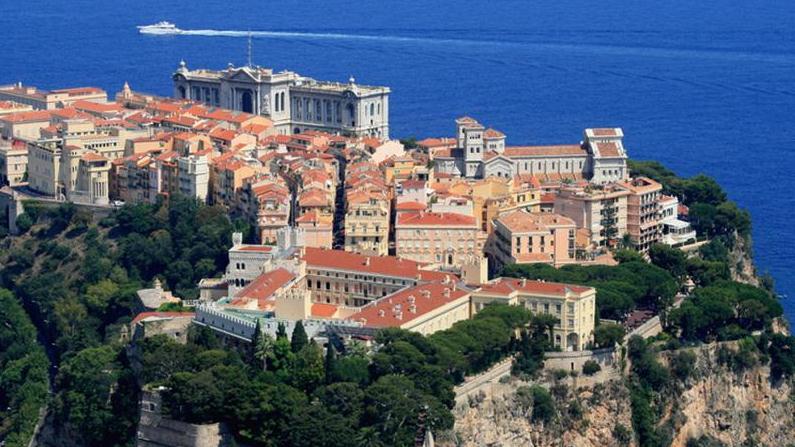
Nice lies just six kilometers west, its old town a labyrinthine delight of baroque churches, flower markets, and socca stalls. Monaco sits ten kilometers to the east, its granite promontory crowded with the palaces, casinos, and superyachts that define a principality built on glamour. Between and beyond them lie the medieval perched village of Eze, the perfume capital of Grasse, the film-world boulevards of Cannes, the artists' sanctuary of Saint-Paul-de-Vence, and the extravagant villas of Cap Ferrat. Cross the border east and the Italian Riviera reveals Dolceaqua and the flower markets of San Remo, reachable comfortably within a day.
For cruise passengers, few ports on the Mediterranean offer such extraordinary variety within such compact geography. Whether your instinct is toward museums and markets, casino floors and royal palaces, hilltop medieval villages or perfumed Provençal countryside, the French Riviera delivers it all — and Villefranche places you at the very center of the action.
Top things to do in Villefranche on a cruise stopover
Nice: The Riviera's Living, Breathing Capital
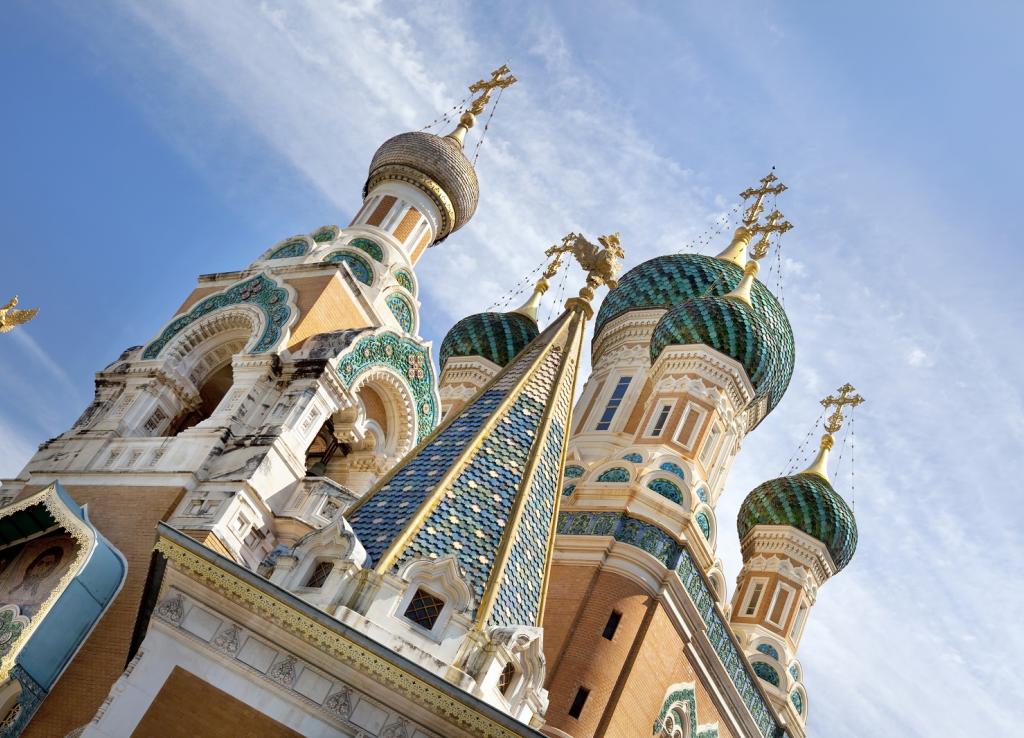
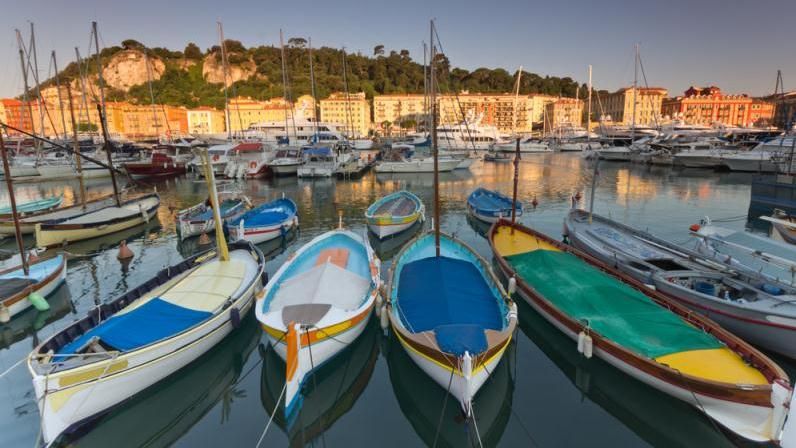
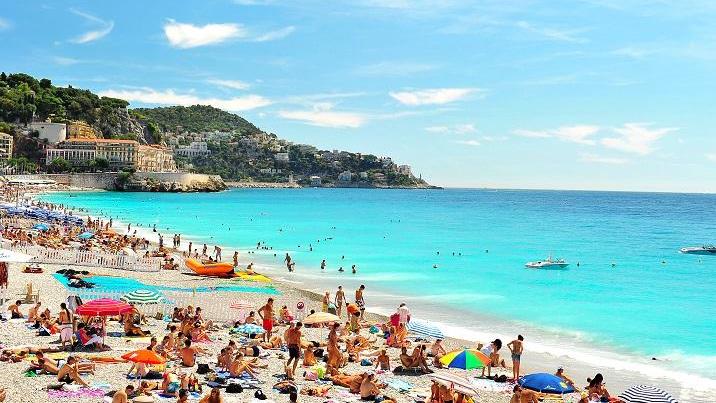
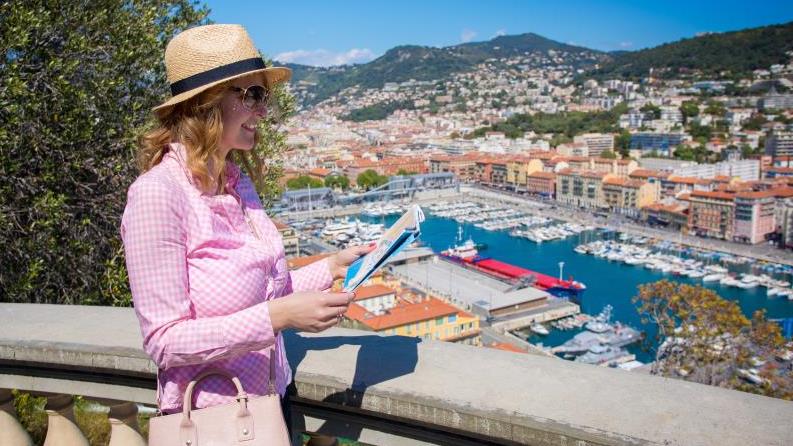
Six kilometers west of Villefranche, Nice is a city of grand contradictions — a sun-bleached Mediterranean port with Baroque ambition, Italianate architecture, and an artistic heritage that punches far above its size. The Promenade des Anglais sweeps along the seafront with the confidence of a city that knows it is admired, while the Vieux-Nice warren of alleyways behind the flower market preserves a way of life unchanged by celebrity neighbors. Roman ruins surface at Cimiez, world-class art fills the Matisse Museum and the Musée Marc Chagall, and the cours Saleya market delivers socca, olives, and flowers with theatrical enthusiasm. For cruise passengers, Nice repays anywhere from a focused three-hour introduction to a full day of wandering, and VA offers dedicated Nice tours for both timescales.
Monaco and Monte Carlo: The World's Most Glamorous Principality
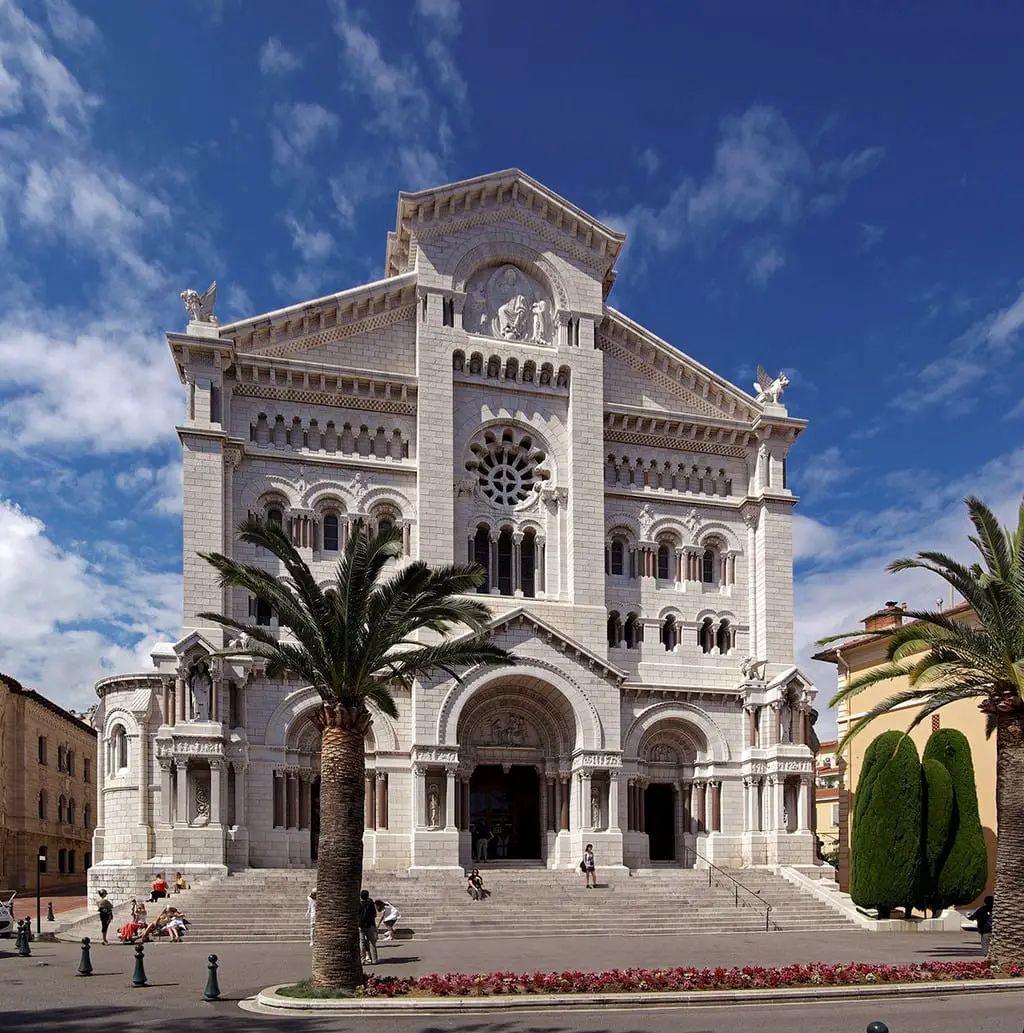
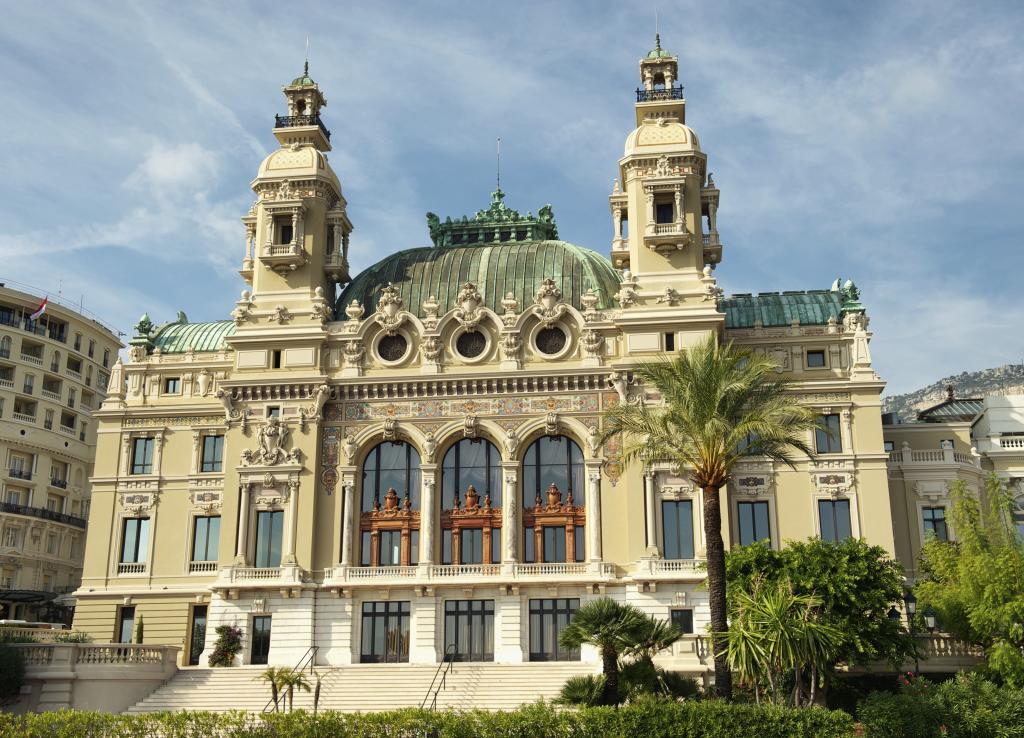
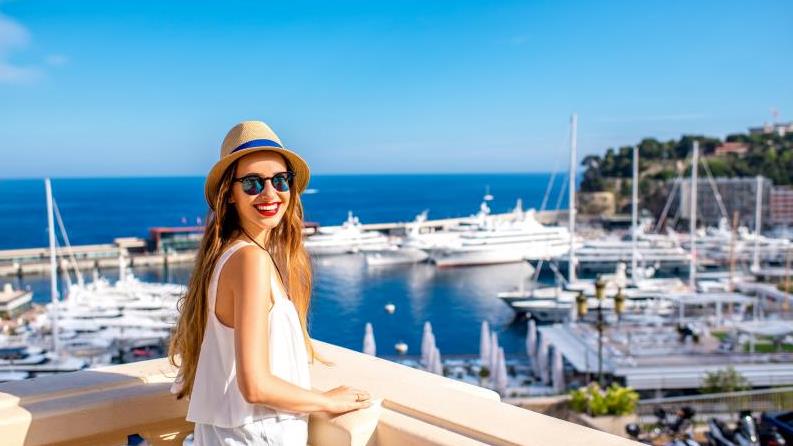
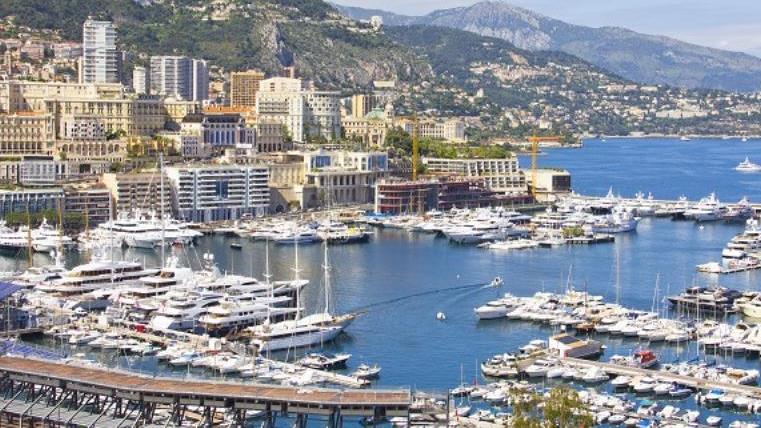
Monaco occupies less than two square kilometers on a granite headland, yet manages to contain a royal palace, a Formula One Grand Prix circuit, the world's most famous casino, an exceptional oceanographic museum, and a harbor so dense with superyachts it seems physically impossible. The Old Town of Monaco-Ville preserves a genuinely medieval village atmosphere directly above the glitter, and the changing of the palace guard at 11:55 each morning draws a respectful crowd regardless of season. Monte Carlo's casino — all Belle Époque opulence and hushed intensity — welcomes respectfully dressed visitors even if gambling isn't the agenda. VA's small group and private Monaco tours allow you to absorb both the spectacle and the substance of this extraordinary place.
Eze: A Medieval Village Perched Above the Sea
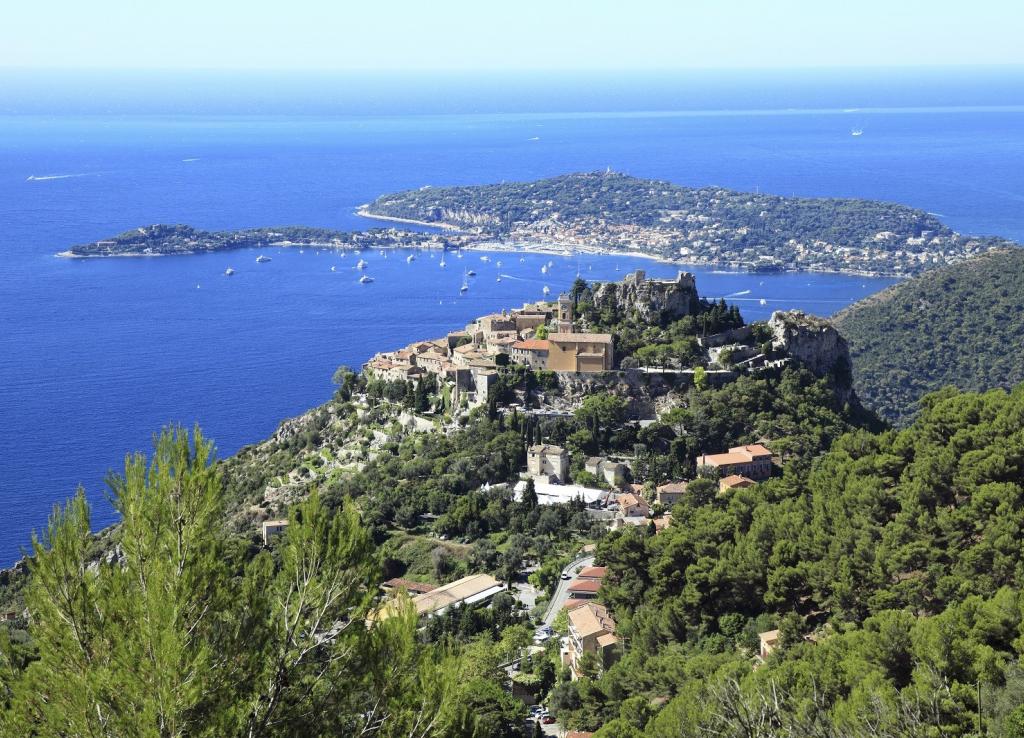
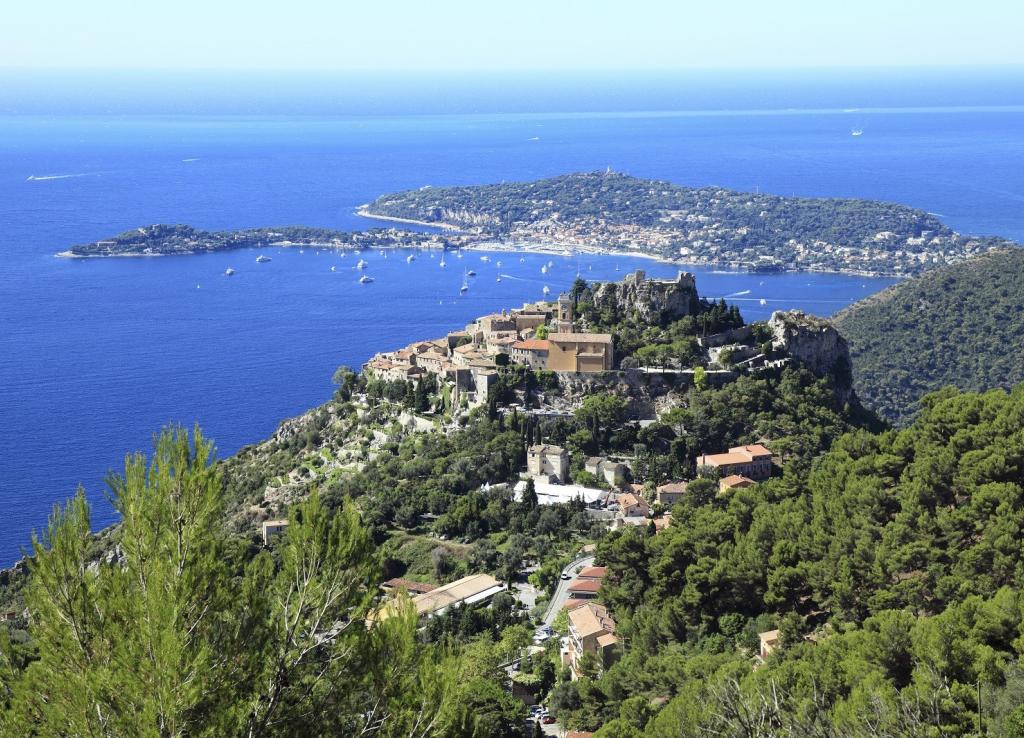
Clinging to a rocky peak 427 meters above the Mediterranean, Eze is one of the French Riviera's most arresting sights — a stone village whose narrow passages and flower-draped walls culminate in a ruined château garden offering views of breathtaking reach across the coastline toward Monaco and the Italian Alps. Perfumer Fragonard has its Eze workshop here, and the village's artisan studios, galleries, and restaurants carry an uncommonly high standard. The Grande Corniche road that climbs to Eze is itself a journey worth making, tracing the same route used by Napoleon and later immortalized in Hitchcock's To Catch a Thief. VA's French Riviera Highlights tours include Eze as a cornerstone stop, pairing it naturally with Monaco for a complete eastern Riviera day.
Cap Ferrat and the Villefranche Coastline
The peninsula of Cap Ferrat, jutting southward between Villefranche and Beaulieu, is one of the most discreetly extravagant addresses in the world — a headland of pine forests, hidden coves, and villas of legendary provenance. The Villa Ephrussi de Rothschild is the peninsula's showpiece: a rose-pink Venetian palazzo surrounded by nine themed gardens and a collection of decorative arts that fills every room with layered beauty. Villa Kerylos nearby recreates an ancient Greek residence in meticulous detail. The coastal walking path circling the cape offers what many consider the most beautiful shoreline walk on the Riviera. VA's Cap Ferrat and Villa Kerylos private tour brings these estates to life with expert context and unhurried access.
Cannes, Antibes, and Saint-Paul-de-Vence
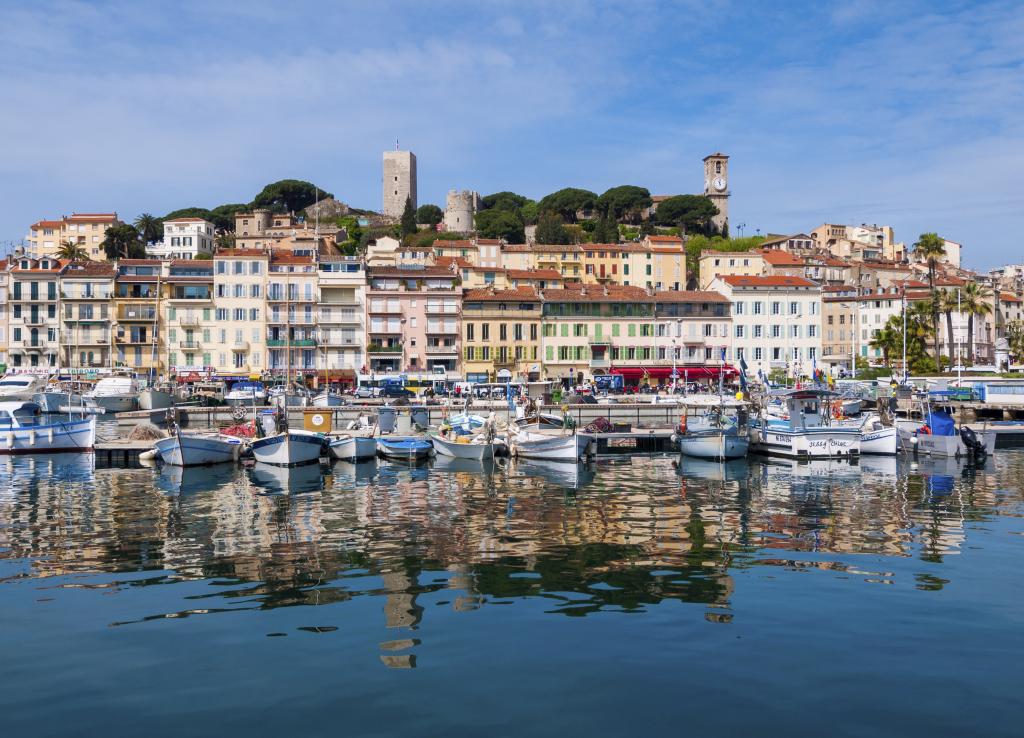
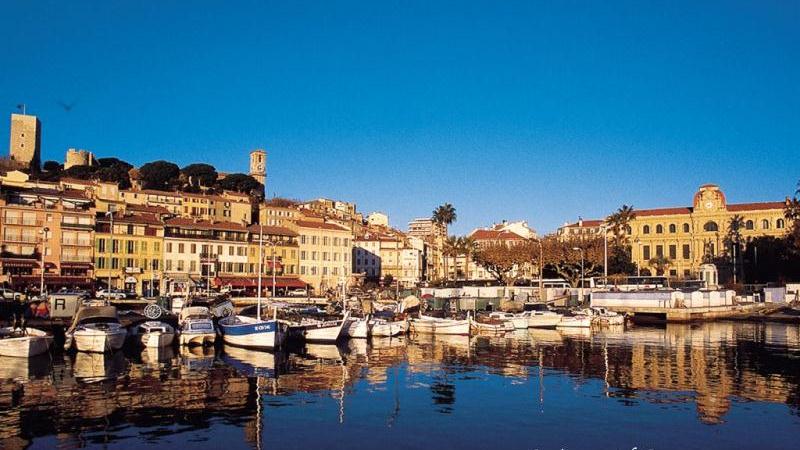
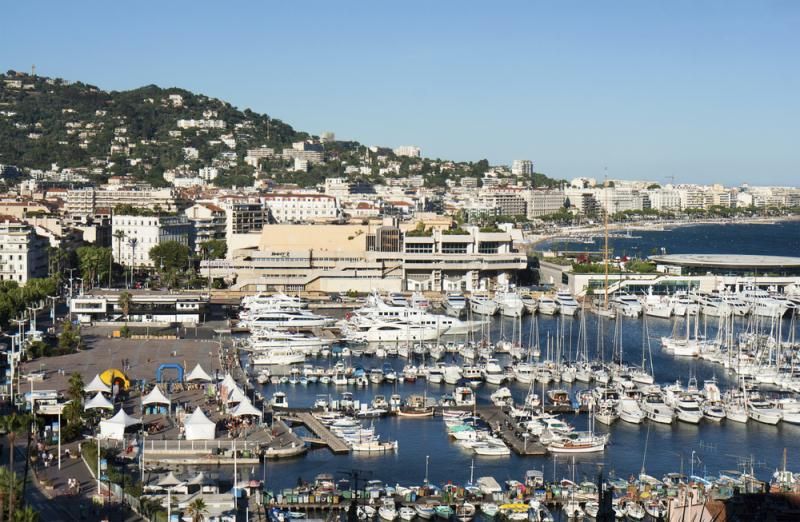
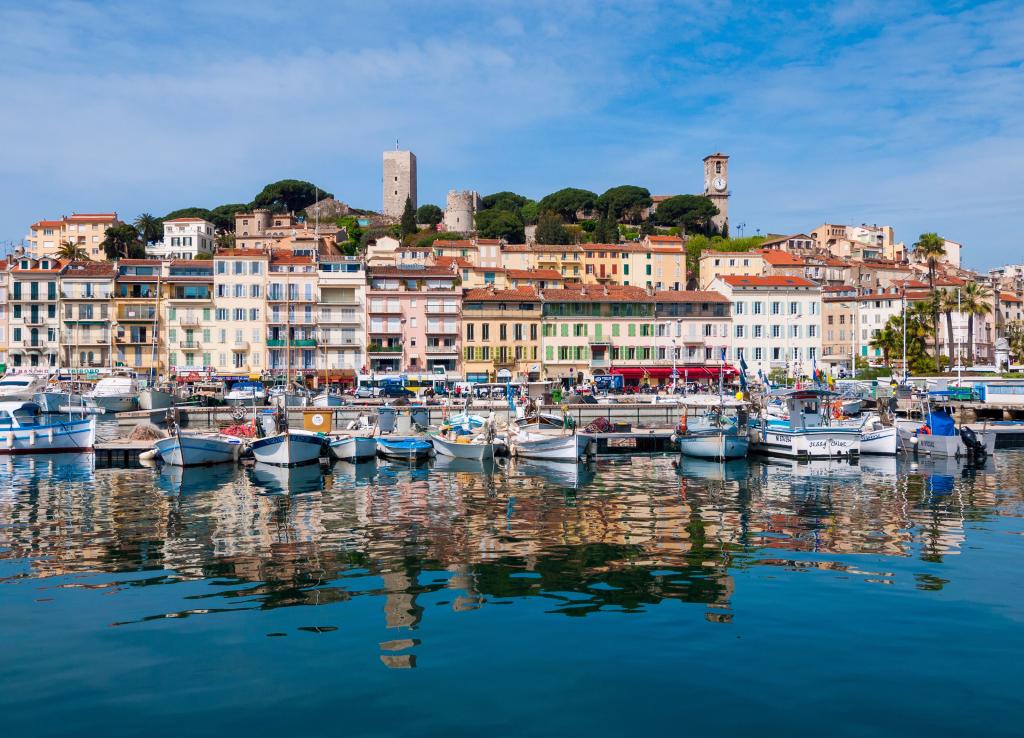
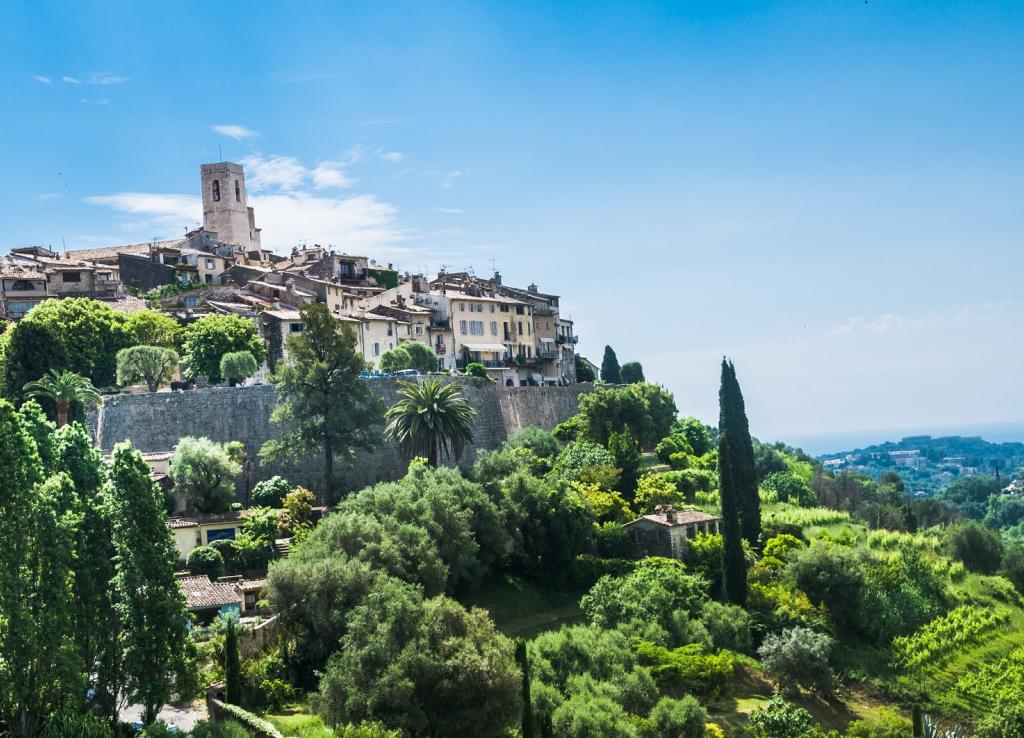
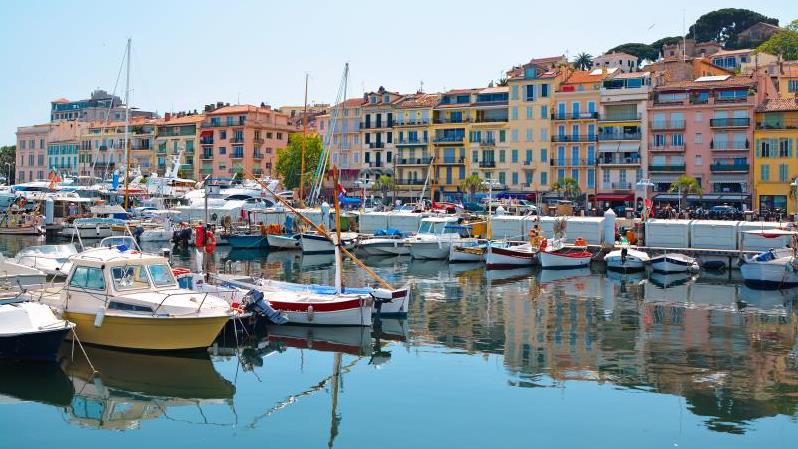
The western Riviera unfolds over 50 kilometers from Villefranche and rewards a full day's dedication. Cannes presents its famous Croisette boulevard, the Film Festival Palace, and an excellent covered market in the Forville quarter, while the hilltop old quarter of Le Suquet offers wide views across the bay toward the Lérins Islands. Antibes, protected by Vauban's seventeenth-century fortifications, houses the Picasso Museum in the very château where the artist worked in 1946. Saint-Paul-de-Vence is the artists' medieval village par excellence — Chagall is buried here, Matisse lived nearby, and the galleries and Fondation Maeght maintain a level of cultural seriousness rare in a village of 3,000 people. VA's Cannes, Antibes and St. Paul-de-Vence tour covers all three in a single rewarding day.
Perfume, Hilltop Villages, and the Provençal Hinterland
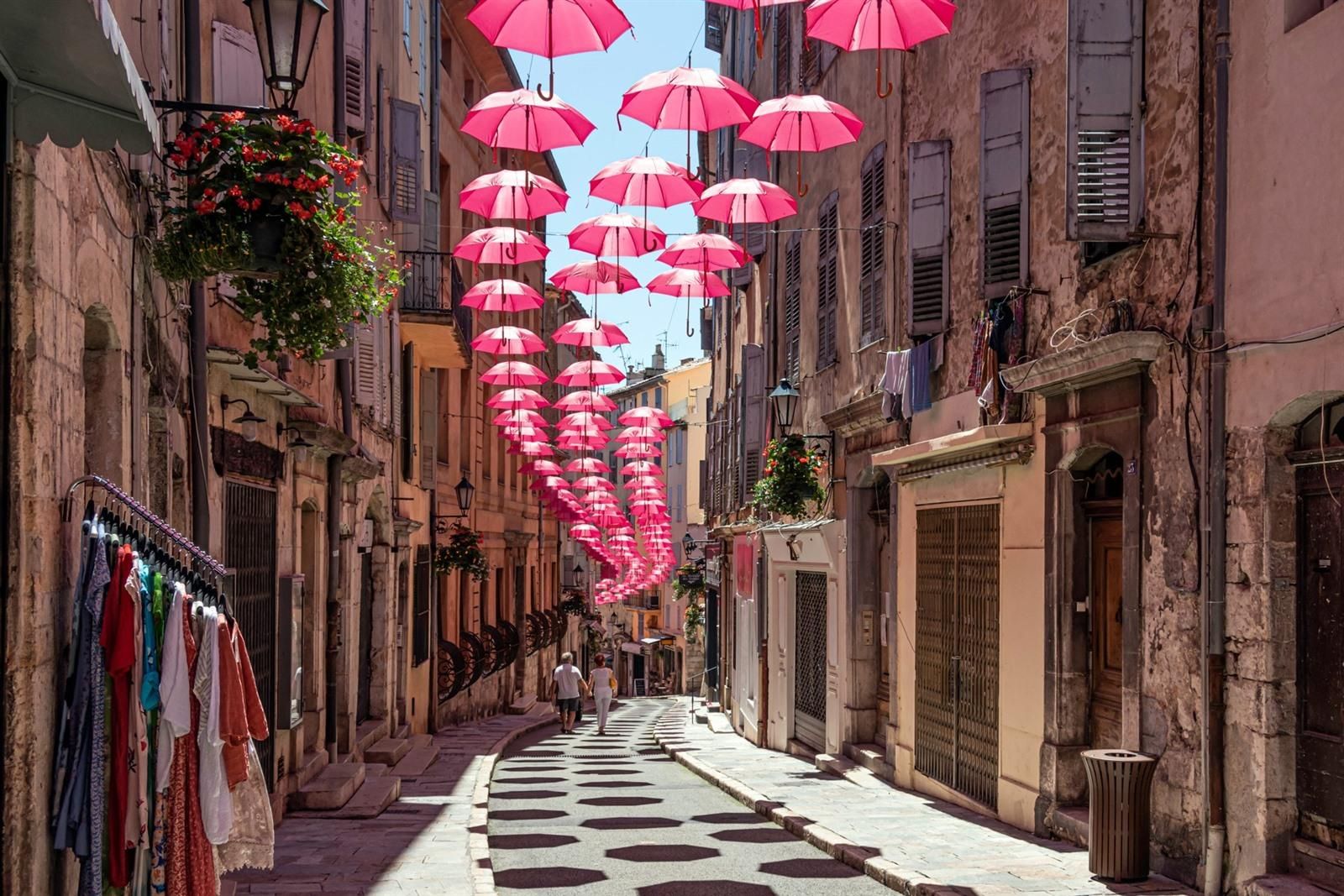
Twenty-five kilometers inland from the coast, the Riviera surrenders its glamour for a gentler Provençal character of lavender-edged roads, perched stone villages, and the scent of jasmine and rose. Grasse has been the world's perfume capital for over four centuries — its parfumeries offer factory tours and the chance to compose a personal fragrance — while the villages of Gourdon and Tourettes-sur-Loup cling to hilltops with the composed beauty of a region that knows what it is. Local wines from the Bellet appellation and artisan honey, olive oil, and cheese fill the weekly markets. VA's Perfume, Hilltop Villages and Provençal Wines tour navigates this interior landscape with the kind of access and storytelling that turns a pleasant outing into a genuine discovery.
Villefranche travel tips
Take the First Tender. Villefranche's tender operation can be busy on popular days, particularly when multiple ships are anchored in the bay. Joining the queue for the earliest possible tender gives you a meaningful head start — especially important if you are heading to Monaco, Cannes, or any destination requiring 90 minutes or more of travel each way. Check the ship's tender schedule the evening before and aim to be at the tender boarding area when it opens.
Dress for Monaco's Expectations. Monaco maintains a dress code in its smarter establishments, and the casino interior requires smart casual attire — shorts and flip-flops will not be admitted. If visiting the Prince's Palace for the 11:55 guard change, shoulders and knees should be covered for the exterior courtyard. The principality as a whole presents itself with a certain formality; visitors who dress accordingly will find the experience more comfortable and more doors open.
The Coastal Bus Is Scenic and Reliable. Bus line 100 follows the Lower Corniche between Nice and Monaco, stopping at Villefranche, Beaulieu, Eze-sur-Mer, Cap-d'Ail, and Monaco — all for a flat fare payable in coins or card. The route hugs the coastline and the views are genuinely beautiful. However, journey times can extend significantly in summer when traffic builds on the narrow coastal roads. For time-sensitive plans, particularly the return journey to catch tenders, independent travel by public transport requires generous time margins.
Explore Villefranche Itself Before Heading Out. Many visitors step off the tender and immediately board transport elsewhere. Those who pause for even 45 minutes in Villefranche discover one of the Riviera's most authentic fishing villages — the fourteenth-century Rue Obscure is a single vaulted lane running beneath the old town, cool and atmospheric at any hour, and the Chapel of Saint Pierre by Jean Cocteau is among the most personal works of twentieth-century decorative art. The waterfront cafes serve a proper petit déjeuner, and the morning light on the painted facades is at its most beautiful early.
Note Closure Days at Major Attractions. French national museums typically close on Tuesday or Monday; the Villa Ephrussi de Rothschild closes on some weekday mornings in low season; the Monaco casino does not open until 14:00. If a specific attraction is central to your plan, confirm opening hours in advance. Major sites like the Nice flower market operate Tuesday through Sunday but thin out considerably after midday as stall holders pack up. Planning major attraction visits before noon generally works in your favor.
Carry Euro Coins for Markets and Small Vendors. While card payments are widely accepted at restaurants, museums, and shops, the Riviera's excellent street food culture runs largely on small cash transactions. Socca vendors in the Nice cours Saleya, market stallholders in Antibes and Cannes, and the smaller perfumery boutiques in Grasse frequently prefer — or require — cash. Withdrawing a modest amount of euros before or after your ship's departure port ensures you are equipped for the best of the region's informal economy.
Port Facts Every Cruiser Needs To Know
Villefranche shore excursion FAQs
Most cruise ships anchor in the bay and use tender boats to ferry passengers to the lower town pier. Villefranche's harbor is too deep for most vessels to dock alongside a quay, which is part of what makes the arrival so dramatic. Tender schedules vary by ship — check your daily programme for the first and last tender times, as these determine your day's parameters. A small number of itineraries route ships to dock at Nice's commercial port instead, in which case your ship will advise accordingly.
Nice is approximately six kilometers west of Villefranche — around ten minutes by road in light traffic. The coastal bus route 100 stops near the tender pier and runs frequently to Nice's Place Masséna and the old town area, with a journey time of 20 to 30 minutes depending on traffic. The route is scenic and affordable. If you prefer a structured arrival and the confidence of a set schedule, VA's Nice-focused excursions provide round-trip transport with expert guidance included.
Monaco is roughly ten kilometers east of Villefranche — around 20 to 30 minutes by road under normal conditions, though summer traffic on the narrow coastal roads can extend this to 45 minutes or more. The bus line 100 connects Villefranche to Monaco with stops along the Lower Corniche. Allow a full day if Monaco is your primary destination — the principality rewards several hours of exploration, and the journey time means a half-day visit can feel rushed.
Villefranche is genuinely worth at least an hour of your time. The Rue Obscure — a medieval vaulted street dating to 1295 — runs the length of the lower town and is one of the most atmospheric laneways on the entire Riviera. The Chapel of Saint Pierre, decorated by Jean Cocteau in 1957, contains some of the most personal and moving decorative art on the coast. The waterfront citadel houses several small museums. Many visitors who bypass the town on the way out make a point of returning before the last tender to linger over a glass of rosé on the harbour quay.
Eze is a medieval perched village balanced on a rocky peak 427 meters directly above the sea, roughly midway between Villefranche and Monaco. Its ruins of a twelfth-century château crown a cactus garden with panoramic views across the Riviera that many consider the most beautiful on the coast. The village itself is small, atmospheric, and dense with galleries, perfumeries, and boutiques. Most visitors who come with VA's French Riviera Highlights tour combine Eze with Monaco on the same day — the pairing works particularly well as the contrast between ancient stone village and ultra-modern principality is striking.
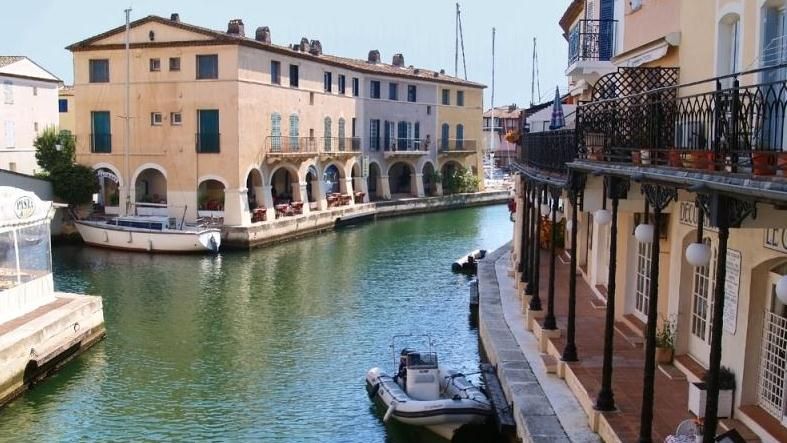
Saint Tropez is possible as a day trip but requires commitment — it sits around 100 kilometers southwest of Villefranche, meaning roughly two hours each way by road. Traffic in summer, particularly around Saint Tropez itself, can extend journey times significantly. VA's Saint Tropez and Port Grimaud tour is designed for this and runs approximately 8.5 hours to accommodate the distances involved. If Saint Tropez is a priority, ensure your ship is spending a full day in port rather than a short call.
The French and Italian Rivieras share a border approximately 30 kilometers east of Villefranche, and the contrast is immediate once you cross — the architecture shifts, the menus change, and the pace slows. VA's Dolceaqua and Italian Market tour and the Dolceacqua, Menton and Monaco panoramic tour both cross into Italy to visit the medieval village of Dolceaqua and the flower market town of San Remo. These itineraries suit travelers who have already visited Monaco and Nice on previous Riviera calls, or who simply want an unusual perspective on the cross-border character of this corner of Europe.
The Salle Garnier casino in Monte Carlo, open to non-gamblers for the interiors from mid-morning, and the gaming rooms from 14:00, enforces a smart casual dress code. Shorts, sportswear, and beachwear are not permitted inside the gaming areas. A standard entrance fee applies to the gaming salons; simply viewing the entrance hall and bar areas is usually free. The experience of standing inside the ornate Belle Époque interior — regardless of whether you play — is worth the brief formality of appropriate dress.
Grasse is the perfume capital of the world, a hilltop town in the hills behind Cannes with a four-century tradition of fragrance production rooted in the surrounding fields of jasmine, rose, and lavender. The major perfume houses — Fragonard, Molinard, Galimard — offer factory tours and the chance to compose a personal fragrance. Grasse is approximately 40 kilometers from Villefranche; VA's Perfume, Hilltop Villages and Provençal Wines tour includes Grasse alongside scenic villages and wine tastings in a well-structured 7.5-hour day.
The French Riviera offers more than a week's worth of distinctive destinations, but a single well-planned day from Villefranche can deliver a genuinely memorable experience of its most celebrated highlights. Most visitors prioritize either the eastern Riviera (Monaco, Eze, Cap Ferrat) or the western (Nice, Cannes, Antibes, Saint-Paul-de-Vence) for a single day, saving the other for a future call. If your ship visits Cannes separately, the two ports between them cover the full arc of the coast.
Filters
Select a filter to refine results.
Tour Type
Tour Activity
 Cart
Cart
 USD
USD GBP
GBP AUD
AUD EUR
EUR CAD
CAD