



Tours in Cabo San Lucas






Cruising to Cabo San Lucas in a group?
Skip the crowded ship excursion bus. One dedicated planner will design a private shore experience around exactly what your group wants — coordinated from first enquiry to the moment you're back on board. More memorable, more flexible, and more affordable than you might expect. Spend less time organising, more time enjoying.
Explore Group Travel →Cruising to Cabo San Lucas
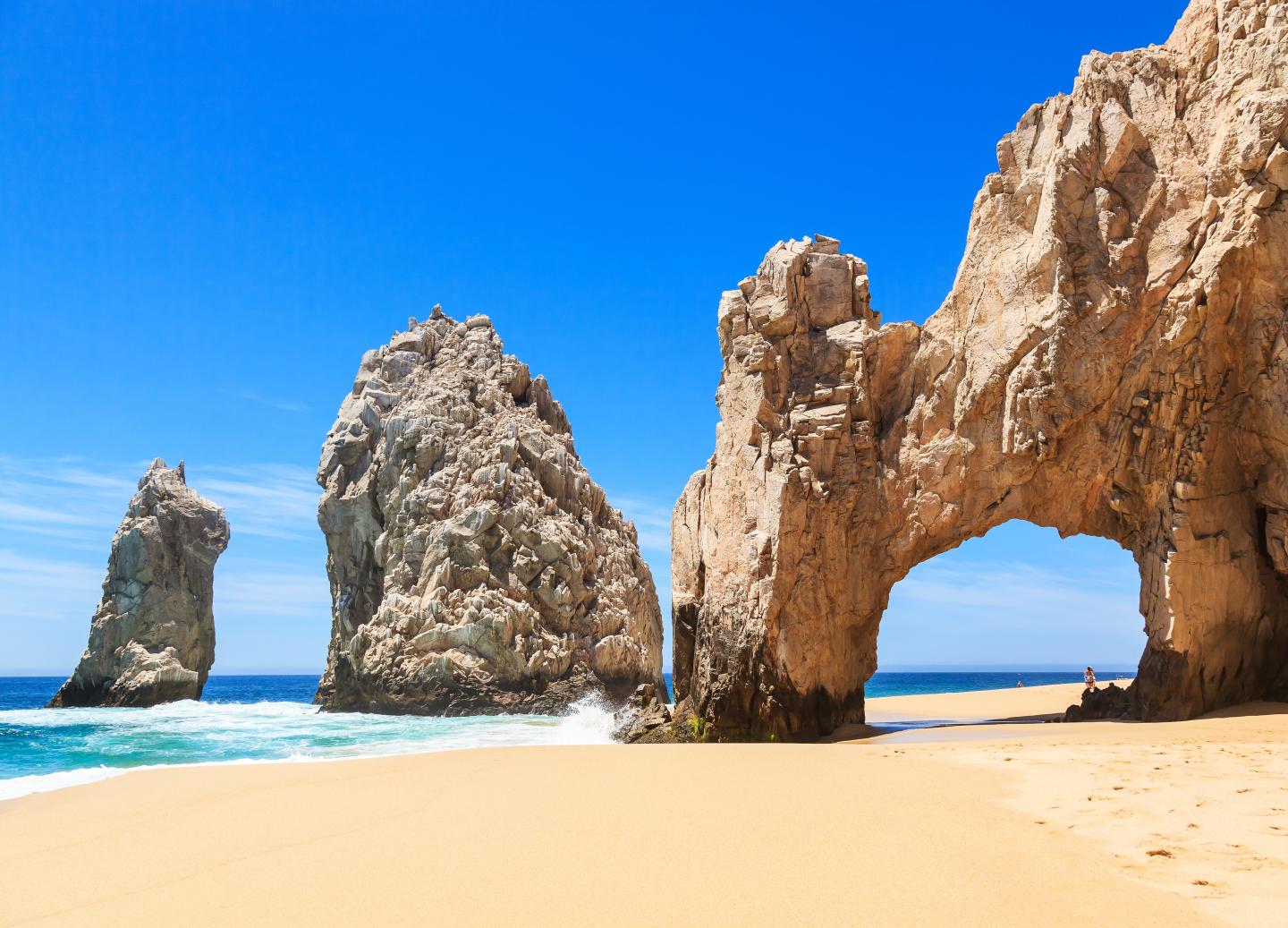
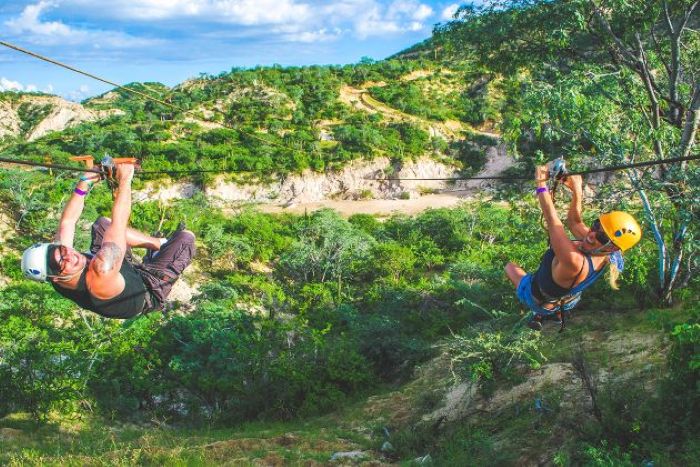
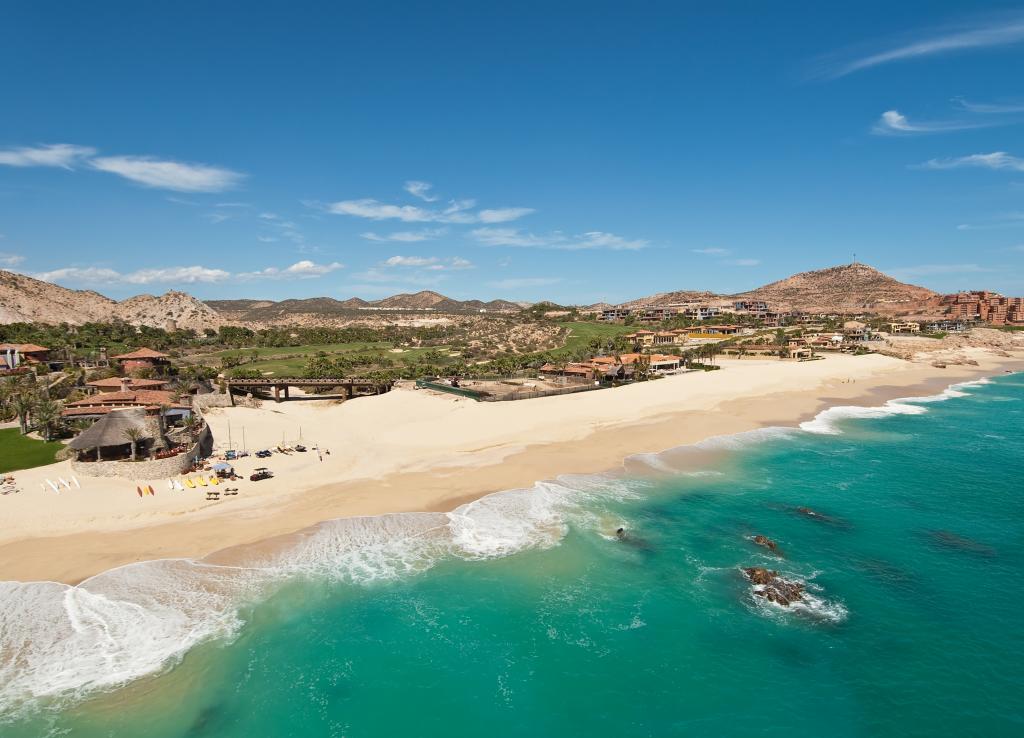
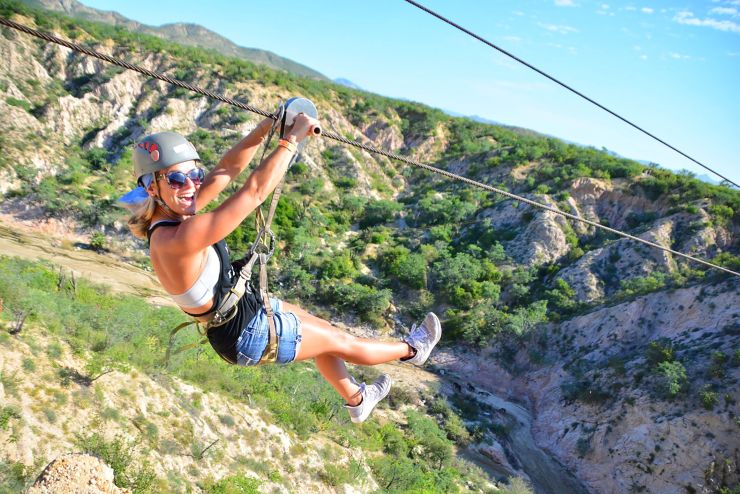
Perched at the southern tip of the Baja California Peninsula where the Pacific Ocean collides with the Sea of Cortez, Cabo San Lucas is one of Mexico’s most dramatically photogenic cruise destinations. The defining landmark is El Arco — a soaring granite arch erupting from the sea at Land’s End — visible from ships anchoring in the bay and drawing visitors ashore from the moment the tender departs. But Cabo offers considerably more than its postcard image suggests. The waters surrounding the Arch form a protected marine reserve where snorkeling reveals an unexpected abundance of reef fish and sea turtles. In winter months, migrating gray and humpback whales turn the Sea of Cortez into one of the world’s great wildlife spectacles. The canyon country above the coast provides zip lines and off-road terrain for those who want their adventure drier and dustier. A growing culinary scene rooted in Baja California’s seafood traditions and desert-grown produce has added genuine depth to the city’s appeal beyond the marina bars. Because all ships anchor offshore and tender to the marina, you arrive in the heart of the action — waterfront restaurants, boat tour operators, and the beach all within walking distance. Six to ten hours rewards those who commit to one meaningful experience and build the day around it.
Top things to do in Cabo San Lucas on a cruise stopover
Catamaran Sailing and Snorkeling
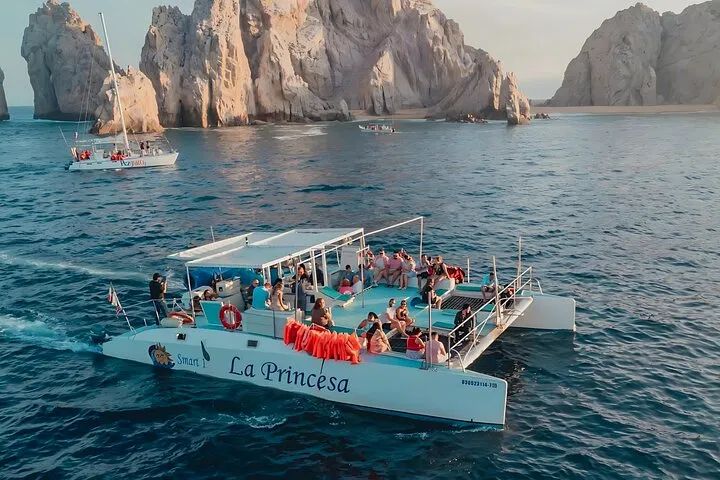
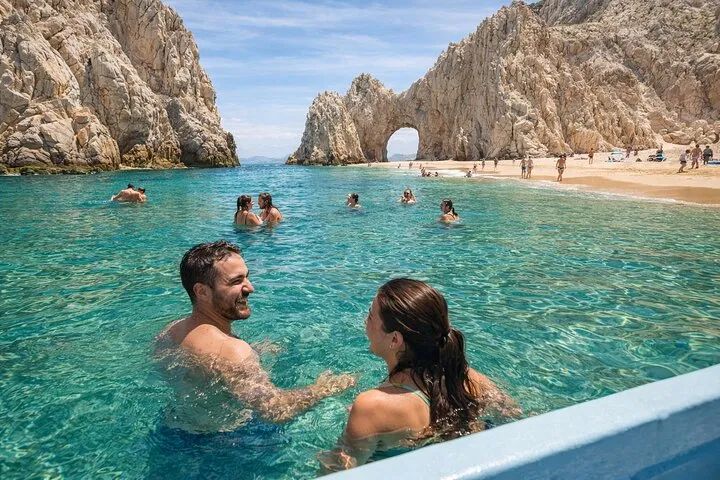
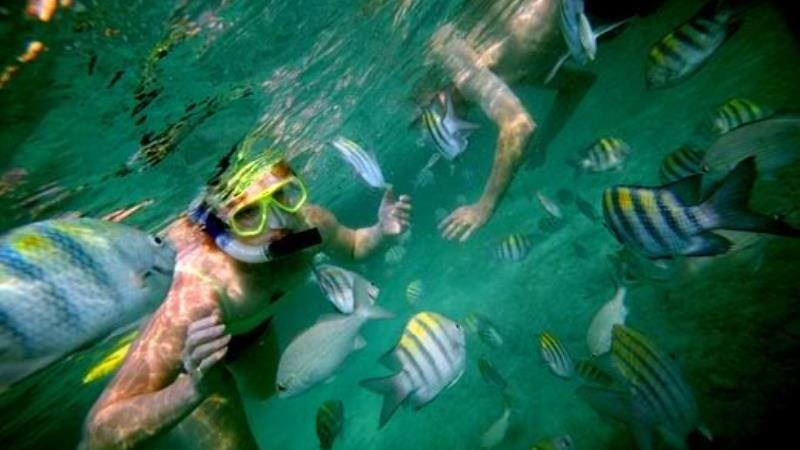
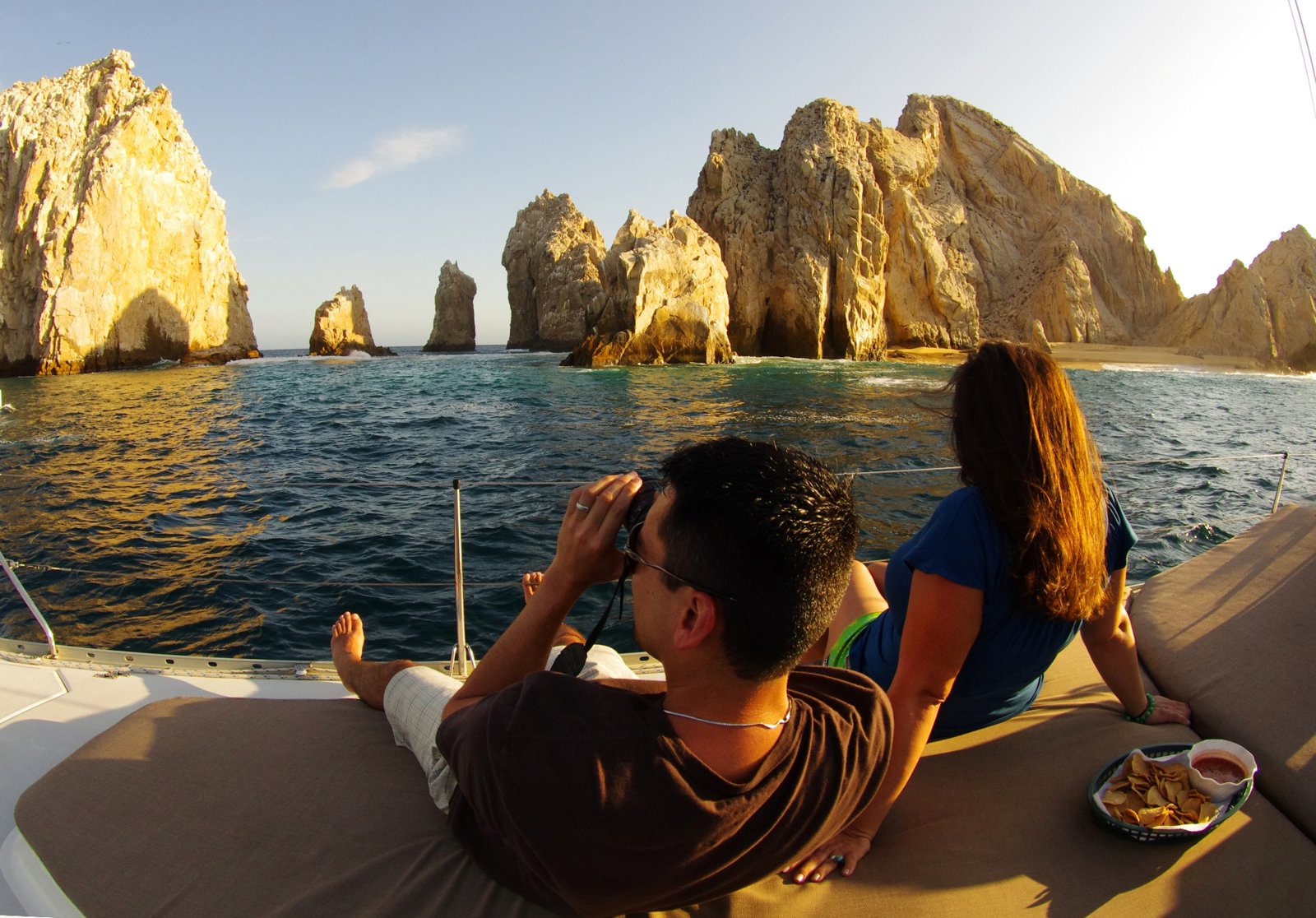
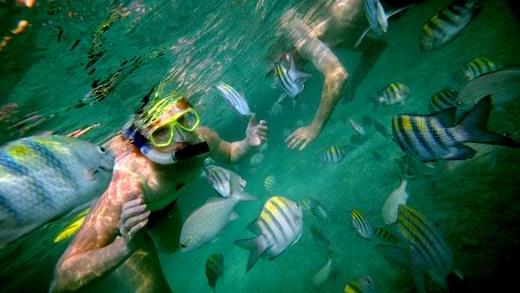
The classic Cabo day on the water involves boarding a catamaran for the short run to the marine reserve surrounding El Arco, where colorful reef fish and occasional sea turtles patrol remarkably clear water. Options range from focused snorkel runs to full-day party boats with open bar and lunch — a festive, social way to see the underwater world that suits nearly every group dynamic. The combination of the iconic scenery and the marine life below the surface makes this the most complete single Cabo experience for first-time visitors.
El Arco and Land’s End by Boat
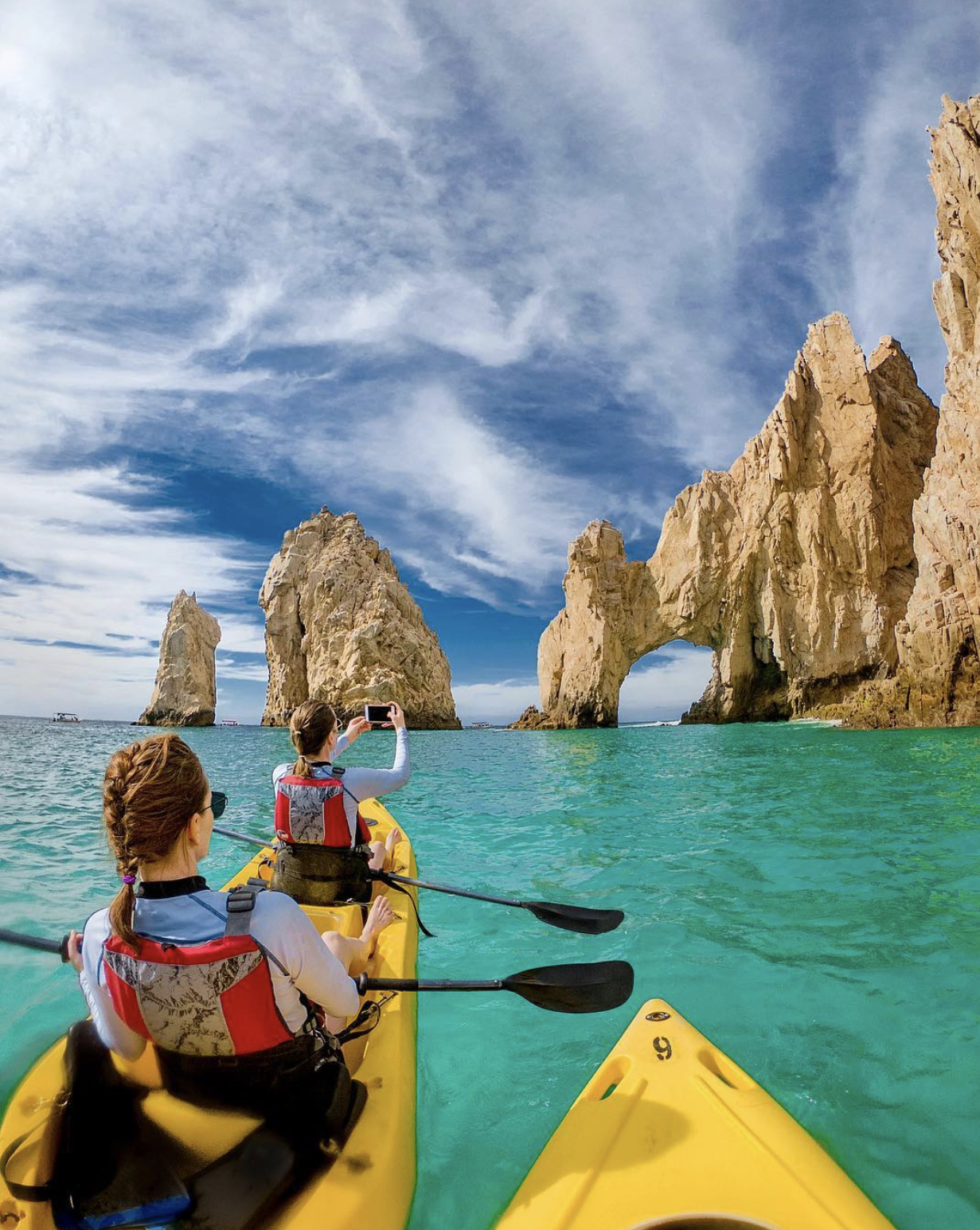
No visit to Cabo is complete without seeing El Arco from the water. Glass-bottom boat tours circle the iconic granite arch, pass the colony of sea lions hauled out on the rocks of Land’s End, and stop at Lovers Beach — a sandy strip accessible only by sea. On one side of the beach the Pacific delivers heavy surf; on the other the Sea of Cortez lies flat and clear. The contrast is striking, and the geological drama of the whole headland rewards time spent simply taking it in from a boat at water level.
Kayak and Snorkel Adventures
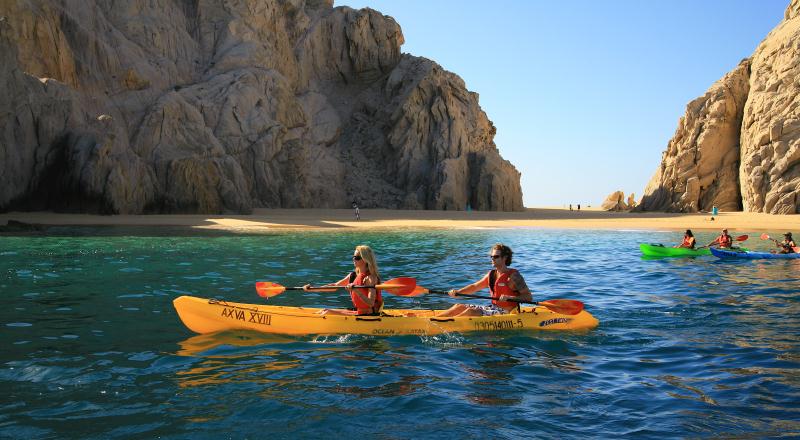
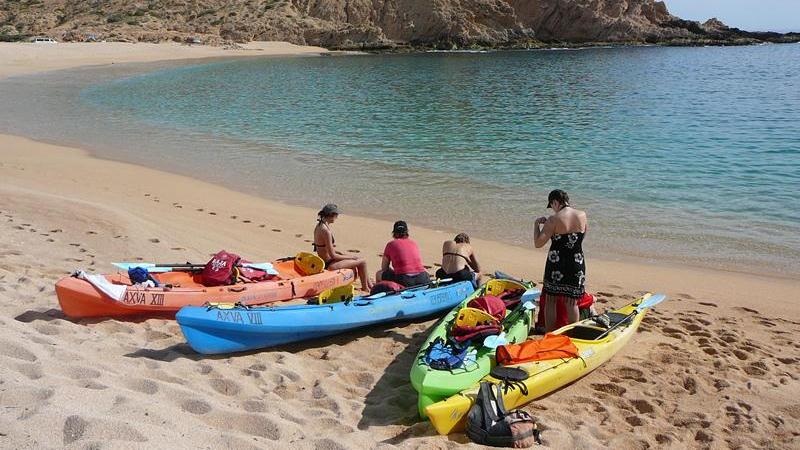
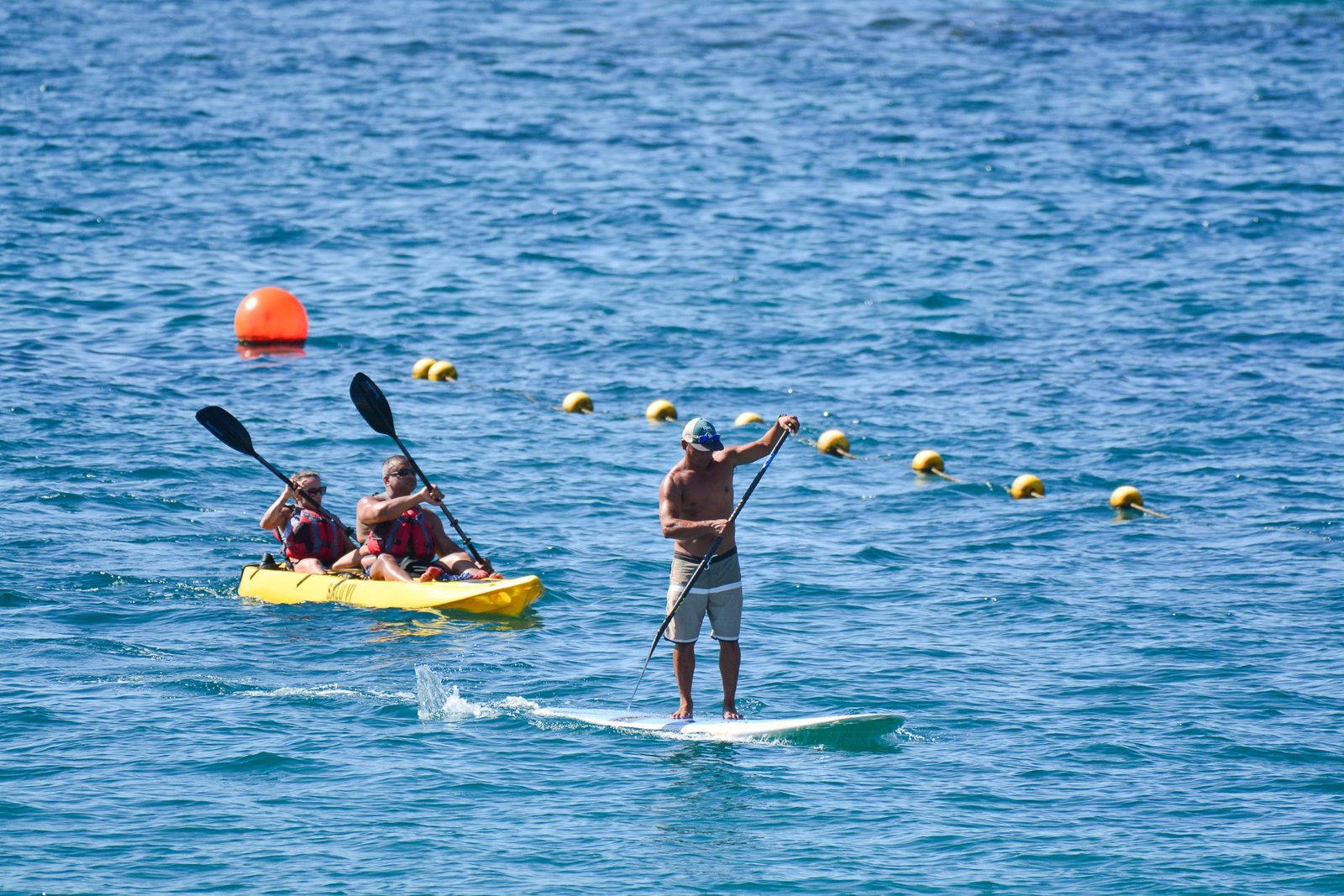
For a more active encounter with the Arch, glass-bottom kayaks and traditional touring kayaks put you at the waterline among the rock formations in a way no motorized tour can replicate. Multi-bay kayaking and snorkeling trips paddle through sheltered coves with multiple stops in the water, while the glass-bottom kayak tour to the Arch lets you observe the seafloor beneath you as you paddle. These trips combine genuine physical effort with close encounters with marine life and deliver a quieter, more intimate version of Land’s End.
Whale Watching
From December through April, gray and humpback whales migrate through Cabo’s waters, making the Sea of Cortez one of the world’s most reliable whale-watching destinations during winter months. Dedicated boats venture offshore, where breaches, spy-hops, and tail flukes are on display with a frequency that surprises first-time visitors. The season is short and ship-dependent — if your cruise calls during winter, this is the experience to prioritize above all others. A sighting is not guaranteed, but the odds are genuinely in your favor.
Surf Lessons and Stand-Up Paddleboarding
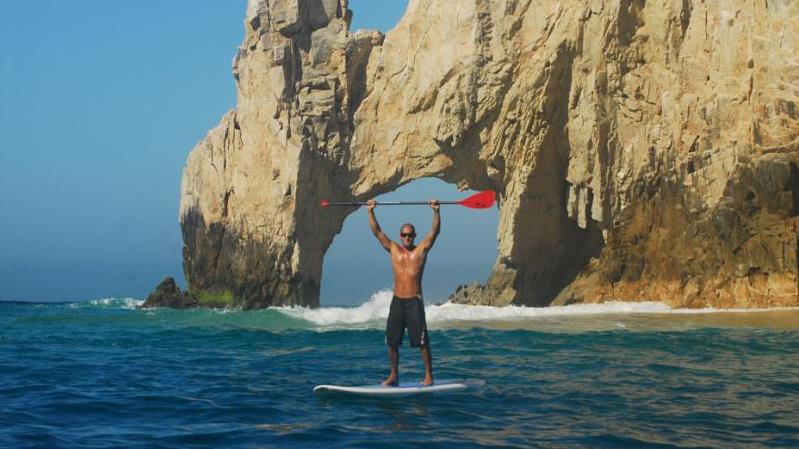
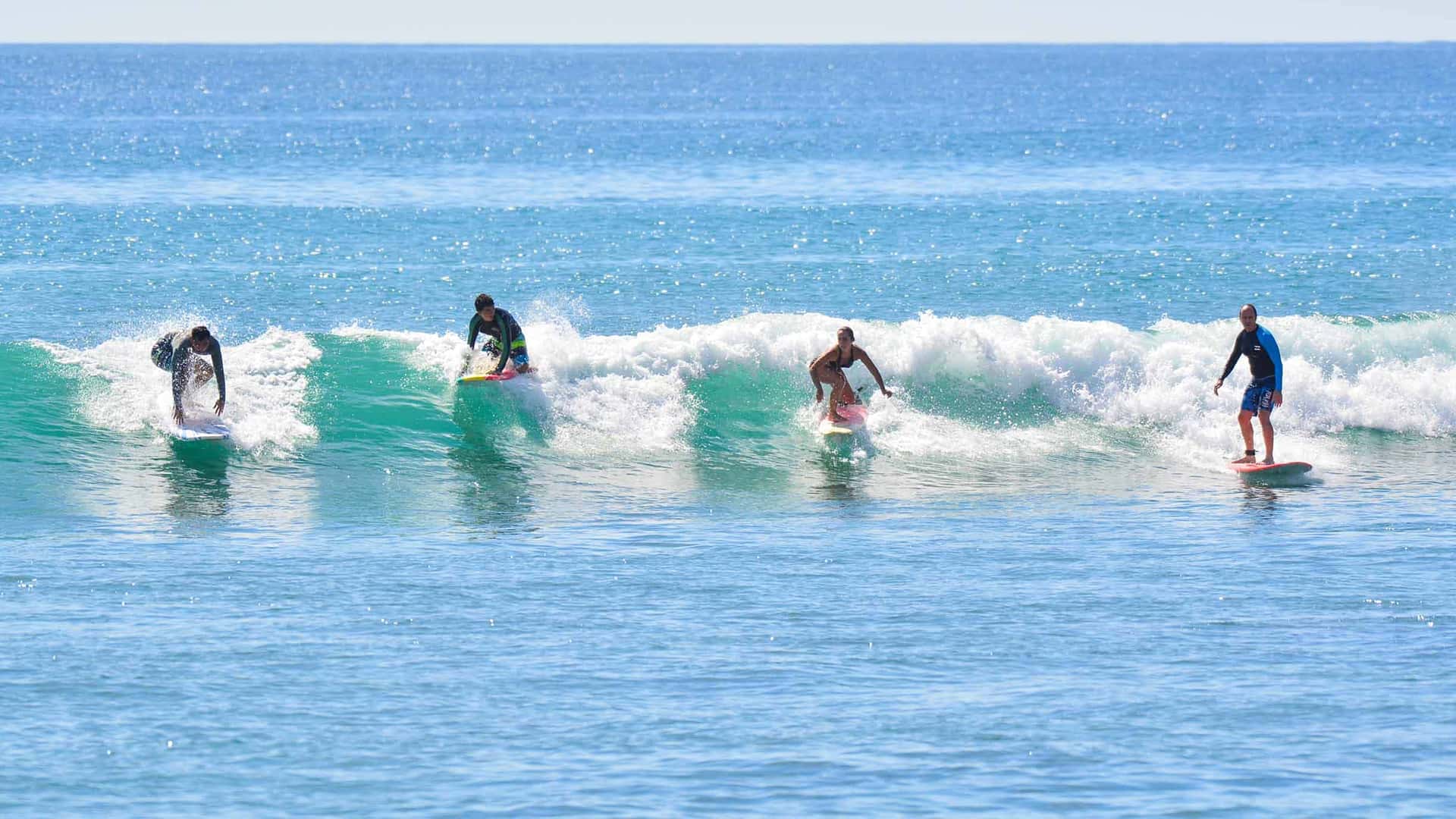
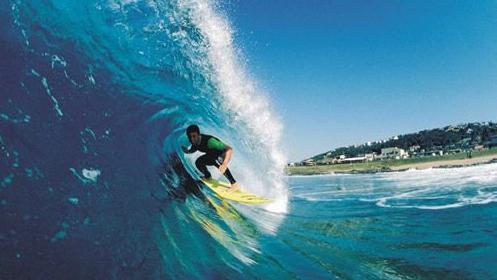
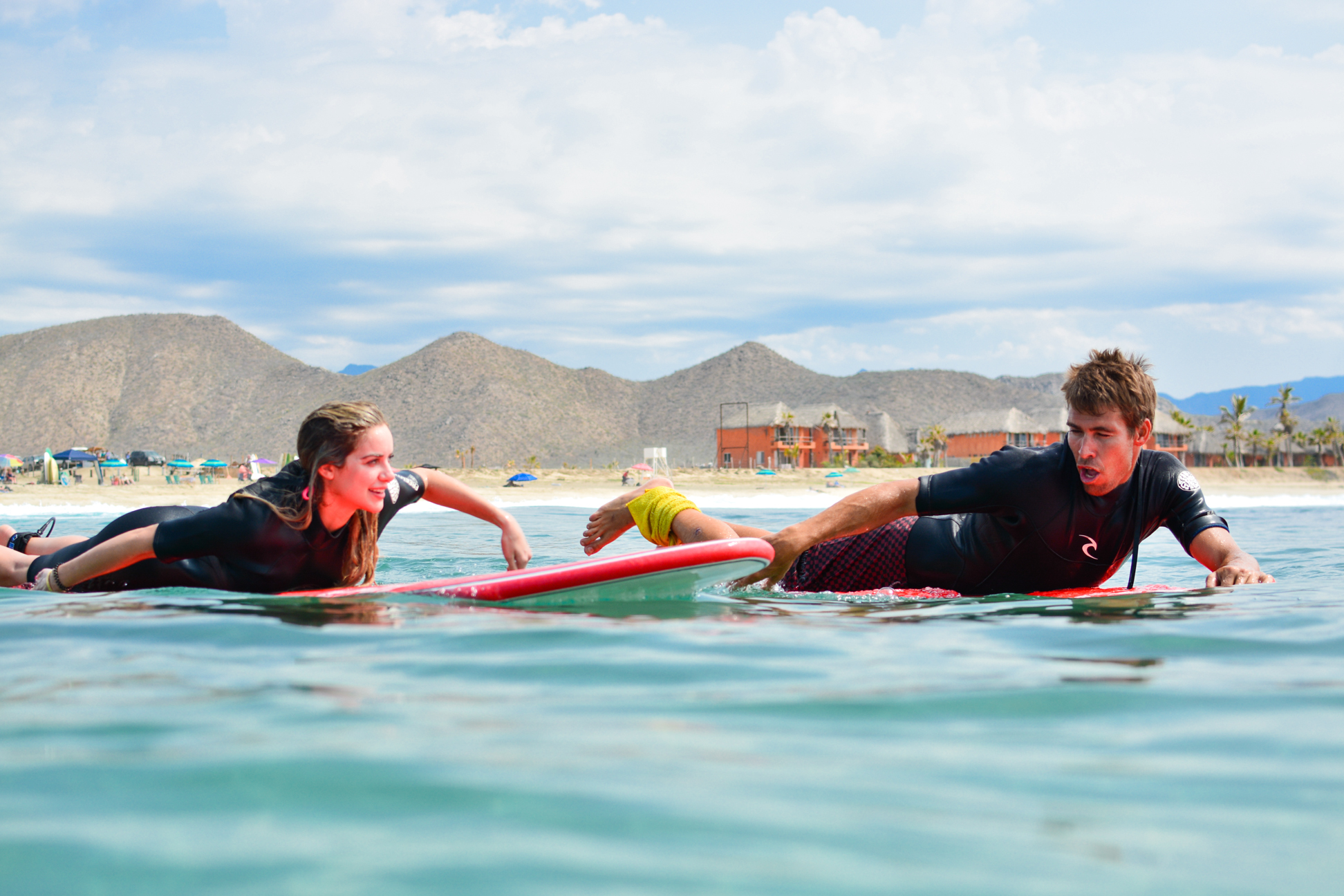
The Pacific coast of Baja California produces consistent swells, and Cabo offers beginner-friendly surf instruction at Costa Azul and the cleaner, less crowded waves at Cerritos to the north. First-time surfers find the instruction approachable and typically stand up within the first session. Stand-up paddleboarding provides a calmer alternative for those who want to be on the water without the wipeouts — both activities take place in genuinely beautiful coastal settings well beyond the marina crowds.
Street Food, Cacao, and Culinary Exploration
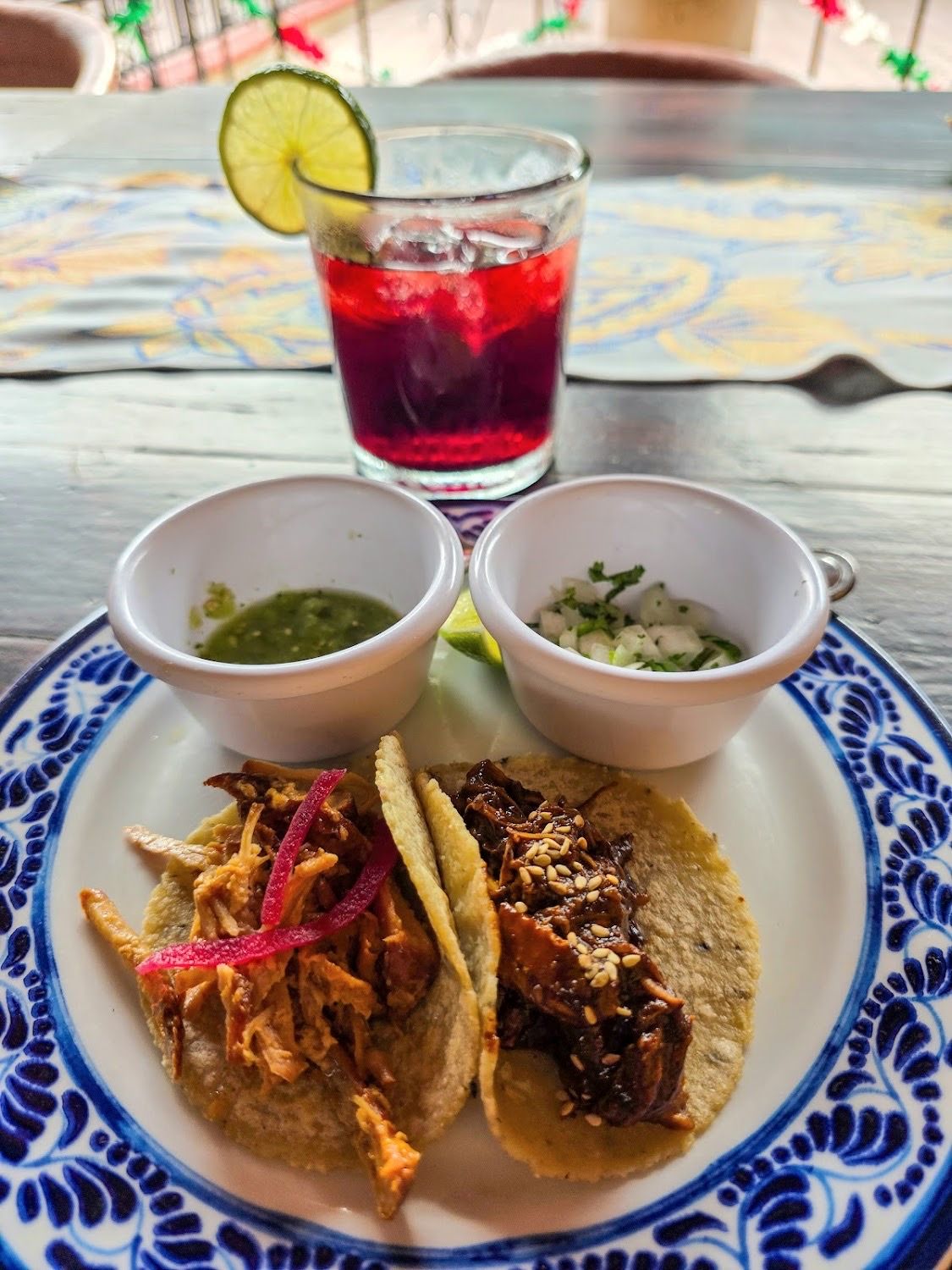
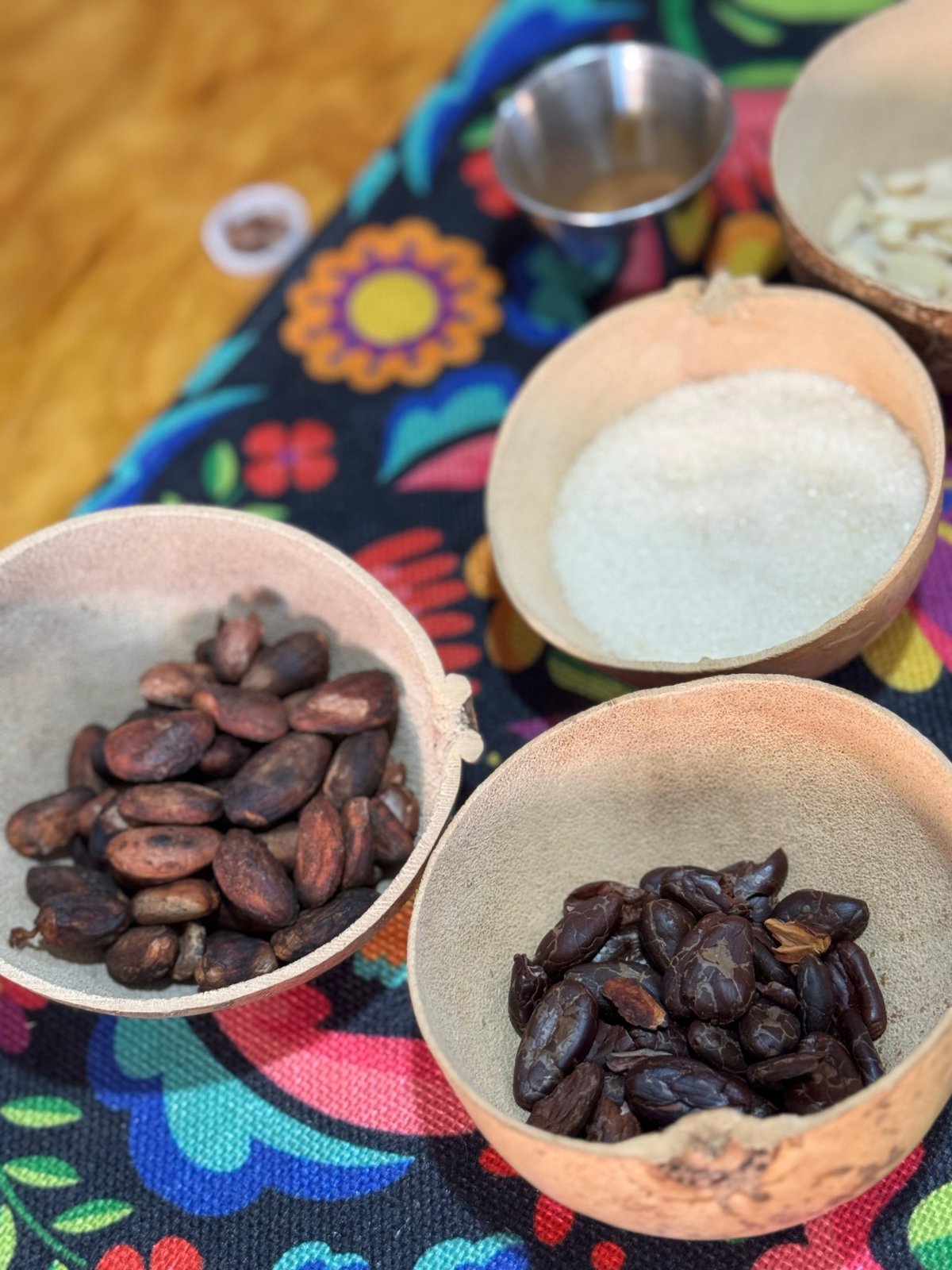
Cabo’s food scene has moved well beyond resort buffets. Guided street food walks lead through the stalls that locals actually eat at — tacos, aguachile, elote, and fresh seafood prepared in the Baja California tradition. Deeper culinary experiences bring visitors into contact with the region’s indigenous food heritage through cacao ceremonies and sensory tastings, while market-to-table cooking sessions with local families reveal how Baja’s desert landscape and Pacific coast combine in the kitchen. These experiences offer a quieter, more personal counterpoint to the water-based activity that dominates most Cabo itineraries.
Cabo San Lucas travel tips
Time the Tender Strategically. Tender queues at the marina build quickly in the first hour after ship arrival and again in the final two hours before departure. Heading ashore mid-morning and returning by mid-afternoon sidesteps the worst bottlenecks at both ends, giving you a smoother and less stressful day overall.
Sun Protection Is Non-Negotiable. Cabo’s Baja desert sun is genuinely intense, and UV exposure on the water is amplified by reflection off the surface. Apply broad-spectrum sunscreen before leaving the ship, reapply after every water activity, and wear a rash guard or lightweight long-sleeved shirt during snorkeling and kayaking sessions. A hat and UV-rated sunglasses are not optional.
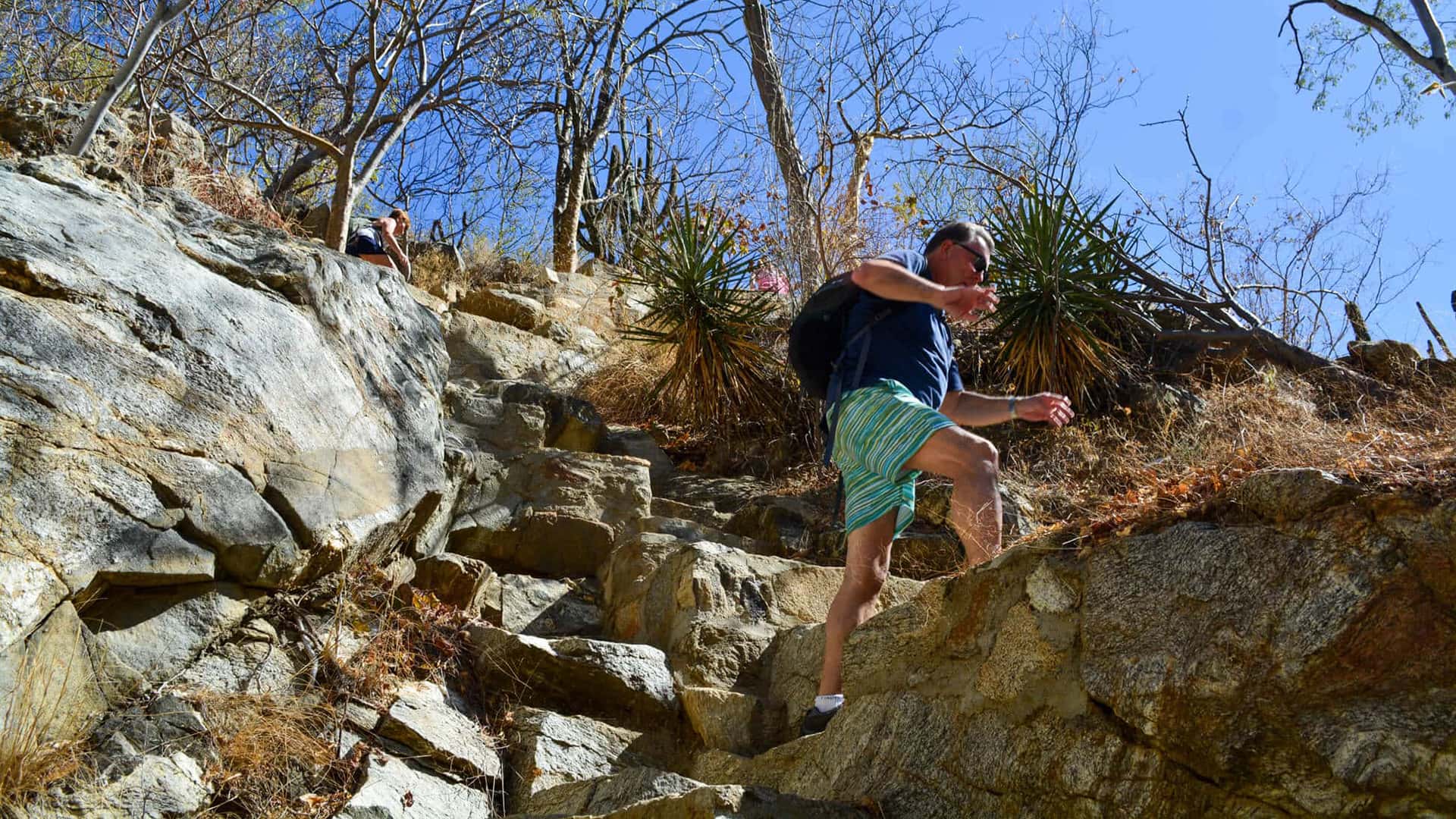
Stay Actively Hydrated. The combination of heat, sun, and the open bar that comes with many catamaran tours creates conditions for rapid dehydration. Carry a water bottle on any excursion and drink regularly throughout the day. If you are heading inland for canyon activities or an off-road adventure, the heat away from the ocean is more intense — drink more than you think you need.
Water Taxis Serve Lovers Beach Directly. Lovers Beach and the base of the Arch cannot be reached on foot — only by sea. Water taxis depart continuously from the small beach beside the marina throughout the day and operate an informal but reliable service. This is a straightforward and affordable way to reach the most photographed spots in Cabo independently, without booking a full guided tour.
Respect the Marine Reserve. The waters around El Arco are a protected marine reserve. Touching corals, standing on reef structures, or approaching sea lions carries environmental consequences and can result in local fines. Reputable tour operators brief passengers before entering the water — take those instructions seriously. The health of the reserve is directly responsible for the quality of the snorkeling that draws visitors here.
Exchange Some Currency Before Exploring. While US dollars are accepted at most marina-facing businesses, street food vendors, local market stalls, and camioneta buses work primarily in pesos. Having local currency on hand means better prices at smaller establishments, smoother transactions away from the waterfront, and the ability to eat and shop where locals actually go rather than being limited to tourist-priced options.
Port Facts Every Cruiser Needs To Know
Cabo San Lucas shore excursion FAQs
Cabo San Lucas has no cruise dock. All ships anchor in the bay and transfer passengers ashore by tender boat. The process is managed by the ship and typically takes 20–40 minutes each way, including boarding and transit. Factor this time into any excursion that has a scheduled departure time.
El Arco (The Arch) is a natural granite arch at Land’s End, the southernmost tip of the Baja Peninsula where the Pacific Ocean meets the Sea of Cortez. It can only be reached by water — via catamaran tour, glass-bottom boat, water taxi, or kayak. It is the defining image of Cabo and worth prioritizing early in the day before conditions change.
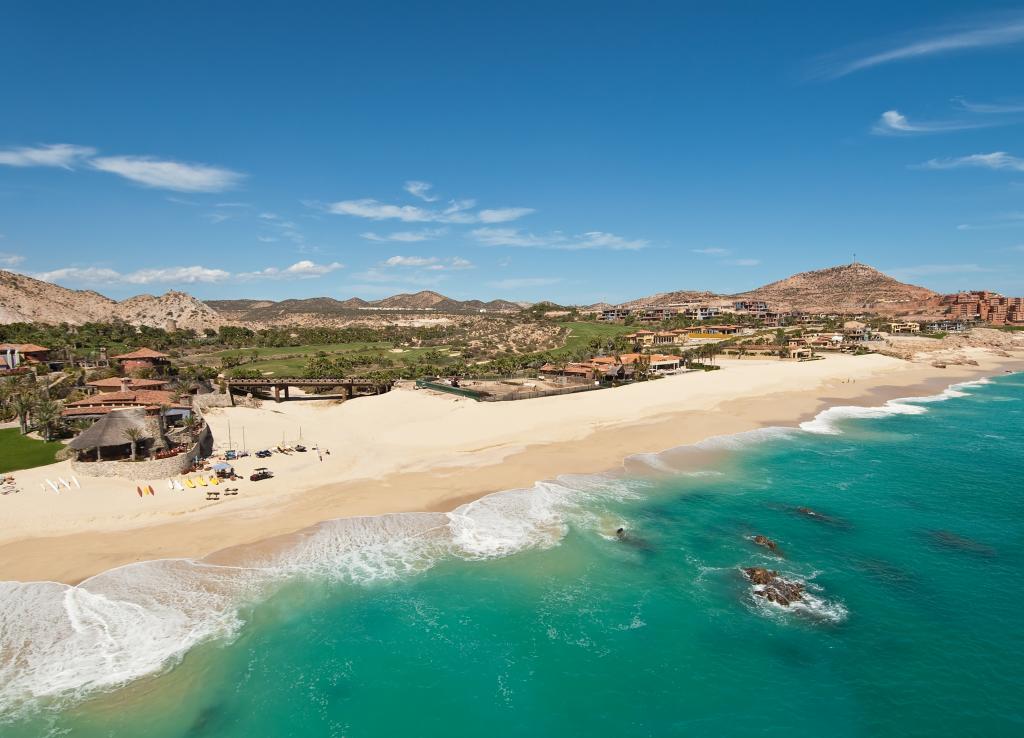
Medano Beach, located near the marina, is the best option for a straightforward ocean swim — calm, patrolled, and easy to reach on foot. Lovers Beach on the Sea of Cortez side of Land’s End is calmer and good for snorkeling. The Pacific-facing Divorce Beach, directly adjacent to Lovers Beach, has strong currents and is not recommended for swimming.
Gray and humpback whales migrate through Cabo’s waters from approximately December through April. January and February typically offer the highest concentration of whale activity and the most reliable sightings. If your cruise calls during this window, whale watching boats head into the Sea of Cortez where breaches and close encounters are common.
The marina district and main tourist areas where cruise visitors spend their time are generally considered safe. Standard travel precautions apply: stay in well-trafficked areas, keep valuables secured, and exercise the same awareness you would in any busy tourist district. The marina area is active throughout the day and well-patrolled.
After accounting for tender time at both ends of the day, most visitors have 4–6 productive hours ashore. The most satisfying approach is to commit to one main experience — a catamaran snorkel tour, a whale-watching trip, or surf lessons — and combine it with a casual lunch and a walk around the marina. Trying to stack multiple tours typically means enjoying none of them fully.
Yes. Surf instruction in Cabo is specifically designed with first-timers in mind. Lessons cover ocean safety, paddling technique, and pop-up basics before entering the water. Most beginners stand up and ride their first wave within an hour. No prior experience is required, and instructors handle equipment selection and safety briefings.
Todos Santos is a colonial art town roughly 45 minutes north of Cabo, known for its galleries, boutique hotels, and the surf break at Cerritos Beach. It offers a genuinely different pace from the marina. The round trip consumes about 90 minutes of your day — visitors should honestly assess whether their remaining time allows them to enjoy the town without feeling rushed back to the tender.
Aguachile is a Baja California specialty of raw shrimp cured in chili-lime juice, typically served with cucumber, red onion, and crispy tostadas. It is one of the most representative flavors of the region. Street food walks through Cabo’s local market area and fishing neighborhood are the most direct way to try it in its authentic form rather than a resort adaptation.
Most catamaran snorkel tours operate in the protected marine reserve where conditions are generally calm, and life jackets are provided. Non-swimmers and weak swimmers can participate comfortably. Glass-bottom kayak tours offer an alternative for those who want to observe marine life without entering the water. Always inform your operator of swimming ability so they can position you appropriately during water entries.
Filters
Select a filter to refine results.
Tour Type
Tour Activity
 Cart
Cart
 USD
USD GBP
GBP AUD
AUD EUR
EUR CAD
CAD