



Tours in Puerto Vallarta


Cruising to Puerto Vallarta in a group?
Skip the crowded ship excursion bus. One dedicated planner will design a private shore experience around exactly what your group wants — coordinated from first enquiry to the moment you're back on board. More memorable, more flexible, and more affordable than you might expect. Spend less time organising, more time enjoying.
Explore Group Travel →Cruising to Puerto Vallarta
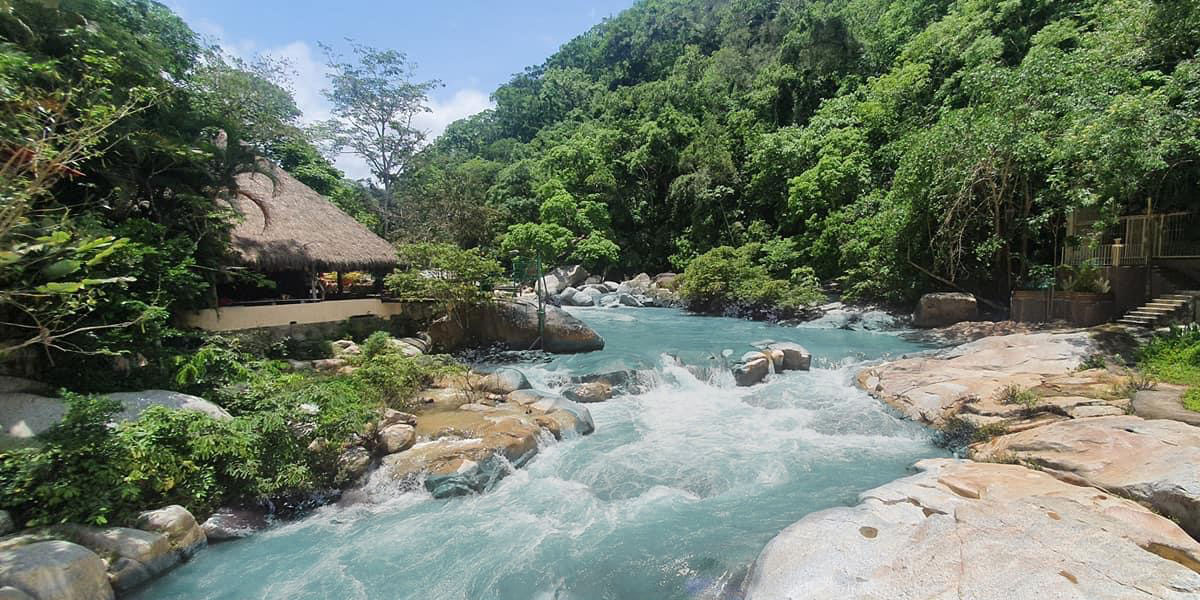
Puerto Vallarta defies easy categorization. It is simultaneously a colonial Mexican town with cobblestone streets and a whitewashed church rising above the Malecon promenade, a world-class marine wildlife destination in one of Mexico's largest and deepest bays, and a gateway to the Sierra Madre Occidental where jungle canopies and waterfalls have drawn adventurers for generations.
Ships dock at the Terminal Marítima, within walking distance of the Malecon and the Cuale River island that divides the city's older and newer quarters. Few Pacific ports offer such immediate access to both cultural depth and natural spectacle. Banderas Bay shelters humpback whales from December through March, and year-round populations of bottlenose dolphins, sea lions, and manta rays make every trip on the water eventful. Inland, the Sierra Madre rises steeply from the coast, creating microclimates that support dramatic tropical dry forest within an hour's drive. The culinary scene — anchored in fresh Pacific seafood and Jalisco tradition — rewards anyone who sets aside time to eat well. A day in Puerto Vallarta is genuinely not enough to see it fully, which is reason enough to make the most of every hour ashore.
Top things to do in Puerto Vallarta on a cruise stopover
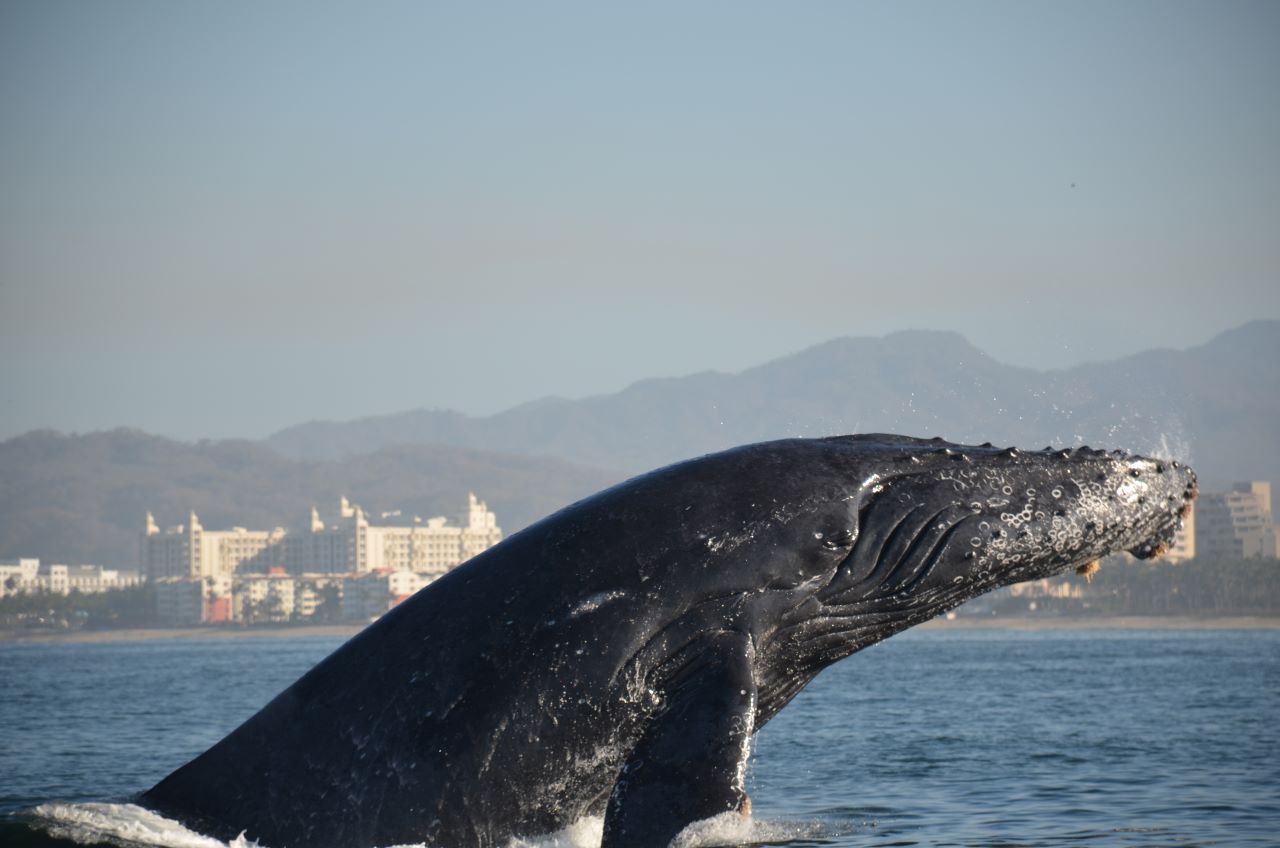
Whale Watching in Banderas Bay
Banderas Bay is one of Mexico's premier whale-watching destinations. From December through March, humpback whales gather here to breed and calve, and encounters with breaching adults and newborn calves are among the most powerful wildlife experiences on the Pacific coast. The bay's depth and protected geography make conditions reliably productive.
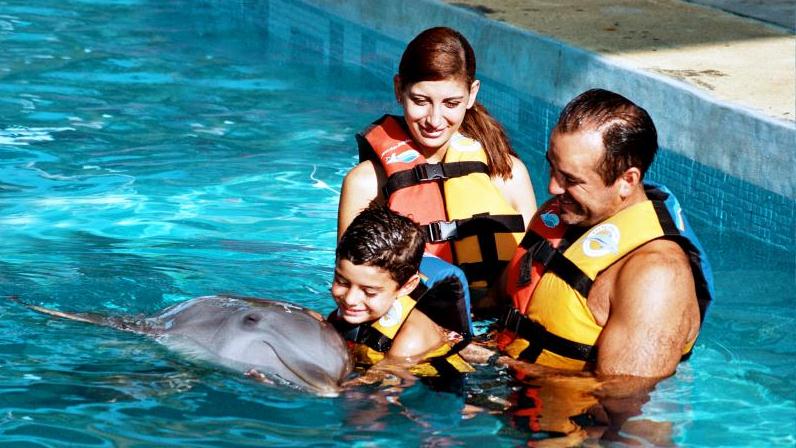
Dolphin and Marine Wildlife Encounters
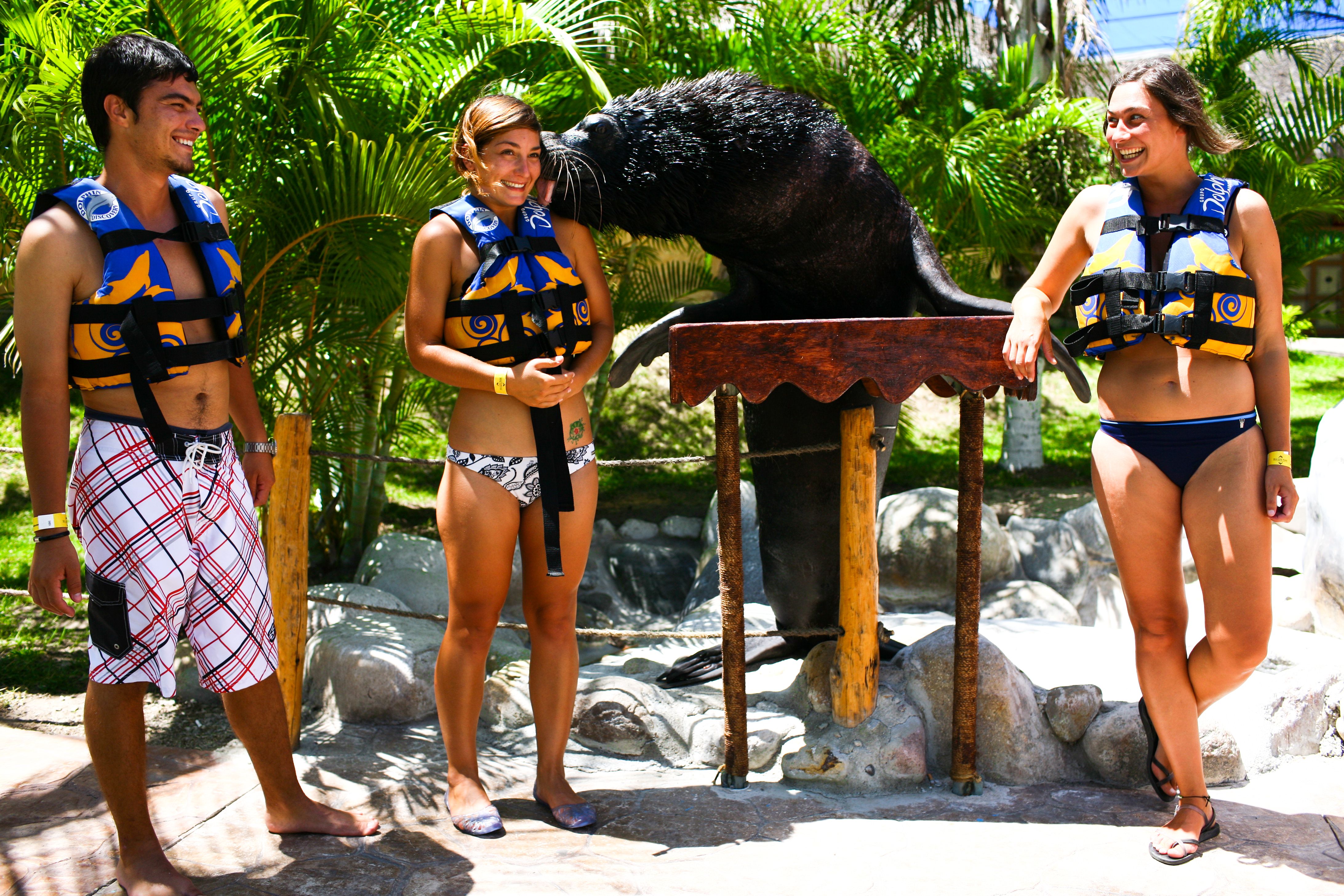
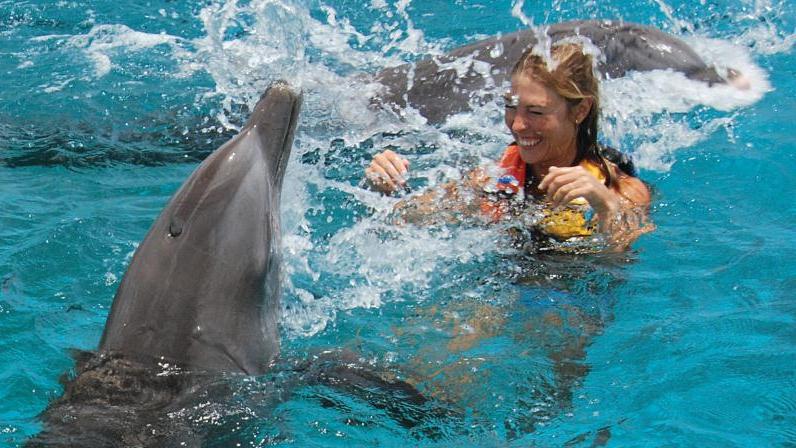
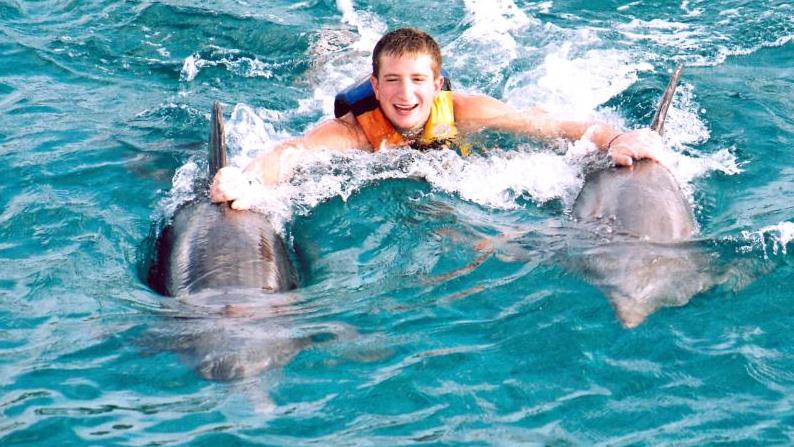
Banderas Bay supports year-round dolphin populations, and interactions range from open-water observation excursions to guided in-water encounters and dedicated swim programs. Sea lion discovery experiences add another dimension to the bay's remarkable marine life, making the water itself one of the port's greatest draws.
Mexican Culinary Immersion
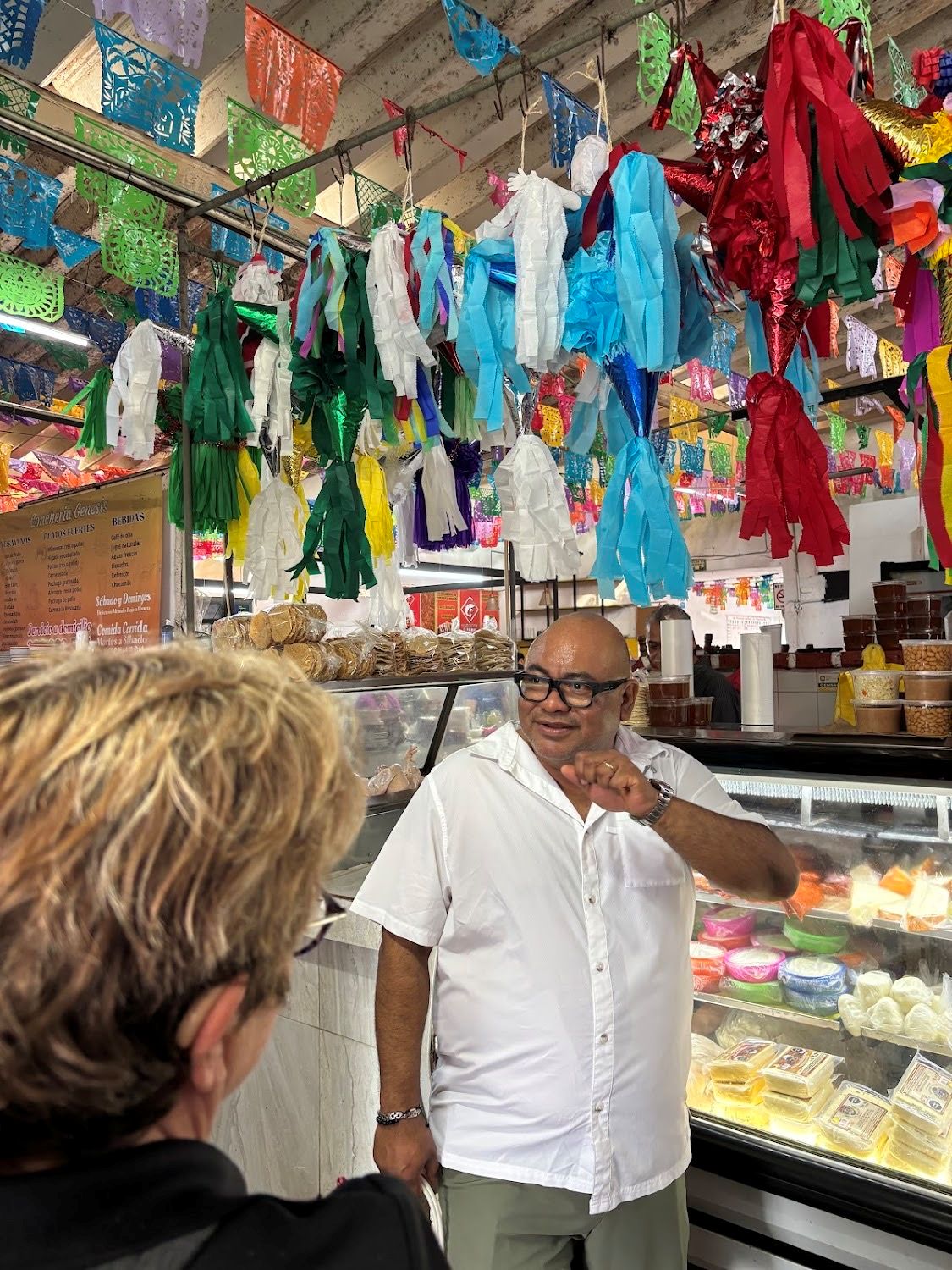
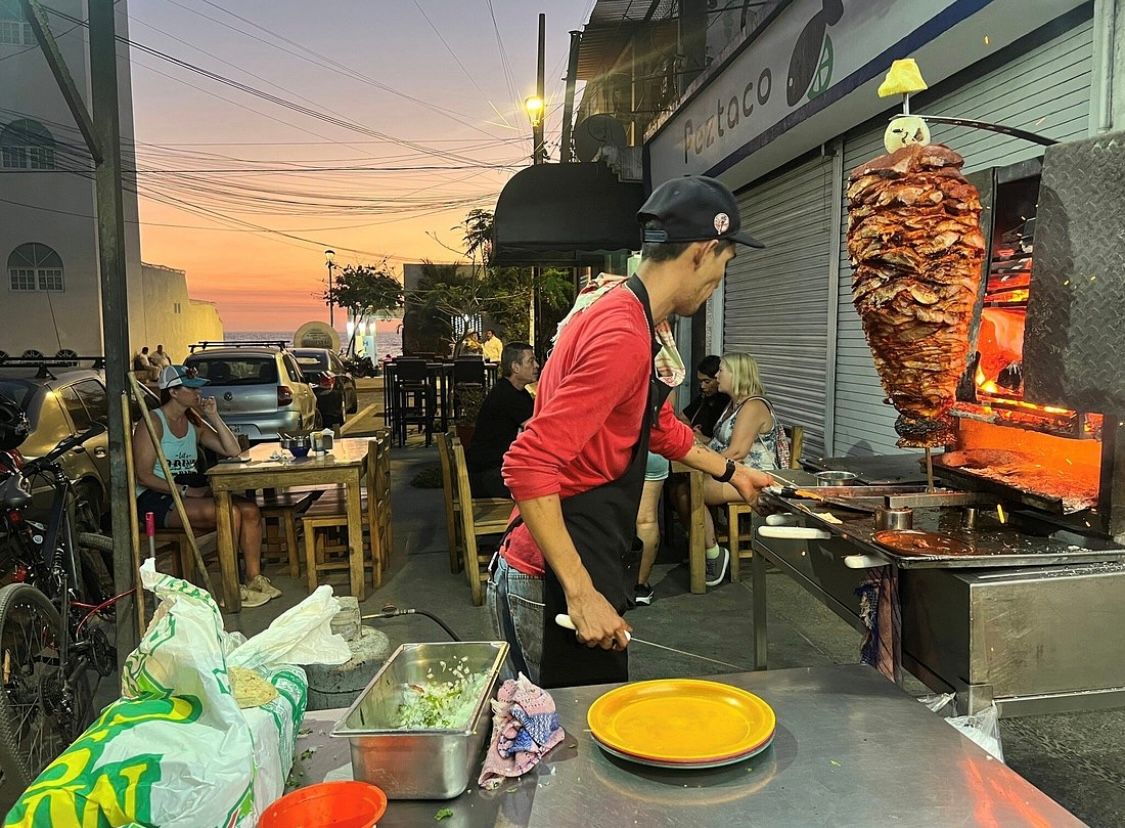
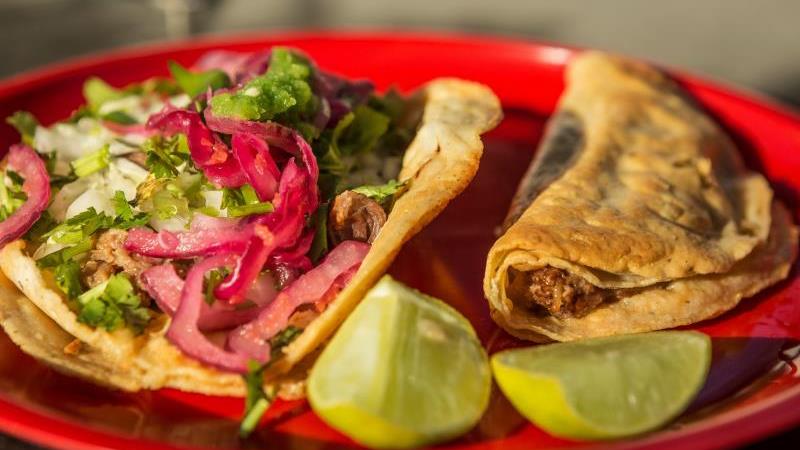
Puerto Vallarta's food culture runs deep, from the market stalls selling fresh aguachile and birria tacos to Jalisco-influenced seafood preparations the city has refined over generations. Cooking classes, market tours, and street food itineraries through the city's produce markets give visitors direct access to the techniques and flavors that define the region.
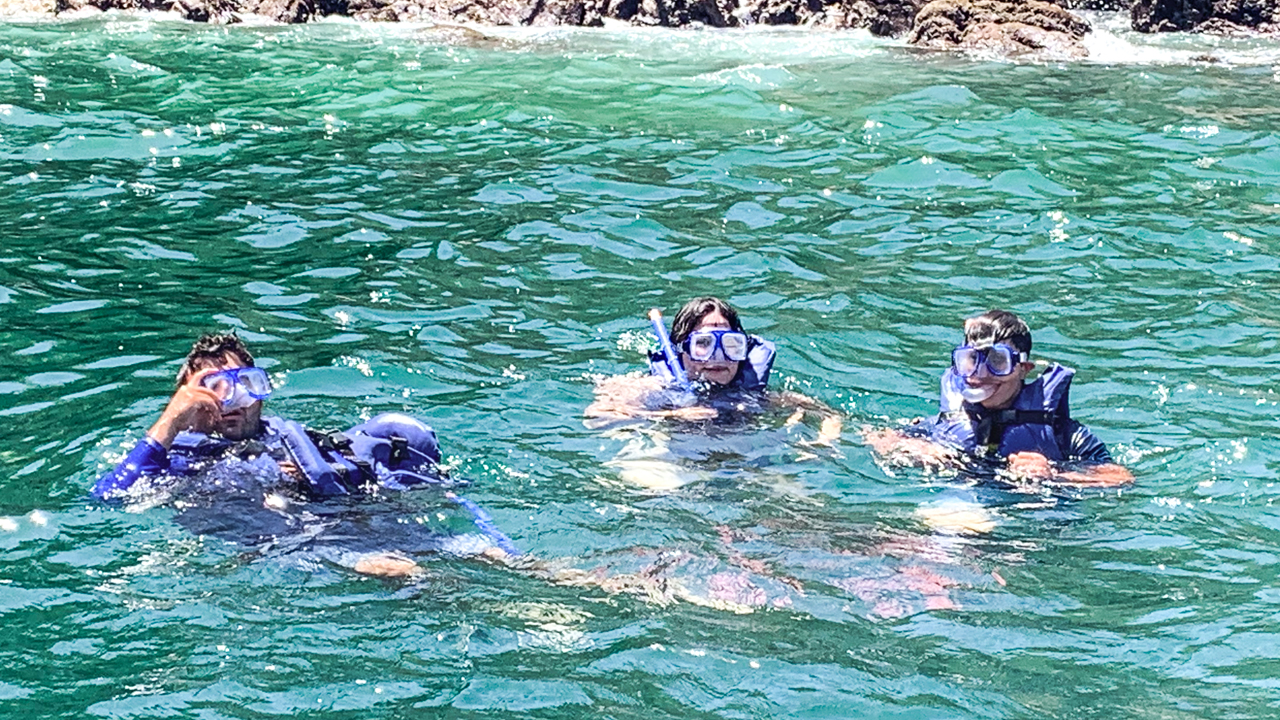
Yelapa Village and Snorkeling
Accessible only by boat, the village of Yelapa sits in a sheltered cove south of Puerto Vallarta where there are no roads — just a waterfall, a palm-fringed beach, and a community living largely outside the tourist economy. The boat journey through the bay passes through some of its richest marine territory, and snorkeling in the cove's clear water is consistently excellent.
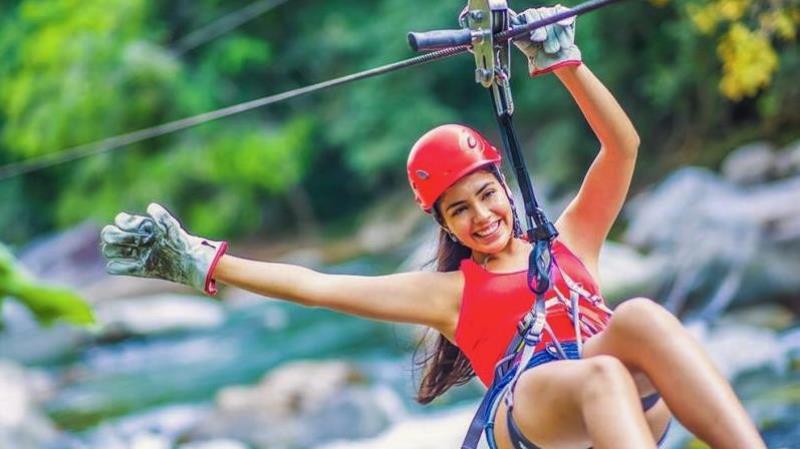
Sierra Madre Canopy and Coastal Adventure
The jungle hillsides above Puerto Vallarta host zipline circuits through multilevel tree canopy with the Pacific glittering below. Combined with coastal cruises, these excursions deliver the twin pleasures of adrenaline and scenery that have defined Puerto Vallarta's adventure reputation for visitors seeking more than a beach day.
Vallarta Botanical Garden
Fifteen kilometers south of the city, the Botanical Garden occupies a spectacular hillside in the Sierra Madre foothills. Over three thousand plant species — including an outstanding orchid collection and a native agave landscape — make this one of Mexico's finest botanical destinations, approached through tropical dry forest on a scenic road that is itself part of the experience.
Puerto Vallarta travel tips
Walk the Malecon in the Morning. The Malecon promenade connects the terminal area to the old town and is lined with public sculptures, street performers, and unobstructed ocean views. It is most enjoyable in the morning before the heat builds. The boardwalk leads naturally into the older cobblestone streets clustered around the Church of Our Lady of Guadalupe.
Eat Where the Locals Eat. The Mercado Municipal and the surrounding streets in the Zona Romantica serve some of the most authentic and affordable food in Puerto Vallarta. Fresh seafood tostadas, tacos de birria, fresh-squeezed agua fresca, and ceviche tostadas are staples — seek out stalls with the longest local queues as a reliable quality indicator.
Book Marine Excursions Well in Advance. Whale-watching season runs from December through March, and spaces on reputable boats fill quickly during peak weeks in January and February. If your ship arrives in this window, securing a spot in advance gives you the best access to these encounters. Dolphin programs are popular year-round and also benefit from early booking.
Sun Protection Is Essential. Banderas Bay sits at 20 degrees north latitude and the sun is intense even on partly overcast days. High-SPF reef-safe sunscreen, a broad-brimmed hat, and UV-protective clothing are strongly recommended for any water-based or extended outdoor activity. Reapplication after time in the water is particularly important.
Cross the River into Zona Romantica. Many cruise visitors stay along the Malecon and miss the Zona Romantica south of the Cuale River — a neighborhood with a more authentic street life, independent galleries, excellent independent restaurants, and a more relaxed pace. A pedestrian bridge over the river island is an easy 15-minute walk from the terminal.
Ask About Ocean Conditions Seasonally. Late summer and early autumn can bring jellyfish blooms into parts of Banderas Bay. Ask locally before entering the water during August and September, and consider wearing a rash guard when snorkeling regardless of the season. Water conditions after heavy rains can also reduce visibility in inshore areas.
Port Facts Every Cruiser Needs To Know
Puerto Vallarta shore excursion FAQs
Yes — the Malecon promenade begins steps from the terminal, and the historic old town, Cuale River island, and Zona Romantica are all reachable on foot within 15–30 minutes. Puerto Vallarta is one of the most walkable cruise ports on Mexico's Pacific coast, and the central area requires no transport for casual exploration.
Humpback whales are present in Banderas Bay from approximately December through March, with January and February typically offering the highest concentration of animals. Outside this window, the bay still supports spinner and bottlenose dolphins, sea lions, Pacific manta rays, and sea turtles year-round.
Fresh ceviche and aguachile — a spicier, lime-marinated preparation — lead the seafood offerings. Tacos de birria, marlin tacos, and fresh-caught Pacific shrimp in various forms are local staples. For something refreshing, tejuino (a chilled fermented corn drink served with lime sorbet) is a Jalisco tradition worth seeking out.
Yelapa is accessible only by boat — there is no road into the village. Organized excursions depart from the terminal area and from the Los Muertos Pier in the Zona Romantica. The journey takes approximately 45 minutes each way through scenic stretches of the bay's southern coast.
Most beach areas around Puerto Vallarta are suitable for swimming under normal conditions. Beaches south of the city — including those in the Zona Romantica and further along the bay — tend to have calmer water than those immediately adjacent to the terminal area. Always check local flag conditions before entering the water.
Beyond humpback whales (seasonal) and bottlenose dolphins (year-round), the bay is home to spinner dolphins, spotted dolphins, Pacific manta rays, sea turtles, and seasonal sailfish. Sea lions are common at rocky outcrops along the bay's edges and frequently approach snorkelers in shallow water.
The Botanical Garden is located approximately 15 kilometers south of the city center — about 30–40 minutes by road depending on traffic. The garden itself merits two to three hours of exploration to experience fully, so factor travel time carefully if you plan to combine it with other activities.
The Church of Our Lady of Guadalupe, with its distinctive crown-topped tower, is the city's most recognizable landmark and is a short walk from the Malecon. The Cuale River island hosts a small archaeological museum. The Zona Romantica preserves the city's bohemian and international artistic heritage in its galleries, murals, and historic architecture.
Mexican pesos are the most practical currency, especially for local buses, market shopping, and street food vendors. US dollars are accepted in most tourist-facing businesses but at variable exchange rates. Withdrawing pesos from an ATM at or near the port is typically the most straightforward and cost-effective approach.
Very much so. Dolphin and sea lion programs are popular with younger visitors, and the Malecon area has accessible beaches and family-friendly dining. Yelapa's sheltered cove is excellent for families wanting a quieter beach experience away from city crowds. Check individual marine programs for minimum age or weight requirements before booking.
Filters
Select a filter to refine results.
Tour Type
Tour Activity
 Cart
Cart
 USD
USD GBP
GBP AUD
AUD EUR
EUR CAD
CAD