



Tours in Seward Alaska



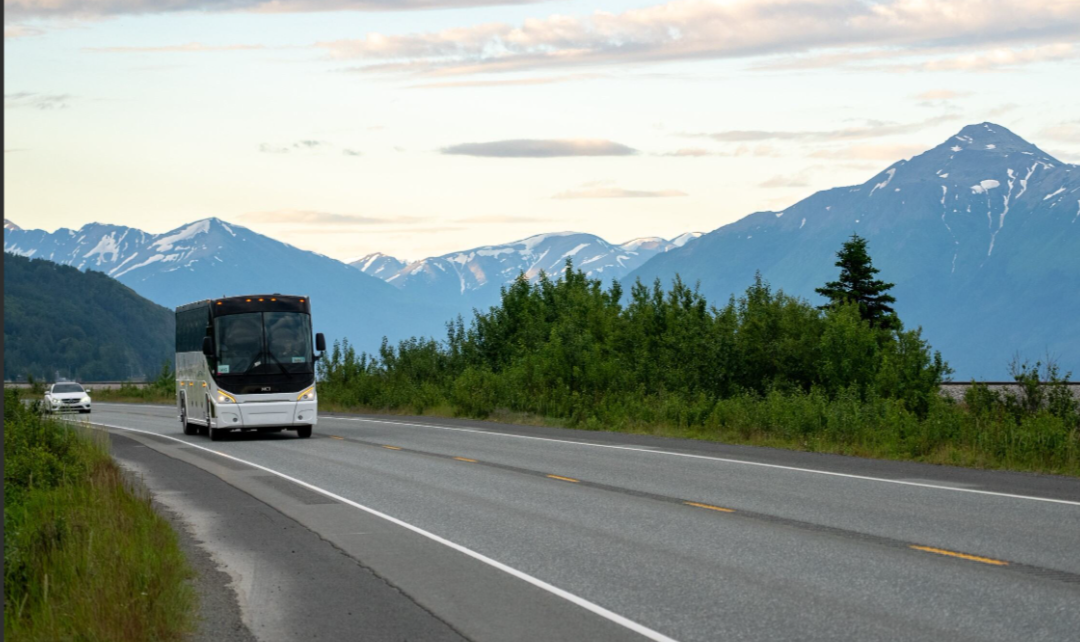
Cruising to Seward Alaska in a group?
Skip the crowded ship excursion bus. One dedicated planner will design a private shore experience around exactly what your group wants — coordinated from first enquiry to the moment you're back on board. More memorable, more flexible, and more affordable than you might expect. Spend less time organising, more time enjoying.
Explore Group Travel →Cruising to Seward Alaska
Seward occupies one of the most dramatically situated positions of any small town in North America, wedged between Resurrection Bay and the Kenai Mountains at the southern terminus of the Seward Highway — a road that the federal government itself has designated an All-American Road. With a permanent population of under 3,000, it punches far above its weight as a destination, serving as the primary gateway to Kenai Fjords National Park, a wilderness of tidewater glaciers, seabird colonies, and marine mammals that draws visitors from around the world each summer.
For cruise travelers, Seward offers something rare among Alaska ports: an extraordinary natural experience that begins the moment the ship enters Resurrection Bay. The bay itself is a fjord framed by snowcapped peaks, and even before reaching the harbor, passengers often spot sea otters floating in kelp beds, bald eagles circling overhead, and mountain goats on improbably steep ridgelines. Ships dock directly at the Seward harbor, eliminating any meaningful gap between ship and shore — within minutes of tying up, you can be walking along the Small Boat Harbor toward the Alaska SeaLife Center or arranging a bay cruise to the national park.
The town's unpretentious Main Street offers fresh seafood, good coffee, and a handful of independent shops without overwhelming the senses. But Seward's real draw is always the landscape — the glaciers that inch toward salt water, the wildlife that treats the bay as its own undisturbed territory, and the particular quality of light on a clear Alaska summer day that makes the entire scene look slightly more vivid than reality ought to allow.
Top things to do in Seward Alaska on a cruise stopover
Kenai Fjords by Boat: Alaska's Marine Wilderness Up Close
The signature Seward experience — and one of the defining wildlife encounters in all of Alaska — is a bay cruise into Kenai Fjords National Park. Boats depart from the Small Boat Harbor throughout the morning and travel through Resurrection Bay and out into the Gulf of Alaska, passing sea stacks draped in thousands of nesting seabirds, kelp forests patrolled by sea otters, and the deep-blue faces of tidewater glaciers. Humpback whales, orcas, Steller sea lions, Dall's porpoises, and harbor seals are commonly sighted. The glaciers themselves are the visual crescendo — massive walls of ancient ice that groan and crack before releasing chunks into the sea with a sound like a cannon shot. Half-day cruises (3.5–4.5 hours) reach the inner bay; full-day trips (7–8 hours) penetrate deeper into the park to the Holgate Arm or Northwestern Fjord. Book well in advance for summer departures.
Exit Glacier: A Tidewater Giant Made Accessible
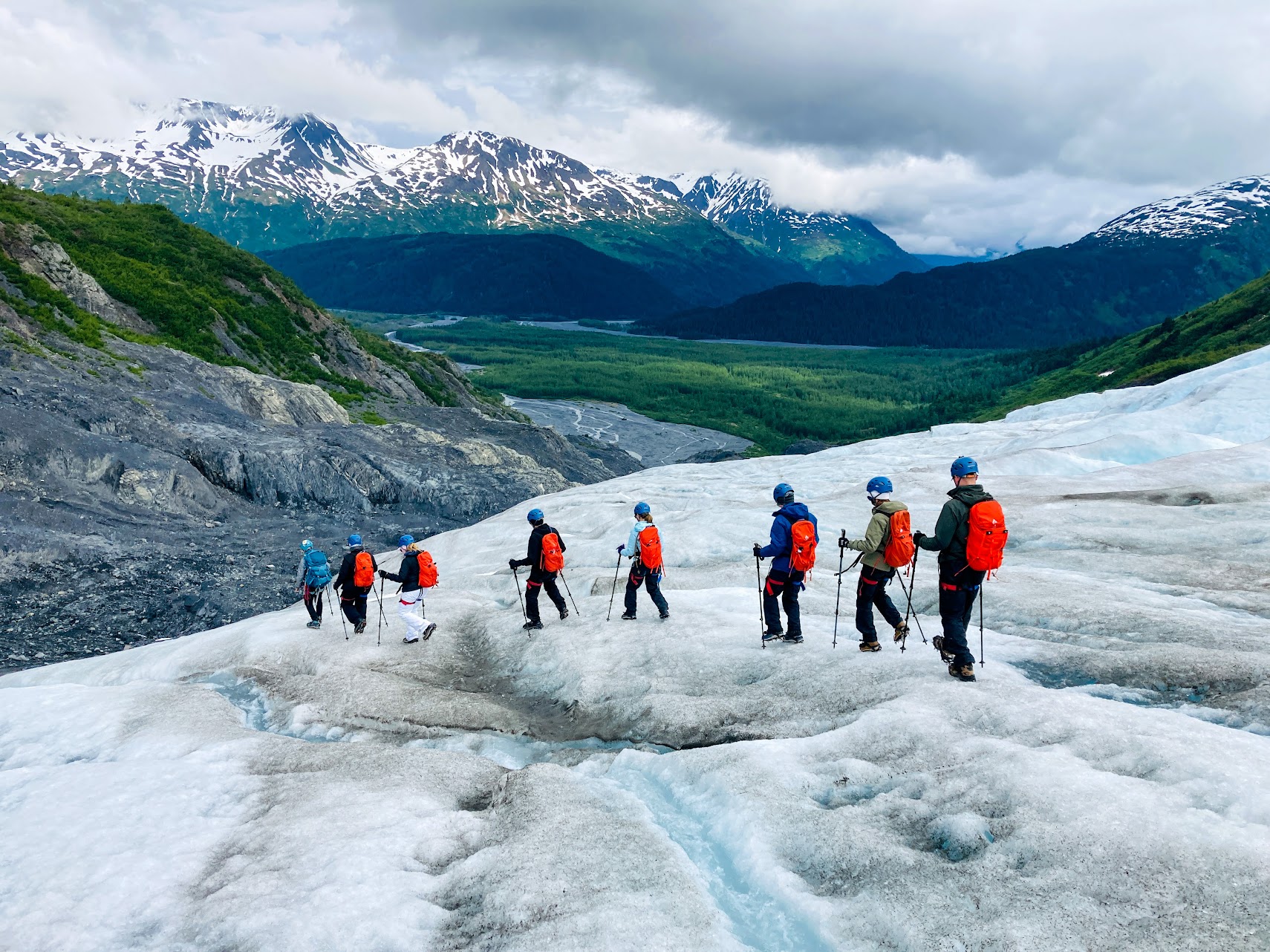
Exit Glacier is the only section of Kenai Fjords National Park accessible by road, making it uniquely suited to cruise travelers with limited time ashore. Nine miles north of downtown Seward via Exit Glacier Road, the glacier flows down from the massive Harding Icefield and terminates in a broad, rubble-strewn outwash plain where the ice face is remarkably close. A network of trails ranges from a flat, paved loop near the visitor center to the steep Upper Glacier Trail, which climbs beside the glacier's lateral moraine to an overlook of the ice field above. Interpretive signs at regular intervals mark where the glacier's edge stood in previous decades — a striking, visible record of glacial retreat over more than a century. The national park visitor center at the trailhead is small but excellent, with ranger programs and exhibits on glacier formation. The round-trip journey from the harbor, including an hour of walking, takes about 2.5 to 3 hours.
Alaska SeaLife Center: Where Science Meets the Wild Coast
Seward's Alaska SeaLife Center occupies a striking building directly on the waterfront, funded in part by the Exxon Valdez oil spill settlement and serving simultaneously as a public aquarium, research institution, and wildlife rehabilitation center. Its exhibits focus exclusively on the marine ecosystems of Alaska — Steller sea lions, harbor seals, Tufted and Horned puffins, and a remarkable variety of cold-water fish species displayed in large, naturalistic habitats. Unlike many aquariums, the SeaLife Center regularly houses animals that are being rehabilitated for return to the wild, giving the exhibits a purposeful quality that goes beyond display. The outdoor decks overlook the bay directly, and on a clear day the combination of in-water marine life and the panoramic mountain backdrop is genuinely memorable. Plan 1.5 to 2 hours; it is worth the full visit for anyone with any interest in Alaska's ocean ecosystems.
Resurrection Bay: Wildlife in Every Direction
Even without booking a formal boat cruise, Resurrection Bay delivers extraordinary wildlife viewing from Seward's waterfront and harbor. Sea otters — among the most charismatic animals in Alaska — are almost permanently present in the bay's kelp beds, floating on their backs and cracking shellfish on their chests. Bald eagles perch on dock pilings with an air of regal indifference to human admiration. Harbor seals haul out on rocky points visible from the harbor walk. In summer, humpback whales feed in the bay's productive waters and are occasionally visible from shore. The Lowell Point area, a short drive or walk south of town along the bay, provides a quiet beach vantage point with unobstructed views of the water and the mountains on the opposite shore — among the finest free views in Alaska.
Seward's Small Boat Harbor: The Living Heart of an Alaska Town
Seward's Small Boat Harbor is not merely infrastructure — it is the social and commercial center of a working fishing community, and its docks are worth a slow walk even if you're not boarding a cruise vessel. Commercial fishing boats unload halibut and salmon alongside kayak rental outfitters and wildlife cruise operators. The harbor boardwalk is lined with seafood restaurants, charter booking offices, and the occasional fisherman mending gear on the dock. The surrounding area includes the Seward Harbormaster building, a bronze statue of a sea otter that has become the town's unofficial mascot photo stop, and Waterfront Park — a grassy strip along the bay with picnic tables and uninterrupted mountain views. It is an excellent place to simply sit and absorb the particular atmosphere of a small Alaska port town going about its business.
Two Lakes Trail and the Forests Above Town
For cruise travelers seeking a quieter experience amid Seward's dramatic scenery, the Two Lakes Trail offers an accessible 0.8-mile loop through old-growth Sitka spruce and hemlock forest to two small mountain lakes on the edge of town. The trailhead is located near the Seward Middle School and involves a manageable uphill walk from the harbor area. The forest is dense and atmospheric — the understory thick with devil's club, ferns, and berry bushes — and the lakes reflect the surrounding peaks on calm days. The trail connects to longer routes for those seeking more elevation. It is not a wilderness adventure but a genuinely lovely forest walk that provides a different dimension of Seward's landscape from the harbor and glacier experiences, and can be completed comfortably in under an hour.
Seward Alaska travel tips
Book Bay Cruises Before Your Ship Arrives. Kenai Fjords bay cruises are the most sought-after experience in Seward, and summer departures — especially full-day trips — sell out weeks in advance during peak cruise season. Book directly with operators like Kenai Fjords Tours or Major Marine Tours before your ship arrives. Crucially, confirm that your chosen departure time allows you to return to the harbor before your ship's all-aboard time, with a comfortable buffer. Full-day cruises departing at 8am typically return around 4–5pm; if your ship departs at 5pm, this is a tight fit that requires careful verification with both the tour operator and your cruise line.
Dress in Layers — Even in July. Seward's summer temperatures on land typically range from 50 to 65°F (10–18°C), but on the water aboard a bay cruise, wind chill and ocean spray can make it feel significantly colder. Even on warm days ashore, pack or wear: a moisture-wicking base layer, a fleece or insulating mid-layer, and a waterproof outer shell. Gloves and a hat are not extreme precautions — they are practical necessities for anyone spending hours on a boat in open Alaskan waters. Waterproof shoes or boots are preferable to sneakers if rain is in the forecast, which in Seward is always possible.
Arrange Transportation to Exit Glacier Before Leaving the Ship. Exit Glacier is 9 miles from the harbor and unreachable by foot in a practical cruise port timeline. Taxis are available at the harbor but are limited in number and can be in high demand when multiple ships are in port simultaneously. Rideshare apps have limited driver availability in Seward. The most reliable approach is to arrange a taxi or rental car before disembarking, or to join a narrated van tour that includes Exit Glacier as a stop. Some visitors rent bikes for a scenic but challenging ride. Whatever your method, plan the logistics in advance rather than assuming transportation will be readily available dockside.
Combine Exit Glacier and a Bay Cruise Thoughtfully. Both Exit Glacier and a Kenai Fjords bay cruise are headline experiences — but attempting both in a single port day requires precise timing and is not always feasible. A half-day bay cruise (departing at 11am, returning around 3pm) can be combined with an early-morning trip to Exit Glacier before the cruise departs, or with the glacier in the late afternoon if the cruise returns with enough time. Full-day bay cruises generally preclude a separate Exit Glacier visit. Be honest about your ship's all-aboard time and build in a minimum 30-minute buffer. Missing the ship in Seward — a remote Alaska community — is a serious logistical situation.
Eat Halibut — It Does Not Get Fresher Than This. Alaska halibut is one of the great eating fish in the world, and in Seward, where it is caught in the waters you can see from your restaurant table, it is served at peak freshness with minimal distance between ocean and plate. Halibut fish and chips at Ray's Waterfront or Chinooks is the classic order — flaky white fish in a light batter, served with views of the Small Boat Harbor. King crab legs, when in season, are another Seward specialty worth the indulgence. Reserve a harbor-view table in advance at either restaurant if possible; they fill quickly on cruise ship days. The local chowder — thick, creamy, and loaded with seafood — is an excellent and inexpensive option for a quick lunch.
Watch the Whole Bay From the Moment You Dock. Seward's wildlife does not require a boat ticket or a national park entrance fee — it inhabits the harbor and bay openly. From the ship's deck as you dock, and from the harbor walkway in the first hour ashore, watch carefully for sea otters in the kelp (often within 50 feet of the dock), bald eagles on pilings and shoreline trees, and harbor seals on any rocky surface near the water. A pair of binoculars dramatically enhances the experience and takes up almost no luggage space. The Alaska SeaLife Center's outdoor observation deck also provides elevated bay views that are excellent for scanning the water for wildlife before or after your interior visit.
Port Facts Every Cruiser Needs To Know
Seward Alaska shore excursion FAQs
Cruise ships dock at the Seward cruise ship terminal, directly adjacent to the Small Boat Harbor. The Alaska SeaLife Center is approximately a 10-minute walk south along the waterfront. The downtown area and harbor restaurants are within a 5-10 minute walk. Exit Glacier is 9 miles north of town and requires a taxi, rental car, or arranged transportation. The compact geography means most harbor-area experiences are easily walkable from the ship.
Full-day cruises (7–8 hours) travel significantly deeper into the national park, reaching remote fjords like Northwestern Fjord or Aialik Bay where glacier and wildlife activity is more concentrated. Half-day cruises (3.5–4.5 hours) cover the inner bay and typically reach one tidewater glacier. For first-time visitors to Alaska with the flexibility to dedicate most of their port day to the water, full-day cruises offer a considerably more immersive experience. The tradeoff is time — a full-day cruise leaves little room for other Seward activities. Check your ship's all-aboard time carefully before booking a full-day option.
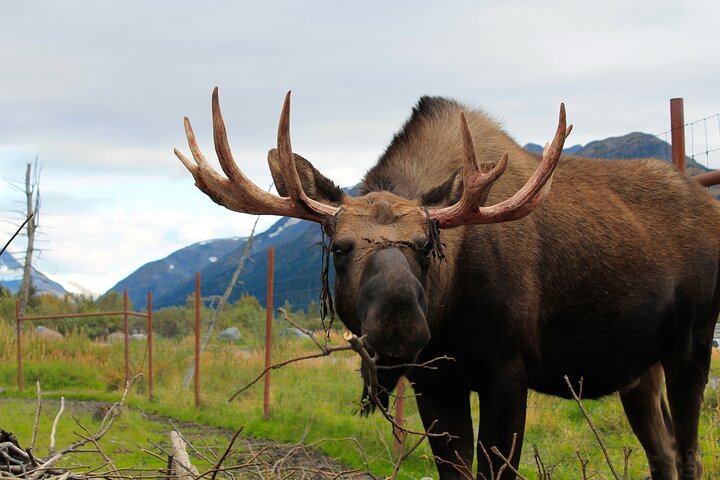
Sea otters are almost guaranteed in Resurrection Bay's kelp beds, often visible right from the harbor. Bald eagles are year-round residents and commonly seen perching near the waterfront. Harbor seals haul out on rocks throughout the bay. On Kenai Fjords boat cruises, Steller sea lions (at their rookeries), Tufted and Horned puffins, murres, kittiwakes, humpback whales, and orcas are regularly encountered. Dall's porpoises often ride the bow wave of cruise vessels. Black bears and mountain goats are sometimes visible from the Exit Glacier road. Wildlife sightings are never guaranteed, but Seward's marine environment is among the most productive in Alaska.
Exit Glacier is a National Park Service site with well-maintained, signed trails and is perfectly safe to visit independently. Visitors are permitted to walk to a roped viewing area at the base of the glacier — very close to the ice face — via a short, flat trail from the visitor center. The ice is actively retreating and calving, and NPS rangers enforce the viewing boundary for safety. The Upper Glacier Trail climbs the moraine for higher vantage points. The visitor center has free maps and trail information. There is no entrance fee for Exit Glacier specifically, though the standard Kenai Fjords NPS pass applies for some areas.
Overcast skies and light rain are common in Seward and do not significantly diminish the experience. Bay cruise operators run in most weather conditions — fog can reduce visibility but also creates a moody, atmospheric quality that many visitors find memorable. The Alaska SeaLife Center is entirely weather-independent and a strong choice for a rainy day. Exit Glacier is accessible in rain with proper waterproof gear. Heavy wind or seas may cause boat operators to modify routes or, rarely, cancel departures — operators will notify passengers and typically offer rescheduling or refunds in those cases.
Yes — Seward is a major embarkation and debarkation port for Alaska cruises, particularly for one-way Southbound sailings that end in Vancouver. Many cruise travelers arrive a day early or depart a day late to allow time for Kenai Fjords. The Seward to Anchorage transfer is a common addition: the Coastal Classic Alaska Railroad train (approximately 2.5 hours, with spectacular scenery) or a highway bus connect Seward to Anchorage, from which most travelers fly. Booking this transfer in advance is strongly recommended, especially if your flight departs the same day as disembarkation.
Unfortunately, Alaska cruise season (May–September) coincides with the period of near-continuous daylight in Alaska, which makes the Northern Lights invisible even when they are active — the sky simply never gets dark enough. To see the aurora borealis in Seward or anywhere in Alaska, a visit between late August and mid-April is necessary, ideally outside of cruise season. Some late September and early October trips to Seward can catch early-season aurora activity after darkness returns.
Seward offers excellent experiences across a wide range of physical abilities. The Small Boat Harbor and waterfront are completely flat and accessible. A bay cruise requires only the ability to board a vessel and move around on deck — seating is available throughout, and most cruise boats have indoor heated cabins. The Exit Glacier base trail is flat and paved, entirely accessible. The Upper Glacier Trail involves a steep, rocky climb and is best suited to hikers comfortable with elevation gain. The Two Lakes Trail is a gentle forest walk with modest elevation. Visitors of all fitness levels can have a full and rewarding day in Seward.
Yes, though the bay and national park are the town's primary draws. The Alaska SeaLife Center is a land-based option with 1.5 to 2 hours of engaging exhibits. Downtown Seward's 4th Avenue has independent shops, including the well-regarded Resurrection Art Coffee House Gallery, which combines a coffee shop with rotating local art exhibitions. The Seward Museum (housed in the Seward Community Library and Museum) offers history exhibits on the town, the 1964 Good Friday Earthquake that devastated Seward, and Alaska Railroad history. The harbor boardwalk and Waterfront Park are simply pleasant places to sit, watch fishing boats, and absorb the scenery without any agenda.
Two primary options connect Seward (127 miles south) to Anchorage. The Alaska Railroad's Coastal Classic train is the most scenic choice — a 4.5-hour journey through mountain passes, river valleys, and coastal terrain that is itself a highlight of any Alaska trip. Trains depart once daily in each direction during summer; book well in advance. Highway buses and shuttle services cover the same route in roughly 2.5 hours and are more affordable. Many cruise lines offer motorcoach transfers as a purchase option. The Seward Highway between the two cities is itself one of America's most scenic drives if you arrange private transportation.
Filters
Select a filter to refine results.
Tour Type
Tour Activity
 Cart
Cart
 USD
USD GBP
GBP AUD
AUD EUR
EUR CAD
CAD