



Tours in Bangkok (Hotel Guests)


Cruising to Bangkok (Hotel Guests) in a group?
Skip the crowded ship excursion bus. One dedicated planner will design a private shore experience around exactly what your group wants — coordinated from first enquiry to the moment you're back on board. More memorable, more flexible, and more affordable than you might expect. Spend less time organising, more time enjoying.
Explore Group Travel →Cruising to Bangkok (Hotel Guests)
Bangkok is one of those cities that veteran travellers keep returning to, not because they have mastered it, but because they suspect they never will. The Thai capital layers Buddhist monastery culture over a ferociously modern metropolis, produces some of the most complex and affordable cuisine on earth, and maintains a street life so dense and varied that a single neighbourhood can occupy an entire morning.
For visitors staying in Bangkok hotels — a full day ahead with no ship deadline looming until evening — the city opens up in ways that a rushed port call simply cannot accommodate. You have time to linger at Wat Pho until the midday heat sends the tour groups away, to sit at a riverside coffee shop and watch the Chao Phraya traffic, to eat lunch somewhere that has no English menu and costs next to nothing.
The city divides loosely into zones worth understanding. The old royal district around Ko Ratanakosin holds the Grand Palace, Wat Pho, and Wat Arun; Chinatown's Yaowarat Road is a world unto itself after dark but interesting even by day; the Silom and Sukhumvit corridors are the contemporary commercial city; and along the Chao Phraya river, old teak merchant houses and colonial-era structures sit alongside new museum projects reclaiming Bangkok's trading past.
The best approach for a single full day is to pick one or two anchors — a major temple, a neighbourhood market, a museum — and allow the city to fill the hours between them with its own logic. Bangkok's famous traffic can consume time with alarming efficiency, so understanding the Skytrain (BTS), Metro (MRT), and river express boat network is genuinely useful. The city is large, but its highlights are not evenly distributed, and with some planning, the best of them cluster within reach of one another.
Top things to do in Bangkok (Hotel Guests) on a cruise stopover
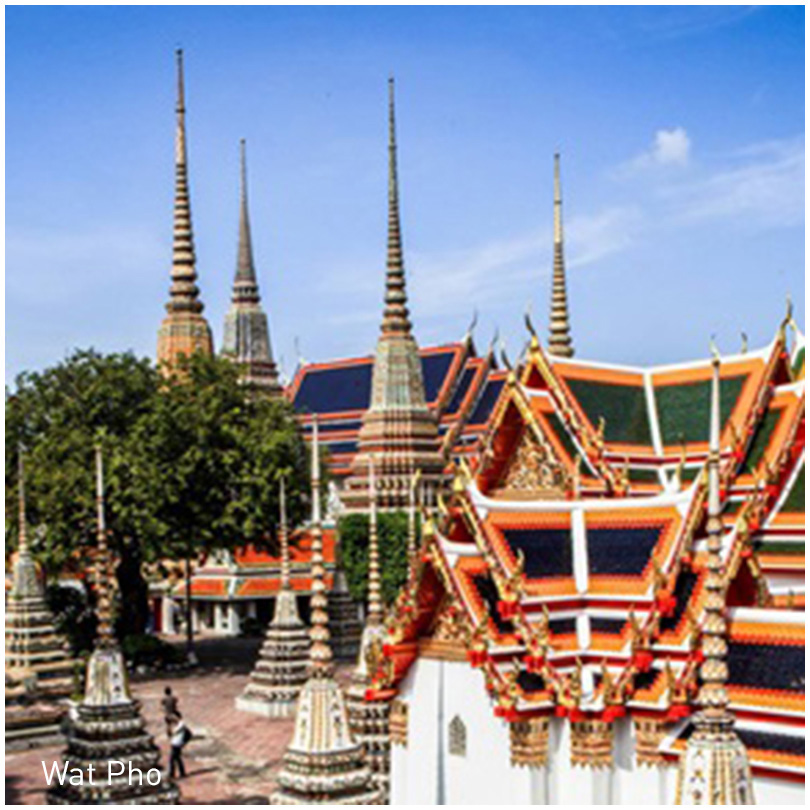
Wat Pho and the Reclining Buddha
The Temple of the Reclining Buddha predates Bangkok itself and contains Thailand's largest collection of Buddha images, accumulated over three centuries of royal patronage. The centrepiece is a 46-metre gilded Buddha in the reclining position, its feet inlaid with 108 auspicious mother-of-pearl panels. Beyond the main image hall, the compound is a dense grid of chedis, courtyards, and smaller chapels that reward slow exploration. Wat Pho is also regarded as Thailand's first public university — bronze plaques embedded throughout the temple grounds record traditional knowledge in medicine, astronomy, and literature. The temple's massage school offers genuine traditional Thai massage in open-air pavilions; booking in advance is advisable. Arrive before 8:30am on weekdays to have the interior corridors almost to yourself.
Wat Arun at the Golden Hour
The Temple of Dawn sits on the west bank of the Chao Phraya, directly across from Wat Pho. Its central prang (Khmer-style tower) rises 79 metres and is encrusted entirely in fragments of Chinese porcelain — the result of a 19th-century renovation using broken trading cargo as decorative material. The effect in raking morning or late-afternoon light is extraordinary. Access via a short cross-river ferry (5 THB, departing from Tha Tien pier) takes minutes. The temple is climbable; the steep staircases leading up the prang are original and require care, but the views over the river bend are worth it. The surrounding neighbourhood on the Thonburi side is quieter and less visited than the Ko Ratanakosin bank, with small canals and street food vendors operating at a distinctly local tempo.
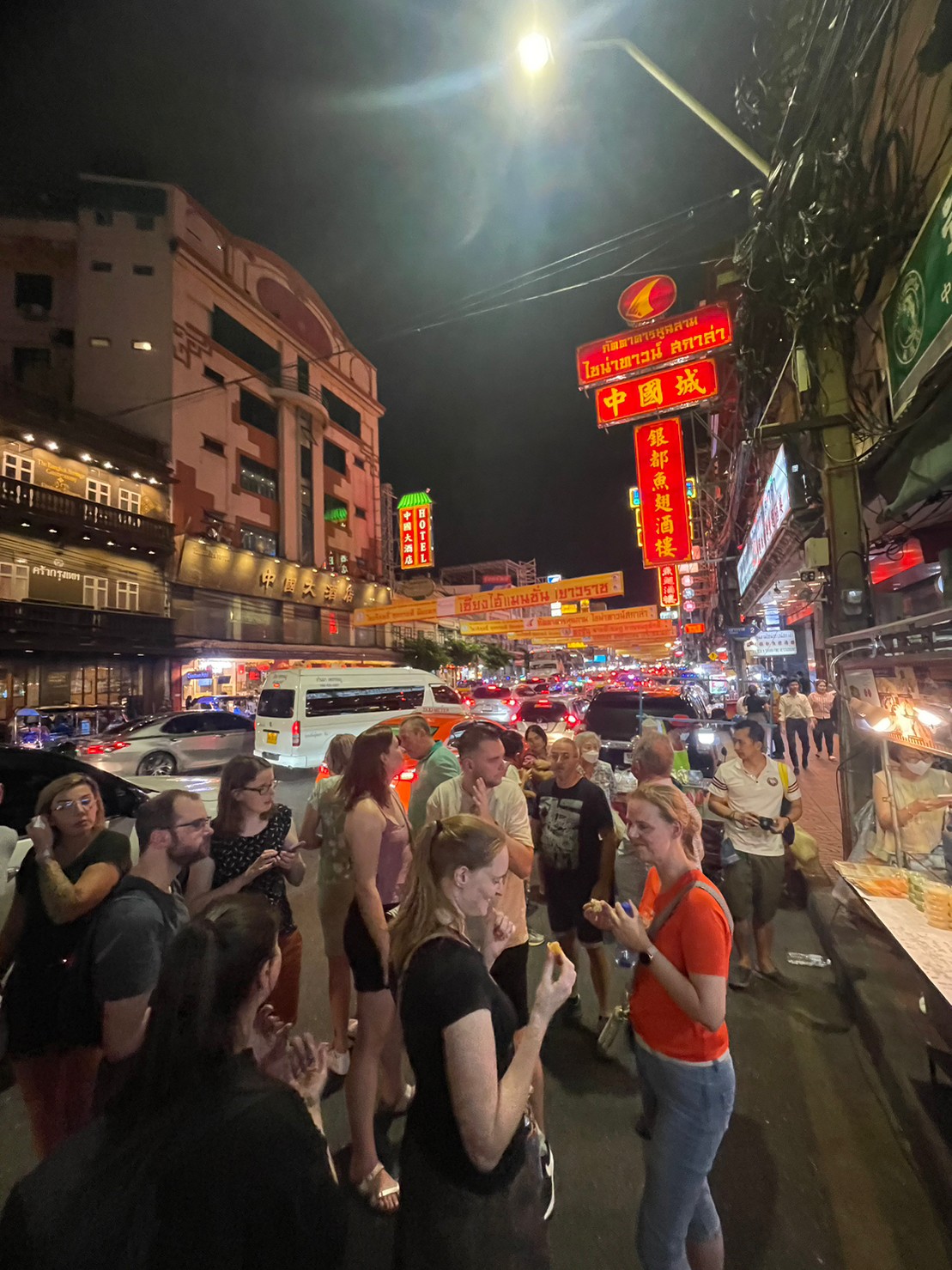
Yaowarat: Bangkok's Chinatown
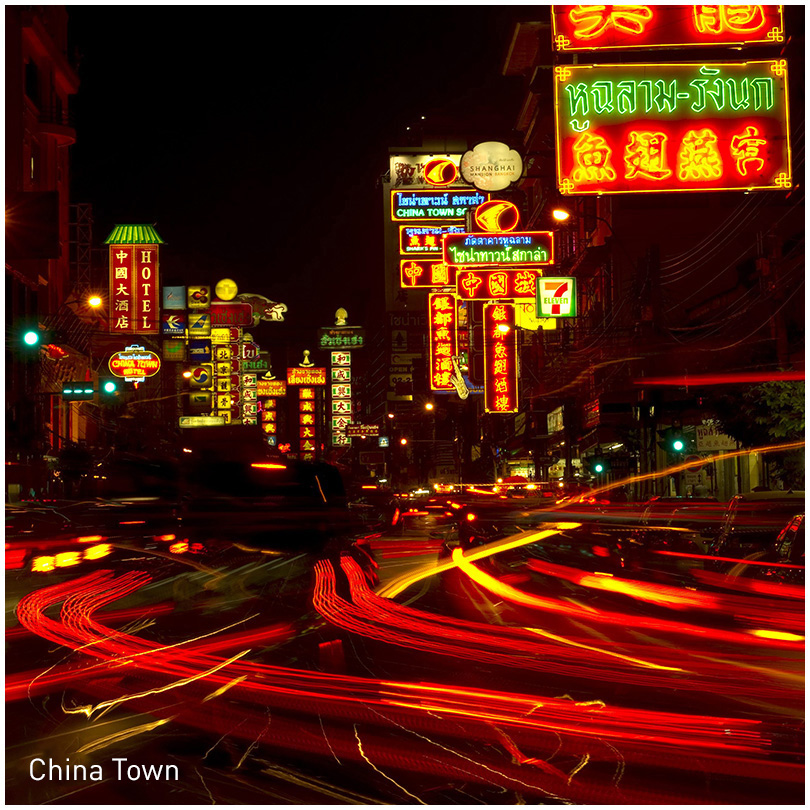
Bangkok's Chinatown district along Yaowarat Road has existed since the late 18th century, when Chinese merchants established trading houses along the Chao Phraya. The neighbourhood today layers gold shops, dried seafood merchants, herbalist dispensaries, and some of the city's finest street food — roast duck, dim sum, shark fin (alternatives readily available), and kuay jab noodles — onto streets that remain architecturally intact from the shophouse era. The area is reachable by MRT (Hua Lamphong) or river express boat (Ratchawong pier). Mornings see the wholesale commerce in action; afternoons slow down; evenings are when the neighbourhood shows its best face. The side streets off the main road, particularly around Soi Nana, have attracted small independent coffee shops and cocktail bars that coexist with century-old businesses without apparent friction.
MOCA and the Bangkok Art Scene
The Museum of Contemporary Art (MOCA) in northern Bangkok holds one of Southeast Asia's largest private collections of Thai painting and sculpture, spanning Buddhist-influenced classical works through contemporary conceptual art. The building itself — a dramatic concrete structure set in landscaped grounds — is worth visiting for the architecture. Closer to the centre, the Bangkok Art and Culture Centre (BACC) near Siam BTS station is a public institution with rotating exhibitions and a strong showing from emerging Thai artists. For commercial galleries, the RCB Galleria at River City Bangkok (accessible by river boat) aggregates antique dealers and gallery spaces in a riverside building that makes for excellent browsing. These options suit visitors whose interests extend beyond temple circuits.
Or Tor Kor Market
Or Tor Kor (OTK) is the premium fresh market adjacent to Chatuchak Weekend Market, open daily and considered by many Bangkok food professionals to be the finest fresh produce market in the country. Unlike tourist-facing markets, OTK supplies restaurants and discerning home cooks — the quality standard for tropical fruits, prepared foods, and packaged Thai condiments is exceptional. The prepared food section offers cooked dishes, sticky rice parcels, and desserts made to restaurant standards. It is accessible from Mo Chit BTS or Kamphaeng Phet MRT and pairs well with a visit to Chatuchak on weekends (the weekend market is Asia's largest, with over 8,000 stalls). OTK operates any day; the surrounding area is quieter on weekdays, making it more navigable.
The Chao Phraya Express Boat
Taking the Chao Phraya Express Boat as transport rather than as a tourist attraction is one of the more satisfying experiences Bangkok offers. Orange-flag boats run every 10–20 minutes between Nonthaburi in the north and Sathorn/Central Pier in the south, connecting the modern city to the old town and Chinatown. The journey reveals riverside Bangkok that road transport entirely misses: old teak warehouse districts, working temple grounds accessible only by water, and communities that have lived on the river for generations. Single fares range from 10 to 40 THB depending on distance. The hop-on, hop-off tourist boat (blue flag) costs more and stops at the same piers but adds commentary. The express boat, used by Bangkok residents daily, costs a fraction of the price.
Bangkok (Hotel Guests) travel tips
Dress Code for Temples Is Strictly Enforced. The Grand Palace and major temples require shoulders and knees covered — this means no sleeveless tops, no shorts, no skirts above the knee. Unlike some countries where this is loosely applied, Bangkok's royal temples have staff at the entrance who will turn you away. Sarongs are available to borrow or buy near the entrance, but in heavy tourist season the supply runs low and the process adds time. Wearing long, light linen trousers and a short-sleeved shirt solves the problem entirely and is comfortable in the heat. Shoes must be removed before entering temple buildings; sandals or slip-ons make this considerably easier than lace-up shoes.
Avoid the Grand Palace 'Closed Today' Scam. A well-established scam operates around the Grand Palace entrance: a friendly stranger (often dressed semi-officially) approaches and informs you that the palace is closed for a royal ceremony today, but offers to take you to a nearby temple or silk shop instead. The Grand Palace is almost never closed to tourists during normal hours (8am–3:30pm daily). Walk past any such approach and proceed directly to the main entrance. The same script has been running for decades and targets first-time visitors. The only genuine closures are for major state funerals, announced days in advance.
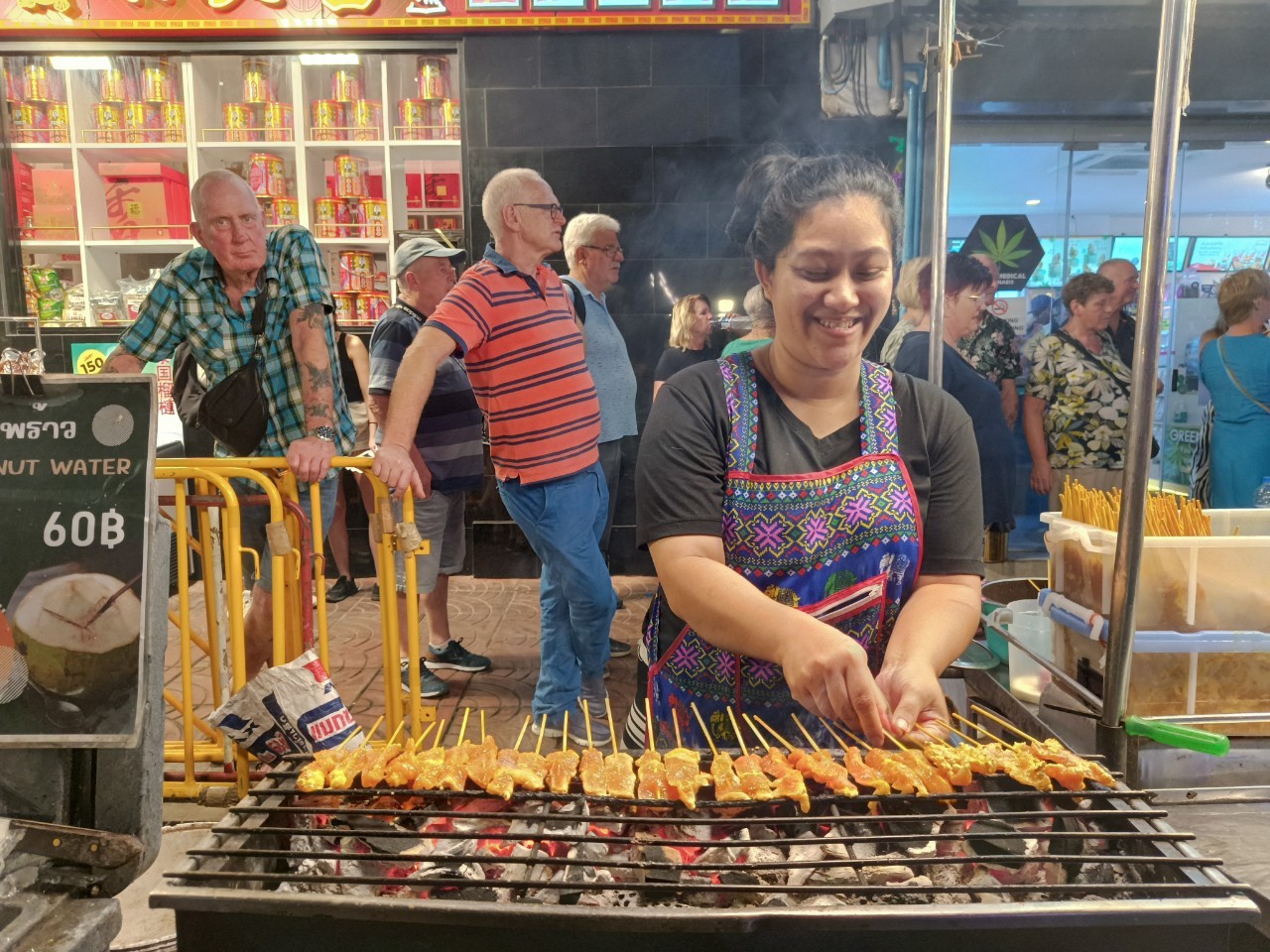
Eat Where the Menus Have Photographs, Not Where They Have English. The presence of an English menu in Bangkok often correlates inversely with the quality of the food. The city's most respected street food stalls operate with laminated Thai-language cards or no menu at all — regulars order from memory. A middle path: look for restaurants where the menu includes photographs alongside Thai text. This allows genuine ordering without requiring translation. At street stalls, pointing at the dish being prepared in the wok for another customer is universally understood. Most food hawkers around tourist areas are accustomed to this interaction and will indicate price using a calculator. Budget 60–150 THB for a substantial street meal.
The BTS and MRT Do Not Connect Everywhere — Know the Gaps. Bangkok's rail network is excellent but has coverage gaps. The BTS Skytrain covers Sukhumvit, Silom, and the shopping districts. The MRT covers Chinatown, Yaowarat, and Silom via an underground loop. Neither goes directly to the Grand Palace or Wat Pho — the nearest station (Sanam Chai MRT) puts you a 15-minute walk from Wat Pho, or take a 5-minute taxi from Hua Lamphong. The Chao Phraya Express Boat fills this gap elegantly: Central Pier (Sathorn) connects to BTS Saphan Taksin, giving rail-to-river connections. Download the Google Maps app with Bangkok offline maps before arrival — it has live BTS and MRT routing and is accurate for Bangkok transit.
Bargaining Is Appropriate in Markets, Not in Malls. Negotiating prices is expected at Chatuchak Weekend Market, floating markets, and independent street vendors selling souvenirs or clothing. The standard approach is a friendly counter-offer at roughly 60–70% of the asking price, arriving at something in between. This is a normal commercial interaction and carries no social awkwardness on either side. In contrast, bargaining in air-conditioned shops, department stores, pharmacies, or restaurants is not customary and creates discomfort. Fixed-price establishments are distinguished by price tags on items. At markets, if a vendor quotes immediately in very high English numerals, that price already accounts for negotiation.
Midday Heat Strategy: Plan Around It, Not Through It. Bangkok between 11am and 2pm in any month except December–January is genuinely punishing for outdoor activity — temperatures of 34–38°C with high humidity are typical. The experienced approach is to be at outdoor sites by 8–9am, retreat to an air-conditioned lunch venue or museum for two hours at midday, then return to outdoor exploration from 3pm as temperatures ease. Many Bangkok temples have shaded internal spaces and occasional outdoor fans, but direct sun on temple precincts takes a toll on energy and stamina. Carrying a small water bottle (refillable at most hotel lobbies) and wearing a hat for outdoor temple visits are not optional courtesies — they meaningfully affect how you feel by mid-afternoon.
Port Facts Every Cruiser Needs To Know
Bangkok (Hotel Guests) shore excursion FAQs
Tap water in Bangkok is treated to potable standards by municipal services but is not recommended for drinking due to aging pipe infrastructure in some areas. Bottled water is inexpensive (10–15 THB for 1.5 litres at 7-Eleven, which are on nearly every block) and universally available. Ice in reputable restaurants is made from filtered water and is generally safe; street-stall ice is typically sourced from commercial ice factories and is also considered safe by most residents and long-term visitors. Brushing teeth with tap water is fine.
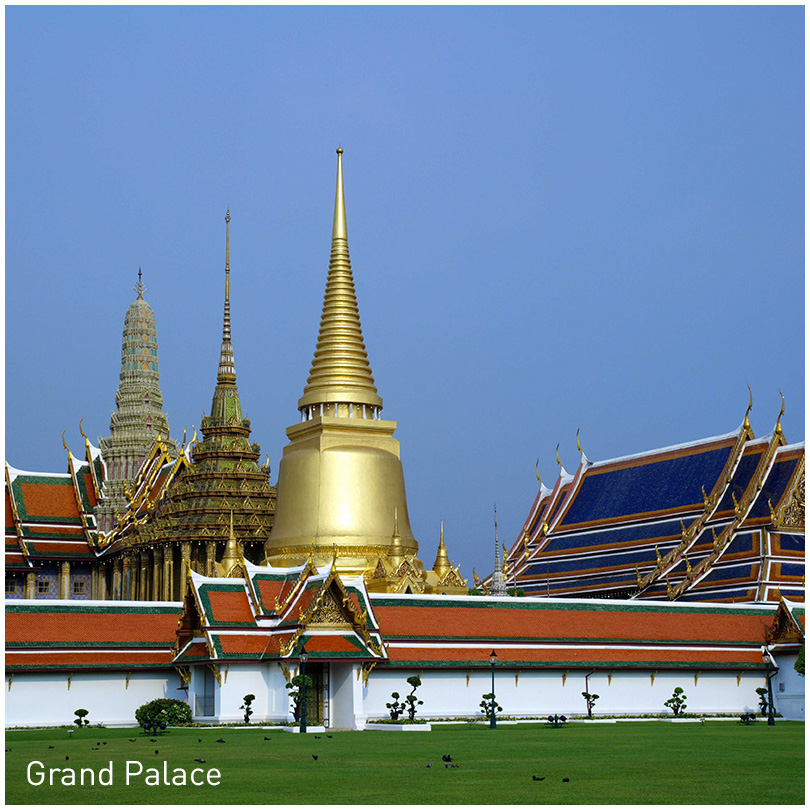
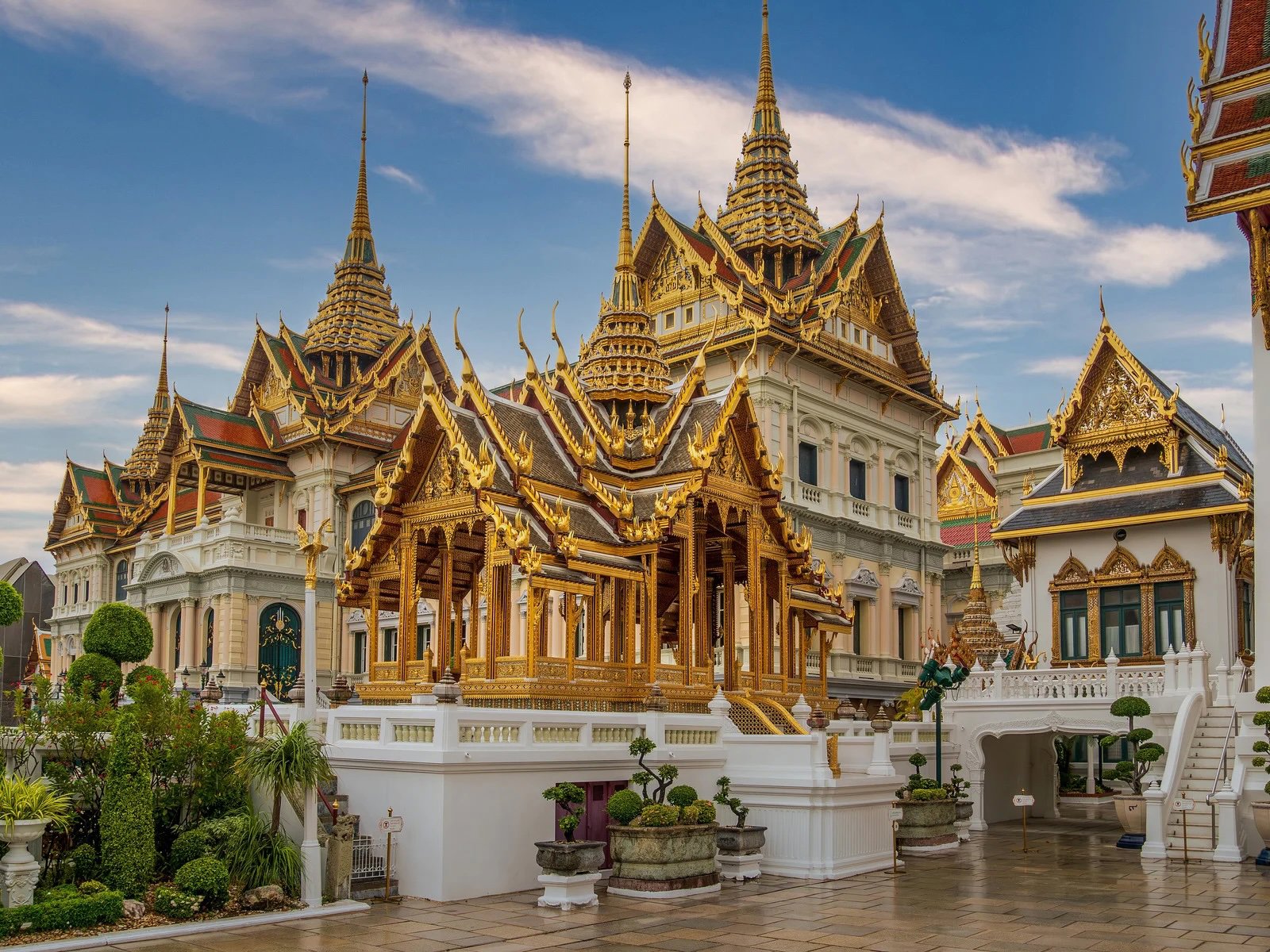
As of 2025, the Grand Palace does not require advance booking for individual visitors — tickets are purchased at the entrance. However, queues at the main ticket gate can be significant during peak season (November–February) and on Thai public holidays. Arriving at opening time (8am) reduces wait substantially. The entrance fee is 500 THB per person and includes entry to the adjacent Wat Phra Kaew (Temple of the Emerald Buddha). Group tours and large cruise-ship parties sometimes pre-book timed access through tour operators, which can create bottlenecks; independent visitors purchasing tickets on arrival often move through more smoothly.
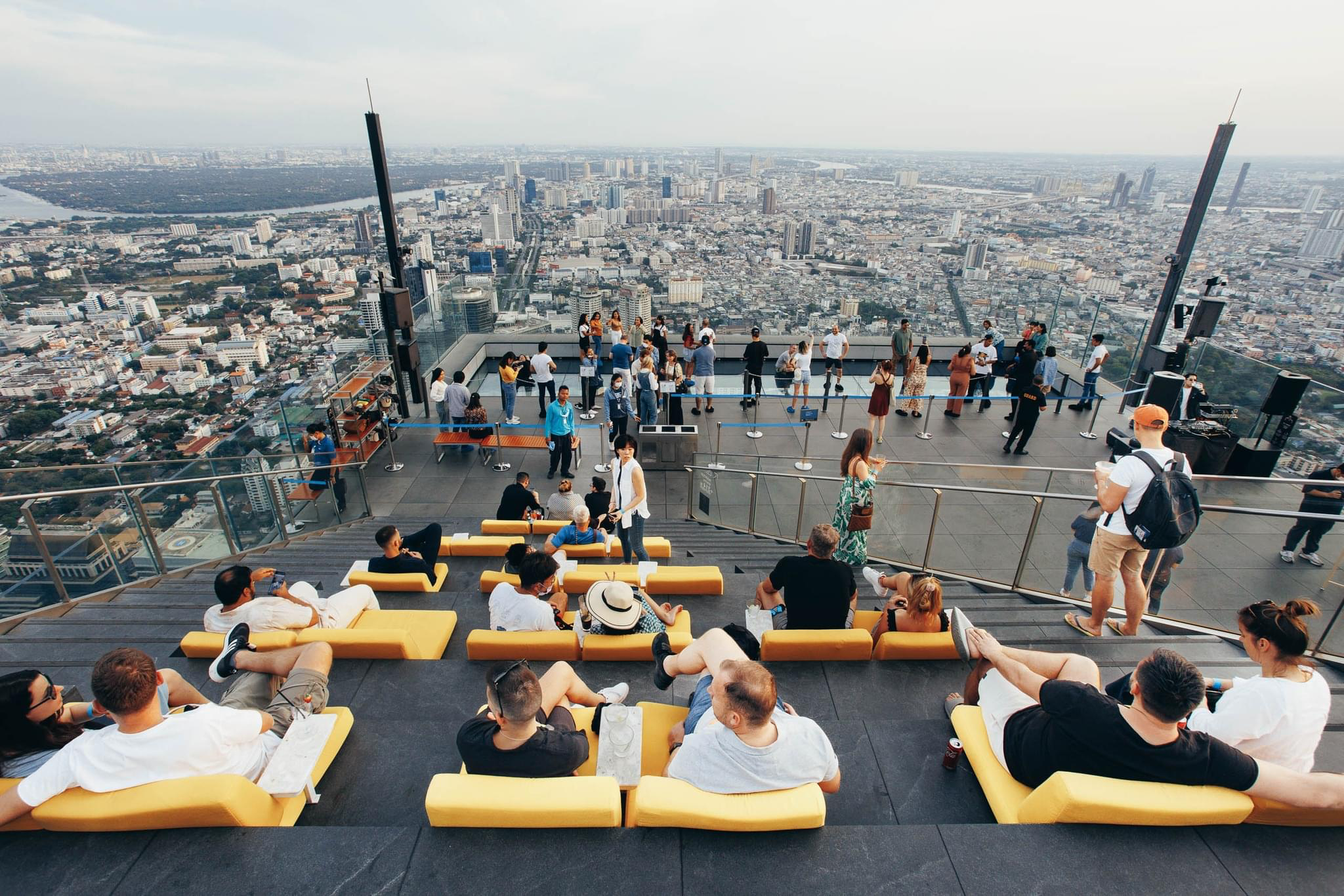
Bangkok is very affordable by any international standard. A realistic daily budget for a visitor eating well (street food and one sit-down restaurant meal), using public transport, and entering two or three paid attractions: 1,500–2,500 THB (approximately €40–65 / £35–55). Broken down: Grand Palace entrance 500 THB; transport 100–200 THB on BTS/MRT/boats; street food lunch 150–200 THB; coffee and snacks 100–200 THB; one dinner at a mid-range restaurant 400–700 THB. Shopping, spa visits, or cocktail bars at rooftop venues will add to this. ATMs dispense cash in multiples of 100 THB.
The most efficient route depends on your hotel location. From Silom/Sathorn hotels: take the BTS to Saphan Taksin, then the Chao Phraya Express Boat north to Tha Chang pier (pier N9), which deposits you a 5-minute walk from the Grand Palace. From Sukhumvit hotels: take the BTS to Asok, transfer to MRT, ride to Sanam Chai station (opened 2019), walk 15 minutes or take a short taxi to the palace. From Sukhumvit/Silom by taxi: budget 40–80 THB by meter, but allow 30–45 minutes for traffic. The river boat route is usually faster than road and considerably more pleasant.
Tuk-tuks are genuinely useful for short journeys within the same neighbourhood — say, from Wat Pho to a nearby restaurant, or across Chinatown. For longer distances, they are slower and more expensive than metered taxis or Grab, and the open-air design means absorbing full traffic fumes. Always agree on the price before getting in; for most tourist-area journeys, 80–150 THB is a reasonable fare. Be sceptical of any tuk-tuk driver who offers a very low fare and suggests stopping at a 'special' shop along the way — this is a commission-based diversion scheme. For serious cross-city travel, Grab or MRT/BTS is faster and priced transparently.
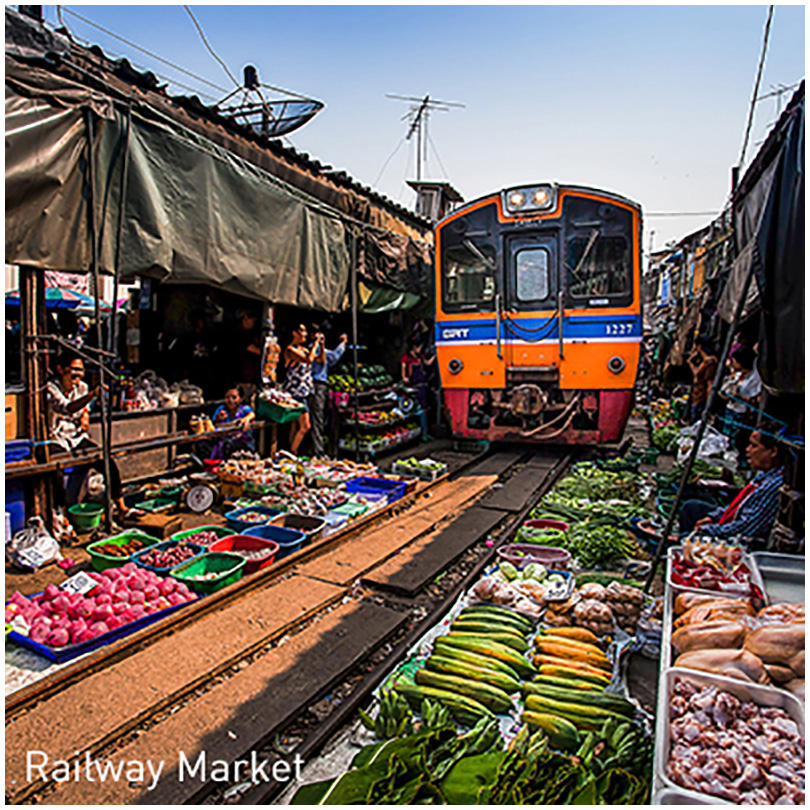
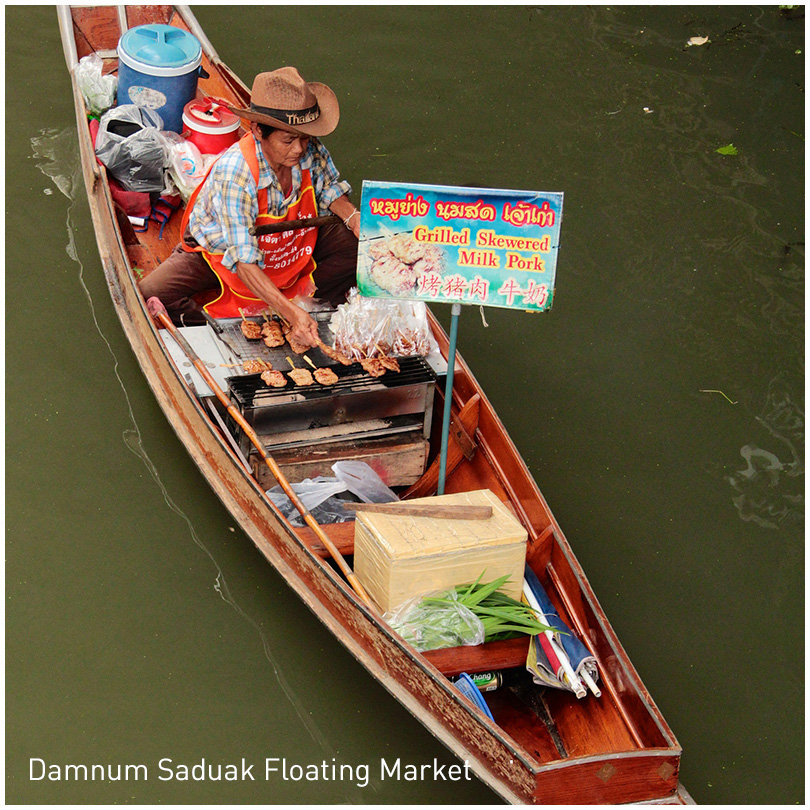
The famous Damnoen Saduak floating market is 100km from central Bangkok — a 90-minute drive each way, which consumes most of a day and yields a heavily commercialised experience designed primarily for photograph opportunities rather than actual commerce. A better option closer to the city is Taling Chan Floating Market (Saturdays and Sundays only, 8am–4pm), accessible by taxi in 20–30 minutes from central Bangkok. It operates at a genuinely local pace with fresh seafood cooked on boats, produce sellers, and Thai desserts. Alternatively, Khlong Lat Mayom (weekends) on the west bank of the river is similarly authentic. None of these require advance booking.
Chatuchak (also written JJ Market) operates Saturdays and Sundays from approximately 9am to 6pm, with the plant and antique sections open Fridays. It is directly accessible by BTS (Mo Chit station) and MRT (Chatuchak Park or Kamphaeng Phet stations). The market has over 8,000 stalls and covers 35 acres — navigating it without a map is disorienting. Section maps are available at the entrances and on the official Chatuchak Market app. Antiques and art are concentrated in Section 1; clothing and accessories in Sections 2–6; food throughout. Come before 11am to avoid the worst of the heat and crowds. The adjacent Or Tor Kor fresh market is open daily and worth combining.
Bangkok presents real challenges for mobility-limited visitors. BTS Skytrain stations have lifts at most major stops, but some older stations do not. MRT stations are generally lift-equipped. Temple precincts are often uneven stone or tile with steps into buildings; Wat Pho is more accessible than the Grand Palace compound, which has significant level changes. The Chao Phraya Express Boat requires stepping across a variable-height gap between the pier and boat (staff assist, but it requires some agility). Taxis and Grab cars are at ground level. For visitors using wheelchairs, contacting the hotel concierge for current accessibility information at specific sites is advisable, as conditions vary by maintenance and recent renovation.
Bangkok is the best city in Thailand to eat a wide range of regional Thai cuisines, not just Central Thai dishes. Specific recommendations: pad see ew (wide noodles with egg and Chinese broccoli) from a wok-fire street vendor; boat noodles (kuay tiao ruea) — small bowls of intensely flavoured broth, eaten in multiples; khao man gai (poached chicken on rice with clear broth and ginger sauce) for a delicate midday meal; som tam (green papaya salad) from Isan-style vendors in markets; and mango sticky rice for dessert, best when mango is in season (April–June). For a sit-down experience, Chinatown's roast duck vendors and dim sum shops operate from early morning. Jay Fai (Michelin-starred street food, book ahead) is famous for its crab omelette — an experience rather than a casual meal.
Bangkok is generally safe for tourists by any regional standard, and petty crime is less common than in many comparable cities. The areas most relevant to tourists — Ko Ratanakosin, Silom, Sukhumvit, Chinatown — are all considered safe during the day and evening. Patpong (the entertainment district in Silom) and Nana Plaza (Sukhumvit Soi 4) are red-light districts that are safe to walk through but involve persistent solicitation; visitors uncomfortable with this may prefer to route around them. The areas around Khao San Road attract a younger backpacker demographic and are safe but can be noisy. Standard precautions — keeping phones in pockets in crowded markets, using authorised taxis or Grab rather than unmarked cars — apply as in any major city.
Filters
Select a filter to refine results.
Tour Type
Tour Activity
 Cart
Cart
 USD
USD GBP
GBP AUD
AUD EUR
EUR CAD
CAD