



Tours in Colombo


Cruising to Colombo in a group?
Skip the crowded ship excursion bus. One dedicated planner will design a private shore experience around exactly what your group wants — coordinated from first enquiry to the moment you're back on board. More memorable, more flexible, and more affordable than you might expect. Spend less time organising, more time enjoying.
Explore Group Travel →Cruising to Colombo
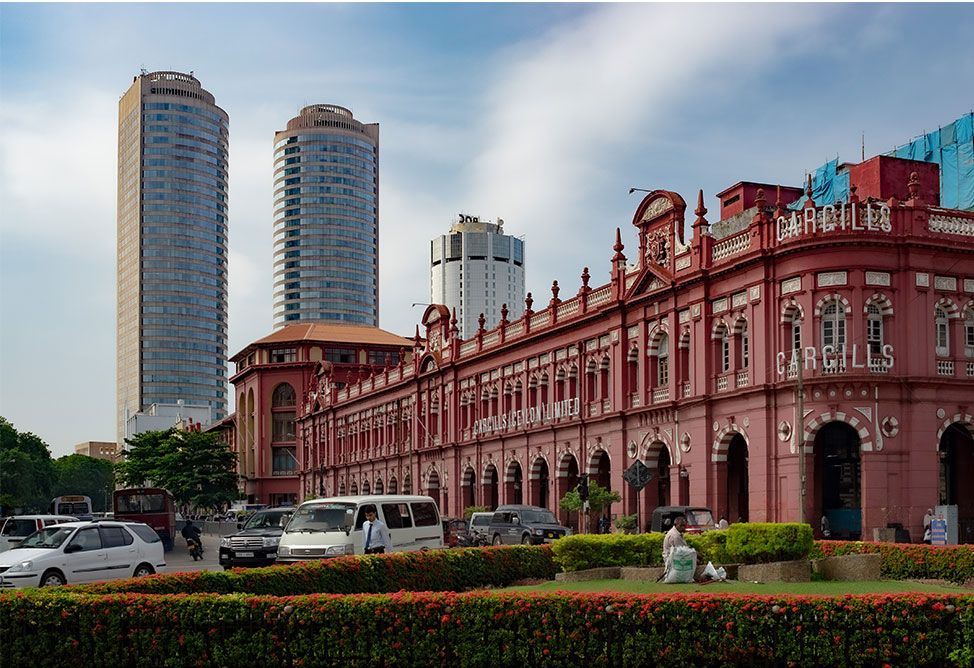
Colombo sits on the southwest coast of Sri Lanka like a palimpsest — layer after layer of history pressed into one sprawling, energetic city. The Portuguese arrived in 1505, the Dutch followed, then the British, and each left their architectural mark on what is now a capital of about 750,000 people that spills into a greater metropolitan area of several million. The old fort district, with its red-brick colonial buildings and broad avenues named after 19th-century governors, gives way almost without warning to Pettah's labyrinthine market streets, where traders sell everything from dried chillies to mobile phones in the space of a single block.
The city's religious landscape is equally layered. The Gangaramaya Temple, founded in the late 19th century, has grown into a complex of halls crammed with devotional objects donated by the faithful from across Asia — jade Buddhas, antique automobiles, elephant statues, ivory tusks — creating an atmosphere somewhere between a museum and an active place of worship. Nearby, the Seema Malaka Meditation Centre floats on Beira Lake, its gilded rooftops reflected in water where herons stand motionless at the edges. Hindu kovils painted in vivid sculpted towers punctuate the Muslim neighbourhoods of Pettah, making Colombo one of South Asia's more quietly pluralistic cities.
For cruise travellers with limited hours ashore, Colombo itself offers enough to fill a full day: the fort district and its lighthouse, the National Museum's remarkable collection of Kandyan regalia, the indie boutiques and rooftop restaurants of Colombo 7, and the long sweep of Galle Face Green where kite-sellers and snack vendors congregate at the sea's edge. Those willing to move efficiently can extend their reach to Kandy — roughly three hours by road — to see the Temple of the Tooth Relic and the Royal Botanical Gardens at Peradeniya.
The city's food scene reflects its trading history: rice-and-curry lunches at neighbourhood spots where the curries arrive in small clay pots, short-eats (Sri Lankan snacks) from bakery counters, and a growing number of chef-led restaurants interpreting local ingredients through a contemporary lens. Coconut milk, dried Maldive fish, pandan leaf, and black pepper appear in combinations that reward the curious palate. The best meals in Colombo are rarely the most expensive ones.
Top things to do in Colombo on a cruise stopover
Gangaramaya Temple Complex
Founded in the 1880s, Gangaramaya has expanded over 140 years into one of Sri Lanka's most significant urban temples — and one of its most visually extraordinary. The complex includes a library, a museum, a relic house, and a series of interconnected halls where devotional objects accumulated from donors across Buddhist Asia fill every surface. The juxtaposition of ornate tradition and collected curiosity gives Gangaramaya a character quite unlike the more formal temples up-country. Early morning visits, when monks conduct puja and the crowds are sparse, offer a more contemplative experience than the busy midday hours.
Pettah Market District
Colombo's oldest commercial neighbourhood operates on a logic of specialisation — one street sells only fabrics, another hardware, another dried spices whose aromas drift across the intersection. Pettah is not a curated market experience; it is a working district where the city's retail trade has been conducted for centuries, and walking through it offers more unfiltered contact with Colombo's daily life than any museum. The Jami Ul-Alfar Mosque, its red-and-white striped facade rising above the market stalls, is one of the city's most photographed buildings and worth seeking out for both architecture and atmosphere.
Galle Face Green & the Seafront
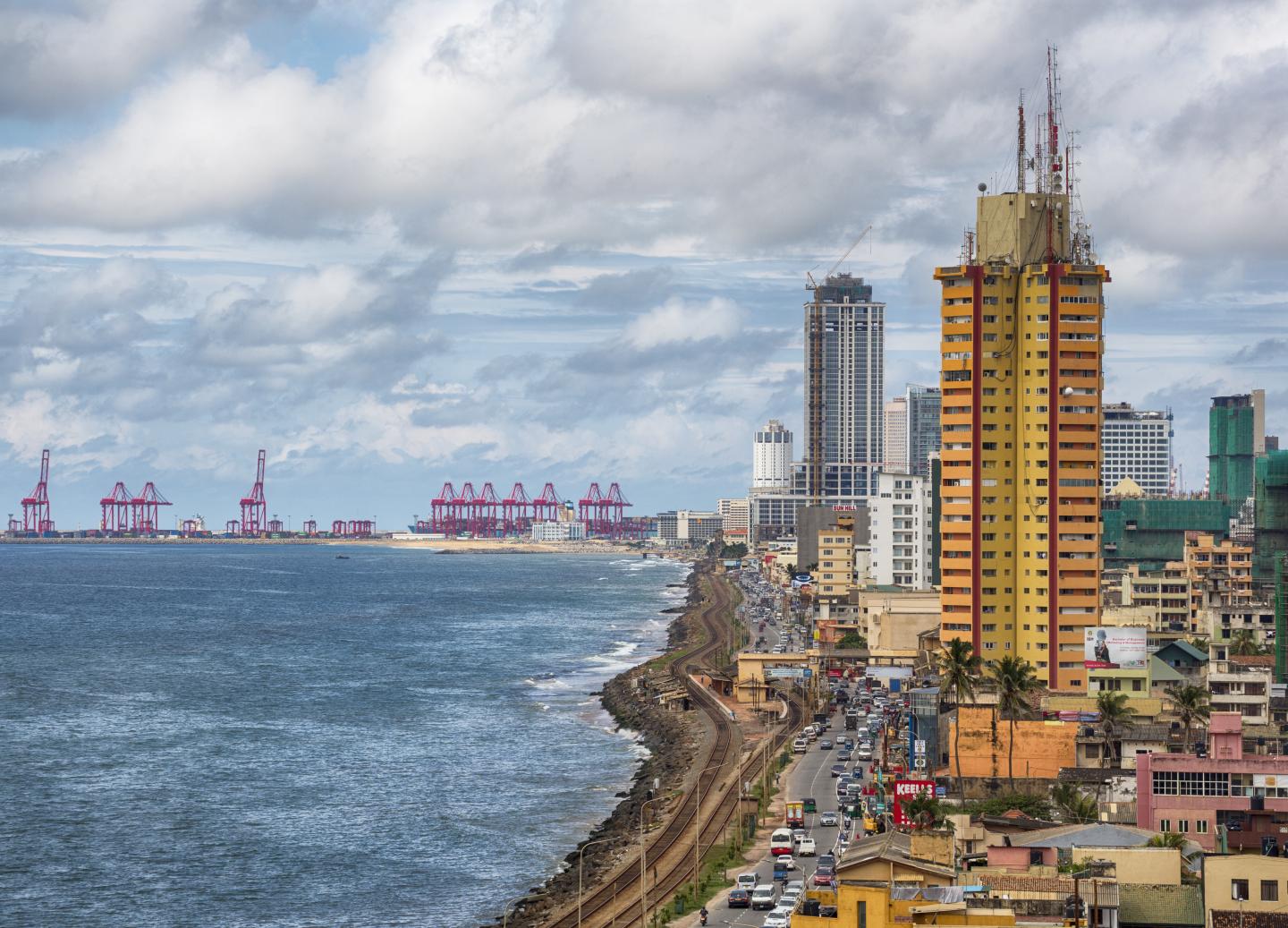
The long seafront promenade south of the Fort district has served as Colombo's communal outdoor living room since the colonial era. In the late afternoon, kite sellers and families gather along the green, and the vendors selling isso wade (prawn rolls) and other Sri Lankan street snacks set up their carts facing the ocean. The Galle Face Hotel, a grand colonial-era property at the promenade's southern end, is worth visiting for a drink on its ocean-facing verandah even for non-guests — a reminder of the city's position as one of the Indian Ocean's great port stops.
National Museum of Colombo
The National Museum, housed in a stately white colonial building in Cinnamon Gardens, holds Sri Lanka's most important collection of historical artefacts — royal regalia from the Kandyan Kingdom, ancient sculptural works, and a natural history collection assembled over more than a century. The Kandyan throne, the lion flag of the last king, and the ceremonial objects of the island's royal courts provide context for the culture of the up-country regions that many travellers subsequently visit. The museum grounds, surrounded by mature trees, offer a respite from the city's traffic.
The Fort District & Dutch Hospital
Colombo's Fort district takes its name from the Portuguese and Dutch fortifications that once stood here, though the structures visible today are largely British-era commercial and administrative buildings. The Dutch Hospital — a 17th-century VOC building that has been converted into a precinct of restaurants and boutiques — offers a well-preserved example of colonial-period architecture and a convenient spot for lunch or coffee. The nearby Lighthouse Clock Tower and the President's House (viewable from the street) anchor a walkable historical circuit.
Pinnawala Elephant Orphanage: Sri Lanka's Most Celebrated Wildlife Sanctuary
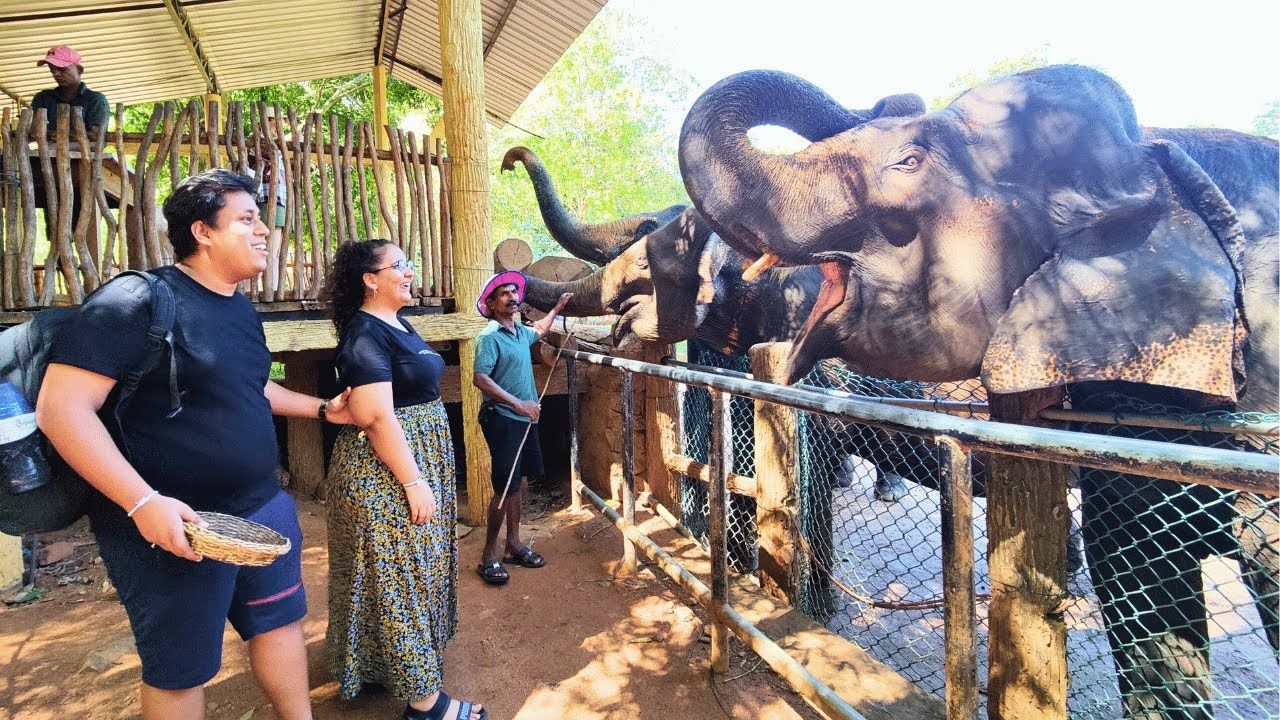
Established in 1975, the Pinnawala Elephant Orphanage is the world's largest captive elephant herd — more than 90 elephants spanning multiple generations, many of which were rescued as orphaned calves or injured wild animals. The orphanage sits 90 kilometres north-east of Colombo in a valley beside the Maha Oya River, where twice daily the herd is walked to the riverbank to bathe — the most photographed event in Sri Lankan wildlife tourism. The journey from Colombo takes approximately two hours by road, making it a viable full-day excursion from Colombo port with an early start. The facility is run by the Sri Lankan government and has a conservation mandate alongside its public access. Calves in the nursery are bottle-fed at set times. The surrounding village of Pinnawala has developed around the orphanage with craft shops and restaurants, but the river-bathing is the draw. Morning arrivals (before 10am) experience the full bath with fewer visitors.
Colombo travel tips
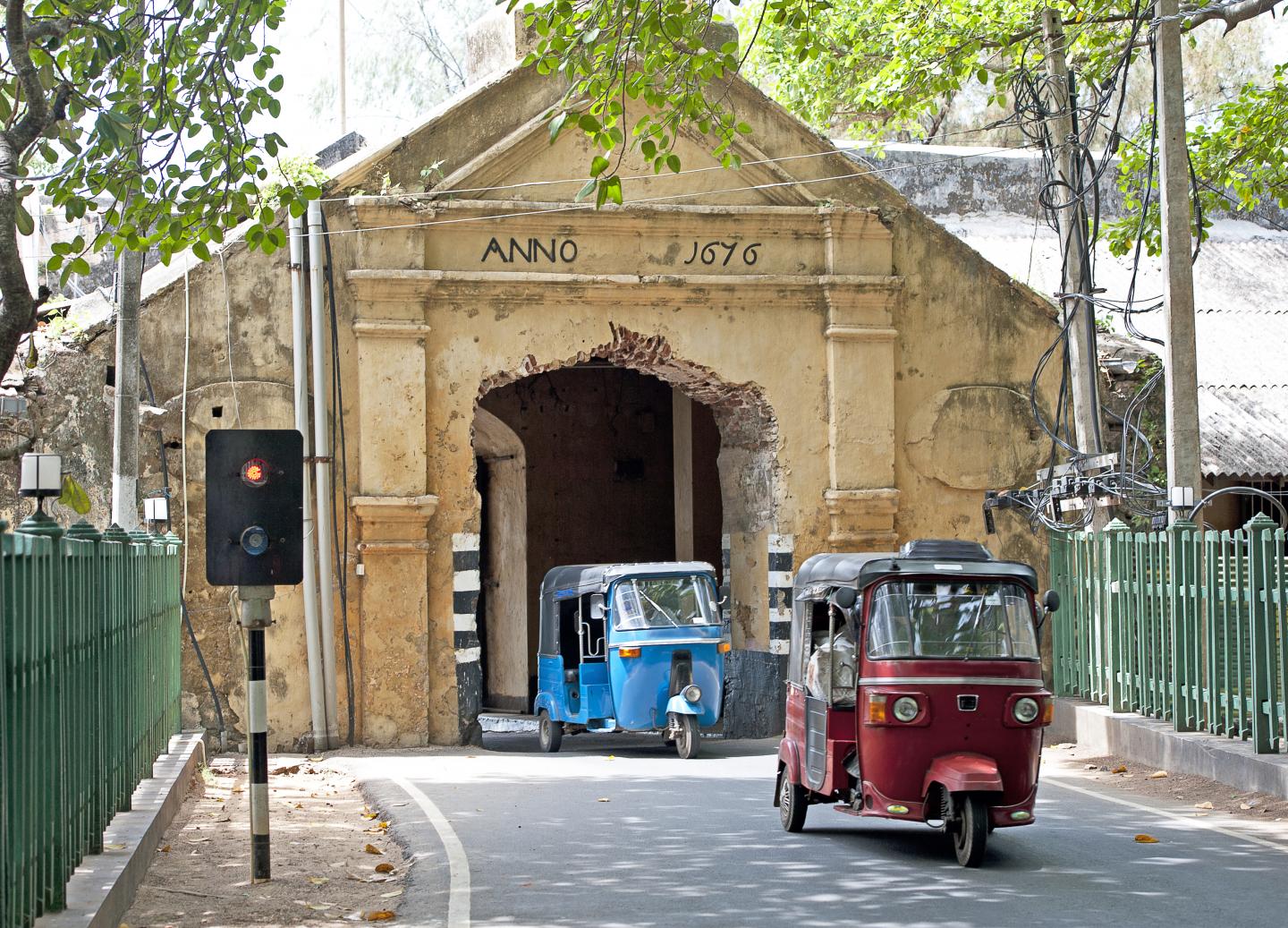
Colombo's Layered Colonial History: Portuguese, Dutch, and British. Sri Lanka's capital accumulated three successive colonial presences, each leaving distinct architectural and cultural traces. The Portuguese arrived in the 16th century; the Dutch East India Company took over in 1640 and left behind the Groote Kerk and the grid layout of the Pettah market district; the British colonial era (1796–1948) produced the Galle Face Hotel, the Colombo Fort district, and the broad National Museum. Walking between these layers — from the Dutch-era fort to the Victorian-era public buildings to the vibrant Pettah bazaar — tells the story of a city shaped by trade and empire in a way that few other South Asian capitals can match.
Dress for Temple Visits. Gangaramaya and other temples require shoulders and knees to be covered. Carry a light scarf or sarong in your bag — they double as sun protection on Galle Face Green. Shoes must be removed at temple entrances; slip-on footwear makes this considerably easier.
Eat at a Rice-and-Curry Lunch Counter. Colombo's midday rice-and-curry meals, served at neighbourhood restaurants where curries arrive in small dishes around a central mound of rice, represent some of the most flavourful and affordable food in South Asia. Ask locally for the nearest 'local rice and curry' spot rather than eating at tourist-facing restaurants — the food is better and the price is a fraction.
Kandy Trips Require Realistic Time Planning. Kandy is 115 km from Colombo — roughly 3 hours each way by road, longer if traffic is heavy. This excursion is only viable with at least 10 hours ashore and an early ship arrival. If your port time is shorter, consider focusing on Colombo's own sights rather than spending most of the day in transit.
Bargain Respectfully in Markets. In Pettah and at craft stalls, prices are rarely fixed and initial quotes may be substantially higher than the final price. Calm, friendly negotiation is the norm — starting at roughly half the asking price and settling somewhere in between is customary. Aggressive or dismissive bargaining is counterproductive and unnecessary.
Watch for Traffic During Peak Hours. Colombo's road network can slow significantly between 07:30–09:30 and 16:30–19:00. If your ship departs in the late afternoon, plan to begin returning to the port no later than 90 minutes before all-aboard time. The port's embarkation process itself can take 20–30 minutes.
Port Facts Every Cruiser Needs To Know
Colombo shore excursion FAQs
The Colombo Port (Bandaranaike Quay) is located in the Fort district, approximately 3–5 km from most of the city's main attractions. Taxis via the PickMe or Uber app typically take 10–20 minutes to reach the Fort district, Pettah, or Cinnamon Gardens, depending on traffic. Tuk-tuks are available at the port gate for short distances. Most major sights are within a 25-minute taxi ride.
Colombo is generally safe for independent travellers during daylight hours. The Fort district, Pettah, Cinnamon Gardens, and the Galle Face seafront are all areas where tourists walk freely. Standard precautions apply: keep valuables secure in crowds, be aware of your surroundings in busy market areas, and stay on main streets. The city is not considered high-risk by major travel advisory bodies.
Kandy (Temple of the Tooth Relic, Botanical Gardens) is around 115 km from Colombo — roughly 3 hours each way by road. This is feasible only with at least 10 hours ashore and a pre-arranged private driver. Sigiriya Rock Fortress is approximately 170 km away (4+ hours each way) and is not practical as a day trip for cruise passengers. If your port time allows for Kandy, book a driver in advance and depart as soon as the port clears — do not attempt this trip without significant time buffer.
The Sri Lankan Rupee (LKR) is the local currency. ATMs in the Fort district and Cinnamon Gardens accept international cards reliably. Licensed money changers in Pettah offer competitive rates for EUR, GBP, USD, and other major currencies. Credit cards are accepted at hotels, the Dutch Hospital precinct's restaurants, and larger shops. Carry some cash for tuk-tuks, local eateries, and market stalls.
Sri Lankan cuisine is built on rice and coconut milk-based curries — fish, chicken, dhal, and vegetable preparations arrive in small dishes alongside rice for a midday meal that is both inexpensive and deeply flavourful. Short-eats (local snacks including isso wade/prawn rolls, cutlets, and pastries) are available at bakery counters citywide. Hoppers — bowl-shaped rice-flour pancakes served plain or with egg — are a breakfast staple. For a more formal meal, the Dutch Hospital precinct's restaurants offer Sri Lankan cooking with a contemporary approach.
Yes. English has been one of Sri Lanka's official languages and a language of education and commerce since the colonial era. In Colombo specifically, hotel staff, restaurant workers, taxi drivers using apps, and shopkeepers in tourist areas all typically speak serviceable to fluent English. Signage in the Fort district and most tourist areas is in English as well as Sinhala. Communication for most visitor purposes is straightforward.
Light, breathable clothing is practical given Colombo's tropical heat and humidity year-round. Carry a scarf or sarong for temple visits, where shoulders and knees must be covered. Comfortable walking shoes are advisable for Pettah's uneven pavements. Slip-on shoes are convenient for temples where footwear is removed at the entrance. Sunscreen and a hat are useful for time on Galle Face Green.
Colombo has strong options for quality Sri Lankan crafts. The Cinnamon Gardens area (Colombo 7) has independent boutiques selling handloom textiles, contemporary Sri Lankan fashion, lacquerwork, and silver jewellery. The government-run Laksala stores carry a range of traditional crafts at fixed, fair prices. Pettah's fabric district offers good-value cloth if you know what you're looking for. Avoid heavily touristed souvenir spots near the port where quality is variable and prices inflated.
Colombo itself requires no advance booking for independent exploration — the main sights are walk-in or have simple entry fees payable at the door. For Kandy, advance booking of a private driver is strongly recommended to secure a reliable vehicle and ensure you have a return plan built around your ship's schedule. The National Museum and Gangaramaya Temple can be visited without reservations. Some restaurants in the Dutch Hospital precinct benefit from a reservation for lunch.
Entry fees apply at most formal attractions. The National Museum charges a modest fee with a separate rate for foreign visitors. Gangaramaya Temple has a small entry contribution. The Seema Malaka Meditation Centre is free to enter. Galle Face Green is a public space with no charge. The Dutch Hospital precinct is free to walk through. Overall, a day of sightseeing in Colombo is inexpensive compared with most Asian cruise ports — budget the equivalent of USD 15–25 per person for admission costs, more if including lunch.
Filters
Select a filter to refine results.
Tour Type
Tour Activity
 Cart
Cart
 USD
USD GBP
GBP AUD
AUD EUR
EUR CAD
CAD