



Tours in Goa (Mormugao)


Cruising to Goa (Mormugao) in a group?
Skip the crowded ship excursion bus. One dedicated planner will design a private shore experience around exactly what your group wants — coordinated from first enquiry to the moment you're back on board. More memorable, more flexible, and more affordable than you might expect. Spend less time organising, more time enjoying.
Explore Group Travel →Cruising to Goa (Mormugao)
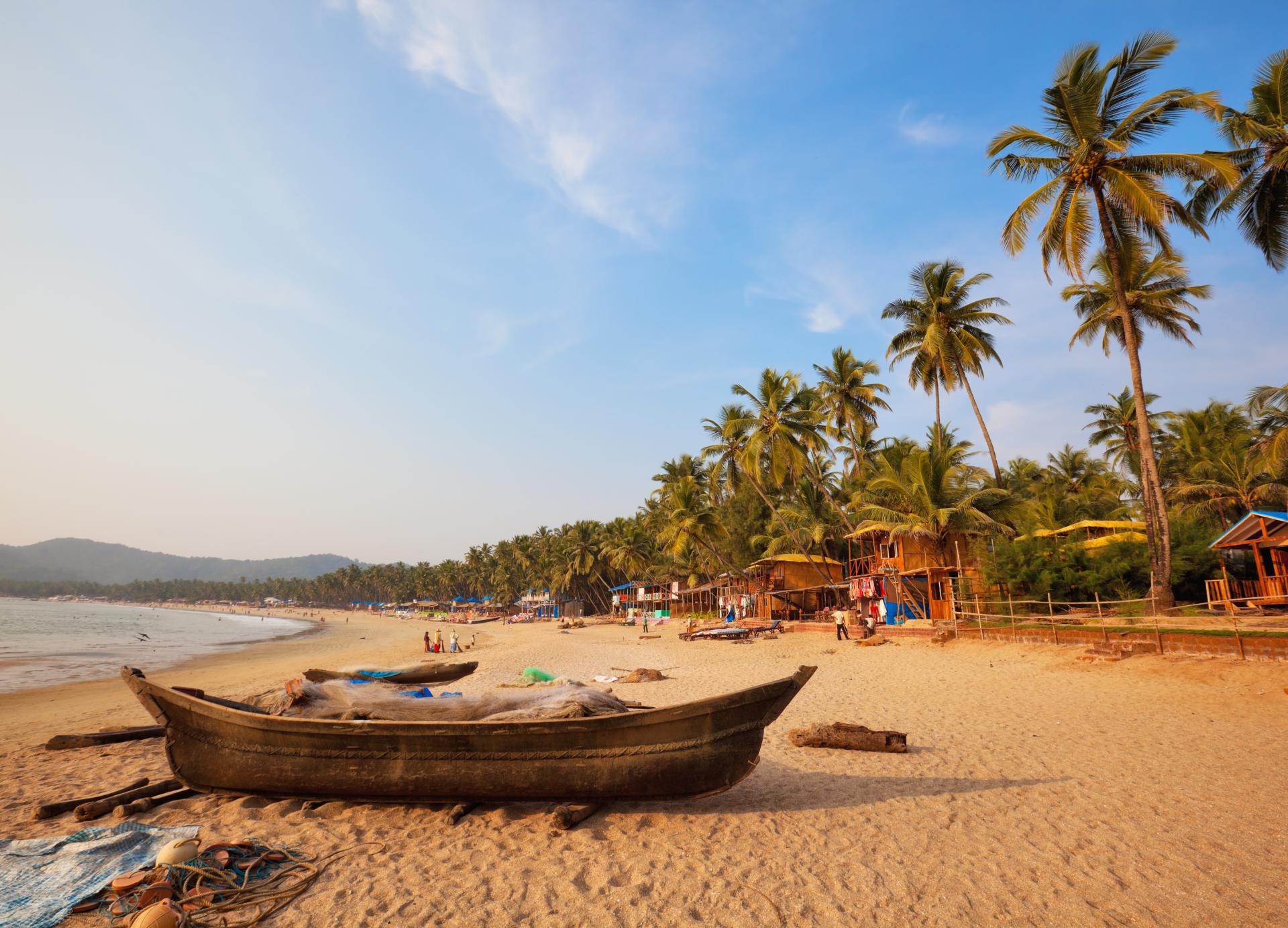
Goa occupies a specific and complicated place in the imagination. For many, it registers primarily as a beach destination — and the beaches are real, the Arabian Sea genuinely warm, the light in the late afternoon genuinely extraordinary. But arriving by sea at Mormugao, the great natural harbour that made this territory worth four and a half centuries of Portuguese administration, opens into something richer: a place where the cooking is neither quite Indian nor quite European, where the architecture moves between whitewashed Baroque and tropical vernacular without apparent contradiction, and where the rhythms of daily life retain a particular relaxed confidence that distinguishes Goa from every other Indian state.
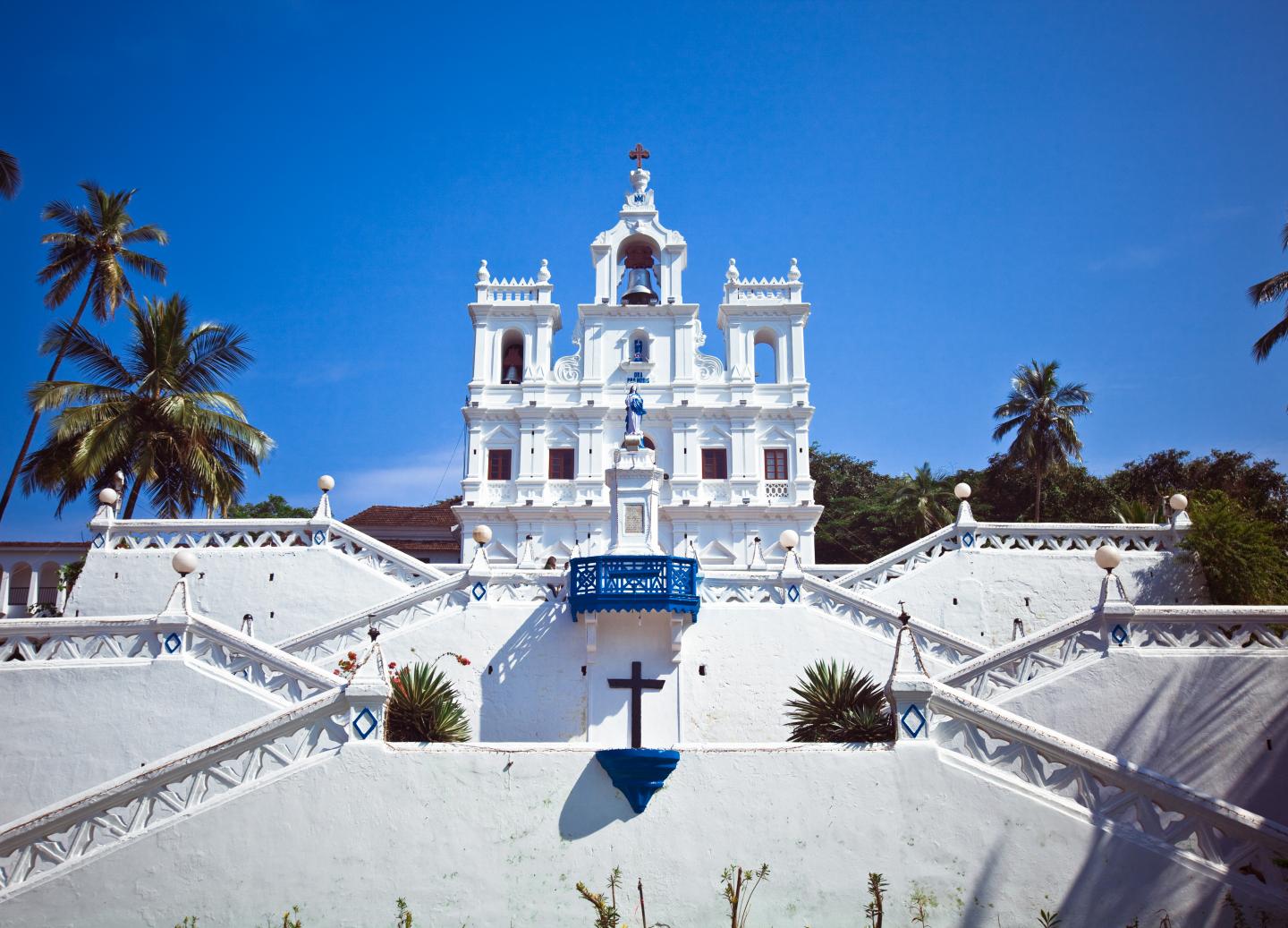
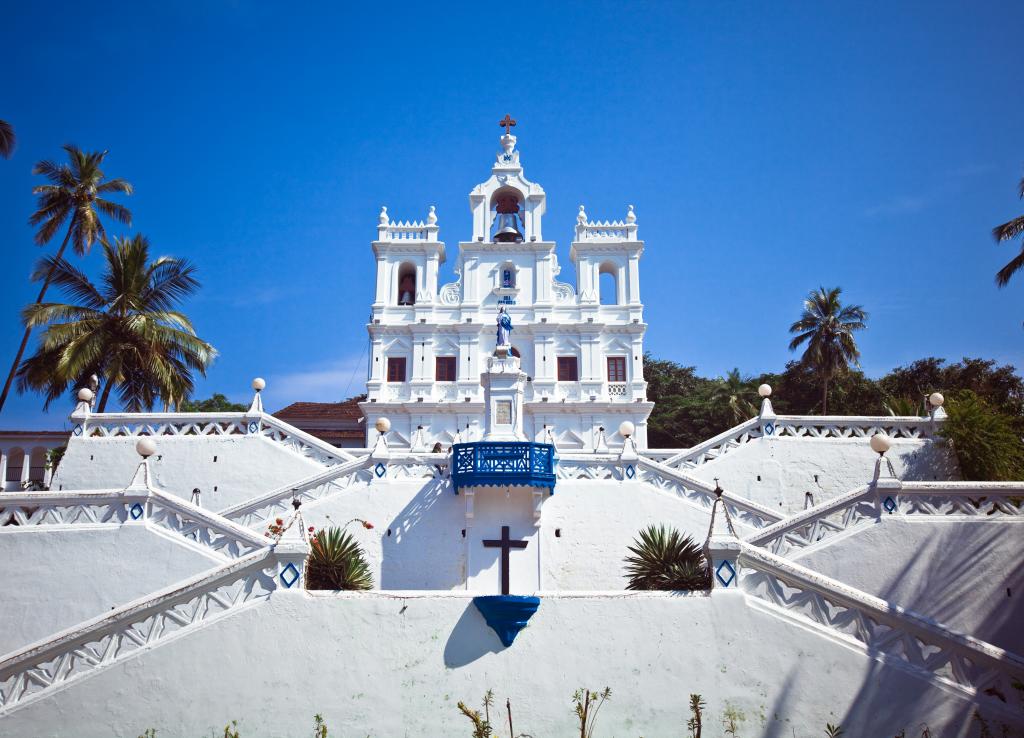
The Portuguese arrived in 1510 under Afonso de Albuquerque and stayed until 1961, when Indian military action ended the longest-running European colonial presence on the subcontinent. What they left is complex: a Catholic minority that now constitutes about a quarter of the population, a building stock of churches and mansions unlike anything in the rest of India, a legal and administrative framework that still differs from the national norm in significant ways, and a cuisine built on the encounter between Konkan seafood traditions and Iberian technique. The xacuti, vindaloo (which is not the British-Indian restaurant dish of that name but a garlic-and-vinegar pork preparation of real subtlety), and prawn balchão of Goan cooking remain among India's most distinctive regional cuisines.
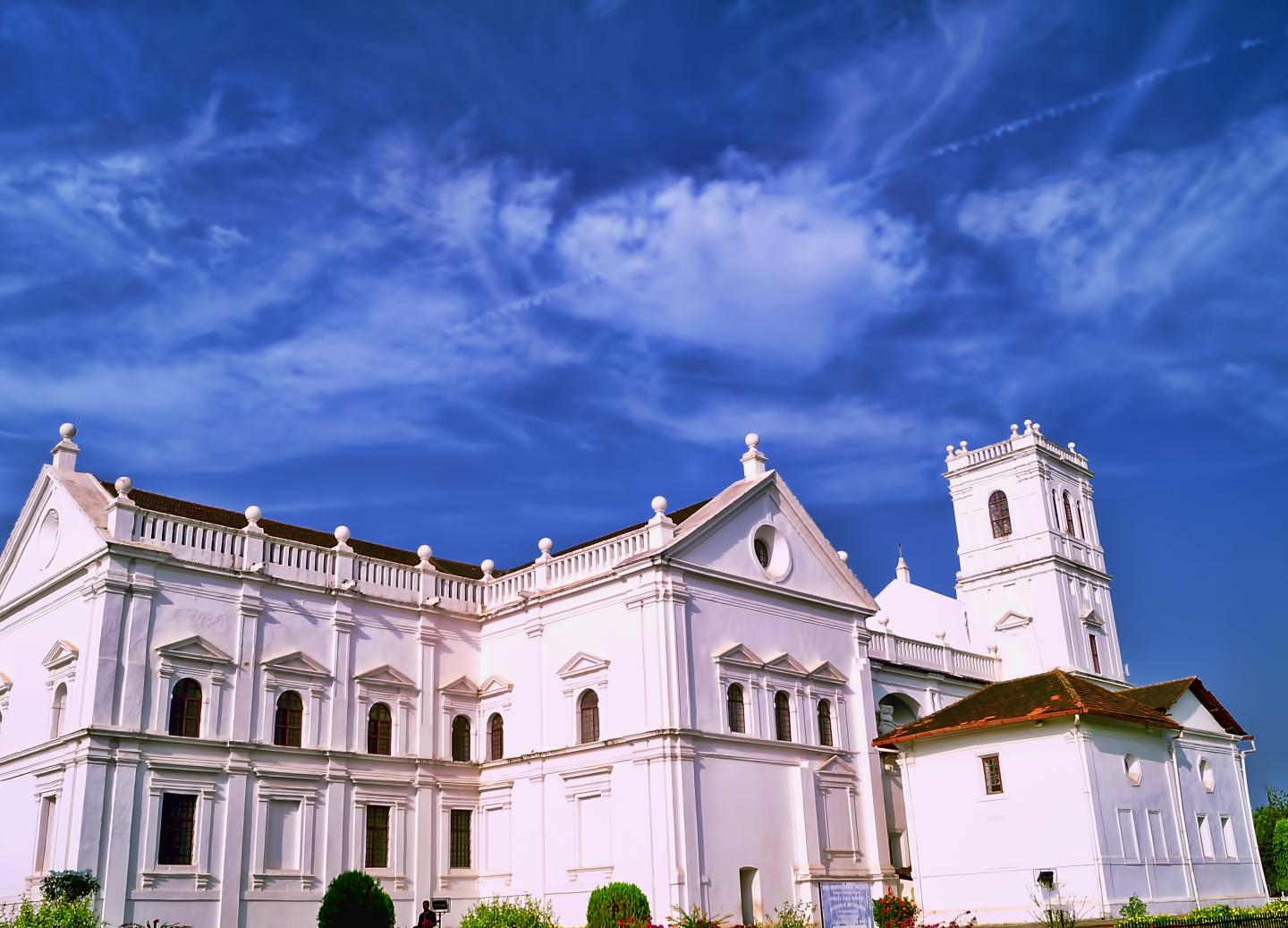
Old Goa, the former colonial capital located about 10 kilometres east of Panaji on the Mandovi River, holds the UNESCO-listed concentration of churches that constitutes the port's most significant historical draw. The Basilica of Bom Jesus, containing the silver-casket relics of St Francis Xavier, and the Se Cathedral — one of the largest churches in Asia — are set in a landscape of red laterite ruins, enormous fig trees, and a silence surprising for a place that was once among the largest cities in the world. At its 16th-century peak, Old Goa's population matched London's.
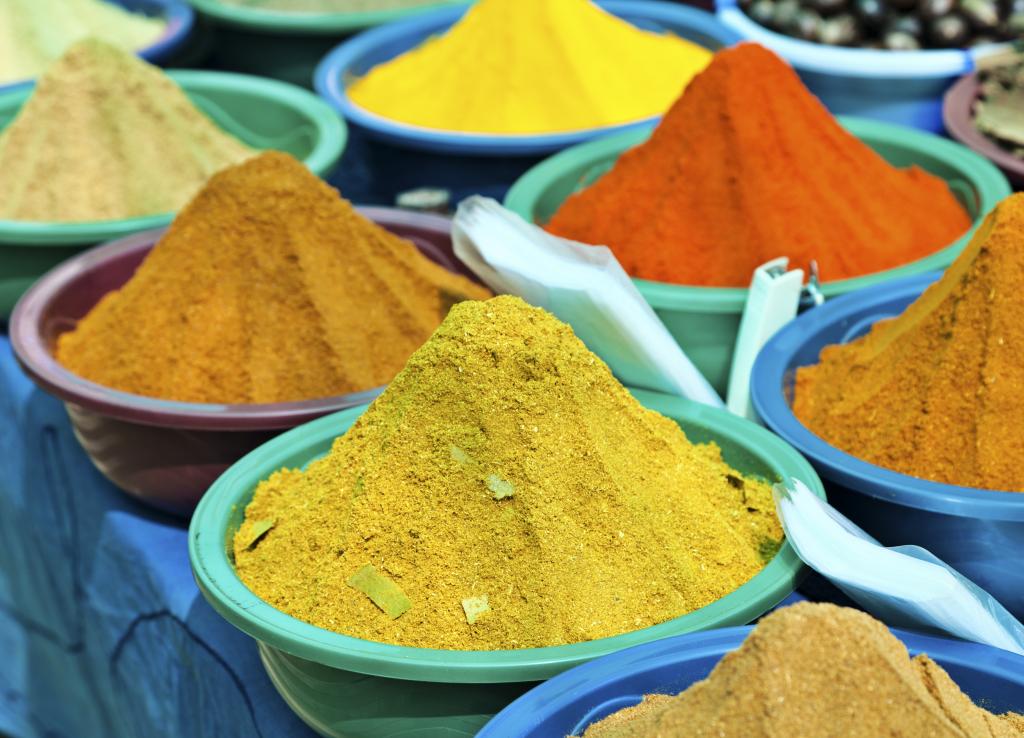
The spice plantations of the inland hills — estates that have cultivated pepper, cardamom, cinnamon, vanilla, and nutmeg since the Portuguese period — offer an organised half-day experience that is more genuinely interesting than it sounds: the combination of walking through working cultivation, the smell of the growing plants, and a Goan lunch served under a thatched canopy provides a useful counterpoint to the architectural tourism of the coast and old city.
Top things to do in Goa (Mormugao) on a cruise stopover
Old Goa: The Ruins and Churches of a Vanished Imperial Capital
At its 16th-century height, Old Goa was a city of 200,000 — a rival to Lisbon itself, the administrative centre of a Portuguese maritime empire. Today its population is negligible, but the surviving buildings form one of the most extraordinary colonial religious ensembles in Asia, a UNESCO World Heritage Site since 1986. The Basilica of Bom Jesus houses the preserved body of St Francis Xavier in an elaborate marble mausoleum; the vast Sé Cathedral, the largest church in Asia when built, still conducts services. The Church of St Francis of Assisi beside it contains painted walls whose Portuguese tile and fresco work survived four centuries intact. Walking the grass-and-laterite precincts between the churches — past the ruins of the Inquisition Palace and the Viceroy's Arch at the old riverside landing — is an exercise in imagining a vanished imperial capital at its peak. Morning visits are cooler and quieter; arrive before 10 am.
Panaji's Latin Quarter: Fontainhas and the Goan Townhouse
Panaji (Panjim), Goa's quiet state capital, holds within its older quarters a neighbourhood that would be recognisable in Lisbon or Porto: the Fontainhas Latin Quarter, a grid of narrow lanes lined with Indo-Portuguese houses painted in ochre, terracotta, and pale blue, their balconies hung with bougainvillea, their ground floors often occupied by a small bakery, a tailoring shop, or a family-run restaurant. The neighbourhood is a genuine residential area rather than a museum piece — people live here, children play in the lanes, and the local bakeries produce pão de Goa (crusty rolls made with toddy-fermented yeast) at hours that may or may not coincide with your visit. The Chapel of St Sebastian, a small whitewashed church at the neighbourhood's heart, contains a striking crucifix with open eyes — brought from the Goa Inquisition tribunal after that institution was finally dissolved. Walking here is the proper activity; get slightly lost, buy bread, have a coffee.
Goa's Spice Plantations: Gardens of the Western Ghats
The spice estates of Goa's interior hills — 30–40 minutes northeast of Panaji near Ponda — offer organised half-day visits that are genuinely informative. A guided walk through a working plantation reveals the growing conditions for cardamom, black pepper, vanilla, nutmeg, turmeric, and cinnamon — plants that look entirely different in the ground than in a jar. Guides explain each spice's role in Goa's colonial economy and its current agricultural importance. Lunch at the plantation — a full Goan thali of rice, curry, and fresh fish served in the shade — is a highlight in itself and one of the more authentic culinary experiences available on a port day. The visit pairs well with a morning at the Hindu temples of Ponda (Shri Mangeshi, Shri Mahalsa) to make the most of the inland journey. Allow a full half-day for the combined experience.
Goan Seafood: Eating What the Konkan Coast Produces
The seafood of Goa — tiger prawns, Mandovi river oysters, kingfish, pomfret, clams — arrives at the table with a cooking tradition shaped by both the Konkan fishing communities and the Portuguese colonial kitchen. The results are unlike anything elsewhere in India. Prawn balchão is a preserved preparation of small prawns in a dark, spiced tomato-and-vinegar paste, fiery and complex. Fish recheado is whole fish stuffed with a scarlet-red masala of dried chillies, garlic, ginger, and tamarind, pan-fried until the skin is crisp. Prawn xacuti involves a coconut-and-roasted-spice gravy of considerable depth. The best places to eat are not on the beaches (where tourist pricing and inconsistent quality are common) but in the older towns: O Coqueiro in Porvorim, Viva Panjim in Fontainhas, and the restaurant at the Vivanta Panaji all maintain standards. Order the fish of the day rather than the shellfish if provenance is uncertain in warmer months.
Goa Chitra Museum: A Living Archive of Vanishing Trades
Hidden near Benaulim in South Goa, Goa Chitra is one of India's most surprising museums — a private collection assembled over two decades by artist Victor Hugo Gomes from over four thousand artefacts of pre-industrial Goan rural life. Holdings encompass agricultural and fishing tools, kitchen implements, religious objects, and the material culture of a way of life that has largely disappeared within a single generation. Hand-forged ploughs, coconut-toddy tapping equipment, antique fishing nets, and 18th-century brass vessels sit alongside explanatory text contextualising each object within its craft tradition. Goa Chitra is a 40-minute drive south of Panaji and pairs naturally with Margao Market — together they offer a portrait of Goa that beach culture and heritage churches alone cannot provide. Allow 90 minutes; the knowledgeable on-site guides are an integral part of the visit, not optional extras.
Margao Market and the Architecture of the South
Margao (Madgaon), Goa's second city and the commercial capital of South Goa, is 15 minutes north of Mormugao by taxi and offers a more workaday counterpoint to the tourist circuits of Panaji and Old Goa. The covered municipal market in the town centre deals in fresh fish, vegetables, and local produce at prices for residents rather than visitors. The old quarter around the Church of the Holy Spirit contains several exceptional 18th-century mansions — the Seven Shoulders House and the Sat Burnzam Gor among them — built by the Goan Catholic elite in a style that combines Baroque European facades with courtyard plans and roof forms drawn from the local climate and building traditions. These are privately owned and not all open to visitors, but the exterior architecture and streetscape alone justify a short walk. Margao also has better access to local Goan food at proper Goan prices than the more tourist-oriented north.
Goa (Mormugao) travel tips
Dress Modestly for Goa's Churches and Hindu Temples. Goa's religious landscape spans two traditions, each with its own etiquette. At the Catholic churches of Old Goa — the Basilica of Bom Jesus and Sé Cathedral — covered shoulders and knees are required. These are active places of Catholic worship; services continue throughout the day and pilgrims arrive alongside tourists. A light scarf or shawl solves the problem and can be purchased at stalls near the entrance. At Hindu temples such as Shri Mangeshi or Shri Shantadurga in the interior, the same modesty applies: remove shoes before entering any temple structure. Some inner sanctuaries are accessible only to practising Hindus — look for signage or ask a temple attendant. Photography is generally permitted in courtyard areas but not within the main shrine; never raise a camera without first checking. Arriving with appropriate dress at any religious site signals basic respect and typically produces a warmer welcome.
Old Goa Is Best Visited in the Morning. The churches of Old Goa open early (typically 7 or 7:30am for the Basilica of Bom Jesus) and the complex is cooler, quieter, and more atmospheric in the morning hours before tour buses arrive around 10am. The laterite buildings absorb and reflect heat significantly in the midday sun; a morning visit followed by a spice plantation lunch is a well-structured day. Dress conservatively for church entry — shoulders and knees covered — even in warm weather. A light scarf packed in a bag handles this requirement without discomfort. Photography is permitted in most areas; flash is not appropriate inside the basilica.
Drink Only Bottled or Filtered Water Throughout the Day. Standard precaution across Goa applies to cruise visitors: drink sealed bottled water throughout the day, including when eating at spice plantations (check that the water served is sealed or ask for packaged options). Ice in upscale restaurants and established hotels is generally safe; exercise judgement at market stalls and roadside venues. Fresh coconut water served straight from the shell is reliably safe and genuinely good — vendors with a small stack of green coconuts and a machete are common near the Old Goa churches and Panaji waterfront.
Understanding Goan Cuisine: What Makes It Distinct. Goan food is the product of Portuguese influence layered onto a Konkan coastal kitchen — unlike anything else in India. The defining flavours combine vinegar and dried chilli (from Portugal), coconut (from the Konkan), and a spice palette of turmeric, coriander, and tamarind. Pork dishes — vindaloo (a Portuguese garlic-and-wine marinade, not the British curry-house version), sorpotel, chouriço — appear in Catholic Goan restaurants and rarely elsewhere in India. Seafood is central: prawn balchão is hot and sour; fish curry-rice with pomfret or kingfish in coconut gravy is the everyday staple. Cashew feni, distilled from cashew apple juice, is unique to Goa — try it mixed as a local cocktail rather than neat. Ask what is fresh that day; Goan cooks are proud of the difference between this morning's catch and yesterday's.
The Fontainhas Neighbourhood Rewards Slow Walking. Panaji's Latin Quarter is small — perhaps 15 minutes end to end at a walking pace — but it repays the kind of attention that stops at bakeries, looks up at tile-fronted facades, and ducks into the Chapel of St Sebastian without a schedule. The neighbourhood's appeal is textural rather than monumental: the ochre and terracotta colours, the sound of cooking from open kitchen windows, the cats asleep on veranda railings. It works as either a morning first stop before Old Goa or an afternoon wind-down before returning to the ship. The small gallery spaces and craft shops that have opened in the quarter in recent years are of variable quality; the bakeries are uniformly worth visiting.
Respect the Catholic Church Environment at Old Goa. The churches of Old Goa are active places of Catholic worship, not merely historical monuments. The Basilica of Bom Jesus receives pilgrims year-round; the relics of St Francis Xavier attract particular devotion from Catholics across India and the wider Asian region. Visitors are welcome at almost all hours, but quiet behaviour is expected during services (check service times, usually morning and early evening). Photography inside the basilica is permitted in general but not during active prayer services. The relics are exposed for public veneration only during special expositions held every ten to twelve years — the next is expected in 2034.
Port Facts Every Cruiser Needs To Know
Goa (Mormugao) shore excursion FAQs
Mormugao (sometimes spelled Marmagao) is Goa's principal deep-water port, located at the mouth of the Zuari River on the southern side of the harbour, adjacent to the town of Vasco da Gama. It is geographically separated from Goa's main tourist centres by the harbour and river system. By taxi: Panaji (the state capital) is approximately 30–40 minutes north across the Zuari and Mandovi bridges; Old Goa is a further 10 minutes east on the river road, making it 40–50 minutes total from the port. South Goa beaches (Colva, Benaulim) are 20–30 minutes south. The port itself has limited services; proceed into town as quickly as possible after clearing formalities.
Francis Xavier was a 16th-century Jesuit missionary who spent the final decade of his life travelling between Goa, India, and Japan, eventually dying off the coast of China in 1552. He was canonised in 1622 and is considered one of the patron saints of Goa and of all Catholic missionaries. His body, preserved in a state that the Catholic Church regards as miraculous, is kept in the Basilica of Bom Jesus in Old Goa in an elaborate silver casket donated by the Grand Duke of Tuscany in 1698, itself housed within a baroque wooden mausoleum. The relics are on permanent display in a glass-sided reliquary; portions of the body have been separately venerated and sent to Rome and other locations over the centuries. A grand public exposition — during which the relics are brought down and displayed at ground level for veneration — occurs every ten to twelve years and draws enormous crowds.
Goa is one of India's more straightforward states for independent tourist movement. The primary precautions are standard rather than unusual: use licensed taxis or app-based services rather than unlicensed operators who approach you in the port area; keep valuables secured in crowded markets; drink bottled water; and apply sunscreen, as the tropical sun is more intense than it sometimes feels in a sea breeze. Women travelling alone or in small groups should exercise the same awareness they would in any unfamiliar city. The beach areas of North Goa (Baga, Calangute) are more crowded and have a higher concentration of aggressive vendor and tout activity than Old Goa, Panaji, or the spice plantation routes — adjust your expectations accordingly.
Portugal captured Goa from the Sultan of Bijapur in 1510 under Afonso de Albuquerque and administered it as the capital of the Estado da India — the Portuguese State of India, encompassing all Portuguese territories from East Africa to Macao and Timor. For a century, Old Goa was one of the wealthiest cities in the world, its port controlling the spice trade between Asia and Europe. As Portuguese power declined, Goa remained a colonial holding when most of the empire was lost, persisting through Indian independence in 1947. The Indian government formally annexed Goa on 19 December 1961 through a military operation called Operation Vijay, ending 451 years of Portuguese rule. Goa became a full Indian state in 1987. The date of liberation (19 December) is a state holiday celebrated with considerable feeling.
Goan cooking is a distinct regional cuisine shaped by Konkan fishing traditions, Hindu vegetarian cooking, and four and a half centuries of Portuguese influence. Key preparations: fish curry rice (the daily staple — a thin, sour curry of kokum and coconut with fresh fish, eaten with rice); prawn balchão (intensely spiced small prawns preserved in vinegar paste); vindaloo (not the British-Indian version but a pork preparation in garlic-vinegar marinade — the name derives from Portuguese vinha d'alhos, wine and garlic); xacuti (meat in a complex coconut and roasted-spice gravy); sorpotel (a sour-spiced pork and organ meat preparation served at Catholic celebrations); and bebinca (a layered coconut milk and jaggery dessert). Seafood is generally excellent; the fish is best ordered grilled whole or pan-fried with recheado masala rather than in curry form if you want to taste the fish itself.
Beaches are feasible but require planning. From Mormugao, the closest beaches are the South Goa strips — Colva (20 minutes), Benaulim, and Majorda — which are quieter and less commercialised than the famous North Goa beaches. North Goa (Baga, Anjuna, Calangute) is 60–90 minutes from the port, making a dedicated beach visit there impractical unless the ship has a very long port day. Combining a beach stop with Old Goa and a spice plantation is generally too ambitious for 8 hours — choose two of the three. In peak season (December–January) South Goa beaches are pleasant; in warmer months (March–May) they are very hot by midday. The Arabian Sea is warm year-round when swimming is possible; avoid the monsoon period (June–September) when surf is heavy and many beach facilities are closed.
Goa's monsoon runs June through September, with the heaviest rainfall in June, July, and August. Cruise calls during this period are relatively uncommon given sea conditions in the Arabian Sea, but they do occur. Expect: heavy rain for significant parts of the day (pack waterproof layers and waterproof bags for electronics); Dudhsagar Falls at their most spectacular if accessible; Old Goa's churches looking particularly dramatic against storm light; many beach shacks and North Goa beach facilities closed; the spice plantations deeply green and fragrant. Roads can flood and landslides affect some inland routes. The experience is genuinely different from the dry season — more intense, less crowded, and atmospheric in its own way, provided you approach it with appropriate flexibility.
Goa has more card payment infrastructure than many Indian states, but cash remains necessary for a significant proportion of port-day transactions. Large restaurants, established hotels, government museums, and spice plantation reception desks typically accept major international credit cards. Markets, auto-rickshaws, local eateries, smaller shops, and individual vendors require cash. ATMs are available in Vasco da Gama (near the port), Panaji town centre, and Margao. Withdraw rupees before heading to Old Goa or inland areas where ATM access is limited. UPI digital payments (via apps like Google Pay or PhonePe) are widely accepted among Indian vendors but typically require an Indian bank account — generally not accessible to international visitors without preparation.
The Goa Carnival is a four-day festival held annually in the three days before Ash Wednesday (February or early March, depending on the Easter calendar). It is one of India's most distinctive street celebrations, with roots in Portuguese Mardi Gras traditions: colourful parades of floats, masked performers, music, and dancing move through Panaji, Margao, Mapusa, and Vasco da Gama over the four days. The Panaji parade on the Saturday before Ash Wednesday is the largest and most elaborate. If your cruise call coincides with Carnival — particularly the Saturday parade — it represents one of Goa's genuinely spectacular public events. Check dates against your itinerary; the specific dates shift each year with the Easter calendar.
The Se Cathedral (Cathedral of St Catherine) and the Basilica of Bom Jesus are the two primary monuments of Old Goa and stand roughly 200 metres apart. They are very different in character. The Se Cathedral is the larger structure — begun in 1562, completed in 1619, built in Portuguese Manueline Gothic style with a Portuguese-Baroque interior, one of the largest churches in Asia and seat of the Archbishop of Goa. Its scale is civic and ceremonial; the interior is vast, cool, and rather austere in its grandeur. The Basilica of Bom Jesus (1605) is smaller, more intimate, and more ornate — the interior gilded wood altarpiece and the baroque mausoleum containing St Francis Xavier's silver casket are among the finest examples of Indo-Portuguese decorative arts. Most visitors find the Basilica more emotionally affecting; the Se Cathedral more architecturally impressive. Visit both — they are a five-minute walk apart — and allow 30–40 minutes in each.
Filters
Select a filter to refine results.
Tour Type
Tour Activity
 Cart
Cart
 USD
USD GBP
GBP AUD
AUD EUR
EUR CAD
CAD