



Tours in Ko Samui


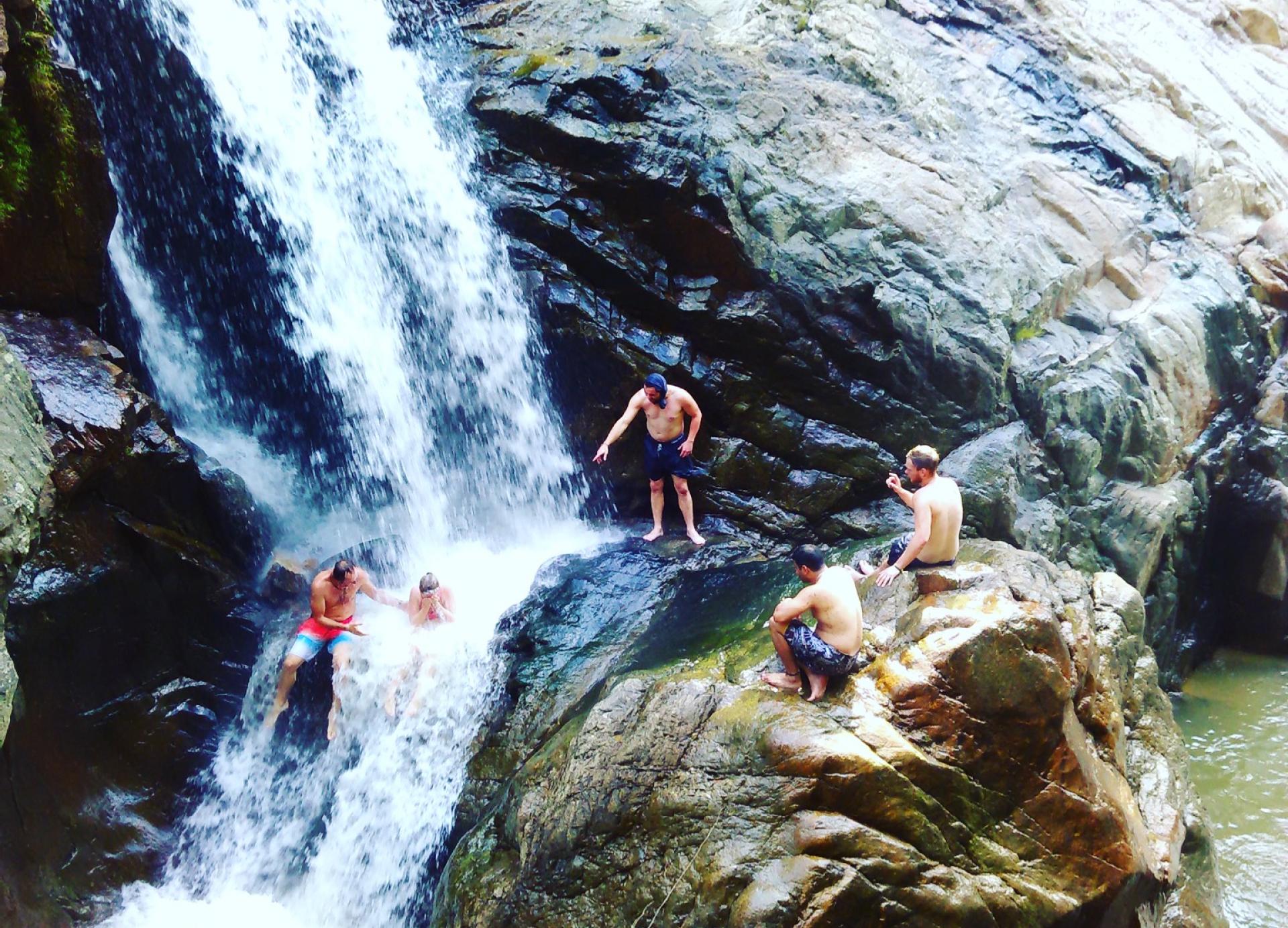
Cruising to Ko Samui in a group?
Skip the crowded ship excursion bus. One dedicated planner will design a private shore experience around exactly what your group wants — coordinated from first enquiry to the moment you're back on board. More memorable, more flexible, and more affordable than you might expect. Spend less time organising, more time enjoying.
Explore Group Travel →Cruising to Ko Samui
Ko Samui sits in the Gulf of Thailand like a green jewel set in turquoise water, its interior a tangle of coconut palms and rubber trees that give way to granite hilltops and silver-thread waterfalls. For decades it was accessible only by overnight ferry from the mainland, which meant the island developed at its own pace — fishing communities, temple builders, and coconut farmers shaping a culture that persists beneath the beach-resort veneer.
The island's most famous stretch of sand, Chaweng Beach, curves for six kilometres along the northeast coast, its powder-white shore backed by casuarina trees. But Ko Samui rewards those willing to move inland: the Na Muang Waterfalls cascade over purple-tinged rock in the island's centre, accessible by a jungle walk that feels genuinely remote even in high season. The two-tiered Na Muang 2 requires a steeper climb but delivers a pool that few visitors reach.
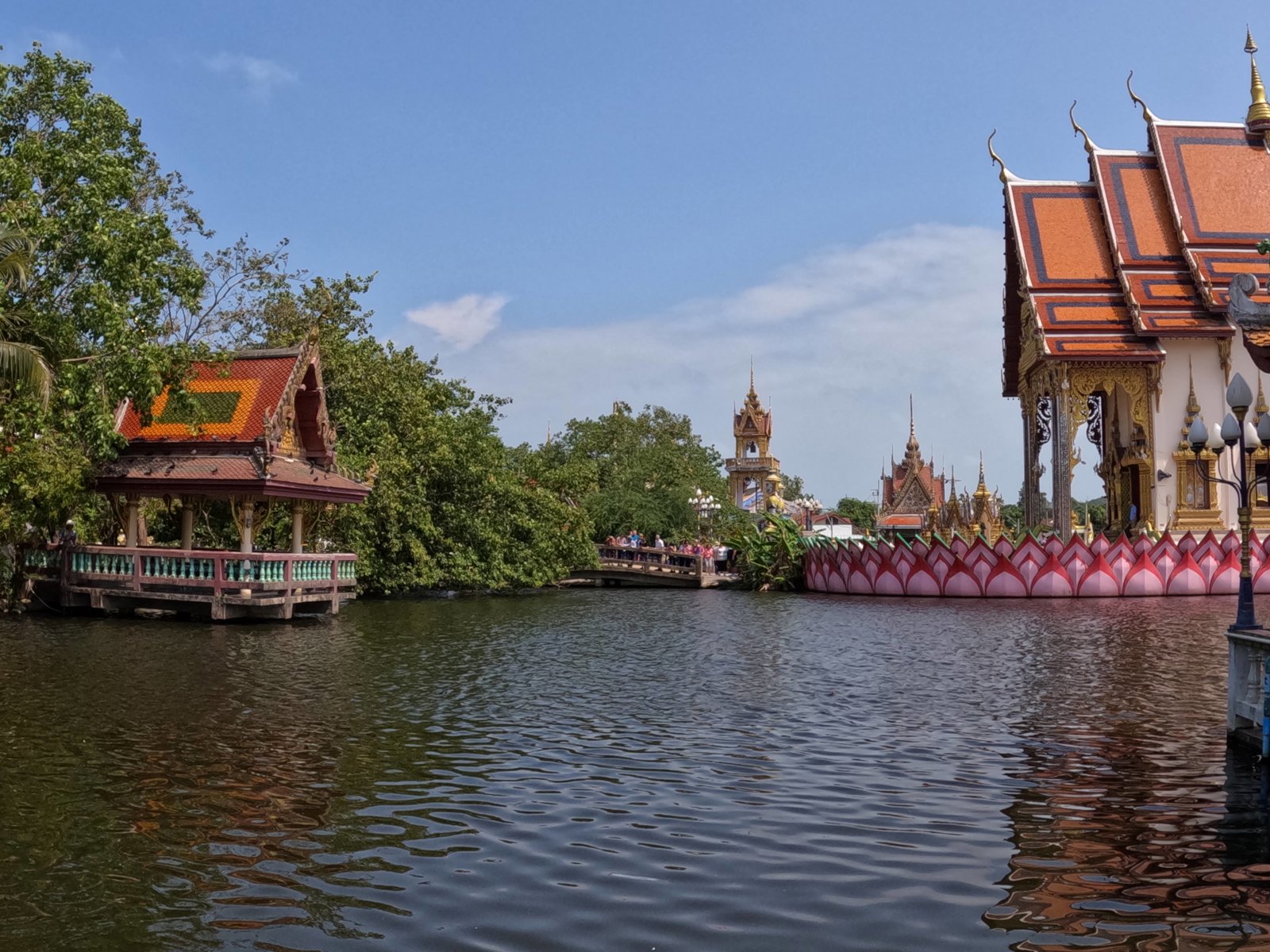
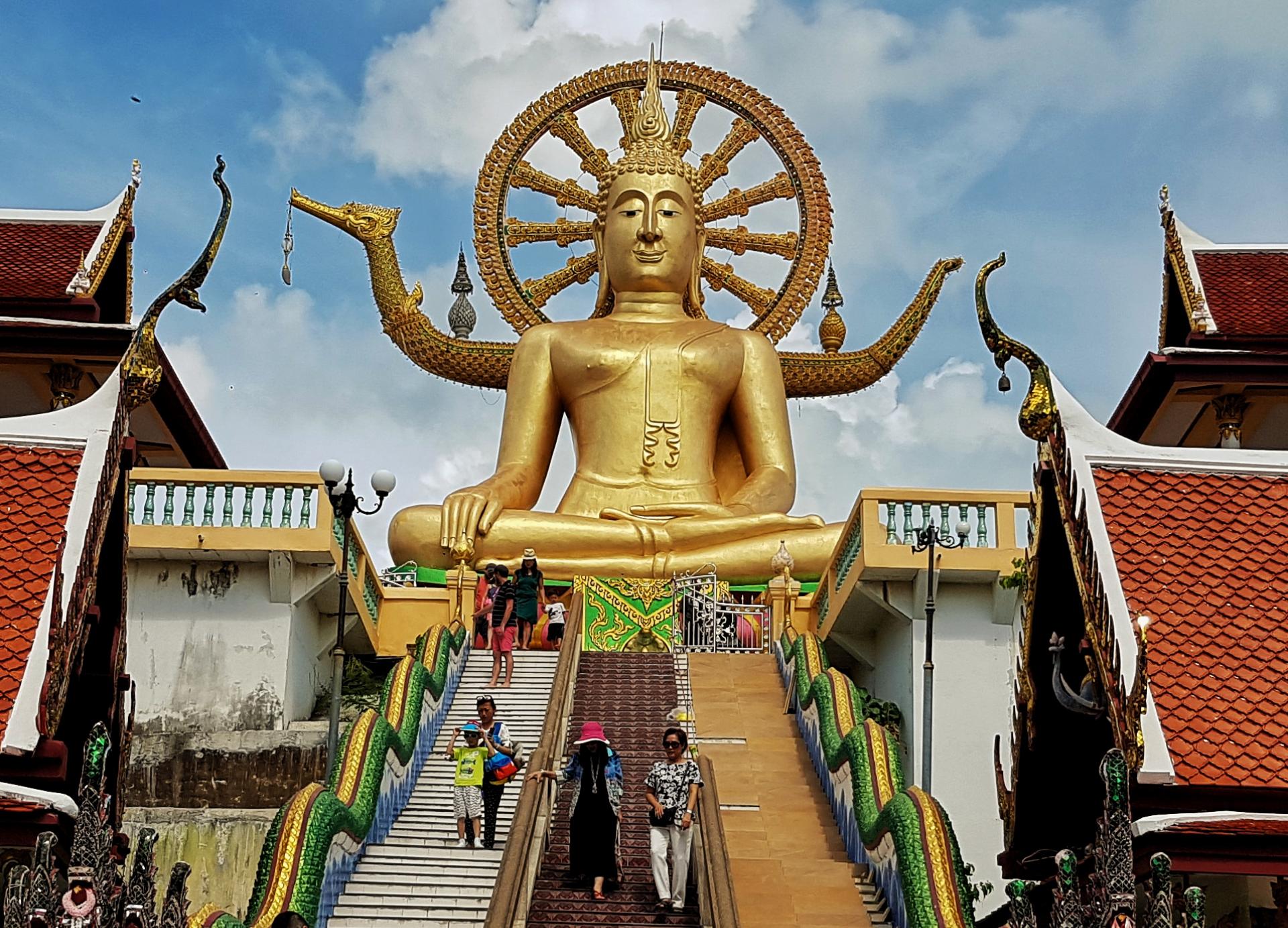
Spiritual life runs deep here. The Big Buddha — officially Phra Yai — stands 12 metres tall on a small islet connected to the northeast shore by a causeway, its golden form watching over the sea lanes that once brought merchant ships from China and the Malay world. Dozens of smaller wats dot the island, many preserving murals and carved pediments that speak to centuries of devotion. Wat Plai Laem, with its multi-armed Guanyin rising from a lake, offers a more intimate experience than the famous landmark.
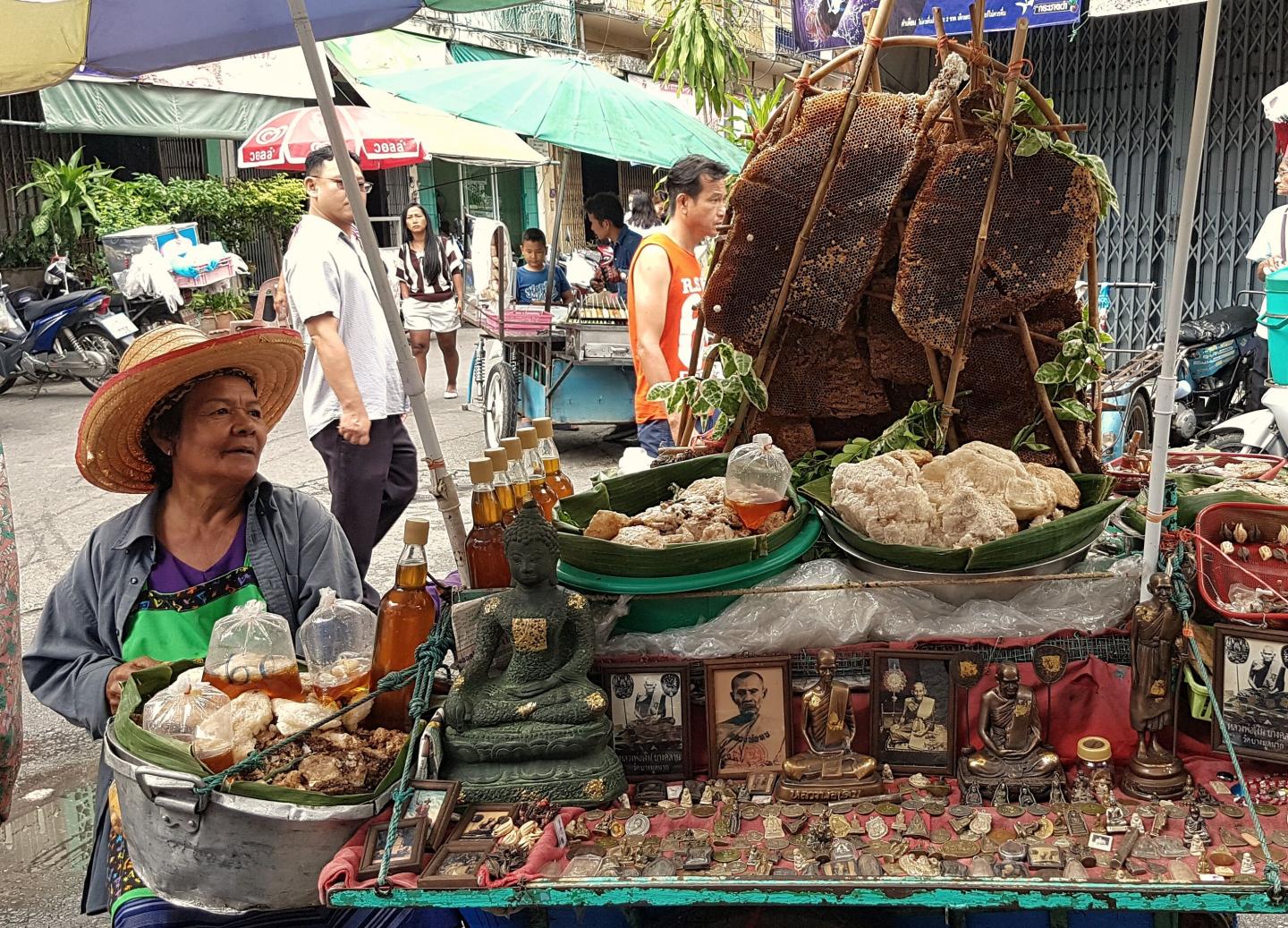
Thai cooking on Ko Samui carries southern Thai influence — more coconut milk than the north, more fresh turmeric and seafood, a fiercer chilli heat. The morning markets at Nathon and Fisherman's Village in Bophut fill at dawn with vendors selling pad kra pao, roti with condensed milk, and fresh-pressed sugarcane juice. A cooking class here is not merely a tourist activity but a genuine introduction to a regional cuisine that differs markedly from what most visitors know as Thai food.
Top things to do in Ko Samui on a cruise stopover
Chaweng Beach
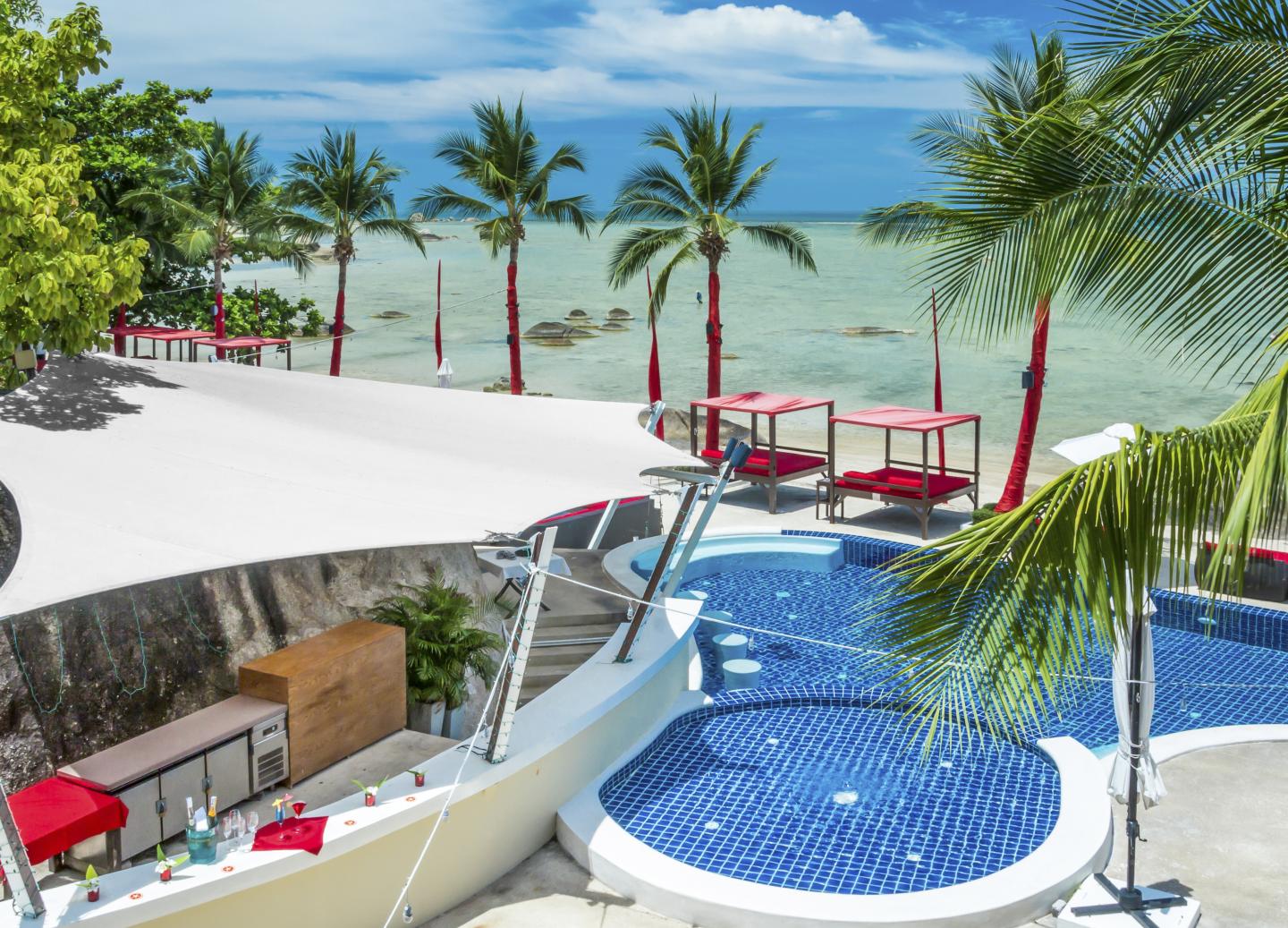
Ko Samui's longest beach stretches six kilometres along the northeast coast, its fine white sand shaded by casuarina trees and bordered by the warm, clear waters of the Gulf of Thailand. The northern end stays quieter through the morning, when fishing boats still work the shallows and the light is at its most photogenic. Swimming is excellent from November through September; jellyfish can appear after heavy rain. Watersports — paddleboarding, kayaking, snorkelling day trips to nearby Koh Tao — are organised from the beach itself. The beach road behind runs the length of the shore, lined with restaurants serving fresh-caught seafood grilled over charcoal, open-fronted cafes, and tailors. Arrive before 10am for the best experience; the beach fills quickly after cruise tenders begin.
The Secret Buddha Garden: A Hilltop Sanctuary of Stone Figures
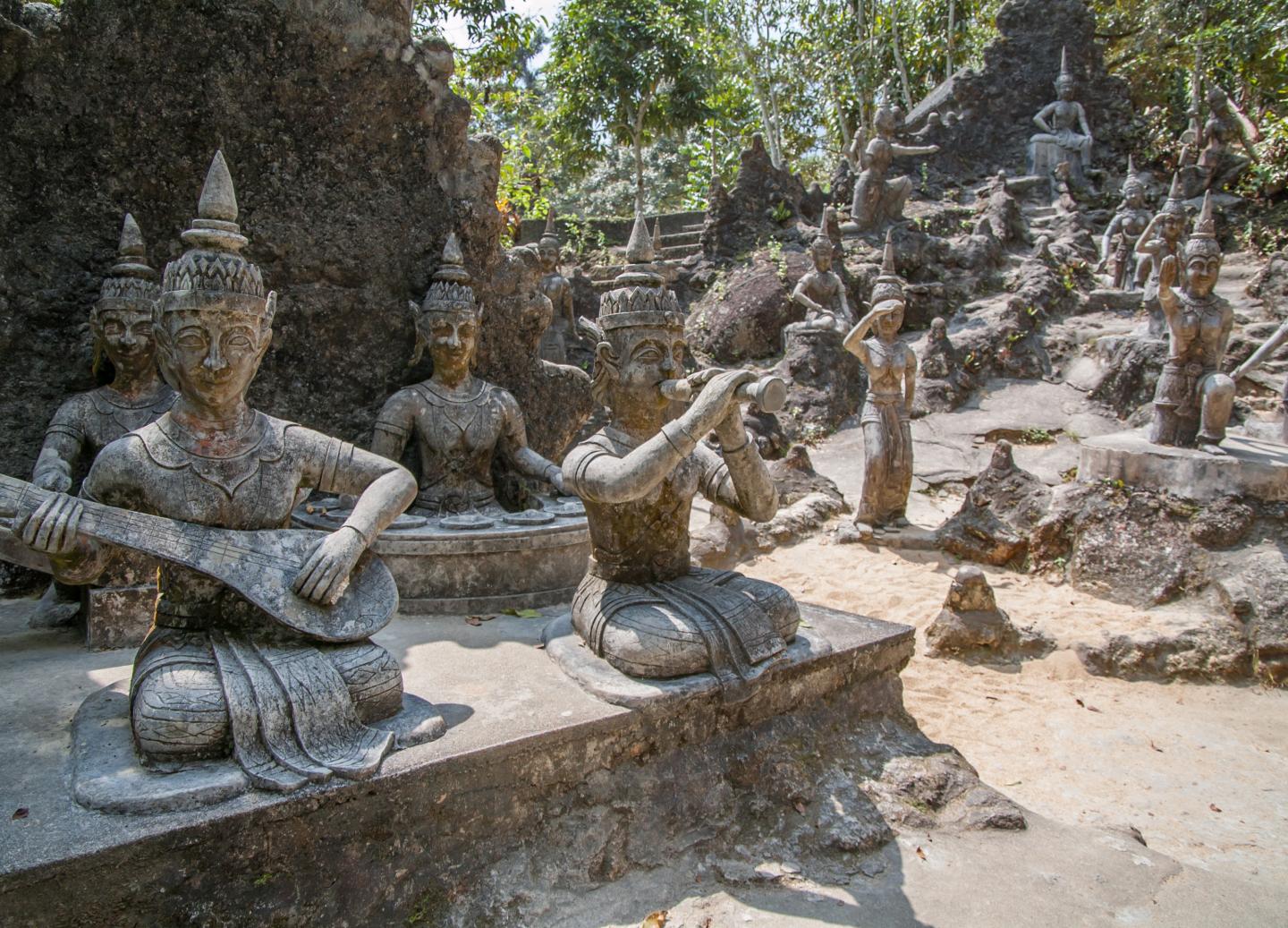
Hidden in the forested hills of Ko Samui's interior, the Secret Buddha Garden — known locally as Magic Garden or Tarnim — was created over decades by fruit farmer Nim Thongsuk, who placed hand-carved concrete figures of Buddhas, deities, mythological creatures, and guardian spirits across his hilltop land. The site has a quietly otherworldly quality: moss-covered statues emerge from the trees at unexpected angles, the air is cooler than on the coast, and the surrounding jungle creates near-silence. It remains a deeply personal and spiritually sincere place rather than a commercial attraction. The road to reach it is steep and narrow; the reward is a perspective on Ko Samui completely removed from its beach-resort identity. Early morning visits, before the heat builds and tour groups arrive, offer the most atmospheric experience of the garden's quieter character.
Big Buddha & Wat Plai Laem
The 12-metre golden seated Buddha at Wat Phra Yai dominates the island's northeast tip from a small tidal islet joined to the mainland by a short causeway. Built in 1972, it is less about antiquity than presence — the scale and serenity of the image, with the sea behind it, make for a genuinely striking scene. The surrounding temple complex holds smaller shrines, bell towers, and vendors selling garlands and incense. Dress modestly (shoulders and knees covered) and remove shoes before entering any buildings. A five-minute drive east brings you to Wat Plai Laem, where a multi-armed Guanyin figure in white and gold rises 18 metres from an artificial lake. The setting — Chinese-Thai architecture reflected in still water, surrounded by koi fish — has a quiet grandeur that the main temple lacks.
Elephant Sanctuary: Ethical Wildlife Encounter on Ko Samui
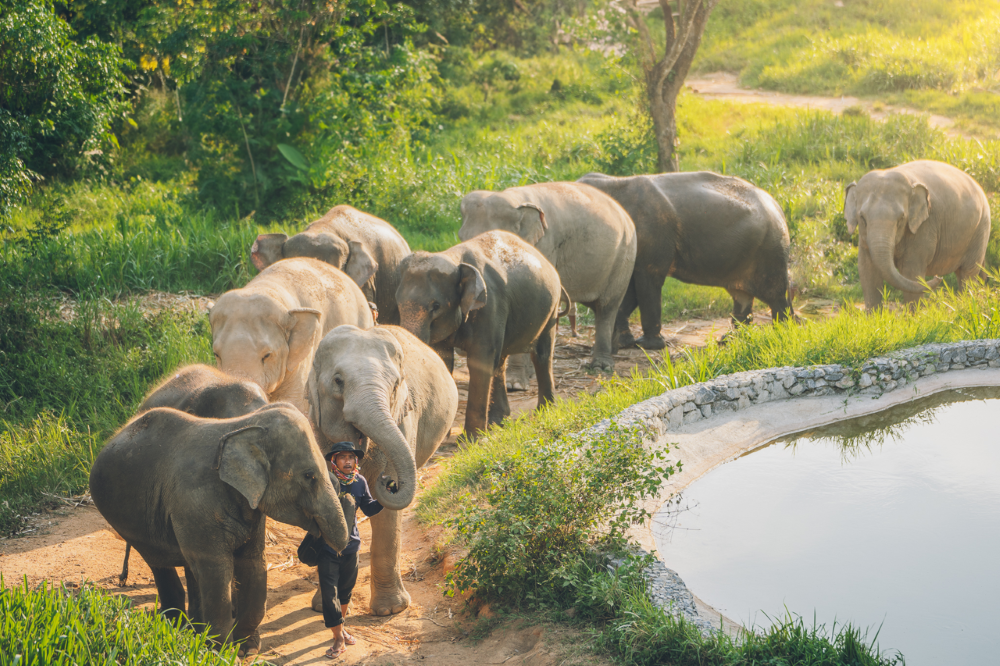
Ko Samui's elephant sanctuary provides an opportunity to spend time with rescued Asian elephants in a setting that prioritises animal welfare over visitor entertainment. The elephants — many retired from logging or tourist riding operations — roam a large natural habitat where visitors observe, walk alongside, and feed them without riding, chaining, or forced performance. Understanding what distinguishes an ethical sanctuary from an exploitative one is worthwhile before any elephant encounter in Southeast Asia: the absence of hooks, the freedom of movement, and the herd's visible ease are the clearest indicators. A visit typically includes a guided introduction to each elephant's rescue story, feeding with bananas and sugarcane, and time watching the herd interact naturally. The experience is deliberately unhurried — and measurably different from what most travellers have encountered at elephant attractions elsewhere in Thailand.
Ang Thong National Marine Park: Forty-Two Islands and an Emerald Lake
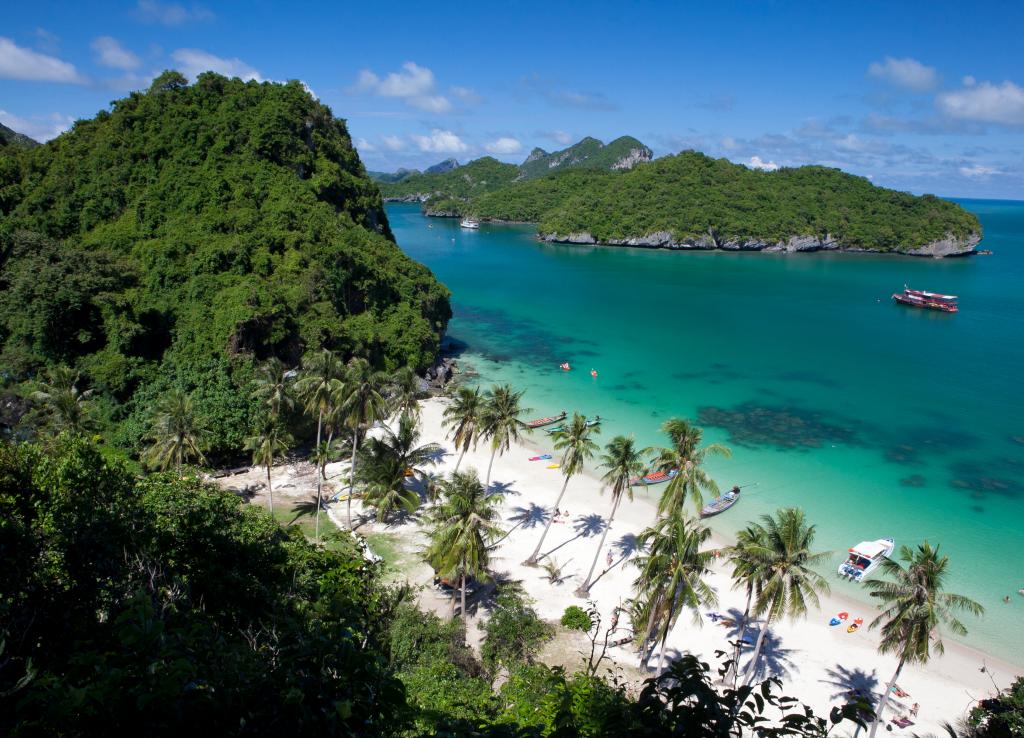
Ang Thong National Marine Park comprises 42 limestone islands stretching across 102 square kilometres of the Gulf of Thailand, roughly 30 kilometres northwest of Ko Samui. The park's most famous feature is the saltwater lake on Ko Mae Ko — an emerald-green tidal lagoon ringed by sheer limestone cliffs, accessible by a steep but short trail. Snorkelling around the park's shallow reefs is among the best in the Gulf, with clear visibility in the dry season (November to April) revealing coral gardens and abundant fish life. The name Ang Thong — 'Golden Basin' — refers to the way sunlight illuminates the limestone formations at certain hours, turning the water between them a deep amber-gold. The park is protected from commercial development; its scale and isolation produce a sense of wilderness rare in Thai waters and a striking contrast to the resort infrastructure of Ko Samui itself.
ATV Adventures: Exploring Ko Samui's Interior Terrain
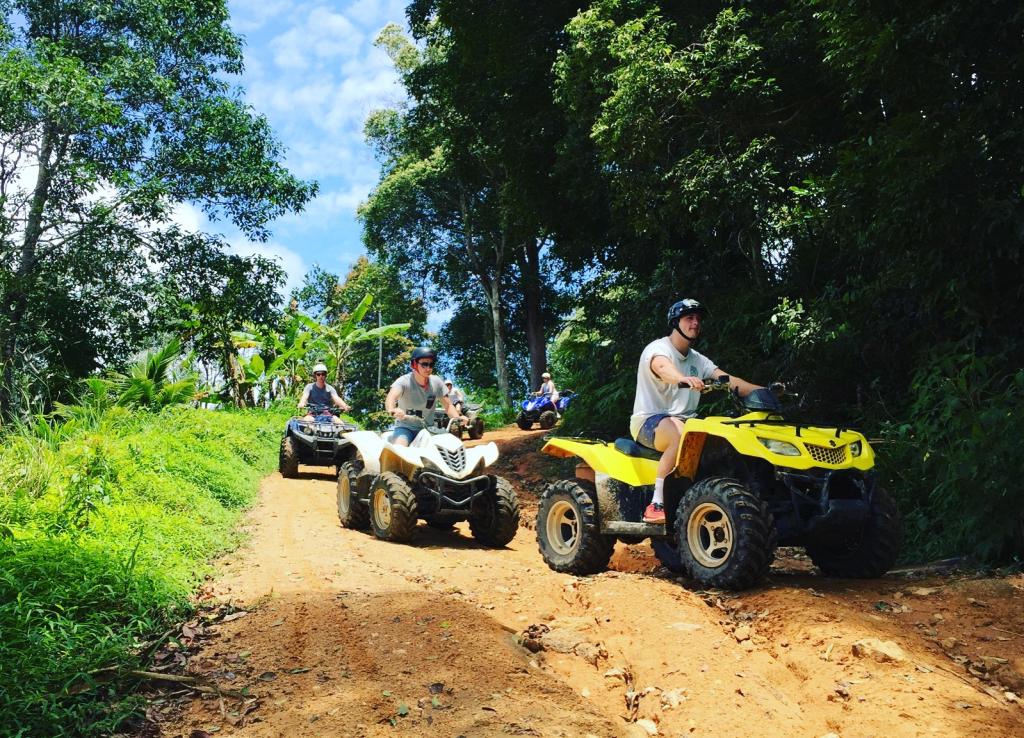
Ko Samui's forested interior — the part that most beach visitors never see — is best explored at speed on an ATV. Jungle trails and elevated tracks cut through rubber plantations, coconut groves, and hilltop viewpoints that reveal the full sweep of the coastline below. ATV routes reach areas inaccessible by road, providing a physical and scenic contrast to the beach experience that dominates most itineraries. No prior experience is required for the standard trails, which are guided and graded for ability. The combination of tropical heat, jungle shade, and the physical engagement of riding across varied terrain — loose gravel sections, root-crossed forest tracks, open ridgeline stretches — makes this one of the more memorable ways to spend a few hours on an island otherwise set up for relaxation. Protective gear, helmets, and a thorough safety briefing are provided before departure.
Ko Samui travel tips
Temple Dress Code. All Buddhist temples on Ko Samui require shoulders and knees to be covered. Carry a lightweight scarf or sarong in your bag — it folds to nothing and solves the problem instantly. Shoes must be removed before entering any temple building; sandals are faster than lace-ups. This applies to all genders.
Tender Timing. Cruise ships anchor offshore and ferry passengers by tender to Nathon pier. The process typically takes 15-25 minutes depending on sea conditions and the ship's anchorage position. Go early on the first tenders (before 9am) to avoid queues, and return at least an hour before the ship's scheduled departure — tenders stop running 30 minutes prior to all-aboard, and the ring road can slow unpredictably in the afternoon.
Ko Samui's Ring Road: Understanding the Island's Layout. Ko Samui's main road forms a rough loop around the island's perimeter, making navigation relatively intuitive once you understand its geography. The tender pier at Nathon sits on the west coast; Chaweng Beach is on the northeast; Big Buddha and Wat Plai Laem are on the north; the Secret Buddha Garden and island interior attractions are accessed via south-central roads. The full ring is approximately 51 kilometres. Most points of interest cluster in the north and northeast, making them logical to combine in sequence. The interior roads to the Secret Buddha Garden are steeper and narrower than the coastal ring — allow extra time. Knowing roughly where attractions sit relative to each other helps you make the most of time ashore without doubling back unnecessarily, and gives context for understanding how tour routes are structured across the island.
Eat at the Markets, Not the Pier. Restaurants within 200 metres of the Nathon tender pier charge elevated prices for ordinary food. Walk five minutes inland to the covered market or the side streets of Nathon old town for the same dishes — pad thai, khao man gai, mango sticky rice — at a quarter of the price. The quality is typically better too: market cooks rely on repeat local customers.
Sun Protection Is Non-Negotiable. Ko Samui sits nine degrees north of the equator. UV intensity is high even on overcast days, and the combination of tropical heat and sea reflection accelerates burning. SPF 50+ sunscreen, a hat with a brim, and a refillable water bottle are not optional accessories — they determine whether the afternoon is enjoyable or difficult. Pharmacies in Nathon and Chaweng sell sunscreen if you have forgotten yours.
Water and Food Safety. Drink bottled or filtered water only — tap water across Ko Samui is not suitable for drinking. Ice in established restaurants and hotels is made from purified water and is generally safe. At street stalls and markets, stick to cooked food served hot and fruit you can peel yourself. Shellfish in the heat deserves the same caution you would apply anywhere in the tropics.
Port Facts Every Cruiser Needs To Know
Ko Samui shore excursion FAQs
Ko Samui does not have a deep-water cruise berth, so ships anchor offshore and operate tenders into Nathon pier on the island's west coast. The tender ride takes 15-25 minutes depending on sea conditions and the ship's anchorage position. Expect a brief queue for the tender, especially in the first hour after tenders begin. Nathon is a small town with a market, ATMs, pharmacies, and a taxi/songthaew rank directly outside the pier gate.
Most itineraries allocate 8-10 hours in Ko Samui, though this varies by cruise line and itinerary. Check your ship's schedule carefully, remembering that the tender process adds approximately 30-45 minutes to each end of your day ashore. Plan to be back at the pier no later than 45 minutes before the official all-aboard time to allow for tender queues.
Shared songthaews depart from the rank outside the pier gate and travel the ring road to Chaweng for approximately 60-80 THB per person — agree on the price before boarding. The journey takes 25-35 minutes. Private taxis cost 300-400 THB for the full vehicle and offer door-to-door service. Grab (the regional ride-hailing app) works on Ko Samui and provides fare transparency if you have a local SIM or reliable roaming data.
In principle, yes — high-speed ferries connect Ko Samui to Koh Phangan (30 minutes) and Koh Tao (90 minutes). However, with the tender process and limited time ashore, inter-island day trips carry real risk of missing your ship's departure if ferries are delayed, oversubscribed, or weather-affected. Unless your ship specifically offers this as an excursion with a guaranteed return, most experienced cruise travellers stay on Ko Samui.
Buddhist temples throughout Thailand require visitors to cover shoulders and knees. Loose-fitting cotton or linen is comfortable in the heat. Footwear must be removed before entering any temple building, so slip-on sandals or shoes make the process easier. Sarongs are often available for hire or purchase at major temple entrances, but carrying your own is more practical. Sleeveless tops and short shorts are not acceptable at any religious site.
Nathon itself has a modest beach that is pleasant for a short walk but not the island's best for swimming. Maenam Beach, on the north coast, is 20 minutes away and tends to be quieter and calmer than Chaweng. Chaweng, the island's signature beach, is 25-35 minutes from the pier and well worth the journey if you have 6 or more hours ashore. Lamai Beach, on the south-east coast, is similarly attractive and slightly less crowded than Chaweng.
The covered day market in Nathon (five minutes from the pier on foot) is the most accessible and authentic option for local food, operating from dawn until midday. Fisherman's Village in Bophut, 20 minutes north, has waterfront restaurants with quality Thai cooking and a more relaxed atmosphere. Chaweng has a wide range of options but prices are higher and quality variable. Ask locals — or follow where they are eating — rather than choosing places with English-heavy menus at the pier entrance.
Swimming is generally safe at the main beaches from November through September, when the Gulf side of the island is sheltered from the northeast monsoon. The exception is October through December on the east coast, when swells can make swimming dangerous and jellyfish appearances increase after storms. Flags at established beaches indicate conditions: red means do not swim. Maenam and the north-coast beaches stay calmer in most conditions. Always check with your ship's shore excursions desk for current sea conditions before planning a swimming-focused day.
Cash in Thai Baht is essential for markets, street food, songthaews, and smaller temple donations. Larger restaurants, hotel-affiliated beach clubs, and established tour operators accept Visa and Mastercard; American Express is less widely accepted. ATMs are available at Nathon pier and throughout Chaweng — use bank ATMs rather than standalone machines for better rates and lower fees. Notify your bank before travel to avoid cards being blocked on foreign transactions.
Ko Samui is a coconut-producing island, and coconut-based products — cold-pressed coconut oil, coconut sugar, and coconut-palm honey — make genuinely useful and distinctive gifts. Southern Thai curry pastes and dried herbs sold in the markets are compact and travel well. Handmade cotton and silk textiles from the night markets are better quality and lower priced than at pier-front tourist shops. Avoid any products made from coral, shells of protected species, or wildlife — these are not only ecologically damaging but may be confiscated at international customs.
Filters
Select a filter to refine results.
Tour Type
Tour Activity
 Cart
Cart
 USD
USD GBP
GBP AUD
AUD EUR
EUR CAD
CAD