



Tours in Manila


Cruising to Manila in a group?
Skip the crowded ship excursion bus. One dedicated planner will design a private shore experience around exactly what your group wants — coordinated from first enquiry to the moment you're back on board. More memorable, more flexible, and more affordable than you might expect. Spend less time organising, more time enjoying.
Explore Group Travel →Cruising to Manila
Manila is a city that defies easy summary. Spread across seventeen cities and municipalities that together form Metro Manila, the Philippine capital is simultaneously one of the most densely populated urban areas on earth and a place of genuine historical depth, where a 16th-century walled city still stands within shouting distance of one of the world's largest shopping malls. Visitors who arrive expecting a Southeast Asian capital in the conventional mould — colonial quarter, night market, pagoda — find something more complicated and more interesting.
The city's history is written in its geography. Manila Bay, one of the finest natural harbours in Asia, drew Spanish colonisers in 1571 to establish Intramuros — a walled city that remains the most coherent piece of Spanish colonial urban planning in Asia outside of the Americas. The Americans arrived in 1898 and added a different layer: broad boulevards, Beaux-Arts government buildings, and the careful planning of Daniel Burnham, who drew up a city plan for Manila in 1905. The Second World War nearly destroyed everything: the Battle of Manila in 1945 killed over 100,000 civilians and left the city second only to Warsaw among the most heavily damaged Allied capitals. What survived, what was rebuilt, and what was left in ruin are all visible today.
Filipino culture is itself a synthesis — Malay, Chinese, Spanish, and American threads woven into something distinct. This shows most clearly in the food, which cruise visitors often discover as the most pleasurable surprise of a Manila day. Adobo (meat braised in vinegar, soy, and garlic) is the national default; lechon (whole-roasted pig with crackling skin) is the banquet centrepiece; sinigang (sour tamarind broth with fish or pork) is the homesick remedy. The city's Chinatown, Binondo — founded in 1594 and among the oldest in the world — serves Chinese-Filipino fusion dishes unavailable anywhere else.
For a cruise visitor with 6 to 10 hours, Manila rewards a focused approach: Intramuros and Fort Santiago in the morning, Rizal Park and the waterfront at midday, and either a Chinatown lunch or an afternoon at the SM Mall of Asia waterfront, depending on inclination. The city's scale and traffic make it essential to plan routes carefully — but the combination of history, food, and sheer urban spectacle makes a well-managed day here genuinely rewarding.
Top things to do in Manila on a cruise stopover
Intramuros: The Walled City
Intramuros — literally 'within the walls' — is the original Manila, established by Spanish colonisers in 1571 on the south bank of the Pasig River. The stone walls, up to 22 metres thick in places, enclose roughly 65 hectares of streets, churches, government buildings, and gardens. Much was destroyed in 1945 and subsequently rebuilt with varying degrees of fidelity, but the urban structure — the street grid, the plazas, the scale of the buildings — remains legible as a Spanish colonial city. The best approach is to hire one of the bamboo bicycle taxis (kuliglig) that operate within the walls: drivers double as guides and cover the key sites efficiently. Manila Cathedral, rebuilt after the war, contains extraordinary stained glass; San Agustin Church, which survived 1945, is a UNESCO World Heritage site and arguably the finest surviving Spanish colonial church in Asia.
Fort Santiago and the Rizal Shrine
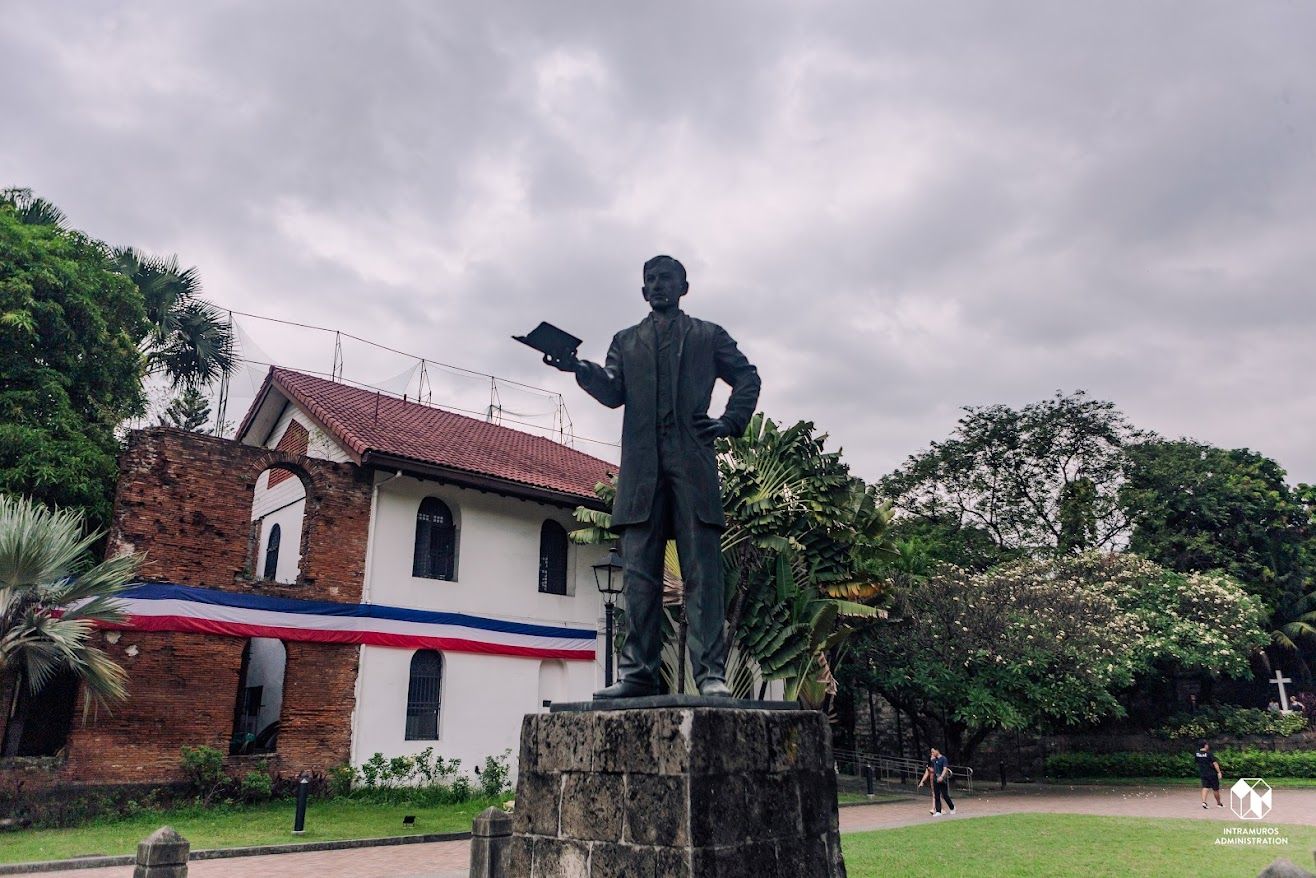
Fort Santiago sits at the northwestern corner of Intramuros on the bank of the Pasig River, originally a fortification built over a pre-colonial Filipino settlement. Today it functions primarily as a memorial to Jose Rizal, the national hero whose writings catalysed the Philippine revolution against Spanish rule. Rizal spent his final days imprisoned here before his execution in 1896; the museum in the fort traces his life, his novels, and his outsized influence on Philippine national identity. The grounds are well-maintained and shaded, making this a pleasant hour of walking even on warm days. Footprints in bronze trace Rizal's final walk from his cell to the execution site at Bagumbayan (now Rizal Park, a short walk away).
Binondo Chinatown and Filipino-Chinese Food
Binondo, established in 1594 as a settlement for Christian Chinese converts, is one of the oldest Chinatowns in the world and one of the most culinarily interesting. The food here is neither purely Chinese nor purely Filipino but a distinct hybrid: pancit noodles evolved over centuries, tikoy (sticky rice cake) made by families who have kept their recipes for generations, and the definitive mami noodle soup. Fried siopao and lumpia from Binondo's street stalls bear only a family resemblance to their Cantonese originals. The Escolta Street area, adjacent to Binondo, has undergone a quiet revival with independent cafes, bookshops, and studios in its 1920s-era commercial buildings. A Binondo food walk of 2-3 hours, ideally with a local guide, is one of the most concentrated culinary experiences available in Manila.
Rizal Park and the Manila Bay Waterfront
Rizal Park (formerly Luneta) is the civic centrepiece of Manila: a large formal park connecting Intramuros to the bayside boulevard. At its heart is the monument to Jose Rizal, guarded around the clock by soldiers in ceremonial uniform. The park extends west to the bay, where the famous Manila sunset draws crowds every evening. In the morning, the grounds host walkers, tai chi practitioners, and vendors selling fresh coconut. The adjacent National Museum complex — housed in former government buildings from the American colonial period — contains the country's finest collection of Filipino art and artefacts. Entry is free. The paintings of Juan Luna, including the large-scale Spoliarium (which won a gold medal in Madrid in 1884), are on permanent display.
Tagaytay Ridge and the Taal Volcano Vista
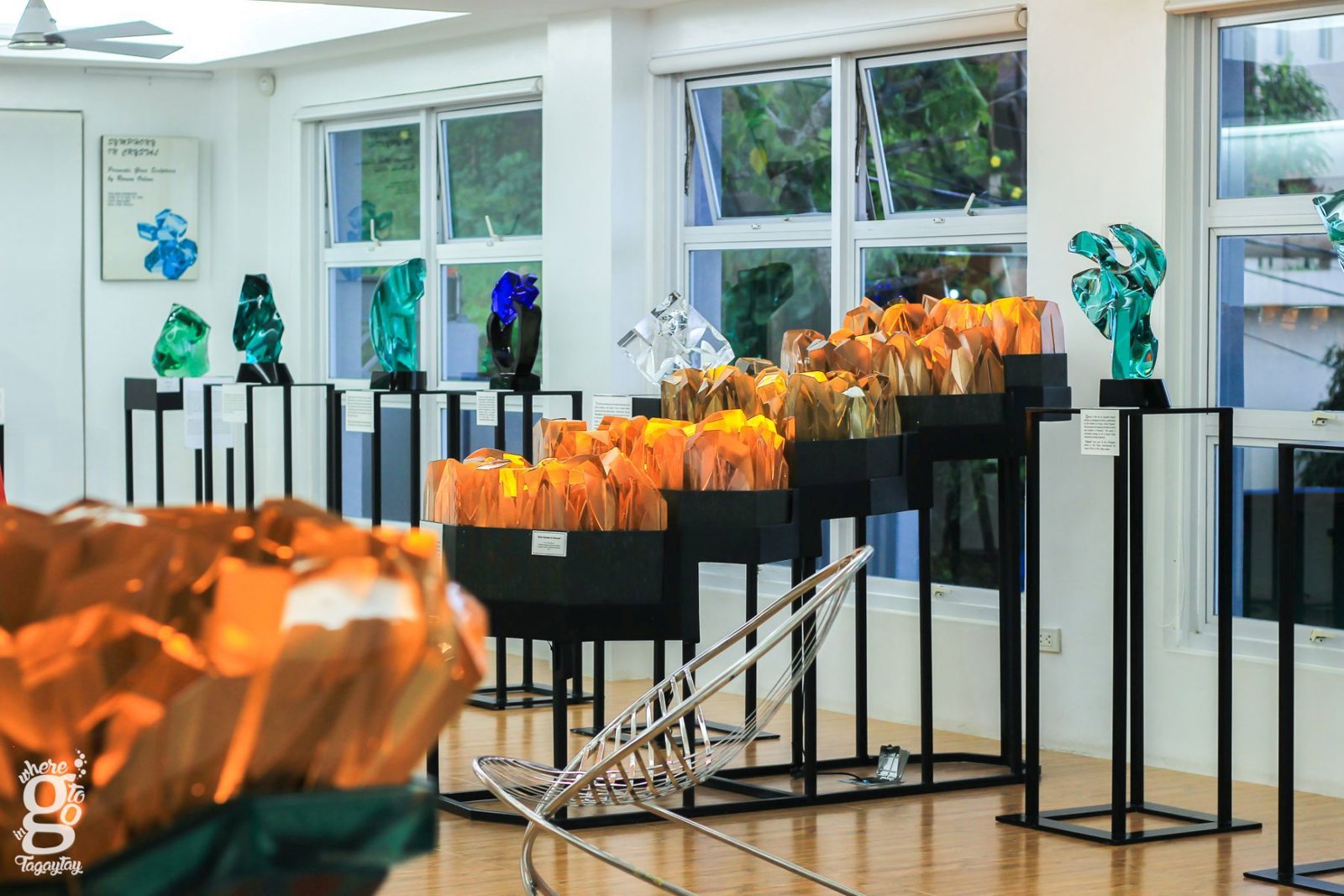
Rising to about 600 metres above sea level and sitting roughly 55 kilometres south of Manila, the Tagaytay Ridge offers what many consider the finest natural viewpoint in the Philippines — a sweeping panorama across Taal Lake to the small Taal Volcano island at its centre, which itself contains another lake, making it one of the world's few volcanoes-within-a-lake-within-a-lake geological curiosities. The ridge road is lined with restaurants and viewpoint stops; the most dramatic views are from the western end near Sky Ranch. The cool air (temperatures run 10-12°C lower than Manila) makes Tagaytay a genuine respite from the coastal heat, and the farmland along the approach grows strawberries, pineapple, and ornamental flowers for the metro market. Bulalo — a beef bone marrow soup simmered until the collagen dissolves into a rich, clear broth — is the local speciality and is found at restaurants on the ridge in versions ranging from simple to elaborate.
Villa Escudero: Colonial Hacienda, Waterfalls and Filipino Heritage
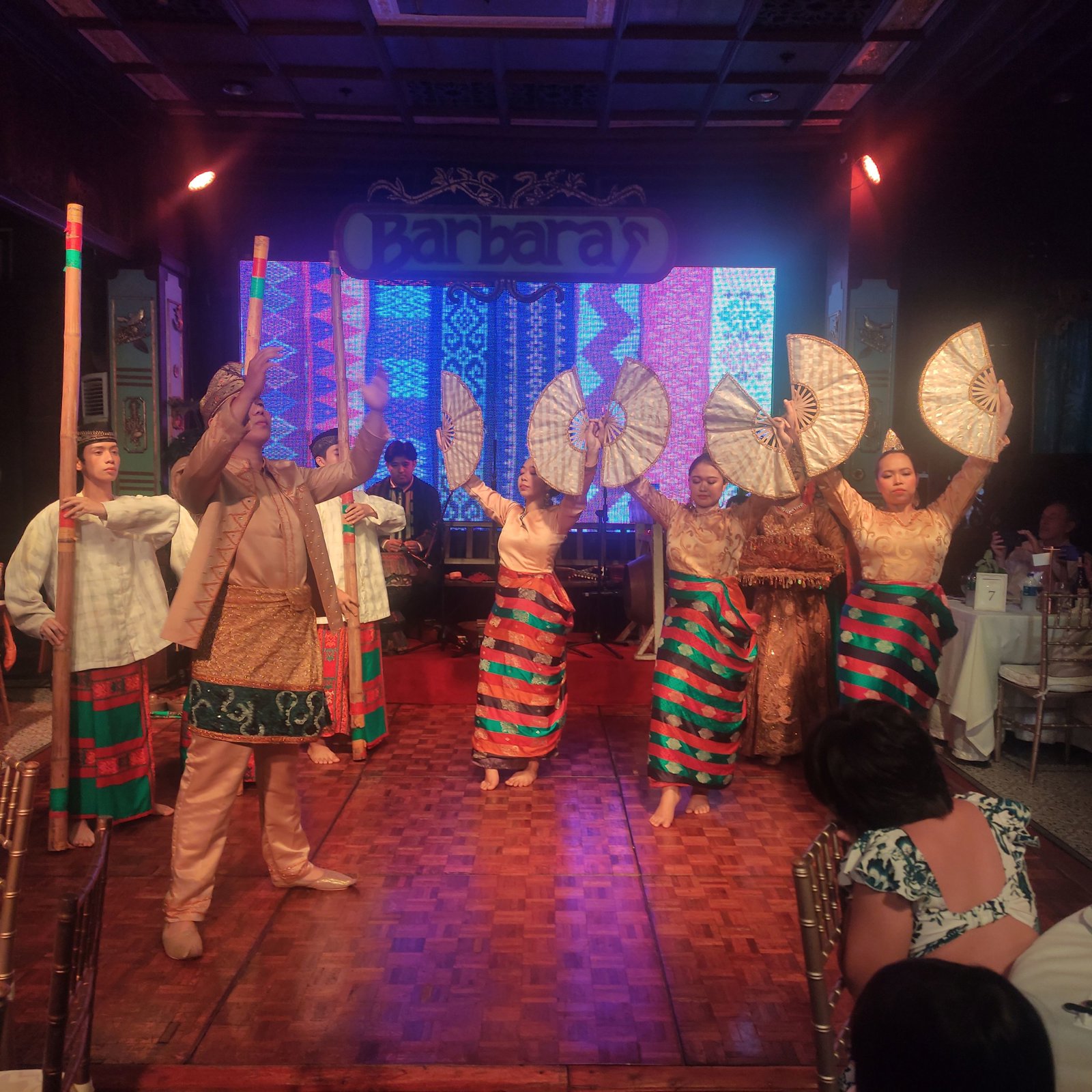
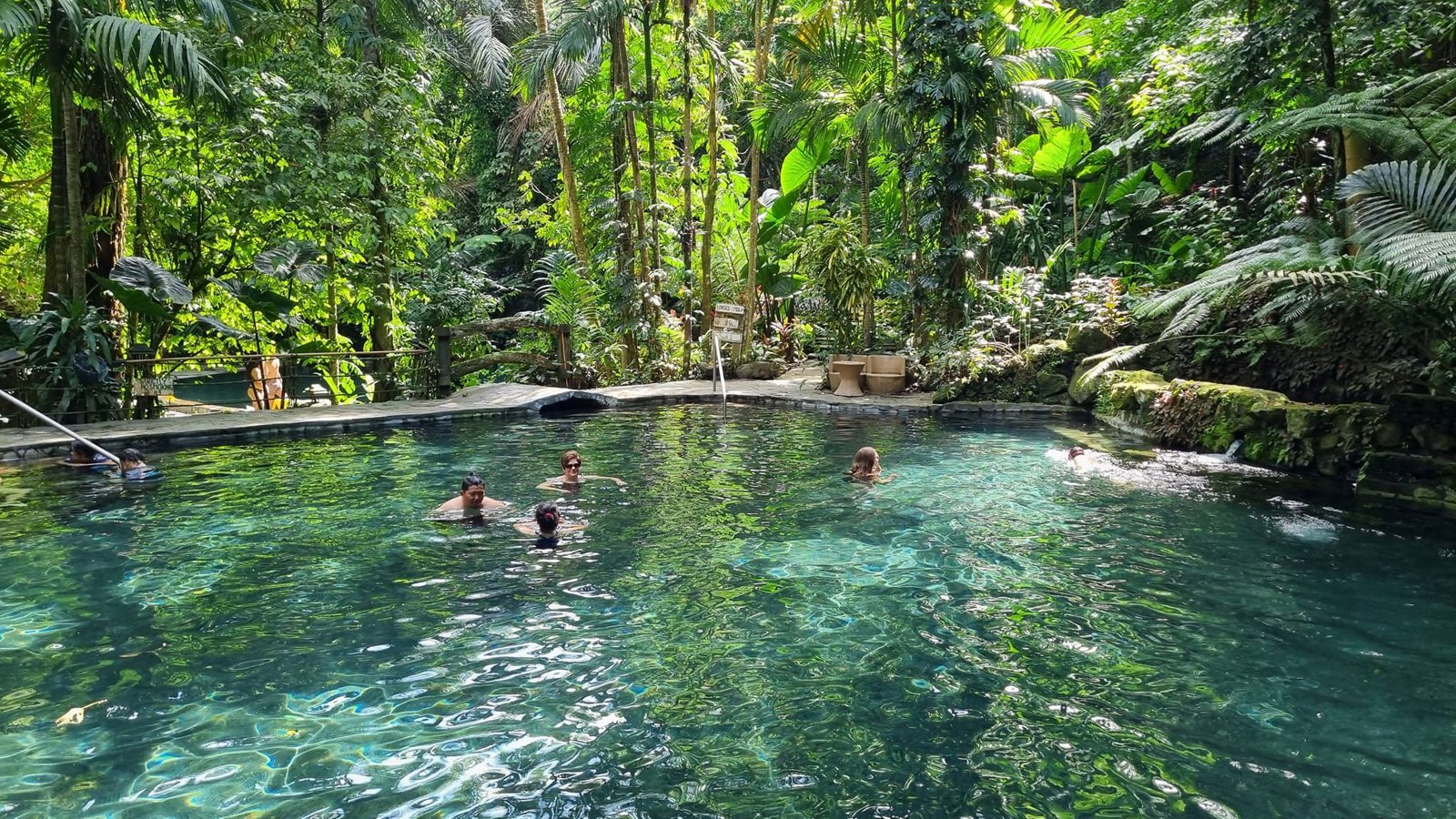
About 90 kilometres south of Manila, Villa Escudero is a working coconut plantation that has been in the same family since the 19th century and now operates as a cultural estate where visitors can experience a version of old Philippine hacienda life. The property's most memorable feature is the Labasin Waterfalls restaurant, where tables are set directly in the shallow, rushing water of a dam spillway — diners eat Filipino buffet food with water flowing around their ankles, a setup that is as improbable as it sounds and consistently delights first-time visitors. The hacienda museum displays an extensive collection of religious artefacts, colonial furniture, and Philippine folk art accumulated over a century of family life. Carabao (water buffalo) cart rides cross the plantation grounds, and traditional Filipino performing arts — folk dances and bamboo pole dances — are staged for visiting groups.
Manila travel tips
Manila's Scale Will Surprise You — Plan Accordingly. Metro Manila is one of Southeast Asia's largest urban agglomerations, and the distances between its key sites are not always obvious on a map. Intramuros, Rizal Park, and the Manila waterfront cluster together in the historic south; Bonifacio Global City and Makati are modern commercial districts further inland. The traffic between these zones can be severe during midday. Understanding which part of the city your excursion focuses on — and committing to that area — produces a far better day than trying to cover the whole spread.
Understanding Filipino Hospitality and Social Customs. Filipinos are among the most hospitable people in Southeast Asia, and a few cultural cues will serve you well. 'Po' and 'Opo' are respectful particles added to speech when addressing elders or anyone in a service role — you will hear them constantly and using them yourself is noticed and appreciated. Pointing with a finger is considered rude; locals indicate direction by pursing their lips and gesturing with the chin. 'Mano po' — taking the hand of an elder and pressing it to your forehead — is a traditional greeting you may witness between generations. In Intramuros and at heritage churches, dress modestly (shoulders and knees covered) as these are active religious sites. Photography inside churches requires quiet and discretion; some chapels display explicit 'no photography during Mass' signage. Bargaining is not customary at market stalls — prices are generally fixed, and haggling can cause embarrassment for both parties.
Factor in Traffic Ruthlessly. Manila's traffic is not a minor inconvenience — it is a major variable that can transform a 10-minute drive into a 45-minute one with no warning. Do not schedule more sites than you can reach comfortably, and add explicit buffer time before your ship departure. As a rule: plan to be back at the port gate at least 90 minutes before the ship's all-aboard time. If traffic is light, you have bonus time to browse the SM Mall waterfront; if it is heavy, you are still safely aboard. Confirm current port traffic conditions with your ship's port agent on the morning of arrival.
Try Filipino Food Beyond the Hotel Buffet. The best introduction to Filipino cooking is not found in hotel restaurants but in the dedicated eateries of Binondo and the neighbourhood carenderias (simple canteens) near Intramuros. For a structured first encounter, look for restaurants serving a kamayan meal — food served on banana leaves without cutlery, eaten by hand — which typically includes grilled meats, seafood, and several rice accompaniments. For something quick, halo-halo (shaved ice with various sweet toppings and evaporated milk) is the essential Manila afternoon dessert and available at dozens of counters near the main tourist areas.
The National Museum Is Free and Worth It. The National Museum of the Philippines complex at Rizal Park comprises three buildings (Fine Arts, Natural History, and Anthropology), all free to enter since 2020. The Fine Arts building houses Juan Luna's Spoliarium (4 x 7 metres of 19th-century academic painting, depicting Romans dragging fallen gladiators), the most famous single artwork produced by a Filipino artist and one of the most dramatic canvases in Southeast Asian museum collections. Even if your interest in history and anthropology is limited, the Fine Arts building alone is worth 45-60 minutes.
What to Bring Home. The SM Mall of Asia basement supermarket and the Rustans department store stalls are reliable sources for Philippine food products worth buying: Cebuano dried mangoes (the Dried Mango brand is a standard), barako coffee (a native Philippine varietal with a stronger flavour profile than commercial blends), and various bagoong (shrimp paste) preparations. For crafts, the Intramuros-area shops sell shell jewellery, woven palm products, and reproduction items related to Rizal and the revolution era. Avoid purchasing products made from endangered marine species (some shell items can fall into this category) — check before buying.
Port Facts Every Cruiser Needs To Know
Manila shore excursion FAQs
Most cruise vessels dock at Manila South Harbour or the adjacent Port Area terminals, located in the Ermita/Malate district near the southern end of Roxas Boulevard. From here, Intramuros is approximately 2-3 km (10-30 minutes by car depending on traffic), Rizal Park is directly accessible along the waterfront boulevard, and SM Mall of Asia is roughly 5 km south. The port area is not particularly walkable to central attractions, so plan on using Grab or a hired car for most movements.
Manila, like any large city, requires standard urban awareness. Intramuros, Rizal Park, Binondo, and the tourist corridors are generally safe during daytime hours. Petty theft (bag snatching, pickpocketing in crowded areas) is the most common risk for visitors. Keep bags in front of you in markets, use Grab rather than flagging unknown vehicles, and avoid displaying expensive equipment unnecessarily. The area immediately around the port can be disorganised; proceed directly to your arranged transport rather than lingering at the gate. Solo travel is manageable; joining a tour or hiring a guide for Intramuros adds both safety and context.
A practical 8-hour day: Start at Fort Santiago and Intramuros (2-2.5 hours, including San Agustin Church and the wall views). Walk or take a short ride to Rizal Park and the National Museum Fine Arts building (1.5 hours, prioritise the Spoliarium). Lunch in Binondo Chinatown via Grab (1 hour travel and eating). Return to the port area and stop at SM Mall of Asia waterfront for a halo-halo dessert and bay views before re-boarding (45 minutes). This itinerary avoids doubling back unnecessarily and leaves a 90-minute buffer for traffic before a 6pm all-aboard time.
Corregidor is possible but demands early logistics. The ferry from the CCP (Cultural Center of the Philippines) complex departs at around 7:30-8am and takes approximately 1.5 hours each way. On the island, a full tour runs 3-4 hours. You will need to board the return ferry by 2-3pm to ensure you are back at the Manila port by 5-5:30pm. This only works if your ship docks by 6:30am and has an all-aboard time of 6pm or later. Confirm ferry schedules directly with Sun Cruises (the operator) well in advance; they do not run daily and weather can cause cancellations.
Prioritise local dishes over international options, as Manila has one of Southeast Asia's most distinctive food cultures. Sinigang (sour tamarind-based soup with fish or pork) is the local comfort food of choice and available everywhere. Kare-kare (oxtail and vegetables in a rich peanut sauce, served with bagoong shrimp paste) is a more complex dish worth seeking at a proper restaurant. In Binondo, try pancit palabok (rice noodles with prawn-based sauce and various toppings) and any freshly made dimsum. Finish with halo-halo — a dessert of shaved ice, sweet beans, jellies, and ube (purple yam) ice cream — which is both refreshing in the heat and a good indicator of local pastry technique.
The Philippines has two official languages: Filipino (Tagalog) and English. In Manila specifically, English is the de facto language of business, education, and a significant portion of daily conversation. Signage, menus, museum labels, and transport apps are reliably in English. You will encounter no meaningful language barrier in the main tourist areas, restaurants, or shops. This makes Manila one of the easiest cities in Asia to navigate without local language knowledge.
Intramuros (meaning 'within the walls' in Spanish/Latin) is the original walled city of Manila, established by Spanish colonisers in 1571 on the south bank of the Pasig River. For three centuries it was Manila — the seat of colonial government, the location of the cathedral, the home of the Spanish elite. The walls, bastions, and gates that survive are among the most complete Spanish colonial fortifications in Asia. Much of the interior was destroyed in the Battle of Manila in February 1945 (American artillery and Japanese defenders fought street-to-street through a civilian population), but the street plan, the churches, and the walls were rebuilt. San Agustin Church, which survived 1945 intact, is a UNESCO World Heritage site. Intramuros today is both a working neighbourhood and a carefully preserved historical district.
Manila's traffic congestion is among the most severe in Asia — multiple international surveys have placed the city at or near the top of global congestion rankings. Rush hours (7-10am and 5-8pm) can reduce average speeds to under 10 km/h on major roads. As a cruise visitor, the morning rush is your main concern: if the ship docks at 7am and you want to be in Intramuros by 9am, leave the port by 8-8:30am to allow for delays. On the return, never cut it close. Plan to be back at the port gate 90 minutes before the ship's all-aboard time, regardless of how light traffic seems at that moment. Grab shows live traffic estimates in its booking interface — check this before confirming pickup times.
Manila has a tropical climate with two seasons: a dry season (November to April) and a wet season (May to October), which overlaps with the typhoon season. During the dry season, temperatures range from 25-34C with high humidity; lightweight, breathable clothing is essential. In the wet season, afternoon downpours are common — a compact umbrella is useful. Churches and some government buildings maintain a dress code (covered shoulders and knees); a light scarf or cardigan resolves this for most situations. Air conditioning in malls, museums, and restaurants is often set very cold — a thin layer is useful indoors.
The most reliable food items to bring home are Cebu-style dried mangoes (sweet, slightly tart, and vacuum-sealed for travel), barako coffee beans (a native Philippine robusta varietal with more body and intensity than commercial blends), and various flavoured piaya (thin pastry filled with muscovado sugar). For crafts, look for locally-made capiz shell lamps and decorative items, woven buri palm products, and indigenous textiles from the Philippine Crafts display at SM Mall of Asia or Kultura (the SM chain's dedicated Philippine craft retail section). Avoid purchasing items made from coral, tortoiseshell, or sea turtle products, which are prohibited for import into most countries.
Filters
Select a filter to refine results.
Tour Type
Tour Activity
 Cart
Cart
 USD
USD GBP
GBP AUD
AUD EUR
EUR CAD
CAD