



Tours in Falmouth (Jamaica)


Cruising to Falmouth (Jamaica) in a group?
Skip the crowded ship excursion bus. One dedicated planner will design a private shore experience around exactly what your group wants — coordinated from first enquiry to the moment you're back on board. More memorable, more flexible, and more affordable than you might expect. Spend less time organising, more time enjoying.
Explore Group Travel →Cruising to Falmouth (Jamaica)
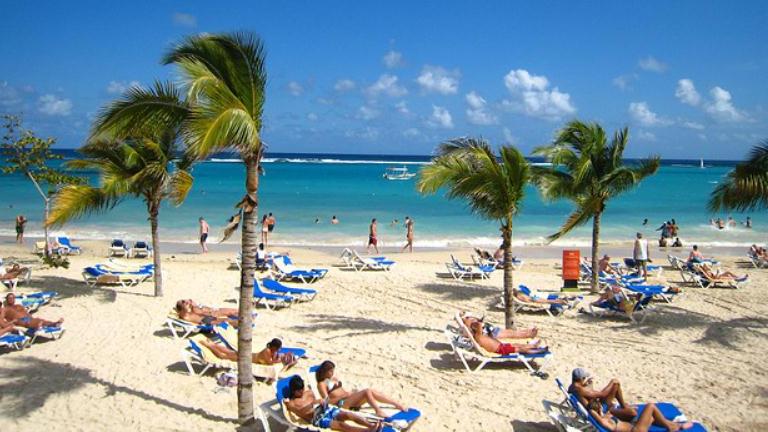
When the Falmouth Cruise Port opened in 2011, purpose-engineered to berth the newest generation of mega-ships on a coast that had previously been off-limits to vessels of that scale, it created something genuinely strategic: a deep-water facility positioned almost exactly halfway between Montego Bay to the west and Ocho Rios to the east. That geography is the key to understanding how to spend a day in Falmouth well. The port does not compete with its neighbours — it connects you to both of them, and to the extraordinary landscape that lies between.
The town of Falmouth itself is one of Jamaica's most underappreciated historical assets — the island's finest example of intact Georgian colonial architecture, with a grid of streets lined with wooden-balconied buildings, an 18th-century courthouse, and a Baptist church associated with William Knibb, one of the most prominent voices for the abolition of slavery in the Caribbean. The town rewards a short wander for anyone with an interest in history, but it is modest in scale and light on conventional tourist infrastructure. The experiences that draw cruise travelers are spread across the surrounding region: the cascading terraces of Dunn's River Falls, the tranquil bamboo tunnels of the Martha Brae river, the grandeur of Good Hope Estate in the interior hills, and the dramatic underground chambers of Green Grotto Caves.
A day in Falmouth rewards decisiveness. Choose one major excursion — the falls, the river, the caves, or a run into Montego Bay — allow time for a proper Jamaican meal, take a brief walk through the Georgian town, and return to the ship without rushing. The country has its own deep culture, vivid landscape, and the particular warmth that has been making visitors return to Jamaica, specifically and deliberately, for generations.
Top things to do in Falmouth (Jamaica) on a cruise stopover
Dunn's River Falls
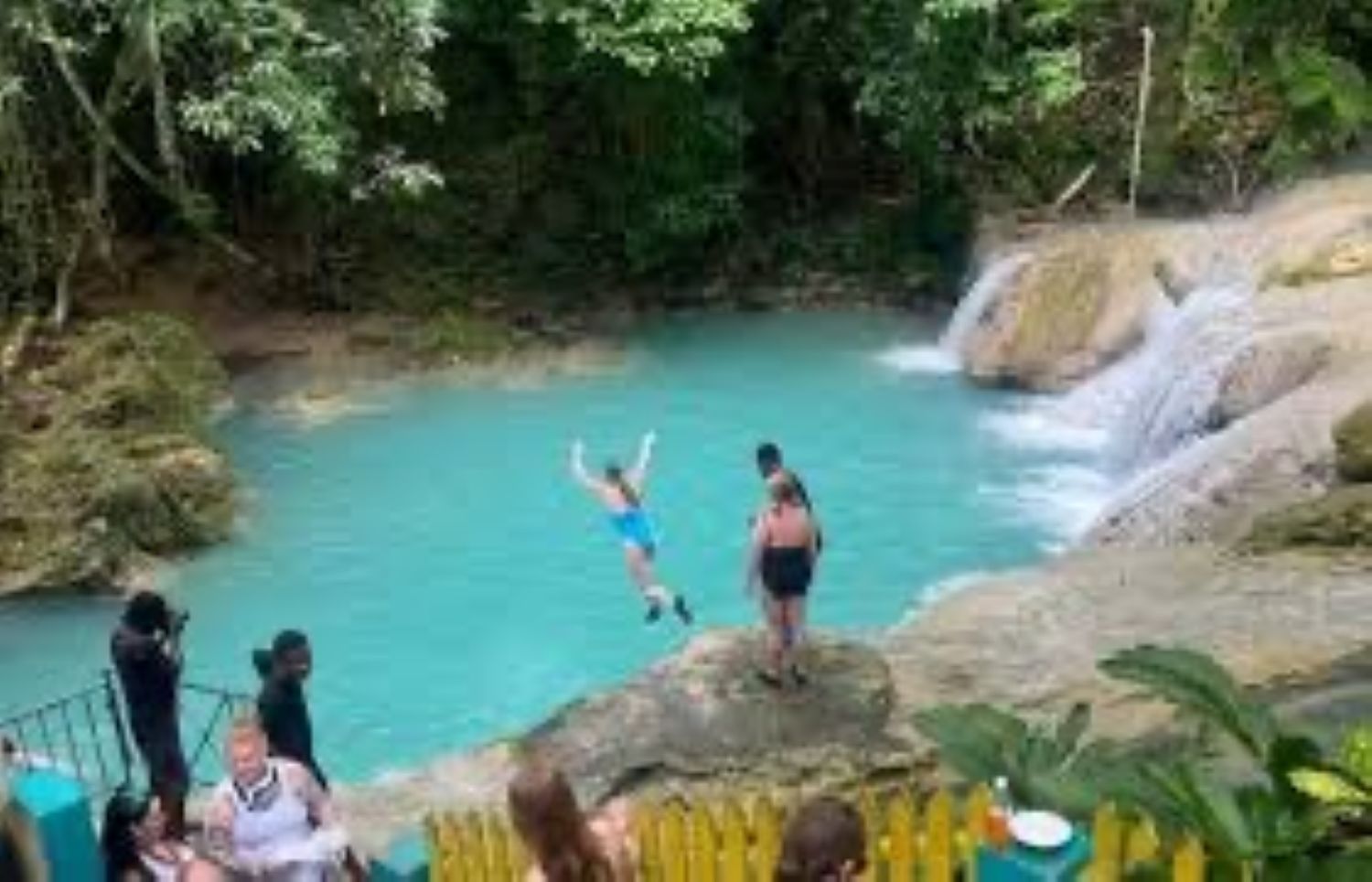
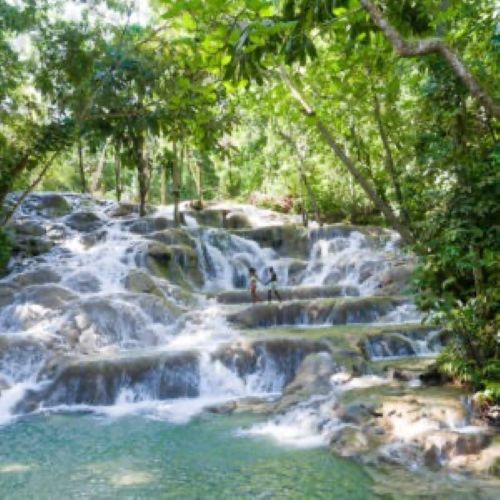
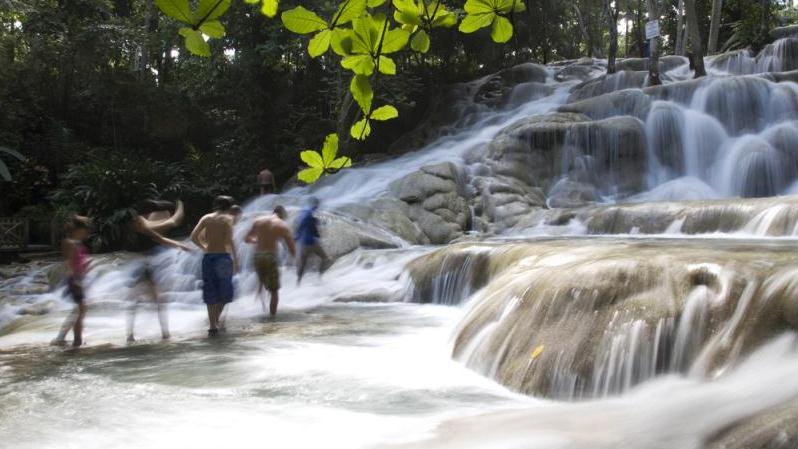
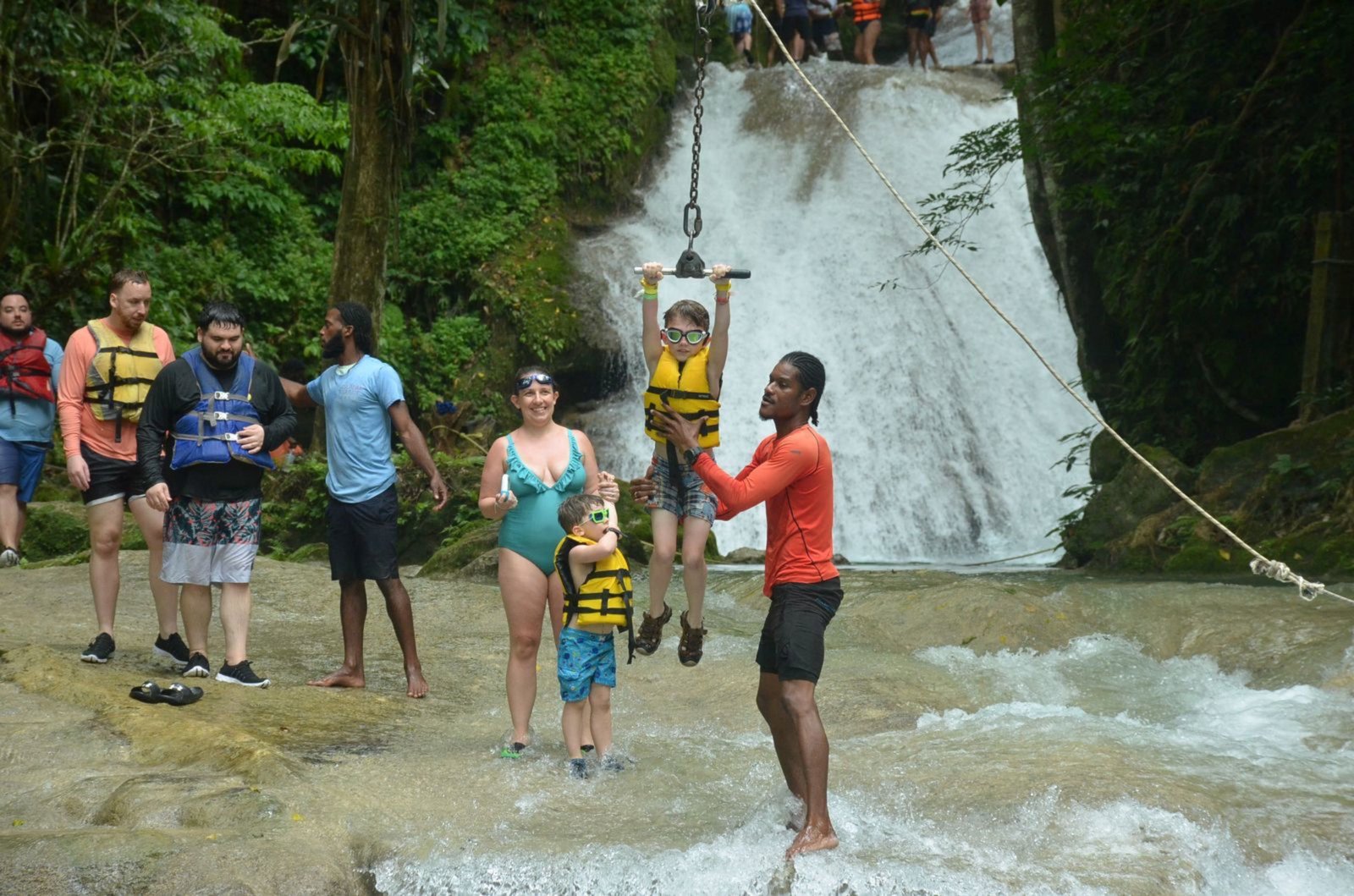
Jamaica's most iconic natural attraction sits roughly 45–60 minutes east of Falmouth near Ocho Rios, and it remains one of the most exhilarating experiences available anywhere in the Caribbean. The falls cascade 600 feet over terraced limestone ledges directly to the sea, and the defining activity is climbing them — in hand-linked human chains, led by guides who know every step and handhold. The water is cool, the rock surprisingly grippy, and the sheer physical joy of scrambling up a working tropical waterfall is unlike most things visitors have experienced before. Arrive early to beat the peak crowds, wear water shoes or rent them at the entrance, and leave valuables secured — you will get thoroughly wet. The surrounding park also has quieter pools, a beach area, and craft vendors for a more relaxed visit after the climb.
Martha Brae River Rafting
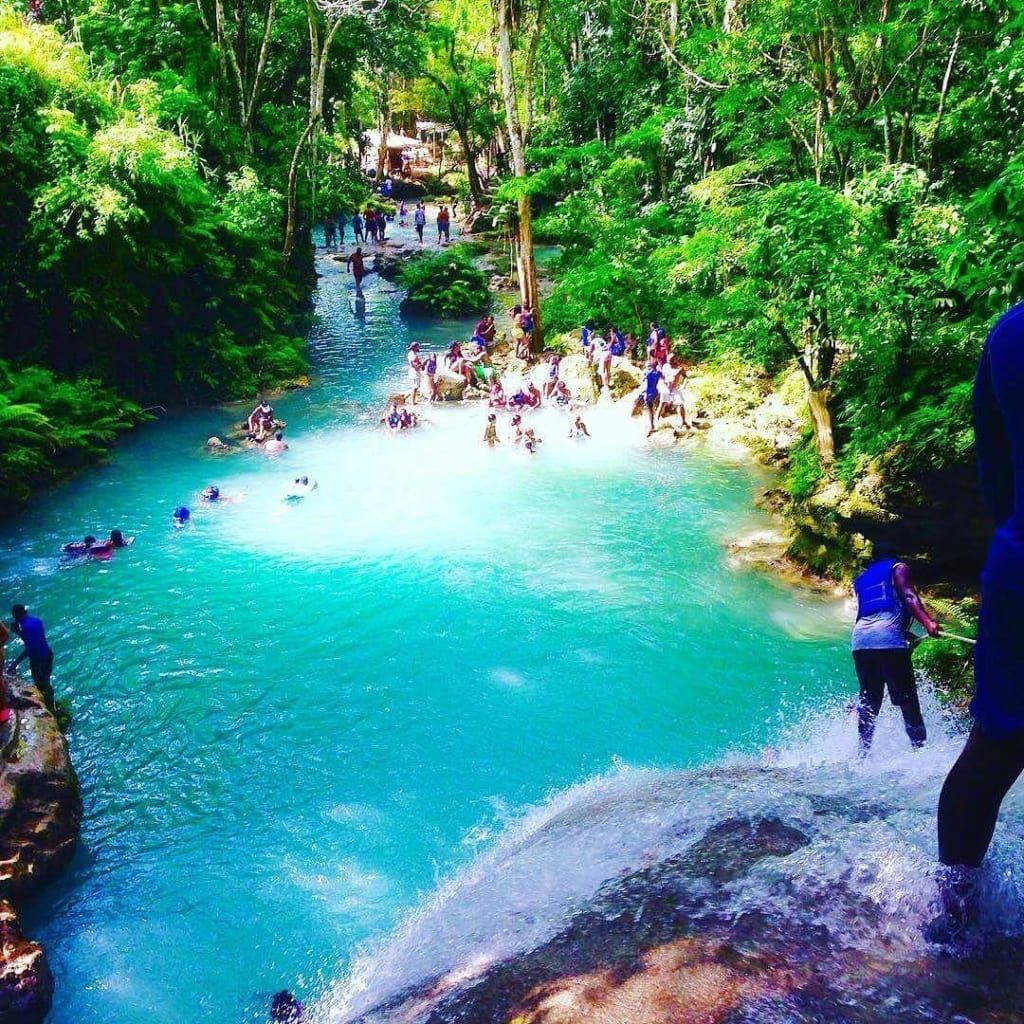
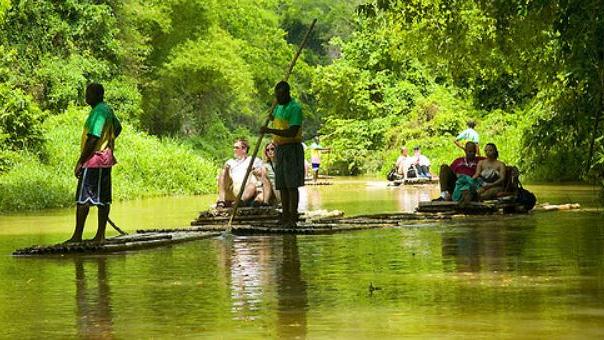
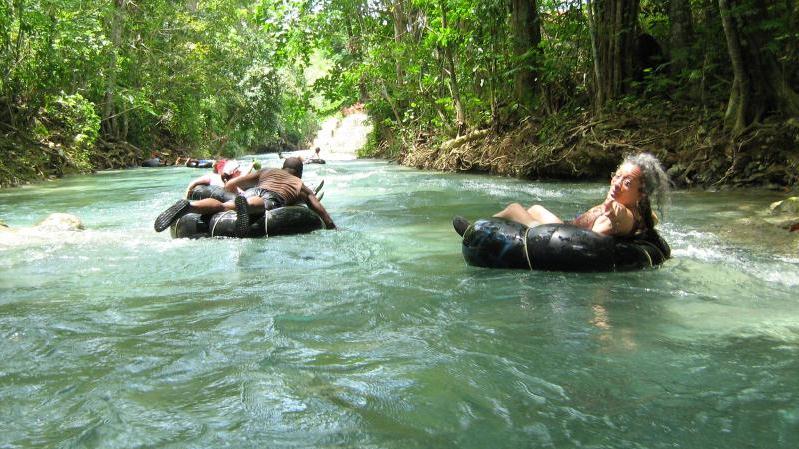
The Martha Brae River flows gently through dense tropical vegetation just a few kilometres from the Falmouth port, making it one of the most convenient major excursions from this call. Traditional bamboo rafts, each poled by a skilled captain, carry two passengers along a tranquil five-kilometre stretch through overhanging bamboo canopy, past swimming holes, and along banks alive with birds and tropical plants. The journey takes roughly 90 minutes and is almost entirely peaceful — unhurried, shaded, and restorative in a way that contrasts pleasingly with the energy of a large ship. Raft captains are typically excellent conversationalists and natural storytellers about the river and its surrounding countryside. This is a family-friendly experience that works as well for children as for those seeking something quietly beautiful.
Good Hope Estate
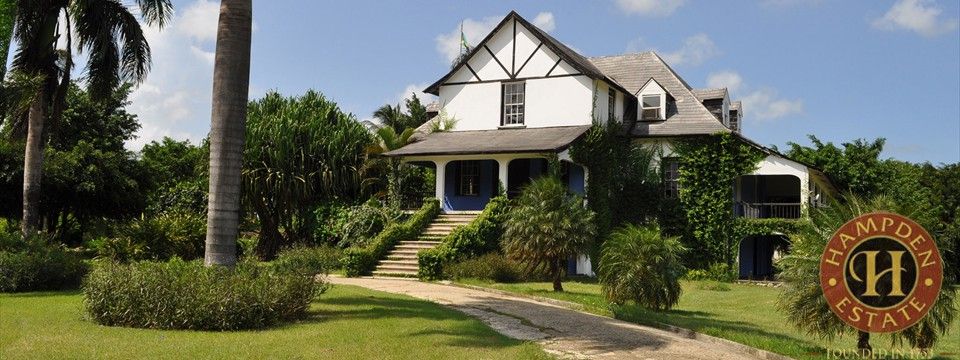
One of Jamaica's finest plantation great houses, Good Hope Estate sits in the lush interior hills of Trelawny Parish a short drive inland from Falmouth, on a former sugar and cattle estate dating to the 18th century. The Georgian great house has been beautifully restored and operates today as a boutique hotel and heritage attraction offering horseback riding through the estate grounds, ATV tours, zip-lining through the treetop canopy, and guided history walks that address the estate's full story — including the enslaved workforce whose labour built its prosperity. The surrounding countryside is extraordinarily beautiful, with views reaching to the Blue Mountains in the interior and the north coast below. It is one of the more culturally substantive excursions available from the Falmouth port.
Green Grotto Caves
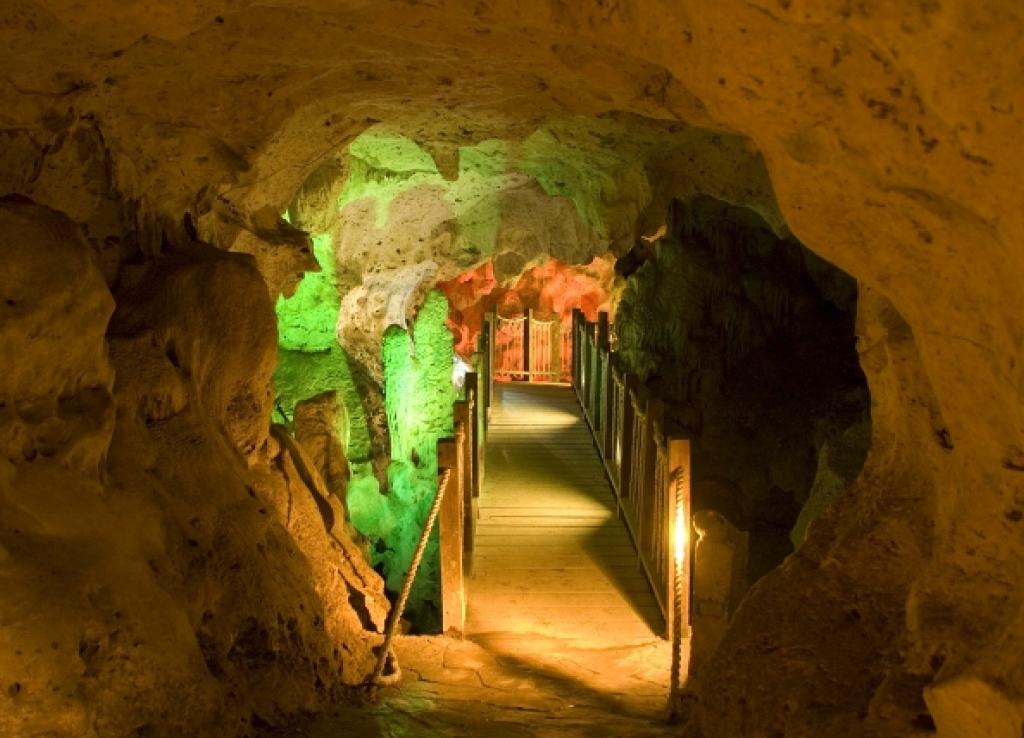
Located about 30 minutes east of Falmouth along the north coast road, Green Grotto is a dramatic underground cave system carved through limestone over millions of years. Guided tours descend into cathedral-like chambers hung with stalactites and populated by resident bats, passing a subterranean lake whose still surface reflects the formations above. The caves carry a layered history — Taíno peoples sheltered here, people escaping slavery hid within the passages, and Spanish colonists are said to have used the caves during the British conquest of Jamaica in 1655. The guided tour takes approximately 45 minutes underground, with wooden walkways and installed lighting throughout. A good option for travelers who prefer something drier and cooler than the falls climb, particularly on hot or overcast days.
Historic Falmouth Town
The town of Falmouth is one of Jamaica's most underappreciated historical assets — the island's finest surviving example of Georgian colonial urban planning, developed rapidly in the late 18th and early 19th centuries when it served as the capital of Trelawny Parish and a major sugar export hub. Walking the town's grid streets reveals wooden-balconied townhouses, the handsome 1815 courthouse, the historic Baptist Manse associated with abolitionist minister William Knibb, and the old waterwheel — part of infrastructure that gave Falmouth running water before New York City had it. The Jamaica National Heritage Trust has installed interpretive markers at key sites, making self-guided exploration straightforward. The walk takes about an hour and requires no guide.
Montego Bay Day Visit
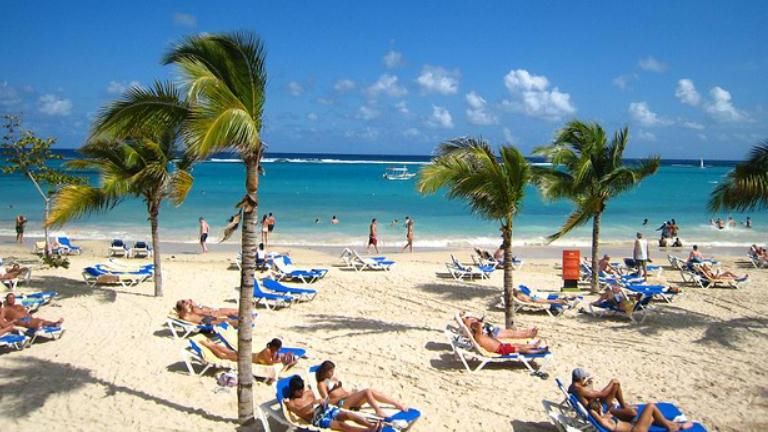
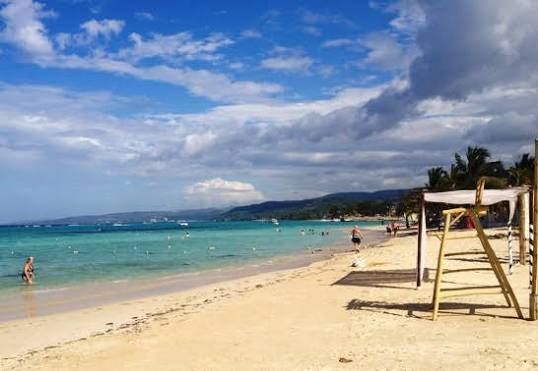
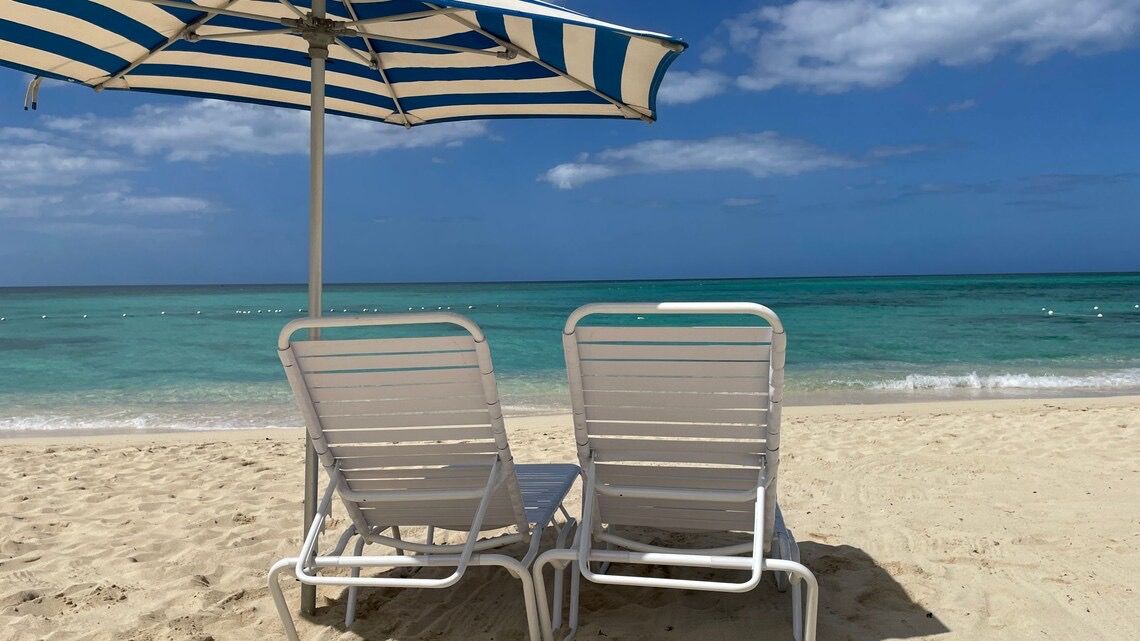
With Montego Bay just 30 minutes west along the north coast highway, some Falmouth visitors opt to spend part of their day in Jamaica's second city. Hip Strip (Gloucester Avenue) offers a concentrated stretch of restaurants, bars, craft markets, and direct beach access. Doctor's Cave Beach — a storied private beach club on the Strip — is a clean, calm, well-facilitated option for a few hours of genuine relaxation in the sun. Rose Hall Great House, east of the city centre, is a popular cultural stop with a detailed plantation history and an outsized legendary reputation. Allow time to account for potential traffic on the coastal road, particularly on busy cruise days when several ships may be in port simultaneously across the region.
Falmouth (Jamaica) travel tips
Choose One Major Excursion and Do It Well. Dunn's River Falls and Martha Brae rafting are both excellent, but the falls require 45–60 minutes of travel each way — consuming most of the transit budget in a six-to-eight hour port call once you factor in time at the attraction itself. Martha Brae is nearby and takes about 90 minutes on the water. Attempting both in a single day creates a rushed experience at each and a stressful return to the ship. Choose one major excursion, allow time for a proper Jamaican meal and a brief walk through Falmouth's Georgian streets, and return with buffer time to spare. A well-chosen, unhurried day beats an overpacked itinerary every time.
Book Dunn's River Falls Before You Arrive. Dunn's River Falls is one of the busiest attractions in the entire Caribbean, drawing visitors from cruise ships across multiple ports on the same day. Arriving without a pre-booked ticket means potential queues at the entrance that eat into your limited time ashore. Booking through your ship's excursion desk guarantees that the ship will not depart without you. Independent booking directly with the falls or through a reputable local operator is often significantly cheaper and gives more scheduling flexibility — but you assume responsibility for returning to the ship on time. Whatever route you choose, book in advance.
Use Only Licensed Port Taxis. Falmouth's cruise port has an official taxi stand with licensed drivers and posted zone fares. Use only taxis from this stand or pre-arranged through a recognised operator. Unofficial drivers who approach passengers outside the port perimeter should be politely declined. Licensed drivers carry identification, operate under a regulated fare structure, and have a commercial incentive to ensure you return to the ship on time. Agree on the full round-trip price — including any waiting time at your destination — before departing. This protects both your wallet and your departure schedule.
Water Shoes Are Essential for Dunn's River Falls. The limestone at Dunn's River Falls is perpetually wet and the river moves with genuine force in sections. Purpose-made water shoes with grippy rubber soles make a real difference to your safety and confidence on the climb. They can be rented at the falls entrance for a few dollars, but bringing your own ensures a proper fit. Flip-flops and bare feet are officially discouraged and genuinely impractical on the wet rock. Waterproof pouches or dry bags for phones and valuables are strongly recommended — an unprotected smartphone will not survive the experience. Leave jewellery on the ship.
Stop at a Roadside Jerk Stand on the Way Back. Some of the best food in Jamaica is sold from roadside oil-drum smokers, and the north coast highway between Falmouth and the falls passes some celebrated spots. If your taxi driver can recommend a stop — and most can — take the suggestion seriously. Jerk chicken or pork served on newspaper with festival dumplings and a cold Red Stripe is an authentically Jamaican experience that no hotel restaurant fully replicates. Portions are generous and prices are local. Allow 20–30 minutes for the stop and pick somewhere with shade. This meal, eaten roadside after a morning at the falls, tends to be one of the most memorable parts of a Jamaica port day.
Build Generous Buffer Time Before Ship Departure. The north coast highway between Falmouth and Ocho Rios can experience significant traffic congestion on busy cruise days, when ships at Falmouth, Montego Bay, and Ocho Rios simultaneously send thousands of passengers onto the same coastal road. Road works, local traffic, and the occasional livestock crossing add further unpredictability. Build at least 60–90 minutes of buffer into your return journey from any excursion east of the port. Ships depart on schedule and will not wait. Missing your departure means finding your own way to the next port at considerable personal expense — a risk that no attraction is worth.
Port Facts Every Cruiser Needs To Know
Falmouth (Jamaica) shore excursion FAQs
Falmouth is a purpose-built cruise port that opened in 2011 specifically to accommodate the newest generation of very large cruise ships — including Royal Caribbean's Oasis-class vessels — which are too large for the existing port infrastructure at Montego Bay and Ocho Rios. Falmouth sits geographically between the two cities on Jamaica's north coast: approximately 30 minutes east of Montego Bay and 45–60 minutes west of Ocho Rios. This central location makes it a practical hub for accessing both cities and the significant attractions spread along the north coast between them.
Ships dock directly at Falmouth's purpose-built pier — no tendering required. The port was engineered from the outset to accommodate the world's largest cruise vessels with direct berth access, and it holds the distinction of being the deepest cruise port in the Caribbean. Disembarkation is straightforward and the terminal complex is immediately accessible on foot. The pier connects to a facility with shops, restaurants, an ATM, and taxi and tour operator services. Historic Falmouth town itself is approximately a 5-minute walk from the terminal exit gate.
Dunn's River Falls is approximately 45–60 minutes from Falmouth by road, depending on traffic. The journey east along the north coast highway passes through green scenery and seaside villages. The falls are widely considered worth the trip — climbing 600 feet of cascading natural limestone terraces in a human chain is a genuinely exhilarating experience with few equivalents anywhere in the Caribbean. Allow at least 3 hours for the round trip including time at the attraction itself. Book tickets in advance, plan to arrive early to avoid the peak crowd, and calculate the transit time carefully against your ship's scheduled departure.
Martha Brae River Rafting operates on a gentle river a few kilometres from the Falmouth cruise port — making it one of the most conveniently located excursions available. Two-person bamboo rafts, each guided by an experienced captain who poles from the rear, drift along a 5-kilometre stretch through bamboo canopy and tropical vegetation over approximately 90 minutes. The experience is peaceful and shaded, with opportunities to swim at designated points along the route. It is significantly more relaxed than the Dunn's River Falls climb and works well for families, couples, and anyone who prefers a gentler, more contemplative pace for their day ashore.
The immediate area around the cruise port and the historic Georgian town centre is generally considered safe for independent daytime exploration. The town is small enough to walk in an hour or two, and interpretive markers from the Jamaica National Heritage Trust make self-guided touring straightforward. Standard precautions apply: keep valuables out of sight, stay aware of your surroundings, and avoid poorly lit or deserted areas. Some visitors find that vendors and tour touts near the port exit can be persistent — a polite but firm refusal while continuing to walk is the standard and effective approach.
Yes. Montego Bay is approximately 30 minutes west of Falmouth by licensed taxi — one of the most straightforward independent excursions available from this port. Hip Strip (Gloucester Avenue) offers restaurants, beach clubs, craft markets, and Doctor's Cave Beach, a well-facilitated private beach club that is one of the north coast's best for a relaxed swim. Rose Hall Great House, east of the Montego Bay city centre, is a popular cultural and historical stop. Agree on a round-trip fare and waiting time with your licensed port taxi before departing, and allow generous return time for potential coastal road congestion on busy cruise days.
Good Hope Estate is an 18th-century plantation great house set in the Trelawny hills a short drive inland from Falmouth on a former sugar and cattle estate. Today it operates as a heritage and adventure attraction offering horseback riding through the estate grounds, ATV tours, zip-lining, and guided history walks. The restored Georgian great house and its surrounding coconut walk, river access, and mountain views make it one of the most scenically varied attractions on the north coast. The historical interpretation addresses the estate's slave-era origins directly. It appeals to travelers interested in history and authentic Jamaican landscape, families with older children, and anyone who wants a mix of outdoor activity and genuine cultural depth.
Jamaica's culinary identity is strong and deeply satisfying. Jerk chicken or pork — slow-smoked over pimento wood with a fiery, fragrant spice blend unique to Jamaica — is the essential experience and best eaten from a roadside stand. Ackee and saltfish, the national dish, pairs the creamy tropical fruit with salt cod and is typically served at breakfast and lunch. Festival (lightly sweet fried cornmeal dumplings) accompanies most jerk plates. Fresh coconut water from roadside vendors is outstanding for hydration in the heat. For drinks, Red Stripe lager and rum punch made with Appleton Estate rum from the nearby Black River valley are the north coast standards.
Green Grotto Caves, about 30 minutes east of Falmouth along the north coast road, is a worthwhile option for travelers who want an engaging experience without the physical demands of the falls climb or a long transit east to Ocho Rios. The guided underground tour takes approximately 45 minutes and passes through impressive cave chambers, past a subterranean lake, and through passages with genuine historical significance — Taíno habitation, use as a hiding place during the colonial era, and a role in the 17th-century Spanish-British contest for Jamaica. Combined with a jerk stop on the return, it makes a solid, lower-intensity half-day excursion suitable for a wide range of travelers.
Falmouth was developed rapidly in the late 18th and early 19th centuries as the administrative and commercial capital of Trelawny Parish — one of Jamaica's most productive sugar-growing regions at the height of the plantation era. At its peak it was among the busiest ports in the British Caribbean, exporting sugar produced by a large enslaved workforce on the surrounding estates. The town's Georgian street grid, 1815 courthouse, wooden-balconied townhouses, and Baptist Manse — associated with abolitionist missionary William Knibb, who was based here and became one of the most vocal advocates for emancipation in the Caribbean — survive largely intact. Falmouth is Jamaica's best-preserved example of Georgian colonial urban architecture from that era.
Filters
Select a filter to refine results.
Tour Type
Tour Activity
 Cart
Cart
 USD
USD GBP
GBP AUD
AUD EUR
EUR CAD
CAD