



Tours in Bergen
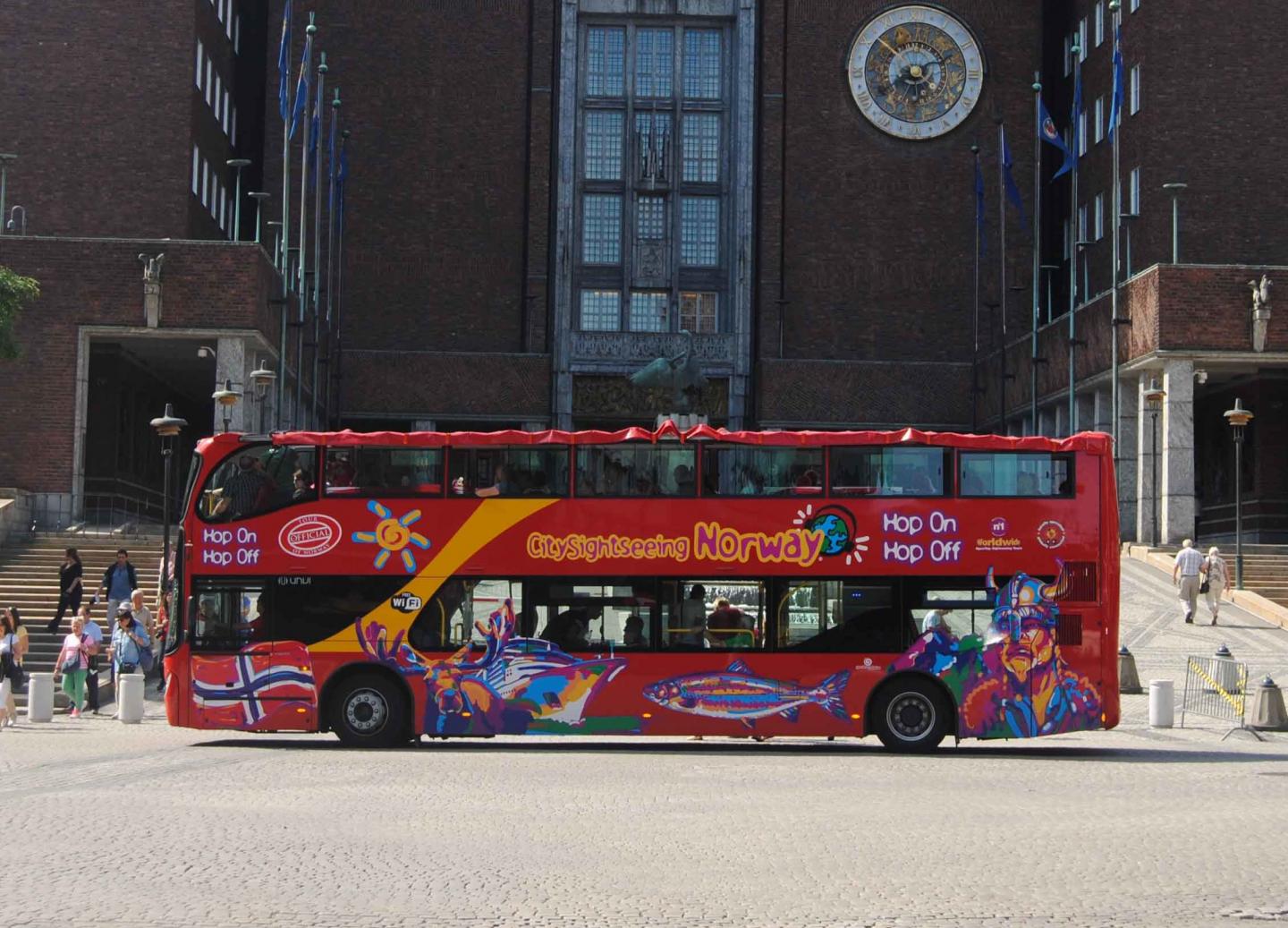


Cruising to Bergen in a group?
Skip the crowded ship excursion bus. One dedicated planner will design a private shore experience around exactly what your group wants — coordinated from first enquiry to the moment you're back on board. More memorable, more flexible, and more affordable than you might expect. Spend less time organising, more time enjoying.
Explore Group Travel →Cruising to Bergen
Bergen sits on Norway's western coast, embraced by seven mountains and the finger-like inlet of Byfjorden. The city has served as Norway's most important trading port since the Middle Ages, and that legacy survives in Bryggen — the UNESCO-listed row of colourful wooden merchant houses along the wharf that has defined Bergen's skyline for centuries. As Norway's rainiest city (locals acknowledge the statistic with resigned cheerfulness), Bergen averages over 200 rainy days annually, but clouds frequently part to reveal spectacular mountain backdrops, and the compact, walkable city centre packs an impressive density of museums, markets, and historic architecture into a very manageable area. The Fløibanen funicular whisks visitors from the city centre to the summit of Mount Fløyen in eight minutes, opening panoramic views across the fjord landscape. Bergen is both a vivid destination in its own right and, for many visitors, their first glimpse of Norwegian culture and coastal geography.
Top things to do in Bergen on a cruise stopover
Bryggen: A Medieval Trading Quarter Frozen in Time
Bryggen — the row of colourful wooden merchant houses lining Bergen's eastern harbour — is the defining image of the city and a UNESCO World Heritage Site since 1979. The buildings date in their current form to reconstruction after a devastating fire in 1702, though a trading wharf has occupied this site continuously since the 14th century when Bergen was the most powerful Hanseatic League port in Scandinavia. Walking into the narrow alleyways between the buildings reveals a world of cramped passages, tilting timber frames, and artisan shops selling locally made goods. The interiors of several buildings are open to visitors, and the Bryggens Museum nearby documents archaeological discoveries made when the area was excavated. Bryggen's weathered facades photograph best in morning light, before the day's visitors concentrate along the waterfront.
Fisketorget: Bergen's Waterfront Fish Market
The Fish Market at Bergen's harbour has been a fixture of city life for centuries — fishermen have sold their catch on this waterfront since the Middle Ages. Today the market operates both as a traditional outdoor market and an indoor year-round hall, offering fresh and smoked Norwegian seafood alongside local delicacies. Whole king crabs, sides of smoked salmon, prawn open sandwiches, and bowls of Bergen fish soup are all available to eat at the market or nearby tables. The outdoor market operates from spring through autumn; the indoor hall operates year-round. Morning visits, when produce is freshest and the atmosphere reflects the market's working character rather than its tourist function, offer the best experience.
Mount Fløyen: Panoramic Views Over Bergen and the Fjord
Mount Fløyen (320 metres) is the most accessible of Bergen's seven surrounding mountains, reached in approximately 8 minutes by the Fløibanen funicular from a station in the city centre. The summit offers panoramic views across the city, Byfjorden, and surrounding mountains — in clear conditions, the vista extends far along the fjord landscape. Several marked walking trails depart from the summit, ranging from short circuits to longer hikes across the mountain plateau. A café and restaurant operate at the top. Fløibanen runs frequently throughout the day, making it straightforward to ascend and descend on your own schedule. The funicular has operated since 1918 and remains one of Bergen's most enduring visitor experiences.
Bergenhus Fortress: Eight Centuries of Norwegian History
Bergenhus Fortress, positioned at the entrance to Bergen Harbour, is one of the oldest and best-preserved medieval fortresses in Norway. Construction began in the 13th century during the reign of Håkon Håkonsson, and the site includes Håkon's Hall — a large stone banqueting hall built around 1261 — and Rosenkrantz Tower, a 16th-century fortified tower used for both defence and as a royal residence. Both structures are open to visitors and provide a detailed picture of medieval Norwegian power. The surrounding fortress grounds are freely accessible and offer good views across the harbour entrance. The site sits directly adjacent to the Bryggen waterfront, making it easy to combine both in a single walk.
KODE: One of Scandinavia's Largest Art Museum Collections
Bergen's KODE museum complex comprises four interconnected buildings along Lille Lungegårdsvannet lake in the city centre, housing one of the largest collections of art and design in Scandinavia. The collection spans Norwegian, Nordic, and international works, with particular strengths in Norwegian painters including Edvard Munch and J.C. Dahl. Design, craft, and decorative arts occupy dedicated sections. A single admission ticket covers the permanent collection across all four buildings. The museum buildings themselves are elegant examples of early 20th-century architecture, and the lakeside setting makes the approach pleasant even in wet weather. KODE is a strong option for days when Bergen's weather discourages outdoor exploration.
Fantoft Stave Church: A Medieval Wooden Church Rebuilt
Fantoft Stave Church sits on a hillside approximately 5 kilometres south of Bergen's city centre, reached by the city's Bybanen light rail in around 20 minutes. Originally built in Fortun, Sogn, around 1150, the church was relocated to this site in 1883. Destroyed by arson in 1992, it was meticulously reconstructed and reopened in 1997 using traditional methods and materials. The result is one of the most authentically constructed stave churches accessible to visitors — the distinctive dark timber construction with dragon-headed gables creates a striking contrast to the surrounding forest. The church is open seasonally; the exterior can be viewed year-round.
Bergen travel tips
Bergen Is Norway's Rainiest City — Pack Accordingly. Bergen records over 2,000mm of rainfall annually and more than 200 rainy days per year. Showers can arrive quickly even on days that begin with clear skies. A packable waterproof jacket is the single most useful item to bring ashore. Water-resistant footwear makes a significant difference on wet cobblestones. The city functions entirely normally in rain — Bryggen, the Fish Market, and the KODE museums are all pleasant in wet conditions — so a shower need not disrupt plans. Bergen locals regard their rainfall with equanimity; visitors generally find the same attitude serves them well.
Visit the Fish Market Early for the Best Atmosphere and Selection. The outdoor Fish Market is at its most vibrant in the morning hours when the full range of produce is available and the atmosphere reflects the market's genuine working character. By early afternoon, selection narrows and the character shifts more towards souvenir shopping. Bergen fish soup, available at several stalls, is an excellent warming meal on cooler days. Prices at market stalls can be high by Norwegian standards — comparing a few stalls before buying is sensible. The indoor fish market hall nearby offers more consistent pricing and operates year-round as an alternative.
Time the Fløibanen Funicular to Avoid Mid-Morning Queues. The Fløibanen funicular is extremely popular with cruise visitors, and queues during mid-morning — roughly 10am to noon — can be considerable when multiple ships are in port simultaneously. Arriving at the funicular station early, ideally before 9:30am, or waiting until after 2pm significantly reduces waiting times. The funicular runs frequently so the queue moves steadily, but during peak hours waits of 30-45 minutes are not uncommon. Tickets can be purchased at the station; checking in advance whether online purchase allows queue prioritisation is worthwhile before your port day.
Explore Bryggen's Back Alleys, Not Just the Waterfront Facade. The iconic view of Bryggen from the harbour is familiar from countless travel images, but the most rewarding exploration happens in the narrow alleyways running behind the waterfront buildings. These passages — some barely wide enough for two people to pass — reveal the original scale and character of the Hanseatic trading complex: storerooms, workshops, and residences stacked closely together. Many alleyways are lined with small independent shops selling locally crafted goods. Wear footwear with grip — the wooden walkways can be slippery when wet, which in Bergen is a frequent condition.
Norway Is Effectively Cashless — Cards Are Fine Almost Everywhere. Norway has one of the highest rates of cashless payment in the world, and Bergen is no exception. Credit and debit cards (Visa, Mastercard) are accepted at virtually every restaurant, shop, museum, attraction, and transport operator in the city. Even many market stalls accept card payments. Cash is rarely necessary, though ATMs are available in the city centre if needed. Be aware that foreign card transactions may carry currency conversion fees depending on your card issuer — checking your bank's international transaction terms before departure avoids surprises on the statement.
On Clear Days, Prioritise the Mountain Views — They Can Disappear Quickly. Bergen's mountains create spectacular natural scenery, but cloud cover frequently reduces summit visibility — sometimes within minutes of a clear period. If you arrive in port on a clear morning, prioritise the Fløibanen funicular and the summit of Mount Fløyen before other city sights. The panoramic views over the city, harbour, and surrounding fjord landscape are among the finest accessible by a short funicular ride anywhere in Europe. Rain and mist can descend on the mountain while the city below remains dry, so checking conditions from the port before ascending is worthwhile.
Port Facts Every Cruiser Needs To Know
Bergen shore excursion FAQs
Yes — most cruise berths in Bergen (Skolten and Jekteviken terminals) are within 10-15 minutes' walk of the city centre and Bryggen wharf. Bergen is one of the most walkable cruise destinations in Europe, and no shuttle is typically required to reach the main attractions.
The funicular journey takes approximately 8 minutes each way. It departs from a station in the city centre, a short walk from Bryggen. The funicular runs frequently throughout the day with departures roughly every 15-30 minutes. Queues can be long during mid-morning when multiple cruise ships are in port.
Yes, particularly in the morning when selection is freshest and the atmosphere most authentic. Bergen fish soup, smoked salmon, and king crab are highlights. Prices are high by many visitors' standards, and some stalls skew towards tourists by midday. The indoor fish market hall nearby offers a year-round alternative with more consistent pricing.
Norwegian Krone (NOK). Norway is not part of the eurozone, so Euros are not generally accepted. Card payments are almost universally accepted throughout Bergen, making cash largely unnecessary — but ATMs are available in the city centre if needed.
Fantoft Stave Church is approximately 5 kilometres south of Bergen city centre, reachable in around 20 minutes by the Bergen light rail (Bybanen) from the Byparken stop near the city centre. Allow 60-90 minutes in total for the round trip and a visit to the church.
Even in summer, Bergen's weather is changeable. Pack a waterproof jacket, comfortable walking shoes, and layers you can add or remove through the day. Temperatures in July and August average around 17-20°C on fine days but can drop noticeably in rain or wind. Non-slip footwear is especially useful on wet cobblestones and wooden walkways.
The KODE complex — four interconnected buildings — can absorb a full half-day for those with a genuine interest in Nordic art and design. A focused visit to highlights of the collection takes around 2 hours. It is a particularly good option on rainy days when outdoor exploration is less appealing.
Bergen is the gateway to several fjord experiences, but most fjord excursions from the city require 4-8 hours including ferry or bus travel. These are more practical when Bergen is a destination port rather than a turnaround. Confirm with your ship whether time ashore permits an excursion of this duration before planning accordingly.
Yes — these three attractions are Bergen's most popular and can realistically be combined in a single port day. The Fish Market and Bryggen sit side by side on the waterfront, and the Fløibanen funicular station is a 10-minute walk away. Allow 3-4 hours for all three, with time to spare for Bergenhus Fortress or the KODE museums if the schedule permits.
Bergen is one of Norway's busiest cruise ports, and multiple ships can be in port simultaneously during peak season (June-August). This concentrates visitors at popular sites — particularly the Fløibanen funicular and Fish Market — during mid-morning hours. Arriving early at key attractions or visiting popular spots later in the afternoon makes a noticeable difference to queuing times and overall experience.
Filters
Select a filter to refine results.
Tour Type
Tour Activity
 Cart
Cart
 USD
USD GBP
GBP AUD
AUD EUR
EUR CAD
CAD