



Tours in Belfast


Cruising to Belfast in a group?
Skip the crowded ship excursion bus. One dedicated planner will design a private shore experience around exactly what your group wants — coordinated from first enquiry to the moment you're back on board. More memorable, more flexible, and more affordable than you might expect. Spend less time organising, more time enjoying.
Explore Group Travel →Cruising to Belfast
Belfast sits at the mouth of Belfast Lough on the northeastern coast of Ireland, a city that has transformed itself from industrial powerhouse to one of the most compelling cruise destinations on the Atlantic coast. The birthplace of RMS Titanic, Belfast once dominated global shipbuilding, and that story is told with remarkable depth at the award-winning Titanic Belfast museum on the banks of the River Lagan. Beyond the docks, the city rewards exploration: Victorian architecture lines the city centre, vivid murals narrate decades of political upheaval in the Falls and Shankill neighbourhoods, and the Cathedral Quarter pulses with independent bars and live music. A short drive north, the Antrim coast reveals one of the natural world's great spectacles — the Giants Causeway, a UNESCO World Heritage Site of 40,000 interlocking basalt columns formed by ancient volcanic activity. Belfast is a port that genuinely surprises visitors: energetic, historically rich, and far more varied than a single day can fully reveal.
Top things to do in Belfast on a cruise stopover
Giants Causeway: Nature's Most Dramatic Geometry
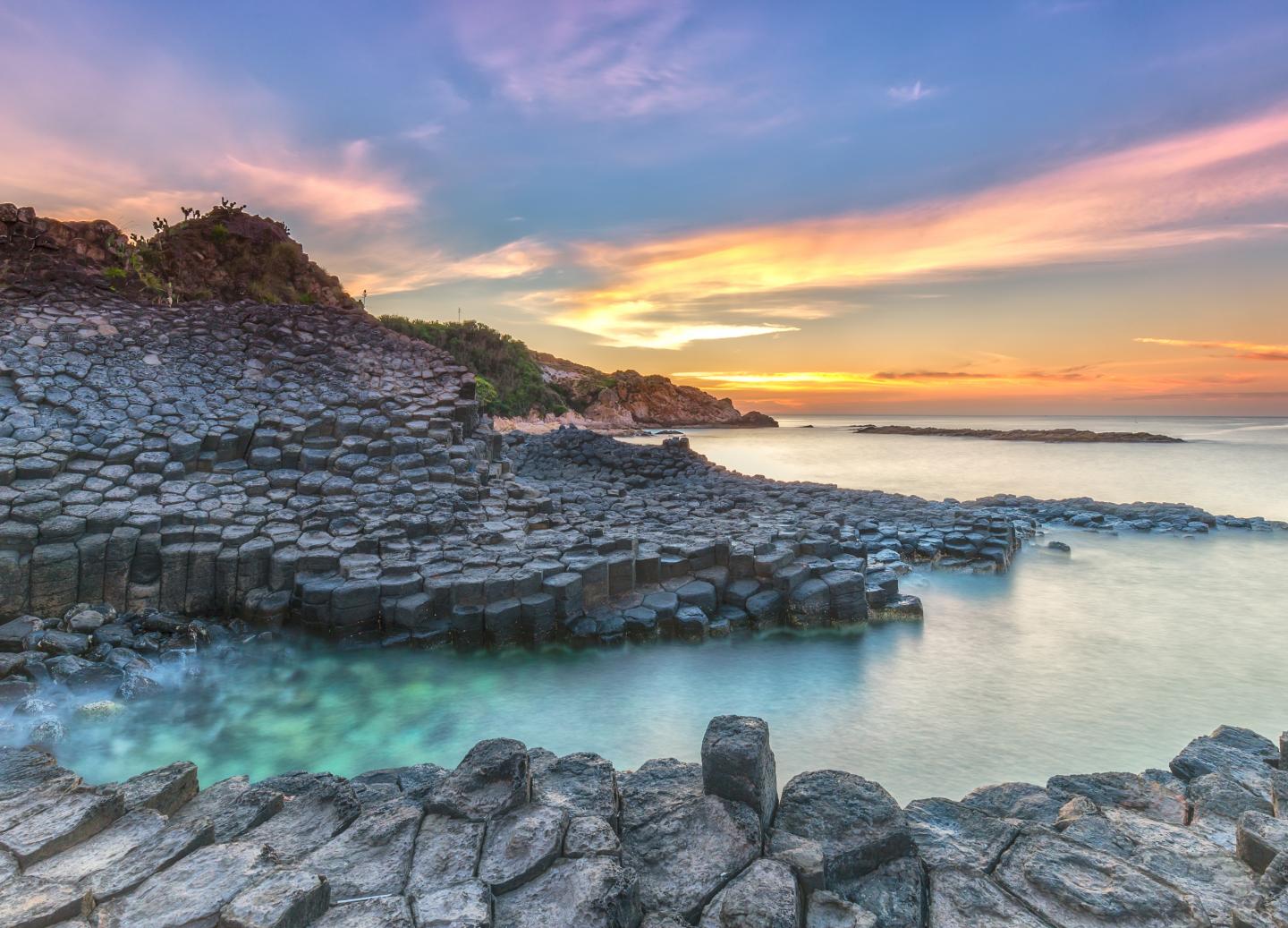
Roughly 60 miles north of Belfast along the Antrim coast, the Giants Causeway presents one of the natural world's most compelling spectacles: approximately 40,000 interlocking basalt columns, mostly hexagonal, formed by volcanic activity around 60 million years ago. UNESCO designated the site a World Heritage Site in 1986, and it remains Northern Ireland's most visited attraction. The columns rise from the sea in stepped formations, some reaching 12 metres, creating a landscape that looks almost architectural — which explains the enduring legend that the giant Finn McCool built it as a causeway to Scotland. The visitor centre provides geological and cultural context, and several walking trails explore different sections of the coast. Morning visits before day-trippers arrive offer the most atmospheric experience.
Titanic Belfast: The Ship That Defined a City
The Titanic Belfast museum occupies the site of the Harland and Wolff shipyard where RMS Titanic was built and launched. Opened in 2012 to mark the centenary of the sinking, the building's distinctive angular facade — designed to evoke the ship's bow — has become one of Belfast's most recognisable landmarks. Inside, nine galleries trace the ship's construction, voyage, and discovery using original artefacts, film footage, and immersive recreations. The Titanic Quarter around it has been regenerated into a waterfront district with additional attractions including the SS Nomadic, the last remaining White Star Line vessel. Pre-booking tickets is strongly recommended, particularly during summer months when queues can be substantial.
City Hall and Donegall Square: Belfast's Civic Heart
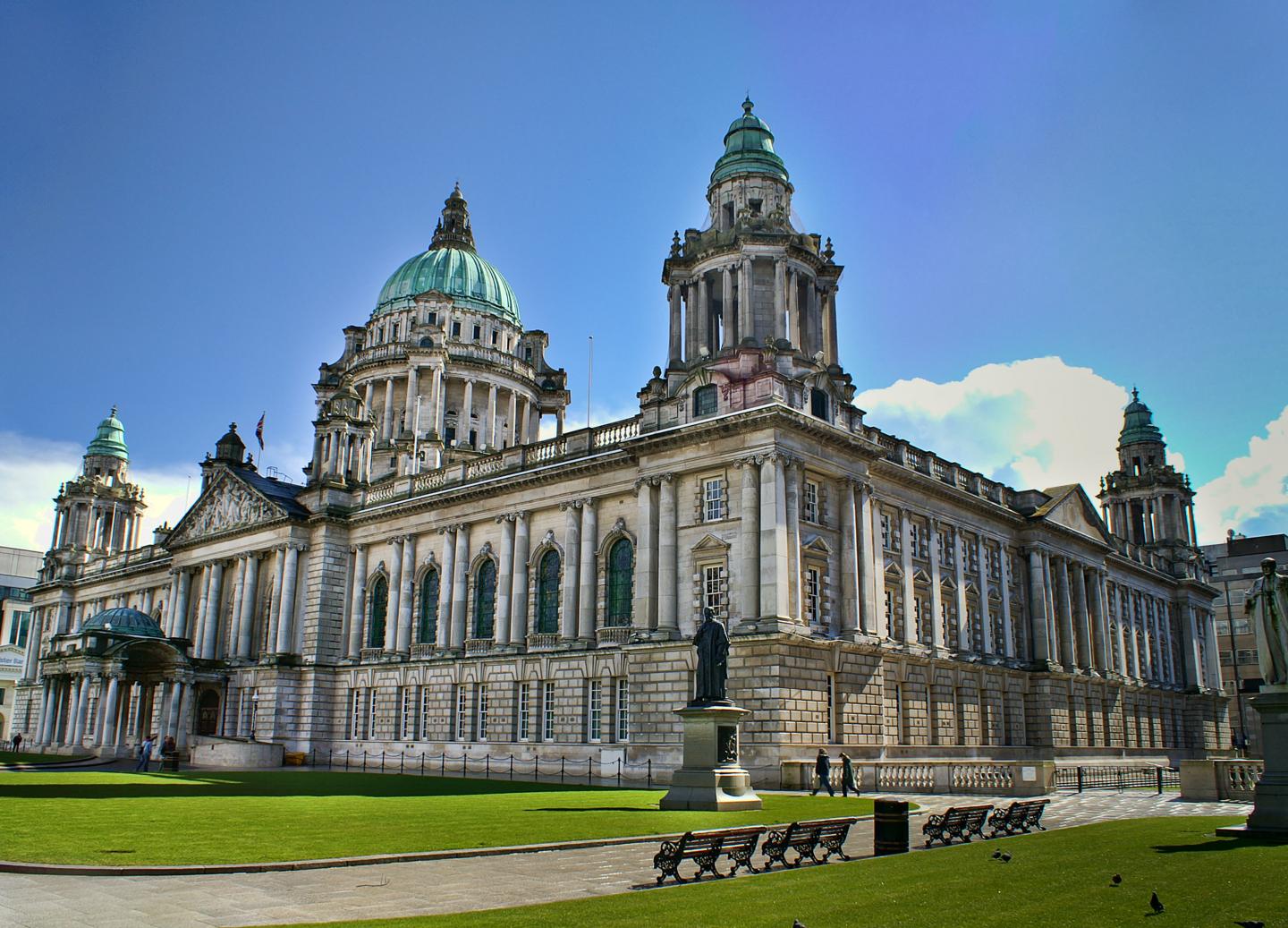
Belfast City Hall stands at the geographic and civic centre of the city on Donegall Square, a Renaissance Revival building completed in 1906 at the height of Belfast's industrial prosperity. The exterior is Portland stone; the interior features marble staircases, stained glass, and an impressive rotunda. Free guided tours operate daily and provide an accessible introduction to Belfast's political and social history. The surrounding square is lined with striking Victorian and Edwardian architecture, including the Linen Hall Library — Ireland's oldest lending library — and serves as a good orientation point for exploring the rest of the city on foot.
Cathedral Quarter: Victorian Pubs and Live Music
Belfast's Cathedral Quarter, centred on Hill Street and surrounding cobbled lanes, is the city's cultural and social hub. Independent bars, restaurants, and music venues occupy Victorian warehouses and narrow terraced buildings. The Crown Liquor Saloon on Great Victoria Street — a National Trust property and one of the most ornate Victorian pubs in the British Isles — is unmissable: its gas-lit interior features carved wooden snugs, intricate tiling, and coloured glasswork dating to the 1880s. Traditional music sessions occur spontaneously in many nearby pubs throughout the day. The city's Belfast Cathedral is a short walk away, adding a quieter counterpoint to the quarter's lively character.
Political Murals: Belfast's Painted History
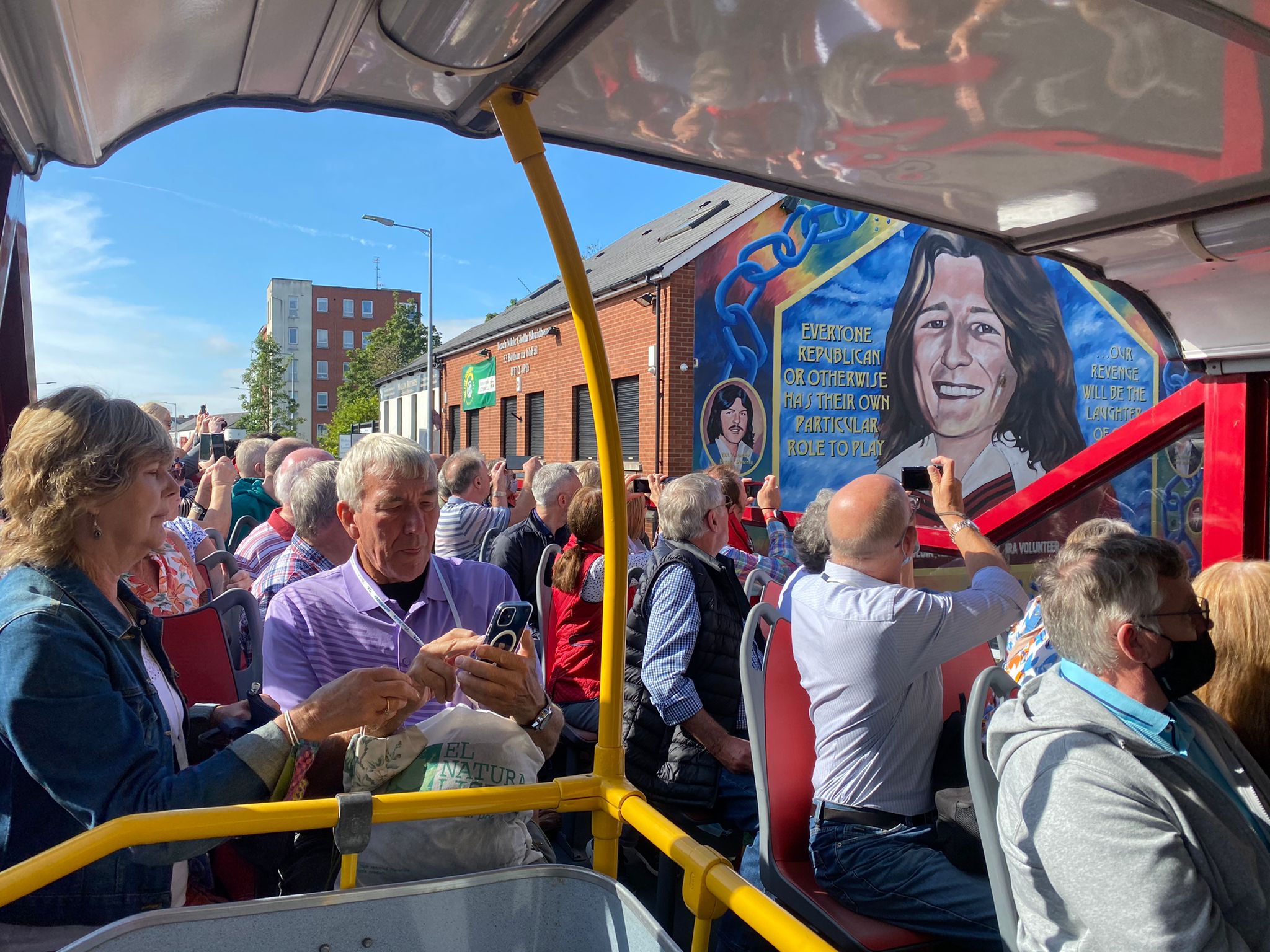
The murals of West Belfast's Falls Road and Shankill Road represent one of the most striking public art traditions in Europe. Painted by communities on both sides of Northern Ireland's political divide, the murals range from paramilitary commemoration to celebrations of local identity and, increasingly, broader social and cultural themes. The Peace Walls — corrugated iron barriers that still divide some neighbourhoods — remain physically present decades after the 1998 Good Friday Agreement, a tangible reminder of the city's recent past. Visiting the mural routes provides context that no museum exhibit fully replicates. The areas are safe for visitors; respectful awareness of local sensitivities is appropriate.
The Antrim Coast: Cliffs, Castles, and Ocean Views
The coastal road between Belfast and the Giants Causeway passes some of Northern Ireland's most dramatic scenery. Carrickfergus Castle — one of the best-preserved Norman castles in Ireland — sits on the shore of Belfast Lough just 12 miles from the city. Further north, the Glenariff Forest Park provides a contrast of wooded valleys and waterfalls before the road reaches the volcanic coastline near Ballycastle. Dunluce Castle, a clifftop ruin dramatically positioned over the sea, marks the approach to the Causeway coast proper. The route rewards those with the flexibility to stop along the way rather than rushing between endpoints.
Belfast travel tips
Always Carry Pound Sterling (GBP), Not Euros. Northern Ireland uses Pound Sterling (GBP), a point that catches many visitors off guard given that Belfast is on the island of Ireland. While some businesses near the border with the Republic may accept Euros, this is not universal, and exchange rates applied informally are rarely favourable. The city centre has multiple ATMs dispensing sterling. Major credit and debit cards are accepted almost everywhere — including smaller cafes and markets — but carrying some cash for smaller purchases and market stalls is advisable.
Dress for the Weather, Whatever the Forecast Says. Belfast's weather is famously unpredictable: sunshine, rain, and wind can occur within the same hour. A waterproof outer layer is non-negotiable even on days that begin clear. Along the Antrim coast and at the Giants Causeway in particular, Atlantic winds can be brisk regardless of season. Wearing layers allows adjustment through the day. Comfortable, non-slip footwear is strongly recommended at the Causeway itself, where wet basalt can be slippery and walking surfaces are uneven. Leave fashion footwear on the ship.
Plan Giants Causeway Time Carefully — It's Further Than It Looks. The Giants Causeway sits roughly 60 miles from Belfast port, and the drive along the Antrim coast typically takes 90 minutes each way. Visitors who underestimate journey times often find themselves rushing through the site. Allow a minimum of 1.5 hours at the Causeway itself: time to walk down to the columns, explore the various rock formations, and walk back up (the path is uphill on return). Visiting the site before 10am or after 4pm reduces crowds from independent day-trippers considerably.
Book Titanic Belfast Tickets Before You Arrive. Titanic Belfast is one of Northern Ireland's most visited attractions, and queues without a booking can be substantial in summer. Purchasing tickets online in advance guarantees entry at a specific time slot and typically saves money compared to walk-up pricing. The museum requires a minimum of 2 hours to explore properly — rushed visits miss significant sections. The Titanic Quarter is approximately 1 mile from the city centre shuttle drop-off, walkable in around 20 minutes along the Lagan waterfront.
Head to the Cathedral Quarter for Genuine Belfast Atmosphere. The Cathedral Quarter, centred on Hill Street and surrounding streets, offers the most authentic version of Belfast's pub and food culture. Unlike areas immediately adjacent to major tourist attractions, the bars here are local in character and prices reflect that. The Crown Liquor Saloon on Great Victoria Street — technically just outside the quarter — is worth the short detour: request one of its Victorian snugs for a pint and the reason for its National Trust status becomes immediately clear. Traditional music sessions happen informally and can be heard spilling onto the street on most days.
Be Realistic About Combining City and Causeway in One Day. It is tempting to plan both a Belfast city tour and a Giants Causeway visit in a single port day — and it is technically possible, but the day becomes extremely structured with almost no flexibility. The Causeway alone requires at least 4.5 hours when travel time is included. City highlights — Titanic Quarter, Cathedral Quarter, City Hall — take another 3-4 hours to appreciate properly. If choosing between the two, the Giants Causeway is unique in the world; Belfast's city highlights can be appreciated more fully when not rushed against the clock.
Port Facts Every Cruiser Needs To Know
Belfast shore excursion FAQs
The cruise berth at Stormont Wharf is approximately 1.5 miles from the city centre — about 30 minutes on foot. A shuttle service typically operates on cruise days between the terminal and the city centre. Confirm availability and timing with your ship before departing. Most visitors use the shuttle rather than walking the full distance.
The Giants Causeway is approximately 60 miles north of Belfast along the Antrim coast. Driving time is typically around 90 minutes each way, though this varies with traffic and whether stops are made along the coastal road. Budget at least 4.5 hours in total for travel and a proper visit to the site.
Advance booking is strongly recommended, particularly during June, July, and August when queues without a booking can be significant. Timed entry slots are available online and typically offer a small discount over walk-up pricing. Allow at least 2 hours inside the museum to explore all nine galleries.
Card payments are accepted almost universally in Belfast, including in most pubs, restaurants, and shops. Carrying a modest amount of sterling (GBP) cash is useful for markets, smaller street vendors, and tips. Remember that the currency is GBP, not Euros. ATMs are readily available throughout the city centre.
Allow at least 1.5 hours at the site itself — time to walk down to the basalt columns, explore the surrounding formations, and return up the path (which is uphill on the way back). Combined with approximately 90 minutes of travel each way from Belfast, a Giants Causeway visit represents at least 4.5 hours of a port day.
Belfast's climate is mild but unpredictable. Temperatures range from around 6°C in winter to 18°C in summer. Rain is possible at any time of year — showers can arrive quickly even on days that begin clear. A waterproof layer and comfortable walking shoes are essential regardless of season or forecast.
Yes. The Falls Road and Shankill Road mural areas are safe for visitors and widely explored on foot or by vehicle. Respectful behaviour and awareness of local sensitivities are appropriate — the murals represent genuine community history with deep significance to residents, not merely a tourist attraction.
With 3-4 hours, focus on the city centre: City Hall and Donegall Square for orientation, the Crown Liquor Saloon for a Victorian pub experience, and either the Cathedral Quarter or the Titanic Quarter. The two districts are in opposite directions from the city centre, so choosing one rather than attempting both makes for a more satisfying visit.
Yes. The coastal road is one of Ireland's most scenic drives, passing Carrickfergus Castle, the Glens of Antrim, and dramatic cliff scenery. If time constraints make a full Causeway visit impractical, a shorter drive to Carrickfergus and back still offers a compelling introduction to the Antrim coastline and takes around 1.5 hours from the port.
Shuttle schedules vary by ship and length of port call. Check with your ship's guest services or tour desk for specific timings. As a general rule, the last shuttle back to the port runs 60-90 minutes before all-aboard time. Missing the shuttle means making your own way back — factor this into your day planning, particularly if visiting the Giants Causeway.
Filters
Select a filter to refine results.
Tour Type
Tour Activity
 Cart
Cart
 USD
USD GBP
GBP AUD
AUD EUR
EUR CAD
CAD