



Tours in Cannes


Cruising to Cannes in a group?
Skip the crowded ship excursion bus. One dedicated planner will design a private shore experience around exactly what your group wants — coordinated from first enquiry to the moment you're back on board. More memorable, more flexible, and more affordable than you might expect. Spend less time organising, more time enjoying.
Explore Group Travel →Cruising to Cannes
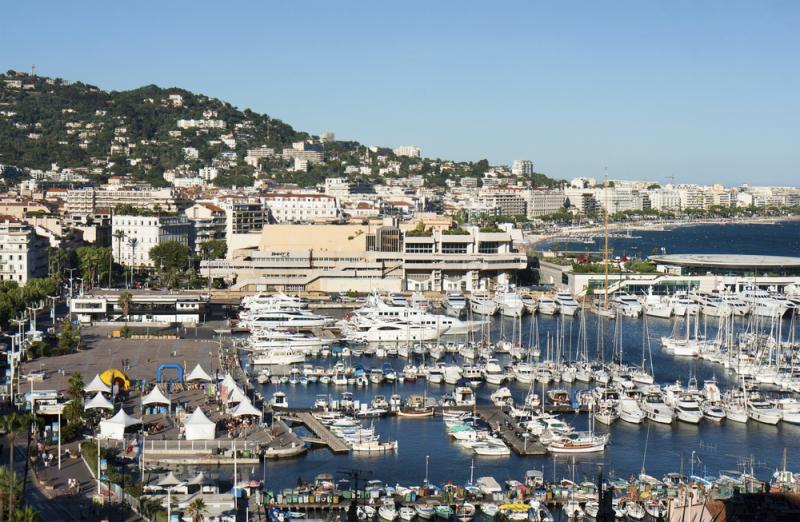
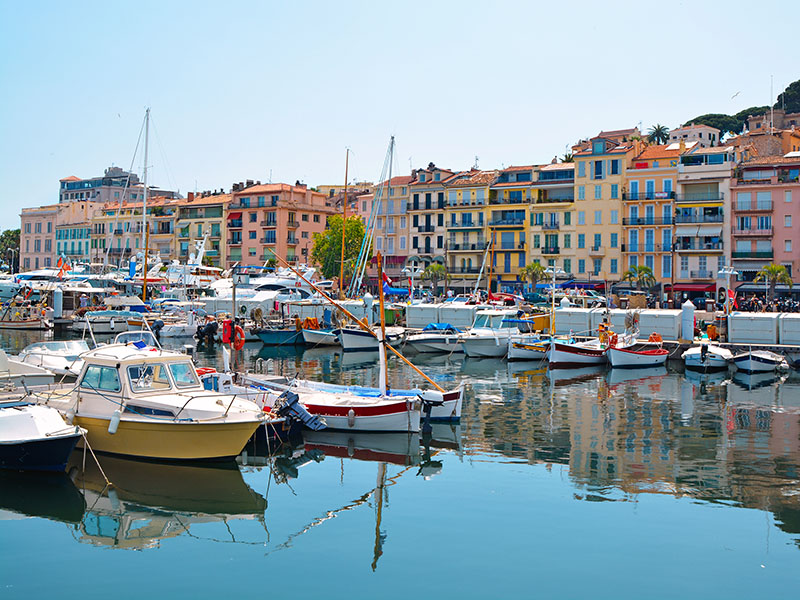
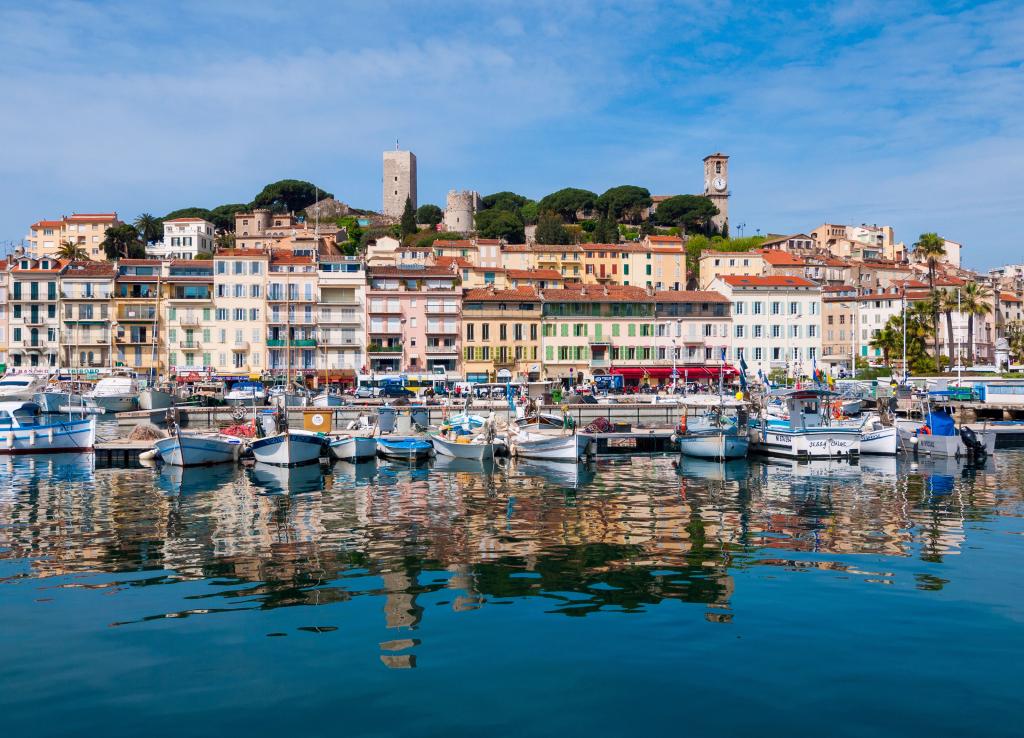
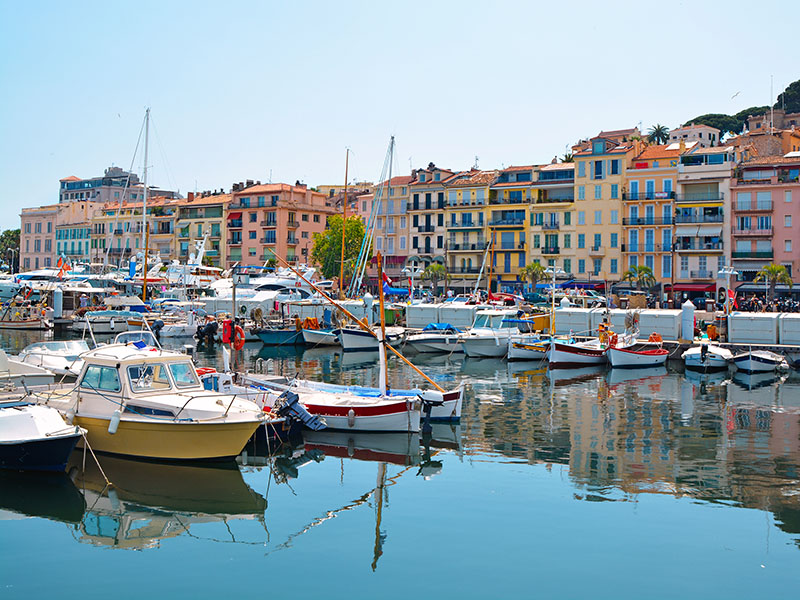
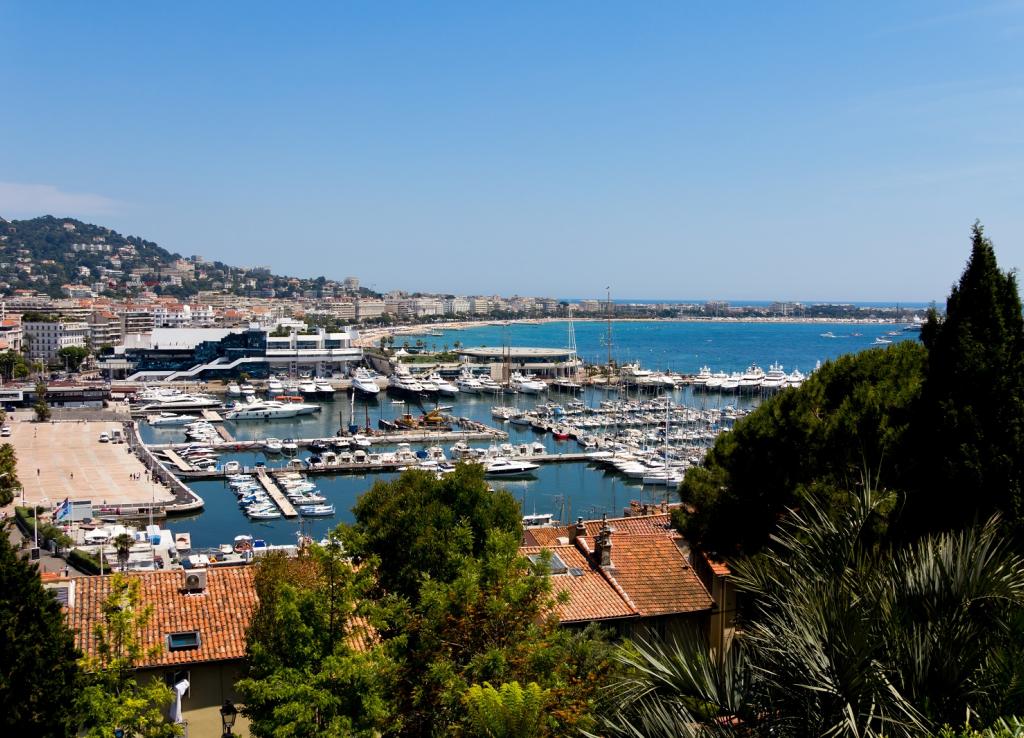
Cannes is synonymous with glamour — the annual film festival, the La Croisette promenade, the grand belle époque hotels — but its greatest asset for cruise passengers is its position at the heart of the French Riviera. The port sits just steps from La Croisette, with the old quarter of Le Suquet rising above the harbour. From this base, a constellation of exceptional destinations fans out along the coast and into the hills: Monaco and Monte Carlo to the east, the perfume capital of Grasse to the north, Antibes and its well-preserved old town, the artist-favoured medieval village of Saint-Paul-de-Vence, and the effortlessly fashionable Saint-Tropez to the west. Each direction offers a distinct facet of what makes the Côte d'Azur endlessly compelling.
Top things to do in Cannes on a cruise stopover
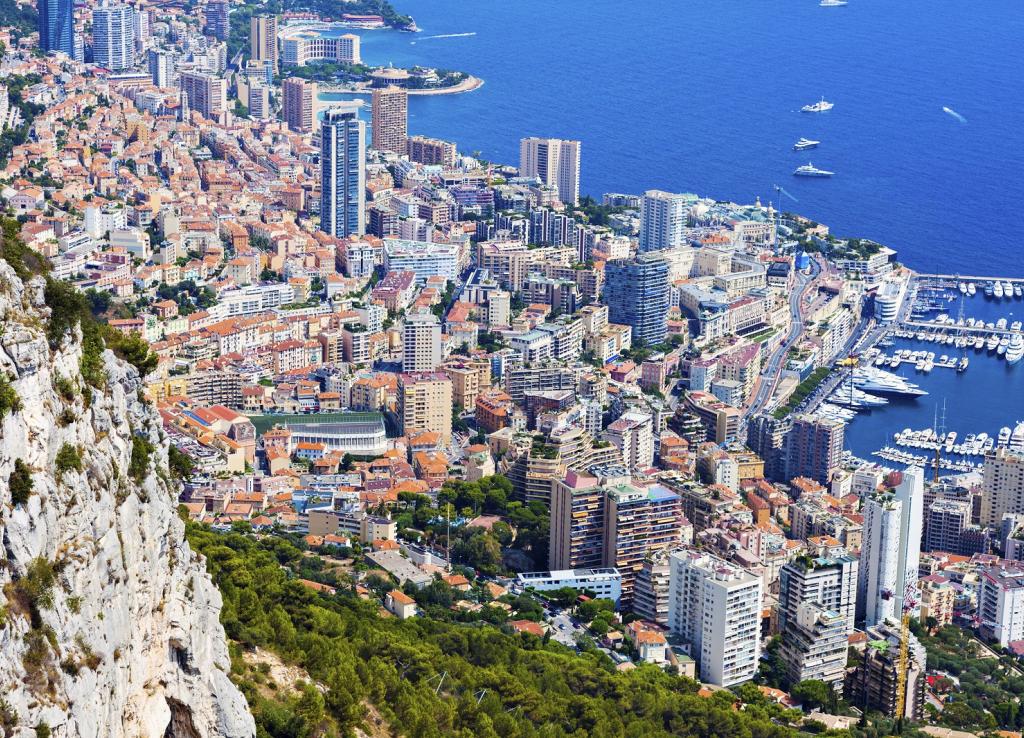
Monaco and Monte Carlo
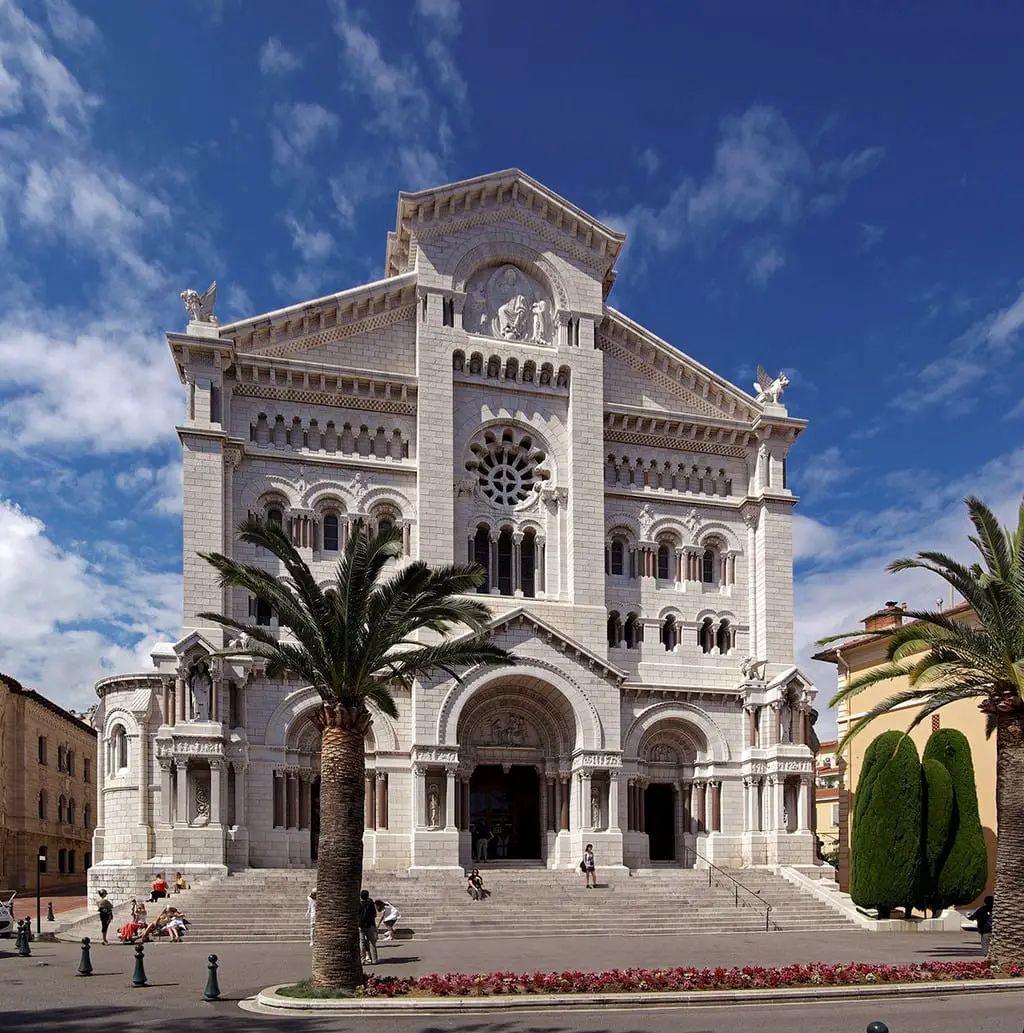
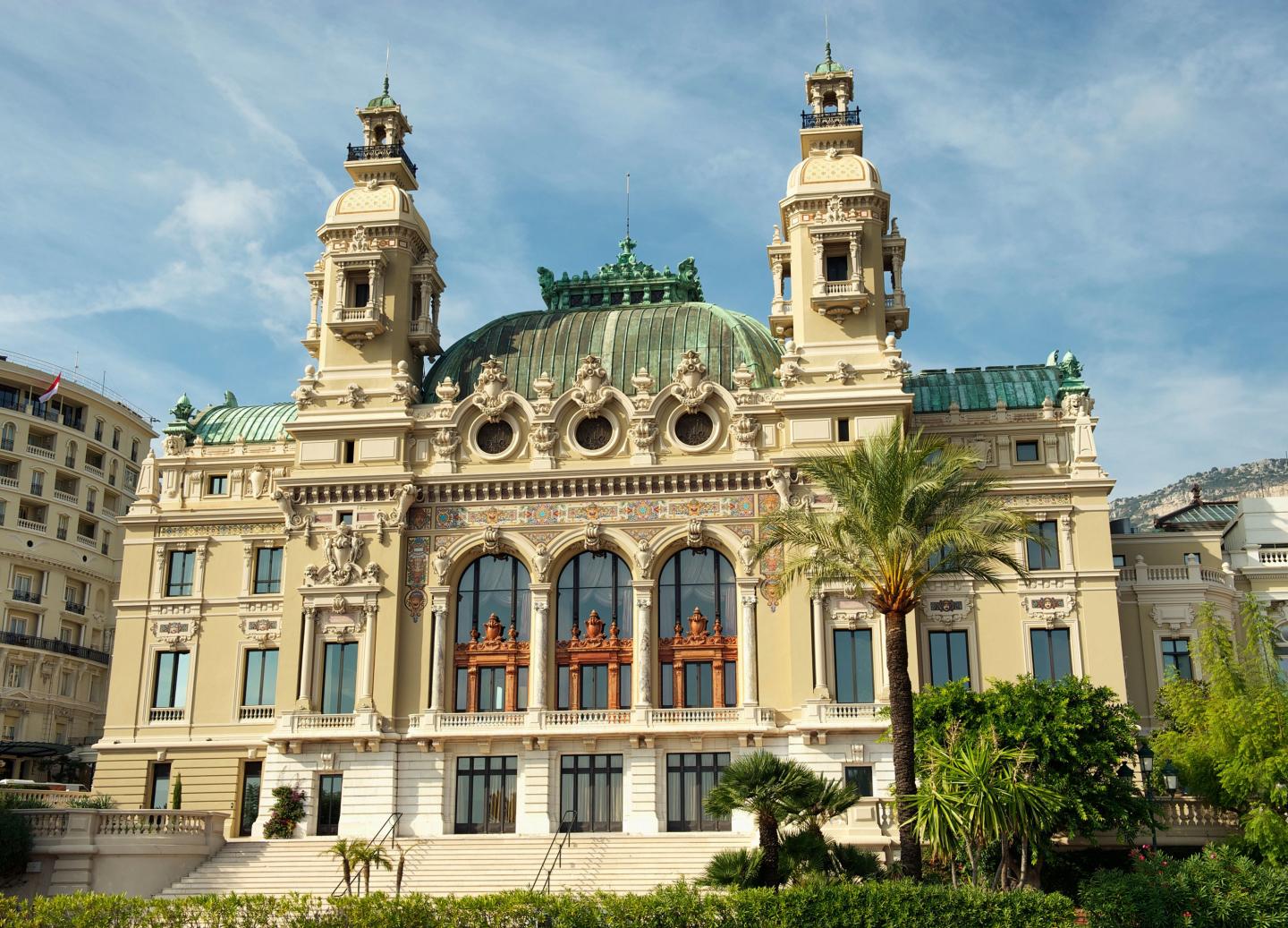
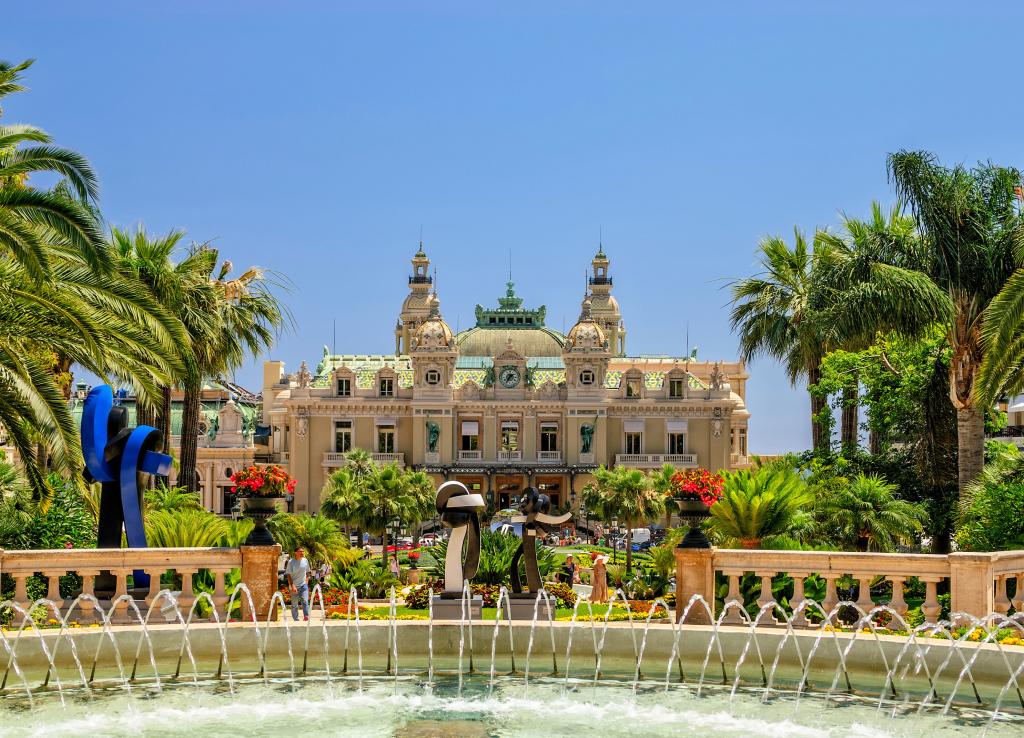
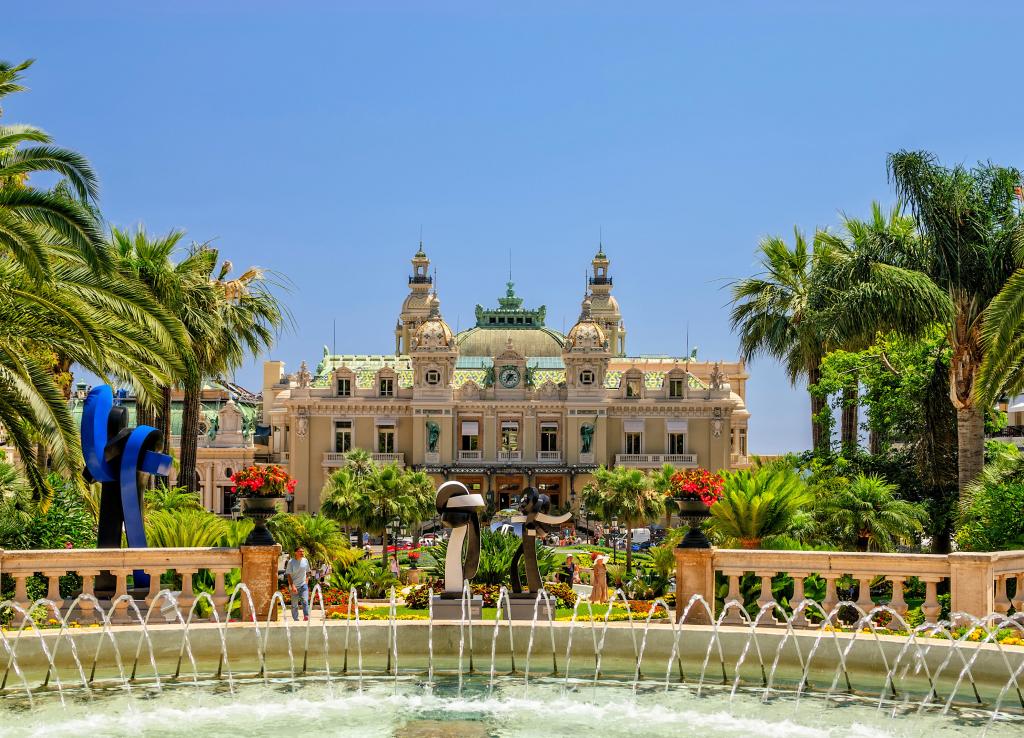
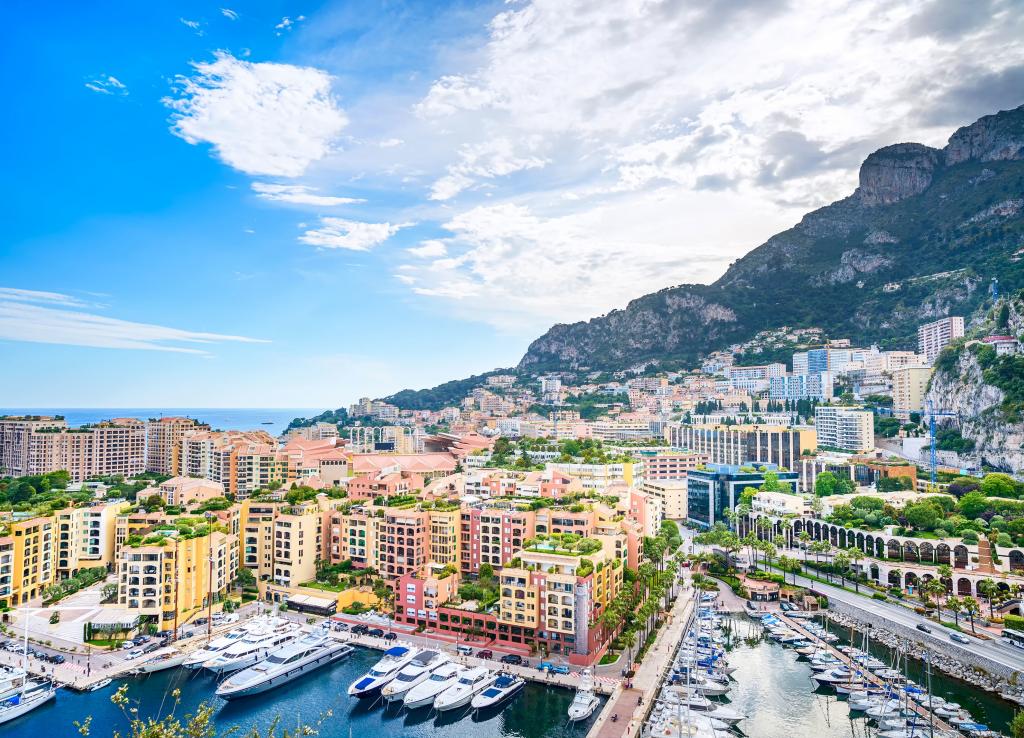
The world's second-smallest sovereign state packs extraordinary density into its few square kilometres. The Casino de Monte-Carlo, designed by Charles Garnier of Paris Opéra fame, is as architecturally dramatic as its reputation suggests, even for non-gamblers who can view the ornate Belle Époque interior with a modest entrance fee. The old quarter of Monaco-Ville holds the Prince's Palace, the Oceanographic Museum, and the Cathedral where Princess Grace is interred. The Formula One street circuit, the port full of megayachts, and the manicured gardens of Casino Square complete one of the most concentrated spectacles in Europe. Accessible from Cannes by coastal train in under an hour.
Eze: Hilltop Village Above the Sea
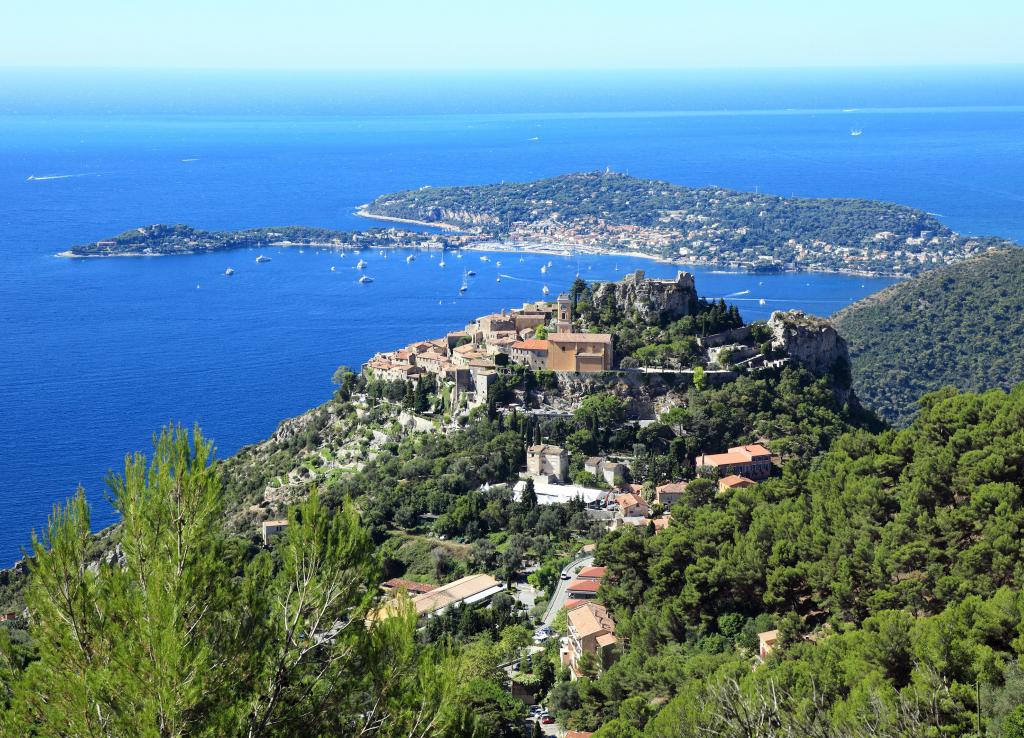
Perched at 429 metres above sea level on a rocky promontory between Monaco and Nice, Eze offers some of the most dramatic coastal panoramas anywhere on the Mediterranean. The medieval village — largely car-free within its walls — retains its original fortified character: narrow cobblestone lanes, stone archways, and flowering gardens cascading toward the sea. The exotic garden at the summit, built around a ruined château, provides unobstructed views stretching from Cap Ferrat to the Italian Alps on clear days. Several artisan workshops, galleries, and one of the region's most celebrated perfumeries occupy the village's ancient buildings.
Antibes: Roman Ramparts and Picasso's Legacy
Antibes is one of the oldest cities on the French Riviera — founded by Greek traders as Antipolis in the 4th century BC. Its massive Vauban-designed sea walls, constructed in the 17th century, still define the waterfront with views across the Baie des Anges toward Nice. The Picasso Museum occupies the Château Grimaldi where Pablo Picasso lived and worked for several months in 1946, donating a significant collection from that period. The covered Marché Provençal operates every morning and is one of the finest food markets on the coast. The old town's lanes are animated and genuinely local in character.
Saint-Tropez: Fishing Village Turned Icon
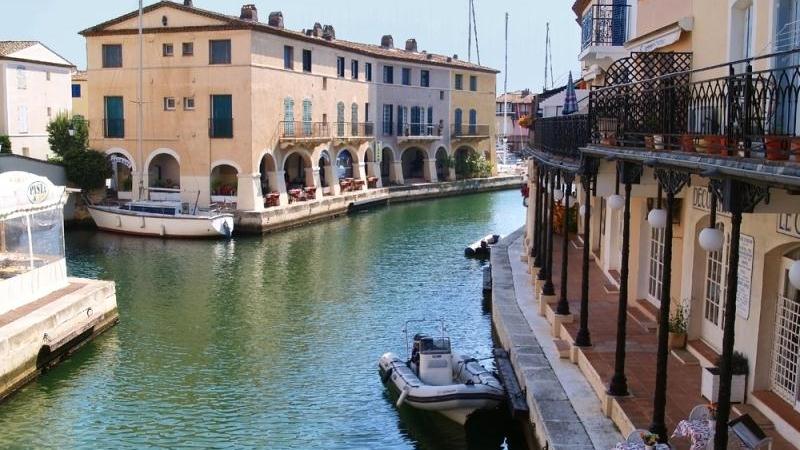
Saint-Tropez retains a paradoxical charm — simultaneously one of the most famous resorts in the world and, in its quieter corners, still recognisably a Provençal fishing village. The old port is lined with café terraces and the colourful facades that attracted artists from Paul Signac onward; the Annonciade Museum holds an outstanding Post-Impressionist collection in a converted chapel on the waterfront. The weekly Tuesday and Saturday markets on Place des Lices are among the most celebrated on the Riviera. Reached from Cannes by road, the journey typically takes 75–90 minutes in normal traffic conditions, which can be significant in peak summer.
Grasse: World Perfume Capital
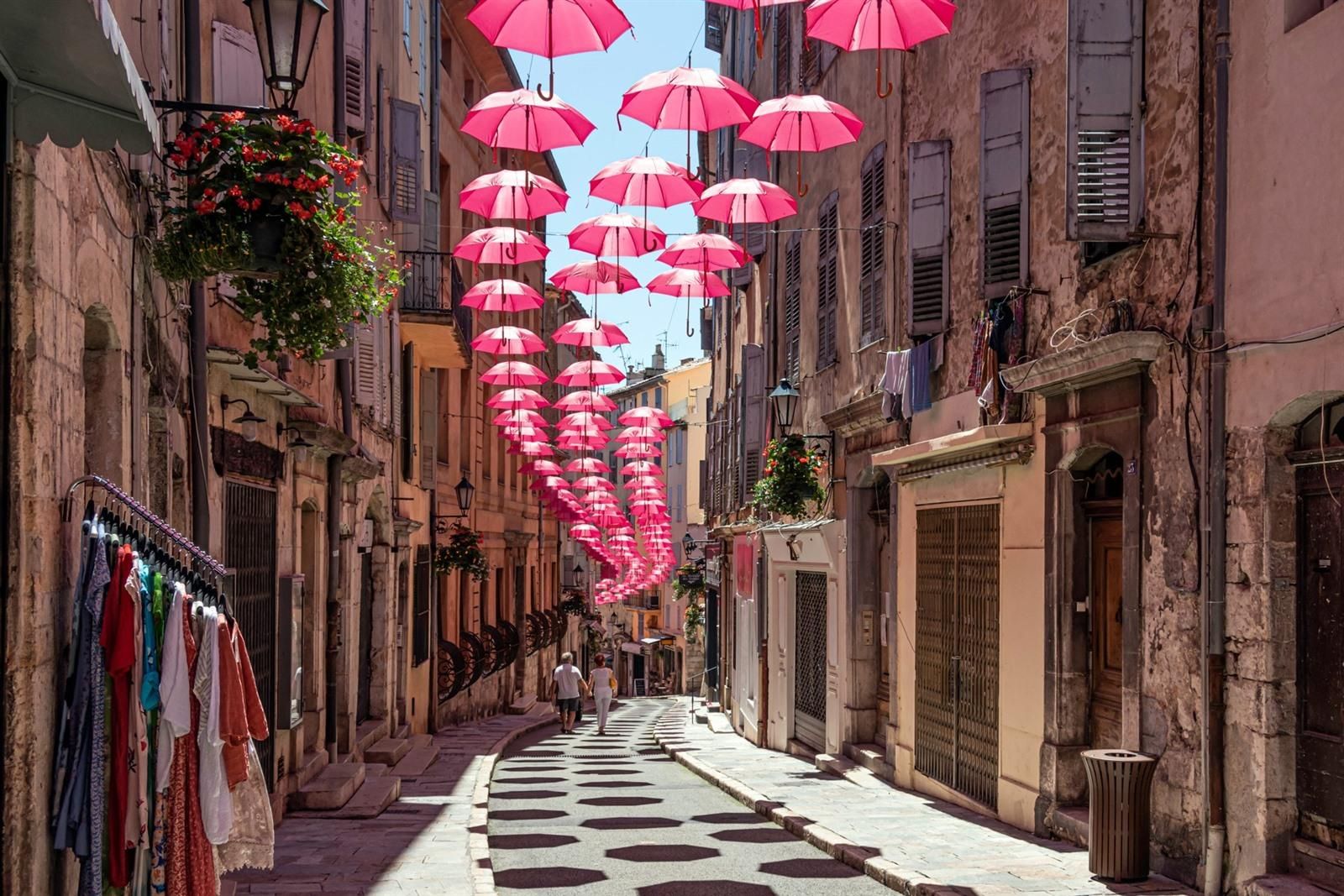
Inland from Cannes at approximately 600 metres altitude, Grasse has been the centre of the global perfume industry since the 18th century, when the surrounding hills were planted extensively with jasmine, rose, and lavender to supply Parisian fragrance houses. Three historic perfumeries — Fragonard, Galimard, and Molinard — offer factory tours and demonstrations tracing the full production process from raw material to finished fragrance. The old town of Grasse itself is a largely overlooked medieval gem: steep narrow lanes, Italianate architecture, and a fine cathedral rising above terraced hills with wide coastal views.
Saint-Paul-de-Vence: Village of Artists
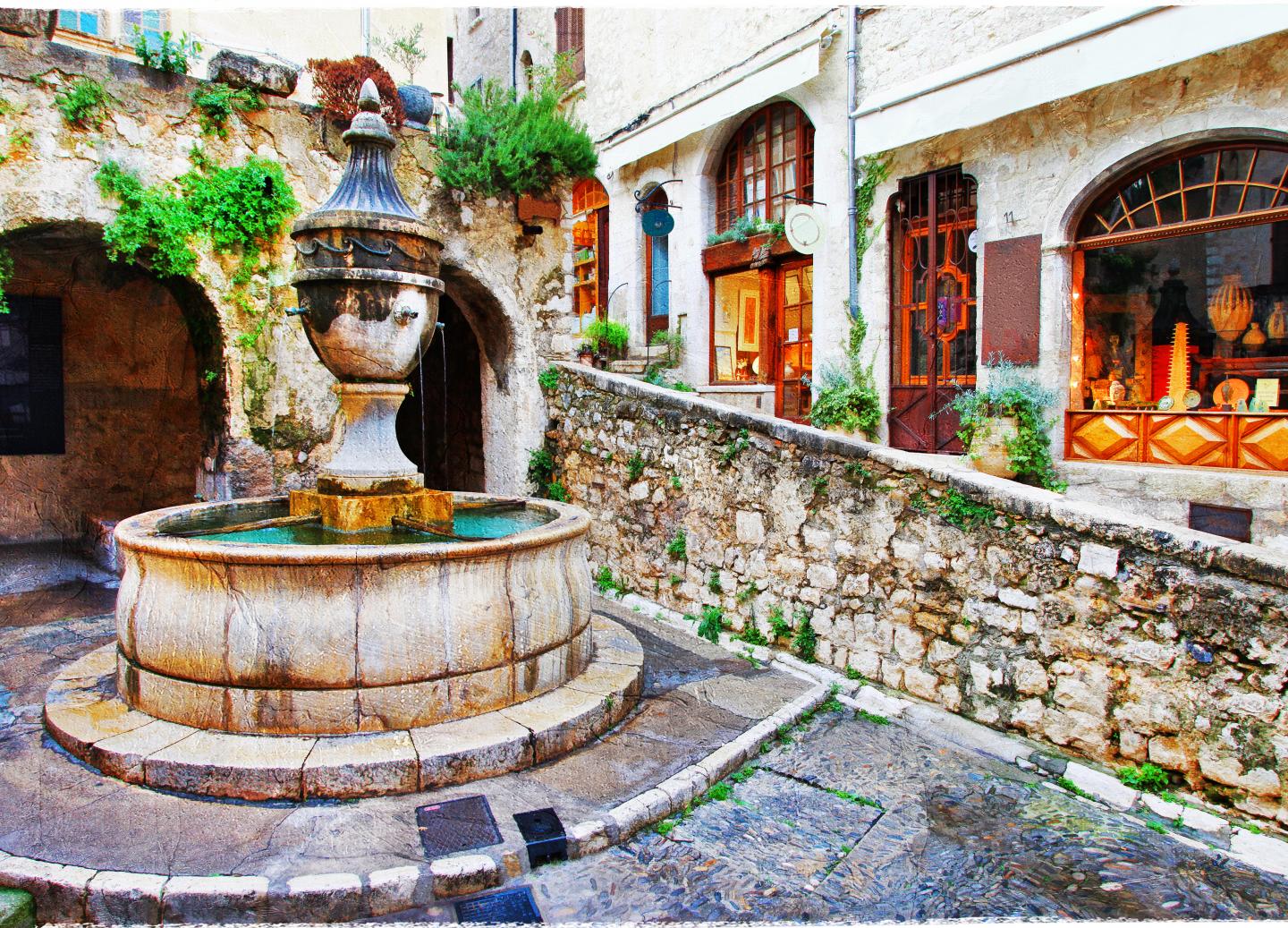
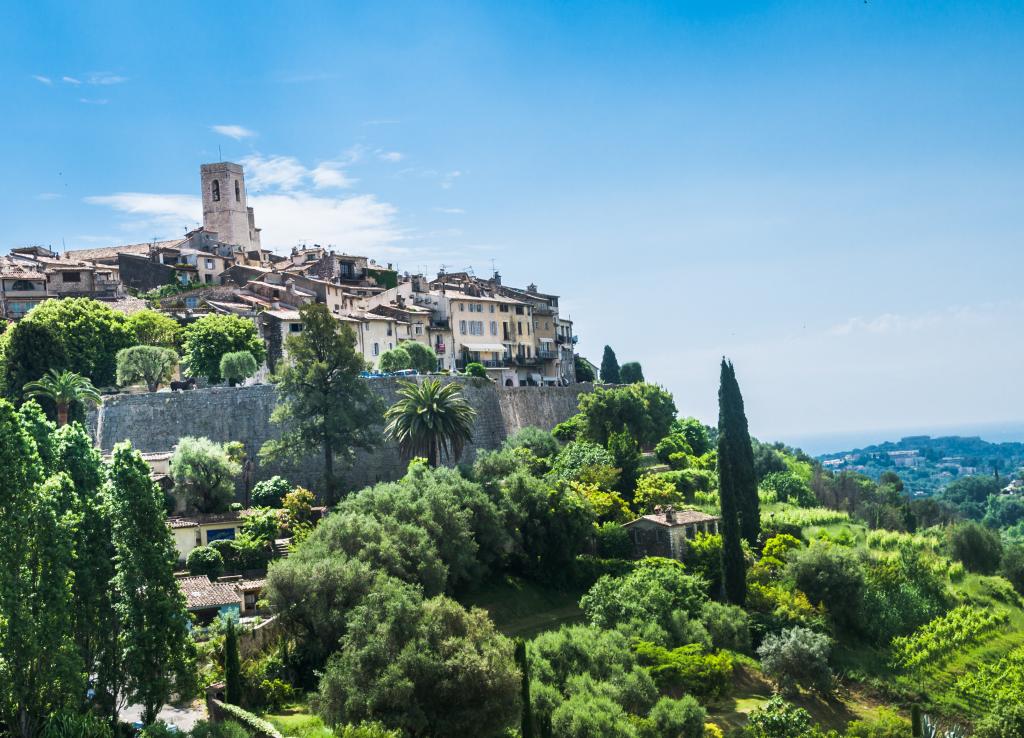
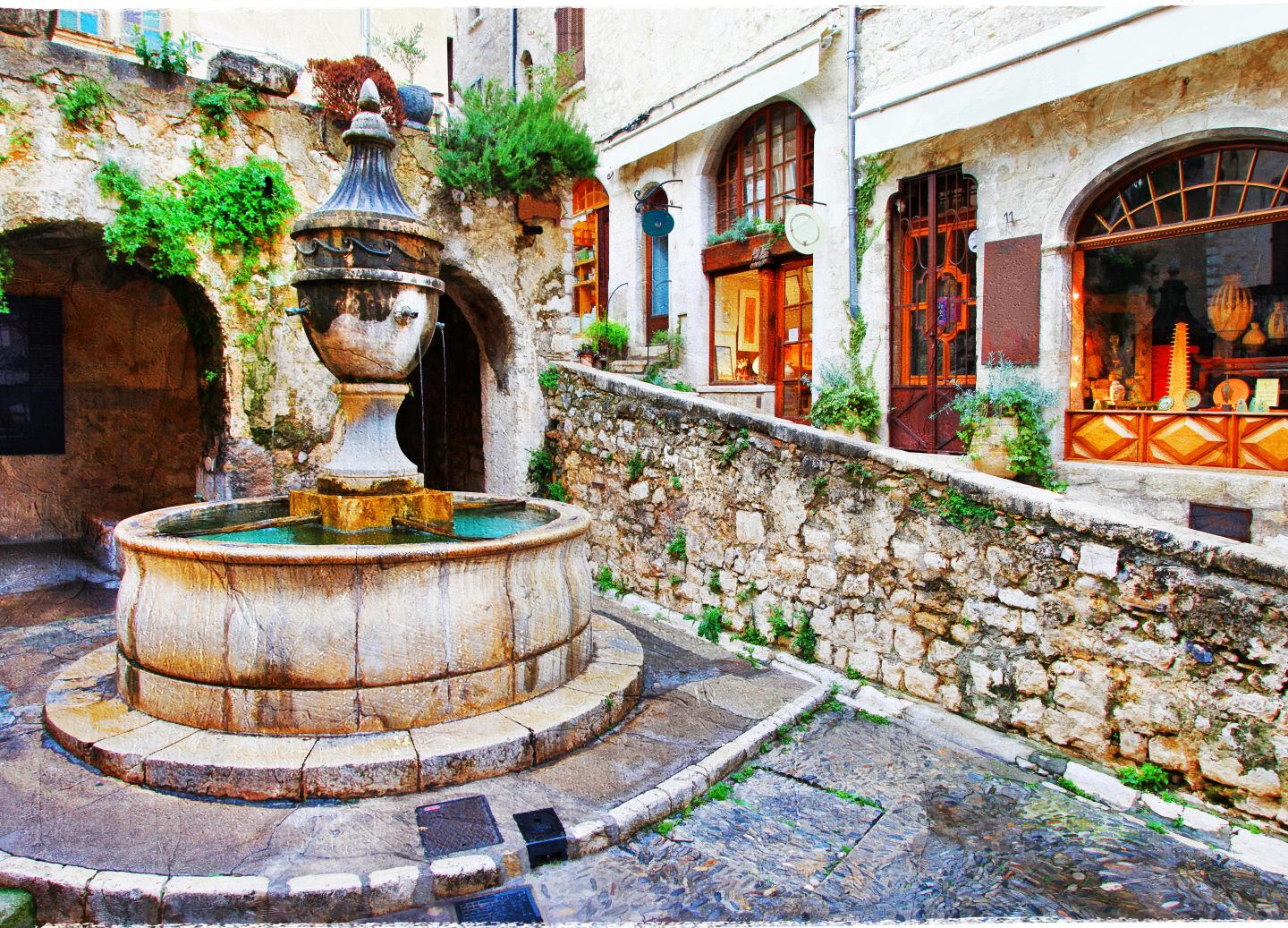
Perched on a ridge between Cannes and Nice, Saint-Paul-de-Vence became one of the most celebrated artistic communities in Europe during the 20th century. Henri Matisse, Marc Chagall, Fernand Léger, and Alexander Calder all had connections here, and Chagall is buried in the local cemetery. The Fondation Maeght, a short walk from the village walls, is widely regarded as one of the finest modern art museums in Europe, set within gardens containing significant outdoor sculptures by Miró, Calder, and Giacometti. The car-free village itself is lined with galleries and artisan studios.
Cannes travel tips
The Coastal Train is the Riviera's Best-Value Transport. The TER regional train running along the coast is frequent, inexpensive, and faster than road travel for destinations east of Cannes. For Monaco, Nice, Antibes, and Menton, the train is almost always preferable during peak summer months when coastal road traffic can be severe. The Cannes rail station is about 10 minutes on foot from the cruise port. Tickets can be purchased at station machines with English-language menus; the coastal line requires no advance booking for standard travel.
Monaco Has an Unofficial Dress Code. While Monaco enforces no strict dress code in public spaces, the principality maintains a distinctly formal atmosphere. Shorts and beachwear look conspicuous at Casino Square and in old town restaurants. Smart casual attire — trousers or a dress, clean shoes — is appropriate for the Casino de Monte-Carlo, the Cathedral, and the Palace Square. The gaming rooms of the Casino require smart dress; the entrance hall is freely accessible but the interior gaming areas charge a modest fee and have age restrictions.
Saint-Tropez: Traffic Can Double Journey Times in Summer. Saint-Tropez lies at the end of a peninsula with only one main road approach, making summer traffic notoriously heavy — particularly on Saturdays in July and August. Journey times from Cannes can stretch from 90 minutes to three hours in worst-case conditions. For a summer visit, aim for the earliest possible departure from the ship. The Tuesday and Saturday markets on Place des Lices are worth timing a visit around, but Saturday market days compound the traffic situation significantly.
Grasse Perfumery Tours: Morning Visits Are Best. The three historic perfumeries in Grasse (Fragonard, Galimard, and Molinard) offer free guided tours throughout the day, but morning visits are less crowded and tend to be more personalised with smaller groups. Fragonard's main factory on Boulevard Fragonard is the easiest to reach from the town centre. Tours last approximately 45 minutes and conclude in the boutique; there is no obligation to purchase, though factory prices for fragrances are generally better than in retail stores elsewhere.
Explore Le Suquet Before Heading Afield. Cannes' old quarter of Le Suquet occupies a hill directly above the port and rewards a 20–30 minute early-morning walk before heading to day-trip destinations. The hilltop church and the Musée de la Castre both open early, and the views down over the port and the Lérins Islands are at their clearest in morning light. The Forville covered market, at the base of the hill, is excellent for a quick coffee and pastry before departure — it operates every morning except Monday.
Check Market Days and Museum Closure Schedules. Many Riviera markets operate on specific days — the Antibes covered market runs every morning except Monday; Nice's Cours Saleya market is closed Monday. Some smaller museums close on Tuesdays or Mondays. Checking day-specific schedules before arrival can significantly improve the day's experience. The Cannes port area has shops and restaurants open seven days a week, but the more characterful local markets and smaller galleries follow traditional French weekly rhythms.
Port Facts Every Cruiser Needs To Know
Cannes shore excursion FAQs
It depends on the vessel. Larger cruise ships typically anchor offshore and tender passengers ashore to the Port de Cannes; smaller ships may dock directly at the pier. Either way, the tender landing point or cruise terminal is within easy walking distance of La Croisette and the town centre. Check your cruise line's port information for your specific ship and sailing date.
Monaco is approximately 55 kilometres east of Cannes along the coast. The most efficient option for independent travellers is the TER coastal train from Cannes station (about 10 minutes' walk from the port), which reaches Monaco-Monte Carlo station in approximately 55–65 minutes. Trains run frequently throughout the day and require no advance reservation. Road journey times are similar in light traffic but can be significantly longer in summer.
Yes — combining Monaco and Eze in a single day is one of the most popular French Riviera itineraries and is achievable with an early start. Eze village is located on the coastal road between Nice and Monaco. The typical approach involves reaching Monaco first by train, spending 2–3 hours there, then travelling to Eze for the hilltop panoramas before returning to Cannes. Allow at least an hour in Eze to walk the village properly.
The entrance hall (Atrium) of the Casino de Monte-Carlo can be visited free of charge and gives access to the ornate Belle Époque architecture. Entry to the gaming rooms requires a modest fee (around €17), proof of age (18+), and smart casual dress — shorts and beachwear are not permitted in the gaming areas. The Salle Europe and Salle Garnier (the private opera house within the Casino) are among the most opulent interiors on the Riviera.
Saint-Tropez has no railway station and is reached by road. The journey from Cannes takes approximately 75–90 minutes by road in normal conditions, but summer traffic — especially on weekends in July and August — can significantly extend journey times. A seasonal ferry service also operates from Saint-Raphael to Saint-Tropez (approximately one hour by sea), which can be a more relaxing option when road traffic is heavy.
Antibes is only 15 minutes from Cannes by train and makes an excellent half-day excursion, particularly for travellers interested in Picasso's work (the Picasso Museum is outstanding), the Provençal market (every morning except Monday), or the well-preserved Vauban sea ramparts. The old town has genuine local character and is considerably less touristy in atmosphere than parts of Monaco or central Cannes itself.
Grasse is considered the world capital of perfumery — the surrounding hills have supplied fragrance houses with jasmine, rose, and other raw materials for over two centuries. The free guided tours at Fragonard, Galimard, and Molinard walk visitors through the full production process. The tours are genuinely informative rather than purely commercial. The old town of Grasse is also a beautiful, under-visited medieval hill town with excellent views over the coast below.
Yes — the Port de Cannes is extremely well located. La Croisette boulevard, the Palais des Festivals, the covered Forville market, and the old quarter of Le Suquet are all within a 5–15 minute walk of the cruise terminal. The main rail station, which provides access to the entire coastal rail network, is approximately 10 minutes' walk inland from the port.
The Îles de Lérins — Sainte-Marguerite and Saint-Honorat — lie just offshore from Cannes and are reached by short ferry crossings (15–20 minutes) from the Vieux Port. Sainte-Marguerite is known for the Fort Royal where the Man in the Iron Mask was reportedly imprisoned; Saint-Honorat hosts a working monastery dating to the 5th century. A round trip to one island takes approximately 2–3 hours including the crossing, making it feasible for travellers not planning a long mainland day trip.
Cannes has two main beach areas: the Plages du Midi (free public sand beach) west of the old port, and the beaches along La Croisette, which are predominantly private concessions with sunbeds and parasols (typically €20–35 per person in season). The public beach is perfectly adequate for a short swim. For a more scenic beach experience, the Lérins Islands have excellent natural beaches accessible by ferry from the Vieux Port.
Filters
Select a filter to refine results.
Tour Type
Tour Activity
 Cart
Cart
 USD
USD GBP
GBP AUD
AUD EUR
EUR CAD
CAD