



Tours in Cartagena



Cruising to Cartagena in a group?
Skip the crowded ship excursion bus. One dedicated planner will design a private shore experience around exactly what your group wants — coordinated from first enquiry to the moment you're back on board. More memorable, more flexible, and more affordable than you might expect. Spend less time organising, more time enjoying.
Explore Group Travel →Cruising to Cartagena
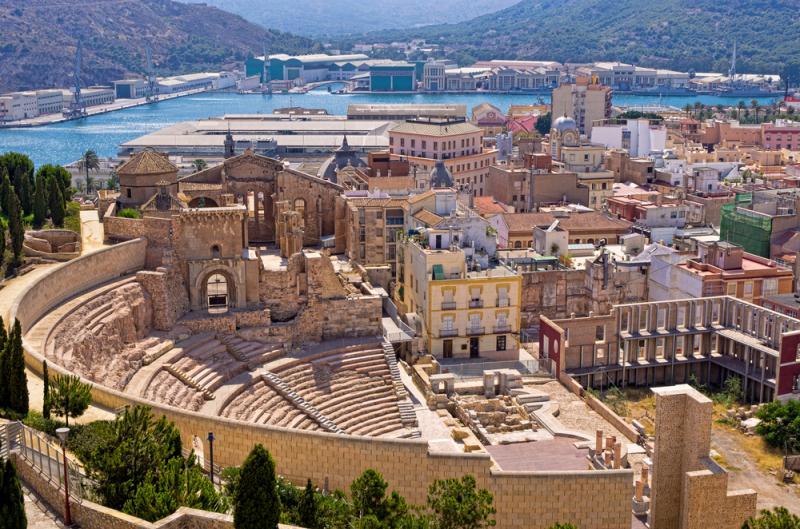
Cartagena sits on a sheltered bay on Spain's southeastern coast, backed by five ancient hills and fronted by a natural harbour that has made it strategically coveted since at least 228 BC when Carthaginian general Hasdrubal founded it as Qart Hadasht. Romans, Moors and the Spanish Crown each left their mark on the city's stones, and the result is one of the Mediterranean's most layered historical destinations. The centrepiece is the Roman Theatre, rediscovered as recently as 1988 and now among the best-preserved in the world, drawing visitors into the heart of a city that also serves up saffron-golden paella, pintxos-laden tapas bars and a panoramic waterfront esplanade. Beyond the city limits, the fertile inland province of Murcia offers ornate baroque architecture, while the fortress town of Lorca shelters embroidered Holy Week traditions and a hilltop castle. With a port that accommodates large cruise ships just minutes from the old town, Cartagena is one of the most effortlessly accessible destinations on the western Mediterranean circuit.
Top things to do in Cartagena on a cruise stopover
The Roman Theatre of Cartagena
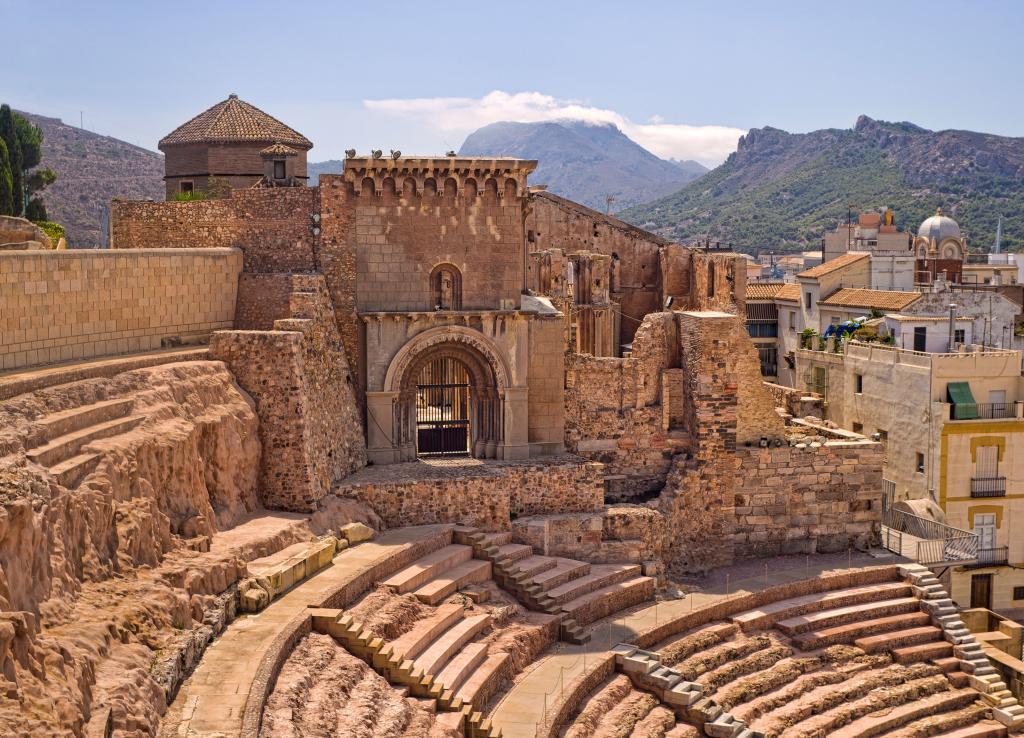
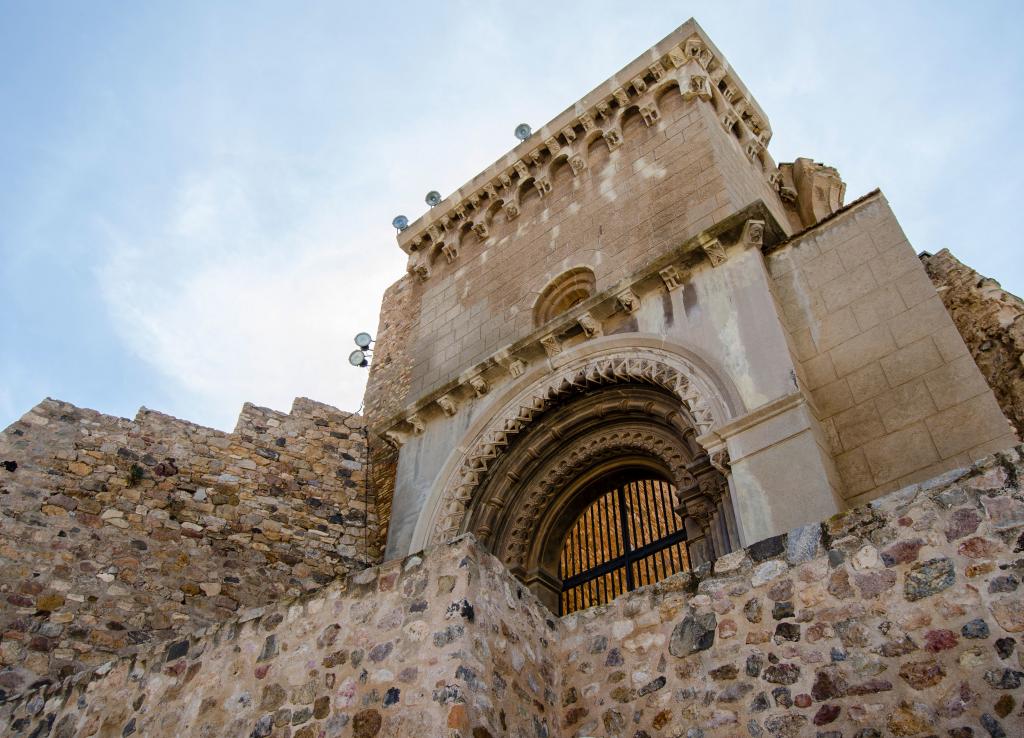
Hidden beneath medieval and baroque buildings for nearly two thousand years, Cartagena's Roman Theatre was only rediscovered in 1988 during construction work, making its unveiling one of archaeology's great modern surprises. Dating from the 1st century BC and capable of seating 7,000 spectators, the theatre has been painstakingly excavated and is now displayed within an integrated museum that guides visitors through the layers of history above and below street level. The adjoining museum traces the find's extraordinary story, from the initial discovery of a single Roman column to the full-scale excavation that revealed an almost complete theatrical structure beneath centuries of accumulated city. Walking the original stone seating and stage area connects visitors directly with the daily life of Roman Carthago Nova in a way that few sites in Spain can match.
Old Town Cartagena: History on Every Corner
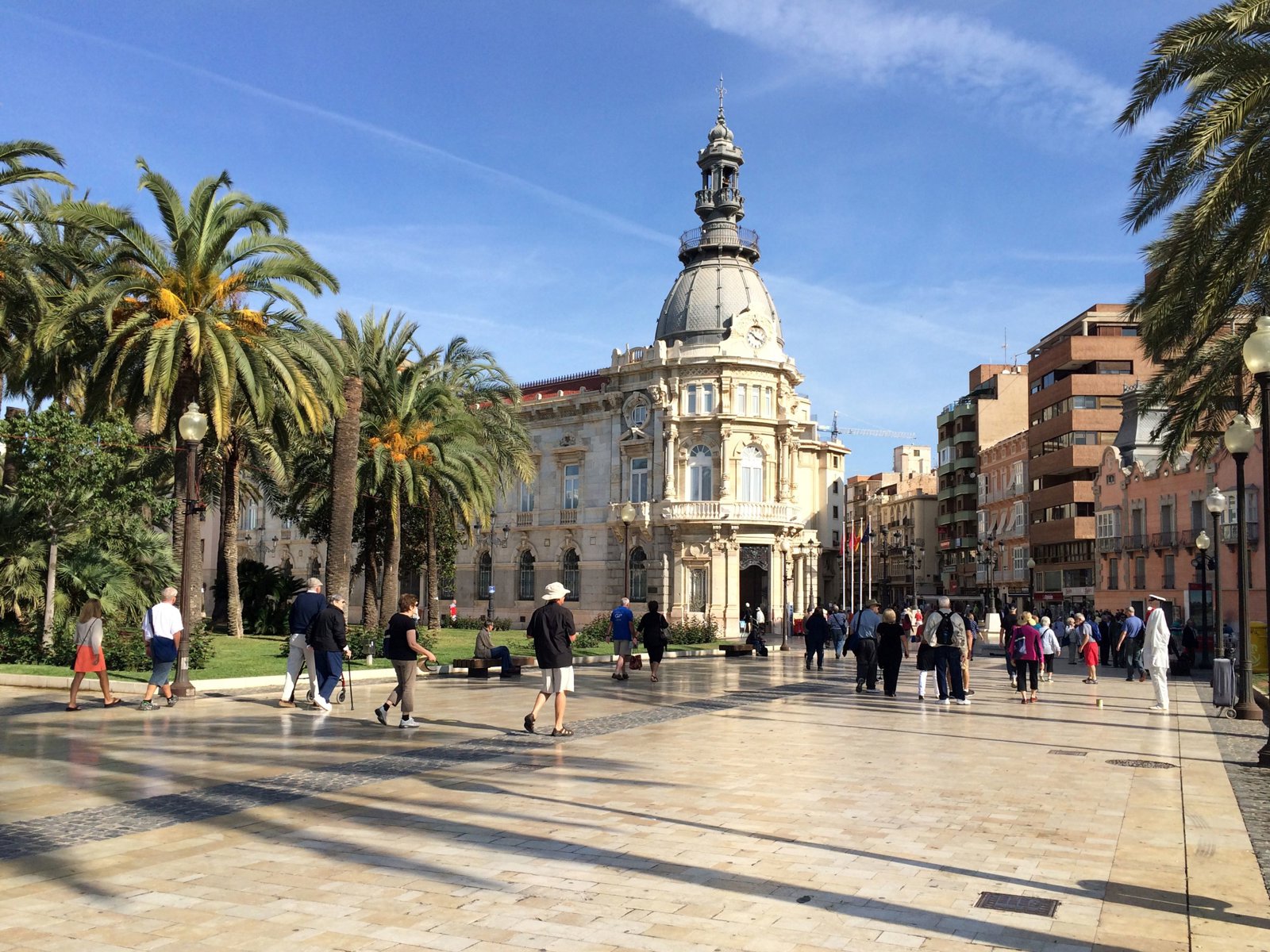
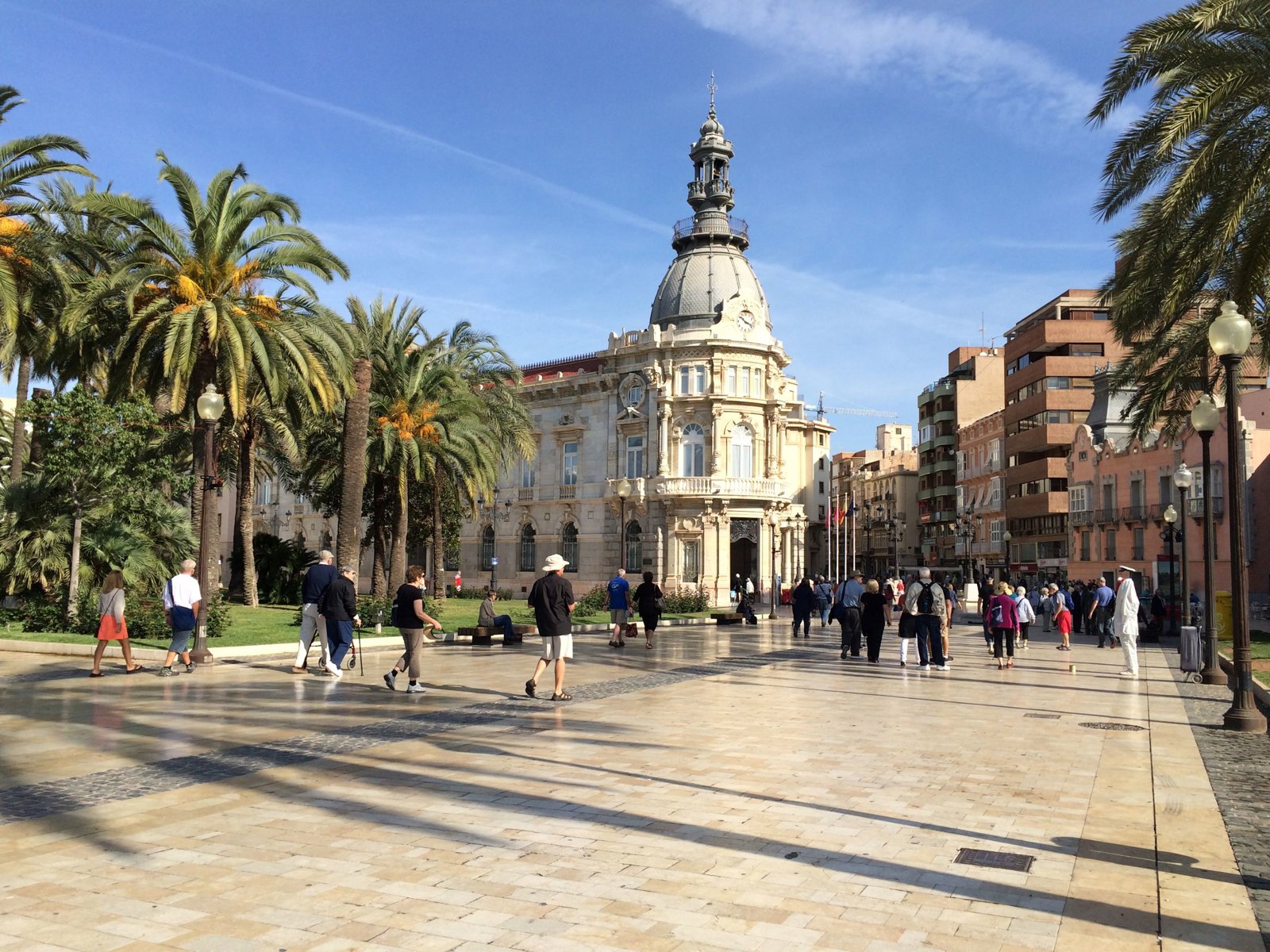
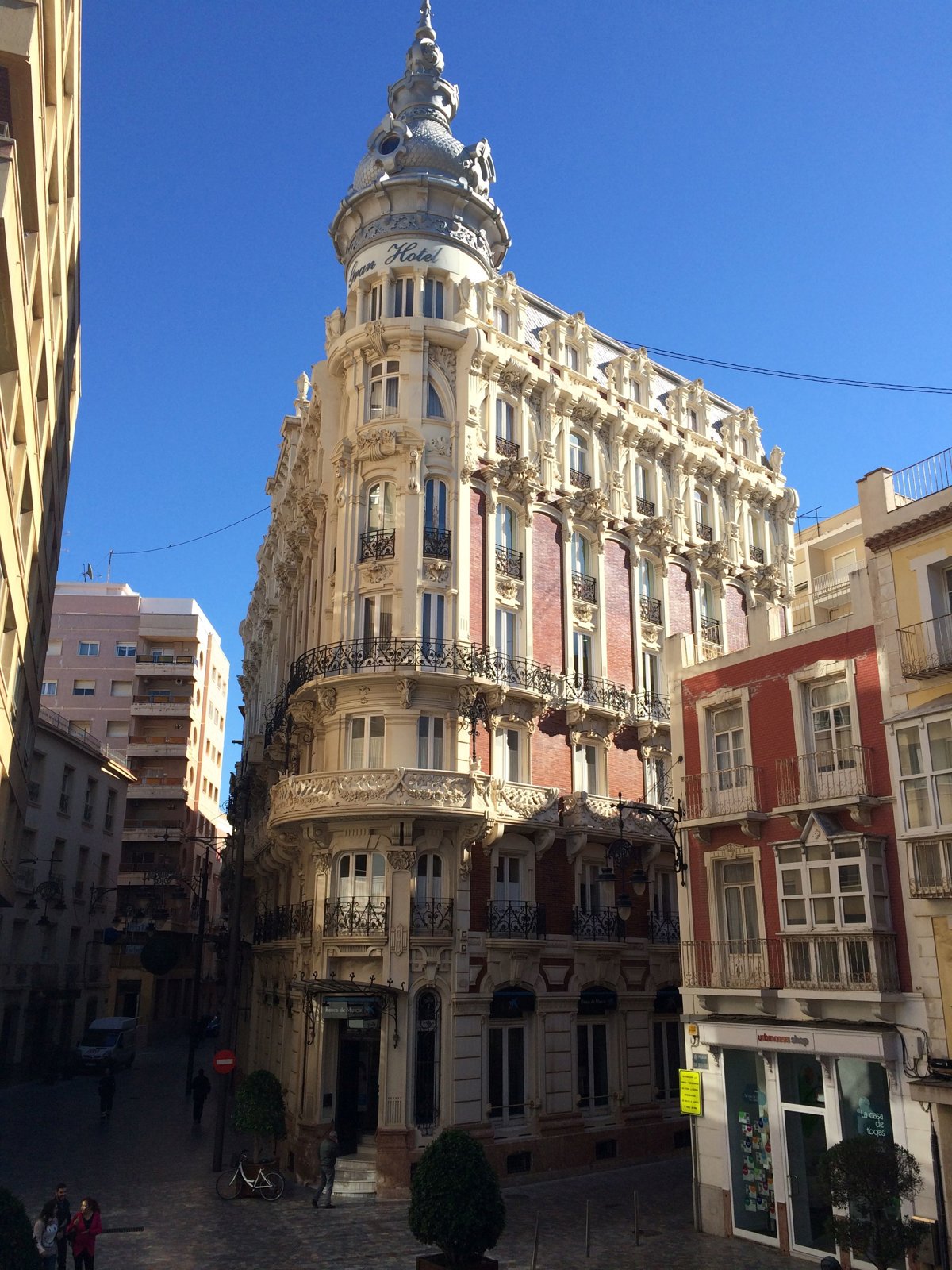
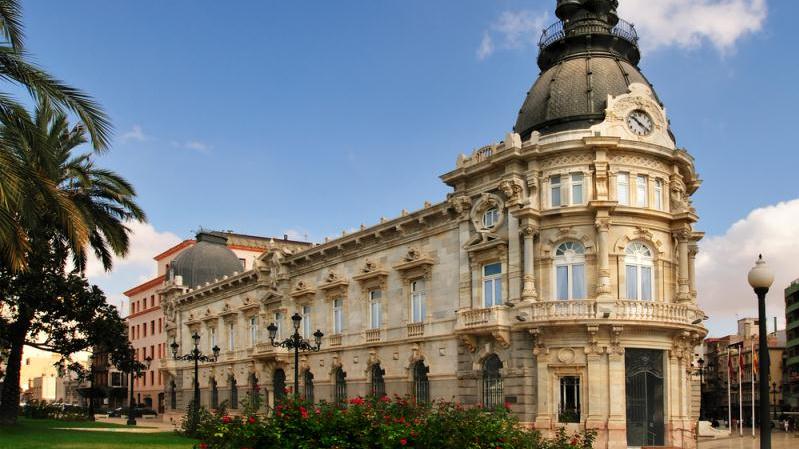
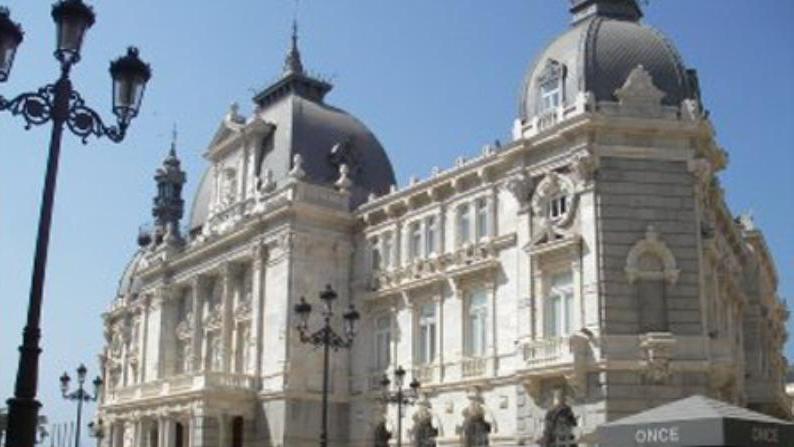
Cartagena's historic centre unfolds across a small peninsula defined by five ancient hills, each capped by ruins or fortifications from different eras. The Calle Mayor pedestrian thoroughfare passes modernist and art nouveau buildings decorated with ceramic tiles and ornate ironwork, a legacy of prosperous merchants from the city's 19th-century mining boom. The hilltop Castillo de la Concepción offers sweeping harbour views and houses an accessible history museum. Below it, the old town's plazas and lanes connect Roman walls, a Moorish castle, baroque churches and neo-classical civic buildings within easy walking distance. The waterfront Paseo Alfonso XIII frames the harbour with palm-lined promenades and outdoor café terraces, providing a natural gathering point before returning to the ship.
Paella, Tapas and the Flavours of Murcia
The region of Murcia produces some of Spain's most distinctive cuisine, and Cartagena serves as its maritime table. Paella here is made with local fish, cuttlefish and seasonal vegetables rather than the chicken-and-rabbit version more familiar further north, and understanding the difference — the socarrat (the prized caramelised rice crust), the use of local saffron, the choice of rice variety — transforms a meal into a cultural education. The city's tapas scene is equally authentic: bars in the old town serve complimentary bites alongside drinks, a tradition that remains largely unchanged from its origins. Joining a guided paella-making experience or a tapas-focused walking tour reveals the stories behind the ingredients as much as the cooking techniques themselves.
The Underwater Winery: Wine Aged Beneath the Sea
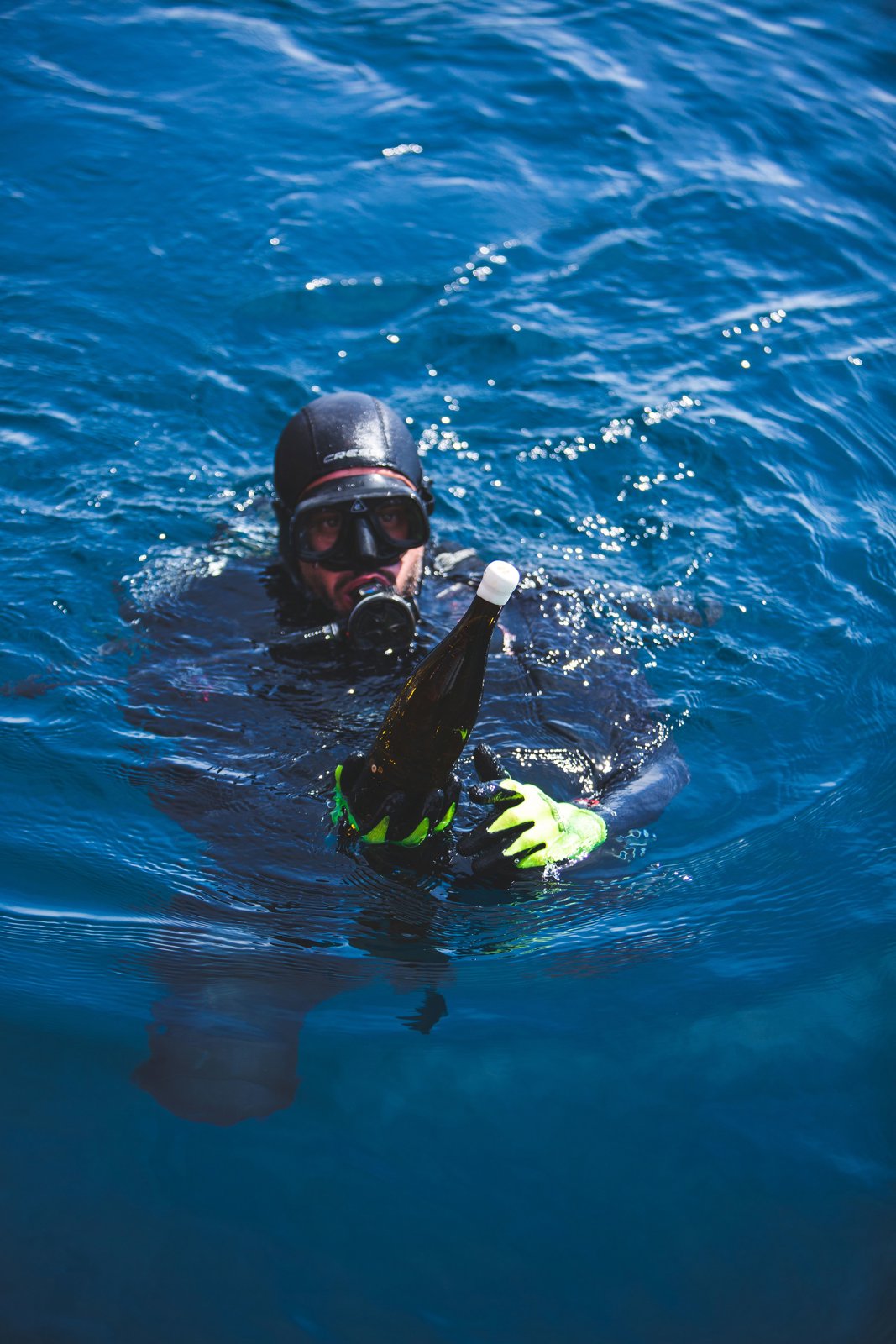
One of the more unusual experiences accessible from Cartagena's port, the underwater winery concept exploits the stable temperatures, darkness and gentle movement of the Mediterranean seabed to age wine in submerged cages. Bottles spend months beneath the surface, and the resulting wines carry subtle mineral characteristics that conventional cellar ageing cannot replicate. The experience combines a boat trip out to the winery location with tastings and explanations of the ageing process, offering a thoroughly contemporary take on the region's ancient winemaking traditions. The nearby DO Bullas and DO Jumilla appellations produce robust Monastrell-based reds that have earned international recognition, and the underwater experiment adds a chapter to that evolving story.
Murcia City: Baroque Grandeur Inland
Fifty kilometres inland along the Segura River valley, the regional capital of Murcia rewards the journey with some of Spain's most exuberant baroque architecture. The Cathedral of Santa María, built over three centuries from the 14th to the 18th, presents a façade so theatrically detailed it approaches sculptural excess in the most compelling sense. The old city centre radiates from the cathedral in tight medieval lanes interrupted by market plazas and modernist municipal buildings. Murcia's covered market, the Mercado de Verónicas, is a cast-iron gem from the early 20th century and a genuine working market rather than a tourist attraction. The city's relatively modest profile among international visitors means its historic core retains an authenticity that more heavily touristed Spanish cities have struggled to preserve.
Lorca: A Fortress Town of Silk and Holy Week
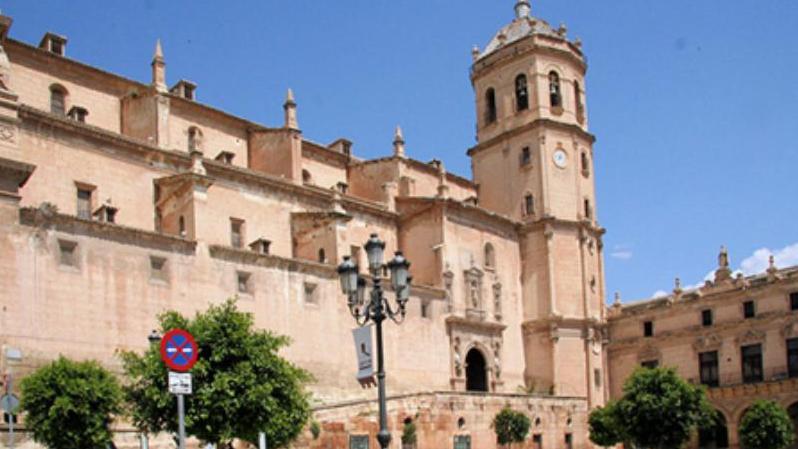
The hilltop city of Lorca, about 75 kilometres southwest of Cartagena, is defined by its imposing castle complex and a deeply rooted tradition of Holy Week processions that UNESCO recognises as Intangible Cultural Heritage. The town's prosperity during the silk trade era produced a concentration of baroque churches and noble mansions that sit comfortably alongside the medieval fortress perched above everything. Lorca's Holy Week brotherhoods spend the entire year preparing extraordinarily elaborate floats and costumes — including full-scale Roman battle scenes — and their craft is evident in the embroideries and historical artefacts displayed in the town's museums year-round. The combination of Cartagena and Lorca in a single day offers a genuinely broad sweep of the region's character.
Cartagena travel tips
Start at the Roman Theatre Before the Heat Builds. The Roman Theatre museum opens at 10:00 and draws significantly larger crowds after midday when day-trip visitors arrive. Arriving early keeps queues manageable and allows you to explore the excavated areas in comfortable morning temperatures, which matters considerably during July and August when afternoon heat in Cartagena can exceed 35°C.
Midday Closures Are a Genuine Factor. Many of Cartagena's museums and historic sites follow a traditional Spanish schedule and close between 14:00 and 16:00 or 17:00. Checking specific opening times before your visit avoids the frustration of arriving at a closed gate. Use the midday window for a proper lunch at a harbour-front restaurant rather than trying to squeeze in additional sightseeing.
Cash Remains Useful in Traditional Tapas Bars. While card payments work in most restaurants and hotels, small tapas bars in Cartagena's old town and any market stalls operate primarily on cash. Carrying €20–30 in small notes covers incidental purchases, market snacks and traditional bar drinks without requiring a card transaction for every small item.
The Castillo de la Concepción Panorama is Worth the Climb. A hilltop cable car (teleférico) connects the waterfront to the Castillo de la Concepción, avoiding the steep foot ascent in warm weather. The view from the top encompasses the entire natural harbour, the Roman theatre excavations below and the surrounding hills — one of the best orientation points for understanding how the city's geography shaped its history. The castle itself houses a free history museum.
Lorca and Murcia Day Trips Require an Early Departure. Both Murcia and Lorca are rewarding but require proper time allocation. Combining Cartagena with either destination realistically needs 8–10 hours ashore. If your ship offers a shorter port call, prioritise Cartagena's own old town and Roman Theatre rather than attempting a rushed inland excursion.
Local Wines Deserve Attention Beyond the Familiar Names. The Murcia region's Monastrell grape (known as Mourvèdre in France) produces dense, complex reds that receive comparatively little attention internationally despite consistently high critical ratings. Restaurants near the waterfront often list wines from the DO Bullas, DO Yecla and DO Jumilla appellations. Asking for a local recommendation almost always delivers better value than reaching for familiar Spanish labels.
Port Facts Every Cruiser Needs To Know
Cartagena shore excursion FAQs
The Alfonso XII Quay is within easy walking distance of the historic centre. The Roman Theatre and the main pedestrian street (Calle Mayor) are approximately 10–15 minutes on foot from the pier. No shuttle bus is required to reach the main sights.
Yes — completely separate cities. Cartagena, Spain, is a port city on the southeastern Mediterranean coast in the autonomous community of Murcia. It is distinct from Cartagena, Colombia, which is a Caribbean port city. European cruise itineraries refer to the Spanish city.
The Roman Theatre of Cartagena is one of the largest and best-preserved Roman theatres in Spain, dating from the 1st century BC and capable of seating approximately 7,000 people. What makes it particularly remarkable is that it remained buried beneath medieval buildings until its accidental rediscovery in 1988, meaning large portions survived intact. The integrated museum explains the discovery story and the archaeological process.
Yes. Murcia is around 50 km inland and is reachable by regional train or direct bus in approximately 40–50 minutes from Cartagena. The city's baroque cathedral and historic centre can be explored in 2–3 hours, leaving time to return to the ship. Allow at least 8 hours ashore for a Murcia combination visit.
The Murcia region is known for rice dishes cooked with local fish and seafood, particularly caldero murciano (a rich fish-and-rice stew) and maritime paella using cuttlefish, prawns and seasonal catch. The region also produces distinctive wines from Monastrell grapes (DO Bullas, DO Jumilla, DO Yecla). Tapas bars in the old town often provide complimentary bites with drinks.
The underwater winery is an experimental ageing facility where sealed wine bottles are submerged in cages on the Mediterranean seabed to mature in stable, dark, cool conditions with gentle water movement. The process produces wines with subtle mineral characteristics. Shore excursions to the winery typically include a boat trip and tasting session.
The waterfront promenade and much of the lower old town is relatively flat and accessible. The Roman Theatre museum has accessible routes through the excavated areas. The hilltop Castillo de la Concepción is reachable by cable car rather than on foot. The old town's cobbled upper streets can be uneven, so comfortable flat-soled footwear is advisable for all visitors. Wheelchair-adapted vehicle tours are available for those requiring them.
Lorca is a hilltop fortress city about 75 km from Cartagena, recognised for its imposing castle, baroque church architecture and UNESCO-listed Holy Week processions. Year-round, its museums display the extraordinary embroideries and historical artefacts prepared for the Easter processions. It pairs well with a Cartagena visit if you have 8–10 hours ashore and an interest in Spanish history and craftsmanship.
Spanish (Castilian) is the primary language. At the Roman Theatre, main museums and restaurants near the tourist waterfront, English is generally spoken or understood. Away from the main tourist areas, particularly in traditional tapas bars and local shops, Spanish is helpful. Most menus in tourist areas include English translations.
The Roman Theatre museum generally opens at 10:00 and closes in the early afternoon before reopening in the evening, following Spanish convention. Hours vary seasonally and may differ on Sundays and public holidays. It is advisable to check current hours before your visit, as midday closures (typically 14:00–17:00) can affect planning if you arrive from the ship later in the morning.
Filters
Select a filter to refine results.
Tour Type
Tour Activity
 Cart
Cart
 USD
USD GBP
GBP AUD
AUD EUR
EUR CAD
CAD