



Tours in Copenhagen (Nyhavn)



Cruising to Copenhagen (Nyhavn) in a group?
Skip the crowded ship excursion bus. One dedicated planner will design a private shore experience around exactly what your group wants — coordinated from first enquiry to the moment you're back on board. More memorable, more flexible, and more affordable than you might expect. Spend less time organising, more time enjoying.
Explore Group Travel →Cruising to Copenhagen (Nyhavn)
Copenhagen's cruise terminal at Oceankaj in the Nordhavn (North Harbour) district sits a short metro or bus ride from the city centre. The Danish capital is compact, exceptionally cycle-friendly, and among the most comprehensively navigable cities in Northern Europe. Nyhavn's canal-front is a natural starting point, with royal palaces, museums, and covered food markets within easy reach on foot or a short transit hop. Beyond the city, the North Sealand coast traces a route past royal deer parks and grand Renaissance fortresses to Helsingør, where Kronborg Castle — the setting of Shakespeare's Hamlet — overlooks the narrow strait separating Denmark from Sweden. In the opposite direction, Roskilde's Viking Ship Museum preserves five original 11th-century vessels raised from the fjord — among the finest artefacts of the Viking Age in existence. Copenhagen is also one of Europe's most celebrated food cities, with a market culture and restaurant scene extending well beyond its Michelin reputation.
Top things to do in Copenhagen (Nyhavn) on a cruise stopover
Nyhavn and Copenhagen's Historic Waterfront
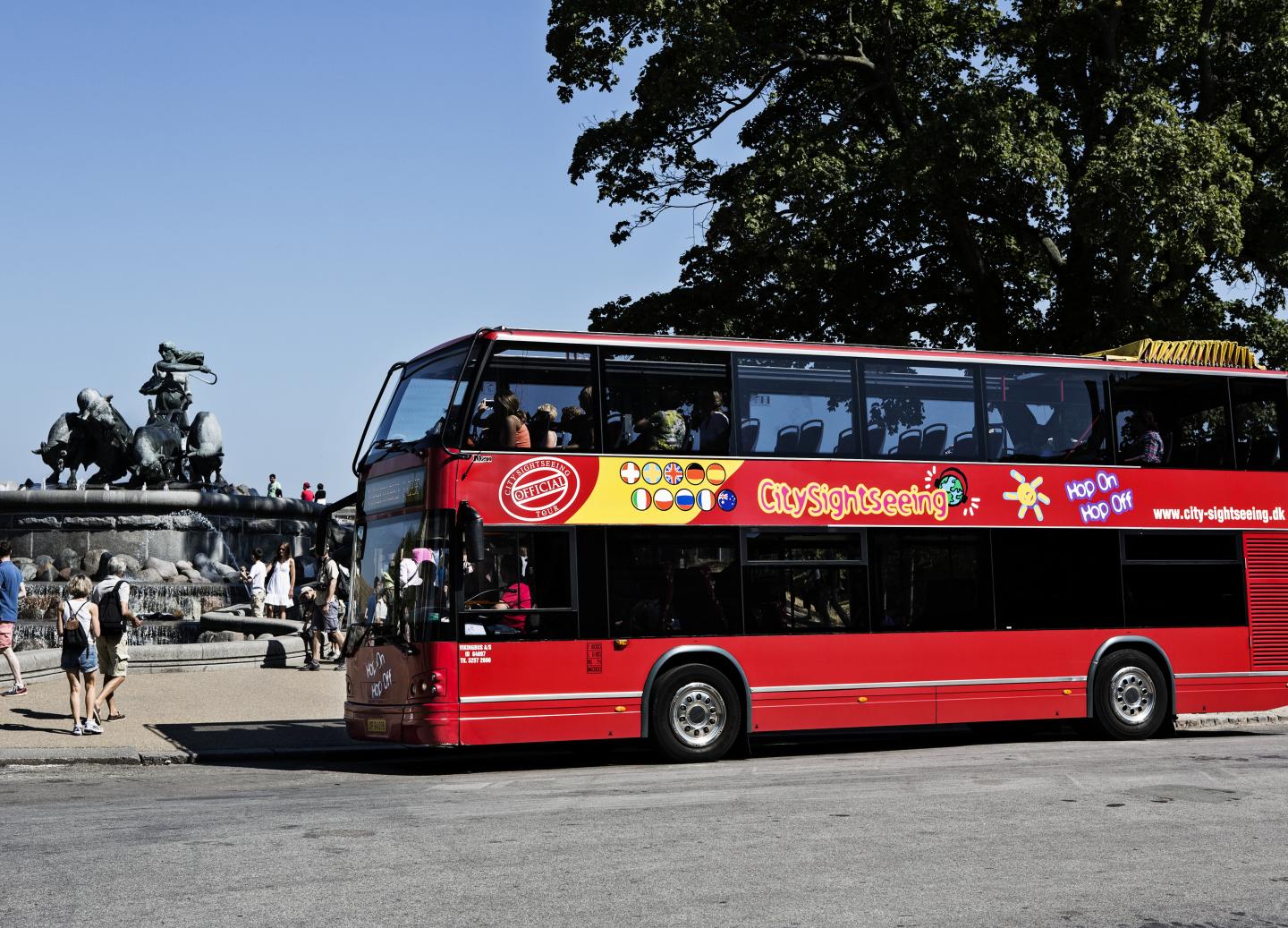
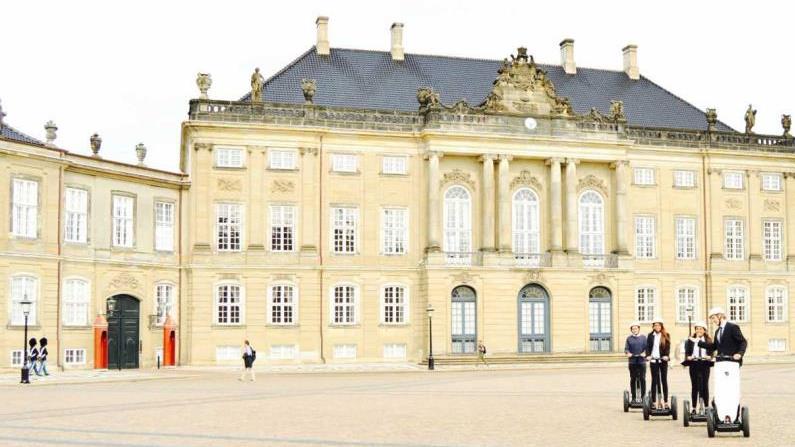
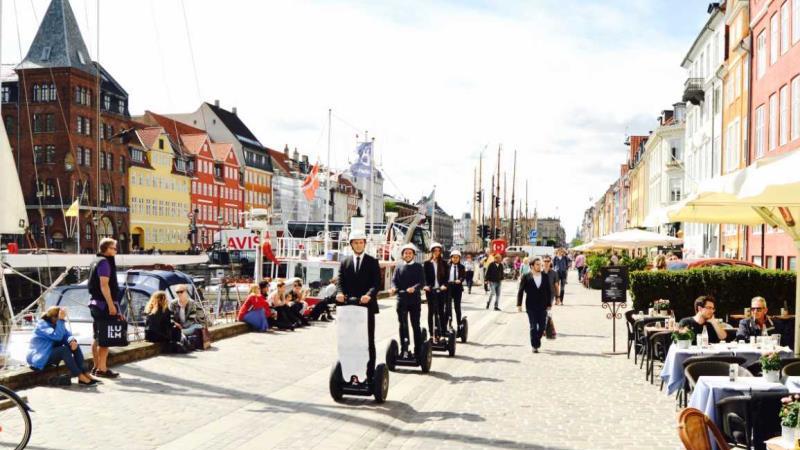
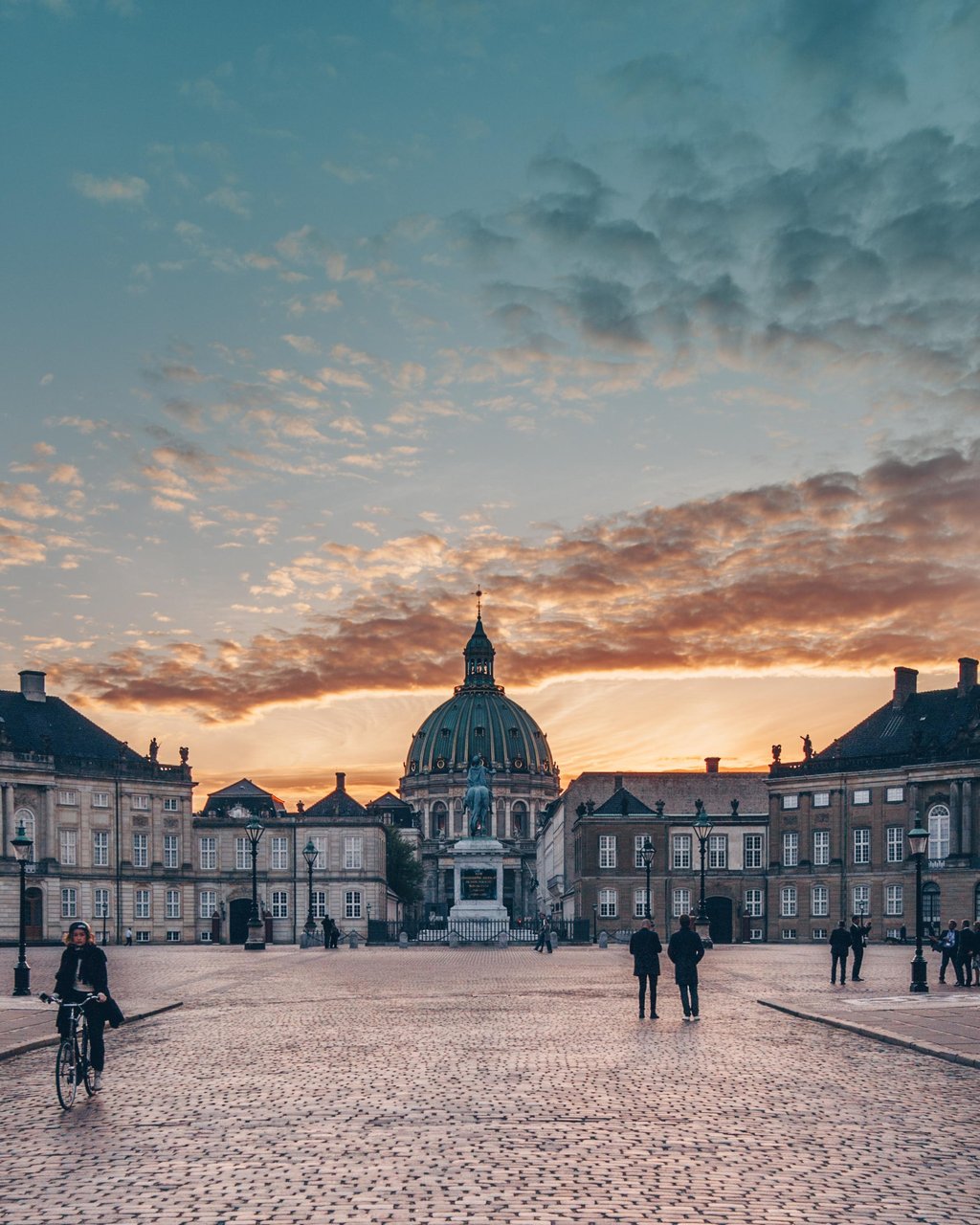
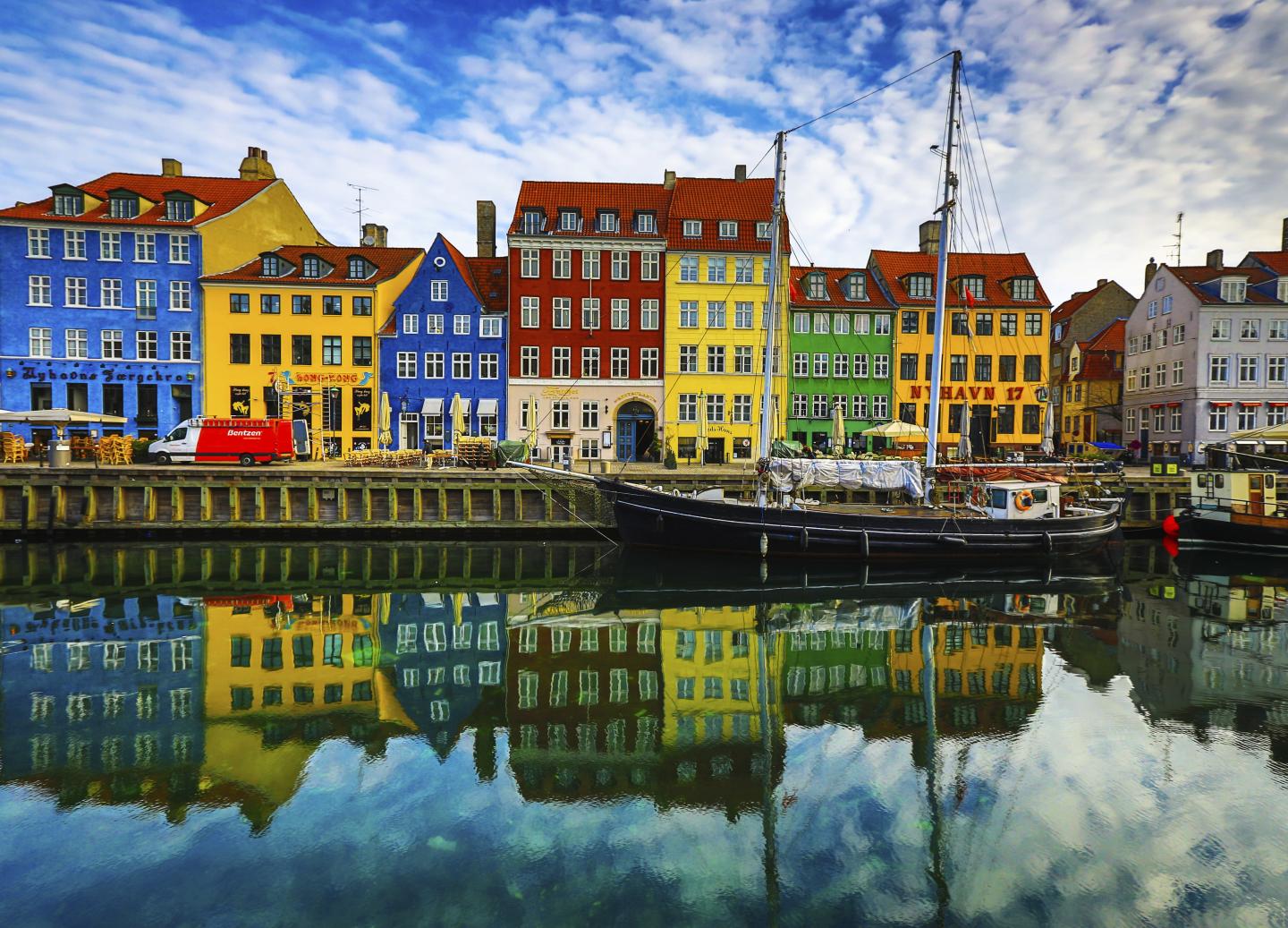
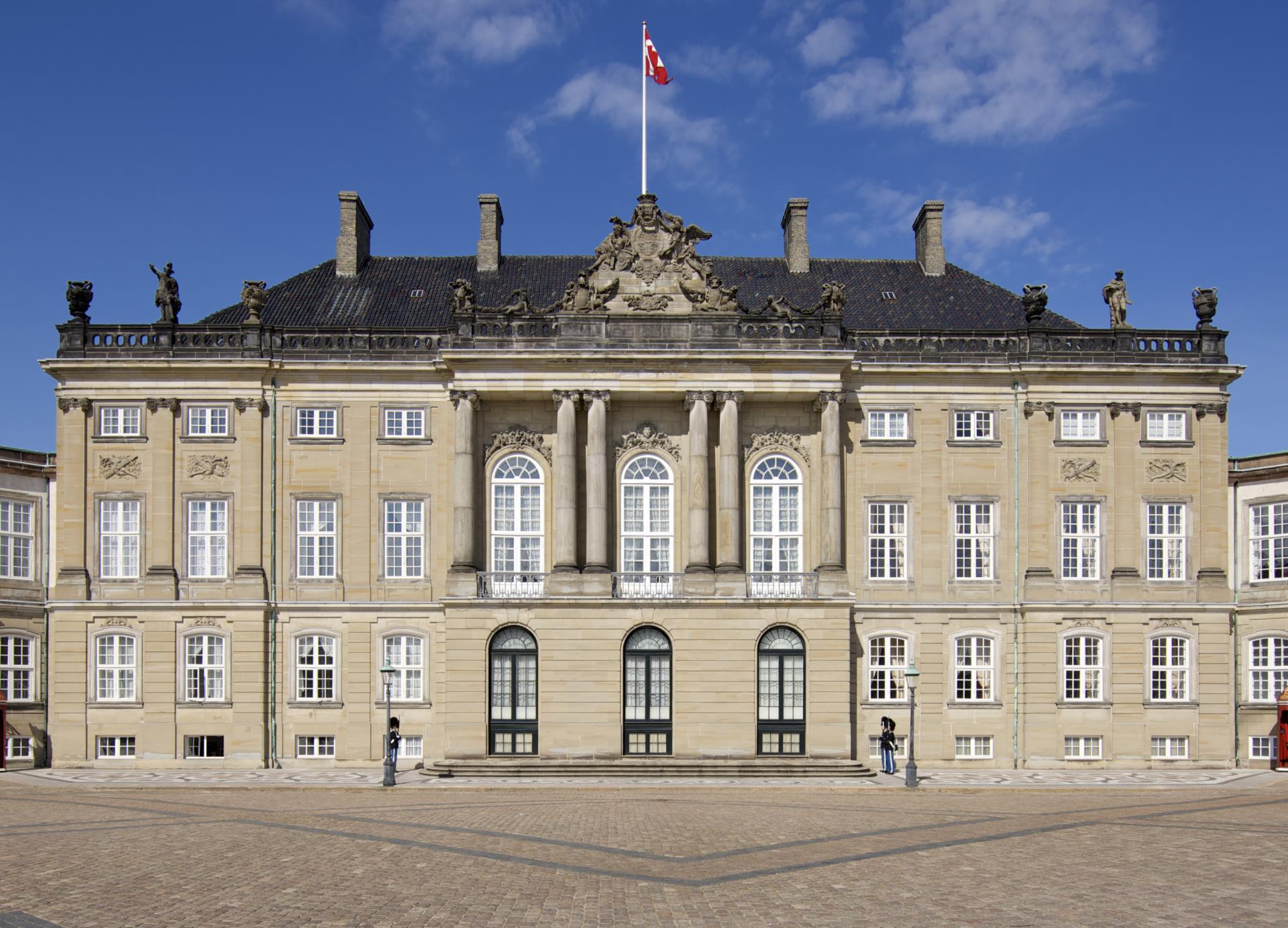
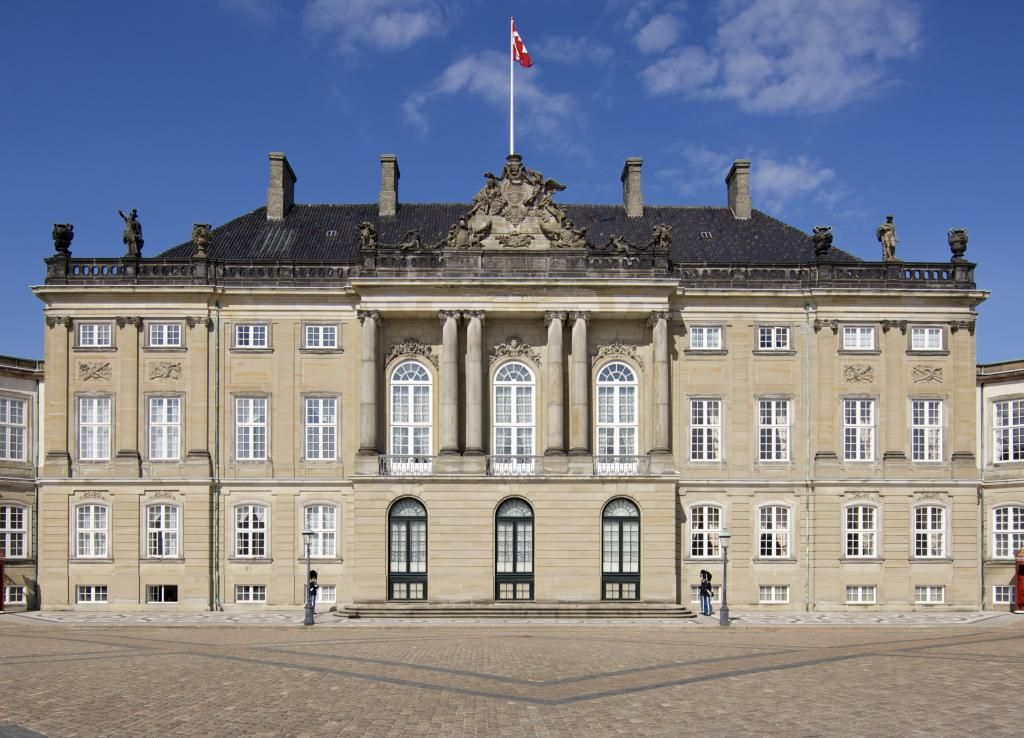
Nyhavn — New Harbour — is Copenhagen's most photographed address: a 17th-century canal lined with narrow merchant townhouses painted in ochre, terracotta, and cobalt, their reflections rippling in the water below. Hans Christian Andersen lived at number 20 for much of his adult life, and the canal remains a living part of the city rather than a preserved museum piece, with outdoor cafés and restored historic vessels moored along its length. From Nyhavn, the waterfront opens onto the Opera House across the harbour, the Amalienborg Palace complex a short walk inland, and the Royal Danish Playhouse along the quayside. The area is the natural starting point for exploring the city on foot or by segway, and features prominently on hop-on hop-off routes. Venture Ashore's city sightseeing and segway tours both include this neighbourhood.
The Little Mermaid and the Kastellet Fortress
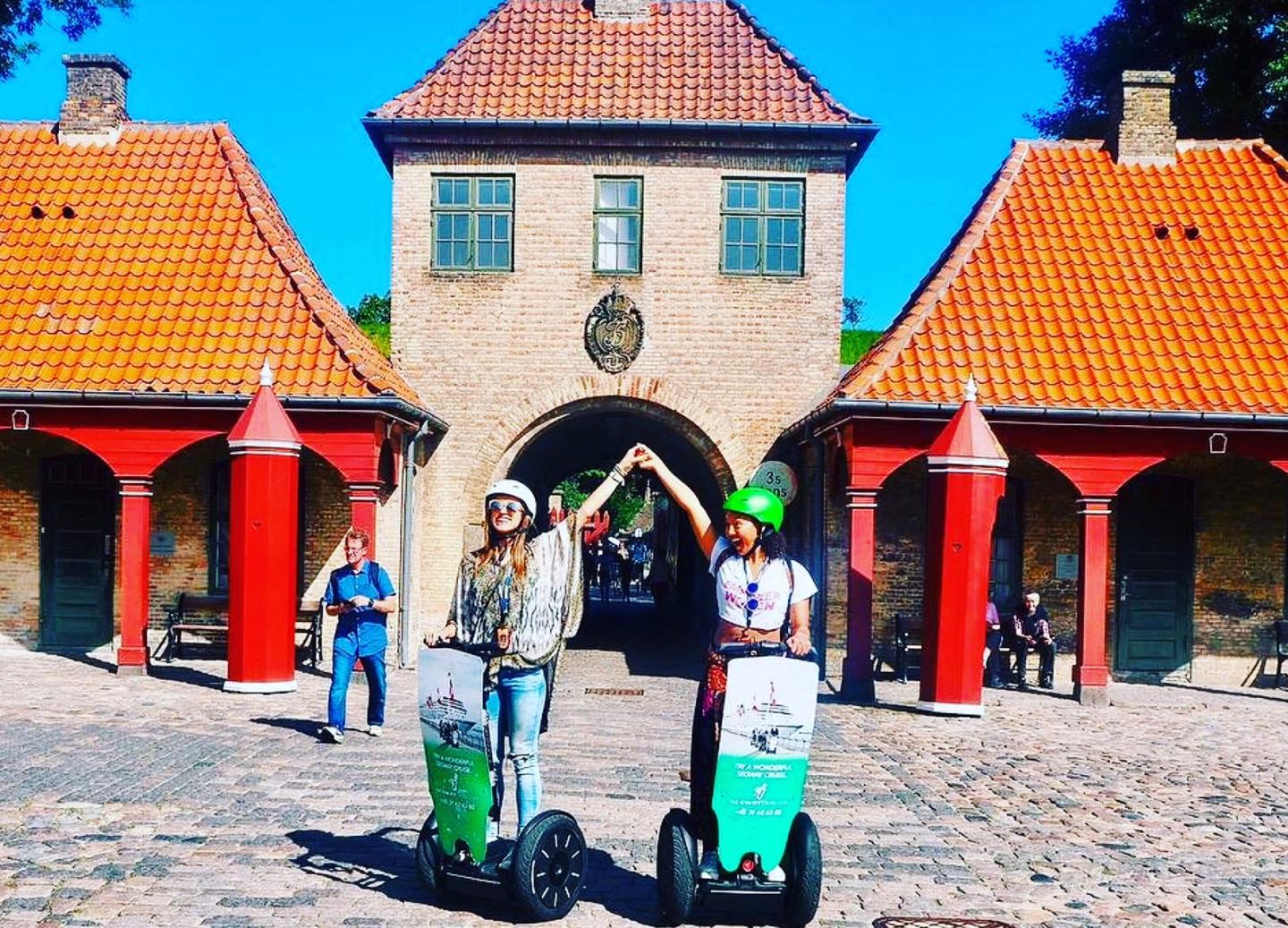
Edvard Eriksen's bronze statue of The Little Mermaid — commissioned in 1913 as homage to the Hans Christian Andersen fairy tale — sits on a rock at the harbour's edge near Langelinie and is among the most visited monuments in Scandinavia. Modest in scale but significant in cultural weight, the figure draws visitors from across the world who arrive to find something quieter and more contemplative than expected. Adjacent to the statue, the Kastellet is a well-preserved 17th-century star-shaped fortress that remains an active military installation while being freely open to the public as a park. Its moated ramparts, historic barracks, and working windmill provide a peaceful contrast to the crowds further along the waterfront. Both sites feature on Venture Ashore's Copenhagen hop-on hop-off and city experience tours.
Rosenborg Castle and the Royal Danish Crown Jewels
Built as a summer residence for King Christian IV in the early 17th century, Rosenborg Castle sits within the King's Garden (Kongens Have) — Copenhagen's oldest public park and a popular gathering spot for residents throughout the year. The castle's interior preserves royal apartments largely unchanged since the 17th and 18th centuries, and the basement treasury houses the Danish Crown Jewels: the Crown of Christian IV and centuries of accumulated royal regalia. The formal gardens outside provide a relaxed counterpoint to the castle's concentrated interior interest. Rosenborg is walkable from Nyhavn and the city centre, making it a natural addition to a half-day city exploration. It features as a key stop on Venture Ashore's complete Copenhagen city experience tour.
North Sealand — Kronborg Castle and the Danish Riviera
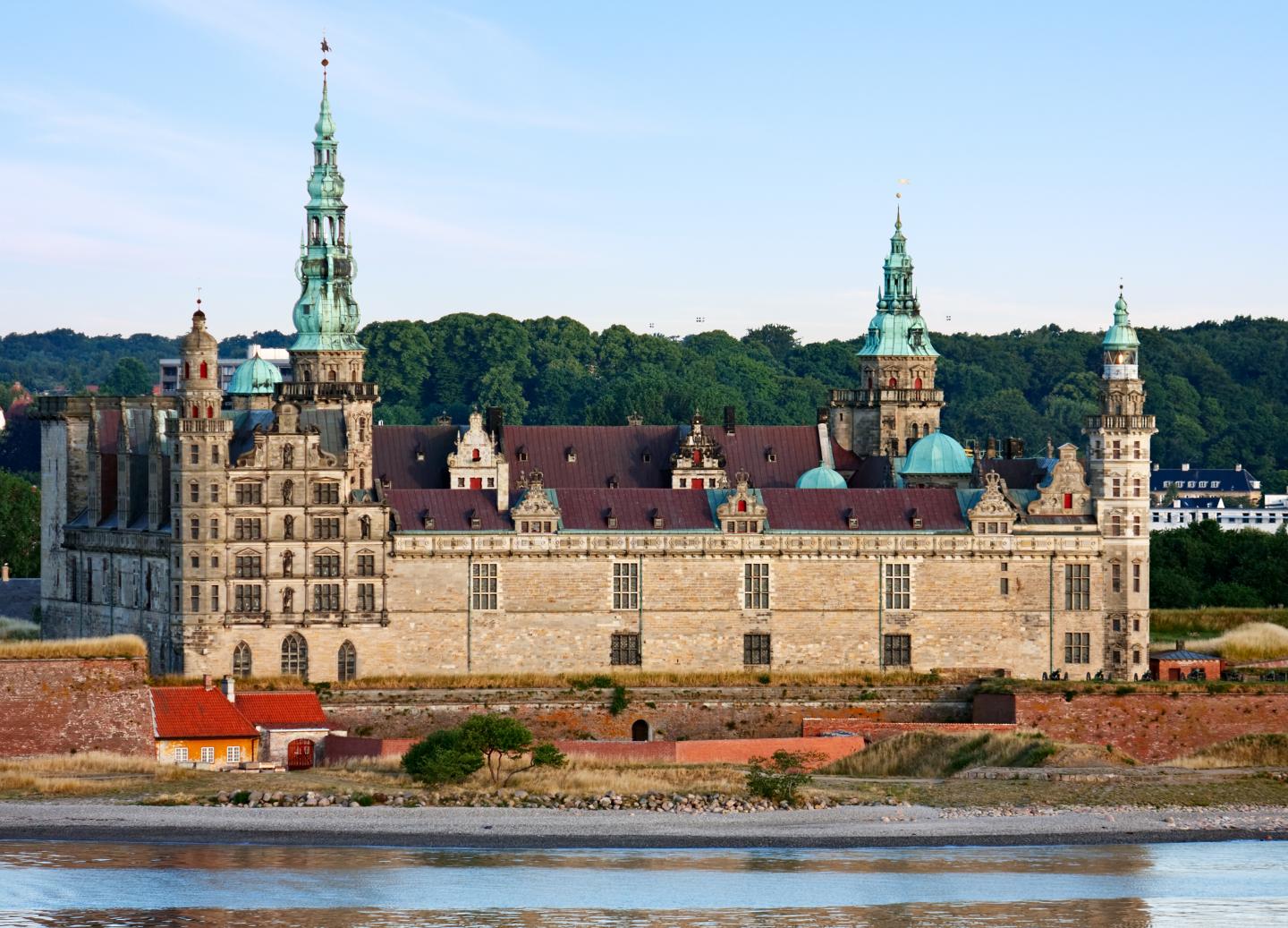
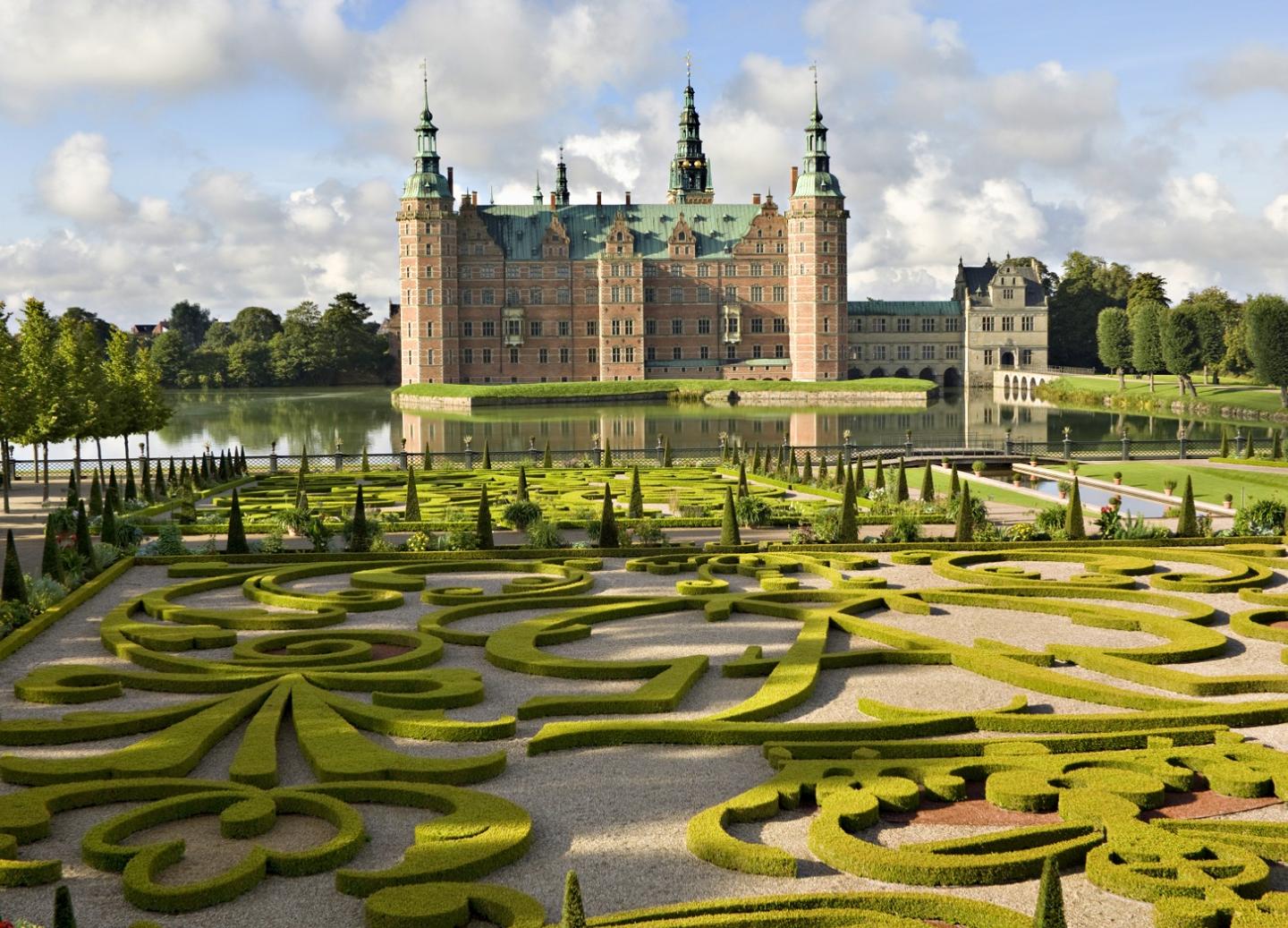
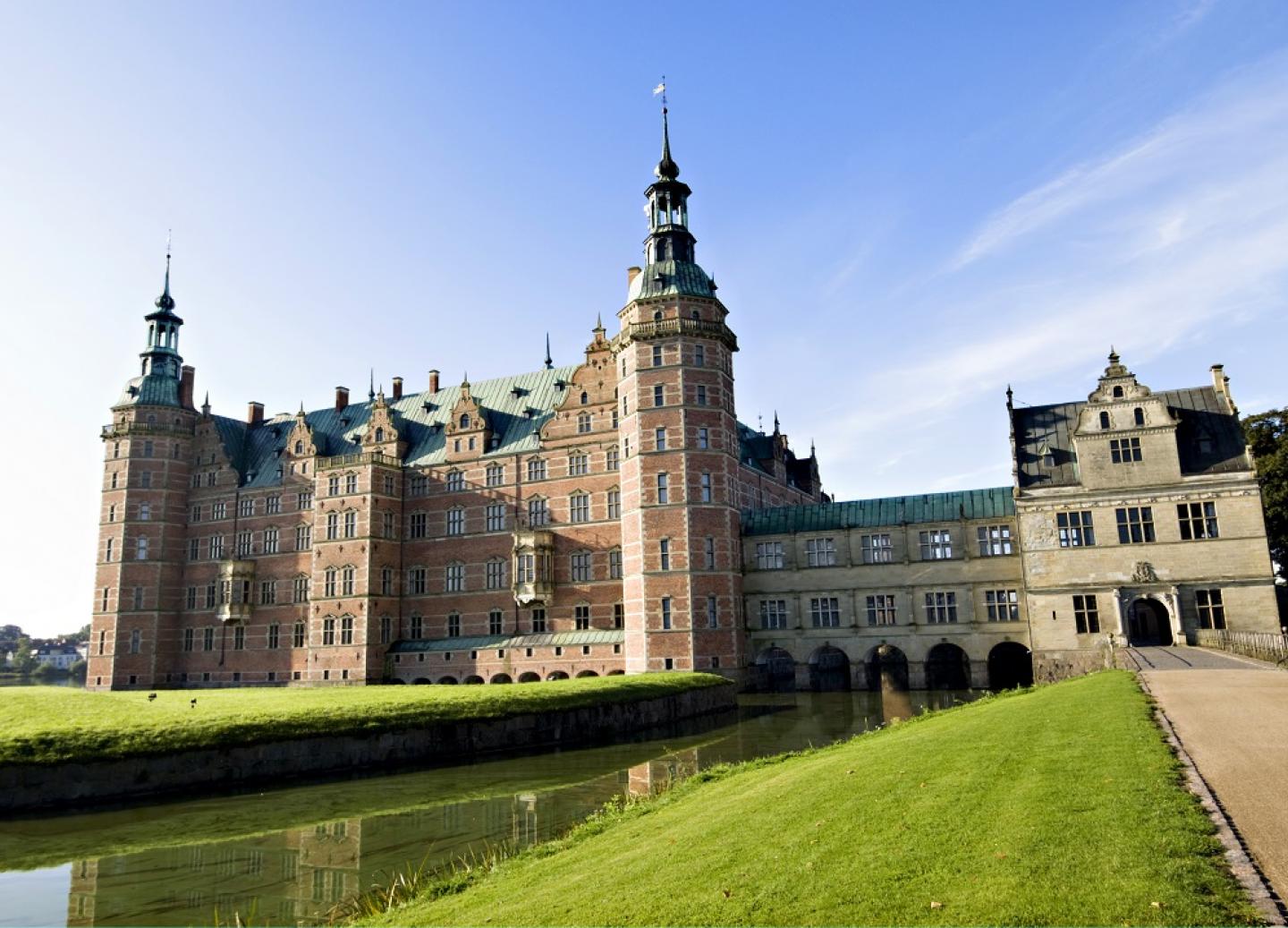
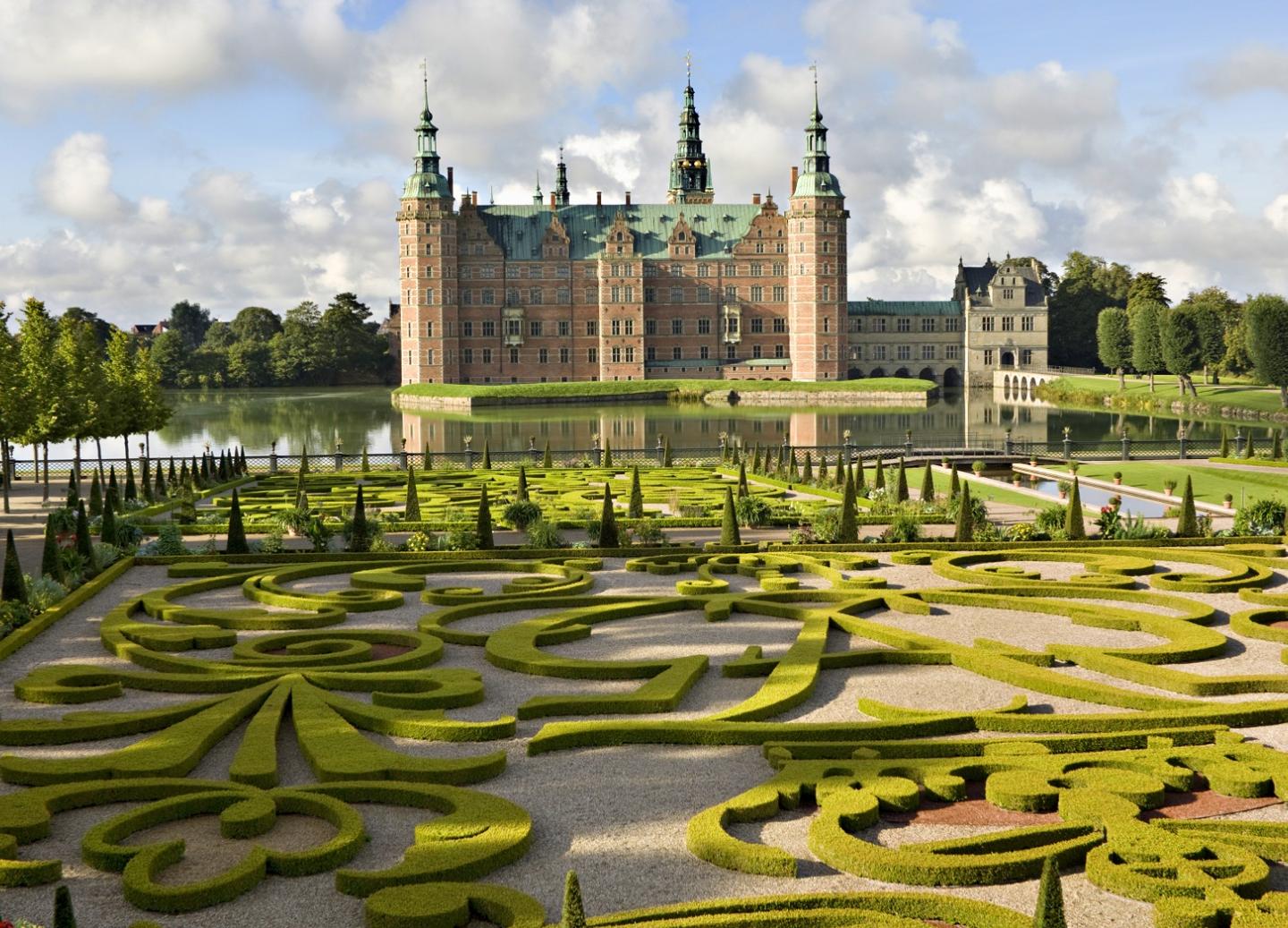
The North Sealand coast north of Copenhagen traces what Danes call the Danish Riviera — a sequence of historic towns, royal estates, and forested coastline extending to Helsingør at the tip of the peninsula. Kronborg Castle at Helsingør, a UNESCO World Heritage Site, was built in the 15th century to control shipping through the Øresund strait and gained global literary fame as the setting of Shakespeare's Hamlet. The great hall, royal chambers, and dark casemates beneath the ramparts are all visitable; the view across the strait to Sweden is among the most dramatic in Scandinavia. Between Copenhagen and Helsingør, the Louisiana Museum of Modern Art and Fredensborg Palace offer additional stops of considerable quality. Venture Ashore's private North Sealand tour explores this coastline in depth.
The Viking Ship Museum, Roskilde
Some 30 kilometres west of Copenhagen, the city of Roskilde shelters one of the most remarkable Viking Age collections in the world. In the 1960s, archaeologists raised five deliberately sunken Viking ships from the Roskilde Fjord, dating from approximately 1070 AD. These vessels — a warship, a trading ship, a coastal ferry, and two smaller boats — were sunk to block the fjord against attack and preserved in remarkable condition beneath the sediment. The museum built around them allows visitors to examine the original timbers at close range, while a working harbour outside demonstrates traditional boat-building techniques using period methods. Roskilde's medieval cathedral, a UNESCO-listed site containing the tombs of Danish monarchs, is a short walk away. Venture Ashore offers a private full-day Vikingland tour covering these sites.
Copenhagen by Segway
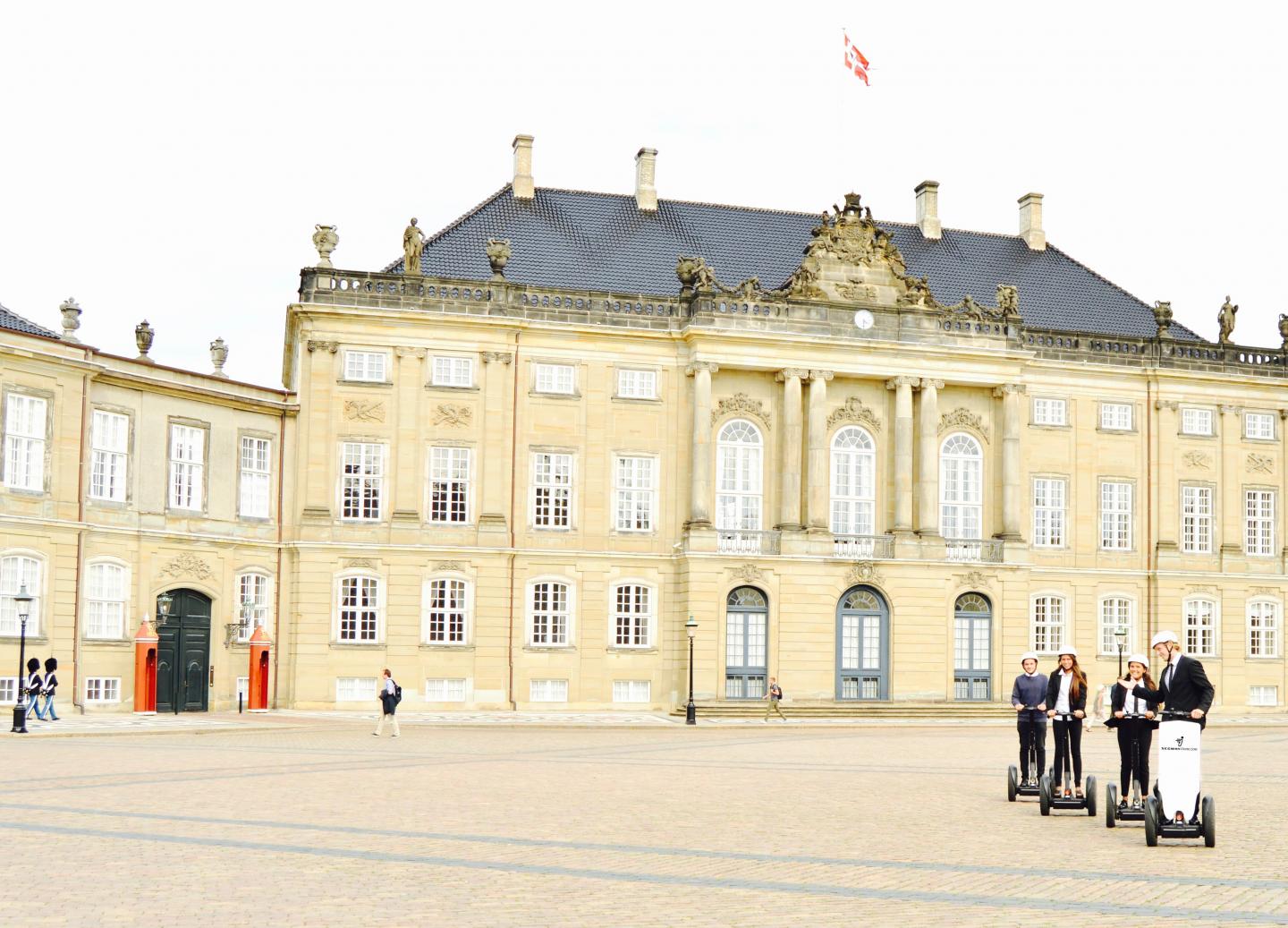
Exploring Copenhagen's flat, cycle-friendly streets by segway provides one of the most efficient introductions to the city's layout — covering more ground than walking while remaining close enough to the surroundings to notice architectural detail and neighbourhood character. Guided segway tours navigate through the historic centre, along the waterfront from Nyhavn to Kastellet, past Amalienborg Palace, and through streets that a bus tour would simply drive past. The format requires no prior experience; a short training session precedes the tour. Venture Ashore offers segway tours in multiple durations — one-hour, two-hour, and an extended highlights format — allowing guests to calibrate the experience to their available time ashore and physical comfort level.
Copenhagen (Nyhavn) travel tips
Begin at Nyhavn early for the best experience. Nyhavn is at its most atmospheric in the early morning, before the canal fills with visitors and the outdoor café tables become difficult to navigate. Arriving before 9 AM provides a quieter, more photogenic experience and a cleaner sense of the neighbourhood's genuine character. The area remains pleasant throughout the day, but mornings reward those who plan their city walk starting from the waterfront and moving inland toward Amalienborg and the King's Garden as the hours progress.
Copenhagen is one of the world's great cycling cities. Copenhagen has more bicycles than residents and an infrastructure built over decades to make cycling safe and intuitive even for visitors. Bicycle hire is widely available throughout the city, and the flat terrain makes it genuinely accessible for most fitness levels. Riding dedicated cycling lanes alongside commuters and families is one of the most immersive ways to experience Copenhagen's daily rhythm. Be aware that cycling lanes have their own traffic rules and priority — stay in the lane, signal turns, and yield to cyclists already in the flow.
Visit Torvehallerne market for coffee and smørrebrød. Torvehallerne — the covered glass market halls near Nørreport station — is among the best food markets in Scandinavia, stocking fresh produce, artisan cheeses, cured fish, pastries, and some of the finest coffee in Copenhagen. The market is open daily and genuinely used by residents. It provides an excellent stop for a mid-morning coffee and pastry, a smørrebrød lunch from one of the counter stalls, or provisions for a waterfront picnic. Nørreport is two stops from the cruise port on the metro.
Card payments work almost everywhere in Denmark. Denmark is among the most cashless societies in the world. Card payment — including contactless — is accepted at virtually every café, restaurant, museum, market stall, and transport ticket machine. Withdrawing Danish Krone before or during your visit is rarely necessary. Most international payment cards work without issue; check with your card provider about foreign transaction fees if applicable. The few remaining cash-preferred businesses are the exception rather than the rule.
Consider Tivoli Gardens for a late-afternoon visit. Tivoli Gardens, one of the world's oldest amusement parks (opened in 1843), occupies a central position in Copenhagen and operates from late April through September. The park combines traditional rides, live music, theatre performances, and garden design in a format that appeals well beyond families with children. Evening hours transform the gardens with extensive lighting and a festive atmosphere. If your ship has a late departure, a Tivoli visit in the late afternoon is one of Copenhagen's most distinctive experiences — not easily replicated elsewhere.
Plan North Sealand or Roskilde trips for early morning departure. Day trips to North Sealand (Kronborg Castle) or Roskilde (Viking Ship Museum) each require approximately 3–4 hours at the destination plus transit time, making early-morning starts essential on a cruise day. Kronborg is approximately 45 minutes by regional train from Copenhagen Central Station; Roskilde is approximately 25 minutes. Visiting these destinations in the morning and returning to the city for a final few hours in the afternoon is a well-proven structure for a full Copenhagen day ashore.
Port Facts Every Cruiser Needs To Know
Copenhagen (Nyhavn) shore excursion FAQs
Most large cruise ships dock at Oceankaj terminal in the Nordhavn (North Harbour) district, approximately 5 kilometres north of the city centre. Some smaller vessels use Langelinie pier, which is closer to the city and within walking distance of the Little Mermaid and Kastellet. Check your ship's documentation to confirm which pier is being used, as this affects transit options and journey time to the centre.
The Nordhavn metro station (M4 line) provides direct, frequent connections to the city centre — the journey to Kongens Nytorv (the main city hub, adjacent to Nyhavn) takes approximately 10 minutes. Hop-on hop-off bus services also operate from near the Oceankaj terminal. The city centre is not practical to walk to from Oceankaj but is very accessible by metro or organised transfer.
The Little Mermaid is modest in scale — smaller than most visitors expect — but significant as a cultural landmark and pleasant as part of a broader waterfront walk that includes Kastellet fortress and the Langelinie promenade. It is best visited as one stop on a walking or segway route rather than as a dedicated destination. Those who approach it as part of a wider waterfront exploration tend to find it rewarding; those expecting a large, imposing monument are sometimes disappointed.
Yes. Kronborg Castle in Helsingør is approximately 45 minutes from Copenhagen Central Station by regional train, making it feasible as a half-day excursion. The castle tour, grounds, and surrounding town can be explored in 2–3 hours. Venture Ashore's private North Sealand tour combines Kronborg with other coastal highlights for a structured full-morning itinerary, returning to Copenhagen in the early afternoon.
Venture Ashore's full-day Vikingland private tour centres on the Viking Ship Museum in Roskilde, where five original 11th-century Viking vessels — raised from the fjord in the 1960s — are displayed alongside an active boat-building programme using traditional techniques. Roskilde's UNESCO-listed medieval cathedral, containing the tombs of Danish monarchs, is also typically included. The tour covers approximately 30 kilometres west of Copenhagen and returns with sufficient time before ship departure.
Yes — Copenhagen's city centre is compact, flat, and very well-signposted. The main sightseeing area between Nyhavn, Rosenborg Castle, Amalienborg, and Strøget (the pedestrian shopping street) is walkable within 20–30 minutes end-to-end. Conditions underfoot are good; the city is highly accessible for visitors with mobility considerations, with smooth paving across most central areas. Cycling infrastructure is excellent for those who prefer two wheels.
Smørrebrød is the traditional Danish open-faced sandwich — a thick slice of dense rye bread (rugbrød) topped with combinations such as pickled herring and onion, roast beef with remoulade and crispy onions, or poached egg with herbs and radish. It is the definitive Copenhagen lunch. Torvehallerne market and dedicated smørrebrød restaurants in the city centre offer good examples. It is eaten with a knife and fork, not as a hand-held sandwich.
Tivoli Gardens typically operates from late April through late September, which covers the main Northern European cruise season. Opening hours vary by day and season; evening sessions (usually from 11 AM to 11 PM or later on weekends) capture the park at its most atmospheric. Entry tickets are available at the gate or in advance online. The park charges a separate admission for individual rides; a combination ticket covers all attractions.
Copenhagen is among Europe's more expensive cities. A sit-down lunch for two at a café typically costs 250–400 DKK (approximately €33–55); coffee and a pastry at a café counter costs around 60–90 DKK. Museum admissions range from free (some national museums) to 150–200 DKK per person. Tivoli entry is approximately 130–160 DKK. Pre-arranging a structured shore excursion often provides better value than ad hoc spending on transport and entry fees across multiple sites.
For most city-centre attractions — Nyhavn, the waterfront walk, the King's Garden — no advance booking is needed. Rosenborg Castle benefits from online ticket purchase to avoid queuing at the entrance. North Sealand and Roskilde day trips via Venture Ashore's private tours should be arranged before your cruise date to secure guides and vehicles. During peak summer months, Kronborg Castle entry can also have short waits without pre-purchased tickets.
Filters
Select a filter to refine results.
Tour Type
Tour Activity
 Cart
Cart
 USD
USD GBP
GBP AUD
AUD EUR
EUR CAD
CAD