



Tours in Le Havre (Paris)


Cruising to Le Havre (Paris) in a group?
Skip the crowded ship excursion bus. One dedicated planner will design a private shore experience around exactly what your group wants — coordinated from first enquiry to the moment you're back on board. More memorable, more flexible, and more affordable than you might expect. Spend less time organising, more time enjoying.
Explore Group Travel →Cruising to Le Havre (Paris)
Le Havre sits at the mouth of the Seine estuary, a working port city rebuilt almost entirely from scratch after the Second World War and today recognised as a UNESCO World Heritage Site for its remarkable modernist architecture designed by Auguste Perret. Cruise visitors may find the city itself a less immediately obvious attraction than its surroundings, but what makes Le Havre exceptional as a port is its position as the access point for an extraordinary range of destinations within a single day's reach.
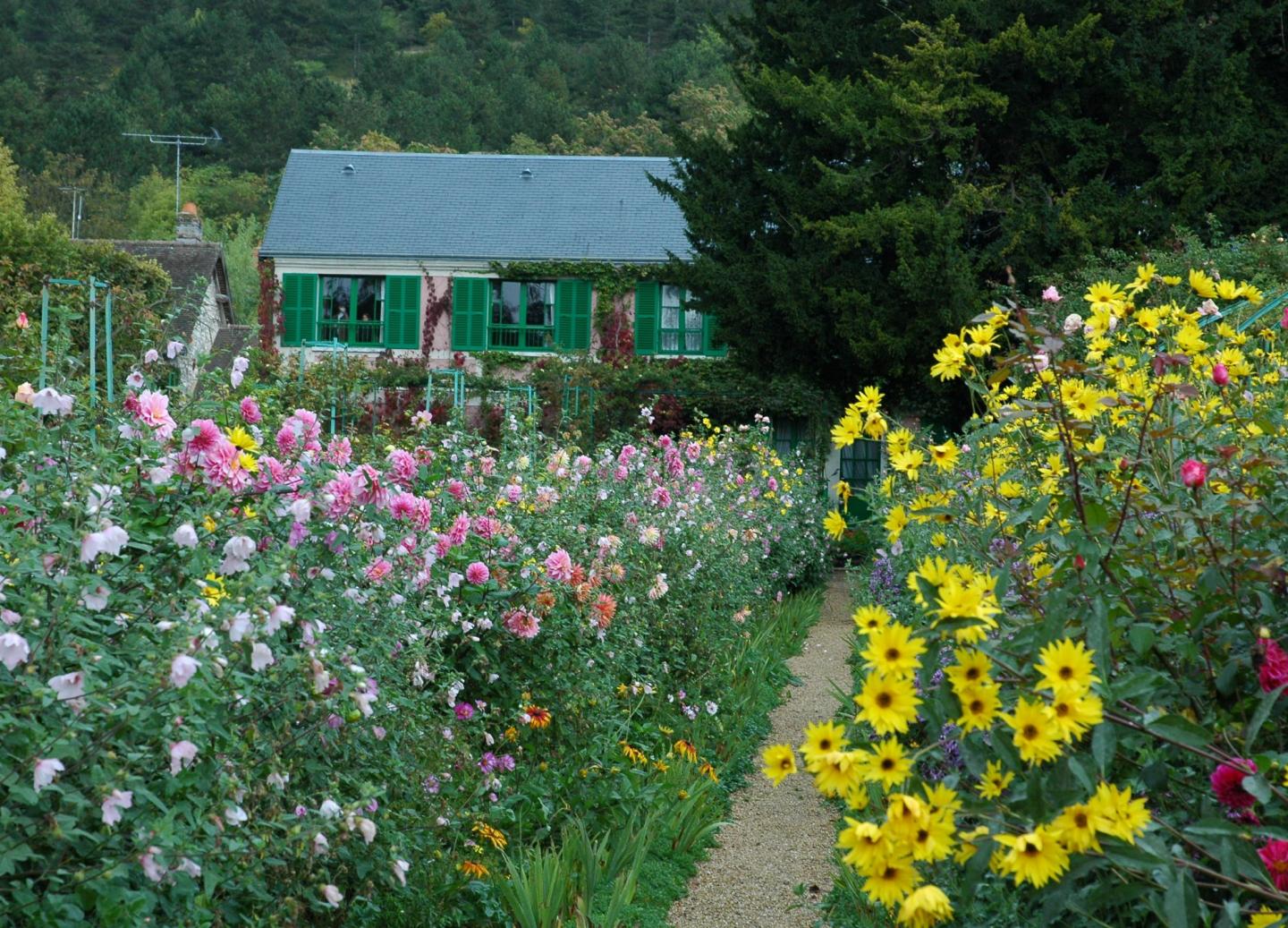
To the east, the ancient city of Rouen rises from the Seine valley — the city of Joan of Arc's martyrdom and a Gothic architectural masterpiece preserved across centuries of turbulence. Just beyond, the village of Giverny holds Monet's house and water garden: the exact landscape that inspired some of the most recognised paintings in the Western world. The garden, with its famous Japanese bridge arching over lily-covered water, is one of those rare places where great art and the reality that inspired it exist simultaneously.
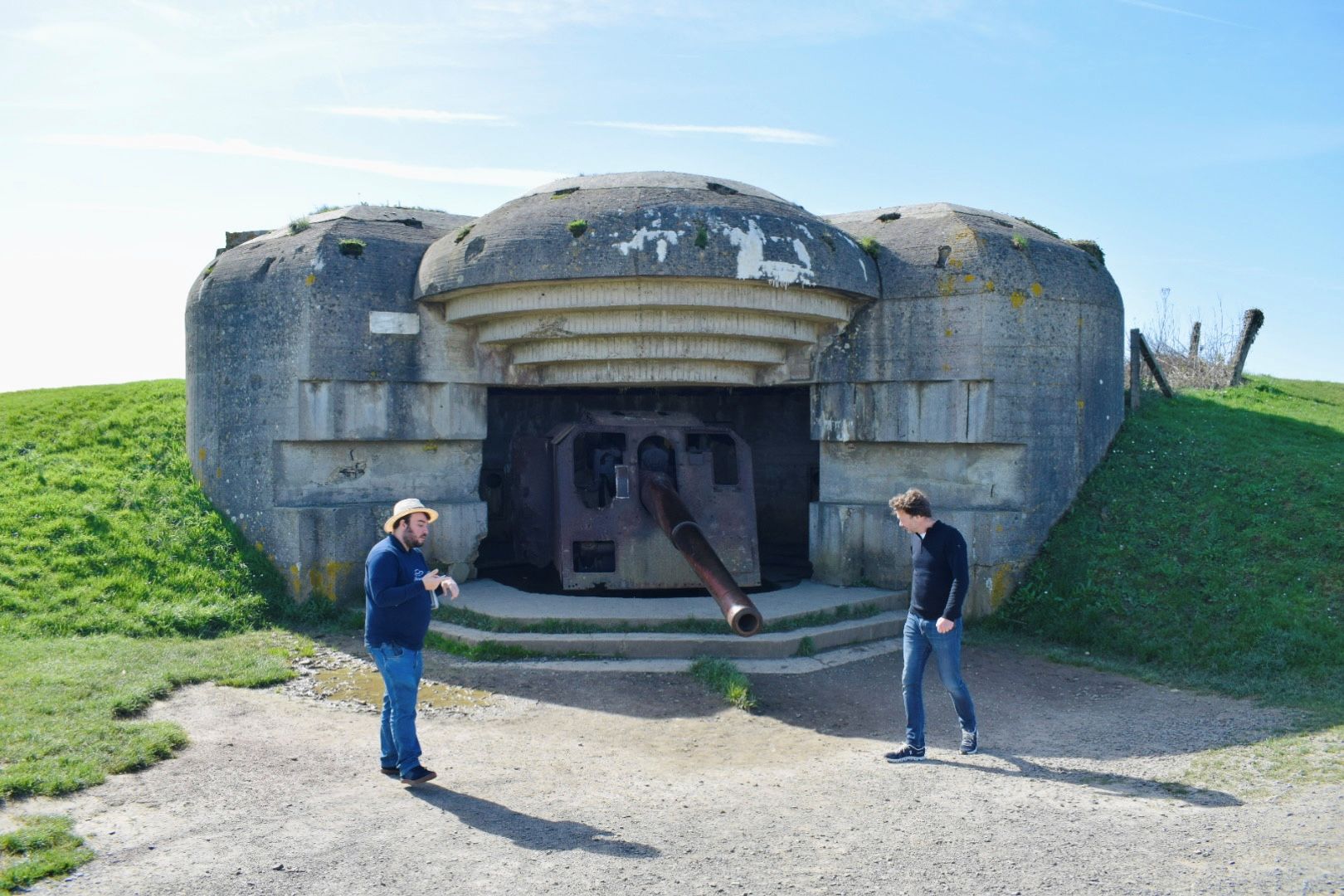
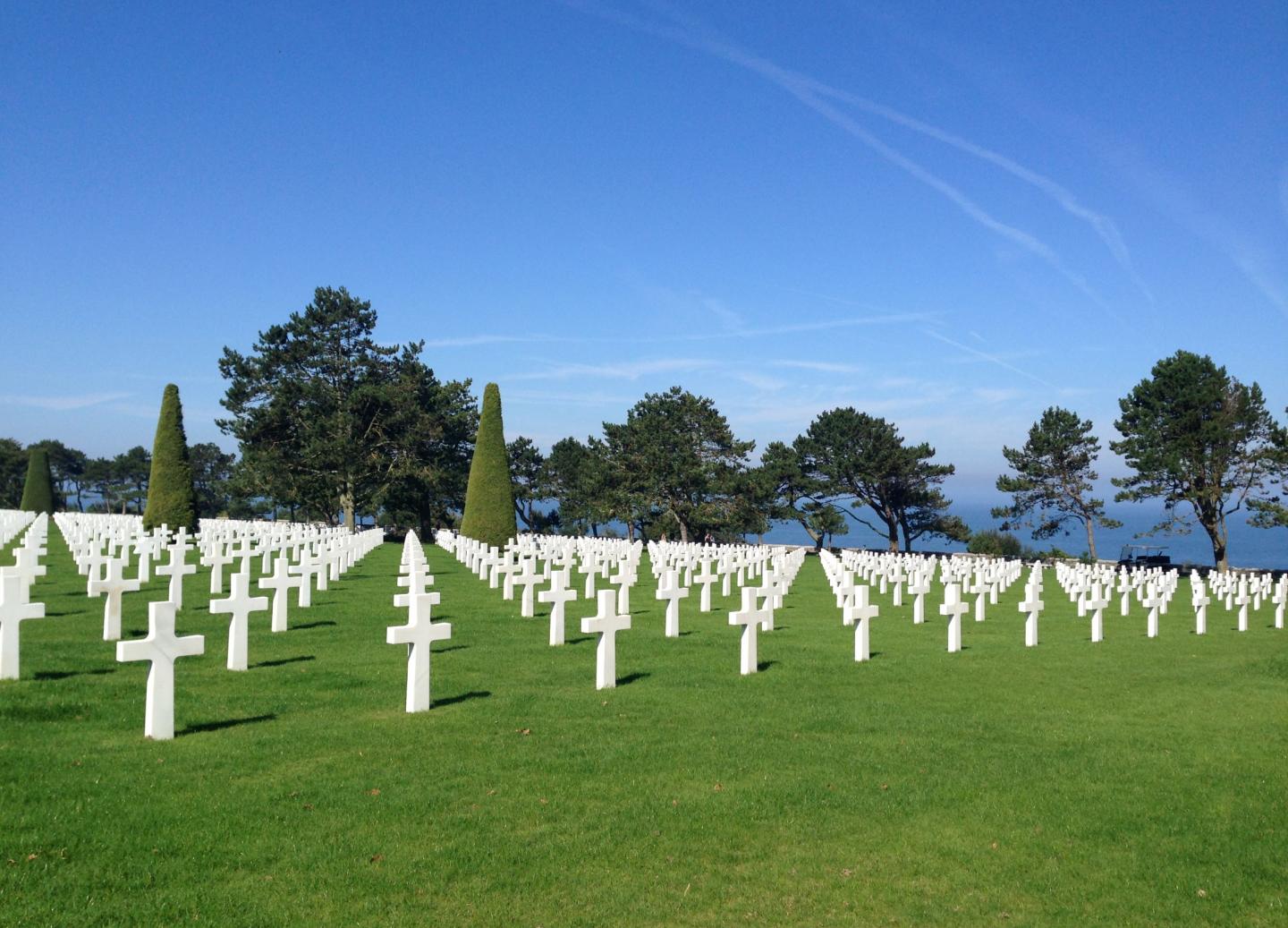
To the northwest lie the D-Day beaches of Normandy — Omaha, Utah, Gold, Sword, Juno — where the events of June 6, 1944, changed the course of the 20th century. The American Cemetery at Colleville-sur-Mer, with its 9,387 white marble markers arranged above the bluffs where soldiers fell, is among the most affecting memorial sites in Europe. The scale of the operation and its human cost become viscerally real in these places in ways that no amount of reading can fully prepare you for.
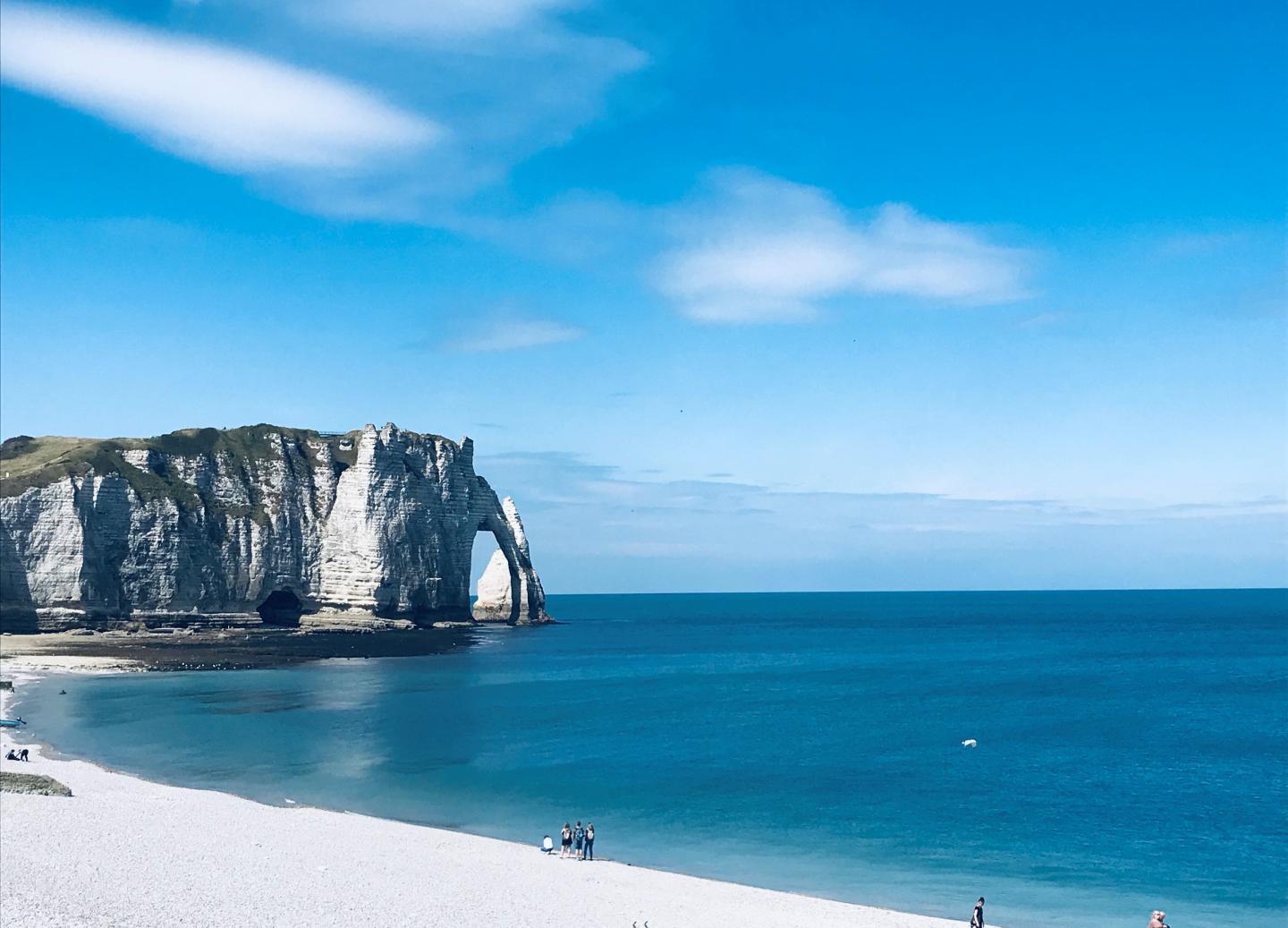
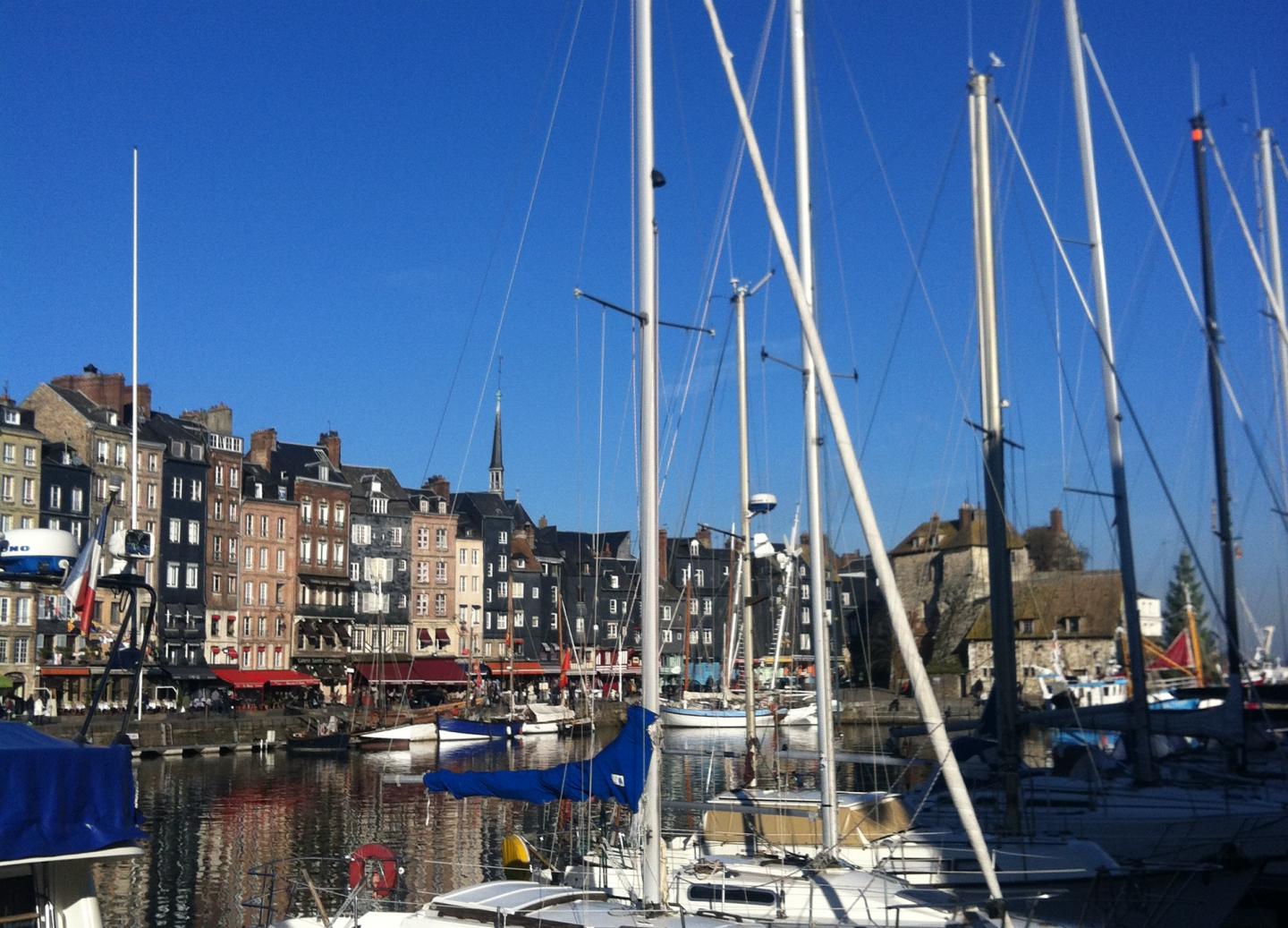
Closer to the port, Honfleur's medieval harbour offers something more intimate — slate-roofed townhouses reflected in still water, fishing boats at the quay, painters at their easels in a tradition stretching back to Boudin and Courbet. Etretat's chalk cliffs, their arches and needles sculpted by millennia of Channel waves, have inspired artists from Courbet to Monet and provide some of the most dramatic coastal scenery in northern France. The challenge at Le Havre is not finding something extraordinary to do — it is choosing wisely among the many compelling options.
Top things to do in Le Havre (Paris) on a cruise stopover
D-Day Normandy Beaches: Where History Stood Still
The Normandy landings of June 6, 1944 were the largest seaborne invasion in history, involving 156,000 Allied troops crossing the Channel in a single night and day. The beaches themselves — now calm, windswept, and largely peaceful — carry the weight of that history with extraordinary force. Standing on Omaha Beach, where American casualties were heaviest, the geography of the assault becomes immediately comprehensible: the open sand, the bluffs above, the distance from the waterline to any cover. The American Cemetery at Colleville-sur-Mer overlooks the beach with 9,387 white marble crosses and Stars of David arranged in perfect alignment above the water where soldiers died. The Pointe du Hoc cliff-top Ranger position, still cratered from bombardment, and the Arromanches 360° cinema showing D-Day footage add further depth. These are among the most historically important sites accessible from any cruise port in Europe.
Honfleur: The Painter's Harbour
Just across the Seine estuary from Le Havre, Honfleur is the kind of town that appears on postcards for entirely justified reasons. Its medieval harbour — the Vieux Bassin — is lined with impossibly picturesque slate-fronted houses five and six storeys tall, fishing boats moored in still water, and narrow streets leading to ancient churches. The town nurtured some of the 19th century's most influential artists — Boudin, Courbet, and eventually Monet all found inspiration here — and the Eugène Boudin Museum holds an exceptional collection of Impressionist and pre-Impressionist work in a setting that makes the connection between the art and its source landscape immediate. The old neighbourhood of Saint-Léonard, away from the main harbour, has a quieter residential character. Honfleur is small enough to cover entirely on foot in half a day, making it among the most accessible and rewarding destinations reachable from the port.
Etretat: Chalk Cliffs at the Edge of the Channel
The chalk cliffs of Etretat are among France's most photographed natural features, and their drama justifies the reputation entirely. The Falaise d'Amont and Falaise d'Aval rise from the Channel like cathedral walls, their arches and needles sculpted by millennia of wave action into formations that appear more like architecture than geology. Monet painted the cliffs repeatedly from multiple angles across different seasons; Guy de Maupassant grew up in the village and set several of his stories against this backdrop. The clifftop walk from the village to the Aval arch and its needle rock takes around 40–50 minutes at a comfortable pace and rewards with views that on clear days extend toward the English coast. The village below retains a genuine Norman character, with a covered market hall dating to the 14th century, local seafood restaurants, and excellent Calvados and cider from surrounding farms.
Giverny and Rouen: The Impressionist Seine
Claude Monet moved to Giverny in 1883 and spent the next 43 years cultivating the garden that would become one of art's greatest subjects. The Japanese bridge arching over water lilies and the wisteria-covered tunnel that frames the main garden path are among the most immediately recognisable images in Western art history — and the garden itself is painstakingly maintained by the Fondation Claude Monet to match what he planted and painted. The nearby city of Rouen is equally compelling on quite different terms: a Gothic cathedral that Monet painted in a famous series of thirty canvases studying light across a single facade, the half-timbered medieval streets of the Vieux-Marché quarter that survived wartime bombing, and the very site where Joan of Arc was burned at the stake in 1431. Together, Giverny and Rouen represent the full range of Norman culture from artistic inspiration to deep historical drama.
Deauville, Honfleur and Beuvron-en-Auge: Normandy in Three Acts
This itinerary through the Calvados coast and countryside offers three distinct aspects of Norman life in a single day. Deauville is France's most glamorous beach resort — a 19th-century creation of elegant hotels, the famous Planches boardwalk with its celebrity-named parasols, the horse-racing tradition, and the annual American Film Festival that has brought Hollywood names to this Norman shore since 1975. A short drive inland brings a complete contrast: Beuvron-en-Auge, consistently named one of France's most beautiful villages, is a tableau of half-timbered houses, overflowing flower boxes, and farmhouse cideries that appear entirely unchanged by the modern world. Combining these two with the medieval harbour at Honfleur in a single sweep — coast, countryside, and ancient port — produces a day that captures Norman variety more fully than any single destination can.
Mont Saint-Michel: The Abbey on the Horizon
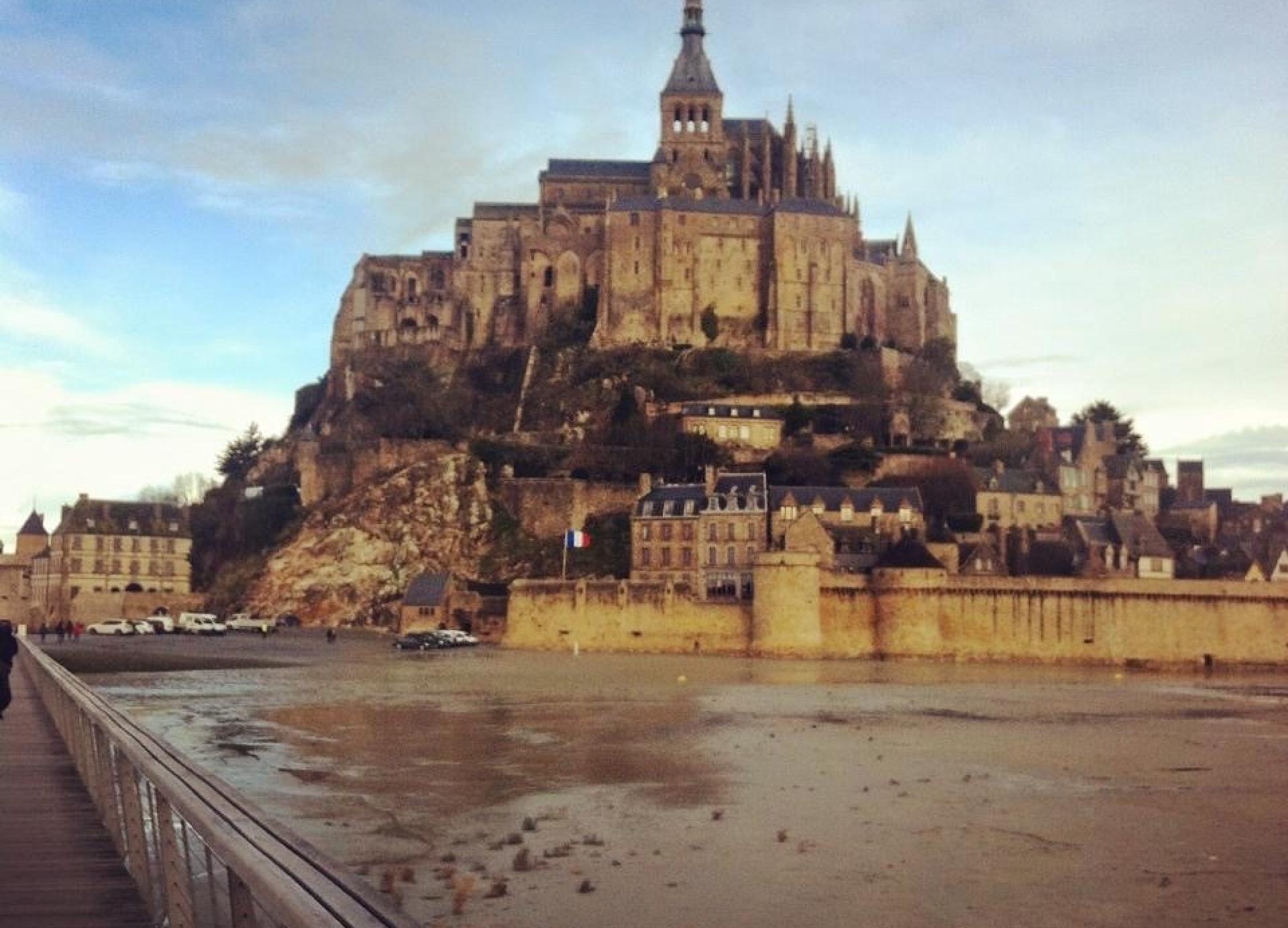
Mont Saint-Michel is one of those landscapes that must be seen to be fully believed. The abbey — part fortress, part Benedictine monastery, part Gothic architectural fantasy — rises from a tidal island that becomes completely surrounded by some of Europe's fastest tides twice daily as the sea sweeps across the surrounding bay at speeds reportedly faster than a galloping horse. The medieval village clinging to the rock below the abbey is busy with visitors and commerce, but the essential experience is the approach: watching the silhouette materialise from the flat Norman plain as you drive toward it, crossing the causeway as the tide retreats across sand and mudflats, and climbing through successive centuries of military and ecclesiastical architecture to the abbey church at the summit. The drive from Le Havre is long — 3.5 to 4 hours each way — but for visitors with only one opportunity to see this place, the journey is proportionate to what awaits.
Le Havre (Paris) travel tips
Book Giverny Tickets Well Before Your Cruise. Monet's garden at Giverny sells out weeks in advance during peak season, which runs from late April through September. Walk-up tickets at the gate are frequently unavailable during this period, and turning up without a booking is a genuine risk. Booking online before your cruise departs is essential if Giverny is a priority for your port day. The garden opens at 09:30 and visits go most smoothly in the first hour before coach tour groups arrive around 10:30. The combination of early arrival and pre-booked tickets makes an enormous difference to the experience.
Give the D-Day Sites More Time Than You Think You Need. The Normandy beach sites are memorial places, not attractions — they require a different kind of attention. Most visitors find they need at least 30–45 minutes at the American Cemetery alone to absorb what they are seeing, and many need considerably longer. Rushing through to fit in multiple sites leaves visitors feeling they have not done justice to any of them. Early morning visits, before coach tour groups arrive, have a particular stillness that makes the experience more profound. If time is limited, focusing on one area deeply — Omaha Beach and the Cemetery — is more meaningful than skimming several.
Pack Layers for Norman Weather. The Normandy coast and interior experience genuinely changeable Atlantic weather regardless of season. What begins as a grey morning frequently becomes a warm afternoon, and clear days can close with rain by 16:00. A waterproof outer layer, comfortable walking shoes with grip, and a light mid-layer cover the majority of scenarios. The cliff walks at Etretat are particularly exposed to Channel winds — conditions that feel mild in the village below can be bracing on the clifftop path. The causeway approach to Mont Saint-Michel can also be wet and slippery when tides are receding.
Reserve Paris for Long Port Days Only. Paris from Le Havre is achievable by direct train (approximately 2 hours from Le Havre station, with the station itself around 3 km from the cruise terminal), and it is a genuinely worthwhile journey for those who have not visited. However, the combined transfer and train time eats significantly into what remains for sightseeing. Port days of 10 hours or more allow a workable visit; shorter stays create constant time pressure. For port days under 9 hours, Normandy destinations — Honfleur, Etretat, the D-Day beaches — offer equal or greater cultural depth with a fraction of the transit time.
Time Your Visit to Honfleur's Saturday Market. If your port day falls on a Saturday, the organic and artisan market in Honfleur's Saint-Léonard quarter operates through the morning and is one of the finest markets in all of Normandy. Local farmhouse cheeses, unpasteurised cider and calvados, fresh oysters, charcuterie from surrounding farms, and local honey make it worth building a Saturday itinerary around. The market is busy from around 08:30 and begins to thin by midday. Arriving early — ideally at the port's first light and departing for Honfleur before 09:00 — makes the most of both the market and the quiet harbour before crowds peak.
Check the Mont Saint-Michel Tide Tables for Your Visit Day. Mont Saint-Michel's famously rapid tides are one of its defining characteristics, and the visual experience of the island changes dramatically depending on whether the surrounding bay is flooded or exposed. The causeway remains accessible regardless of tide, but arriving as the tide is retreating and the sea is pulling back from the causeway — revealing the vast bay of tidal mudflats — is a particularly dramatic moment. Tide tables for the bay are freely available online and are straightforward to read. Planning your approach timing around the tides adds a dimension to the visit that makes it considerably more memorable.
Port Facts Every Cruiser Needs To Know
Le Havre (Paris) shore excursion FAQs
Yes — Paris is accessible from Le Havre by direct train from Le Havre station (approximately 2 hours to Paris Saint-Lazare). The cruise terminal is approximately 3 km from the station, adding around 15–20 minutes each way. Total travel time each way is closer to 2.5 hours, meaning a 10-hour port day leaves around 5 hours in Paris itself. This is realistic for longer port calls. Trains run frequently and advance booking secures your preferred departure time and sometimes a lower fare.
The main D-Day landing beaches — Omaha, Utah, Gold, Sword, and Juno — are between 45 minutes and 1.5 hours from Le Havre. Omaha Beach and the adjacent American Cemetery at Colleville-sur-Mer are the most visited, approximately 75 km from the port. The Pointe du Hoc Ranger Memorial, Arromanches (with its surviving Mulberry harbour remains), and the Mémorial de Caen in Caen city are additional significant sites. A focused visit covering Omaha Beach, the Cemetery, and Pointe du Hoc takes approximately 4–5 hours including travel.
Le Havre's UNESCO-listed post-war modernist city centre, designed by Auguste Perret and rebuilt between 1945 and 1964, has genuine architectural interest for those who appreciate 20th-century urban planning and design. The Musée d'Art Moderne André Malraux (MuMa) holds an outstanding Impressionist and Fauvist collection, second in France only to the Musée d'Orsay, with particular strengths in Boudin and Raoul Dufy. Most cruise visitors choose to travel outward to Normandy's wider destinations rather than spending the full day in Le Havre itself, but the city repays a few hours' attention.
Honfleur is approximately 30–35 km from Le Havre, a journey of around 30–40 minutes by road. There is no direct train connection — Honfleur has no railway station — so road transport is required. A seasonal passenger ferry has historically crossed the Seine estuary between Le Havre and Honfleur, but schedules vary and should be confirmed in advance. Being part of an organised group transfer from the cruise terminal is the most reliable way to reach Honfleur without the complexity of arranging independent road transport.
Yes — combining Giverny and Rouen is one of the most practical and rewarding itineraries from Le Havre. Rouen is approximately 75 km from the port (around 75 minutes by road), and Giverny is a further 80 km to the south (about an hour from Rouen). An early departure from the terminal allows time in Rouen's Gothic cathedral quarter and medieval streets in the morning, followed by Giverny's gardens in the afternoon, returning to Le Havre in the early evening. Advance booking of Giverny entrance tickets is essential from late April through September.
Opening times vary by site. The American Cemetery at Colleville-sur-Mer opens at 09:00 daily (closed Christmas Day and New Year's Day). The Mémorial de Caen opens at 09:00. The Pointe du Hoc site is open year-round during daylight hours. Arromanches D-Day Museum typically opens at 09:00 or 09:30 depending on season. The Utah Beach Museum opens at 09:30. Winter hours (November–February) are generally reduced across all sites. Checking specific opening times before your port day is advisable, particularly outside the main summer season.
Etretat is a coastal village approximately 30 km north of Le Havre, famous for its dramatic white chalk cliffs, sea arches, and needle rock formations that inspired artists from Courbet to Monet. There is no direct train connection, so road transport is required (around 40–45 minutes from the port). The clifftop walk above the village to the Aval arch is one of Normandy's finest scenic routes and takes approximately 1–2 hours at a comfortable pace. The village has seafood restaurants, a 14th-century covered market hall, and shops selling local Calvados and cider.
Mont Saint-Michel is approximately 230 km from Le Havre, a drive of around 3.5–4 hours depending on traffic. The round trip therefore involves 7–8 hours of travel time alone. For cruise passengers on a port day of 12 hours or more, it is achievable with a very early departure — the terminal should be cleared as soon as it opens. For port days of 10 hours or less, the travel time makes it extremely difficult to arrive, explore the island, and return with comfortable time before departure. The journey is long but the destination is genuinely extraordinary.
Deauville is a 19th-century seaside resort approximately 55 km from Le Havre, about 45 minutes by road. It is famous for its Planches boardwalk with its celebrity-named parasols, the half-timbered Grand Casino, thoroughbred horse racing, and the American Film Festival held each September. The town is pleasant for a morning or afternoon stroll along the beach promenade and lunch at one of the seafront brasseries. Deauville combines naturally with Honfleur (30 minutes away) and the inland village of Beuvron-en-Auge for a rounded day covering the Norman coast and countryside.
Major D-Day sites and museums are well-equipped for English-speaking visitors — most have English audio guides, printed materials, and English-speaking staff, reflecting the significance of the sites for British, American, Canadian, and Australian visitors. Honfleur and Etretat, as established tourist destinations, have reasonable English comprehension in restaurants and shops. Inland villages, rural markets, and traditional Norman restaurants are better served with basic French phrases or a translation app. Learning a few courtesies — bonjour, merci, s'il vous plaît, l'addition (the bill) — is genuinely appreciated and improves interactions noticeably.
Filters
Select a filter to refine results.
Tour Type
Tour Activity
 Cart
Cart
 USD
USD GBP
GBP AUD
AUD EUR
EUR CAD
CAD