



Tours in Liverpool


Cruising to Liverpool in a group?
Skip the crowded ship excursion bus. One dedicated planner will design a private shore experience around exactly what your group wants — coordinated from first enquiry to the moment you're back on board. More memorable, more flexible, and more affordable than you might expect. Spend less time organising, more time enjoying.
Explore Group Travel →Cruising to Liverpool
There are port cities that deliver on their promise, and then there is Liverpool. The moment the Three Graces come into view from the water — the Royal Liver Building, the Cunard Building and the Port of Liverpool Building standing shoulder to shoulder above the Mersey — you understand that you are arriving somewhere that has always known its own importance. This is a city that once channelled the commerce of an empire through its docks, sent millions of emigrants towards new lives in the Americas, and shaped the sound of modern popular music. The scale of that legacy is visible on every corner.
The waterfront is the obvious starting point, and it earns the attention. The Royal Albert Dock — restored from Victorian dereliction into one of Britain's finest cultural precincts — houses Tate Liverpool and The Beatles Story within the same cast-iron colonnaded warehouses that once held the goods of a global trading network. A short walk north along the dock road, the Museum of Liverpool confronts the city's complicated history with unusual honesty, covering everything from the transatlantic slave trade to the record-breaking achievements of its football clubs. Admission is free, as it is at most of Liverpool's major museums — a generosity that reflects the civic pride running through this city.
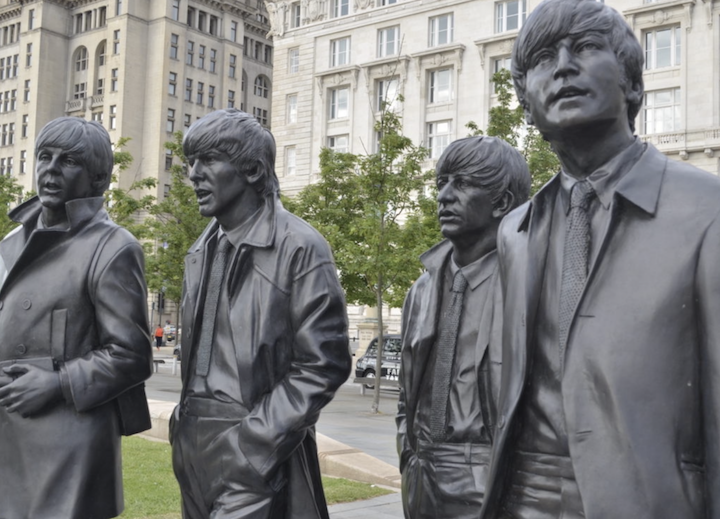
The Beatles, of course, are inescapable — and why would you want to escape them? The Cavern Quarter on Mathew Street, where John, Paul, George and Ringo played more than 300 times in a single basement venue before the world caught up with them, remains the emotional core of the city's musical identity. Street art, bronze statues and a dozen related museums and bars map the geography of a phenomenon that began in these narrow Victorian streets. But Liverpool's cultural confidence extends well beyond one famous band: this is also a city with two extraordinary cathedrals, a world-class contemporary art scene and an architectural character that speaks of ambition on a genuinely grand scale.
For cruise passengers, the practical good news is that Liverpool is as walkable as it is rewarding. The terminal at Princes Dock sits directly on the waterfront, placing the Albert Dock, the Pier Head and the Cavern Quarter all within comfortable reach on foot. A full day of six to eight hours is enough to cover the waterfront circuit, explore the Cavern Quarter and pause in Bold Street's independent cafés and restaurants — the kind of day ashore that lingers in memory long after the ship has sailed.
Top things to do in Liverpool on a cruise stopover
The Beatles Walking Tour: Following the Footsteps of the Fab Four
No port call in Liverpool is complete without retracing the footsteps of John, Paul, George and Ringo. A guided Beatles walking tour moves through the Cavern Quarter, past childhood homes, recording haunts and the venues where a local phenomenon became a global revolution. Mathew Street — home to The Cavern Club, where the band played over 300 times — remains the emotional heart of this pilgrimage. Street art, bronze statues and a city that wears its musical DNA with unmistakable pride make this an experience that goes well beyond ordinary sightseeing.
Walking Tour of Liverpool Highlights: Waterfront, Culture and Character
Liverpool's greatest landmarks unfold naturally on foot, and a guided walking tour delivers the full sweep of the city's story in a single morning or afternoon. The UNESCO World Heritage waterfront frames the Three Graces — the Royal Liver Building, Cunard Building and Port of Liverpool Building — against the broad Mersey, while the Albert Dock's converted warehouses house world-class galleries and museums. From Georgian terraces to contemporary art institutions, Liverpool's built environment is as layered and compelling as its history.
The Royal Albert Dock: Where Commerce Became Culture
Opened in 1846 and now a Grade I listed landmark, the Royal Albert Dock is the centrepiece of Liverpool's reinvention story. Once the busiest trading port in the British Empire, its cast-iron colonnaded warehouses today house Tate Liverpool, The Beatles Story museum and a string of waterfront restaurants and galleries. Few places in Britain compress so much architectural drama, maritime history and contemporary culture into a single walkable precinct. On a clear day, the view across the Mersey towards Birkenhead is worth the trip alone.
The Three Graces: An Edwardian Skyline That Defined an Empire
Towering over the Pier Head, Liverpool's Three Graces — the Royal Liver Building, Cunard Building and Port of Liverpool Building — constitute one of the finest waterfront ensembles in Europe. Built in the early twentieth century at the height of Liverpool's commercial power, they were the last sight millions of emigrants saw departing for the New World, and the first sight sailors saw returning home. The Liver Birds perched atop the Royal Liver Building have watched over the city since 1911 and remain its most recognisable symbol.
Museum of Liverpool: The Story of a Remarkable City, Told Without Apology
The Museum of Liverpool is one of the largest purpose-built national museums constructed in Britain in a generation, and it tells the city's story with honesty and ambition. From Liverpool's role in the transatlantic slave trade to its record-breaking football clubs, its music scenes and its immigrant communities, the museum resists easy sentimentality and delivers a portrait of urban life that is both frank and deeply moving. Admission is free, and the building's contemporary architecture holds its own against the Edwardian grandeur next door.
Bold Street and the Georgian Quarter: Independent Liverpool at Its Best
Away from the waterfront, Bold Street and the surrounding Georgian Quarter reveal a quieter, genuinely local side of Liverpool — independent coffee shops, bookshops, vintage stores and some of the city's most interesting restaurants. The neighbourhood's handsome terraces speak to a period of enormous civic ambition, and the streets remain animated and authentically residential in character. For cruise passengers wanting to step away from the headline attractions and experience the city as residents do, this corner of Liverpool rarely disappoints.
Liverpool travel tips
Dress for the Mersey Microclimate. Liverpool sits on an exposed waterfront facing the Irish Sea, and the Mersey breeze can be cutting even on summer days that look sunny from the ship. A lightweight, windproof layer is worth carrying regardless of the season. Rain is possible at any time of year, so a compact umbrella or a jacket with a hood will keep you comfortable as you walk the waterfront and explore the Cavern Quarter.
Pre-Book Entry to The Beatles Story. The Beatles Story at the Albert Dock is one of Liverpool's most popular paid attractions and benefits from pre-booked timed entry, particularly during summer and on busy port days. Checking opening hours and entry requirements before going ashore avoids disappointment and helps make the most of limited time. The museum typically takes between 90 minutes and two hours to explore thoroughly.
The Waterfront Walk Requires No Map. Liverpool's cruise terminal, the Three Graces, the Albert Dock and the Museum of Liverpool form a continuous, signposted waterfront trail that takes no more than 20 minutes to walk end to end — and far longer when you stop to explore. Orienting yourself along the Mersey is instinctive, and the waterfront's openness makes it almost impossible to get disoriented. Start at the Pier Head and work south along the dock road for an effortless introduction to the city.
Give Yourself Time in the Cavern Quarter. Mathew Street is a short walk from the waterfront but feels like a world apart. The narrow Victorian street and its surrounding lanes are dense with Beatles history, independent bars and live music venues. Even outside of official tour times, wandering through this quarter with a little background knowledge of the band's early years transforms an ordinary walk into something genuinely evocative. The area is at its liveliest in the afternoon.
Liverpool's Free Museums Are World Class. The Museum of Liverpool, the Maritime Museum, the International Slavery Museum and Tate Liverpool are all free to enter and collectively represent a cultural offering that punches well above what most cities of Liverpool's size can deliver. Allocating an hour each to two or three of these institutions, combined with a waterfront walk and time in the Cavern Quarter, makes for an exceptionally satisfying day ashore.
Eat Where Locals Eat, Not Where the Ships Point. Liverpool's best meals are not always found in the tourist-facing restaurants immediately adjacent to the Albert Dock. Bold Street, the Baltic Triangle and the independent restaurants of the Georgian Quarter offer genuine character and a more authentic experience of the city's food scene. A bowl of proper scouse — the lamb or beef stew synonymous with the city — is a culinary rite of passage found in several traditional pubs within easy reach of the main attractions.
Port Facts Every Cruiser Needs To Know
Liverpool shore excursion FAQs
The cruise terminal at Princes Dock is located directly on the waterfront and is within a short, flat walk of the Royal Albert Dock, the Three Graces and the Museum of Liverpool. Most of Liverpool's headline attractions are reachable on foot within 10 to 20 minutes of the ship, making this one of the most conveniently positioned cruise terminals in northern Europe.
A day in Liverpool rewards those who combine the iconic and the authentic. The Royal Albert Dock, The Beatles Story, the Museum of Liverpool and the Three Graces at the Pier Head form the core waterfront circuit. The Cavern Quarter on Mathew Street is essential for anyone with an interest in music history, and Bold Street offers the best of the city's independent food and retail scene.
Yes — Liverpool is extremely walkable for cruise passengers. The terminal's location at Princes Dock places it within easy reach of virtually all the major waterfront attractions. The city centre is compact and largely flat, and the signposted waterfront trail makes orientation straightforward. Comfortable shoes are recommended, as a full day of sightseeing will involve several kilometres on foot.
The Beatles Story at the Royal Albert Dock is one of Liverpool's most popular paid attractions and can get busy during summer and on high-season port days. Pre-booking timed entry online is advisable to guarantee access and avoid queues. The museum typically takes between 90 minutes and two hours to explore thoroughly.
The current Cavern Club, though located on the original site on Mathew Street, is a reconstruction — the first venue was demolished during construction works in the 1970s. Rebuilt using some original bricks, it has operated since 1984, hosting live music daily. It remains the symbolic heart of the Beatles' early story and an atmospheric stop on any music-focused walk through the city.
Liverpool, like the rest of England, uses the pound sterling (GBP). Card payments are accepted almost universally across the city — restaurants, museums, shops and attractions generally accept Visa and Mastercard without issue. Cash machines are readily available near the waterfront and throughout the city centre.
Several of Liverpool's most significant museums are free to enter, including the Museum of Liverpool, the Merseyside Maritime Museum, the International Slavery Museum and Tate Liverpool — all located in or near the Albert Dock. The Beatles Story charges admission. This makes Liverpool particularly good value for cruise passengers wishing to explore the city's cultural offer without significant outlay.
Liverpool's most iconic dish is scouse — a slow-cooked lamb or beef stew traditionally associated with the city's seafaring working class and available in several traditional pubs. Bold Street and the Baltic Triangle are the best areas for contemporary independent dining, while the Albert Dock waterfront has a range of cafés and casual restaurants convenient for a midday break.
Liverpool city centre, and particularly the waterfront area most cruise passengers visit, is safe for tourists during daylight hours. Like any major city, exercising standard awareness of your surroundings and keeping valuables secure is sensible. The waterfront precinct around the Albert Dock, the Pier Head and Mathew Street is well-frequented and presents no particular concerns for independent visitors.
Liverpool's cruise season largely coincides with the warmer months from May to October. Summer temperatures typically range from 15°C to 22°C, though the waterfront location means the Mersey breeze can make it feel cooler than the thermometer suggests. Rain is possible at any time of year, so a windproof layer and a compact umbrella are worth carrying. Long summer daylight hours are a genuine asset for a full day of sightseeing.
Filters
Select a filter to refine results.
Tour Type
Tour Activity
 Cart
Cart
 USD
USD GBP
GBP AUD
AUD EUR
EUR CAD
CAD