



Tours in Monte Carlo


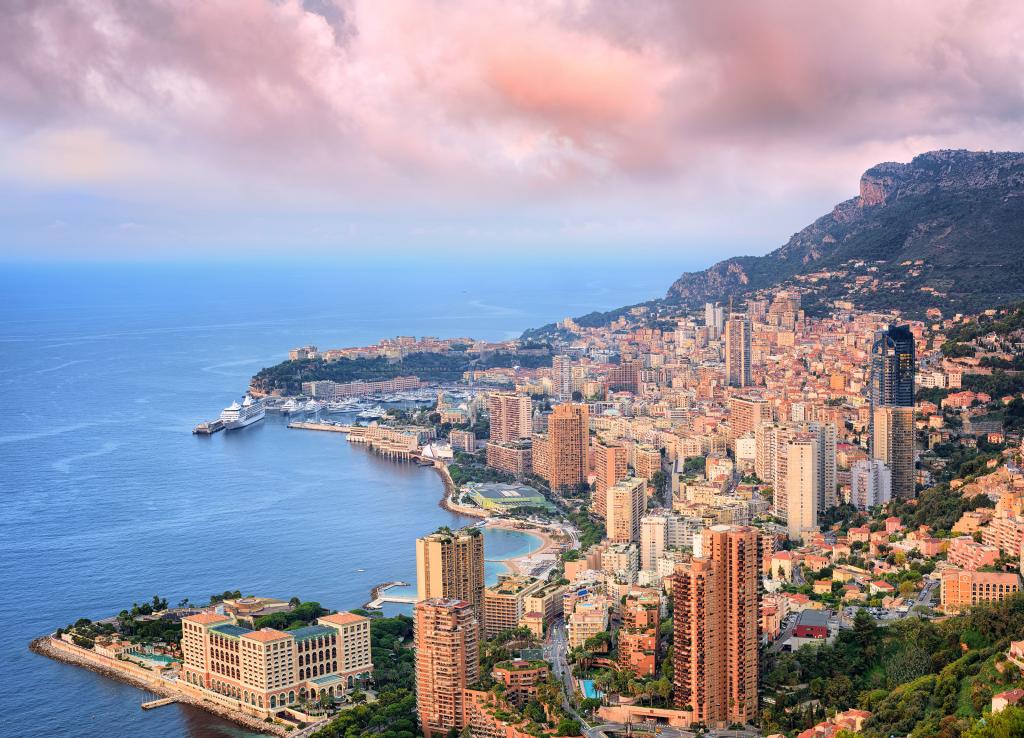
Cruising to Monte Carlo in a group?
Skip the crowded ship excursion bus. One dedicated planner will design a private shore experience around exactly what your group wants — coordinated from first enquiry to the moment you're back on board. More memorable, more flexible, and more affordable than you might expect. Spend less time organising, more time enjoying.
Explore Group Travel →Cruising to Monte Carlo
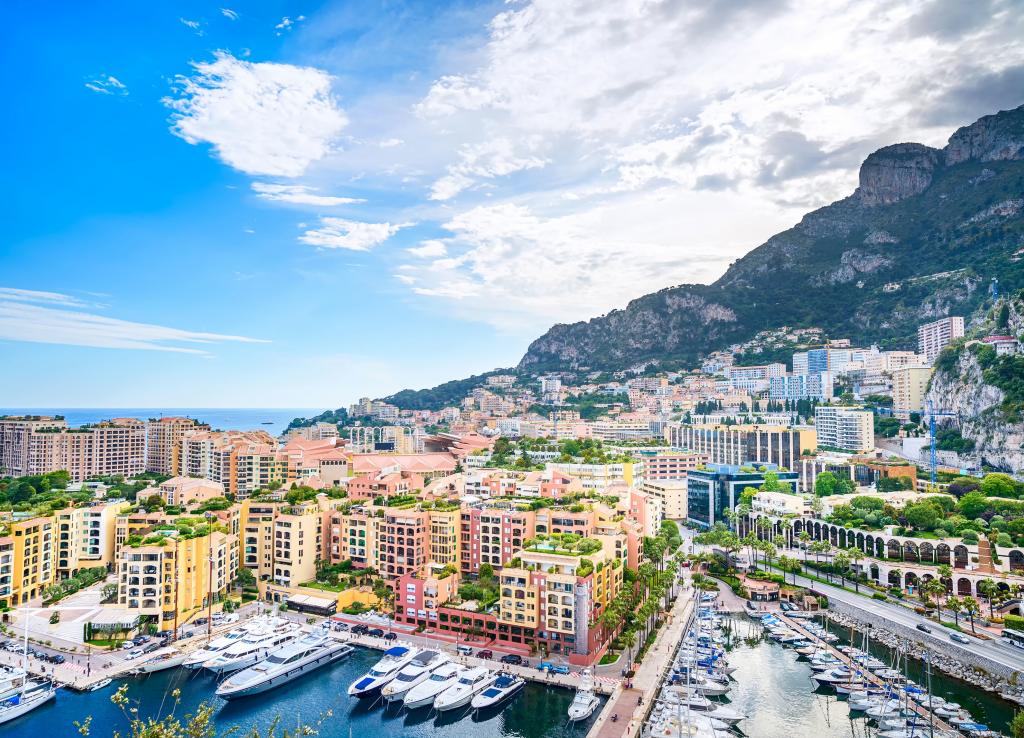
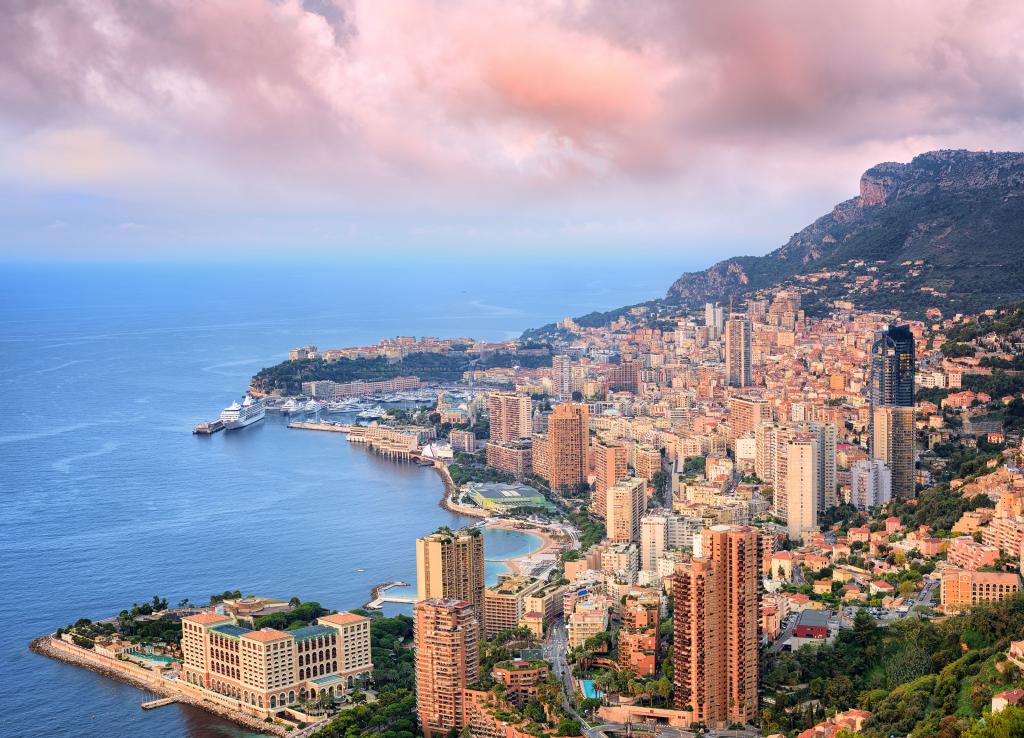
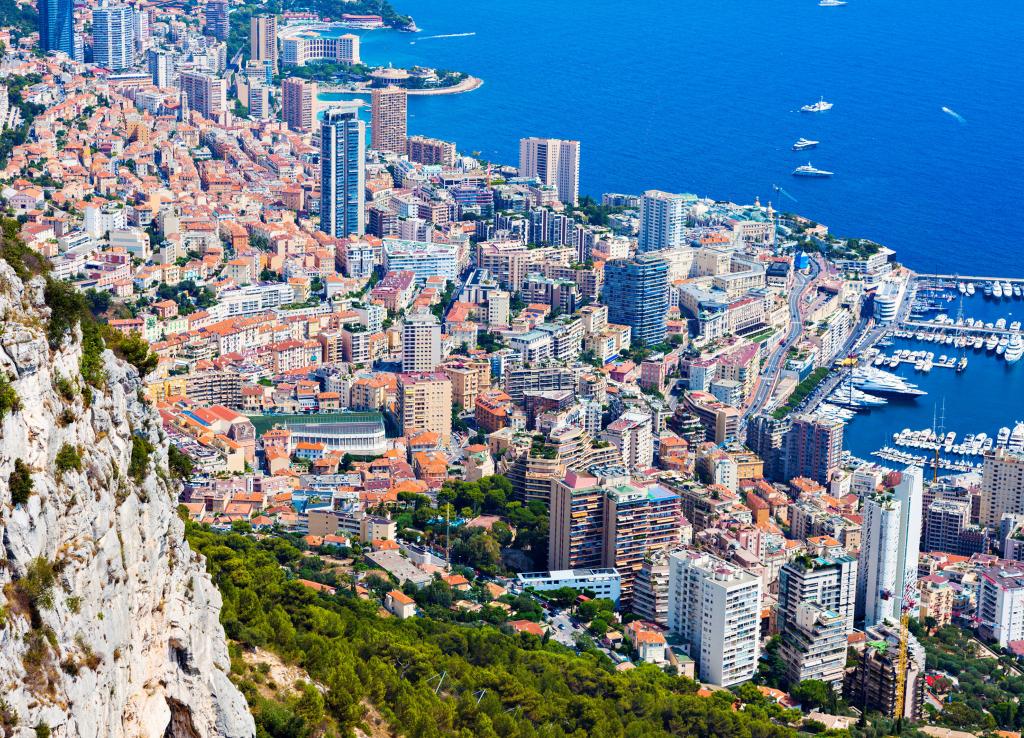
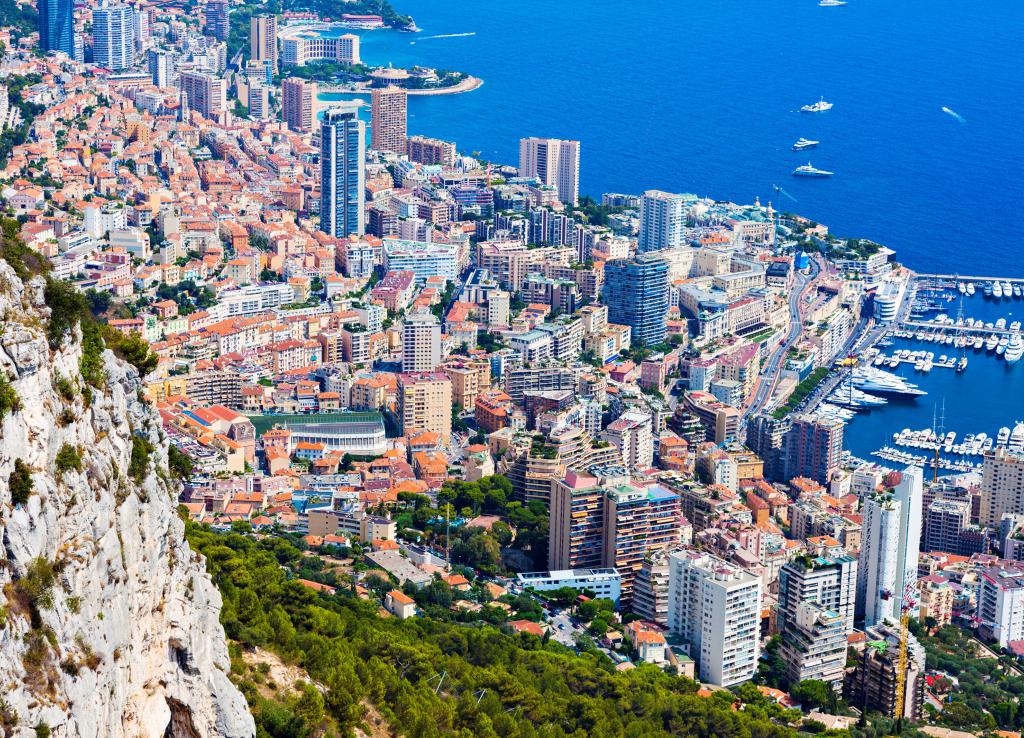
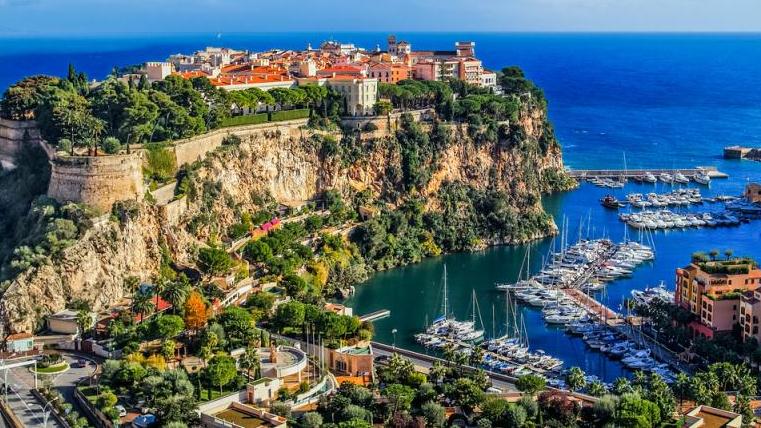
There is no port entrance quite like Monaco's. Ships ease into Port Hercule and the principality reveals itself all at once: the ochre rock of Monaco-Ville rising sheer above the water, the Belle Époque façade of the Casino glinting in the distance, and everywhere the dazzle of a city that has made extravagance into an art form. In barely two square kilometres, Monaco packs more concentrated glamour than almost anywhere else on earth — and yet beneath the surface, genuine history runs deep, from the medieval lanes of the old town to the cliff-edge Oceanographic Museum founded by a prince who was also an explorer.
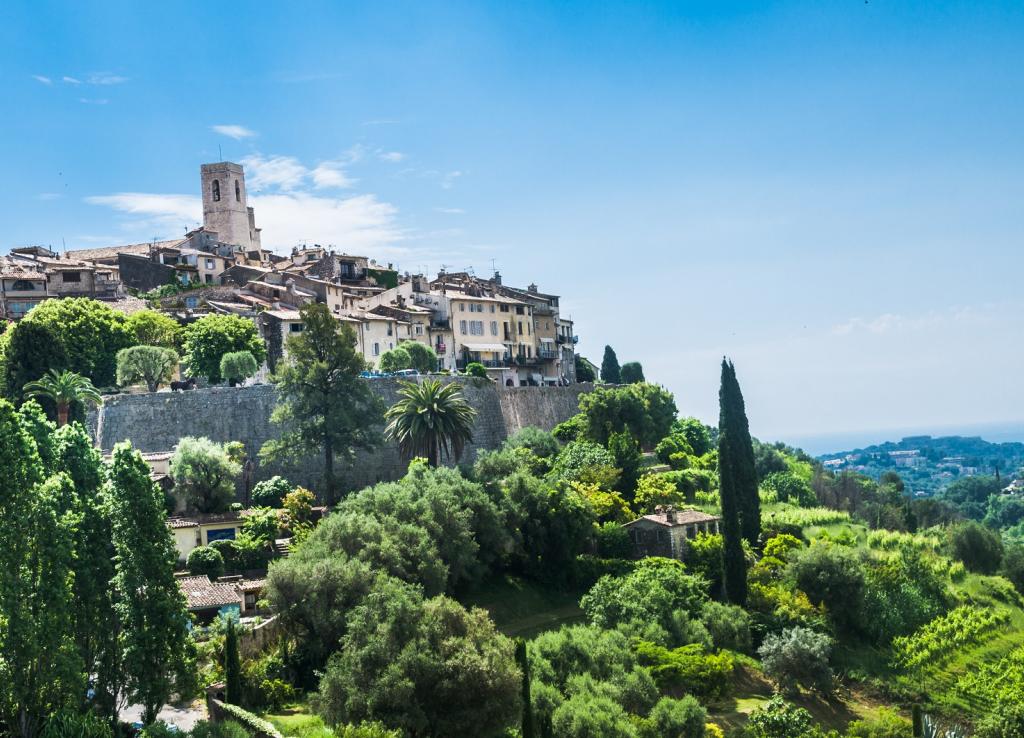
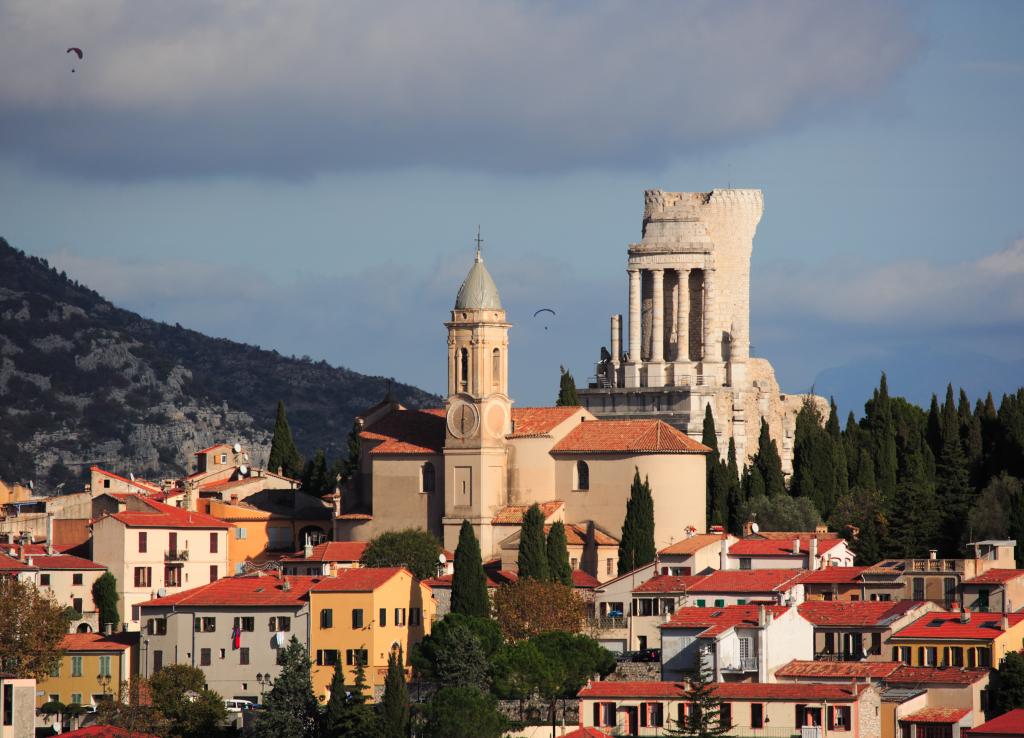
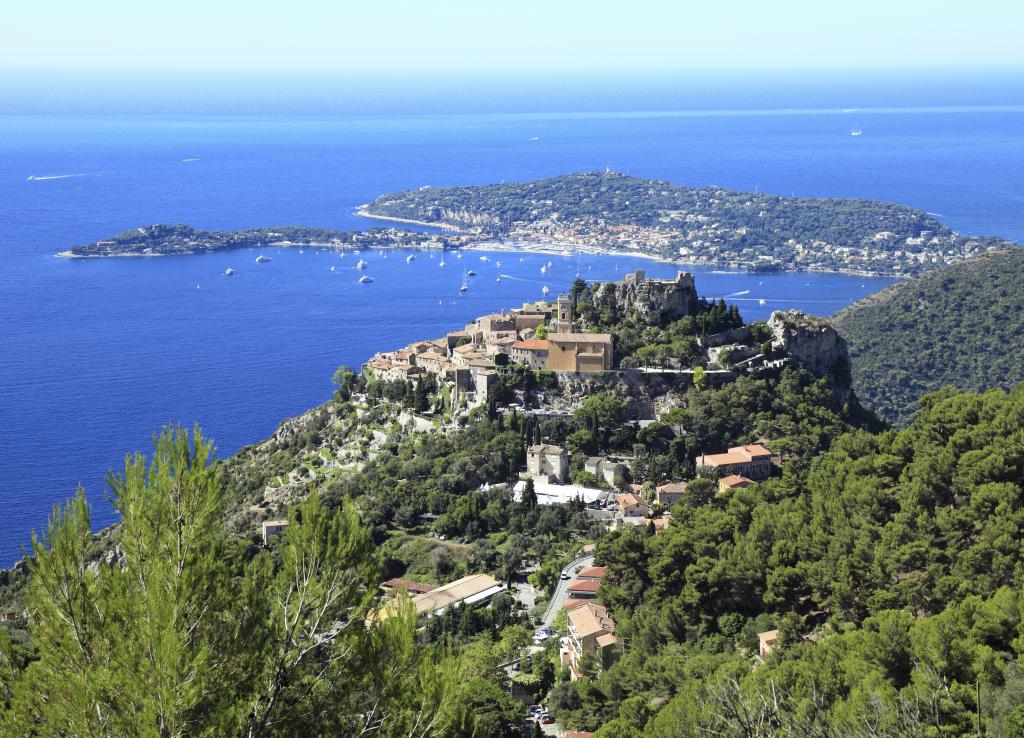
The French Riviera that surrounds Monaco deepens the day considerably. Three corniche roads stacked one above the other trace the contours of a coastline that has captivated artists, writers, and travellers for well over a century. Perched at 427 metres above the sea, the medieval village of Eze offers one of the most dramatically positioned viewpoints in Europe. High above Monaco on the Grande Corniche, the Roman Trophy of Augustus at La Turbie provides an unexpected encounter with antiquity, its scale and preservation astonishing against the backdrop of snow-dusted Alps and the glittering sea far below.
Cannes, reached along the coast to the west, brings its own distinct character: the palm-fringed Croisette, the covered market of Marché Forville, and the quiet medieval village of Le Suquet climbing above a harbour still used by working fishermen. For those seeking an island counterpoint, a short ferry from the old port reaches the Lérins Islands, where monks have tended vineyards on Île Saint-Honorat since the fifth century — a world of extraordinary stillness just minutes from one of Europe's most celebrated riviera towns.
What makes Monaco work as a cruise port is the combination of scale and access. The principality is small enough to walk thoroughly, its free elevator and escalator network conquering the terrain with minimal effort, and the key landmarks — Palace esplanade, Casino Square, Oceanographic Museum — are genuinely among the finest of their kind anywhere. Pair that foundation with the incomparable Riviera scenery and the choice of Corniche excursions, and a day here rewards almost any preference, from the leisurely to the ambitious.
Top things to do in Monte Carlo on a cruise stopover
Monaco-Ville and the Prince's Palace
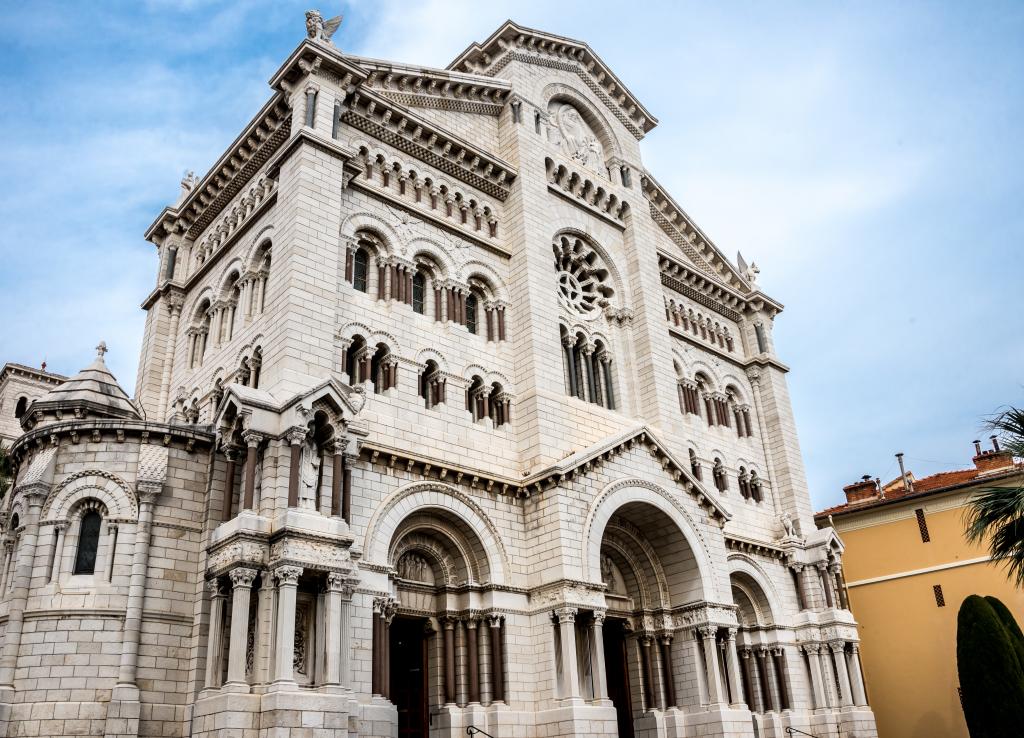
The ancient rock of Monaco, perched dramatically above Port Hercule, is the principality's historic heart. Narrow lanes open onto sunlit squares, the Cathedral where Princess Grace is buried, and the Palace's grand façade. The changing of the guard takes place daily at 11:55am. From the palace esplanade, the views across Port Hercule and out to the Mediterranean are among the finest in Monaco, and the old town's atmosphere feels genuinely apart from the glossy streets below.
Casino de Monte-Carlo
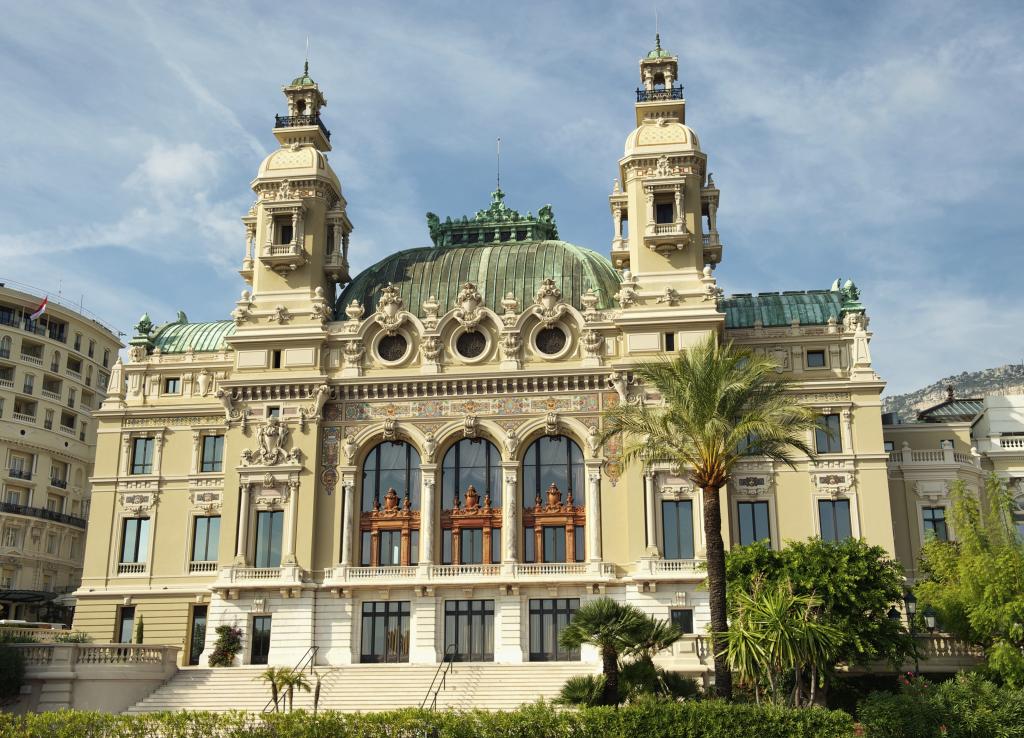
Even visitors with no interest in gambling find the Casino de Monte-Carlo unmissable. Designed by Charles Garnier — the architect of the Paris Opéra — the Belle Époque building anchors a sun-drenched square flanked by the Hôtel de Paris and the Café de Paris. The ornate atrium is open to all during daytime hours. Outside, manicured gardens, fountains, and a parade of extraordinary cars complete the picture of Riviera extravagance at its most concentrated.
Eze Village
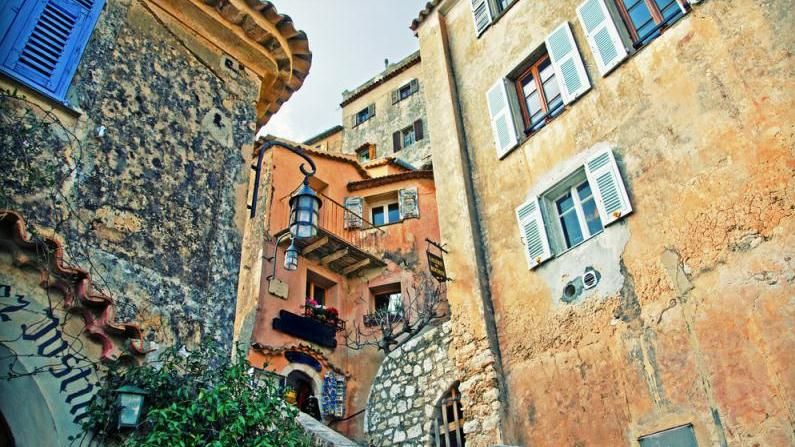
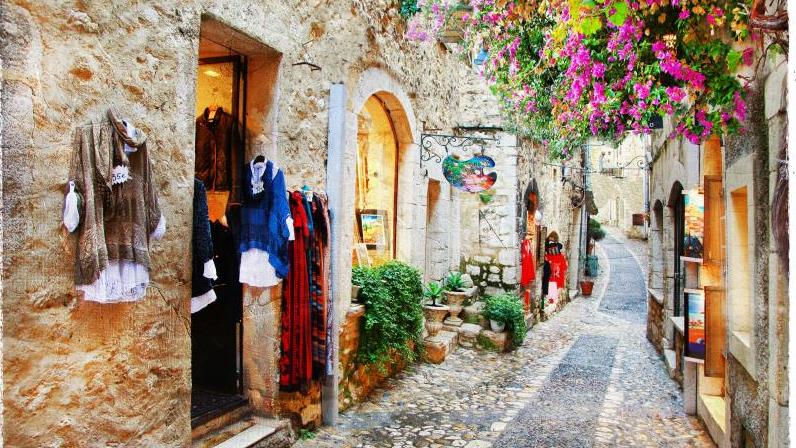
Clinging to a rocky spur 427 metres above the Mediterranean, Eze is one of the most dramatically situated medieval villages in Europe. Its stone lanes and artists' ateliers wind upward to a ruined château garden planted with exotic cacti — from here, on clear days, the views extend to Corsica. Eze has attracted painters, perfumers, and philosophers throughout its history. Fragonard and Galimard fragrance factories are located here, and the village rewards visitors who linger past the first courtyard.
La Turbie and the Trophy of Augustus
High above Monaco on the Grande Corniche road, La Turbie is home to one of the finest Roman monuments in France. The Trophée des Alpes — erected in 6 BCE to mark Augustus' conquest of 44 Alpine tribes — dominates the village skyline and offers a direct sightline down over Monaco. La Turbie itself is quiet and genuinely Provençal in character, a welcome contrast to the gloss of the Riviera below. Its terrace viewpoints make the visit memorable even without entering the museum.
Cannes and the Croisette
The palm-lined Boulevard de la Croisette, the Palais des Festivals, and the colourful covered market of Marché Forville make Cannes one of the Riviera's most rewarding half-day destinations. The old quarter of Le Suquet — the original fishing village — climbs a gentle hill above the waterfront and offers a quieter, more authentic Cannes. The offshore Lérins Islands, reached by short ferry from the old port, add a further dimension: Île Saint-Honorat hosts a working monastery whose monks have tended vineyards since the 5th century.
The French Riviera's Corniche Roads
Three corniche roads stacked one above the other between Monaco and Nice transform the journey between towns into an attraction in its own right. The Basse Corniche hugs the coast through Beaulieu-sur-Mer and Villefranche. The Moyenne Corniche passes directly through Eze village with sweeping sea views at every turn. The Grande Corniche traces the route of the ancient Via Julia Augusta high above, passing La Turbie and offering panoramas that take in Monaco, the Alps, and the full arc of the coast in a single glance.
Monte Carlo travel tips
Start at the top and work downhill. Begin your Monaco day at Monaco-Ville while energy is high, then descend through the Casino quarter and back to Port Hercule. The principality's free public elevator and escalator network saves considerable legwork on the ascents and is intuitive to use — maps are available at the port entrance and from the tourist office near the Casino.
Time the changing of the guard. The changing of the guard at the Prince's Palace takes place daily at precisely 11:55am and lasts approximately ten minutes. The ceremony is free to watch from the palace esplanade. Arriving five minutes early guarantees a clear sightline, and the ritual's formality — full ceremonial uniform in Monaco's colours — makes for one of the most photographed moments in the principality.
Dress appropriately for the Casino. Entry to the Casino de Monte-Carlo's gaming rooms requires smart dress — collared shirts, closed shoes, and no shorts or athletic wear. The ornate atrium is open to all regardless of dress code and well worth entering for the architecture alone. Minimum age for the gaming rooms is 18, and passport identification is required for entry.
Use the Oceanographic Museum as a midday retreat. Founded by Prince Albert I and perched on the cliff edge of Monaco-Ville, the Musée Océanographique is a world-class institution that most visitors underestimate. Its rooftop terrace, enormous shark tank, and historic research vessels are genuinely impressive — and the interior provides welcome relief from midday Mediterranean heat. Budget at least 90 minutes if you plan a proper visit.
Carry euro coins for smaller transactions. While cards are accepted throughout Monaco and the neighbouring French Riviera, market stalls, roadside vendors, and some village cafés prefer cash for small purchases. A handful of euro coins prevents the awkward moment at the till and is useful for public parking meters in French towns if you venture further along the Riviera.
Build buffer time into any Riviera excursion. The winding Corniche roads and coastal traffic mean that excursions routinely take longer than maps suggest. Eze to Cannes is only 50 kilometres but can easily take 90 minutes by road in season. Confirm your return route and timing before departing, and build a realistic buffer before all-aboard time. Arriving back early is always preferable to a rushed return.
Port Facts Every Cruiser Needs To Know
Monte Carlo shore excursion FAQs
Monaco is approximately 22 kilometres from Nice — around 30–45 minutes by road or roughly 25 minutes by train. Monaco-Monte-Carlo station connects frequently with Nice and the broader Côte d'Azur rail network. The coastal train route is scenic in its own right.
Yes — Port Hercule is exceptionally well positioned. Casino Square is roughly a 15-minute walk uphill from the port, and Monaco-Ville (the old town and Palace) is accessible via elevator from port-level streets in about 10–15 minutes. The principality's free public lift network covers most significant elevation changes.
The ornate atrium is free to enter during daytime hours. Access to the gaming rooms requires a paid entrance fee, smart dress, proof of age (18+), and passport identification. The atrium alone is worth entering for its extraordinary Belle Époque architecture and decoration.
A thorough visit covering Monaco-Ville, the Palace esplanade, the Oceanographic Museum, and Casino Square typically takes 3–4 hours. This leaves ample time within a 6–10-hour port day to add a Riviera excursion to Eze, La Turbie, or Cannes.
Eze is a medieval perched village 427 metres above the sea, approximately 8 kilometres from Monaco along the Moyenne Corniche road. The hilltop gardens, panoramic views, and well-preserved lanes are genuinely spectacular. Road access is straightforward; the village is not comfortably walkable from Monaco itself.
The Monaco Grand Prix takes place in late May. During race week and preceding practice days, streets throughout the principality are closed for circuit construction and the port and town are exceptionally congested. Ship visits during this period require careful advance planning.
Monaco uses the Euro (€). There are no border formalities between Monaco and France for most nationalities, and euros are accepted seamlessly on both sides of the frontier. ATMs are available throughout the principality.
La Turbie adds a genuinely different dimension — Roman history, quiet village atmosphere, and extraordinary aerial views directly down over Monaco. The Trophy of Augustus is one of the best-preserved Roman monuments in France. It pairs naturally with a stop at Eze village on the Grande Corniche.
With 6–10 hours ashore, a well-planned day can cover Monaco's highlights (Monaco-Ville and Casino Square) and one or two Riviera stops such as Eze and La Turbie. Adding Cannes extends the day considerably. Choosing depth over breadth results in a far more rewarding experience than rushing between too many destinations.
Yes — the network is clearly signed and straightforward to navigate. Detailed maps are available at the port entrance and from tourist information points. The lifts are an indispensable tool for managing Monaco's considerable terrain without fatigue and make the principality genuinely accessible for all visitors.
Filters
Select a filter to refine results.
Tour Type
Tour Activity
 Cart
Cart
 USD
USD GBP
GBP AUD
AUD EUR
EUR CAD
CAD