



Tours in Rhodes


Cruising to Rhodes in a group?
Skip the crowded ship excursion bus. One dedicated planner will design a private shore experience around exactly what your group wants — coordinated from first enquiry to the moment you're back on board. More memorable, more flexible, and more affordable than you might expect. Spend less time organising, more time enjoying.
Explore Group Travel →Cruising to Rhodes
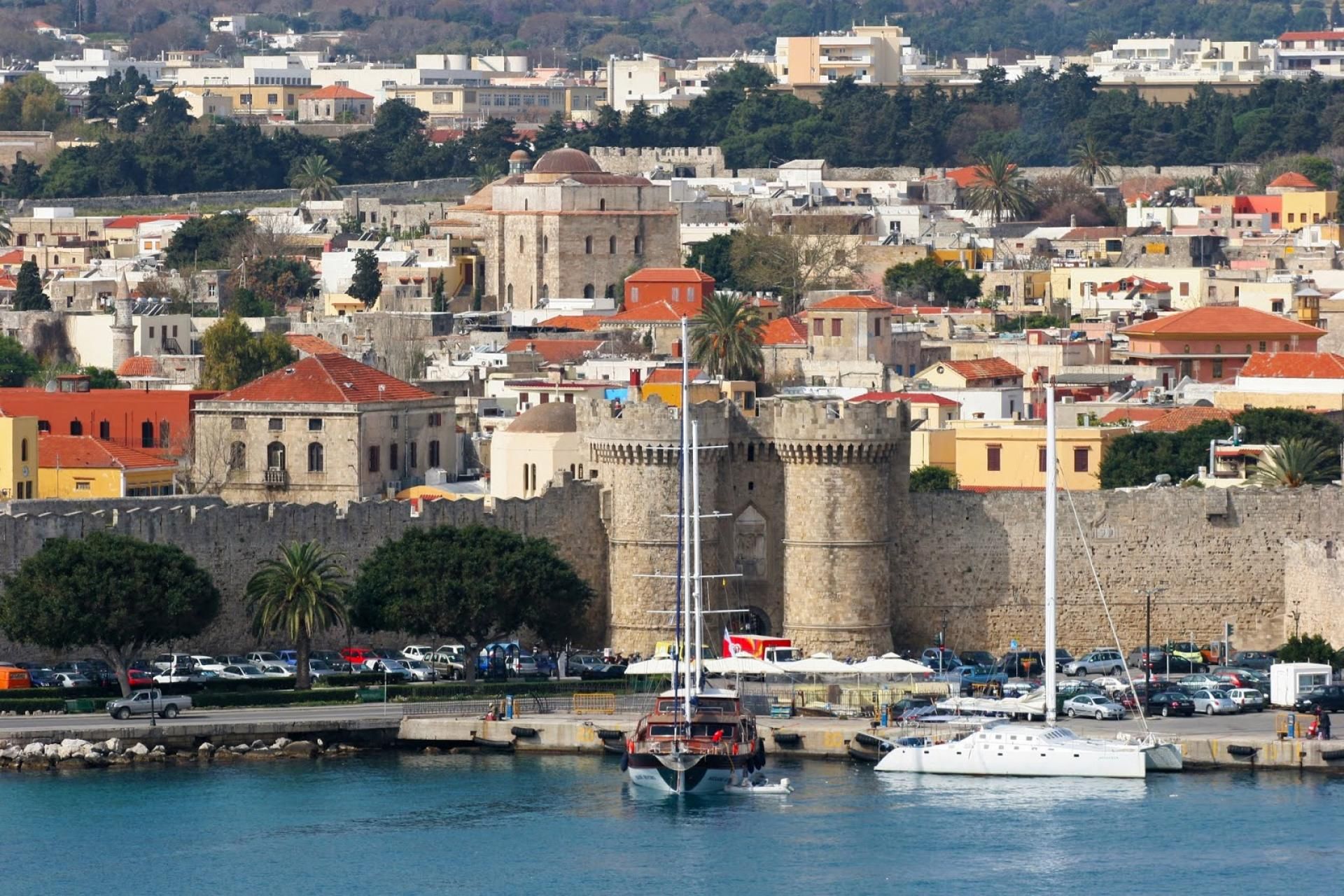
Rhodes is the largest of the Dodecanese islands and one of the most historically layered destinations in the entire Mediterranean. The medieval walled city — a UNESCO World Heritage Site — was built and fortified by the Knights of St John in the 14th century and stands today as one of the best-preserved examples of medieval urban planning anywhere in Europe. Its labyrinthine limestone streets, Gothic churches converted to mosques, Ottoman fountains, and the imposing Palace of the Grand Master create a cityscape that feels genuinely ancient rather than merely restored.
For cruise passengers, the port sits within easy walking distance of the Old Town's northern gates, making Rhodes one of the most immediately accessible port calls in the Aegean. Within minutes of leaving the ship, visitors can pass through the Gate of Freedom into a walled world where the Street of the Knights — one of the finest medieval thoroughfares on earth — leads to the Grand Master's Palace and then spills out into a tangle of covered bazaars, Byzantine churches, and Suleiman's Mosque. The city rewards those who wander without agenda as much as those following a structured itinerary.
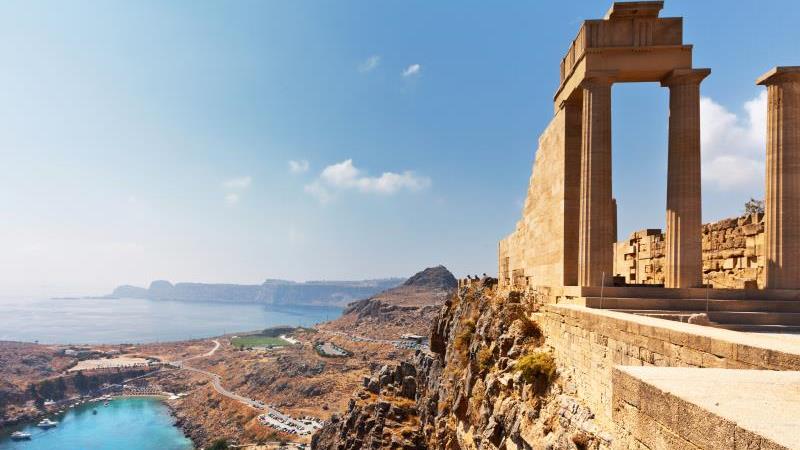
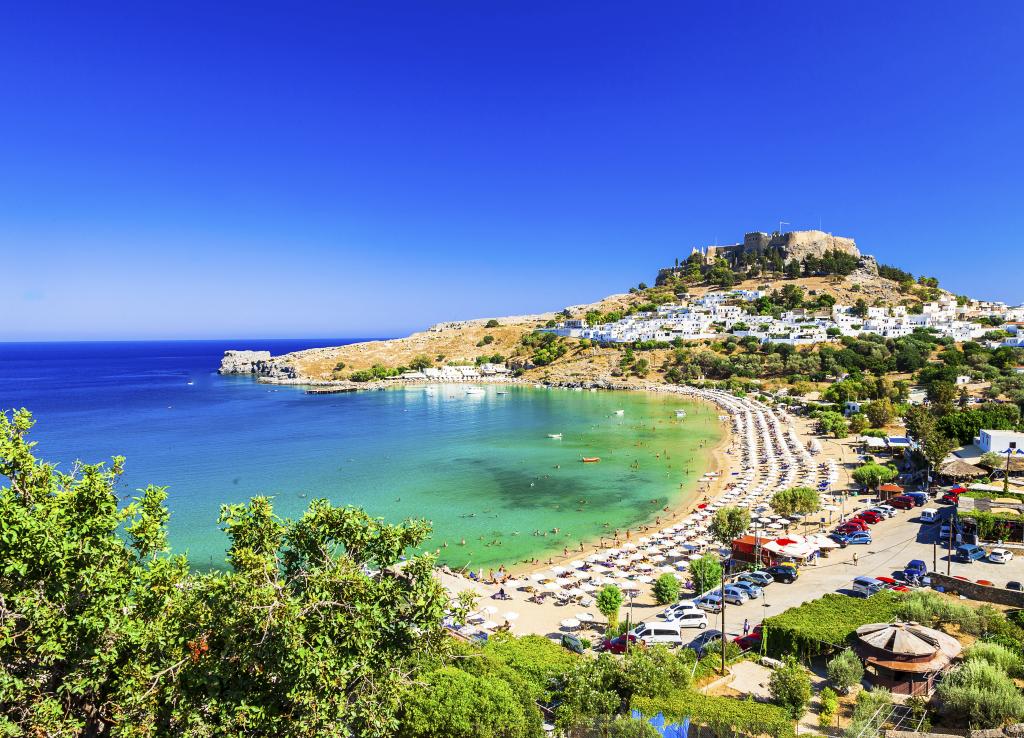
Beyond the walls, the island's southern coast unfolds through terraced olive groves, whitewashed villages, and dramatic coastal scenery toward Lindos, the island's most celebrated destination. Here, a clifftop Acropolis dating to the 5th century BC rises 116 metres above a perfect circular bay, with the cubic white houses of the medieval village cascading down the hillside below. Few views in Greece are more photographed, and fewer still hold up so well to the reality of standing in them.
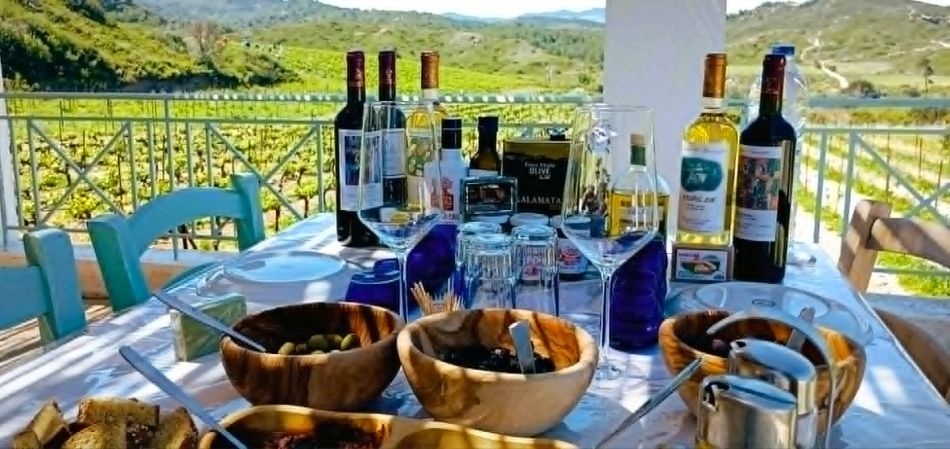
Rhodes also carries deep culinary credentials. The island produces some of Greece's finest olive oil, and its vineyards — particularly around Embonas in the interior — yield indigenous varieties including the celebrated Muscat of Rhodes. Tour operators running food and wine experiences here consistently feature olive oil mills, meze spreads, and vineyard tastings that give visitors genuine access to the island's agricultural character. Between the history, the coastline, and the table, a day in Rhodes rarely feels long enough.
Top things to do in Rhodes on a cruise stopover
The Medieval Old Town — A UNESCO City Within a City
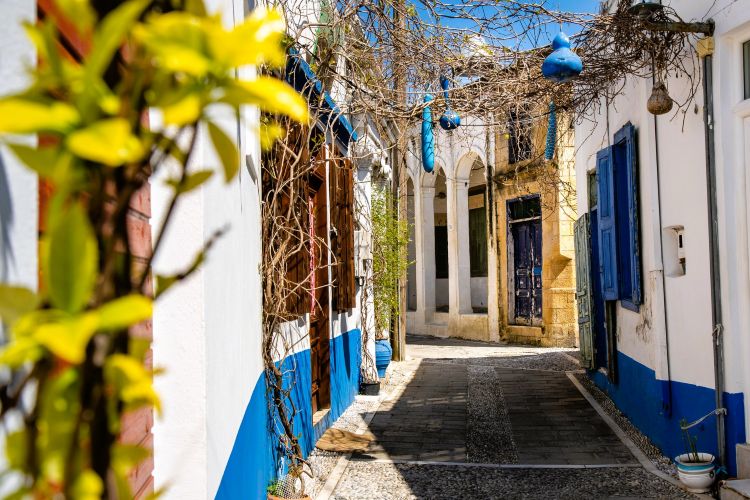
Enclosed by 4 kilometres of 15th-century ramparts, Rhodes Old Town is among the most complete medieval urban environments in the world. The Knights of St John built their headquarters here after arriving from Jerusalem, and what they left behind — the Street of the Knights (Ippoton), the inns of the various European langues, the Gothic arcades, and the sheer scale of the defensive walls — still commands the awe it was designed to inspire. Walking these cobbled streets is not a recreation of history but a genuine immersion in it. The bazaars, mosques, Byzantine churches, and hidden courtyards that fill the space between the grand set pieces reward slow, unscheduled exploration. VA walking tours of the medieval city provide guided access to details that solo wanderers often miss entirely.
Palace of the Grand Master — The Knights' Commanding Fortress
Dominating the northwestern corner of the Old Town, the Palace of the Grand Master is both the architectural and historical centrepiece of Rhodes. Originally built in the 14th century as the headquarters and residence of the Grand Masters of the Knights Hospitaller, it was largely destroyed in 1856 by an accidental ammunition explosion and subsequently rebuilt by the Italian administration in the early 20th century. Today it houses a museum with permanent exhibitions on the island's ancient and medieval history, as well as remarkable Roman and early Christian mosaic floors relocated from Kos. VA walking tours consistently include the palace as a highlight, and private tours allow for a more unhurried exploration of its cavernous interior and its position within the wider context of Rhodian medieval history.
Lindos and Its Clifftop Acropolis
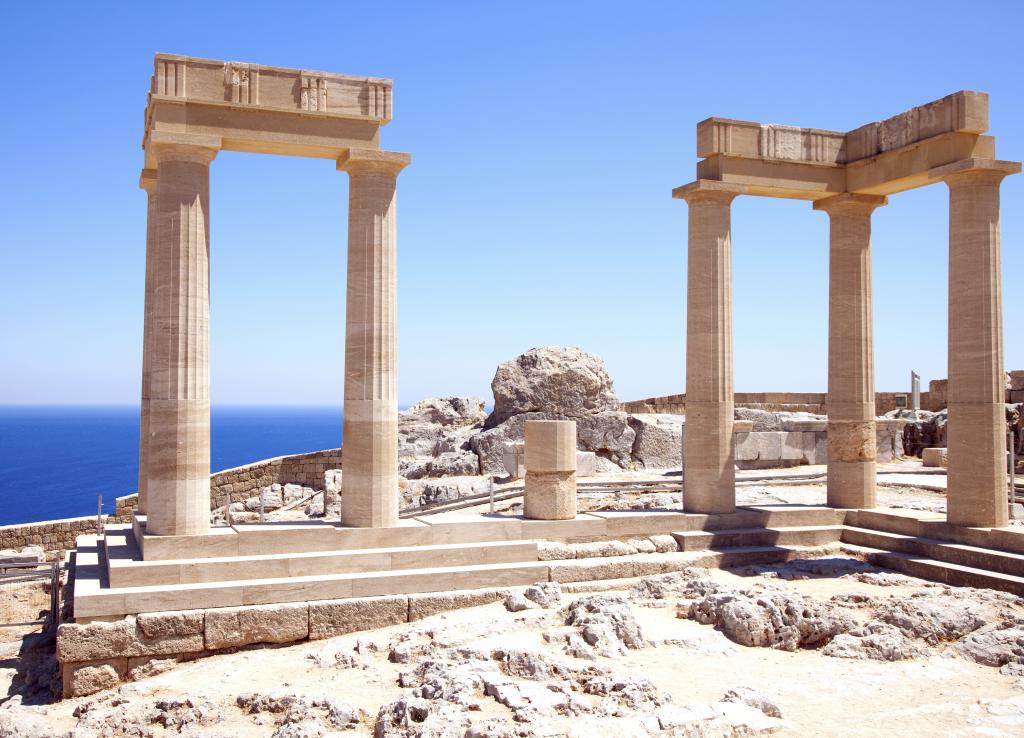
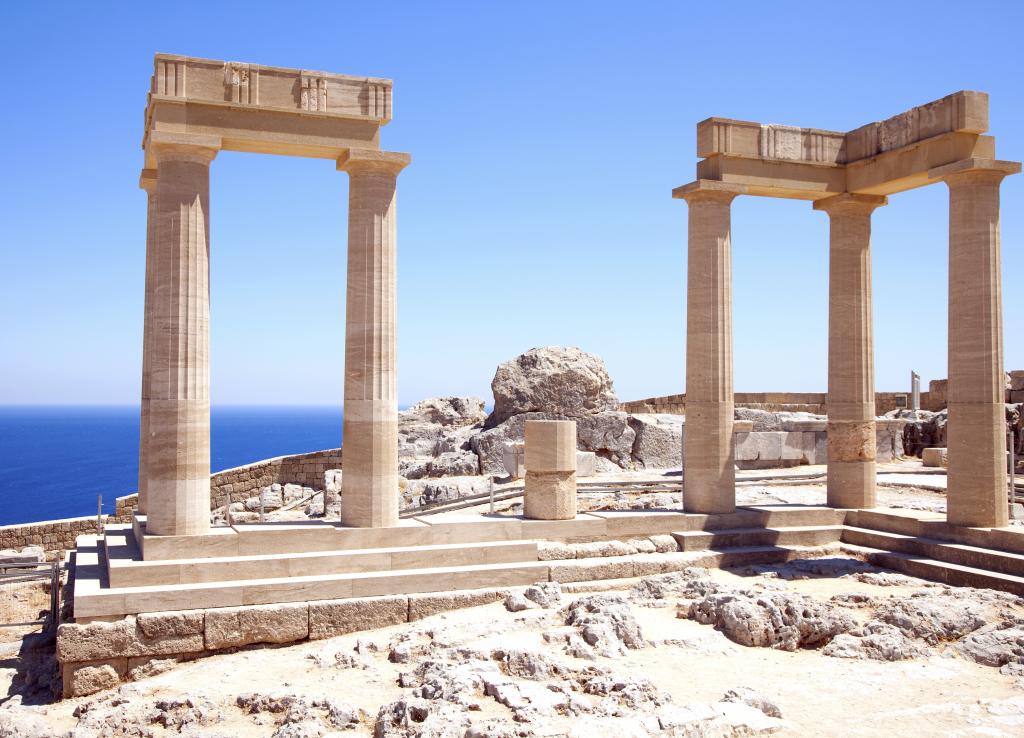
Around 50 kilometres south of Rhodes Town along the island's eastern coast, Lindos is the destination that defines Rhodes for many visitors. A medieval village of dazzling cubic whitewashed houses climbs toward a dramatic headland where the Acropolis of Lindos — one of the three principal ancient city-states of Rhodes — occupies a rock platform 116 metres above the sea. The Doric Temple of Athena Lindia dates to the 4th century BC, though the site had been sacred for centuries before that. The ascent is steep (donkey rides are available for those who prefer not to walk), and the views from the top encompass the turquoise St Paul's Bay below, the Aegean stretching to the horizon, and the white geometry of the village tumbling toward the water. VA offers private and small-group tours to Lindos, many combined with the Old Town and scenic coastal stops.
Olive Oil, Wine, and the Greek Table
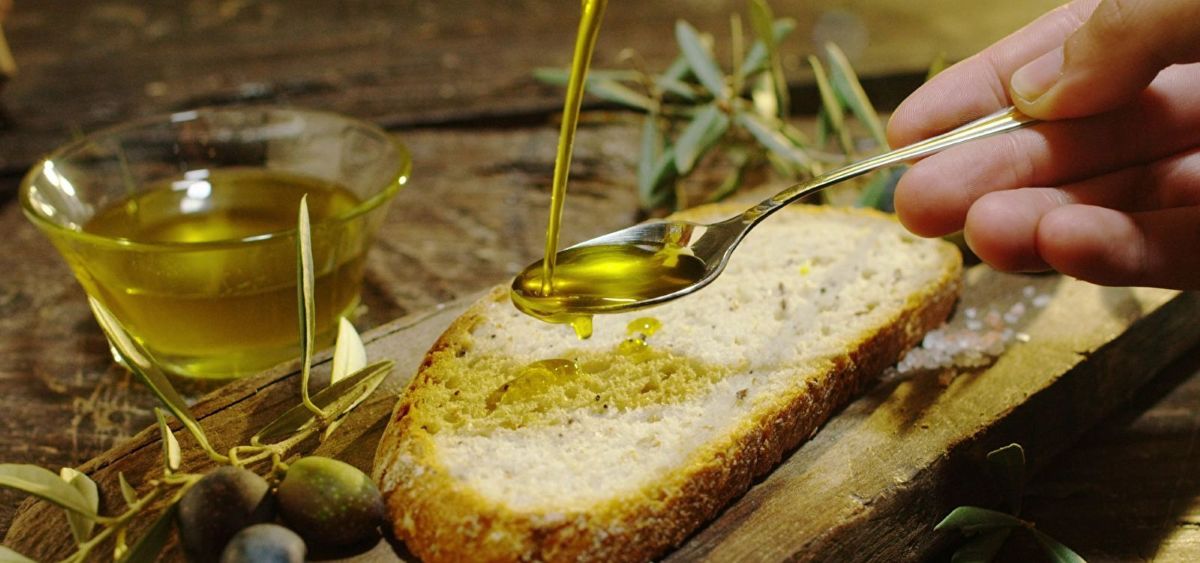
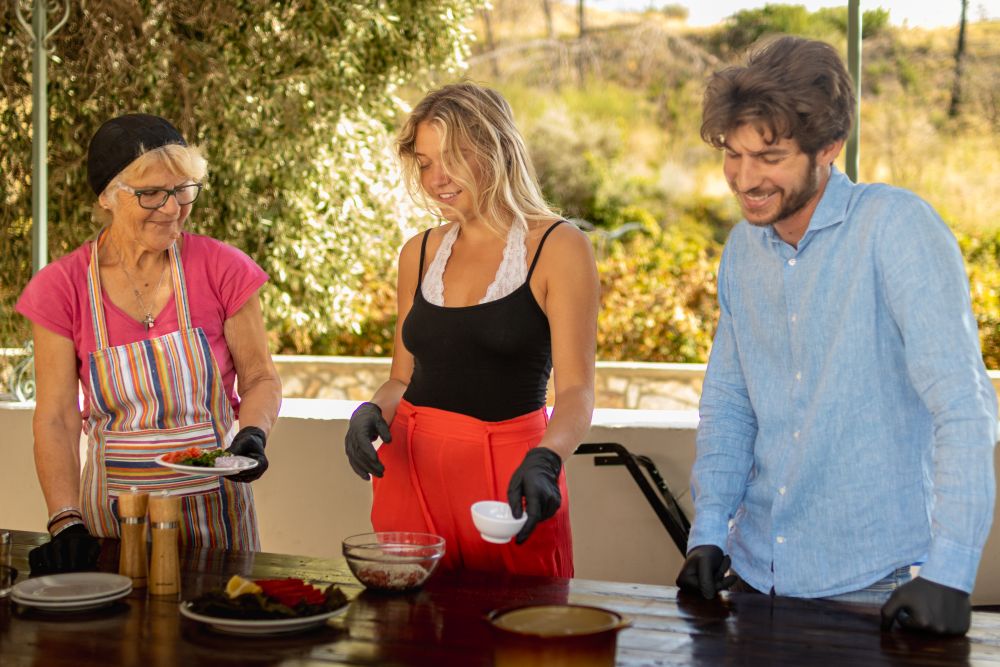
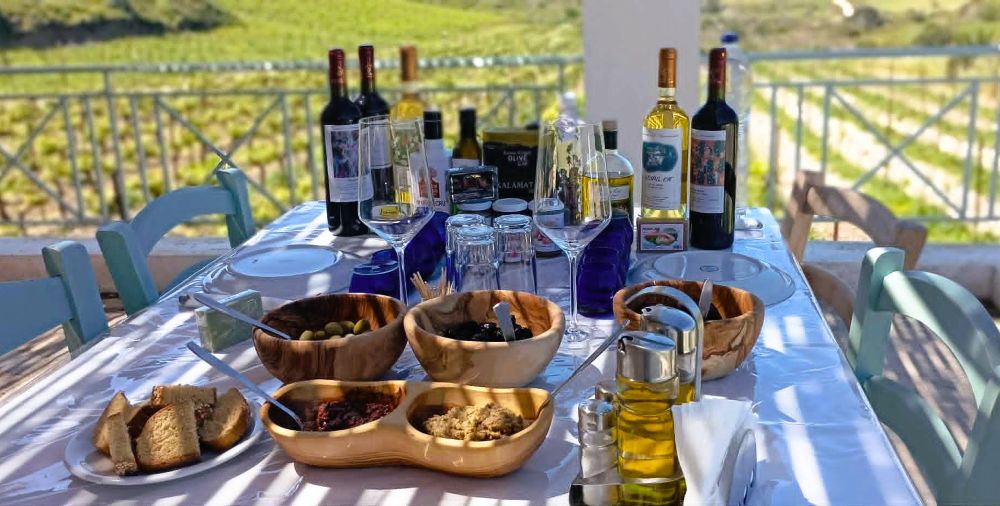
Rhodes has been cultivating olives and vines since antiquity, and the island's culinary traditions reflect that depth. VA offers several food-focused experiences that go well beyond restaurant meals: guided olive oil tastings at local mills, vineyard visits in the island's interior, Greek cooking classes paired with unlimited wine, and extended meze feasts featuring the full range of Rhodian flavours. The island's Muscat grape produces a naturally sweet wine with a long historical pedigree, while indigenous red varieties from the Embonas wine village offer a more robust expression of the volcanic terroir. These experiences work particularly well for visitors who want to understand a destination through its food culture rather than simply its monuments, and several VA tours combine tastings with sightseeing to make efficient use of limited port time.
Filerimos — Monastery, History, and Panoramic Views
Perched on a 267-metre hill above the site of the ancient city of Ialyssos, Filerimos is one of the island's less-visited but most rewarding historical sites. A Byzantine monastery overlies earlier ancient Greek and Roman foundations, and the complex includes a subterranean chapel carved into the rock, the reconstructed Church of Our Lady of Filerimos, and a Via Crucis pathway lined with cypress trees that leads to a large cross at the hill's summit. The views across the northwest of the island, toward Turkey and the coastline below, are exceptional. VA offers a private half-day sightseeing tour specifically focused on Filerimos, making it an excellent alternative for visitors who have already seen the Old Town on a previous call.
Aegean Coastline — Beaches and Underwater Discovery
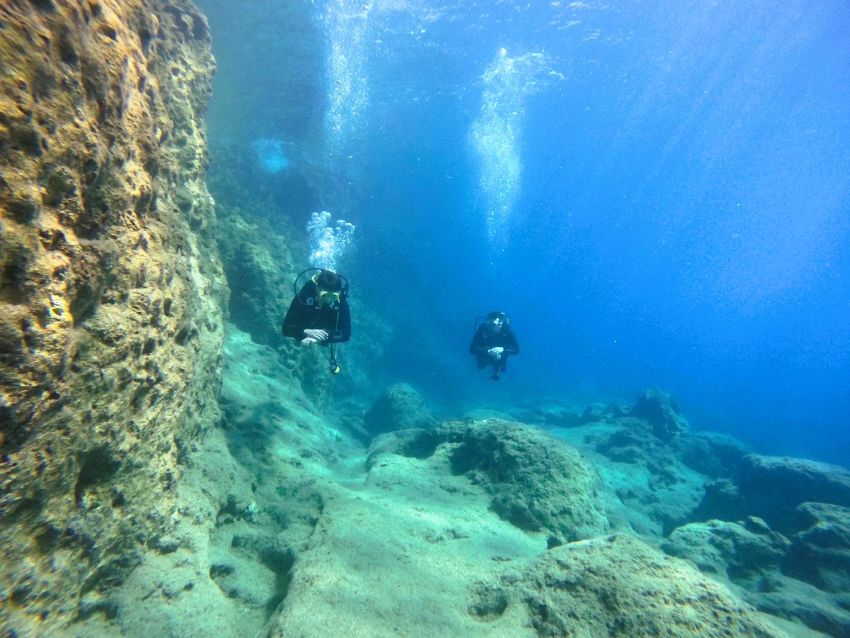
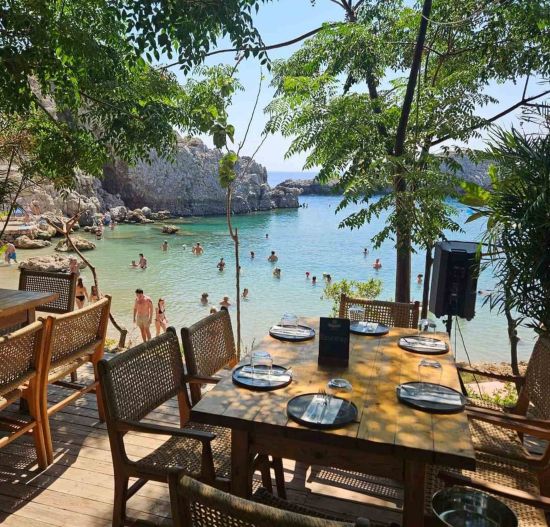
Rhodes' coastline extends over 200 kilometres and encompasses everything from sheltered sandy coves to dramatic rocky headlands. St Paul's Bay at Lindos, Tsambika Beach, and the sheltered waters around Rhodes Town all offer the clear, warm Aegean swimming that makes this part of Greece so compelling in the warmer months. For those drawn to what lies beneath the surface, VA's scuba diving experience introduces visitors to the island's marine environment in a structured small-group setting — no prior experience required. The coastal escape tours that combine Rhodes Town sightseeing with three distinct seaside stops offer a relaxed alternative to purely historical itineraries, particularly suited to those visiting in summer when a swim becomes an attractive part of the day.
Rhodes travel tips
Wear Appropriate Footwear for the Old Town. The cobblestones inside the medieval walls are beautiful and entirely uneven. The Street of the Knights in particular — paved with large rounded stones — can be genuinely challenging in anything less than flat, sturdy footwear. Sandals with grip work well; heels do not. The same applies to the Lindos village streets, which are steep and stone-paved. Comfortable walking shoes are not optional in Rhodes — they are the difference between a pleasurable day and a miserable one.
Arrive at the Old Town Early. The medieval walls trap heat efficiently, and by mid-morning in summer the narrow streets inside become uncomfortably warm. More importantly, the cruise ship schedule means that most organised groups arrive in the Old Town between 9am and 11am — the early arrivals encounter a quieter, more atmospheric city than those who follow. If your itinerary allows, reach the Old Town gates as soon as possible after docking to experience it at its most serene.
Plan Lindos for the Morning Rather Than the Afternoon. Lindos faces southeast and bakes in direct sun from late morning onward. The Acropolis is an exposed site with minimal shade, and the steep climb through the village becomes uncomfortable in the midday heat. Coach groups also peak at the site around late morning and lunchtime. Visiting Lindos first — arriving before 10am if possible — and then heading to Rhodes Town in the afternoon makes for a far more comfortable and less crowded experience.
Carry Cash for Markets and Small Vendors. While restaurants and larger shops in the Old Town and Lindos accept card payments, the market stalls in the bazaar area and smaller village shops frequently operate on a cash basis. Euros in small denominations are useful for buying locally produced honey, olive oil, herbs, and ceramics. ATMs are available near the port and throughout the New Town, so withdrawing cash on arrival is straightforward.
The Old Town Walls Can Be Walked — Allow Two Hours. A walkway along the top of the medieval ramparts offers some of the best views across both the old city and the sea beyond. The full circuit takes approximately 90 minutes to two hours at a comfortable pace. The walk is largely unshaded and best attempted in cooler weather or at the beginning or end of the day. Entrance to the walk is included in the general admission fee for the walls, accessed from the Palace of the Grand Master. It provides a perspective on the city's scale and engineering that no ground-level walk can replicate.
Understand What the Island Produces Before You Shop. Rhodes has a genuine agricultural identity beyond its tourist trade. Locally produced olive oil, Muscat wine, thyme honey, dried herbs, and hand-painted ceramics are legitimate expressions of the island's culture and make far more meaningful souvenirs than mass-produced items. Food and wine tasting tours available through VA provide context for these products before any purchasing decision, which tends to produce better outcomes than browsing the bazaar uninformed. The local Muscat, in particular, is an indigenous variety not easily found outside Greece.
Port Facts Every Cruiser Needs To Know
Rhodes shore excursion FAQs
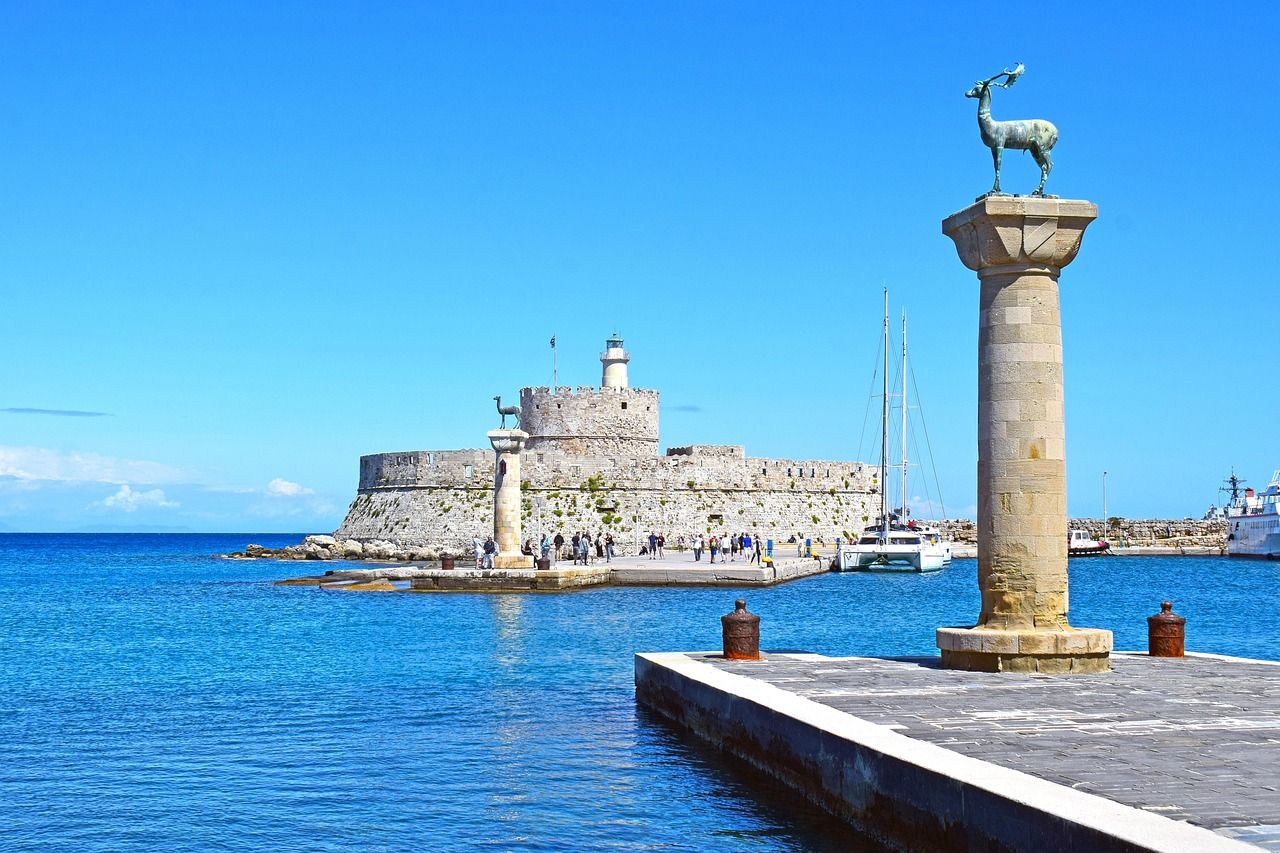
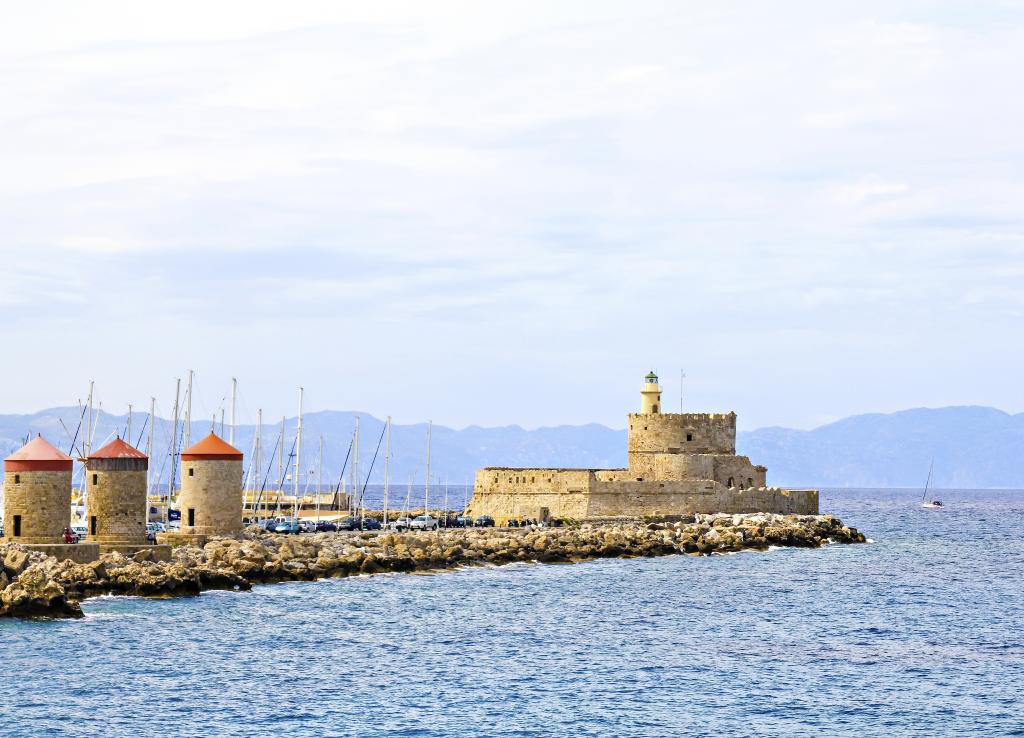
Kolona Port, where most cruise ships dock in Rhodes, is within easy walking distance of the Old Town's northern gates. The walk from the pier to the Gate of Freedom or the Gate of d'Amboise takes approximately 5 to 10 minutes. Some ships use Akandia port, which is slightly further but still a short ride from the walls. The medieval ramparts are actually visible from the ship, giving an immediate sense of how close the historic city is to the water.
No — Lindos is approximately 50 kilometres south of Rhodes Town along the eastern coast, and walking the distance is not a realistic option for a day ashore. Local KTEL buses run regular services from the bus terminal near the New Market, with the journey taking around 50–55 minutes each way. Organised excursions through VA offer a more efficient option, typically combining Lindos with other highlights and eliminating the logistical complexity of public transport connections.
The Old Town rewards wandering as much as structured sightseeing, but the Street of the Knights (Ippoton) and the Palace of the Grand Master are the undisputed highlights. The Street of the Knights is one of the best-preserved medieval streets in Europe, flanked by the Gothic inns of the various knightly langues. The Palace, at its head, is a substantial museum as well as an architectural monument. Beyond these landmarks, simply getting lost in the residential backstreets — where locals still live and Byzantine churches stand next to Ottoman mosques — is an experience in itself.
The ascent from Lindos village to the Acropolis is steep and involves uneven stone paths and steps, with a total climb of roughly 116 metres. The path is paved but narrow in places. For those who prefer not to walk, local donkeys are available for hire at the base of the climb in the village — a traditional and practical option. The Acropolis itself involves walking on uneven ancient stonework. The ascent is manageable for most reasonably fit visitors, but those with mobility limitations may find it challenging.
Pitaroudia — crispy chickpea and herb fritters — are a distinctly Rhodian street food and worth seeking out near the Old Town market area. Fresh seafood meze, grilled octopus, and local cheeses pair naturally with a glass of Muscat of Rhodes, the island's indigenous sweet wine variety. Olive oil here is exceptional quality and features prominently in everything from salads to dips. Several VA excursions include formal tastings of local olive oil, wine, and traditional meze spreads, which offer a structured way to explore the island's food culture.
Tickets for the Palace of the Grand Master are available at the door, but in high season (July–August) queues can form, particularly when multiple cruise ships are in port simultaneously. Pre-booking through an organised tour that includes palace admission eliminates this uncertainty. VA tours that incorporate a walking tour of the medieval city typically include or assist with palace entry. The palace is generally open daily during the cruise season, but occasional closures occur — checking current opening status before making it the centrepiece of your day is worthwhile.
Filerimos is a 267-metre hill above the site of the ancient city of Ialyssos, around 15 kilometres southwest of Rhodes Town. The site includes a medieval monastery, a subterranean Byzantine chapel, and a ceremonial pathway lined with cypress trees leading to a large cross at the summit. The panoramic views across northwestern Rhodes toward the Turkish coast are exceptional. It is particularly well-suited to visitors who have already explored the Old Town and Lindos on a previous call and want a different perspective on the island. VA offers a dedicated private half-day tour to Filerimos.
Yes — Rhodes has more than 200 kilometres of coastline and excellent swimming conditions throughout the summer months. The Aegean water around the island is clear, warm (reaching 26–28°C in August), and generally calm on the eastern coast. St Paul's Bay at Lindos, reached by steps from the village, is one of the most beautifully situated swimming spots in Greece. Rhodes Town's own beaches, accessible on foot from the port, provide a convenient option for those who want to combine sightseeing with a swim. VA's coastal escape tours specifically combine town sightseeing with scenic stops at the island's beaches.
The medieval Old Town presents challenges for visitors with limited mobility — cobbled streets, uneven surfaces, and steps are pervasive. The Lindos Acropolis ascent is similarly steep and uneven. However, VA offers a private walking tour specifically designed as an accessible experience through Rhodes Old Town, providing a thoughtfully routed alternative that allows visitors with mobility considerations to experience the city's hidden character without navigating the most challenging terrain. The port itself and the New Town of Rhodes are considerably more accessible than the walled medieval area.
A meaningful experience of Rhodes on a cruise call requires careful prioritisation. The Old Town alone deserves a minimum of 2–3 hours, and adding the Palace of the Grand Master extends this further. A round trip to Lindos — including travel time and the site itself — adds another 3–4 hours. Combining both in a single day is achievable with early starts and efficient transfers, and VA tours are designed to make the most of a typical 6–9 hour port window. Visitors with shorter time ashore are generally better served by choosing either the Old Town or Lindos rather than attempting both in a rushed fashion.
Filters
Select a filter to refine results.
Tour Type
Tour Activity
 Cart
Cart
 USD
USD GBP
GBP AUD
AUD EUR
EUR CAD
CAD