



Tours in Reykjavik



Cruising to Reykjavik in a group?
Skip the crowded ship excursion bus. One dedicated planner will design a private shore experience around exactly what your group wants — coordinated from first enquiry to the moment you're back on board. More memorable, more flexible, and more affordable than you might expect. Spend less time organising, more time enjoying.
Explore Group Travel →Cruising to Reykjavik
Reykjavik is the northernmost capital city in the world and one of the most distinctive destinations on any European cruise itinerary. Spread across a low peninsula between two bays, the city is defined by its relationship with extreme natural forces: geothermal heat warms every building, geysers erupt an hour's drive away, and an active volcanic eruption on the Reykjanes Peninsula has, in recent years, become a regular feature of the Icelandic landscape. The combination of a lively urban scene and access to some of the planet's most extraordinary geology makes Reykjavik genuinely exceptional as a cruise port.
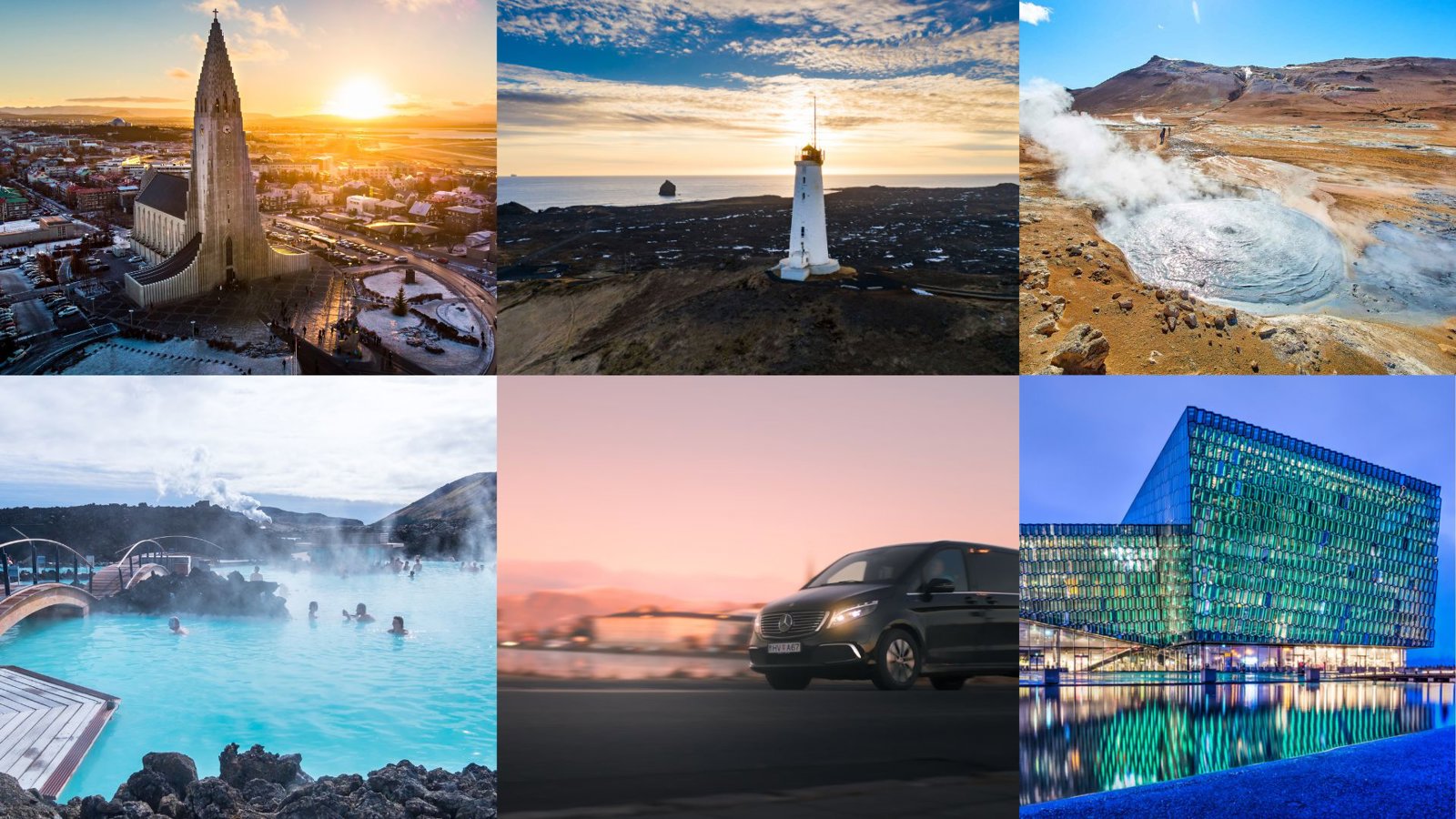
The city itself rewards a morning of exploration. Hallgrímskirkja — the vast concrete church whose rocket-like spire dominates the skyline — is the obvious landmark, offering panoramic views from its tower across colourful tin-roofed houses, glittering sea and distant mountains. The old harbour area, now a creative hub of restaurants, design studios and independent shops, sits below the church district and extends along Laugavegur, Reykjavik's central shopping and dining street. The city's food scene has evolved dramatically: contemporary Icelandic cuisine draws on Arctic ingredients — lamb, skyr, Arctic char, langoustine — with a sophistication that surprises many visitors.
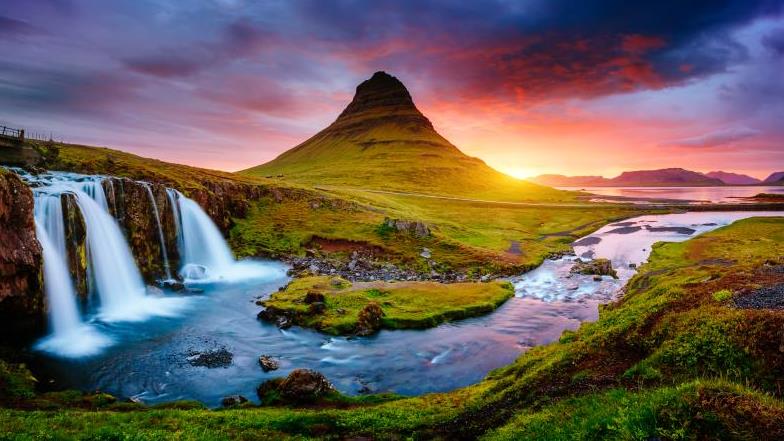
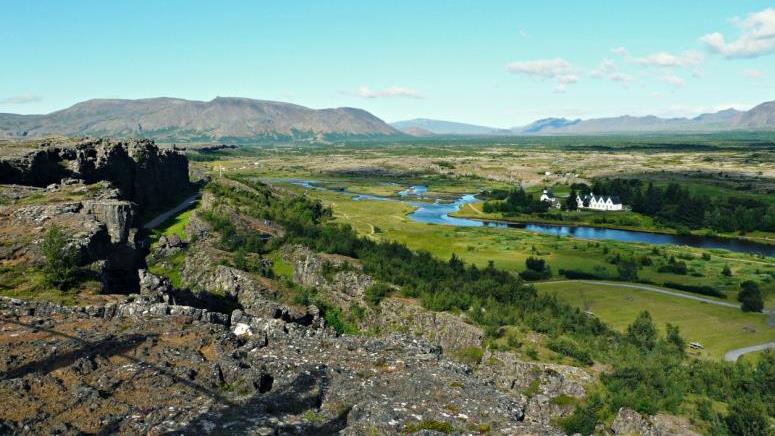
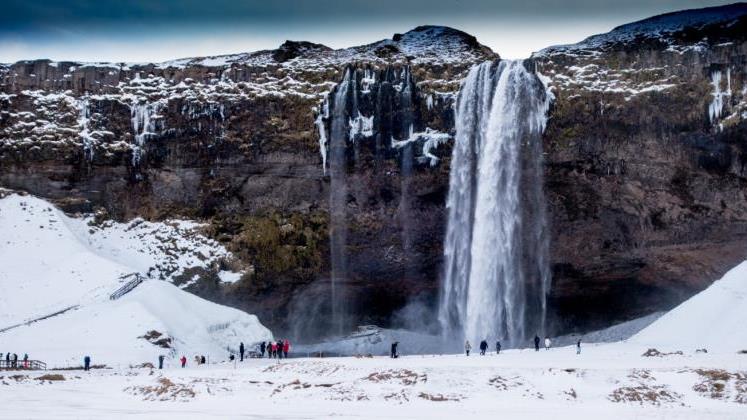
Beyond the city limits, Iceland's landscapes take over with overwhelming force. The Golden Circle — a 300-kilometre loop encompassing Þingvellir National Park (where the North American and Eurasian tectonic plates are physically pulling apart), the erupting Geysir hot spring area, and the thundering Gullfoss waterfall — is the single most popular cruise excursion in Iceland and justifiably so. The South Shore adds black sand beaches, glacier tongues and the cascading waterfalls of Seljalandsfoss and Skógafoss. The Reykjanes Peninsula, now famous for ongoing volcanic eruption activity, brings visitors face to face with the raw processes that created this island.
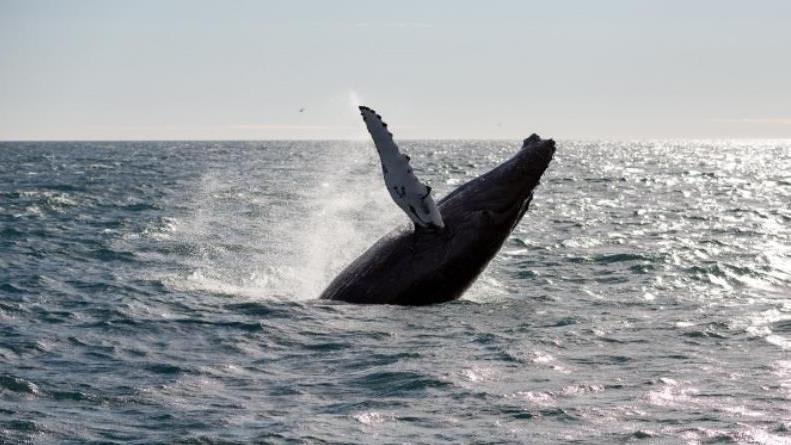
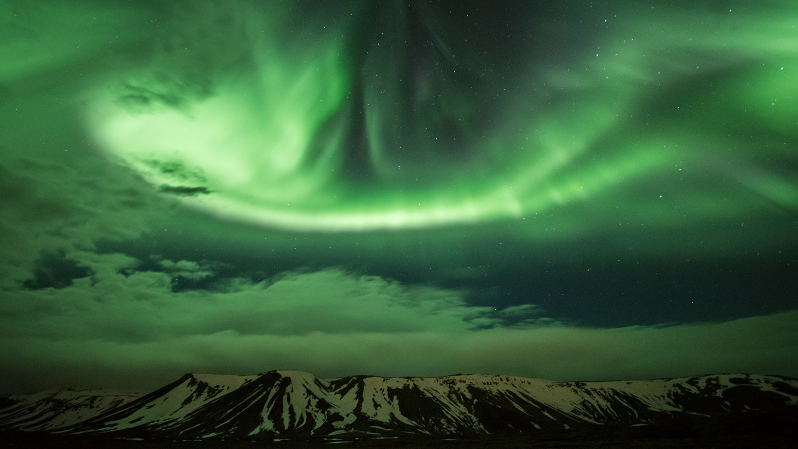
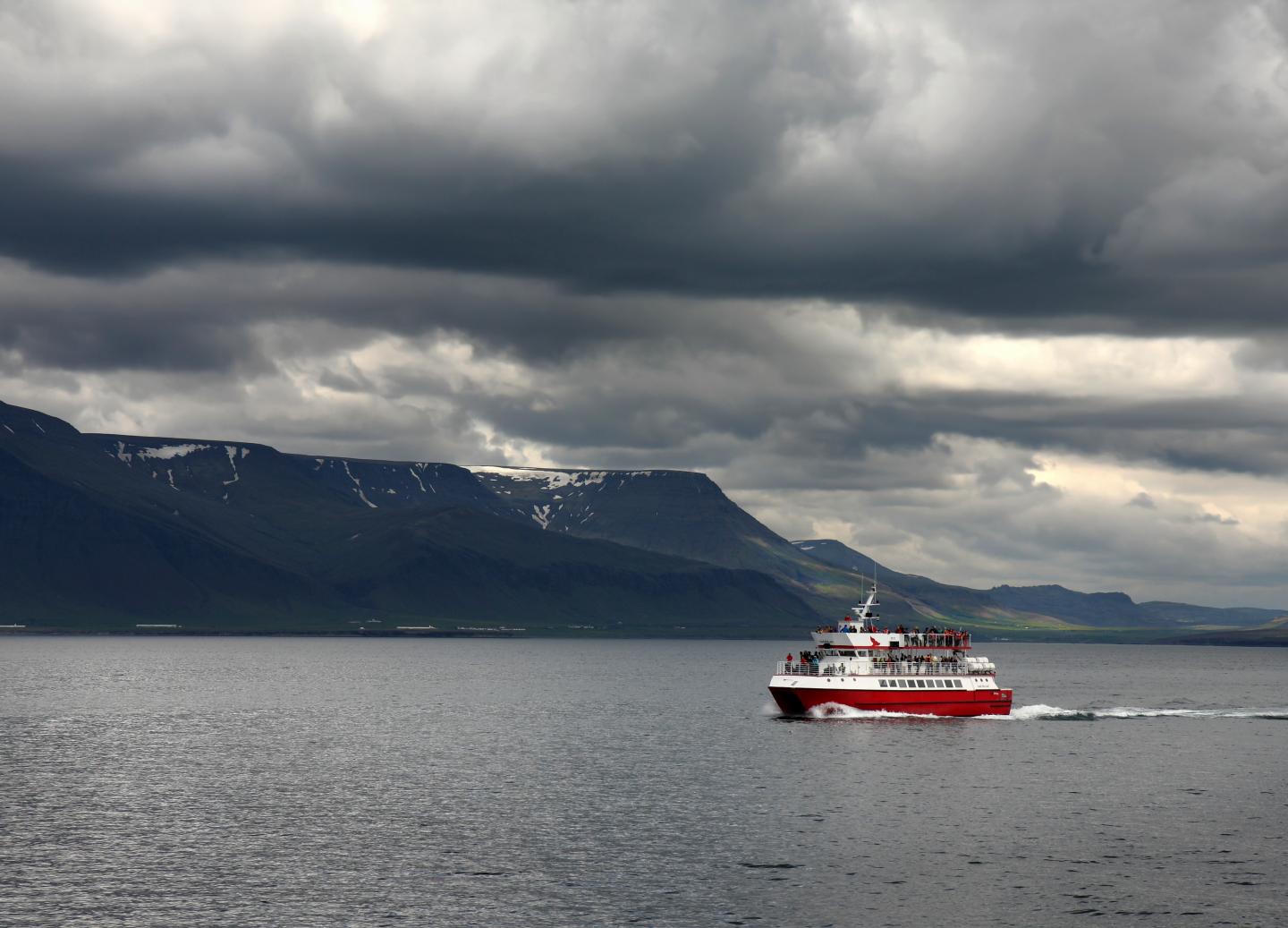
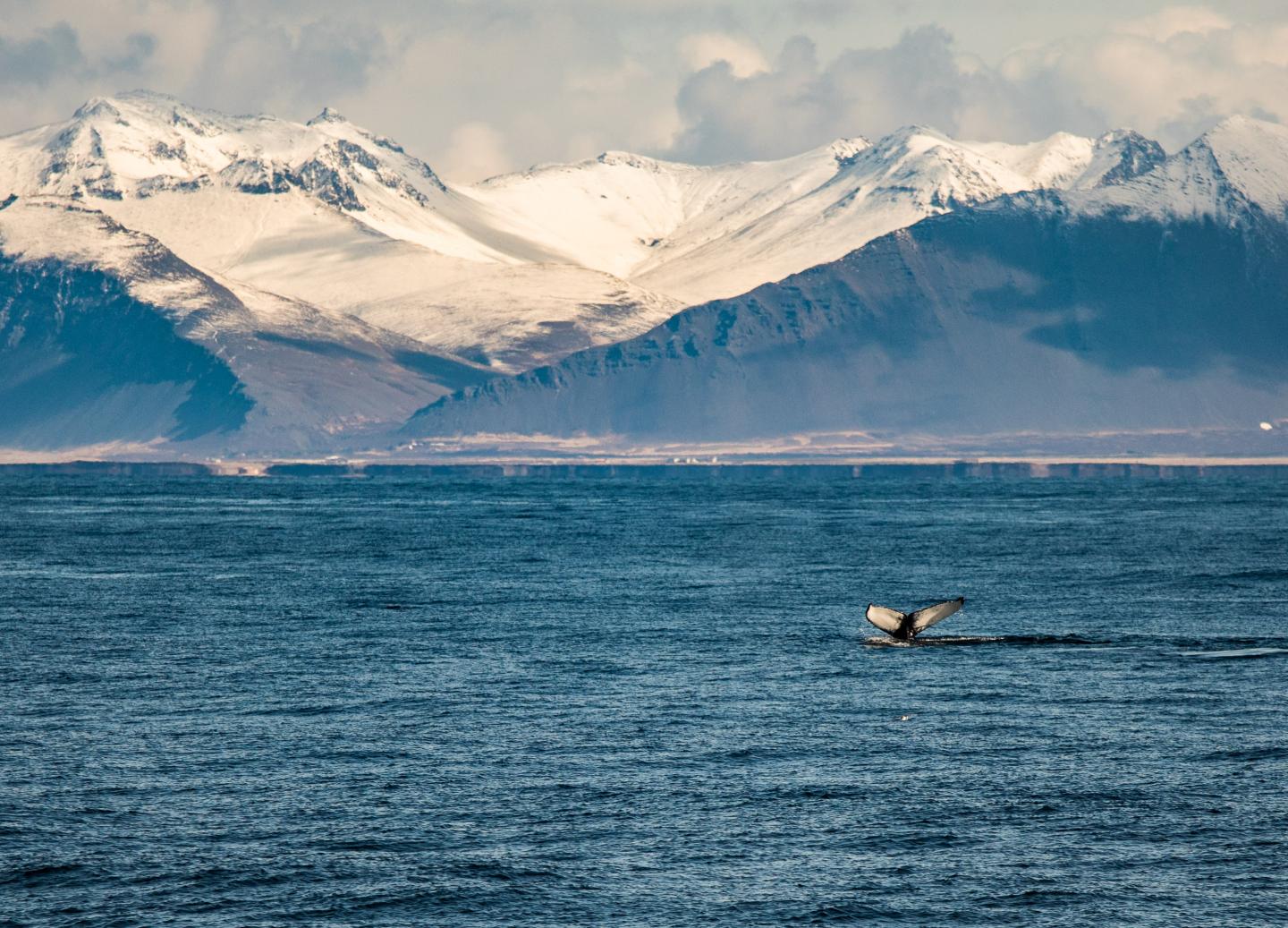
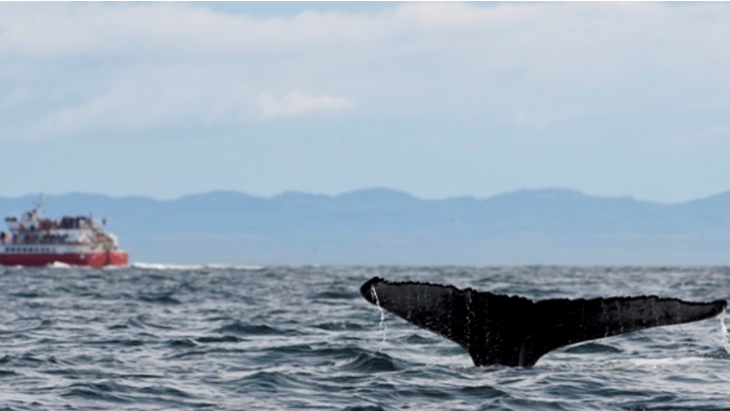
Water dominates another dimension of the experience: Faxaflói Bay, just outside the harbour, supports one of the most accessible whale-watching routes in the North Atlantic. Humpback whales, minke whales and white-beaked dolphins are regular sightings. From late spring to late summer, the cliffs and islands off the coast host enormous puffin colonies — some tours combine whale and puffin watching in a single departure. For those travelling in September and October, the Northern Lights become a possibility as Reykjavik's latitude and the lengthening nights create the conditions for aurora viewing on clear evenings.
Top things to do in Reykjavik on a cruise stopover
The Golden Circle — Iceland's Greatest Natural Circuit
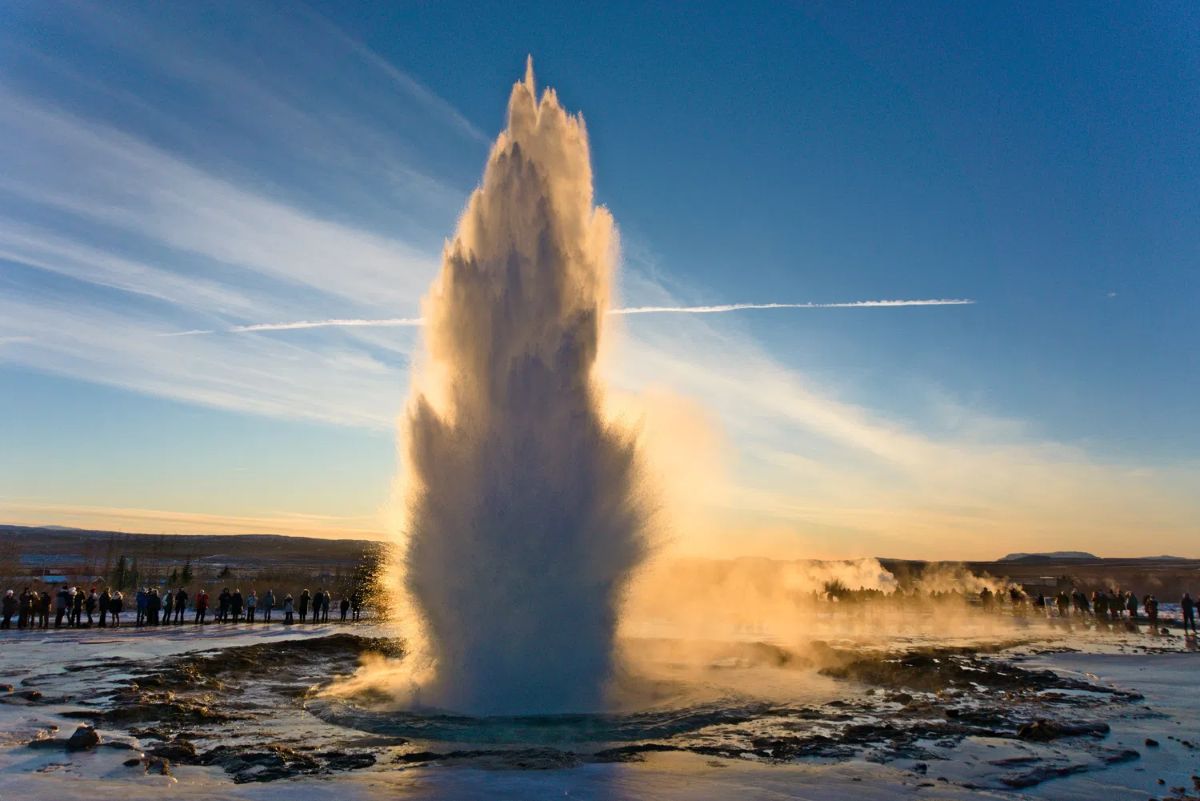
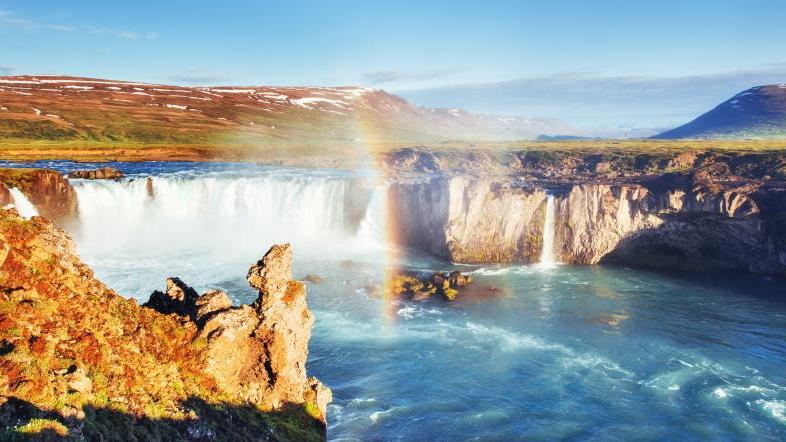
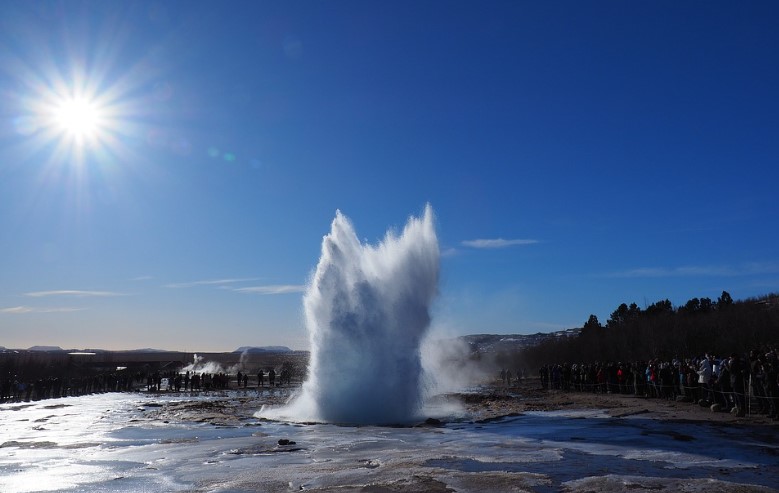
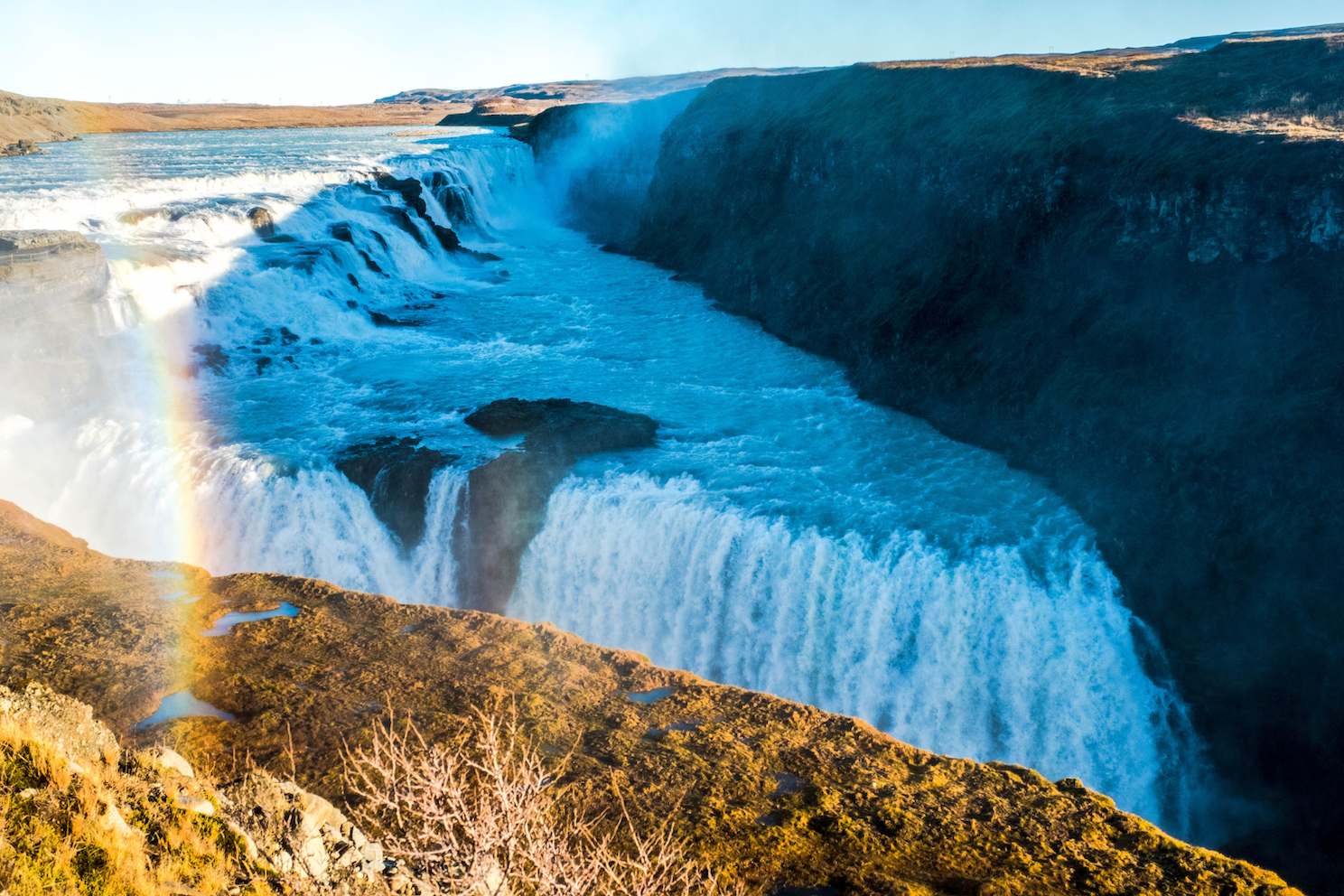
No single day out in Iceland equals the Golden Circle for sheer concentration of natural drama. The 300-kilometre loop from Reykjavik connects three extraordinary sites: Þingvellir National Park, where the North American and Eurasian tectonic plates are visibly pulling apart across a rift valley that also served as Iceland's ancient open-air parliament for nearly a millennium; the Geysir hot spring area, where the Strokkur geyser erupts a column of boiling water 20–30 metres into the air every five to ten minutes without fail; and Gullfoss, a two-tiered waterfall of immense power where the Hvítá river plunges into a narrow canyon amid perpetual mist and rainbows. Excursions typically run between eight and ten hours, fitting comfortably within a cruise port day. Some itineraries include a soak in the Secret Lagoon geothermal pool, a volcanic crater rim walk, or lunch at a farm restaurant. For many passengers, the Golden Circle alone justifies the Iceland port call.
Whale and Puffin Watching — Wildlife on Faxaflói Bay
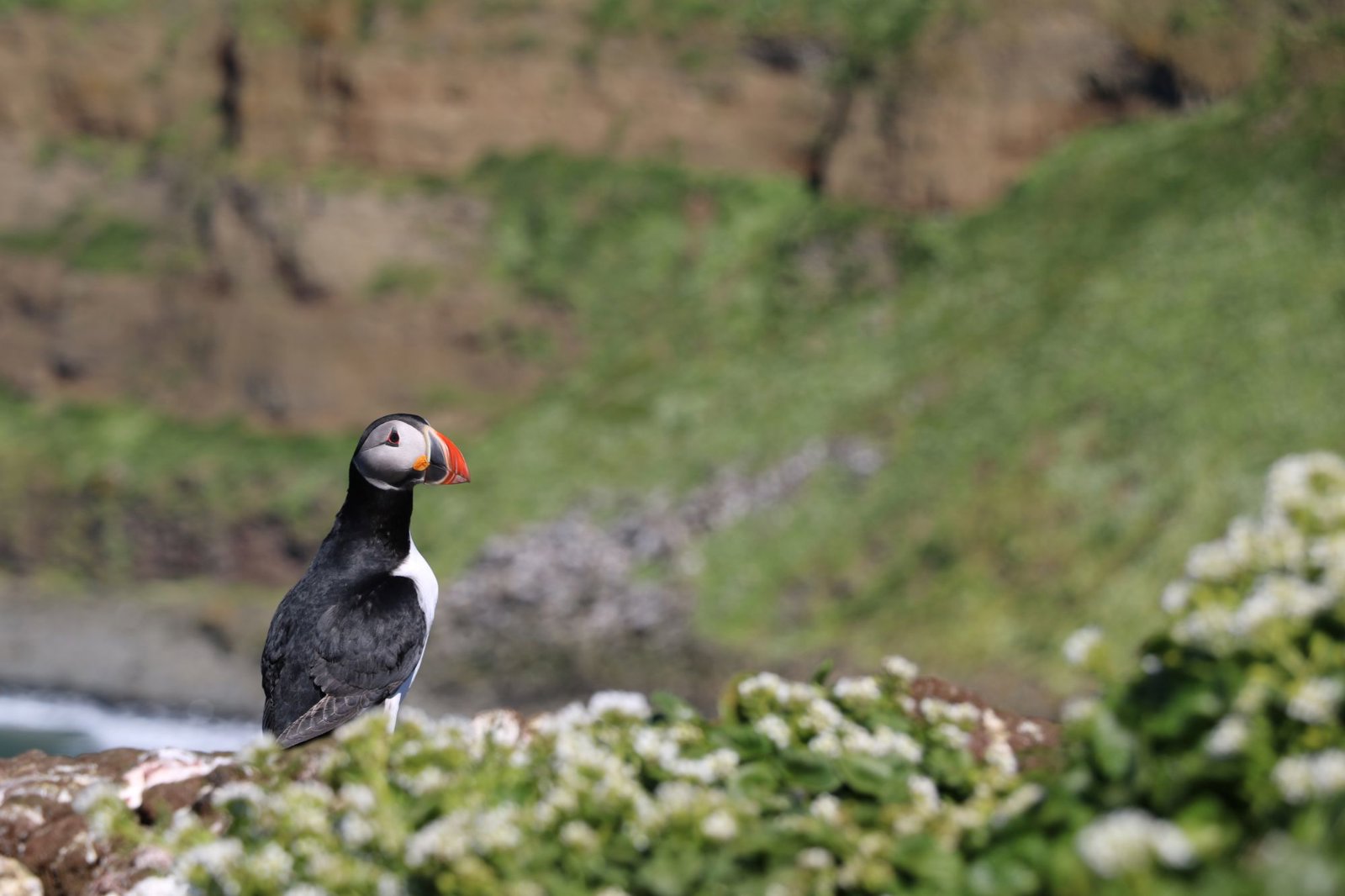
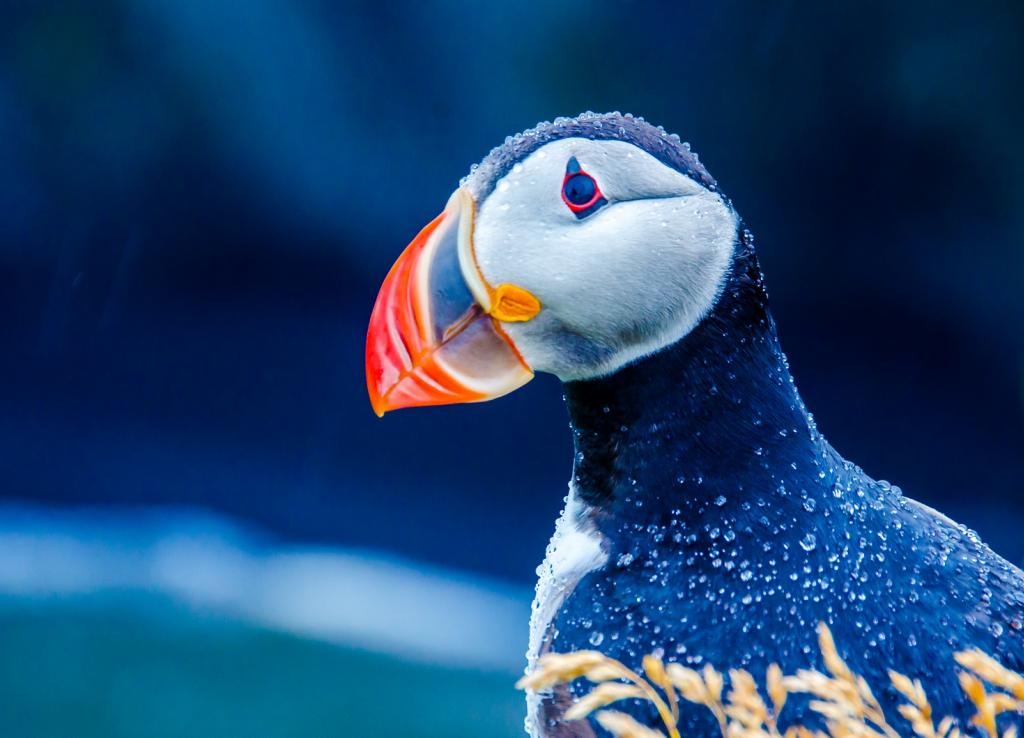
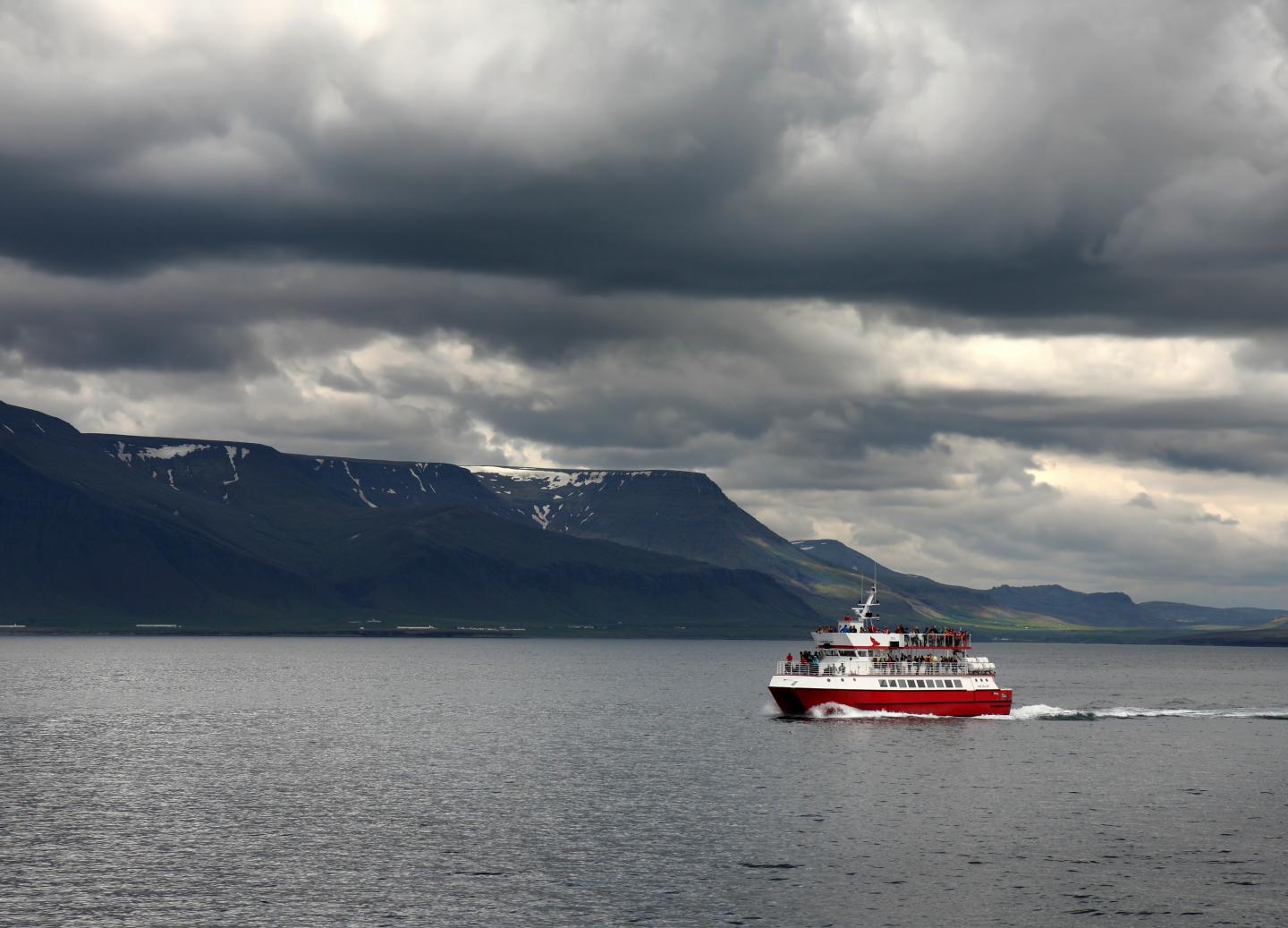
Faxaflói Bay, immediately outside Reykjavik's Old Harbour, is one of the most accessible whale-watching locations in the North Atlantic. Humpback whales, minke whales, white-beaked dolphins and harbour porpoises are regular sightings, with humpbacks particularly active during summer months. Dedicated shared whale-watching boats depart from the Old Harbour throughout the day, offering trips of three to four hours on purpose-built vessels with guides. RIB (rigid inflatable boat) options allow faster passage to feeding areas and the more intimate experience of sitting low on the water as a humpback surfaces nearby. From late April through August, the islands and sea cliffs off the Reykjavik coast host vast puffin colonies — some tours combine whale and puffin watching in a single departure. Sea angling excursions are also available for those who prefer to participate in Iceland's fishing traditions directly, with catches cooked aboard.
The Reykjanes Peninsula — Walking on a Living Volcano
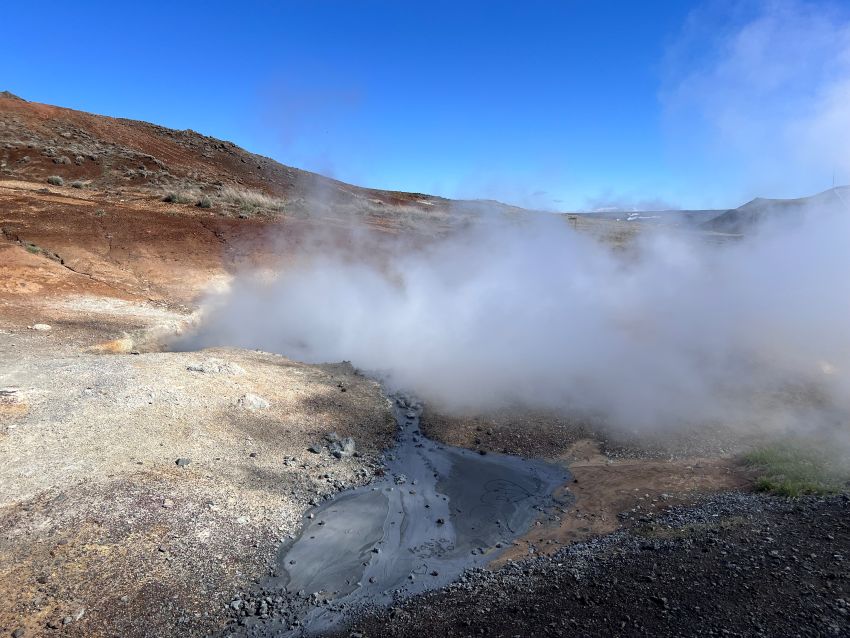
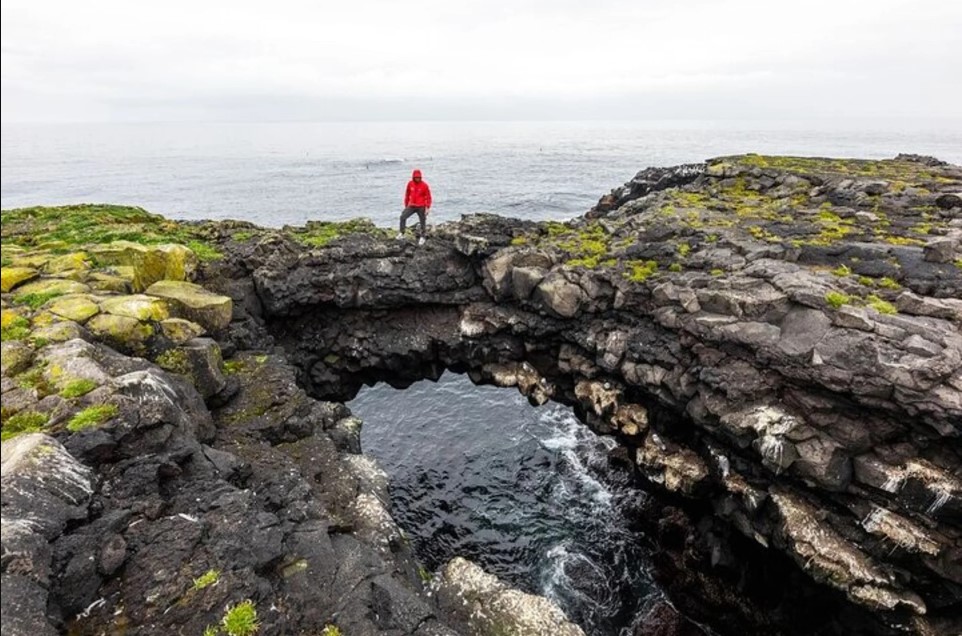
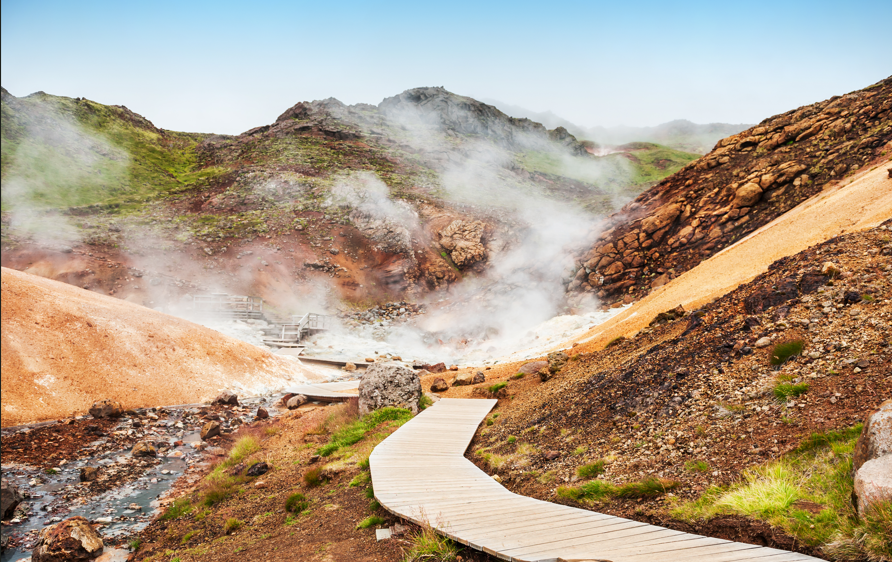
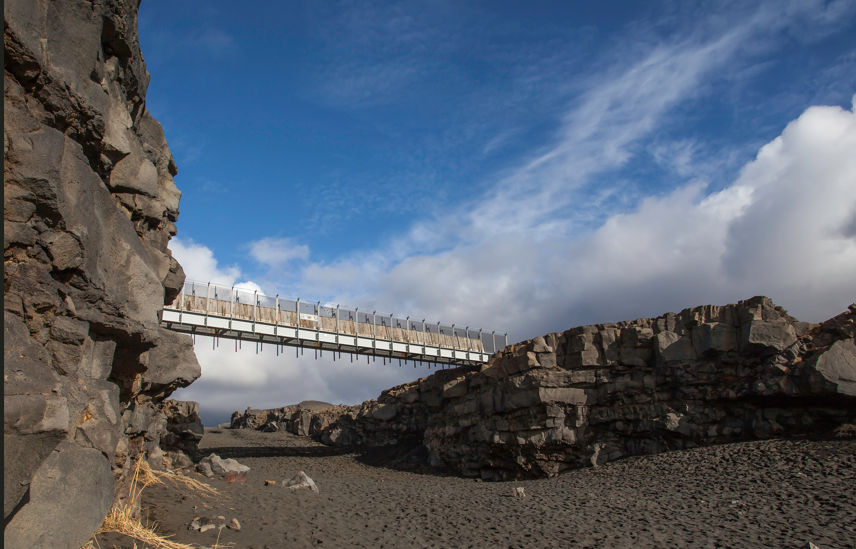
The Reykjanes Peninsula, the finger of lava-covered land that reaches southwest from Reykjavik toward Keflavík Airport, has in recent years become one of Iceland's most compelling destinations due to ongoing volcanic eruption activity. Since 2021, a series of eruptions have created new lava fields and, at times, active fountaining craters accessible on guided hikes — a phenomenon so rare anywhere in the world that it has drawn volcanologists and curious visitors alike. Even in quieter phases, the peninsula's landscape is extraordinary: bubbling mud pools, fumaroles venting sulphurous steam, ancient lava fields blanketed in moss and the dramatic Bridge Between Continents, where you can walk between the North American and Eurasian tectonic plates across a footbridge spanning the rift. Excursions typically run six hours and can include a geothermal bathing experience. Volcanic conditions change; checking current eruption status before your visit adds context to what you will see.
Hallgrímskirkja and Reykjavik's Colourful Streets
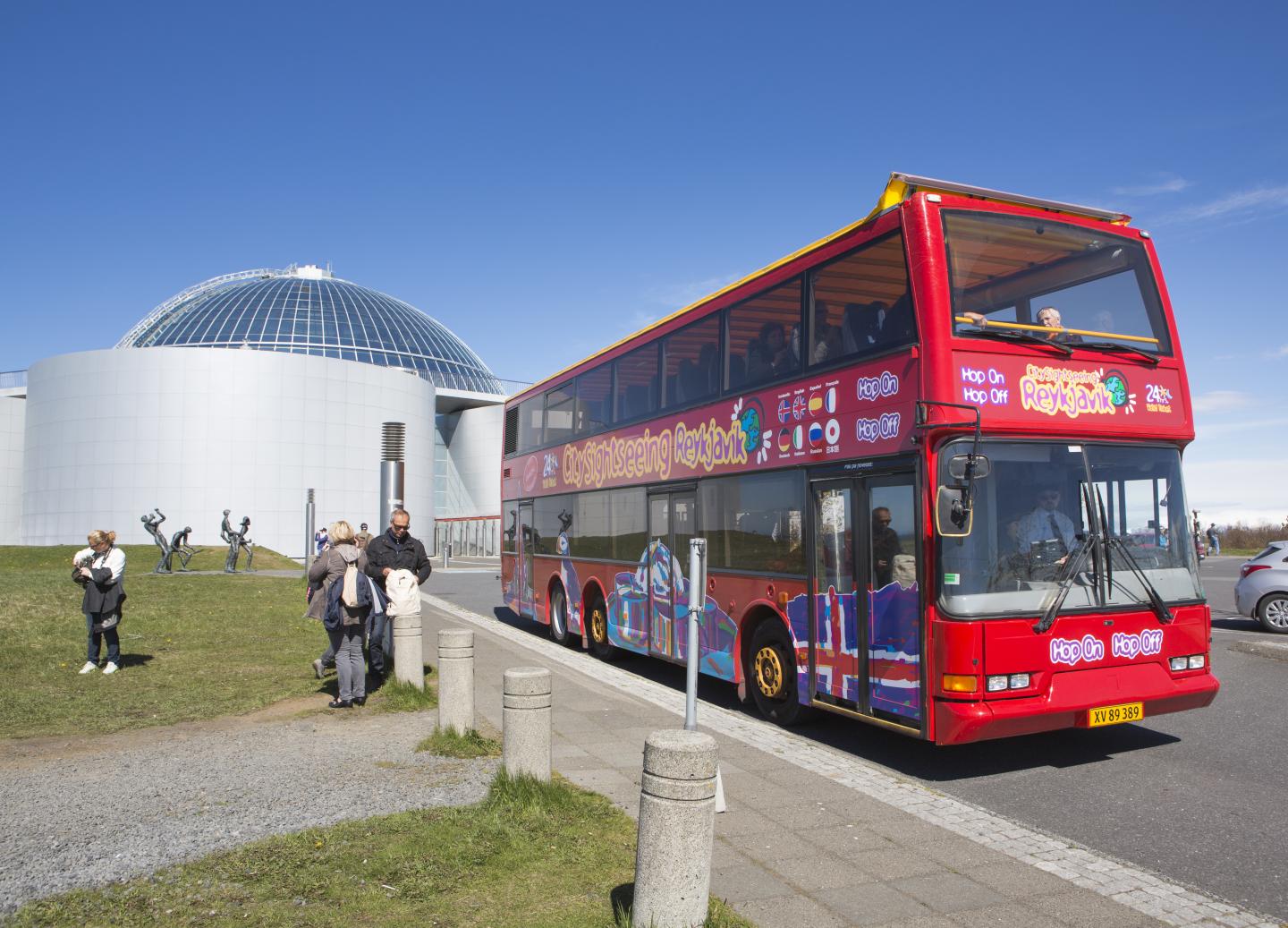
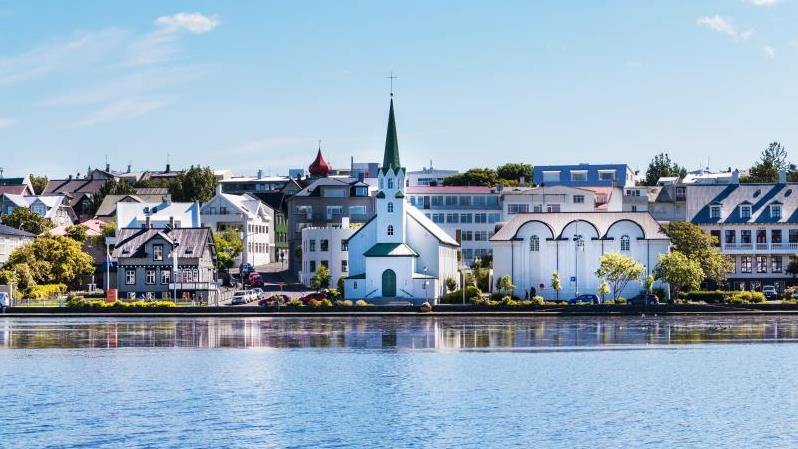
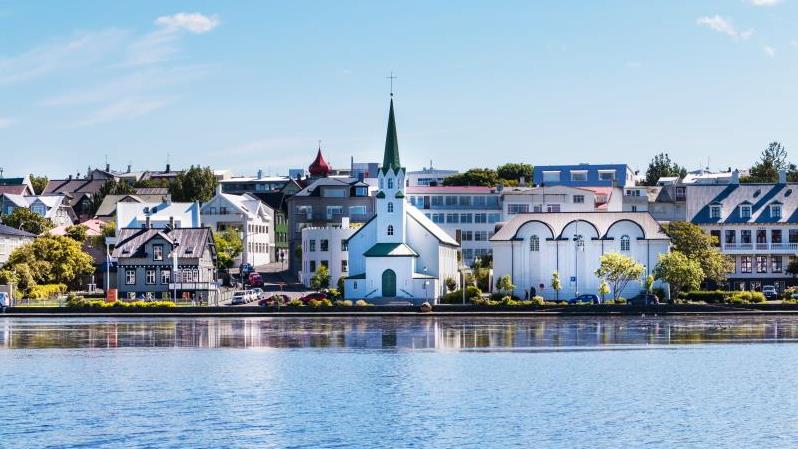
Reykjavik's urban fabric is more distinctive than most cruise passengers expect. The city's residential streets are lined with corrugated iron houses painted in deep blues, reds, yellows and greens — a practical architectural tradition born of the island's absence of building stone, now constituting a genuinely characterful streetscape. Hallgrímskirkja, the vast concrete church designed in 1937 by Guðjón Samúelsson and completed in 1986, looms above the city centre with a basalt column facade inspired by Iceland's lava formations. Its observation tower offers one of the finest panoramic views in the country. Below it, the old working-class neighbourhood of Skólavörðuholt flows down toward Laugavegur, the central shopping street, where Icelandic design studios, bookshops and cafes create a vibrant street life. The old harbour district, a short walk from the centre, has become a creative hub of restaurants, galleries and craft studios housed in converted fishing infrastructure.
Iceland's South Shore — Waterfalls, Black Sand and Glaciers
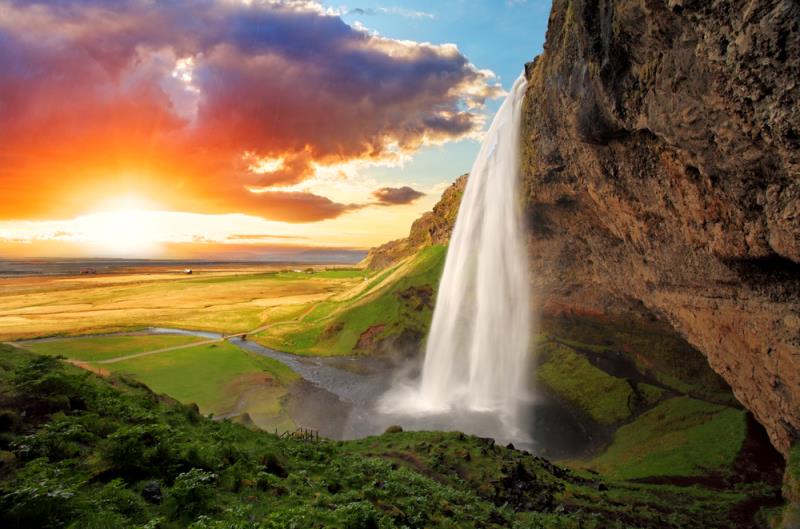
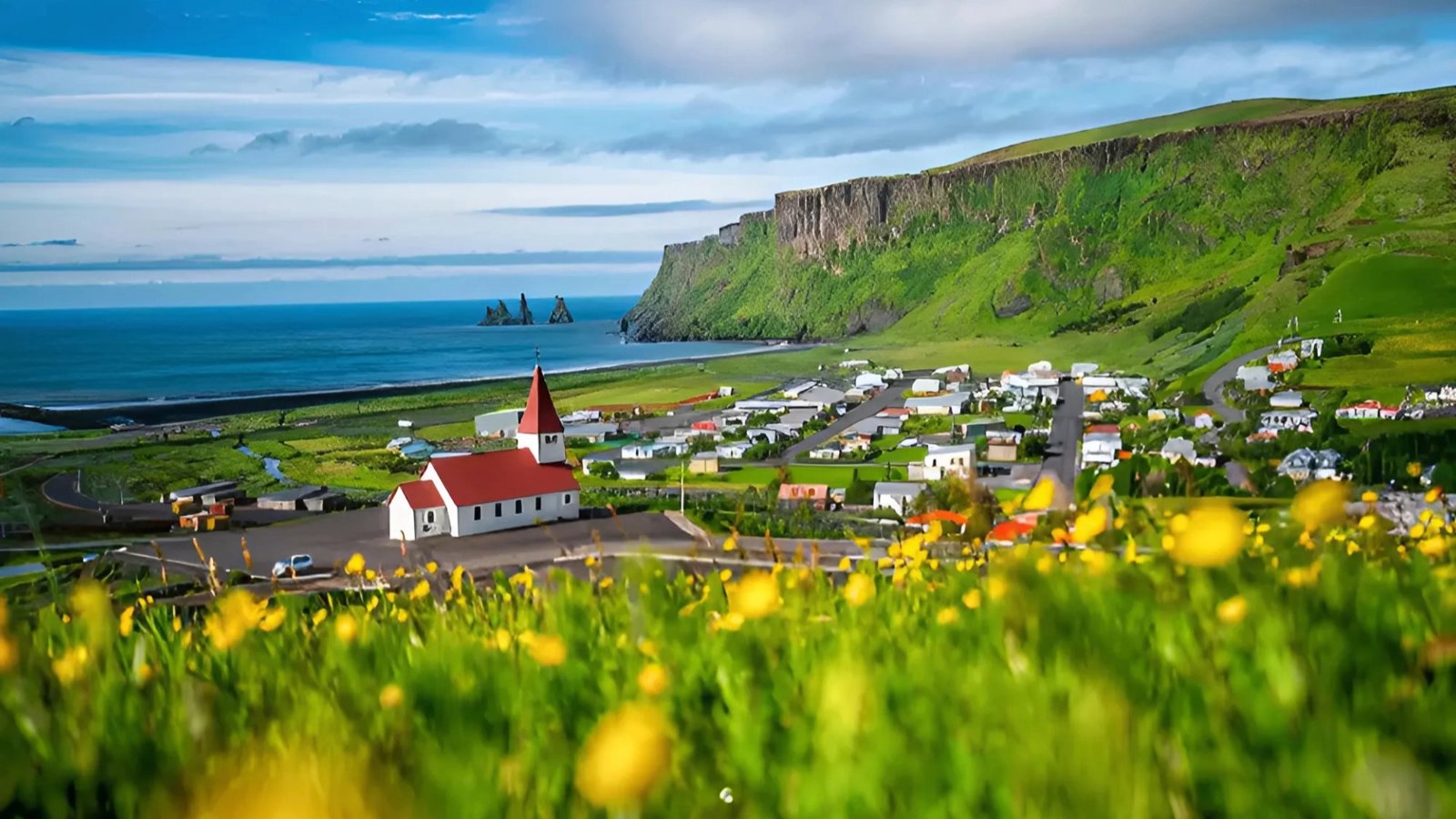
Iceland's South Shore stretches east from Reykjavik along one of Europe's most dramatic coastlines, accessible on full-day excursions of nine to ten hours. The route passes Seljalandsfoss — a waterfall you can walk behind — and Skógafoss, which tumbles 60 metres over a basalt cliff into a spray basin of exceptional beauty. Further east, the black sand beaches of Reynisfjara are framed by hexagonal basalt columns and dramatic sea stacks where Arctic terns dive in summer. The Eyjafjallajökull glacier (whose subglacial eruption disrupted European air travel in 2010) looms above the plain. The Mýrdalsjökull glacier, covering the active Katla volcano, dominates the horizon beyond. Some South Shore tours extend to the Jökulsárlón glacier lagoon, where icebergs calve into a lake before drifting to a nearby black sand beach. This is Iceland at its most cinematic — a landscape that consistently exceeds expectation even for experienced travellers.
Northern Lights and Reykjavik After Dark — Iceland's Seasonal Magic
For passengers calling at Reykjavik in September or October, the Northern Lights become a genuine possibility as the nights lengthen and the summer's perpetual daylight retreats. Aurora borealis appears when solar activity is sufficient and the sky is clear — Iceland's latitude (64°N) and its position on the Aurora Oval make Reykjavik one of the world's most accessible cities for Northern Lights viewing. Dedicated Northern Lights tours depart in the evening, driving away from city light pollution to rural areas with clear northward horizons and waiting for conditions to develop. The experience depends on factors beyond any guide's control, but Reykjavik consistently delivers some of the highest aurora viewing success rates of any city in the world. Beyond the lights, Iceland's evolving food and craft beer scene makes evening time in Reykjavik rewarding in its own right — the Old Harbour restaurants, the craft bars of Laugavegur and the Icelandic Punk Museum all draw visitors after dark.
Reykjavik travel tips
Dress in Layers, Every Single Month. Iceland's weather is genuinely unpredictable in any season. Even in July, a warm morning can give way to biting wind and rain within an hour. The golden rule is layering: a moisture-wicking base layer, an insulating mid-layer and a waterproof outer shell that covers both wind and rain. This applies whether you are walking the Golden Circle in June or exploring Reykjavik's streets in September. Gloves and a hat are worth packing even in high summer; on any excursion to a waterfall, expect to get wet. Visitors who arrive underprepared spend the first hour buying overpriced waterproofs in the harbour shops.
Pre-book Any Excursion Outside the City. The Golden Circle, South Shore, Reykjanes Peninsula and whale-watching tours are consistently popular and fill quickly, particularly on days when multiple large ships are in port simultaneously. Reykjavik is one of the busiest cruise destinations in Northern Europe; arriving without pre-arranged excursions can leave you choosing between last-minute options or a city-only day when you had hoped to reach the landscapes. Summer months — June, July and August — are the highest demand period. Booking your excursions before departure from your home port is the simplest way to secure the experience you want.
Confirm Your Berth Before Planning Your Day. Reykjavik has two distinct cruise berths with very different implications for the start of your day. The Old Harbour (Ingólfsgarður or Miðbakki terminals) is within a 10–15 minute walk of Hallgrímskirkja and Laugavegur. Sundahöfn, the larger container and cruise terminal about 3 km east of the centre, requires a short bus ride or arranged transport to reach the city. Knowing in advance which terminal your ship is using allows you to plan your morning accordingly and avoid wasting time.
Spend Time on Laugavegur for Genuine Local Character. Laugavegur and its extension Skólavörðustígur form the spine of Reykjavik's independent shopping and dining scene. Icelandic design studios, wool shops selling locally made lopapeysa sweaters, concept stores, excellent coffee roasters and a wide range of restaurants make this street genuinely rewarding for several hours of walking. The neighbourhood extends uphill toward Hallgrímskirkja and downhill toward the old harbour, making it easy to combine with the church tower and the waterfront in a single morning circuit.
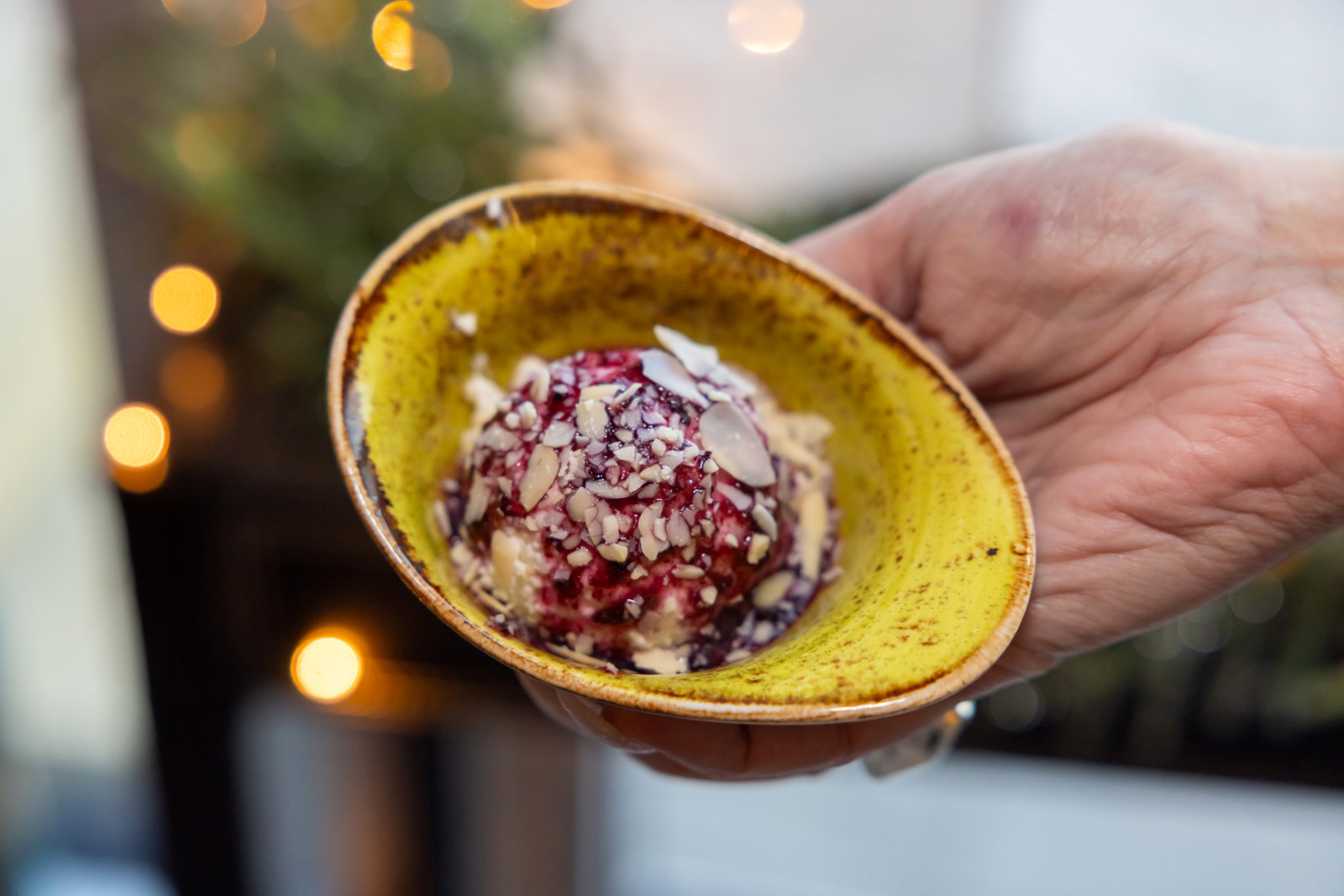
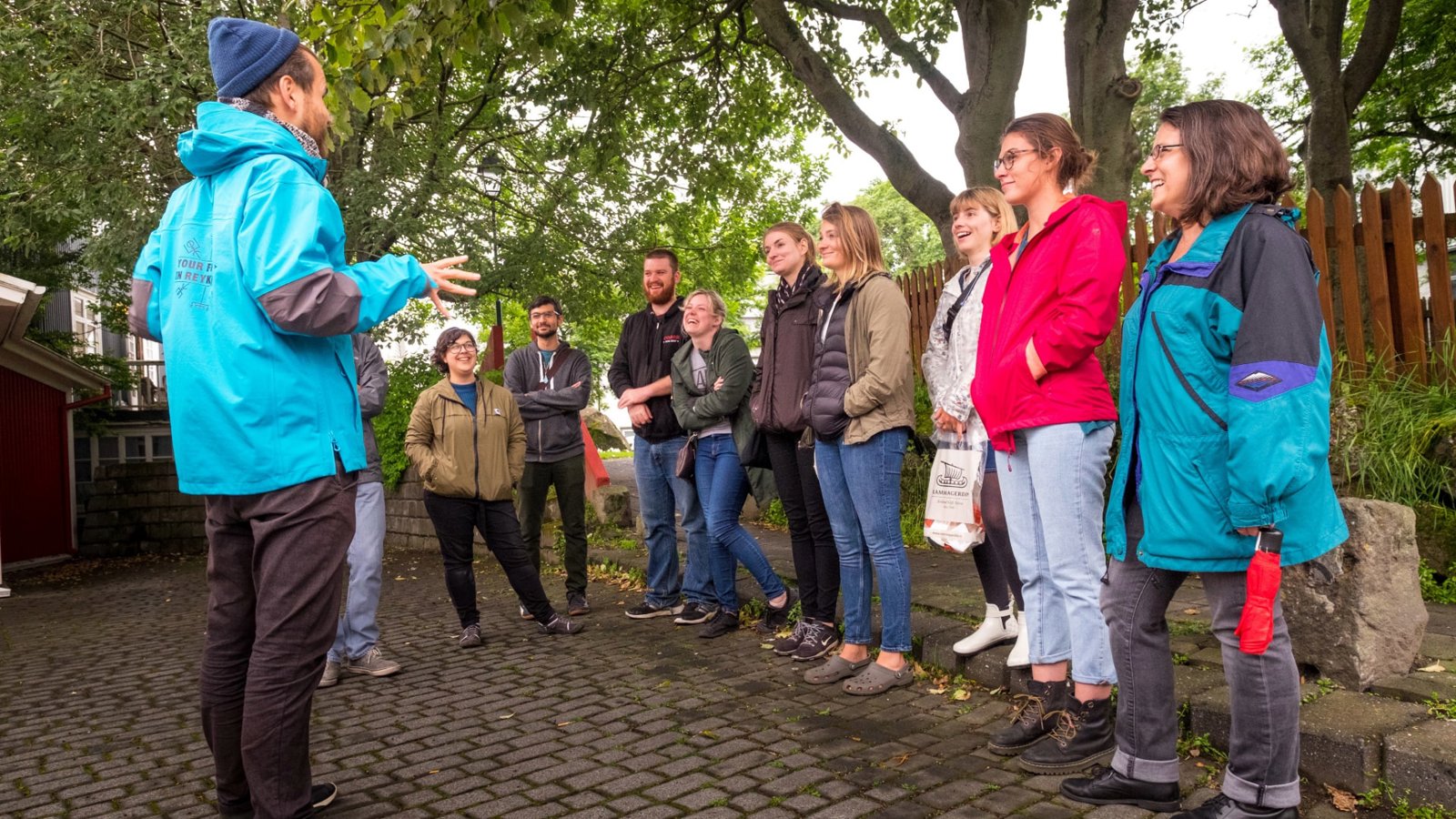
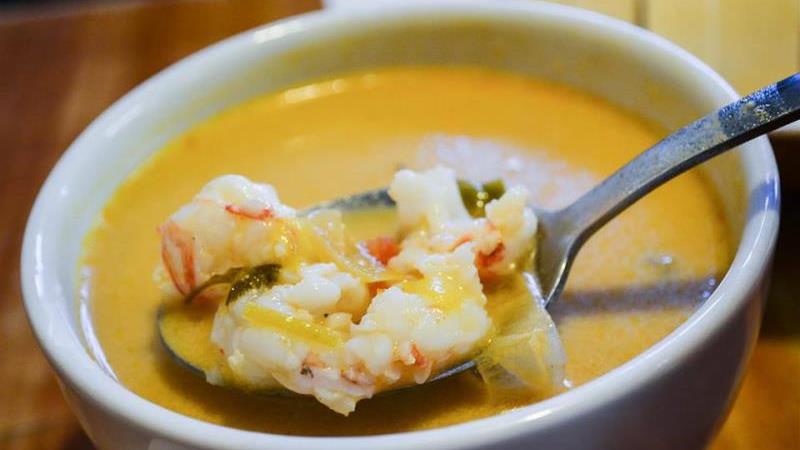
Try the Local Food Scene with Purpose. Reykjavik's food culture has changed dramatically over the past decade and is worth engaging with seriously. Langoustine soup — made from the small, sweet Norwegian lobsters caught in Iceland's offshore waters — is outstanding and appears on menus across the city. Kjötsúpa (Icelandic lamb soup) is deeply warming after a cold excursion. Fresh Arctic char, slow-roasted lamb and skyr desserts are genuinely local. Food tours of the city's bakeries and artisan shops provide an organised introduction to Icelandic culinary culture for those who prefer guided context. The Old Harbour area has the highest concentration of quality restaurants within easy walking distance of both berths.
Set Realistic Expectations for the Northern Lights. The Northern Lights are one of the world's most sought-after natural phenomena, but they cannot be guaranteed by any guide or tour operator. Three conditions must align simultaneously: solar activity must be sufficient, the sky must be clear, and it must be dark enough — which in Reykjavik means September through March only. Summer cruise passengers will not see them regardless of solar activity, as Iceland's midnight sun prevents adequate darkness. September and October callers have a genuine chance on clear nights. If Northern Lights tours are available during your visit, they are worth joining for the experience of Iceland after dark even if the lights do not appear — the volcanic landscape at night carries its own atmosphere.
Port Facts Every Cruiser Needs To Know
Reykjavik shore excursion FAQs
Reykjavik has two main cruise berths. The Old Harbour terminals (Ingólfsgarður and Miðbakki) are centrally located, within a 10–15 minute walk of the city centre and Hallgrímskirkja. Sundahöfn, the larger industrial harbour, is approximately 3 km east of the centre and serves the biggest cruise ships; passengers here need transport to reach the city. Your cruise line documentation will specify which terminal your ship is assigned to.
The Golden Circle is Iceland's most popular tourist route, a roughly 300-kilometre circuit from Reykjavik that visits three major natural attractions: Þingvellir National Park (a UNESCO World Heritage Site where the tectonic plates meet and Iceland's ancient parliament convened), the Geysir geothermal area where the Strokkur geyser erupts every 5–10 minutes, and Gullfoss, a spectacular two-tiered waterfall. Standard tour departures take 8–9 hours, fitting comfortably within a typical cruise port day of 8–12 hours. Some expanded itineraries combine the Golden Circle with a geothermal lagoon soak or volcanic crater visit and run to 10 hours.
Faxaflói Bay, directly outside Reykjavik's harbour, supports a rich marine ecosystem. Humpback whales, minke whales, white-beaked dolphins and harbour porpoises are the most frequently sighted species. Humpbacks are most active and easiest to see during summer months (June–August). Puffins nest in large colonies on the islands and sea cliffs off Reykjavik from late April through August; some tours combine puffin and whale watching in a single departure. Sea angling trips allow passengers to fish in Icelandic waters and cook their catch on board.
Potentially, yes — but only if your cruise calls at Reykjavik in September, October, or November. The Northern Lights require darkness, which Iceland's summer Midnight Sun prevents entirely from May through August. September and October callers have a genuine chance on clear, low-solar-activity nights. Northern Lights tours typically depart in the evening and drive to rural areas away from city light pollution. Success depends on weather and solar conditions, neither of which can be guaranteed. The tours are worth booking on September and October calls as the Icelandic landscape at night has its own appeal regardless of aurora activity.
The Reykjanes Peninsula is the lava-covered landmass southwest of Reykjavik that contains Keflavík International Airport. It sits directly above a volcanic hot spot on the Mid-Atlantic Ridge and has experienced a series of volcanic eruptions since 2021, at times producing dramatic lava fountains accessible on guided excursions. Even between eruptions, the peninsula features fumaroles, bubbling mud pools, the Bridge Between Continents (spanning the North American and Eurasian tectonic plates), and the remarkable Blue Lagoon geothermal spa complex. It is the closest active volcanic zone to Reykjavik and provides a striking complement to the geological story told across Iceland.
Two to three hours is sufficient to cover the main city highlights on foot: the view from Hallgrímskirkja's tower, a walk down Skólavörðustígur to Laugavegur, the old harbour area and the waterfront. Reykjavik is a compact, walkable city of around 130,000 people. Most passengers who take full-day excursions to the Golden Circle or South Shore see the city only in transit; those who choose to remain in Reykjavik rather than taking a countryside excursion generally find the city fills a pleasant four-hour morning without difficulty.
Iceland uses the Icelandic Króna (ISK). Card payment is accepted virtually everywhere in Iceland — restaurants, shops, taxis, market stalls, museum admissions and even some street vendors. Iceland is one of the most cashless societies in the world, and carrying Króna in cash is rarely necessary. Major international debit and credit cards (Visa, Mastercard) work seamlessly. It is worth notifying your card provider before travel to avoid security blocks.
Several dishes represent Iceland's food culture authentically. Langoustine (Icelandic lobster) soup is outstanding and widely available near the old harbour. Kjötsúpa — a simple, hearty lamb soup with root vegetables — is deeply warming and very local. Plokkfiskur, a creamy hash of cod and potatoes, is an Icelandic home-cooking staple that appears on some restaurant menus. Skyr, Iceland's thick dairy product eaten like yoghurt, is found everywhere. For the adventurous, hákarl — fermented Greenlandic shark with a very strong flavour — is a traditional Icelandic ingredient available at the Kolaportið flea market. The craft beer scene is excellent; local breweries produce diverse pale ales, stouts and seasonal releases.
Yes — Iceland's South Shore is among the most visually dramatic day excursion routes in Europe. The route passes waterfalls you can walk behind (Seljalandsfoss), a 60-metre curtain of water framed by basalt (Skógafoss), black sand beaches edged with hexagonal lava columns (Reynisfjara), and the glacier tongues and volcanic massifs of the interior. South Shore tours run 9–10 hours, making them longer and more demanding than the Golden Circle, but the coastal and glacial scenery adds a different dimension. Passengers who have done the Golden Circle on a previous Iceland call often choose the South Shore as the natural complement.
Layering is essential, whatever the season. Even in July — the warmest month — temperatures average around 12°C and can drop sharply with wind. Bring a moisture-wicking base layer, a warm mid-layer (fleece or down), and a waterproof and windproof outer shell. Waterproof footwear is highly recommended for any excursion involving waterfalls, lava fields or off-road terrain. A hat and gloves are worthwhile even in summer. Visitors who under-dress for Iceland's conditions generally spend a cold, damp day rather than enjoying the landscapes — the weather changes quickly and the outdoor attractions are fully exposed to Atlantic conditions.
Filters
Select a filter to refine results.
Tour Type
Tour Activity
 Cart
Cart
 USD
USD GBP
GBP AUD
AUD EUR
EUR CAD
CAD