



Tours in Sorrento


Cruising to Sorrento in a group?
Skip the crowded ship excursion bus. One dedicated planner will design a private shore experience around exactly what your group wants — coordinated from first enquiry to the moment you're back on board. More memorable, more flexible, and more affordable than you might expect. Spend less time organising, more time enjoying.
Explore Group Travel →Cruising to Sorrento
Sorrento clings to the edge of a steep volcanic cliff above the Bay of Naples with the kind of theatrical confidence that only centuries of admiration can produce. The town has drawn artists, writers and travellers since the Grand Tour era, and its combination of lemon groves, Baroque churches, elegant Liberty-era hotels and the eternal blue of the bay below remains as potent as ever. For cruise passengers, Sorrento's real significance lies not just in the town itself but in its extraordinary position at the centre of one of Europe's most densely rewarding travel regions.
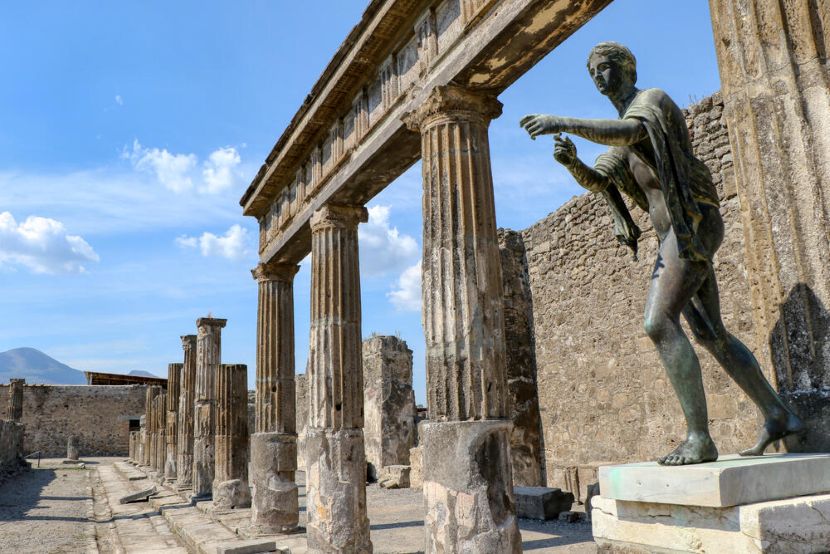
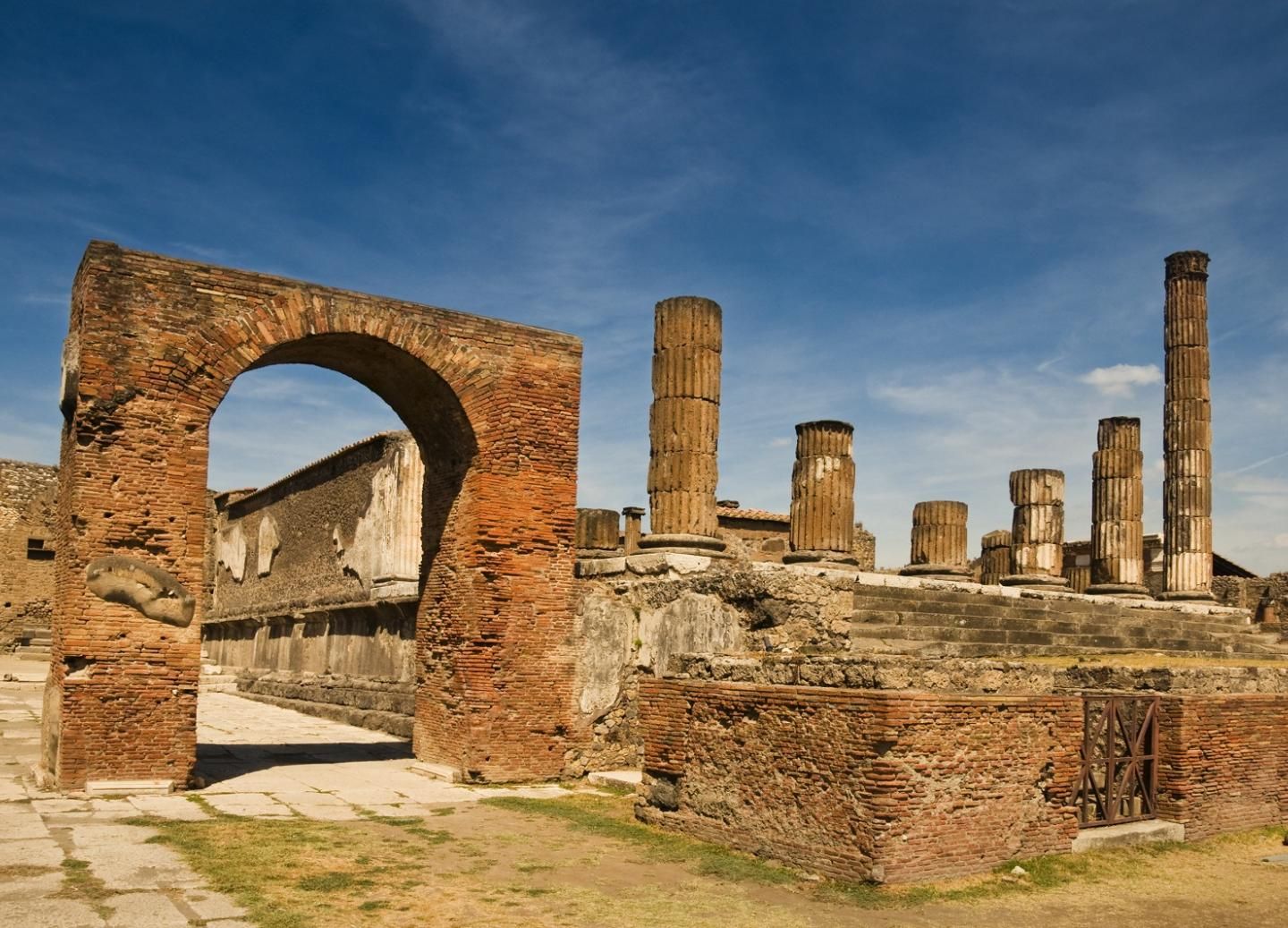
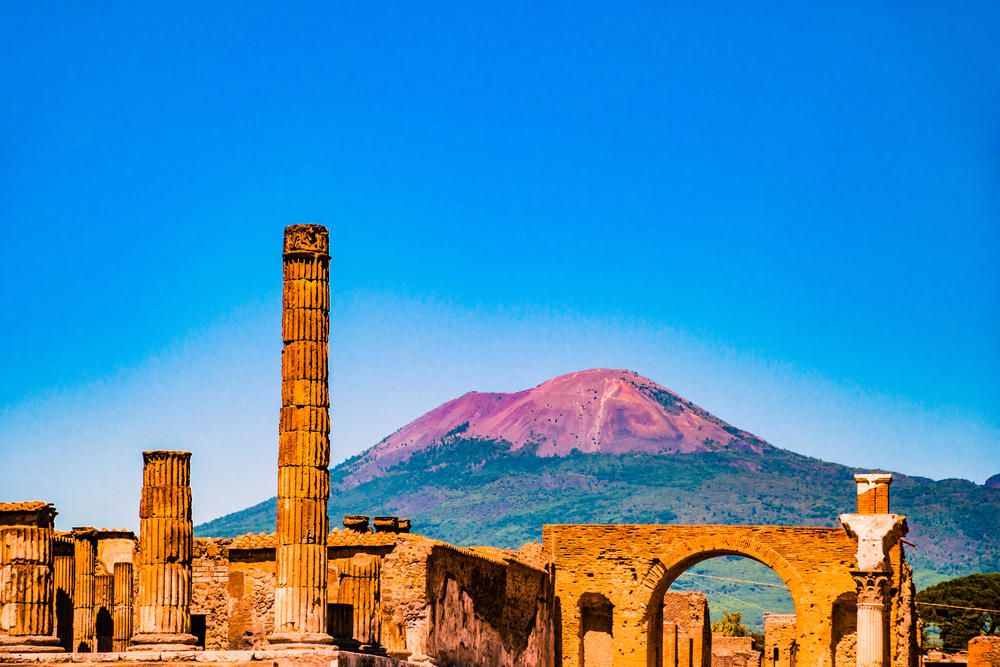
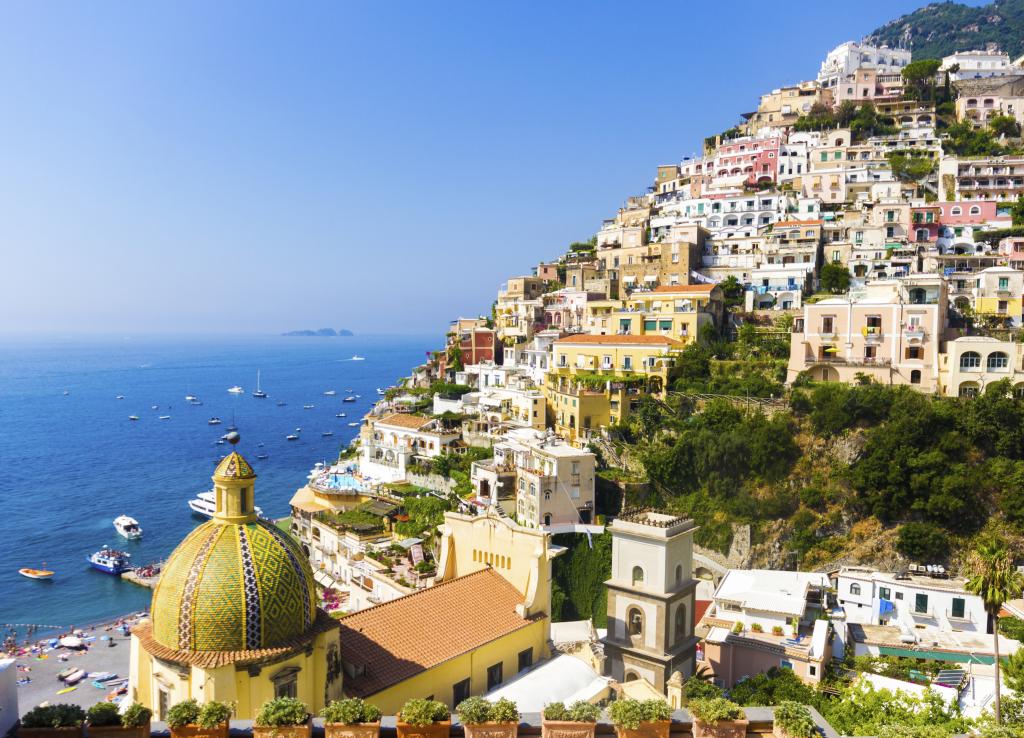
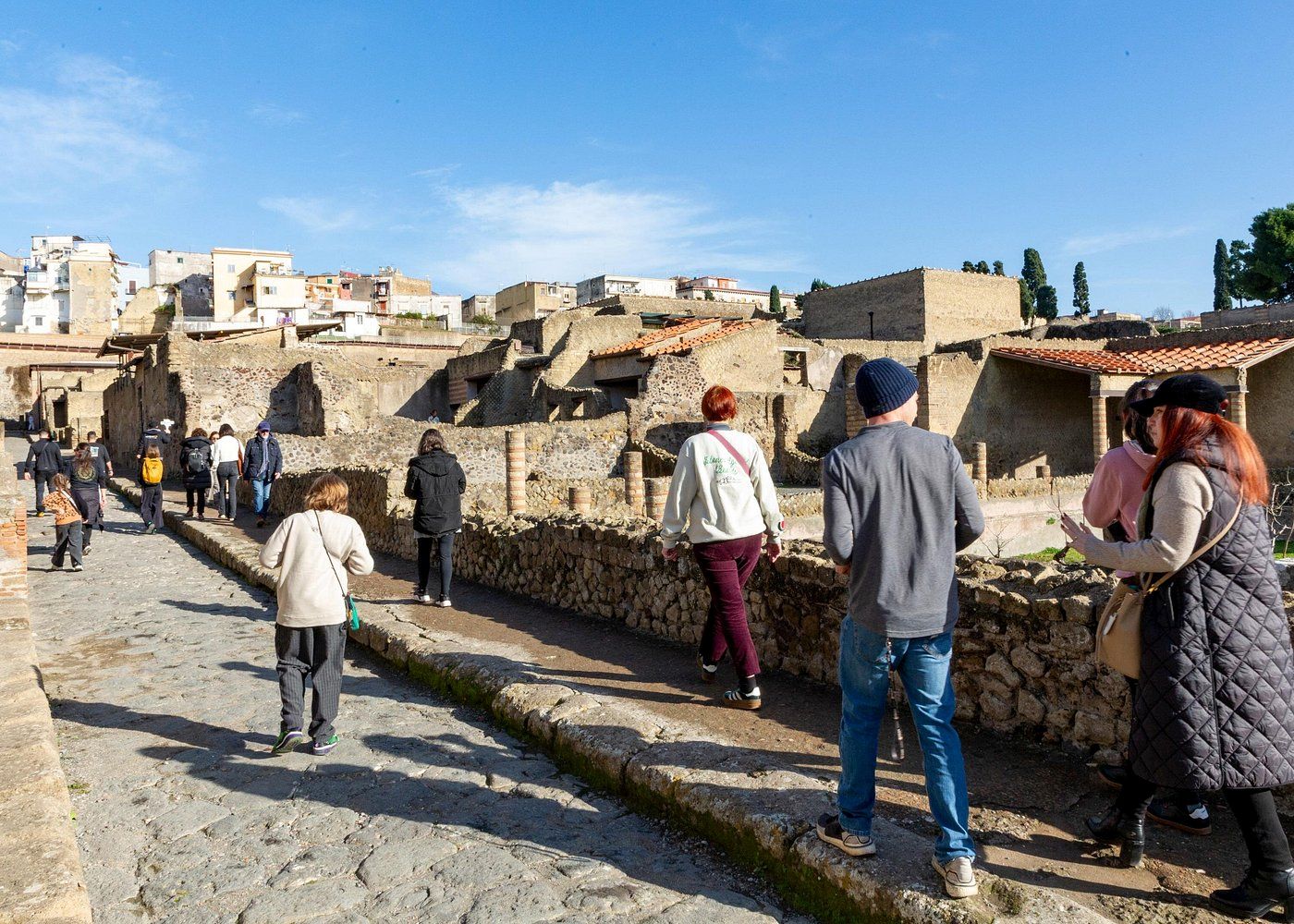
Within a day's excursion from Sorrento, guests can walk the remarkably preserved streets of Pompeii or the more intimate ruins of Herculaneum — both frozen in time by Vesuvius's eruption in 79 AD. The island of Capri, a forty-minute boat ride across the bay, offers grottos, sea-cliffs, designer boutiques and some of the Mediterranean's most celebrated views. The Amalfi Coast road, one of the most dramatic corniche drives on the planet, leads to Positano and beyond, each clifftop village more picturesque than the last.
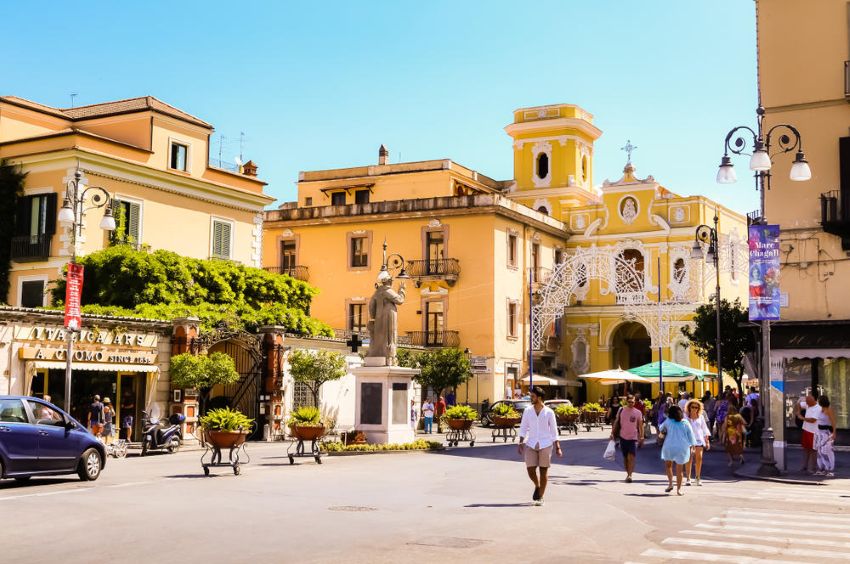
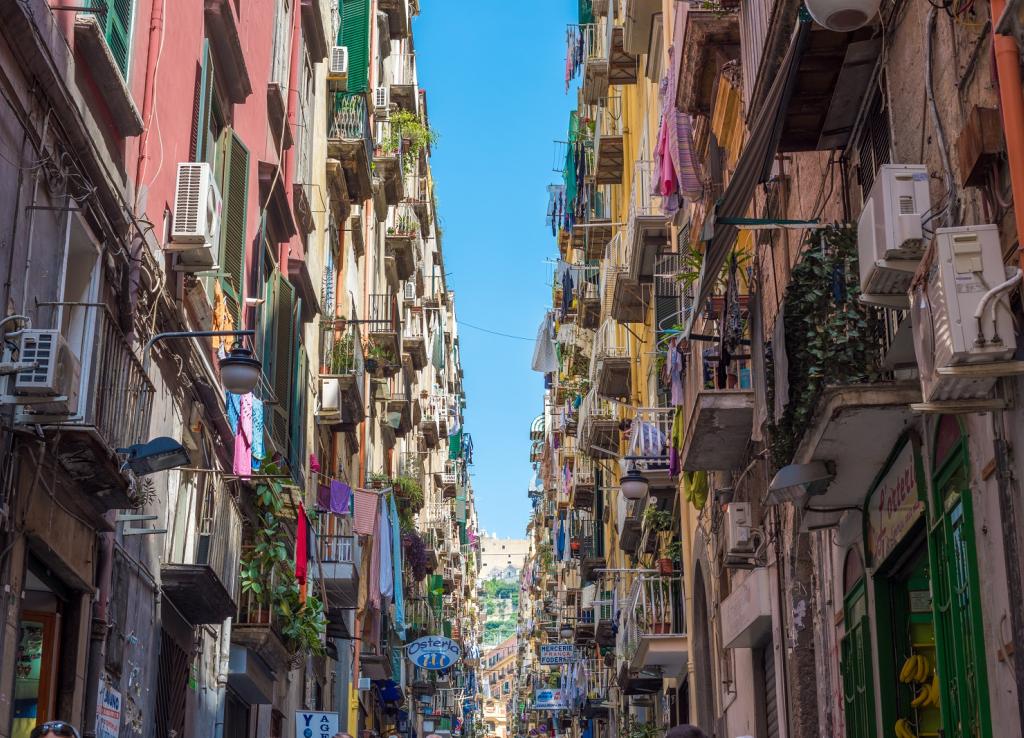
Sorrento itself rewards those who choose to stay within its boundaries. The old town's labyrinthine lanes around Piazza Tasso conceal artisan workshops selling intarsia woodwork, limoncello distilleries, ceramic studios and family-run restaurants serving the rich, tomato-anchored cuisine of the Campanian kitchen. The Villa Comunale gardens overhang the cliff directly above the sea, providing what may be the finest free panoramic viewpoint on the Bay of Naples.
The port of call for cruise passengers is the small harbour of Marina Piccola, directly beneath the cliff. The town centre lies directly above, accessible via a short funicular or a steep staircase. From this compact base, the options spread outward in every direction — by boat across the bay, by coach along the corniche, by foot through the old town — making Sorrento one of the most versatile and satisfying ports of call in all of Mediterranean cruising.
Top things to do in Sorrento on a cruise stopover
Capri — The Island That Invented the Mediterranean Dream
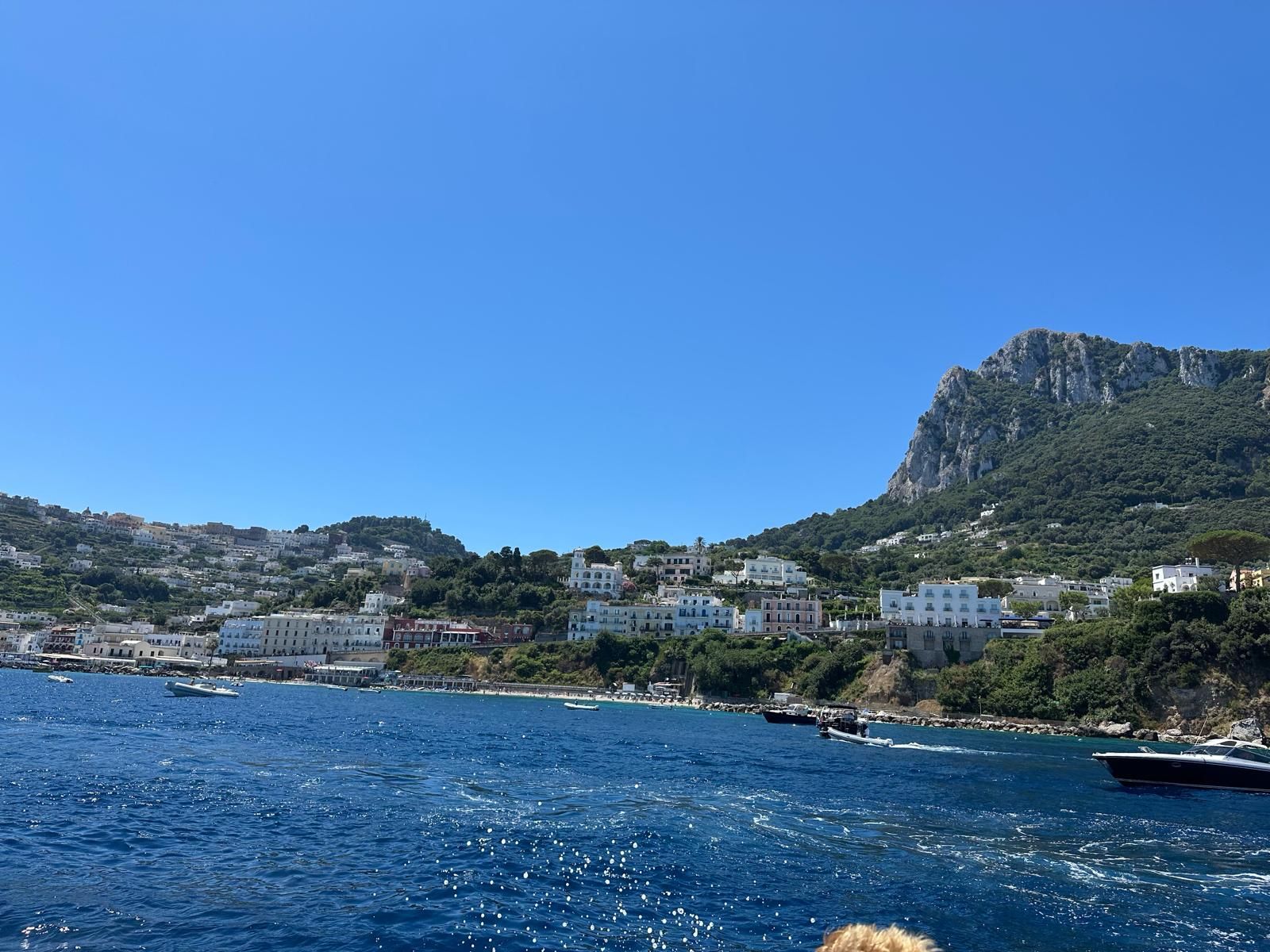
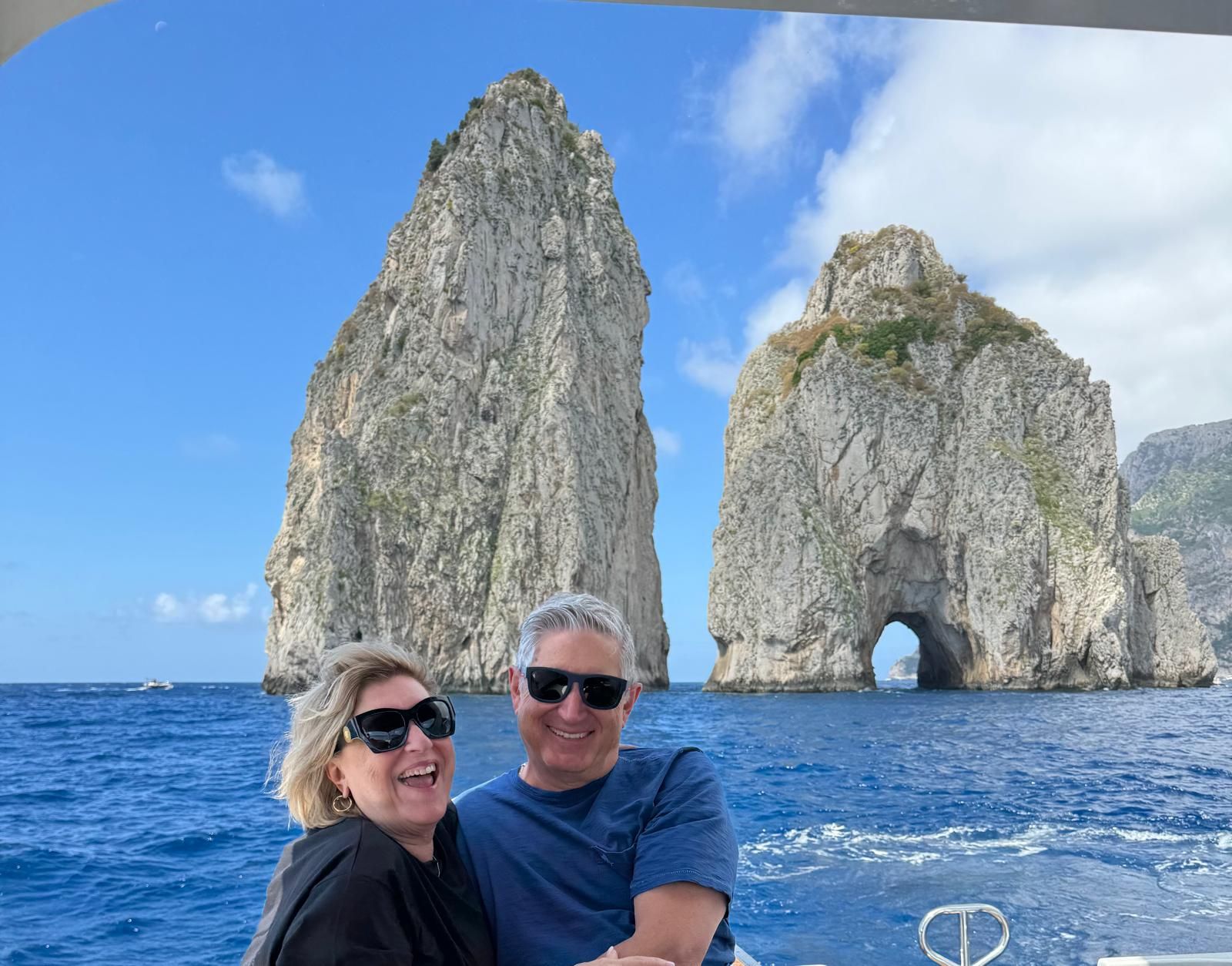
The island of Capri rises from the Bay of Naples in a series of dramatic limestone cliffs, sea-sculpted grottos and terraced gardens that have captivated visitors from Roman emperors to contemporary filmmakers. The island's two settlements — Capri town with its glamorous Piazzetta and hilltop Anacapri — offer a study in contrasts: the first sophisticated and fashionable, the second quieter and more authentically island in character. The Blue Grotto (Grotta Azzurra), where reflected sunlight turns the sea inside an ancient sea cave into an otherworldly electric blue, remains one of the Mediterranean's iconic natural experiences. The Faraglioni rock stacks rising from the sea at the island's southern tip are among the most photographed formations in Italy. Boat excursions from Sorrento offer the additional pleasure of viewing Capri's coastal architecture from the water, including cliff-face villas and hidden sea caves inaccessible from land.
Pompeii — A Roman City Frozen in Time
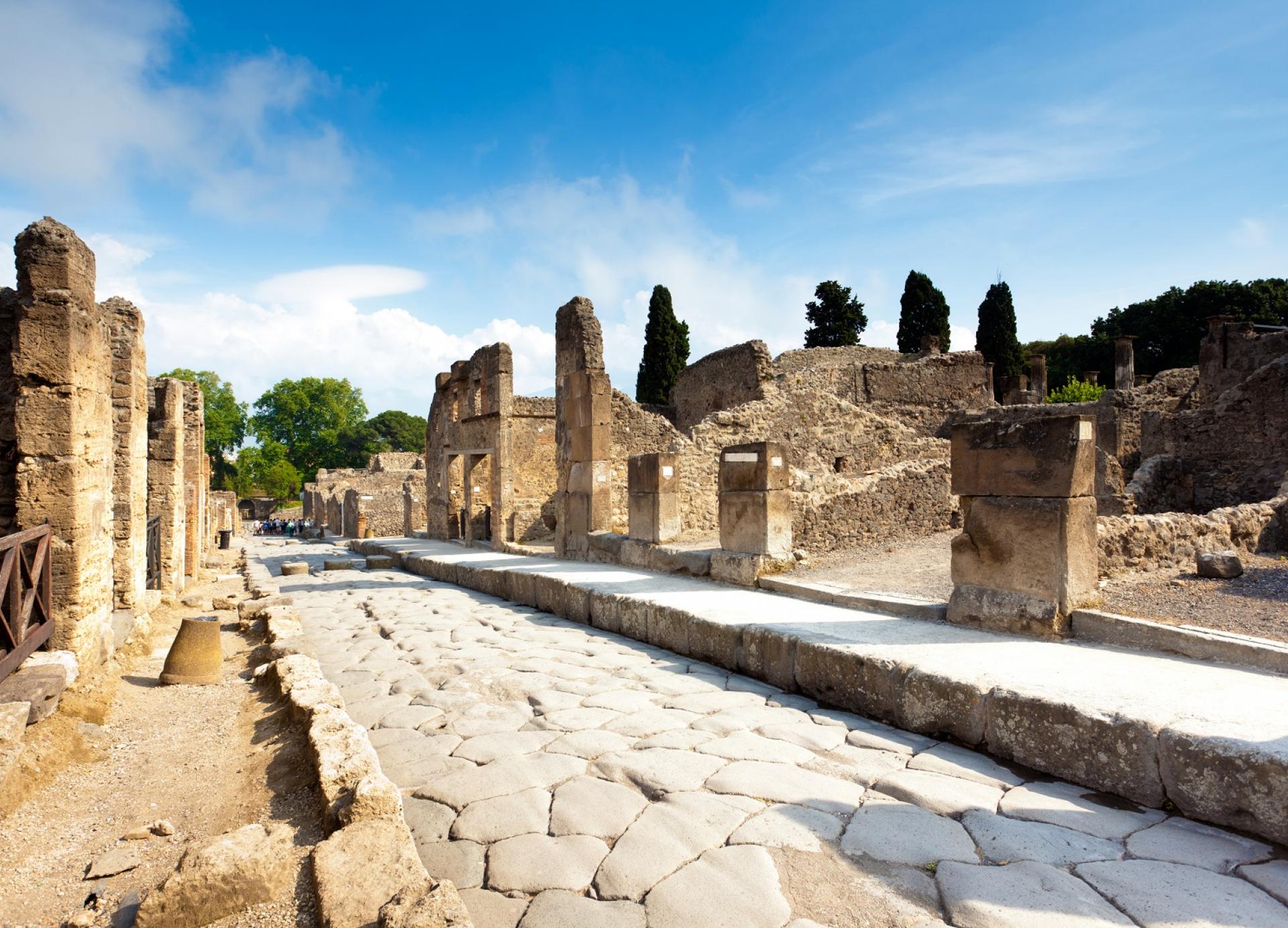
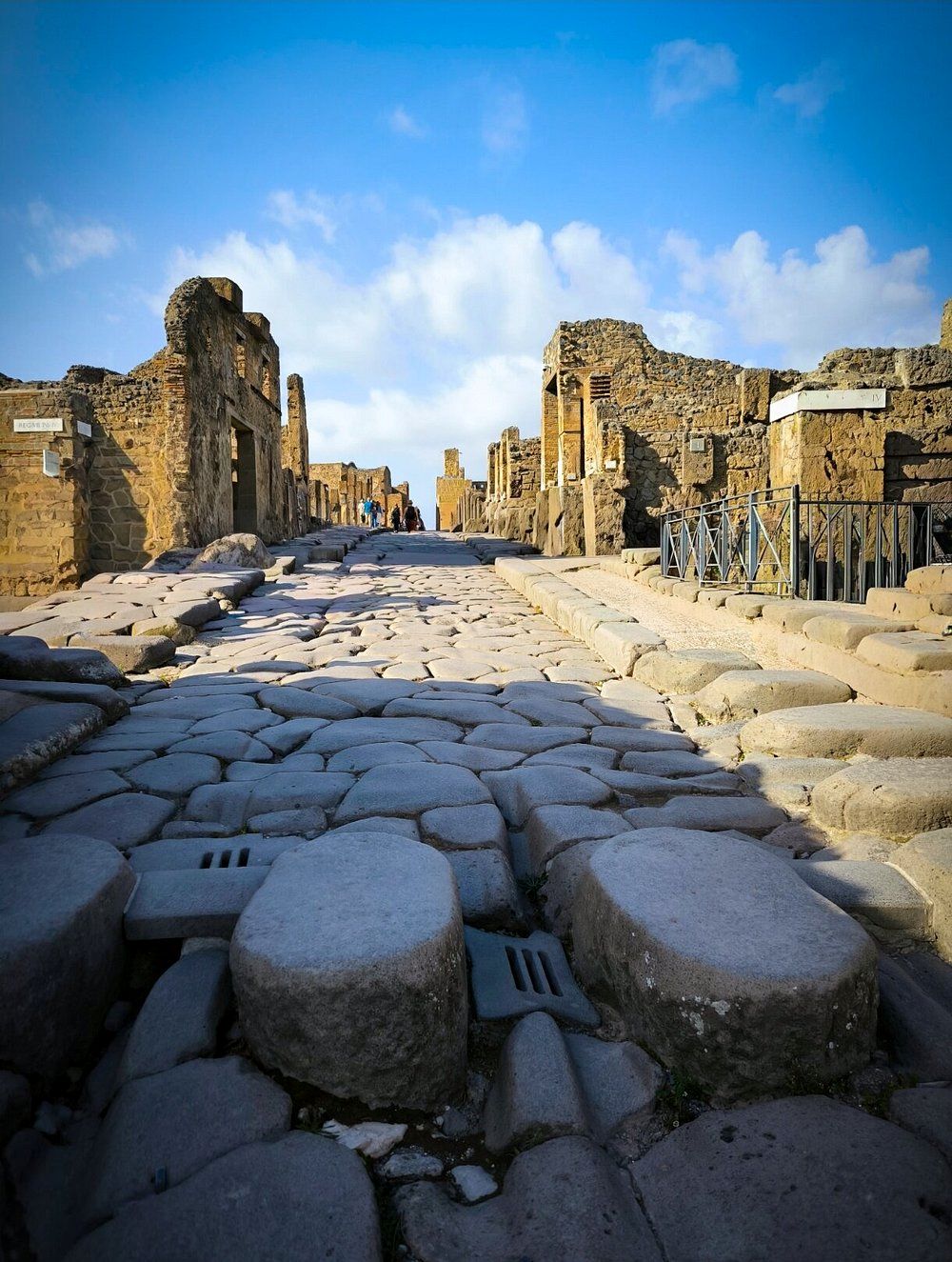
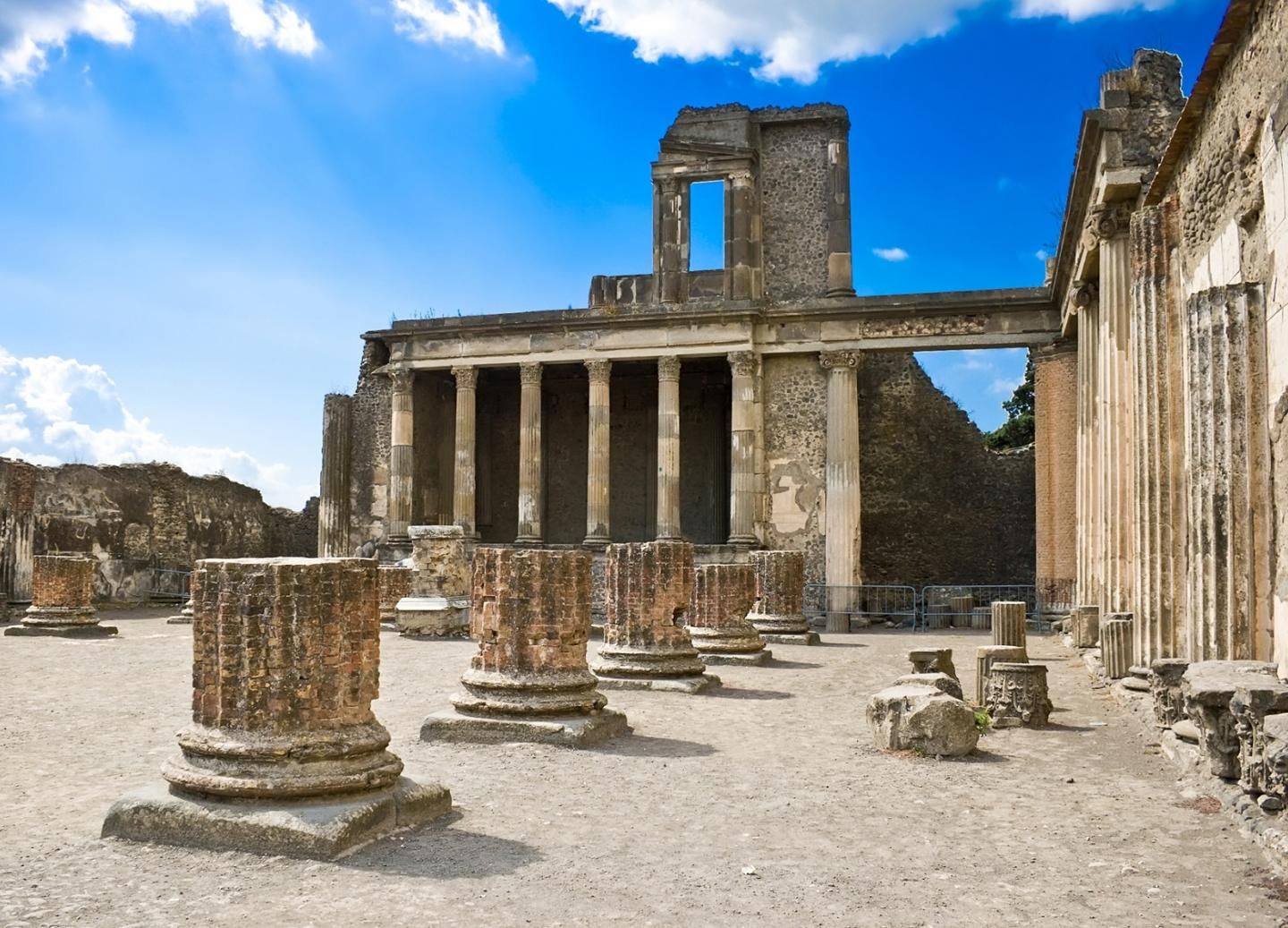
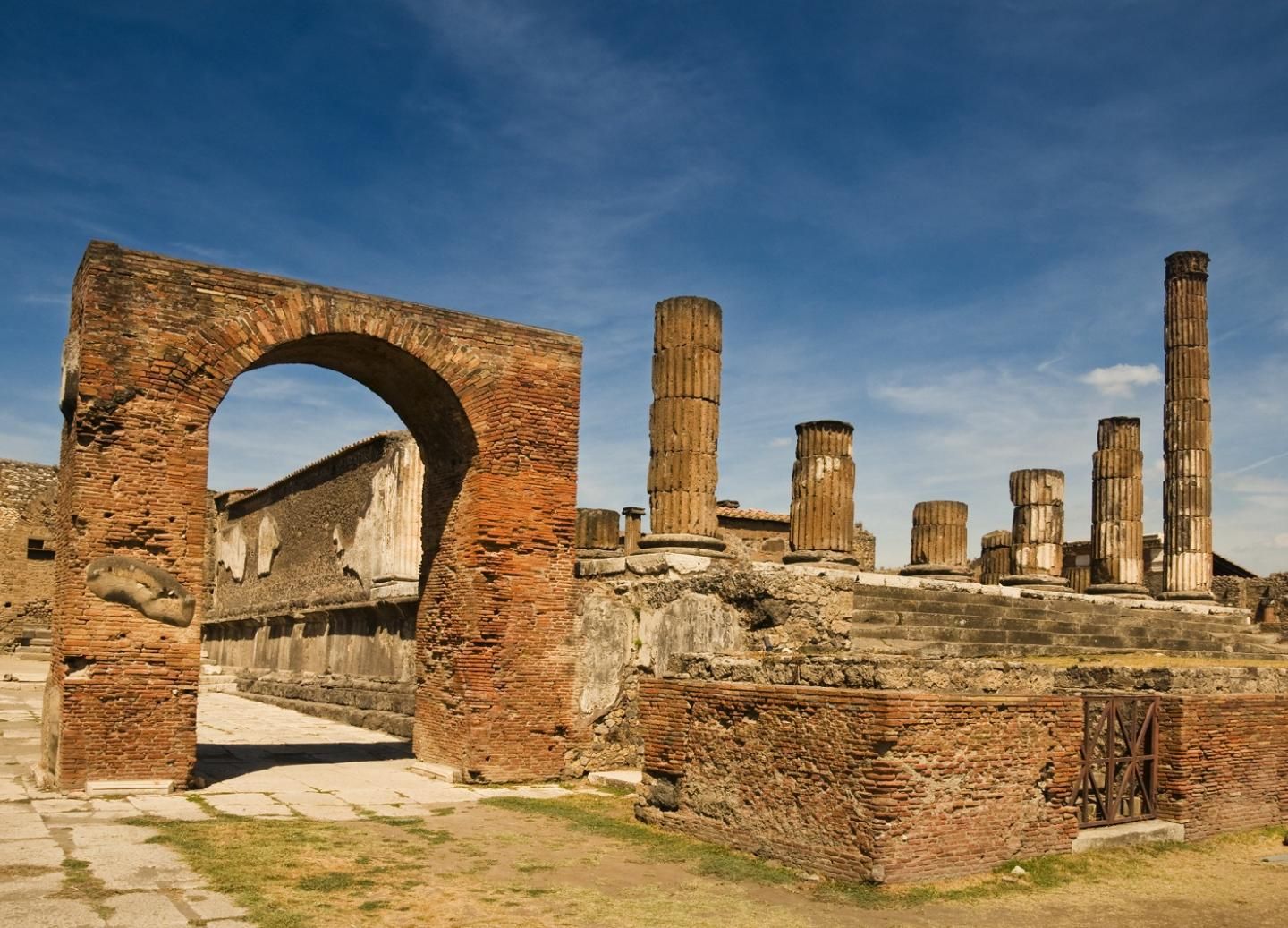
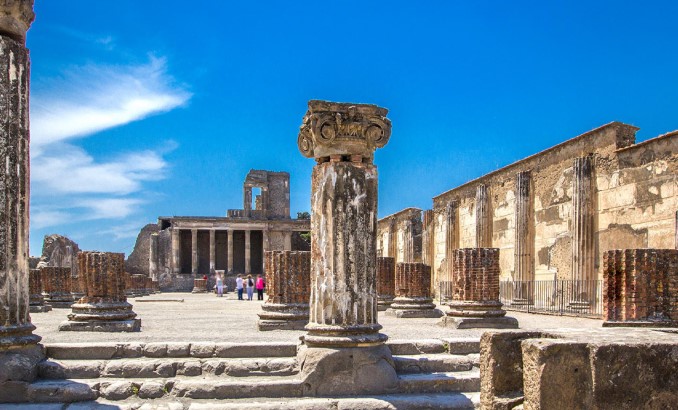
Buried by the catastrophic eruption of Mount Vesuvius in 79 AD and rediscovered in the eighteenth century, Pompeii represents one of the most significant archaeological sites anywhere in the world. The preserved city reveals Roman urban life with extraordinary intimacy — intact bakeries with charred loaves still in the ovens, bath houses with floor mosaics largely undamaged, election graffiti on street walls and plaster casts of victims caught in the final moments of the eruption. The site covers 66 hectares, making selective visiting essential for a shore day; highlights include the Forum, the Villa of the Mysteries with its extraordinary Dionysian fresco cycle, the House of the Faun and the haunting cast figures in the Garden of the Fugitives. Pompeii is accessible by Circumvesuviana train from Sorrento in approximately 30 minutes.
The Amalfi Coast — Europe's Most Dramatic Corniche
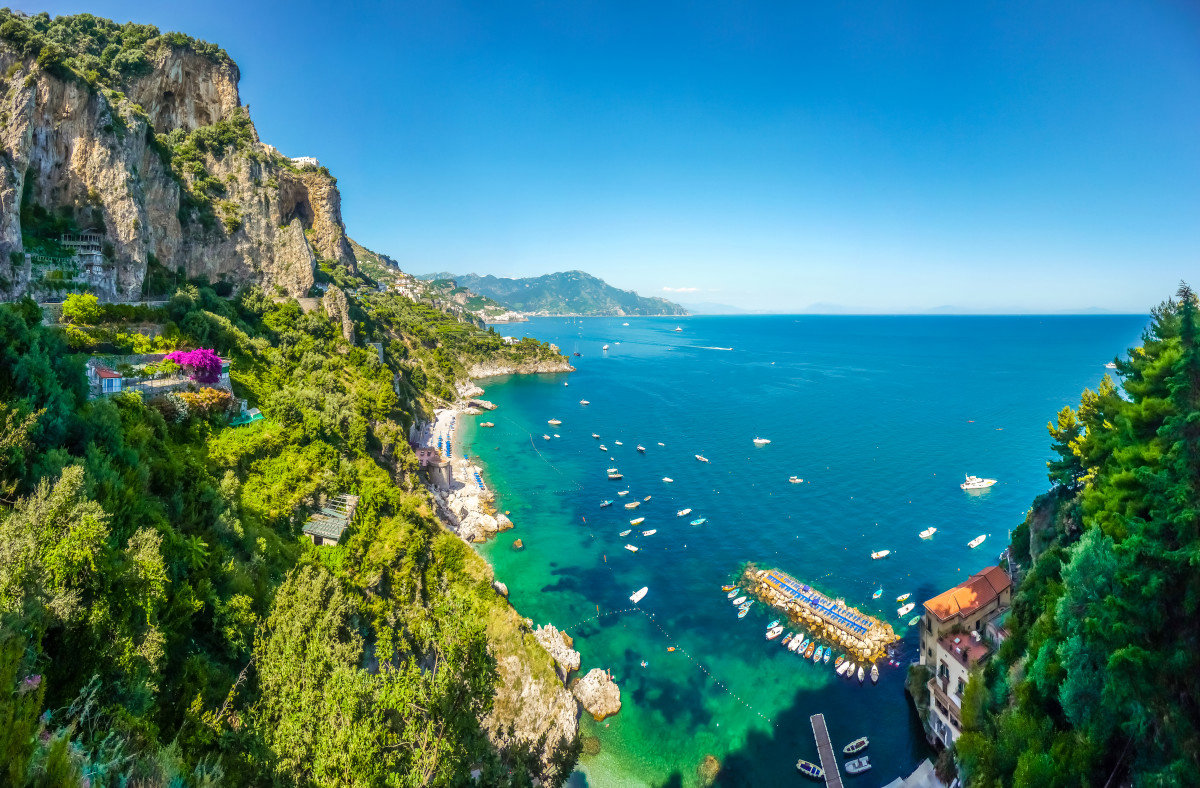
The 50-kilometre Amalfi Coast road between Sorrento and Salerno is designated a UNESCO World Heritage Cultural Landscape, threading through a succession of clifftop towns, lemon terraces, medieval watchtowers and sea viewpoints of staggering beauty. Positano, the most photographed of the coast's villages, cascades down a near-vertical hillside in pastel layers to a small beach below — its narrow lanes are stacked with ceramics, linen and limoncello shops. Amalfi town, once a powerful medieval republic whose maritime code governed Mediterranean trade, centres on a magnificent Arab-Norman cathedral. The drive itself — following cliff-edge curves with the sea hundreds of metres below and villages perched impossibly overhead — is an experience regardless of the destination. Shore excursions offering this journey by private vehicle afford the most flexibility for stops.
Herculaneum — Pompeii's More Intimate Companion
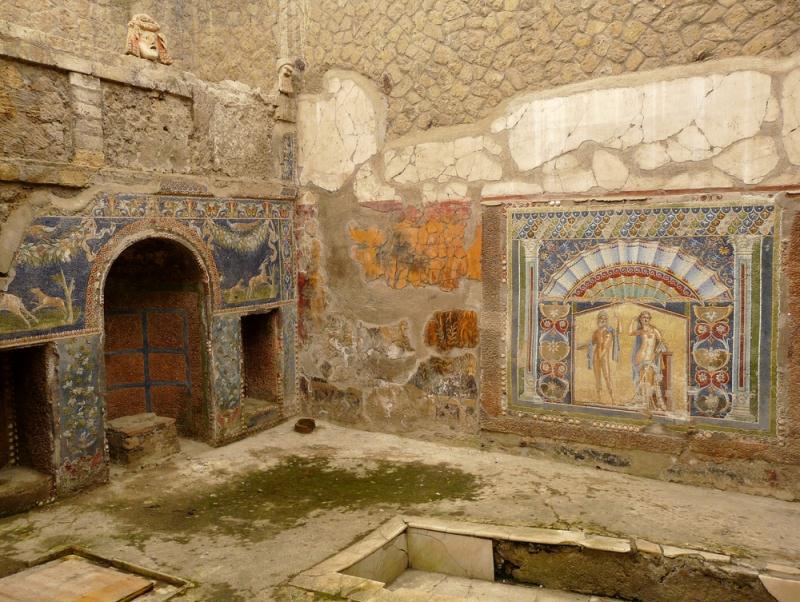
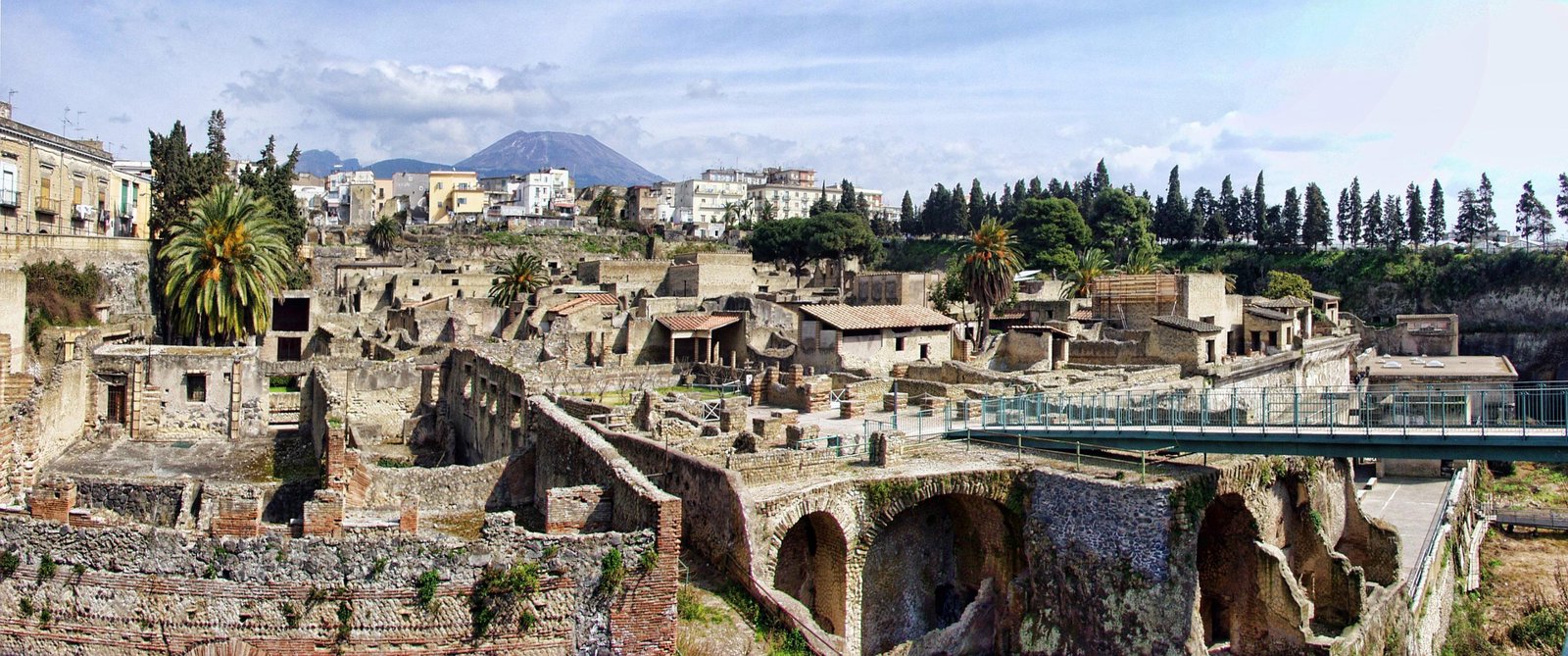
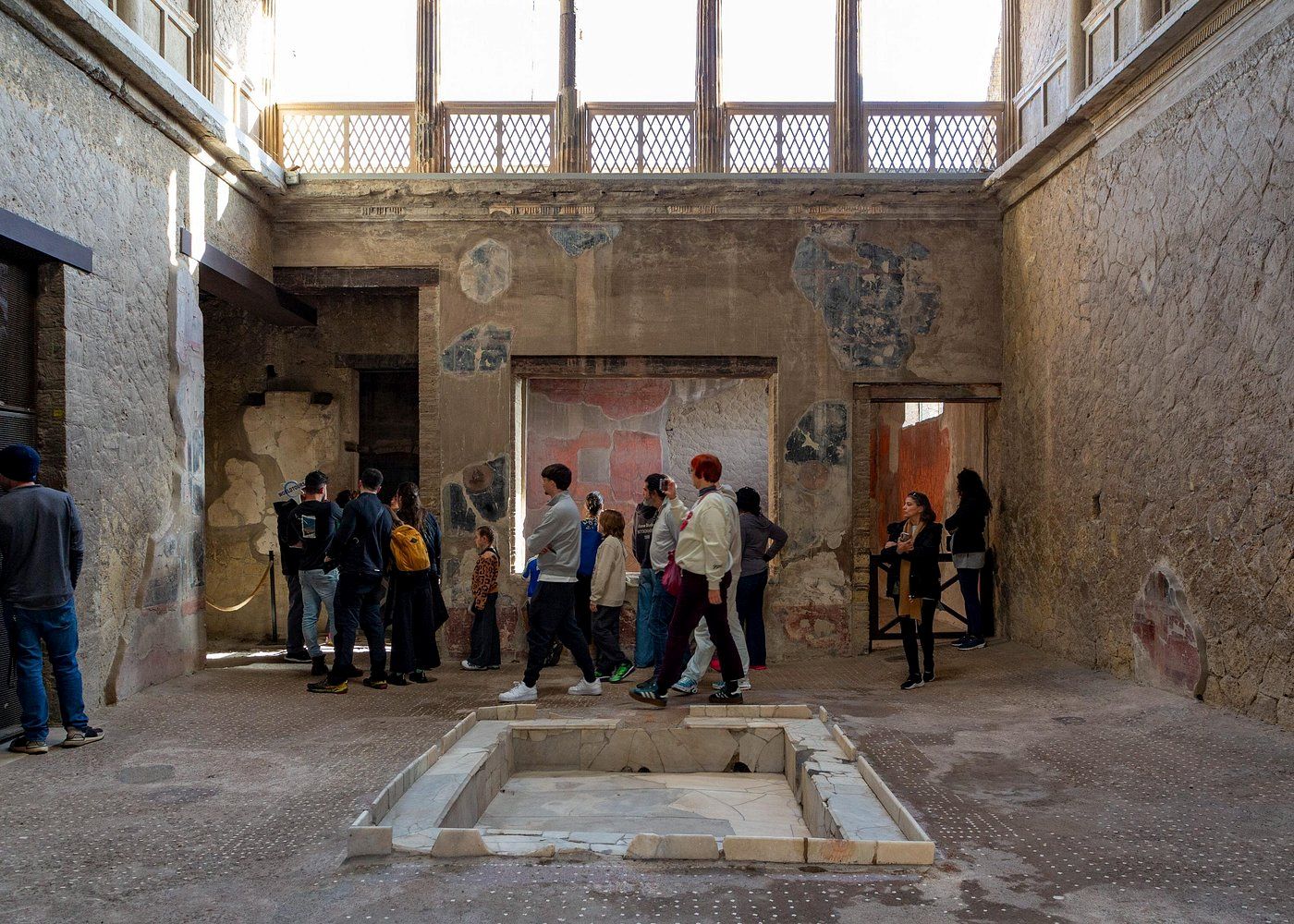
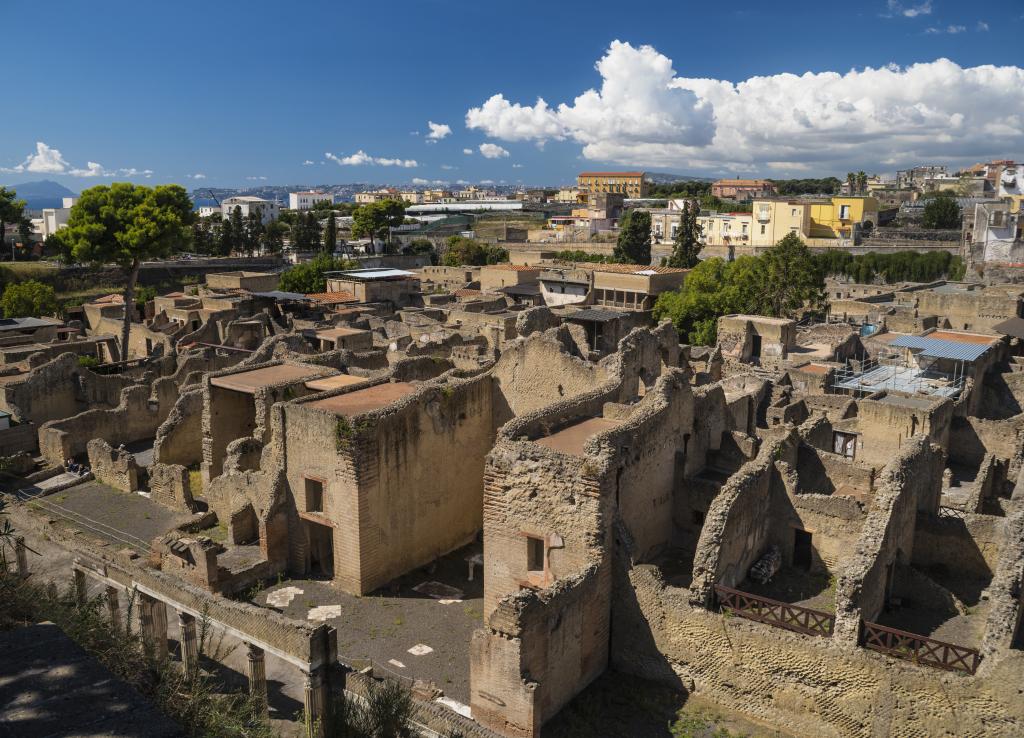
Buried by the same Vesuvian eruption as Pompeii but by a different mechanism — superheated pyroclastic flows rather than ash — Herculaneum was preserved in ways Pompeii was not. Wooden furniture, carbonised food, intact second-storey buildings and even organic materials that rarely survive in archaeology have been recovered here, making the site a uniquely vivid window into Roman domestic life. The town was wealthier than Pompeii in many respects, and the quality of mosaic floors, frescoes and decorative marble visible in surviving houses is exceptional. Herculaneum is smaller and less exhausting than Pompeii, making it particularly well suited to visitors who want depth over breadth. The site is accessible from Sorrento via the Circumvesuviana train (approximately 45 minutes) with a short walk from the Ercolano Scavi station.
Sorrento Old Town — Lemon Groves, Artisans and Clifftop Views
Sorrento's old town, centred on Piazza Tasso and radiating outward through a grid of ancient lanes, is one of southern Italy's most agreeable places to wander. The town has been producing intarsia woodwork — intricate inlaid marquetry depicting local scenes — for centuries, and several workshops along Corso Italia continue the craft for contemporary visitors. Limoncello producers welcome tasting visits, and the lemons grown locally are among the largest and most fragrant in Italy — their rinds thick, waxy and intensely perfumed. The Villa Comunale gardens, perched directly above the sea on the clifftop, provide an open terrace with views across the bay to Vesuvius and Capri. The Baroque church of San Francesco adjoins the gardens, its cloister decorated with interlaced Arab-Norman arches. Even a few hours in the old town, unhurried, yields memorable experiences.
The Bay of Naples from the Water
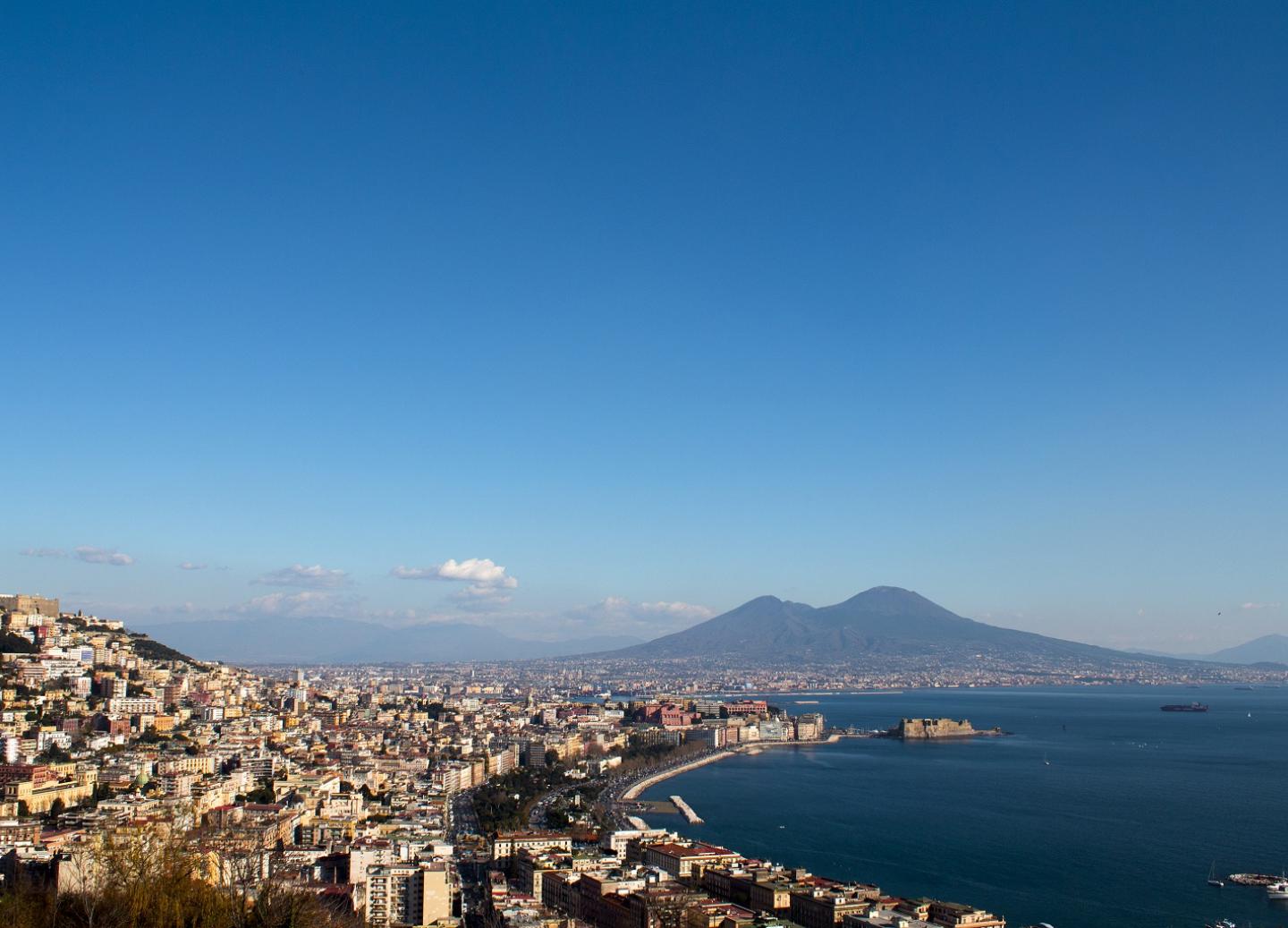
The Bay of Naples is one of the Mediterranean's great maritime theatres — a near-circular bay framed by the Sorrentine Peninsula, the islands of Capri and Ischia, the Campi Flegrei volcanic fields to the north and the brooding cone of Vesuvius rising above the city itself. Experiencing this panorama from the water — whether aboard a sailing boat, a hydrofoil crossing to Capri or a leisure vessel circumnavigating the Sorrentine coast — provides a perspective on the landscape's scale and drama that no clifftop viewpoint can replicate. Boat excursions from Sorrento explore sea caves, cliffs and hidden coves along the peninsula's southern coast, including the accessible grotto formations near Massa Lubrense. The sight of Vesuvius reflected in the bay at golden hour, viewed from a boat mid-crossing, is among the most beautiful in Italian travel.
Sorrento travel tips
Book Pompeii and Herculaneum Tickets Online Before You Arrive. Both Pompeii and Herculaneum operate timed-entry ticketing systems with limited daily visitor capacity. During peak season (June–September), tickets can sell out days in advance. Booking online before your cruise departs is strongly recommended to guarantee entry on your specific port day. The official ticketing portal is managed by Parco Archeologico di Pompei; be aware of unofficial reseller sites charging inflated prices. Pre-arranged shore excursions typically include ticket access as part of the package.
Arrive at Pompeii Early — the Site Is Vast. Pompeii covers 66 hectares and contains more than 1,500 excavated structures. No visitor can see it all in a single visit, and attempting too much leaves the experience feeling rushed. Arriving when the site opens (typically 9:00 AM) allows for cooler temperatures, thinner crowds and better light for photography in the early hours. The most important areas — the Forum, Villa of the Mysteries, House of the Faun — are best visited before midday. Comfortable footwear with strong grip is essential: the ancient stone streets are uneven and slippery.
The Circumvesuviana Train Is Efficient but Watch Your Belongings. The Circumvesuviana commuter train running from Sorrento to Pompeii, Herculaneum and Naples is affordable and frequent. However, it is also well known for pickpocketing, particularly on the Naples-bound route. Keep valuables secure, use inner pockets or a crossbody bag worn in front, and be particularly vigilant at busy stations. The train journey itself is straightforward and the timetables are publicly available at Sorrento station.
Capri Is Best Explored Early or Late — Avoid Midday in High Season. Capri receives enormous volumes of day visitors during July and August, and the Piazzetta and main shopping lanes can become extremely congested between 11:00 AM and 3:00 PM. Hydrofoil crossings from Sorrento run from early morning and allow visitors to arrive before the peak crowds. Alternatively, staying on the island until late afternoon, after most day-trippers have returned, provides a noticeably calmer experience of the town and viewpoints. The crossing itself is scenic and short.
Dress for Amalfi Coast Villages — Not Just the Drive. The Amalfi Coast villages are more than scenic backdrops: Positano, Ravello and Amalfi each have churches, viewpoints and local experiences worth genuine engagement. Bring comfortable walking shoes, as all these villages involve significant uphill walking on stone steps — Ravello in particular sits at considerable elevation above the coast road. The coast road itself is genuinely vertiginous in sections; those prone to motion sickness may find the winding curves challenging. Morning light on the coast road travelling eastward from Sorrento is particularly beautiful.
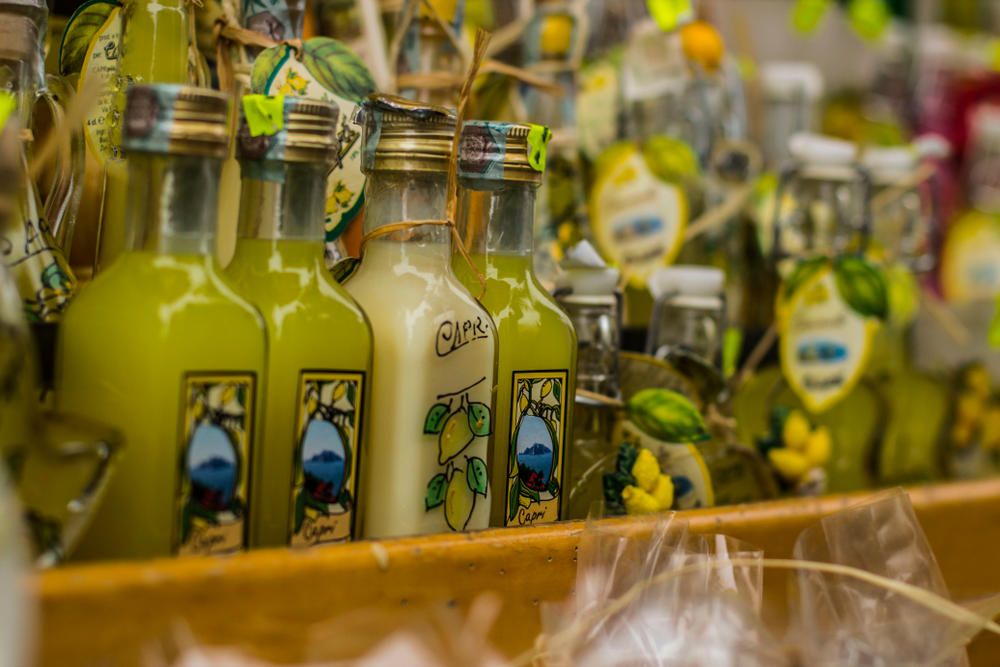
Taste Limoncello Properly — Visit a Producer, Not Just a Gift Shop. Limoncello sold in Sorrento's tourist shops varies enormously in quality. The finest limoncello is made from sfusato lemons grown on terraced hillside groves and uses only the outer zest infused in pure alcohol — no concentrates, no artificial flavouring. Several producers in and around Sorrento welcome visitors for tastings and demonstrations. Buying directly from a producer ensures both quality and a more interesting experience. Note that authentic Sorrento limoncello should be served ice-cold as a digestivo — never at room temperature.
Port Facts Every Cruiser Needs To Know
Sorrento shore excursion FAQs
Sorrento has no large deep-water cruise berth. Ships typically anchor in the bay and tender passengers to Marina Piccola, the town's small harbour at the base of the cliffs. Tender operations can take 15 to 30 minutes each way depending on sea conditions and passenger volume. On busy port days with multiple ships in the bay, tender queues can extend the time. Plan your shore excursion schedule with tender time factored in, particularly for return journeys.
The harbour sits at sea level beneath the clifftop town. There is a lift (elevator) built into the cliff face, a steep ramp road, and a staircase of several hundred steps. The lift is the most convenient option for most visitors and typically costs a small fee. The walk up via the stairs is manageable for those comfortable with steps but is steep and can be warm in summer. From the top of the lift, the town centre and Piazza Tasso are a short level walk.
By Circumvesuviana train from Sorrento Circumvesuviana station, the journey to the Pompeii Scavi - Villa dei Misteri station takes approximately 25 to 35 minutes depending on the service. The train runs regularly throughout the day. The archaeological site entrance is a short walk from the station. For an organised shore excursion by coach, transfer times vary depending on traffic, which can be significant on the main coast road in high season.
This combination is theoretically possible but practically very ambitious. The Capri hydrofoil crossing alone is 20 to 25 minutes each way, plus time on the island; the Circumvesuviana to Pompeii is 30 minutes each way, plus a minimum of two to three hours at the site. Attempting both leaves little margin for tender operations, queues, lunch and return to the ship. Most experienced travellers choose one destination and complement it with time in Sorrento town.
Both were destroyed by Vesuvius in 79 AD but in different ways. Pompeii was buried under volcanic ash and pumice, while Herculaneum was overwhelmed by superheated pyroclastic flows that carbonised organic materials and sealed the city more completely. Pompeii is far larger — 66 hectares versus about 4.5 hectares at Herculaneum — and offers a broader urban panorama. Herculaneum is smaller, better preserved in many details (intact wooden elements, vivid frescoes, organic remains), less crowded and more intimate. Visitors with limited time often find Herculaneum more manageable and equally moving.
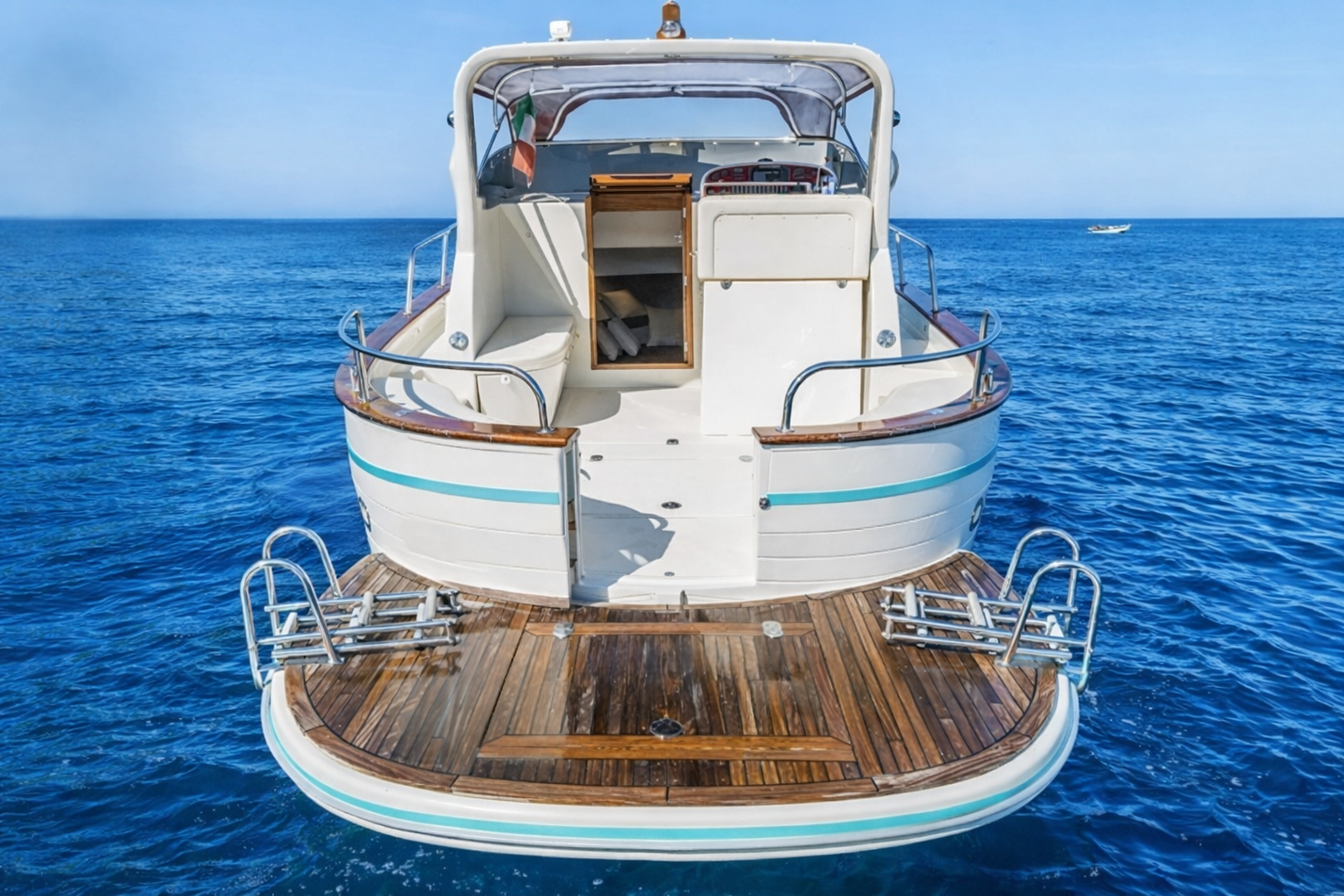
Sorrento offers excellent options for sea-based excursions. Capri cruises — ranging from group sailing experiences to fully private boat charters — allow visitors to explore the island's famous grottos, sea stacks and coastal caves. Private boat tours can also combine Capri with Positano on the Amalfi Coast. Sailing excursions to Ischia, the larger volcanic island to the north of the bay, offer a different character — thermal springs, black sand beaches and quieter exploration. All these options depart from or near Marina Piccola.
The Amalfi Coast road (SS163) is one of the world's most dramatic — and most winding — coastal roads. It follows precipitous cliff edges with tight switchback curves, minimal crash barriers in places and oncoming traffic including buses on a road barely wide enough for two vehicles. Travellers with motion sickness should sit in the front of any vehicle where possible, take appropriate medication before departure, keep their gaze on the horizon and travel in cooler parts of the day when windows can be kept open. Some people find the experience exhilarating; others find it challenging. The boat-based approach to Positano eliminates road exposure entirely.
Yes, and Sorrento is one of the best places in the world to do so. Look for limoncello made from locally grown sfusato lemons — the label should indicate local production. The finest products use only lemon zest (no pulp, no concentrates) and pure grain alcohol. Bottles are sold throughout the old town; visiting a producer directly ensures both quality and a more memorable purchase. Limoncello travels well and is a genuinely representative souvenir of the region.
Sorrento town offers a very satisfying half-day for those choosing to stay close to port. The old town lanes around Corso Italia conceal artisan woodworking workshops (intarsia marquetry is a Sorrento speciality), limoncello producers, ceramic shops and excellent restaurants. The Villa Comunale clifftop gardens provide some of the best views of the bay at no cost. The Baroque church of San Francesco and its Arab-Norman cloister deserve a visit. The Museo Correale di Terranova houses a fine collection of decorative arts and antiquities. And simply sitting at a waterfront cafe with an espresso, watching the bay, is time very well spent.
A visit to the crater rim of Mount Vesuvius is possible from Sorrento within a shore day, though it involves considerable logistics. The volcano is accessible from the Pompeii or Ercolano train stations, with buses or excursion vehicles carrying visitors to a car park near the summit from which a 30-minute uphill walk reaches the crater rim. The views into the crater and across the bay are spectacular. The visit is best combined with Herculaneum (nearby at the mountain's base) rather than Pompeii, as the two together constitute a coherent 'Vesuvius experience'. Pre-arranged excursions combining both sites are the most efficient approach.
Filters
Select a filter to refine results.
Tour Type
Tour Activity
 Cart
Cart
 USD
USD GBP
GBP AUD
AUD EUR
EUR CAD
CAD