



Tours in Venice


Cruising to Venice in a group?
Skip the crowded ship excursion bus. One dedicated planner will design a private shore experience around exactly what your group wants — coordinated from first enquiry to the moment you're back on board. More memorable, more flexible, and more affordable than you might expect. Spend less time organising, more time enjoying.
Explore Group Travel →Cruising to Venice
Venice occupies a category entirely its own. Built across 118 small islands in a shallow saltwater lagoon on the northeastern coast of Italy, the city has no roads, no motor vehicles, and no equivalent anywhere on earth. Its entire urban fabric — the Gothic palaces lining the Grand Canal, the web of calli threading between them, the campi where neighbourhood life plays out — has survived largely intact for centuries, making it simultaneously one of the most recognised and most genuinely extraordinary cities in the world.
For cruise passengers, Venice functions as one of Europe's most significant embarkation and disembarkation ports. Ships typically call at the Marittima terminal, positioned within practical distance of the city centre, while environmental regulations have also led some itineraries to use Chioggia or Fusina as alternative berths. Whether guests are arriving the evening before a voyage begins or spending final hours after disembarkation, the city rewards every moment invested. A single day here barely scratches the surface — but it can still be one of the most memorable of any cruise itinerary.
The experience of Venice is shaped by navigation. Getting genuinely lost in a city where every alley might end at a canal is not an inconvenience — it is part of the pleasure. The quieter sestieri of Cannaregio, Dorsoduro, and Castello offer an authentically lived-in Venice that feels entirely different from the crowds around St. Mark's Square, while the Rialto market preserves the rhythm of daily Venetian commerce in a setting that has changed little since the medieval period.
Venetian culture runs deeper than its appearance suggests. This was the seat of a maritime republic that dominated Mediterranean trade for five centuries, and its legacy shows in the cuisine — cicchetti served in ancient bacari wine bars, seafood straight from the lagoon, handmade pasta, and a cooking tradition shaped by spice routes that no longer exist. The cooking classes and gondola rides available through Venture Ashore offer some of the most immersive ways to engage with this heritage, placing visitors inside private palace kitchens and quiet canals that tourists rarely find on their own.
Top things to do in Venice on a cruise stopover
The Grand Canal
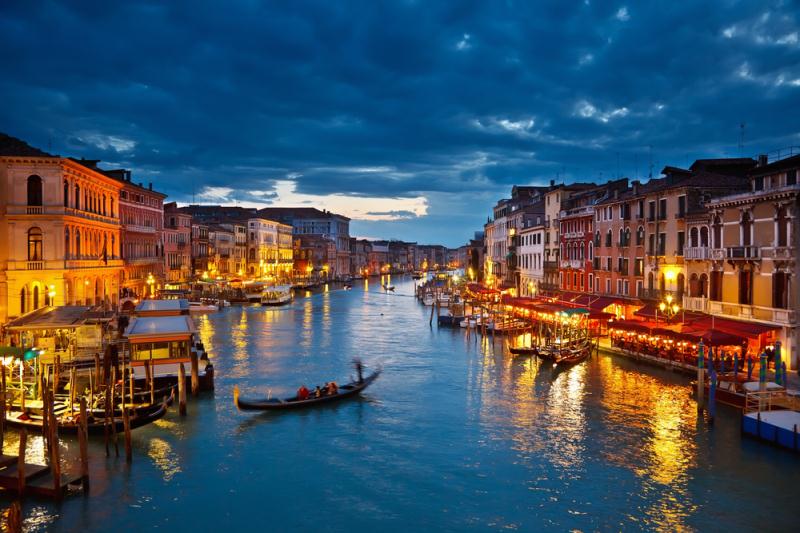
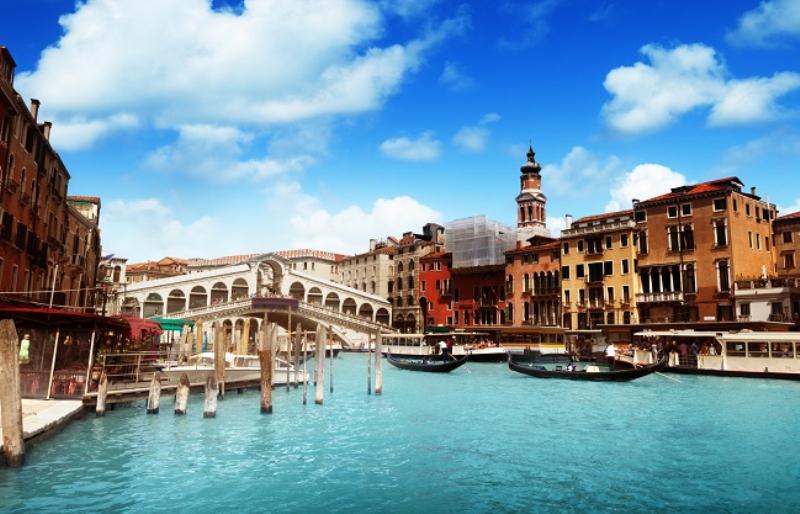
Venice's main artery curves through the heart of the city for 3.8 kilometres, flanked on both sides by some of the finest Gothic, Renaissance, and Baroque architecture in existence. The Ca' d'Oro, the Rialto Bridge, the Palazzo Grassi, and the church of Santa Maria della Salute all take their positions along its banks, creating an outdoor gallery that has no equal in urban design. The best way to experience the canal is from the water itself — the vaporetto Line 1 makes a slow passage from Piazzale Roma to San Marco, stopping at every landing stage and offering a constantly changing view of palaces, churches, and daily Venetian life played out on the water's edge.
St. Mark's Basilica and the Piazza
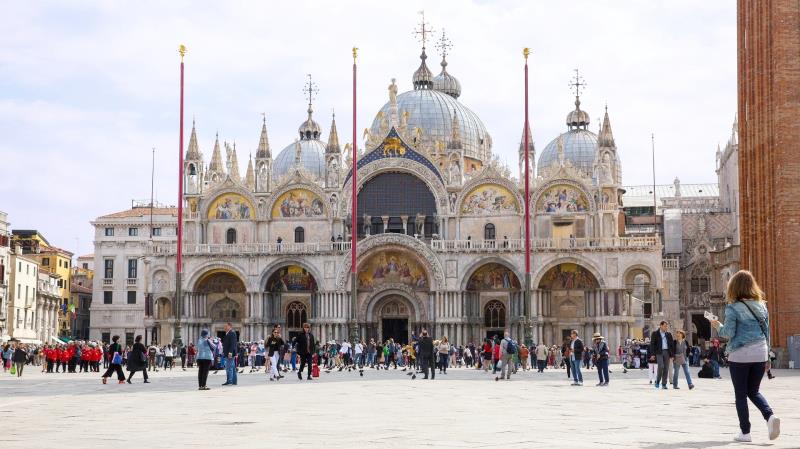
Piazza San Marco is the ceremonial heart of Venice — the one true piazza in a city otherwise made up of campos. The basilica itself is a Byzantine masterpiece encrusted with mosaics, marble, and the four bronze horses looted from Constantinople in 1204. The interior takes the eye immediately upward: vaulted ceilings covered in golden mosaics depict biblical scenes across more than 8,000 square metres. Around the square, the Campanile bell tower rises 98 metres and the Doge's Palace preserves the machinery of a five-century republic. Pre-booking timed entry to the Basilica is essential in peak season to avoid queues that regularly run past 90 minutes.
A Gondola Ride Through the Inner Canals
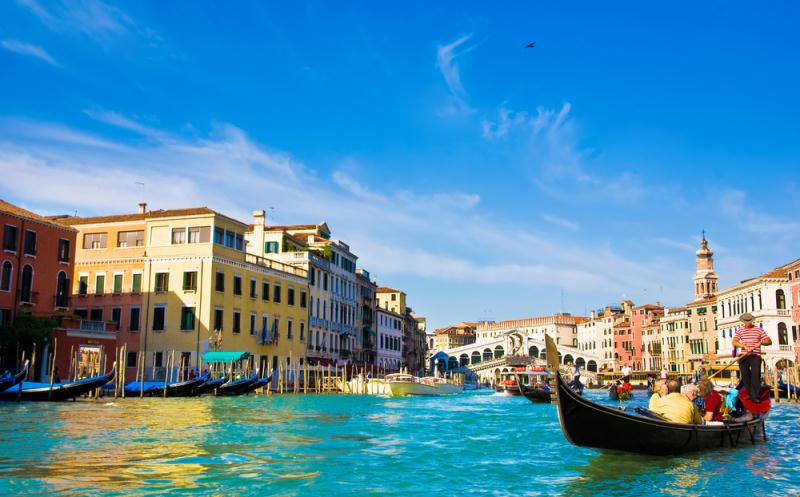
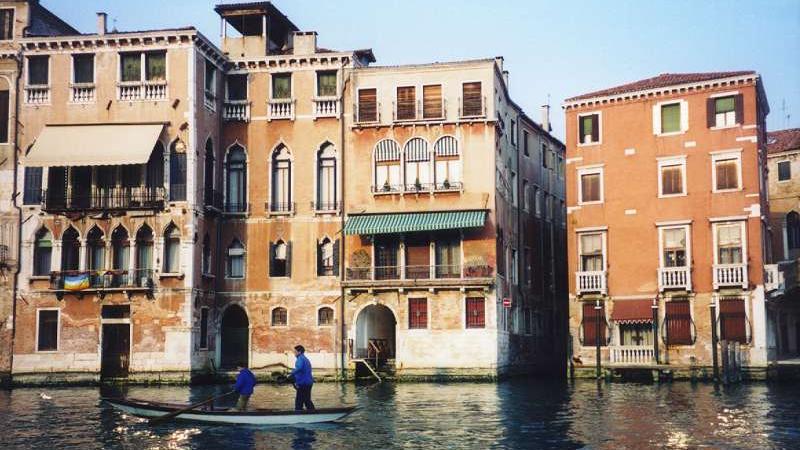
No experience captures Venice more completely than drifting through its smaller canals in a gondola. Away from the Grand Canal, the city opens into a network of narrow waterways where laundry hangs between buildings, cats sit on windowsills, and the only sounds are water and the gondolier's occasional call at a blind corner. Venture Ashore offers both daytime and evening private gondola rides — the evening option is particularly atmospheric when the canals are quieter and the city's lights reflect on the dark water. A gondola through the inner canals is not a tourist cliche; it is one of the genuinely irreplaceable experiences of European travel.
Venetian Cooking and the Bacaro Culture
Venice's cooking tradition reflects its history as the republic that once controlled the spice routes between Asia and Europe. The bacari wine bar culture — where locals stand at counters eating cicchetti and drinking small glasses of wine — offers a slice of daily Venetian life that has survived the tourist tide intact. Venture Ashore's cooking classes take this further, placing guests in a palace kitchen overlooking the Grand Canal to learn the techniques behind dishes that have defined Venetian cuisine for centuries: handmade pasta, seafood preparations, and the ancient sweet-and-sour flavour combinations that mark Venetian food as distinctly itself.
The Rialto Bridge and Market
The Rialto Bridge is Venice's most iconic crossing — and the market surrounding it is one of the city's great daily institutions. The Pescaria (fish market), operating Tuesday to Saturday mornings, sells seafood pulled from the Adriatic and the lagoon: razor clams, spider crabs, branzino, and the tiny shrimp called schie that feature in the city's most beloved cicchetti. Alongside it, the Erberia sells fruit and vegetables from the Veneto mainland. Together they create a scene of authentic Venetian commerce unchanged in essential character from the medieval period — the perfect antidote to the more polished tourist experience elsewhere in the city.
The Quieter Sestieri: Cannaregio and Dorsoduro
Venice is divided into six historic sestieri, and the experience varies enormously between them. While San Marco draws the majority of visitors, Cannaregio offers the world's first Jewish Ghetto (established in 1516), traditional osterie, and residential streets where people genuinely live. Dorsoduro hosts the Gallerie dell'Accademia and the Peggy Guggenheim Collection alongside the lively Campo Santa Margherita, a neighbourhood square that comes alive in the evening. These districts offer the Venice that exists beyond the postcard — quieter, more authentic, and deeply rewarding for visitors prepared to wander a little further from the main circuits.
Venice travel tips
Start Before the Crowds Arrive. Venice's main sights are most bearable before 9am. Arriving at St. Mark's Square at dawn — before the tour groups and day-trippers from the mainland — is one of the genuinely magical experiences available to cruise passengers who can make an early start. The streets are quiet, the light is extraordinary, and the city feels briefly as though it belongs to whoever is moving through it. The Rialto fish market also operates from early morning and is best visited before 11am when selection and atmosphere are at their peak.
Pre-Book Timed Entry for Key Sights. St. Mark's Basilica offers timed entry booking in advance through its official website — take full advantage of this. Walk-up queues during peak season (April through October) can run past 90 minutes, whereas a pre-booked slot allows entry within a specific window with minimal waiting. The Doge's Palace and the Gallerie dell'Accademia also benefit from advance reservations. This single planning step can save several hours across a day's visit in Venice.
Use the Vaporetto Strategically. A day pass on the vaporetto represents significantly better value than individual fares. Line 1 runs the full length of the Grand Canal and is one of the great scenic journeys in Europe — slow, but spectacular. Line 2 is faster and serves the same endpoints. Note that the vaporetto becomes very crowded at peak times on main Grand Canal routes in mid-morning and late afternoon. The traghetto gondola crossings at key points along the Grand Canal offer a quick and inexpensive alternative to reaching the opposite bank.
Eat Away from the Main Squares. Restaurants immediately around St. Mark's Square and the Rialto Bridge carry a significant premium for food that rarely justifies the price. A ten-minute walk in any direction leads to establishments serving the same Venetian classics — cicchetti, pasta, fresh seafood — at considerably lower prices, with a higher proportion of local diners. The local authority has introduced a scheme recognising authentic cicchetti bars with a displayed placard; look for it when choosing where to eat and drink in the city.
Dress for Variability and Distance. Venice's weather can shift quickly, and acqua alta flooding can appear between autumn and spring with little warning. Carry a packable waterproof layer even on apparently clear days. More importantly, wear comfortable walking shoes with grippy soles — bridge steps and wet stone surfaces demand traction, and the total distance covered on a typical day in Venice, crossing dozens of bridges and navigating through multiple sestieri, is considerably more than most visitors anticipate before arriving.
Respect Current Visitor Regulations. Venice has introduced visitor regulations in response to the pressures of mass tourism. Entry fees apply on designated high-traffic days, and certain behaviours carry fines — including sitting on bridge steps, eating in restricted piazzas, and swimming in canals. Familiarise yourself with current rules before arriving, dress appropriately for basilica entry (shoulders and knees covered), and treat the city and its residents with consideration. Venice's ongoing survival as a living city depends on the cumulative behaviour of its millions of annual visitors.
Port Facts Every Cruiser Needs To Know
Venice shore excursion FAQs
The Marittima terminal is approximately 2km from Piazzale Roma, Venice's main transit hub, connected by vaporetto water bus. The journey to the first Grand Canal stops takes around 10–15 minutes, or 30–40 minutes on foot through the historic streets. Some itineraries route cruise ships to Chioggia or Fusina due to environmental regulations — these require additional connections, so check your ship's specific berth in advance to plan your arrival into the city accordingly.
Venice presents genuine challenges for visitors with limited mobility. The city has over 400 bridges, most with stepped approaches. The main tourist routes around the Grand Canal and St. Mark's Square are more accessible than quieter neighbourhoods, and key vaporetto stops have accessible boarding. The city has improved accessibility on major routes, including ramp systems on some bridges. Those with significant mobility considerations should research specific routes carefully, and Venture Ashore's team can advise on which experiences are most suitable.
Pre-booking is strongly recommended and available through the official Basilica di San Marco website. Walk-up queues during peak season (April–October) regularly exceed 90 minutes, whereas a pre-booked timed slot allows access within a specific window with minimal waiting. Entry to the basilica itself is free; optional fees apply for the Treasury and the Loggia with the famous bronze horses. Modest dress is required for all visitors — shoulders and knees must be covered.
Acqua alta (high water) is a seasonal tidal phenomenon causing Venice's lower-lying areas to flood, typically between October and March. When it occurs, elevated walkways are installed on key routes and rubber boots are widely sold throughout the city. St. Mark's Square floods first and most severely. The MOSE flood barrier system, now operational, has significantly reduced the frequency and severity of events. The phenomenon is manageable and can be atmospheric, but it slows movement and may temporarily close some ground-floor sites.
Venice is one of Europe's major cruise embarkation ports. Passengers arriving the day before sailing typically have a full afternoon and evening to explore — more than enough for a gondola ride and an evening meal at a bacaro. Those disembarking can arrange luggage storage and explore for several hours before onward travel. Venture Ashore's gondola and cooking class experiences work perfectly for both scenarios: they are immersive, time-defined, and based within the city rather than requiring long transit to reach outlying attractions.
Italian is the official language, and a distinct Venetian dialect exists, though standard Italian is universally understood. English is widely spoken in hotels, tourist areas, major restaurants, and at transport hubs. In local bacari, neighbourhood bakeries, and residential areas, basic Italian phrases are appreciated. French and German are also commonly encountered in Venice's tourism industry given its international visitor profile. A few words of Italian — particularly greetings — will always be warmly received.
Venice is one of Italy's most expensive cities. A coffee at a famous cafe on St. Mark's Square can cost four to five times the price of the same item at a local counter bar elsewhere in the city. Setting a realistic budget and eating in areas beyond the main tourist circuit helps manage costs considerably. Vaporetto day passes offer much better value than single-journey fares. Water taxi travel is particularly expensive and best reserved for specific logistical needs rather than general sightseeing.
Venetian cuisine is best experienced at bacari — traditional wine bars serving cicchetti (small plates) that form the basis of local eating culture. A classic bacaro crawl involves visiting several establishments in the late morning or early evening, eating standing at the counter with small glasses of wine from the Veneto. The Rialto market area has a concentration of historic bacari. Venture Ashore's cooking classes offer a deeper experience, placing guests in a Grand Canal palace kitchen to learn recipes and techniques that have defined Venetian cooking for centuries.
The gondola is one of Venice's essential experiences rather than a tourist cliche — provided expectations are set correctly. On the Grand Canal during peak hours, a gondola competes with motorised water traffic. The real experience emerges in the smaller interior canals, where silence, building facades rising directly from the water, and the gondolier's skill navigating blind corners create something genuinely unlike any other travel experience. Venture Ashore's private gondola options — both daytime and evening — are structured to take full advantage of Venice's quieter waterways.
Both Murano (famous for glassblowing) and Burano (known for lacework and colourfully painted fishing houses) are reachable by vaporetto. The round-trip journey plus meaningful time on each island takes a minimum of 2–3 hours per island, making a combined visit ambitious on a typical shore call. Murano is the closer and more manageable option: glass factories offer free demonstrations. Factor travel time carefully against your ship's departure schedule and build in a buffer for any delays on the water bus network.
Filters
Select a filter to refine results.
Tour Type
Tour Activity
 Cart
Cart
 USD
USD GBP
GBP AUD
AUD EUR
EUR CAD
CAD