



Tours in Volos


Cruising to Volos in a group?
Skip the crowded ship excursion bus. One dedicated planner will design a private shore experience around exactly what your group wants — coordinated from first enquiry to the moment you're back on board. More memorable, more flexible, and more affordable than you might expect. Spend less time organising, more time enjoying.
Explore Group Travel →Cruising to Volos
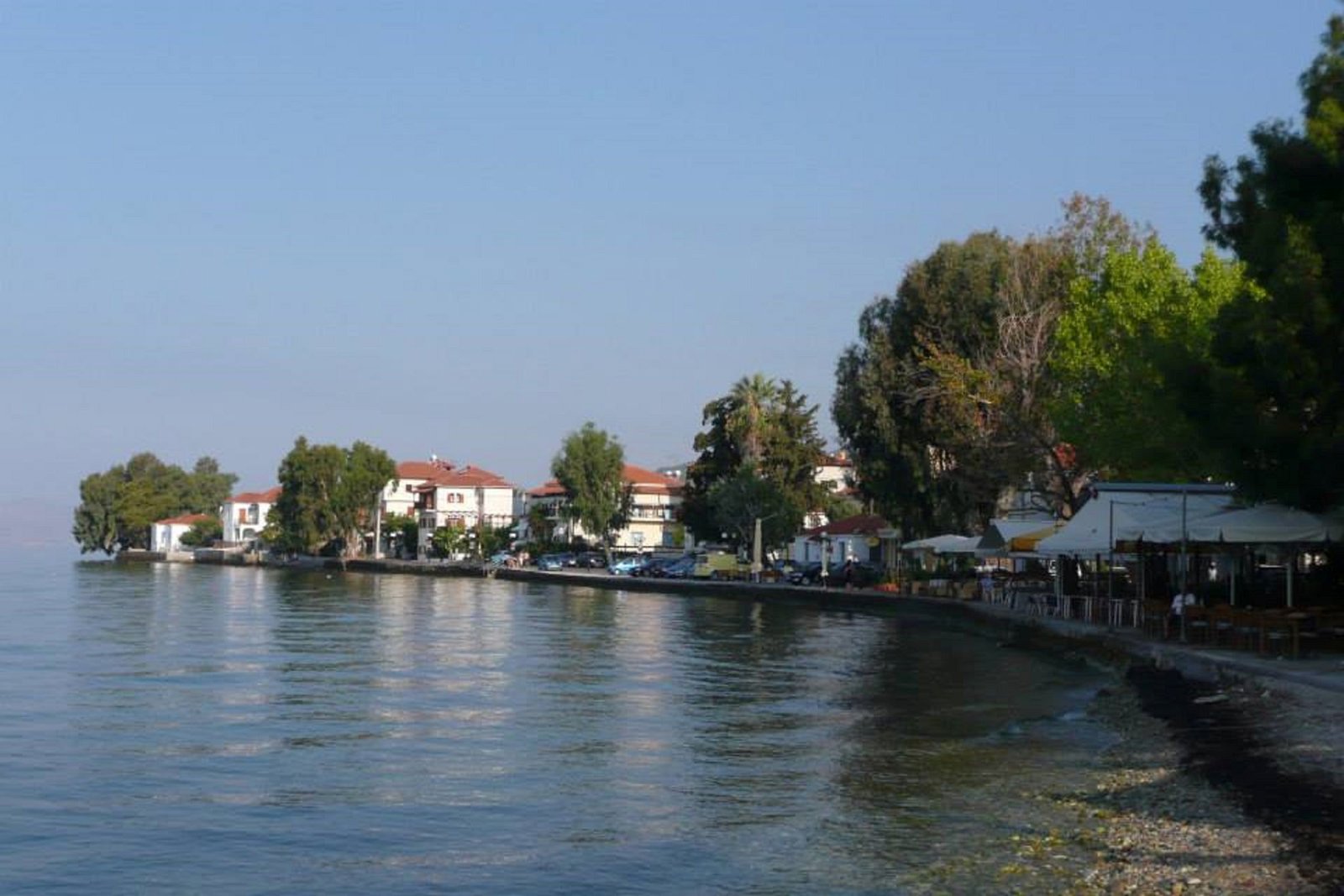
Volos sits at the head of the Pagasetic Gulf in central Greece, a city that wears its mythological heritage lightly but unmistakably. Ancient Iolcos — believed to be beneath the modern streets — was the kingdom from which Jason and the Argonauts set sail in search of the Golden Fleece. That spirit of adventure feels entirely appropriate, because a day in Volos opens more varied landscapes and experiences than almost any other Greek port call. The city's long waterfront promenade, the Paralia, is lined with seafood restaurants and tsipouradika — informal tsipouro bars serving Greece's beloved anise spirit alongside an ever-changing parade of small meze plates — and it makes for one of the most relaxed and authentically Greek port arrivals in the Eastern Mediterranean.
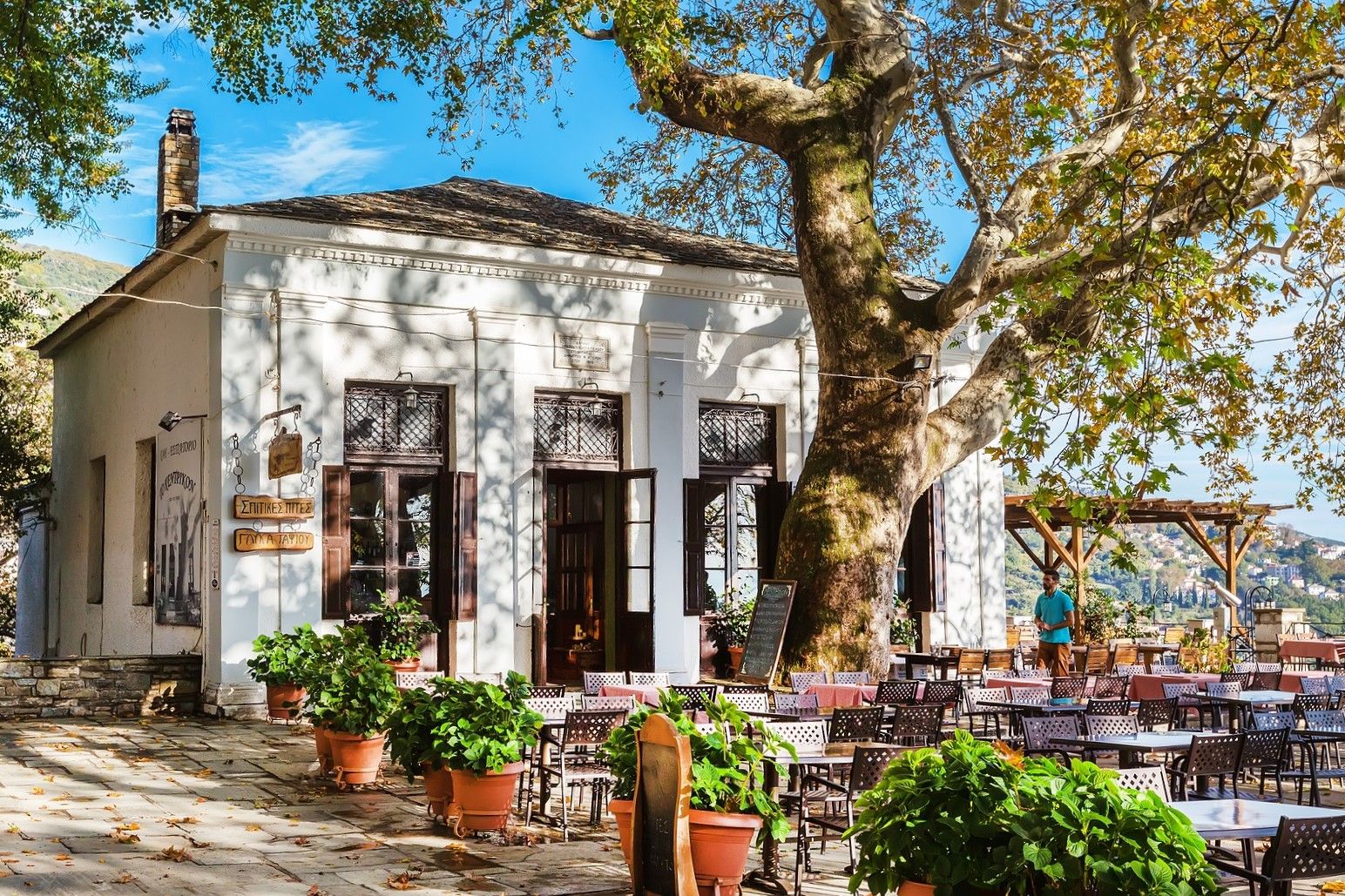
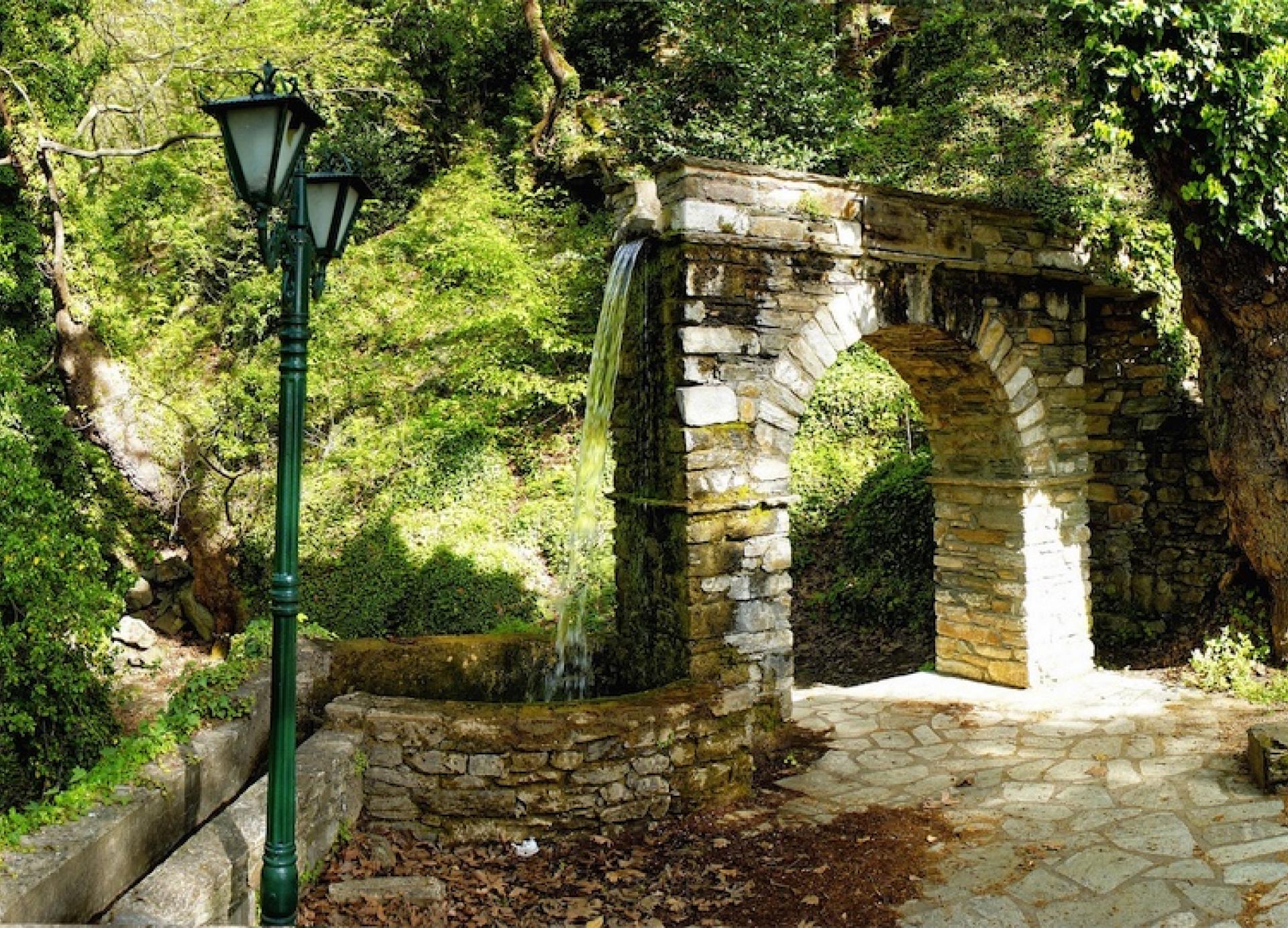
Rising directly behind the city, the Pelion Peninsula is Volos's defining natural asset. Densely forested with chestnut, oak, and beech trees, its slopes are dotted with centuries-old villages built in the distinctive Pelion style: stone-flagged squares shaded by ancient plane trees, slate-roofed mansions, and Orthodox churches with ornate wooden interiors. Villages like Tsagkarada, Vizitsa, Pinakates, and Milies retain their traditional architecture almost completely intact, connected by old kalderimi — hand-laid stone paths once used by mule trains — that now make for magnificent walks with Aegean views far below. The peninsula's lower flanks descend to beaches of exceptional quality, some accessible only by boat or rough track.
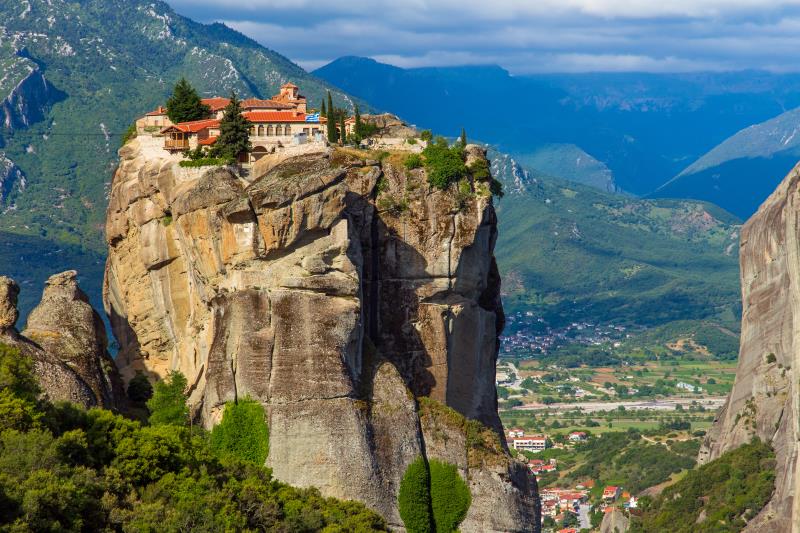
For cruise passengers with appetite for something grander in scale, Meteora sits within reach to the northwest — one of the great spectacles of the Orthodox Christian world, where medieval monasteries perch atop extraordinary sandstone pillars rising from the Thessaly plain. The journey there requires a full day and advance planning, but few experiences in Greece match standing at the edge of a Meteora terrace with the valley spread impossibly far below. The VA tours covering this route offer the most direct path to an experience that otherwise demands significant logistical effort.
Whether passengers choose the mountain villages of Pelion, a classic wooden gullet boat cruise along its rugged coastline, the spiritual drama of Meteora, or simply an afternoon of tsipouro and fresh seafood along the Volos waterfront, this is a port that rewards both the adventurous and those content to let Greece wash over them slowly.
Top things to do in Volos on a cruise stopover
Pelion's Stone Villages and Mountain Landscapes
The Pelion Peninsula contains some of Greece's best-preserved traditional architecture, and touring its villages is the defining experience of a Volos port call. Villages like Tsagkarada, Vizitsa, Pinakates, and Milies each have their own character — some perched on dramatic ridgelines with views across the Aegean, others tucked into forested valleys where waterfalls spill down moss-covered rocks. The old mansions, known as archontika, were built by wealthy merchants during the Ottoman period and decorated with elaborate carved wooden interiors and painted ceilings. Wandering the cobblestone squares beneath enormous plane trees, with church bells marking the hours and the scent of mountain herbs on the air, delivers an experience of Greece that feels entirely removed from the tourist mainstream. VA small-group tours thread through multiple villages, combining scenic drives with time on foot in the most atmospheric spots.
Meteora: Monasteries Balanced on the Edge of the World
Few sights in Europe match the sheer improbability of Meteora, where Orthodox Christian monasteries from the 14th and 15th centuries cling to the summits of towering sandstone rock pillars rising from the flat Thessaly plain. Six monasteries remain active today, their interiors housing priceless Byzantine frescoes, gilded iconostases, and libraries of illuminated manuscripts. The approach by road is theatrical — the pillars appear gradually on the horizon, growing steadily more extraordinary until the full scale becomes comprehensible. UNESCO has listed both the monasteries and the surrounding geological formations as a World Heritage Site. Reaching Meteora from Volos requires a full day, but VA private tours make the journey seamless, with an experienced guide contextualising the extraordinary history and theology of this remarkable site.
Sailing the Pelion Coast on a Traditional Gullet
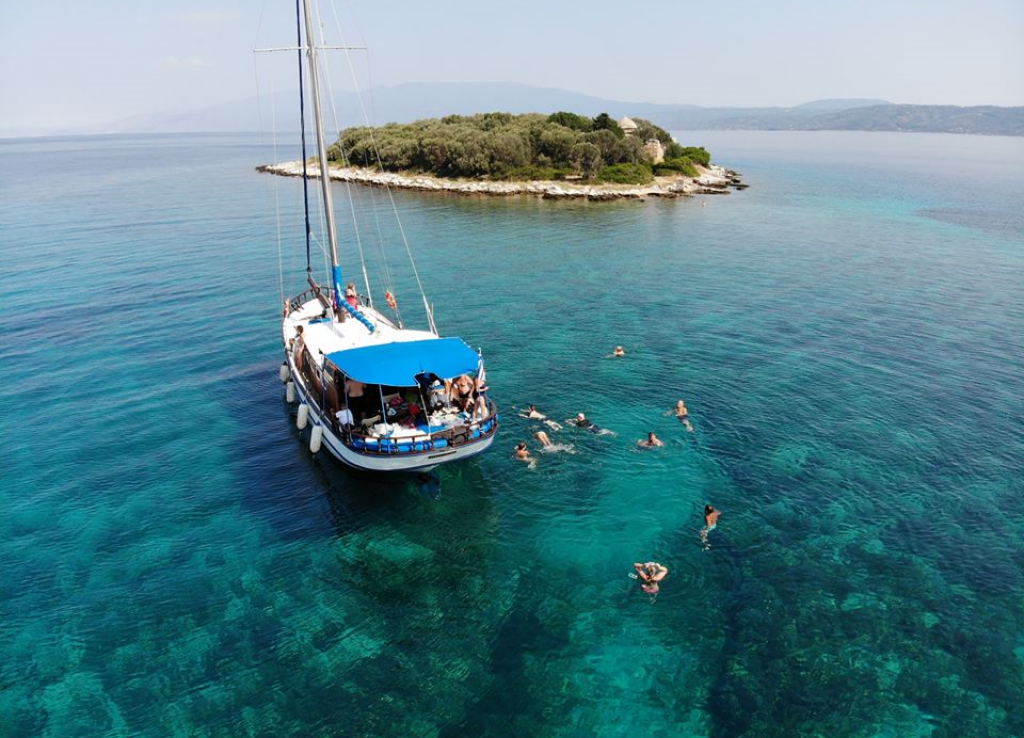
The coastline of the Pelion Peninsula seen from the water is a revelation — steep forested cliffs plunging into crystalline coves, remote beaches accessible only by sea, and the unhurried rhythm of the Aegean that makes time feel irrelevant. VA's private wooden gullet boat experience places passengers on a traditional caique-style vessel for a day of coastal discovery, with swimming stops in sheltered bays of exceptional clarity and the freedom to set a course dictated by conditions and preference. The gullet tradition is deeply embedded in Aegean seafaring culture, and these sturdy timber boats are ideal for the sheltered waters of the Pagasetic Gulf and the eastern Pelion coast. Lunch aboard, fresh air, and the sound of water against the hull make this one of the most purely pleasurable ways to spend a Volos port day.
The Volos Waterfront and Tsipouro Culture
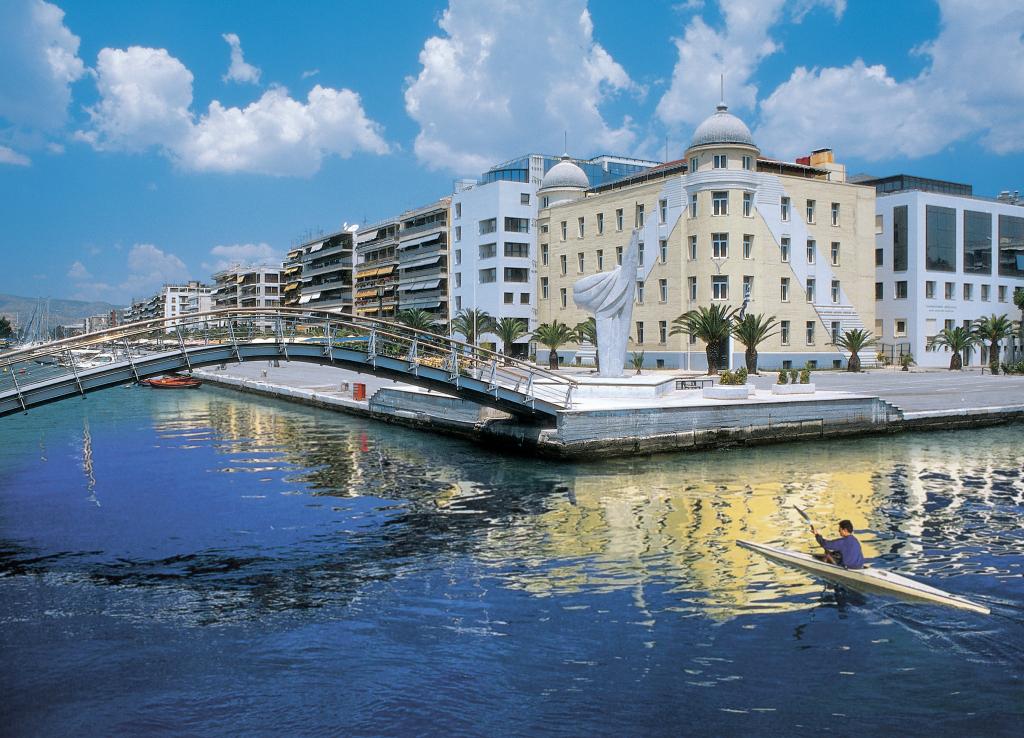
The Paralia — Volos's long waterfront promenade — is among the liveliest in provincial Greece, and it represents a genuine local institution rather than a tourist construct. The city's tsipouradika are the social engine of everyday life here: low-key establishments where a glass of clear, anise-scented tsipouro arrives with a rotating sequence of complimentary meze plates — a plate of grilled fish, a dish of spiced meatballs, marinated vegetables, fresh bread — that change with each successive round. The tradition is considered one of the most distinctive food cultures in Greece. Alongside the tsipouradika, a cluster of respected seafood tavernas serves the day's catch fresh from the Pagasetic Gulf. Passengers content to remain in the city will find the waterfront entirely sufficient for a relaxed and flavourful morning or afternoon.
Mountain Views, Wine, and Fine Villages on Pelion
Beyond the stone architecture and cobblestone paths, the Pelion Peninsula produces distinctive local wines and spirits that are gaining increasing recognition. The region's microclimate — cooler and wetter than much of mainland Greece due to the mountain elevation — supports viticulture and fruit growing, and local winemakers are producing characterful bottles from indigenous varieties. VA tours combining scenic mountain drives with wine tasting and village exploration allow passengers to experience Pelion's agricultural identity alongside its visual drama. The views from the higher ridges, looking simultaneously down to the Pagasetic Gulf on one side and the open Aegean on the other, are among the most satisfying panoramas in central Greece.
Beaches and Coastal Villages Below the Pelion Forests
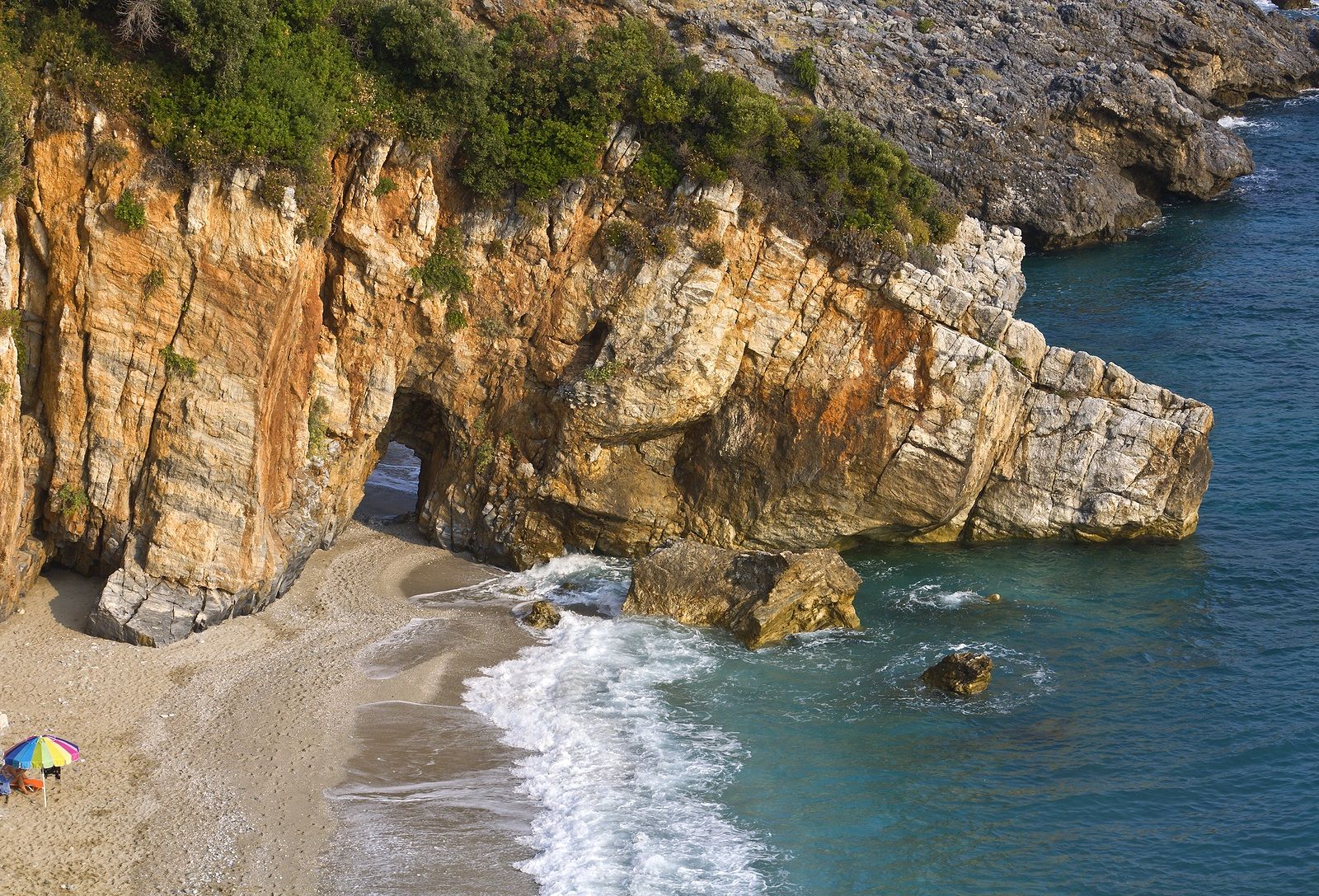
Where the forested slopes of Pelion finally reach the sea, they give way to a series of beaches that rank among the most beautiful in mainland Greece. Mylopotamos, with its pebble shore at the base of a dramatic ravine, and the seaside settlement at Kala Nera offer the contrast of mountain and sea that defines the Pelion experience. Some beaches can be reached by road; others are accessible only by boat or after a walk along the old stone paths. The water in the Pagasetic Gulf is calm and extremely clear, and the combination of verdant hillside backdrop and Aegean blue creates a visual composition found nowhere else in Greece. VA tours that combine highland village exploration with coastal time at the sea give passengers a genuine sense of the peninsula's full character.
Volos travel tips
Commit to One Experience Rather Than Rushing Several. Volos offers an unusual variety of experiences for a single port call — mountain villages, coastal boat trips, Meteora, city waterfront — but the distances involved mean that rushing between multiple destinations produces a frustrating half-experience of each. Pelion's winding mountain roads alone require at least 45 minutes to reach the nearest villages, and Meteora is a full-day journey. Decide in advance whether you are a mountain villages day, a boat day, a Meteora day, or a city day, and commit to it entirely. Each option is fully rewarding on its own terms.
Wear Proper Footwear for Pelion's Cobblestone Paths. The old stone paths and village squares of Pelion are beautiful but unforgiving on inappropriate footwear. The ancient kalderimi paths, laid centuries ago with irregular stone slabs, become slippery when damp and demand sure footing even when dry. Village squares and church approaches are similarly cobbled. Comfortable walking shoes with grip — not sandals, not heeled shoes — are essential for anyone exploring the villages on foot, which is the only way to really appreciate them.
Embrace the Tsipouro Ritual on the Waterfront. If remaining in Volos, the tsipouro experience is not optional — it is the point. Volos takes its tsipouro culture seriously, and a tsipouradiko session done properly means settling in, ordering slowly, and allowing the meze plates to arrive in their own rhythm over an hour or two. Attempting to rush through it defeats the purpose. The waterfront establishments closest to the port are convenient, but wandering slightly further along the Paralia towards the city centre will find spots that locals actually use. The anise flavour can be strong for those unaccustomed to it — ouzo drinkers will find it familiar; spirits newcomers should start with a small measure.
Bring a Light Layer for the Higher Pelion Villages. Even in summer, the higher villages of Pelion sit at elevations where the temperature is noticeably cooler than the coastal city — sometimes by 5 to 8 degrees Celsius. The dense forest canopy adds to the shade. A light jacket or layer in the day bag is advisable for morning excursions, particularly in spring and autumn when mountain temperatures can feel positively brisk. This temperature differential is part of what makes Pelion such a welcome contrast to the heat of the Greek summer, but it can catch warmly-dressed visitors off guard.
The Archaeological Museum Is Worth an Hour if Staying in City. Volos's Archaeological Museum holds one of Greece's most important collections of painted grave stelae from the ancient city of Demetrias, as well as Neolithic and Bronze Age finds from throughout Thessaly that place the region's importance in prehistoric Greek civilisation into sharp relief. For passengers choosing to explore the city rather than Pelion, the museum is compact, air-conditioned, and thoroughly worthwhile — a genuine collection of significance rather than a local curiosity, and an easy 15-minute walk from the port.
Check Sea Conditions Before Booking a Boat Excursion. The Pagasetic Gulf is generally sheltered and calm compared to open Aegean waters, making it well-suited to boat trips for the majority of the cruise season. However, the Meltemi wind that affects much of Greece in July and August can occasionally make conditions choppy even in sheltered bays, and autumn can bring short-lived but sharp squalls. Anyone with susceptibility to motion sickness should have appropriate medication on hand. VA boat excursions are led by experienced local operators familiar with the conditions, and departure decisions are made with passenger comfort and safety as the primary consideration.
Port Facts Every Cruiser Needs To Know
Volos shore excursion FAQs
Cruise ships dock at the Volos commercial port, which is located directly in the city. The waterfront promenade and the city centre are within 10 to 15 minutes on foot, making Volos one of the most conveniently located ports in Greece for passengers who wish to explore independently without any transfer.
Mount Pelion is a forested peninsula and mountain range rising behind Volos, reaching approximately 1,650 metres at its highest point. In Greek mythology, it was the home of the centaur Chiron, who tutored heroes including Achilles and Jason. Today the peninsula is renowned for its extraordinary traditional stone villages, dense forests of chestnut and beech, ancient stone pathways, and beautiful beaches on its eastern coast. It represents some of the best-preserved traditional Greek village culture in the country and is the primary reason cruise passengers visit Volos.
Meteora is approximately 130 kilometres west of Volos, translating to roughly 2.5 to 3 hours of driving each way through the Thessaly plain and into the mountains. A Meteora day trip from Volos is feasible but demands the full port day — passengers should expect to be on the road from early morning until late afternoon, with approximately 2 to 3 hours at the monasteries themselves. The journey is rewarding, but there is no room for additional stops or side detours. VA's private Meteora tours are structured with this time constraint in mind.
Tsipouro is a Greek pomace spirit distilled from the grape skins and seeds remaining after winemaking. The Volos and Thessaly style is typically flavoured with anise, giving it a character similar to ouzo but with more body and often higher alcohol content. What makes Volos unique is the tsipouradiko tradition — establishments where each round of tsipouro is accompanied by complimentary meze plates that rotate with every order, ranging from grilled fish to dips, cheeses, and seafood. The waterfront along the Paralia is lined with tsipouradika suitable for cruise passengers; the tradition is practised throughout the day and into the evening.
Each village has its own distinct appeal. Tsagkarada is renowned for the largest plane tree in Greece and spectacular sea views; Vizitsa is considered the finest example of traditional Pelion architecture with beautifully preserved mansions; Milies has a historic library, old railway station, and lovely square; Pinakates is among the most photogenic hilltop villages. Mylopotamos nearby offers one of the peninsula's most dramatic beaches. VA small-group and private tours are curated to visit the most rewarding combinations within the available time.
Yes. The Pelion coast has some exceptional beaches, and VA's 'From Mountains to Sea' tour specifically combines village exploration with time at the beach at Kala Nera. The private gullet boat cruise also includes swimming stops in secluded coves with crystal-clear water. Passengers planning to swim should bring a swimsuit, towel, and sunscreen. The Pagasetic Gulf water is generally calm and the sea temperatures from June through September are ideal for swimming.
Absolutely. Volos has a compelling character of its own — a real Greek city with an active university, a lively food culture centred on the tsipouro tradition, a quality Archaeological Museum, a busy fish market, and a beautiful long waterfront promenade. Passengers who prefer a relaxed, authentic city experience over an excursion day will find Volos more rewarding than most Greek ports, precisely because it functions as a genuine local city rather than a tourist destination. The waterfront, market area, and museum can fill a very pleasant 4 to 5 hours.
A gullet (in Greek, a kaiki or gulet) is a traditional wooden sailing vessel native to the Aegean and adapted for passenger excursions. These boats typically have a wide beam, comfortable deck space, and a distinctive wooden aesthetic. VA's classic wooden gullet cruise is operated privately, meaning the boat is reserved exclusively for the group. The Pelion coastal route passes along dramatic forested cliffs and into hidden coves where the gullet anchors for swimming. It is a relaxed and decidedly Mediterranean experience.
The scenic drives through Pelion and the mountain views from the road are accessible to all. However, the village squares, old stone paths, and church approaches involve uneven cobblestone surfaces that present challenges for wheelchairs and those with significant mobility difficulties. Passengers with mobility concerns should discuss specific requirements with VA at the time of booking, as some tour elements — particularly the village walking sections — can be adapted or substituted while retaining the scenic drive components.
For first-time visitors to Greece, the combination of a Pelion mountain village tour with time on the Volos waterfront provides the most representative and memorable introduction. The villages demonstrate why Greece's rural heritage is so highly regarded, and the tsipouro culture on the waterfront represents the authentic, unhurried social life that defines the Greek experience beyond the tourist sites. VA's small-group tours to Pelion are ideal for first-timers: knowledgeable guides provide cultural context, the group size remains intimate, and the curated itinerary ensures the best villages are visited efficiently within the available time.
Filters
Select a filter to refine results.
Tour Type
Tour Activity
 Cart
Cart
 USD
USD GBP
GBP AUD
AUD EUR
EUR CAD
CAD