



Tours in Anchorage


Cruising to Anchorage in a group?
Skip the crowded ship excursion bus. One dedicated planner will design a private shore experience around exactly what your group wants — coordinated from first enquiry to the moment you're back on board. More memorable, more flexible, and more affordable than you might expect. Spend less time organising, more time enjoying.
Explore Group Travel →Cruising to Anchorage
Anchorage surprises nearly every visitor who arrives expecting a rough frontier outpost. Instead, they find a confident, cosmopolitan city of nearly 300,000 people that happens to sit at the edge of one of the most spectacular wilderness regions on Earth. With Chugach State Park — larger than Rhode Island — beginning where the suburbs end, outdoor adventure is never more than minutes away. Yet downtown Anchorage also delivers world-class museums, vibrant dining showcasing the finest Alaska seafood, and a thriving arts scene shaped by indigenous cultures stretching back thousands of years. Whether you have six hours or ten, Anchorage rewards travelers who dig beyond the souvenir shops on 4th Avenue and embrace the wild, generous spirit that defines this city unlike any other on the continent.
Top things to do in Anchorage on a cruise stopover
Chugach State Park: Wilderness at the City's Edge
Few cities in the world can claim a wilderness park the size of Rhode Island as a backyard, yet that's exactly what Anchorage residents enjoy. Chugach State Park's nearly half a million acres begin minutes from downtown, offering everything from gentle valley trails to challenging alpine scrambles. Flattop Mountain, reachable in a 1.5-mile hike from the Glen Alps trailhead, rewards with panoramic views of Anchorage, Cook Inlet, and on clear days, Denali rising 130 miles to the north. For cruise passengers with limited time, the drive up Hillside Road to the Glen Alps parking area already delivers jaw-dropping scenery before the first boot hits the trail.
Alaska Native Heritage Center: Cultures of the Far North
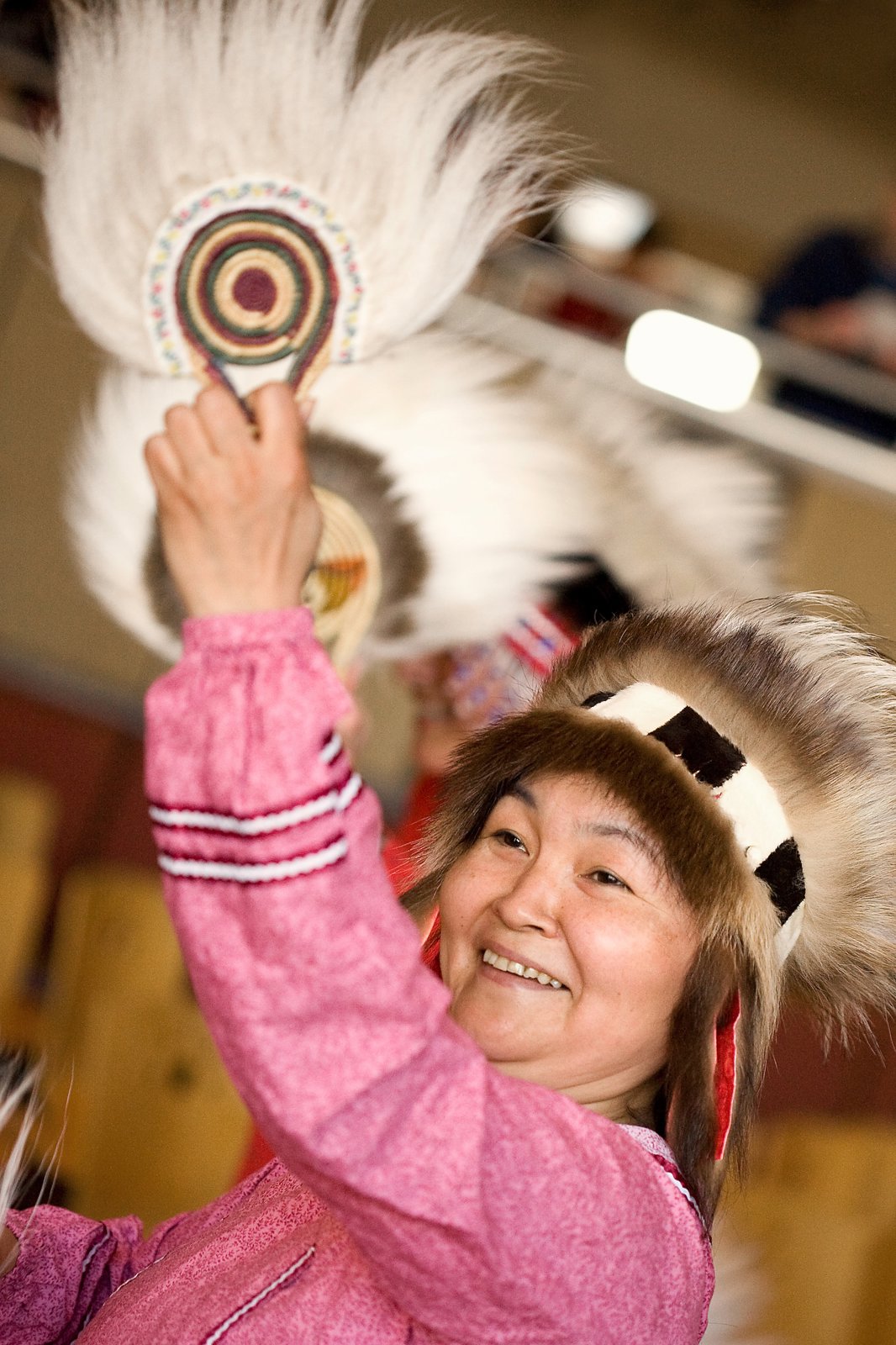
Set on 26 acres on the edge of town, the Alaska Native Heritage Center is the finest introduction to the state's indigenous cultures you'll find anywhere. Six traditional village settings — representing 11 distinct cultural groups from across Alaska — are faithfully reconstructed around a central lake. Skilled cultural demonstrators, many of them Native Alaskans themselves, share traditional skills including drum-making, skin-sewing, and tool craftsmanship. The main hall houses stunning ceremonial objects, contemporary Native art, and oral history recordings. Plan at least two hours here; it consistently ranks as one of Anchorage's most meaningful and moving experiences.
Tony Knowles Coastal Trail: Eleven Miles of Stunning Shoreline
Eleven miles of paved trail hug the edge of Cook Inlet from downtown Anchorage all the way to Kincaid Park, offering one of the most spectacular urban cycling and walking routes in North America. The trail passes through Earthquake Park — a haunting reminder of the 1964 Good Friday earthquake — and delivers sweeping views across the inlet to the Alaska Range. Wildlife encounters are common: moose regularly graze within arm's reach, beluga whales surface in the inlet during summer, and bald eagles circle overhead. Rent a bike near the trail's start and cover as much or as little as your time allows.
Anchorage Museum: Art, Science, and the Alaska Story
The Anchorage Museum is far more than a rainy-day fallback — it's one of the premier cultural institutions in the Pacific Northwest. The Smithsonian Arctic Studies Center, housed within the museum, showcases over 600 Alaska Native objects in a partnership between the Smithsonian and Alaska Native communities. Rotating galleries explore Alaska's scientific frontier, contemporary art, and the complex relationship between humans and one of Earth's last great wild places. The rooftop terrace provides mountain views, and the ground-floor café sources ingredients locally. Budget two to three hours for a truly satisfying visit.
Ship Creek: Salmon Running Through the Heart of Downtown
One of Anchorage's most unexpected pleasures unfolds each summer in downtown's Ship Creek, where king and silver salmon push upstream through the heart of the city in what may be the most urban salmon run in Alaska. From the viewing platform and walkway along the creek, visitors can watch large Chinook salmon — some exceeding 30 pounds — negotiate the current below a dam within sight of downtown office towers. Local anglers line the banks shoulder-to-shoulder during peak runs in June and July. It is a vivid, free, and genuinely wild experience that captures the Alaska paradox perfectly.
Downtown Saturday Market: Local Life in Full Color
Every weekend from mid-May through mid-September, the Anchorage Saturday Market fills blocks of downtown with local vendors, artisans, and food stalls serving everything from Alaskan smoked salmon to reindeer hot dogs. Wander among booths selling jade jewelry, handcrafted ulus (traditional Alaskan knives), birch syrup products, and beadwork made by local Alaska Native artists. The surrounding 4th Avenue district adds galleries, coffee roasters, and restaurants to the mix. Even outside market hours, the downtown neighborhood is lively, walkable, and full of genuine character — the ideal starting point for any Anchorage day.
Anchorage travel tips
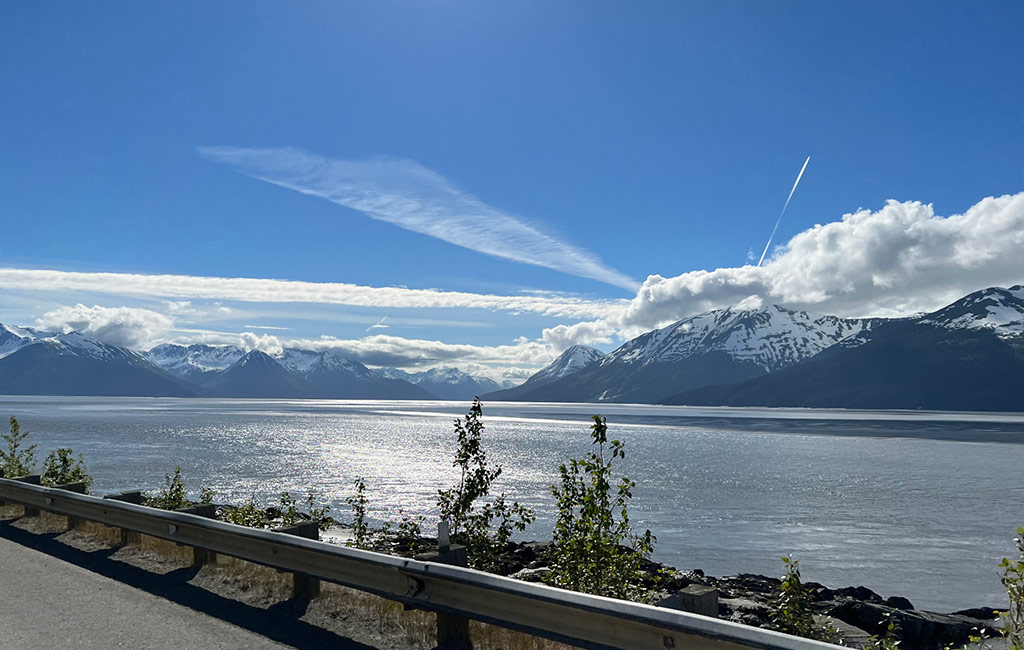
Ride the Alaska Railroad for the Scenery, Not Just the Transfer. If you're traveling between Anchorage and Seward or Whittier, resist the urge to sleep through the ride. The Alaska Railroad's Coastal Classic and Glacier Discovery routes pass through tunnels blasted through solid granite, skirt glacially carved valleys, and follow the turquoise waters of Turnagain Arm — one of the most dramatic tidal fjords on Earth. Bore tide surfing at Turnagain Arm is sometimes visible from the train. Sit on the left side southbound from Anchorage for the best inlet and mountain views.
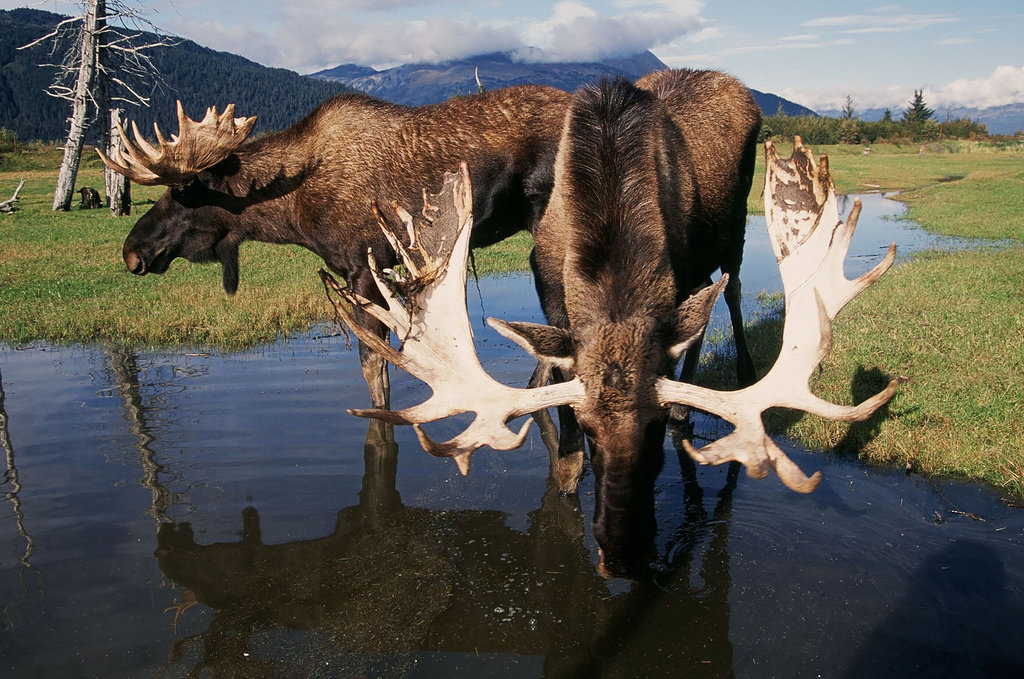
Give Moose Plenty of Space — They Are More Dangerous Than They Look. Moose are not a rarity in Anchorage — they are a daily urban reality. More than 1,500 moose live within or just outside city limits and routinely wander into parks, parking lots, and neighborhoods. If you encounter one on the Coastal Trail or in a park, give it a wide berth of at least 50 feet. Moose are statistically more dangerous than bears per capita in Alaska; they are unpredictable and can move astonishingly fast. Keep your distance, never approach a cow with calves, and back away calmly if one shows signs of agitation.
Seek Out Spenard for the Authentic Anchorage Experience. The Spenard neighborhood, just west of downtown, is where Anchorage residents actually eat, drink, and gather — and most tourists never find it. Independent coffee roasters, beloved dive bars, a thriving craft beer scene, and some of the city's best restaurants line Spenard Road without a chain or souvenir shop in sight. The Wednesday neighborhood farmers market here sells glacier-fed vegetables, house-smoked fish, and handmade goods at prices reflecting local reality rather than tourist season. It's a genuine window into everyday Anchorage life that no itinerary will hand you.
Pack Layers — Coastal Weather Changes in Minutes. Anchorage sits in a complex microclimate where conditions can shift from warm sunshine to biting coastal wind within the same hour. Even on midsummer days when temperatures hit 70°F downtown, the Tony Knowles Coastal Trail can be 15 degrees cooler with a sharp breeze off Cook Inlet. Always carry a wind-resistant layer in your daypack. Rain gear is equally important — summer showers arrive without warning and can last anywhere from five minutes to five hours. Lightweight, compressible gear solves every weather problem without weighing you down.
Try Alaska Craft Beer Made with Foraged Local Ingredients. Anchorage has developed a genuinely impressive craft brewing scene, fueled by exceptionally clean glacial water and creative brewers who spend long winters perfecting their recipes. Several downtown and Midtown taprooms are within walking distance of the transit center and offer tasting flights showcasing Alaska-inspired flavors. Look for seasonal releases featuring spruce tips, fireweed honey, and wild-harvested berries — ingredients foraged from the surrounding wilderness that simply don't appear in craft beer anywhere else in the world.
Flightseeing: The One Investment That Delivers the Most. No photograph and no land-based viewpoint can prepare you for Alaska as seen from a small aircraft. Anchorage has several bush-plane operators offering flightseeing tours over the Chugach Mountains, Knik Glacier, and on clear days, Denali itself. A 30-to-60-minute glacier flight costs roughly $200–$350 and delivers the defining perspective on Alaska's scale — a carpet of ice and granite stretching beyond the horizon in every direction. Book in advance, plan for weather contingencies, and treat it as non-negotiable. This single experience often becomes the entire trip's most vivid and lasting memory.
Port Facts Every Cruiser Needs To Know
Anchorage shore excursion FAQs
Anchorage itself does not have a cruise ship terminal — the city sits along Cook Inlet and lacks the deep-water facilities required for large cruise vessels. The nearest actual cruise ports are Seward, about 127 miles south via the Seward Highway (roughly 2.5 hours by road or 4 hours by scenic Alaska Railroad train), and Whittier, about 60 miles east through the mountains (1 hour by road, including the Anton Anderson Memorial Tunnel). Most Alaska cruise itineraries use one of these ports for embarkation and disembarkation, treating Anchorage as the hub city for pre- and post-cruise stays. Cruise lines offer organized bus or rail transfers between the city and the ports.
If you're building an Anchorage day into your cruise itinerary — either the day before embarkation or the day after disembarkation — book accommodations at least two to three months in advance for summer dates, especially July and August when the city fills with both cruise travelers and independent visitors. Popular activities like flightseeing tours, Alaska Native Heritage Center programs, and fishing charters book out weeks ahead. Arriving into Anchorage the night before an early-morning port transfer is strongly recommended — it eliminates any travel delay risk that could cause you to miss your ship, and it gives you a full prior day to explore the city at leisure.
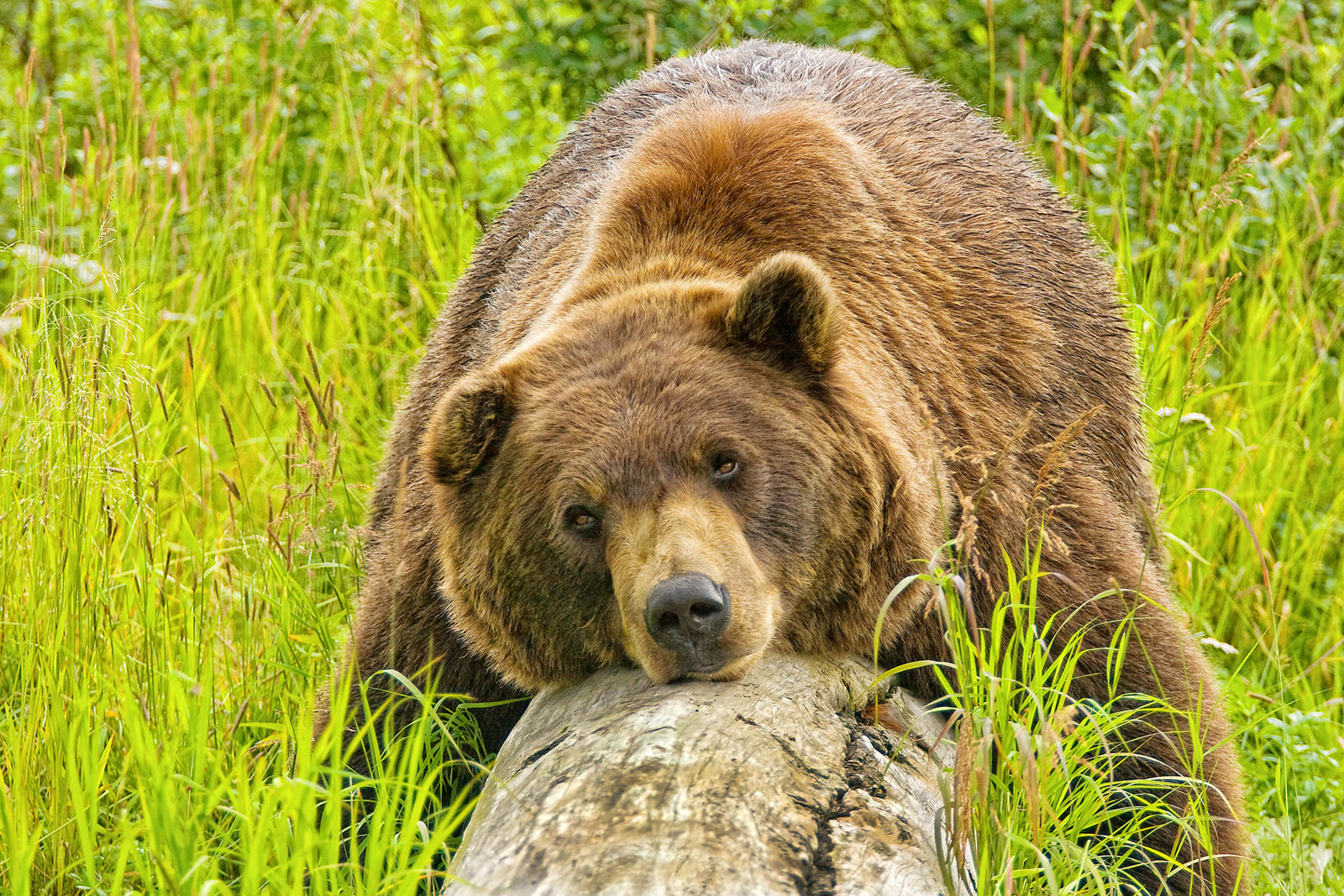
Moose sightings in city parks and along the Coastal Trail are extremely common, especially in early morning and evening hours. Beluga whales surface in Cook Inlet during summer and can sometimes be spotted from the Coastal Trail or from scenic pullouts along Turnagain Arm on the drive to Seward. Bald eagles are abundant and visible throughout the city. Dall sheep frequent the rocky slopes above the Eagle River valley, visible with binoculars from the Chugach foothills. Brown and black bears inhabit Chugach State Park, though actual sightings require deeper trail access and some luck. For guaranteed wildlife encounters, consider a guided wildlife drive or a stop at the Alaska Wildlife Conservation Center, about 40 miles south on the Seward Highway.
The downtown core and tourist-friendly areas along 4th Avenue, the Coastal Trail, and the museum district are safe and comfortable for independent exploration throughout the day. Like any mid-sized North American city, Anchorage has pockets best avoided after dark, and petty theft can occur around busy transit areas. Standard urban precautions apply: keep valuables secure, remain aware of your surroundings, and stick to well-trafficked areas if you are unfamiliar with the city. The wildlife-related risks — particularly moose encounters on the Coastal Trail — are actually the more statistically likely concern for visitors; giving animals appropriate space eliminates the vast majority of that risk.
Wild-caught Alaska salmon is the signature dish, and the quality in Anchorage — served smoked, grilled, blackened, or in rich chowder — far exceeds anything you'll taste outside the state. King crab legs, available at several downtown seafood restaurants, are another essential experience. Reindeer sausage is a local street-food staple with a slightly gamey, deeply satisfying flavor unlike anything in the lower 48. Look also for birch syrup (a subtler, earthier alternative to maple syrup), wild berries including cloudberries and lowbush cranberries, and fiddlehead ferns in spring. Upscale restaurants near the museum and along G Street offer seasonal tasting menus built around locally sourced Alaskan ingredients — these provide the finest overall introduction to what this cuisine can be.
The drive from Seward to Anchorage on the Seward Highway covers about 127 miles and takes approximately 2.5 hours under normal conditions. The highway is famously scenic, winding along Turnagain Arm with views of bore tides, Dall sheep on the cliffs, and towering mountain walls on both sides. Allow extra time for wildlife-related slowdowns — moose, sheep, and bears near the road can bring traffic to a crawl at any moment. The Alaska Railroad's Coastal Classic train is a more relaxed and visually stunning alternative, taking about 4 hours but eliminating any driving stress and offering camera angles unavailable from the road. Many cruise lines provide organized transfers on both routes, typically included in land package pricing.
Anchorage experiences nearly 22 hours of daylight around the summer solstice (June 20–21), with the sun setting after 11 p.m. and rising again before 4 a.m. Even in August, sunset comes after 9 p.m. This extended daylight means attractions, restaurants, and outdoor spaces remain fully usable well into what would be evening elsewhere — a significant advantage for cruise passengers trying to pack a full experience into limited shore time. The flip side: without complete darkness, your body clock may not prompt natural tiredness. Pack an eye mask if you're staying overnight, and stay well hydrated — the combination of extended activity, Alaska's dry air, and the disorienting brightness catches many visitors off guard.
Several of Anchorage's finest experiences cost nothing. The Tony Knowles Coastal Trail is free to walk or cycle and delivers stunning scenery year-round. Ship Creek salmon viewing during the June–July peak run is free and genuinely spectacular. Earthquake Park, which preserves the landscape dramatically deformed by the 1964 Good Friday earthquake, is a free open space with sweeping coastal panoramas. The Anchorage Saturday Market is free to browse. Many of the city's best wildlife sightings — moose grazing alongside the trail, eagles soaring overhead, beluga whales surfacing in the inlet — are entirely unplanned and cost absolutely nothing. The Alaska Native Heritage Center and Anchorage Museum both charge admission but are among the most rewarding paid experiences in the state.
Denali National Park is approximately 240 miles north of Anchorage, a drive of about 4.5 to 5 hours each way. As a true day trip, it is extremely challenging — you would spend more time driving than exploring the park itself, and the most rewarding park experiences (bus rides into the interior, serious wildlife watching) require arriving early and spending significant time inside. The Alaska Railroad offers a Denali Star train service that is far more comfortable than driving, but the journey takes 7–8 hours one way. Most travelers who want a meaningful Denali experience build in at least one or two nights at a park-area lodge. If your cruise itinerary includes a pre- or post-cruise Alaska land package, Denali is almost certainly included and arranged — by far the most efficient way to experience both destinations.
Layering is essential regardless of the forecast. A moisture-wicking base layer, a fleece or down mid-layer, and a waterproof shell jacket and pants cover every condition you are likely to encounter in an Alaska summer. Comfortable walking shoes are adequate for the Coastal Trail and downtown core; waterproof hiking boots are better if you plan to venture into Chugach State Park. Sunscreen is frequently overlooked but critical — extended daylight hours and reflective surfaces mean UV exposure accumulates even on overcast days. Insect repellent is useful near forested trails and wetlands, especially in June and July when mosquitoes are active. A small daypack, reusable water bottle, and a camera with a spare battery round out the kit perfectly.
Filters
Select a filter to refine results.
Tour Type
Tour Activity
 Cart
Cart
 USD
USD GBP
GBP AUD
AUD EUR
EUR CAD
CAD