



Tours in Icy Strait/Hoonah Alaska


Cruising to Icy Strait/Hoonah Alaska in a group?
Skip the crowded ship excursion bus. One dedicated planner will design a private shore experience around exactly what your group wants — coordinated from first enquiry to the moment you're back on board. More memorable, more flexible, and more affordable than you might expect. Spend less time organising, more time enjoying.
Explore Group Travel →Cruising to Icy Strait/Hoonah Alaska
Icy Strait Point is unlike any other cruise destination in Alaska. Developed and owned by the Huna Tlingit people of Hoonah — one of the largest Tlingit communities in Southeast Alaska — the port is built around a restored 1912 salmon cannery complex on the shore of Icy Strait, a deep-water passage celebrated among marine biologists and wildlife watchers as one of the most productive ecosystems on the Pacific coast. The destination's development was a deliberate act of community sovereignty: rather than ceding control of tourism to outside operators, Hoonah's residents built, own, and operate their own port, directing its revenues into the village and its interpretation toward their own culture and history.
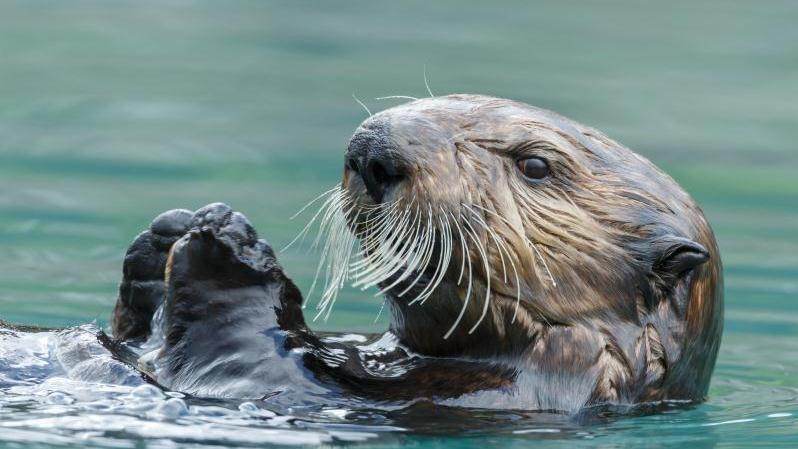
The wildlife here is the draw that defines everything else. Icy Strait and the surrounding waters of Chichagof Island support one of the highest concentrations of humpback whales in Alaska — the channel's rich krill and herring populations draw feeding whales reliably throughout the summer season. Brown bears roam Chichagof Island in numbers that have given it one of the highest bear densities in the world. Sea otters raft in kelp beds visible from the pier. Bald eagles are a constant presence overhead. This is not staged wildlife viewing; it is a functioning wilderness ecosystem that happens to be accessible from a cruise ship dock.
For visitors, Icy Strait Point offers a spectrum from full-throttle adventure — the ZipRider, one of North America's longest zip lines, drops 1,300 vertical feet above the cannery — to the quiet pleasure of walking the village of Hoonah, sitting with cultural interpreters at the cannery museum, or watching bears move through alder thickets from a covered viewing platform. The destination rewards visitors who slow down enough to engage with the Huna Tlingit story rather than treating it as a backdrop to an activity.
Top things to do in Icy Strait/Hoonah Alaska on a cruise stopover
Whale Watching in Icy Strait
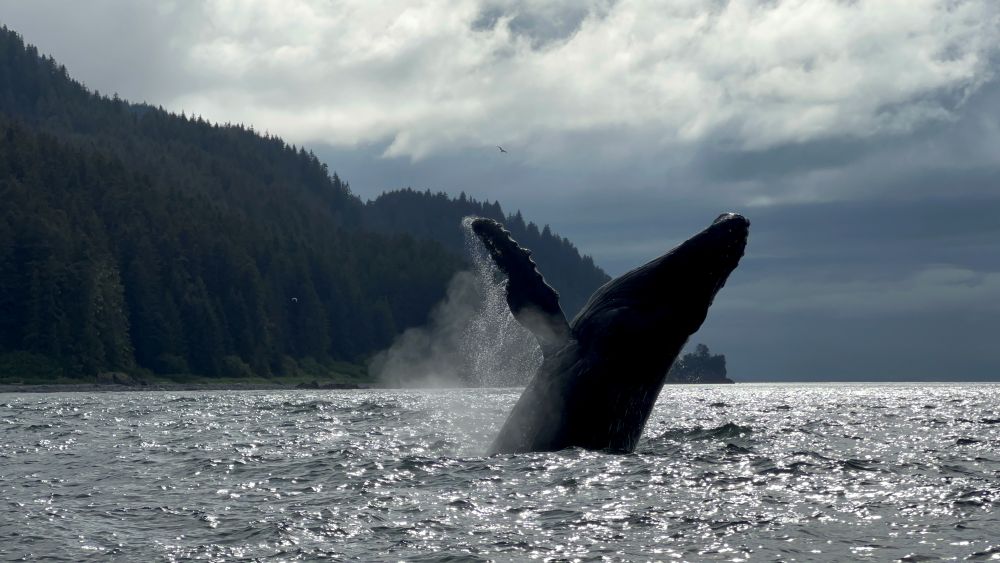
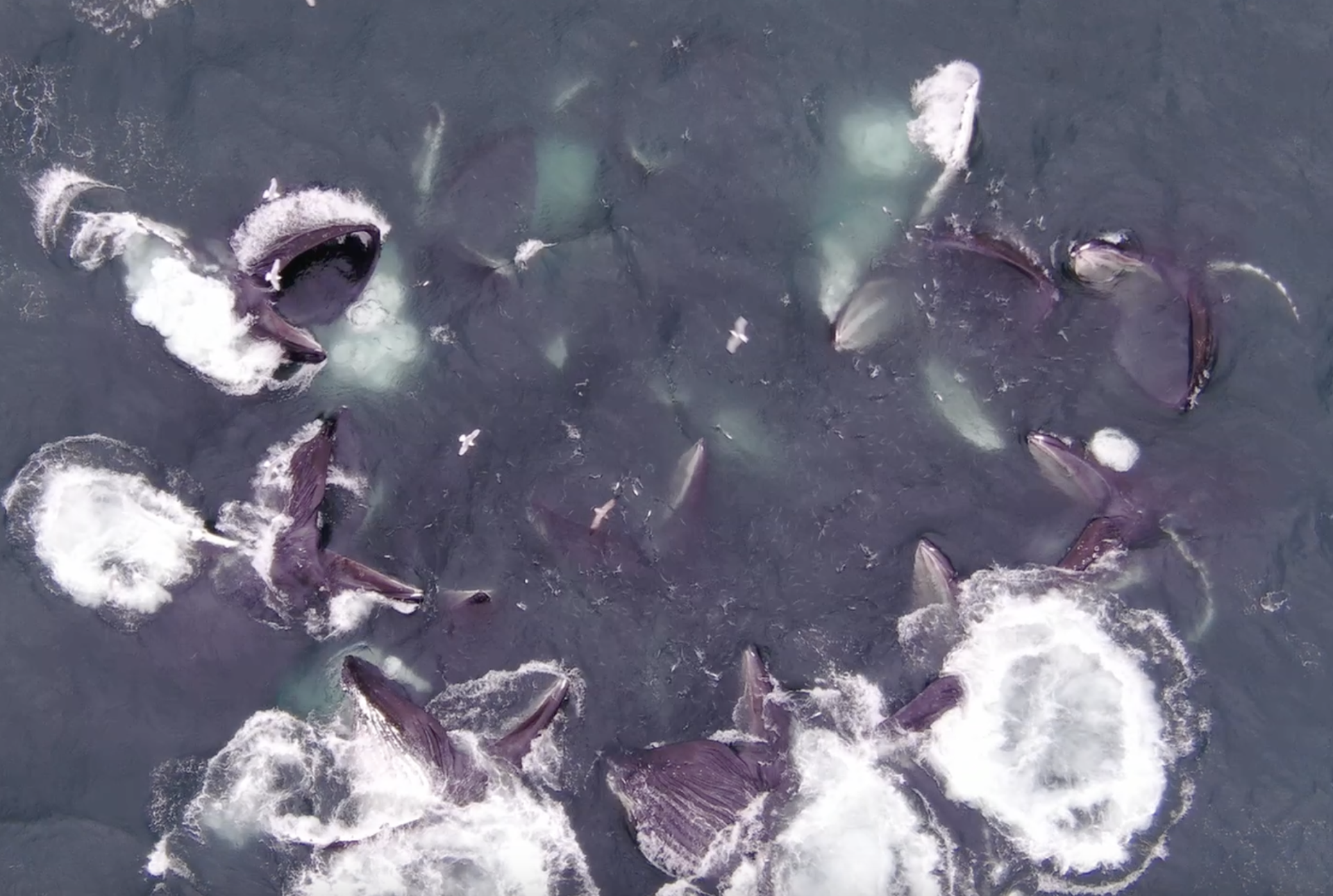
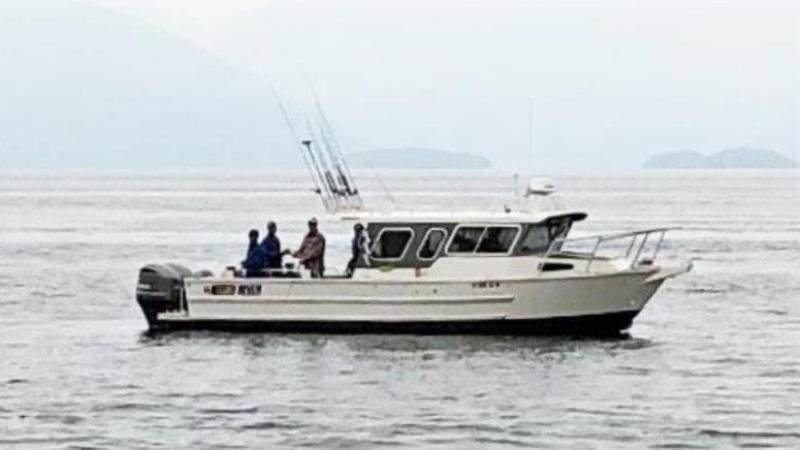
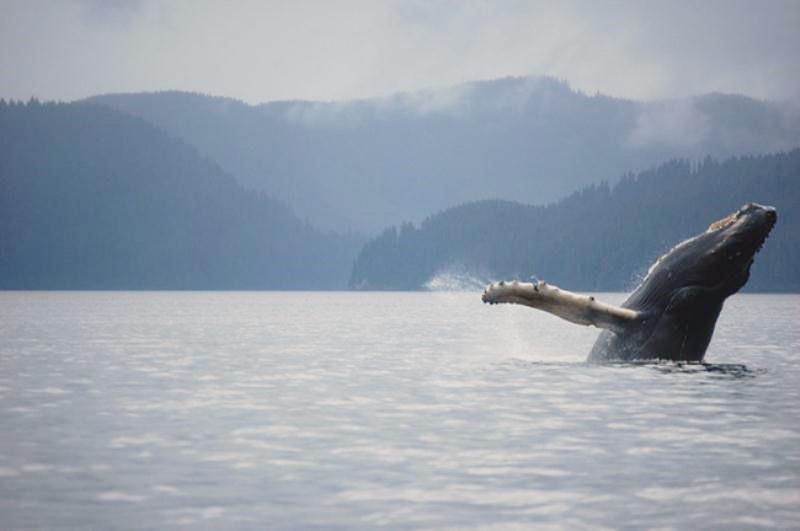
Icy Strait ranks among Alaska's most reliable humpback whale viewing corridors. The channel's cold, nutrient-rich waters support enormous concentrations of herring and krill — and the humpbacks follow. Summer visitors on boat excursions into the strait routinely encounter multiple whales within the first 30 minutes, often witnessing bubble-net feeding, breaching, and tail-lobbing behavior at close range. The surrounding scenery — Chichagof Island's forested slopes rising steeply from the water, with distant peaks visible on clear days — makes the setting as memorable as the wildlife. Even from the ISP shoreline and pier, whale blows are visible in the channel on calm days.
Brown Bear Viewing
Chichagof Island supports one of the highest densities of brown bears in the world, and Icy Strait Point has developed bear viewing infrastructure that puts visitors in realistic proximity to wild bears without baiting or artificial conditioning. Viewing areas — both shoreline platforms and inland forest clearings — are positioned where bears naturally forage, and the experience is genuinely wildlife-dependent rather than guaranteed. In July and August, when salmon fill the streams and bears feed intensively before denning, sightings are frequent and extended. This is wild bear behavior in a wild landscape, observed from structured but unobtrusive positions.
The ZipRider
The ISP ZipRider is one of North America's largest zip line installations — a 5,330-foot run that drops 1,300 vertical feet from a mountain perch above the cannery to a landing zone near the shore. At peak velocity, riders reach speeds approaching 60 miles per hour while suspended above a landscape of old-growth forest and tidal flats with Icy Strait visible in the distance. The experience is unambiguously thrilling, and the views during the 90-second descent are extraordinary even for those who find the speed secondary. Weight and health restrictions apply. Demand is high; arrive early or book in advance to secure a slot within your port day.
The Historic Cannery and Cultural Center
The restored 1912 salmon cannery at the heart of Icy Strait Point is both a working cultural institution and one of the finest industrial heritage sites in Southeast Alaska. The building retains its original equipment — iron wheels, conveyor systems, enormous retorts — alongside interpretive exhibits that trace both the cannery's commercial history and the Huna Tlingit story that predates and surrounds it. Cultural interpreters, many of them Hoonah community members, offer insight into Tlingit oral history, the displacement of the Huna people from Glacier Bay by the Little Ice Age, and their eventual resettlement in Hoonah. The museum anchors the destination's deeper meaning.
Hoonah Village Walking Tour
A mile from the ISP pier, the village of Hoonah is home to roughly 800 Huna Tlingit residents — one of the largest and most culturally active Tlingit communities in Alaska. Walking through the village offers a genuine sense of contemporary Alaska Native life: totem poles at the community center, a Russian Orthodox church that reflects the region's layered history, a working harbor with commercial fishing boats, and small shops and cafes run by local families. Community members sometimes offer informal cultural walks. Arriving by the free shuttle and exploring independently gives visitors a very different — and more honest — perspective than the ISP pier alone.
Sea Kayaking and Shoreline Exploration
The protected coves and forested shoreline immediately surrounding the ISP pier offer exceptional sea kayaking conditions, with calm water, minimal boat traffic, and consistent wildlife. Sea otters are frequently observed rafting in kelp beds offshore. Bald eagles hunt the tidal flats at low water. Guided kayak tours depart from the beach adjacent to the cannery and range from 90-minute introductory paddles to half-day explorations of more remote coves. For those who simply want to explore the shoreline on foot, the beach and tidal zone near the pier reward a slow, attentive walk with tide pools, sea stars, and waterbirds at every turn.
Icy Strait/Hoonah Alaska travel tips
Arrive at the ZipRider Early If You Want It. The ZipRider is the single most in-demand experience at Icy Strait Point and frequently reaches capacity well before midday on busy ship days. If the ZipRider is a priority, it should be your first stop after walking off the gangway — not a mid-afternoon decision. Book in advance through ISP's reservation system if possible. Note that the ride has weight limits (typically 80–260 lbs) and health restrictions around heart conditions, pregnancy, and certain musculoskeletal issues; review these before committing. The uphill gondola portion is included and offers strong views on its own.
Bring Binoculars — They Change the Experience. A compact pair of binoculars is arguably the single highest-value item you can bring to Icy Strait Point. Whale blows are visible in the strait from the shoreline; binoculars turn a distant puff of mist into an identifiable animal. Bears on the hillsides are often spotted from viewing platforms at distances where the naked eye sees only dark shapes — binoculars reveal posture, behavior, and sometimes cubs. Sea otters, distant eagles, and mountain goats on Chichagof's ridgelines all reward the extra magnification. Even on a boat excursion, personal binoculars improve the wildlife experience considerably over the ship's or guide's shared optics.
Layer Up — Icy Strait Earns Its Name. The strait running past Hoonah connects to the open Gulf of Alaska, and even on a warm summer day the water temperature hovers in the low 50s°F, generating a persistent marine chill that can surprise visitors dressed for a mainland summer. On boat excursions, the combination of wind and spray makes effective layering essential. Recommended kit: a windproof and waterproof outer shell, a fleece or down mid-layer, and moisture-wicking base layers. Wear rubber-soled shoes or boots that can handle wet decks and slippery shoreline rocks. A hat and gloves are not overkill, particularly for early-morning departures on whale watching boats.
Walk Into Hoonah Village — Don't Just Stay at the Pier. The cannery complex and the pier area offer a polished, well-curated version of Icy Strait Point. The village of Hoonah, a mile up the road, offers the real one. The free shuttle runs regularly and takes five minutes. In the village you'll find the community totem poles, a working harbor, small local businesses, and the kind of quiet, authentic Alaska Native community life that most cruise itineraries never deliver. Ask at the cultural center about whether community members are leading informal village walks that day — the experience of hearing Hoonah's history from someone who grew up there is irreplaceable.
Adjust Your Wildlife Expectations Accordingly. Wildlife at Icy Strait Point is genuine and wild — which means it is also unpredictable. Bears appear when bears appear; whales surface where they choose. Viewing experiences are enhanced by guides with local knowledge of daily patterns, tidal conditions, and recent activity, but no excursion can guarantee a specific encounter. Go with the right mindset — the landscape and marine environment are spectacular regardless — and you will almost certainly be rewarded. Visitors who approach bear viewing or whale watching demanding a specific outcome tend to miss the beauty of what actually unfolds in front of them.
Spend Unhurried Time at the Cannery Museum. It's easy to walk through the historic cannery quickly on the way to an excursion and think you've seen it. Go back and spend 45–60 minutes in the museum proper, especially if a Huna Tlingit cultural interpreter is present. The exhibit on the displacement of the Huna people from Glacier Bay — forced out by the expanding glacier during the Little Ice Age and later denied reentry when the area became a national park — is one of the most humanizing pieces of Alaska history you'll encounter on any cruise itinerary. The cannery's industrial archaeology is also genuinely impressive; this is a building that processed millions of salmon and looks the part.
Port Facts Every Cruiser Needs To Know
Icy Strait/Hoonah Alaska shore excursion FAQs
Ships dock directly at the Icy Strait Point pier — no tender required. The pier is purpose-built for cruise vessels and sits immediately adjacent to the cannery complex. Passengers walk off the gangway and are within 5 minutes' walk of the cultural center, beach, ZipRider base, restaurants, and activity booking areas.
Hoonah village is approximately one mile from the ISP pier via a paved road — a 15-minute walk through a forested coastal setting. Free shuttle buses run regularly between the pier and the village throughout the port call, with a journey time of about 5 minutes. The walk is scenic and flat; most visitors take the shuttle one way and walk the other.
Humpback whales are a near-certainty on any boat excursion into Icy Strait from June through September — the channel is one of Alaska's most productive feeding grounds. Bald eagles are constantly present. Sea otters raft in nearshore kelp beds visible from the pier. Brown bear sightings at the viewing areas are frequent but not guaranteed; July and August, when bears are actively foraging on salmon, offer the best odds. Steller sea lions and Dall's porpoises are commonly spotted on whale watching boats.
For those without a fear of heights and in good physical condition, the ZipRider is a genuine highlight — the combination of speed, altitude, and Alaskan scenery is difficult to replicate anywhere. Riders must weigh between approximately 80 and 260 pounds; specific limits are confirmed at booking. Health restrictions apply for heart conditions, pregnancy, recent surgeries, and certain musculoskeletal issues. Book in advance or arrive at the ZipRider immediately after disembarking — it sells out early on busy ship days. The gondola ride to the top is worthwhile for the views even if you ultimately choose not to zip.
Icy Strait Point is owned and operated by the Hoonah community and offers all its main experiences — whale watching, bear viewing, ZipRider, kayaking, cultural tours — directly through the ISP reservation system, independent of cruise line bookings. Many passengers book through the ship for convenience, but booking directly with ISP is straightforward and often less expensive. Walk-up availability exists for most activities except the ZipRider, which is best reserved in advance. The cultural center, village walk, and beach areas require no booking at all.
The main cannery complex, cultural center, restaurants, and shoreline areas are largely accessible on flat, paved surfaces. The ZipRider is not suitable for those with significant mobility limitations due to the gondola and boarding process. Wilderness excursion accessibility varies by activity — whale watching boats can typically accommodate passengers who can manage a gangway and boat deck; bear viewing platforms have varying terrain. Contact ISP in advance if you have specific accessibility needs, as the staff are experienced in accommodating a range of limitations.
Icy Strait Point is extremely rewarding without any adventure activity. The historic cannery museum with Huna Tlingit cultural interpretation alone justifies the port call for historically minded visitors. Whale watching from the shoreline or a non-strenuous boat excursion is accessible to virtually everyone. A walk to Hoonah village delivers authentic Alaska Native community character. The beach and tidal zone near the pier reward a slow, attentive stroll. Culturally oriented visitors often find Icy Strait Point among the most meaningful ports on an Inside Passage itinerary precisely because the history and community are given prominence rather than being backdrop.
The Huna Tlingit people have lived on and around Chichagof Island for thousands of years. Their ancestral homeland included the Glacier Bay area, from which they were displaced by an advancing glacier during the Little Ice Age around 1750, and to which they were later denied return when Glacier Bay became a national monument and then park. Hoonah became their primary village. The development of Icy Strait Point as a community-owned destination is a significant act of economic self-determination — the revenues from cruise tourism flow directly into Hoonah, funding services and cultural programs. Understanding this context makes time at the cultural center considerably more meaningful.
Summer temperatures at Icy Strait Point average 50–65°F, with significant variation between calm sunny days and cool, overcast conditions driven by marine air from the Gulf of Alaska. Rain is common throughout the season — the area receives substantial annual precipitation. On boat excursions, wind chill on the water can make even a 60°F day feel considerably colder. Pack a waterproof outer layer, a warm mid-layer, and waterproof footwear. Sunscreen and sunglasses are necessary for clear days, which can be bright even when cool.
The fundamental difference is ownership and intention. Icy Strait Point is not a port that cruise lines built on community land — it is a destination that the Huna Tlingit community of Hoonah built and controls on their own terms, with tourism structured around their own history, culture, and natural environment. This changes the texture of the experience in ways that are hard to quantify but easy to feel: the cultural interpretation is authoritative because it comes from the community itself, the wildlife experience is genuine because the destination's infrastructure was designed around what naturally exists here, and the revenues from visitors' spending stay in Hoonah. For many cruisers, this makes Icy Strait Point the most substantive port day of their Alaska itinerary.
Filters
Select a filter to refine results.
Tour Type
Tour Activity
 Cart
Cart
 USD
USD GBP
GBP AUD
AUD EUR
EUR CAD
CAD