



Tours in Skagway Alaska


Cruising to Skagway Alaska in a group?
Skip the crowded ship excursion bus. One dedicated planner will design a private shore experience around exactly what your group wants — coordinated from first enquiry to the moment you're back on board. More memorable, more flexible, and more affordable than you might expect. Spend less time organising, more time enjoying.
Explore Group Travel →Cruising to Skagway Alaska
Skagway arrived at its moment of fame with extraordinary speed and ferocity. In the summer of 1897, word spread that gold had been found in Canada's Klondike, and within months this tiny inlet at the head of the Lynn Canal had transformed from a handful of buildings into a city of canvas and wood crowded with prospectors, gamblers, con artists, and entrepreneurs. By 1898 the population had swelled past 10,000 — more people than lived in Seattle at the time. The chaos, commerce, and occasional violence of those years are so well-documented and so thoroughly embedded in the physical landscape that Skagway remains, more than a century later, one of the most evocative boomtown survivors in North America.
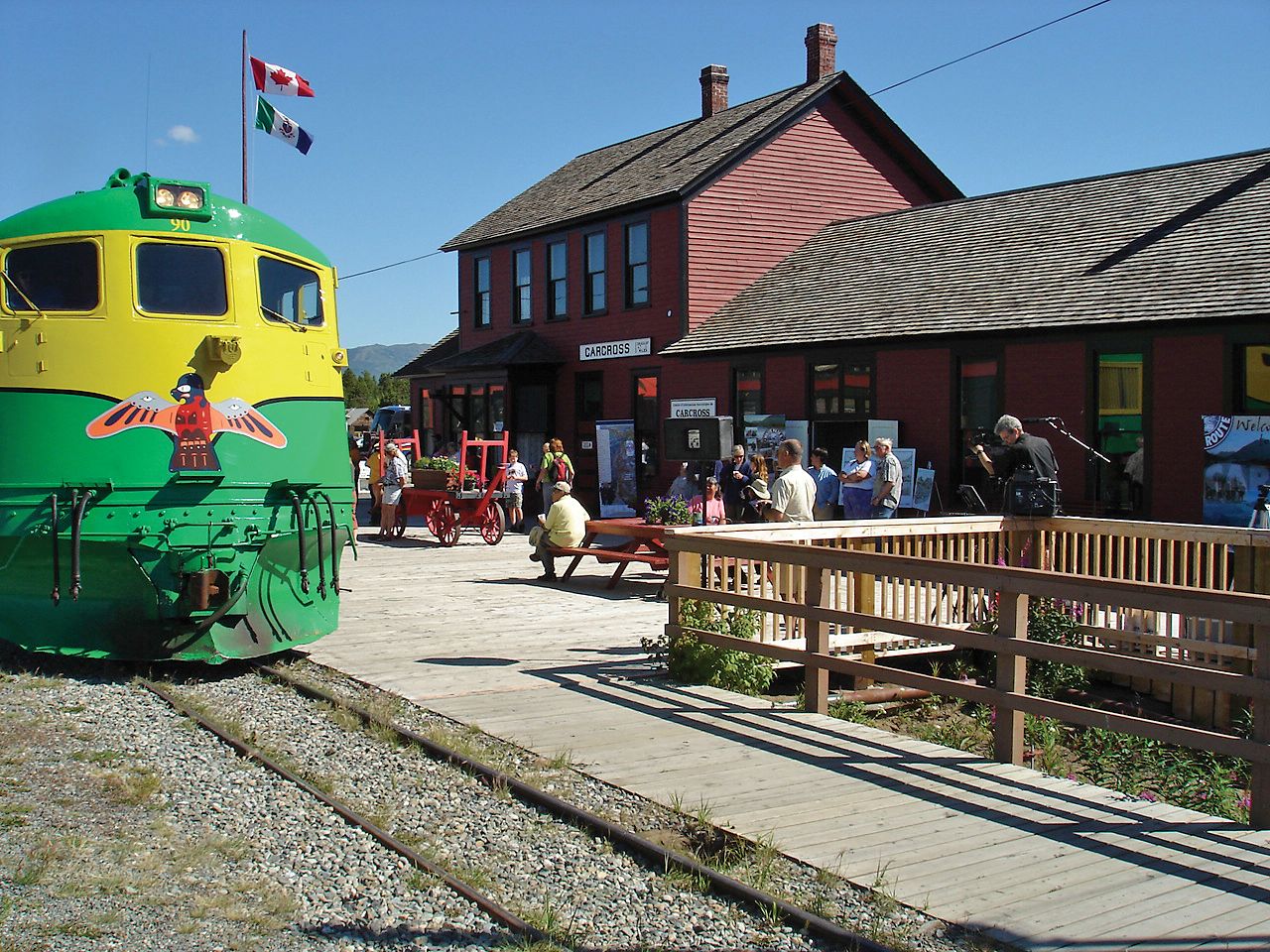
What saves Skagway from feeling like a theme park is the authenticity of what remains. The Klondike Gold Rush National Historical Park protects more than 15 buildings along Broadway Street that date from the stampede era, and the National Park Service has done painstaking work to preserve rather than reconstruct them. Walking Broadway, it takes only a modest leap of imagination to populate the wooden sidewalks with stampeders hauling supplies north. The White Pass & Yukon Route railroad, built in 1898–1900 through terrain that engineers initially declared impossible, still departs from the original depot just off Broadway — the same narrow-gauge tracks threading the same vertiginous mountain passes that daunted the gold seekers below.
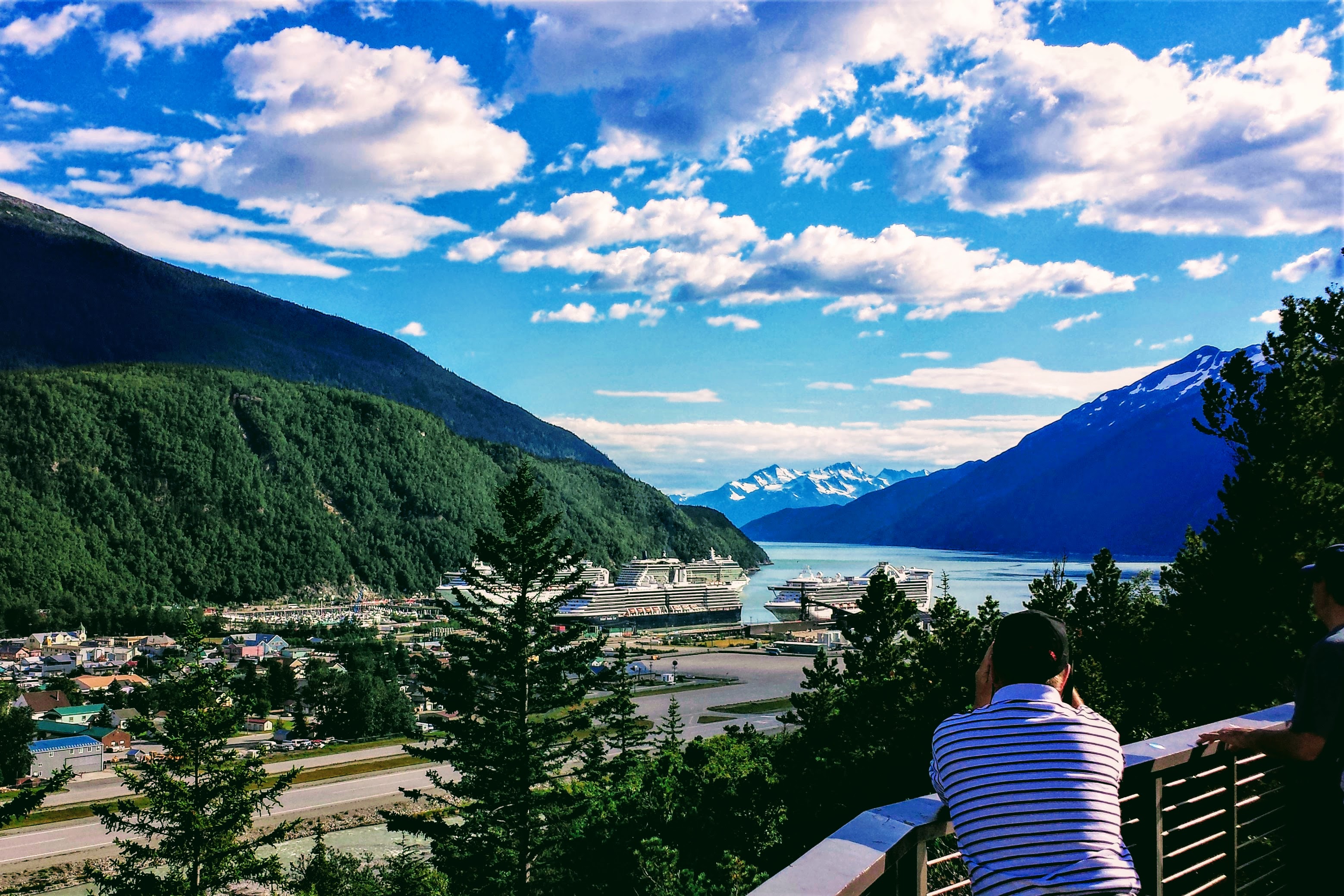
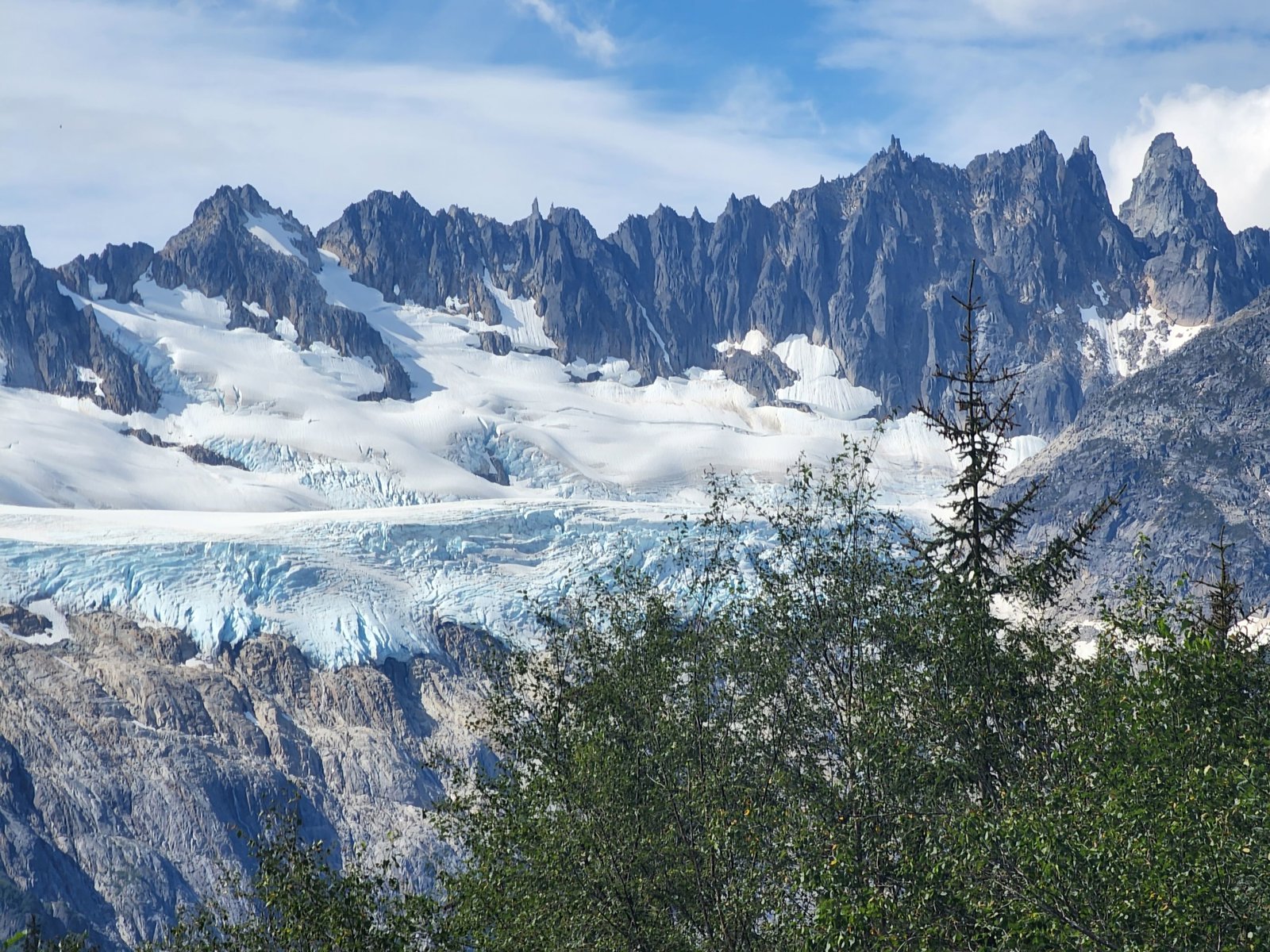
By contemporary standards, Skagway is a tiny town: roughly 1,000 year-round residents, a single main street, and a natural landscape of almost oppressive grandeur. The mountains that wall the valley rise abruptly from near sea level to more than 7,000 feet, their flanks covered in boreal forest that transitions to bare granite and, in the higher reaches, remnant glaciers. On the days when multiple large ships are in port — which is most summer days — Skagway's population multiplies many times over, lending the place an improbable energy that, paradoxically, recalls the original boomtown atmosphere. Come for the history, stay for the mountains.
Top things to do in Skagway Alaska on a cruise stopover
White Pass & Yukon Route Railroad: Engineering Marvel Through the Clouds
Built between 1898 and 1900 through terrain that surveying parties had repeatedly declared impassable, the White Pass & Yukon Route is one of the great feats of railroad engineering in North America. In just over two years, workers dynamited, hand-drilled, and carved 110 miles of narrow-gauge track through sheer granite cliffs, across wooden trestle bridges, and over the 2,865-foot White Pass summit — losing dozens of men in the process. Today, the restored vintage trains make the journey from Skagway to the summit and back, climbing 2,865 feet in roughly 20 miles while passengers gaze from open-air observation cars into gorges far below. The scenery is among the most spectacular accessible by rail anywhere in North America. Book ahead — trains fill early on busy ship days.
Klondike Gold Rush National Historical Park: Broadway's Living History District
The Klondike Gold Rush National Historical Park protects and interprets more than 15 original Gold Rush-era buildings along Skagway's Broadway Street, preserved in their weathered, authentic state rather than reconstructed for tourism. The park's visitor center, housed in the original 1898 White Pass & Yukon Route depot building, anchors the district with exhibits, ranger programs, and historical films that bring the stampede years vividly to life. Ranger-led walking tours depart regularly in summer and offer context that transforms an ordinary stroll into a layered historical encounter. The park also encompasses the Chilkoot Trail — the arduous 33-mile route over the mountains that most stampeders actually used — though day hikers can sample the lower sections from the nearby ghost town of Dyea.
Broadway Street: The Boomtown Preserved in Wood and Paint
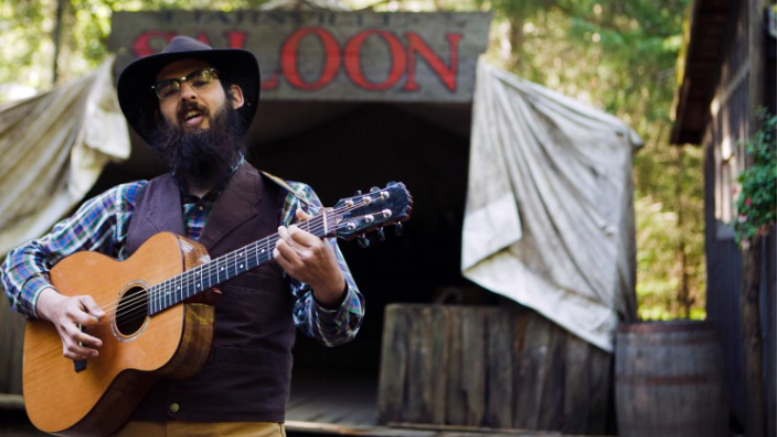
Skagway's Broadway Street is arguably the best-preserved Gold Rush streetscape in existence. The wooden false-front buildings, covered boardwalks, and period signage create an atmosphere that no reconstruction could replicate — these are the actual structures where stampeders outfitted, gambled, and slept in 1898. Among the most evocative stops: the Arctic Brotherhood Hall, its facade encrusted with thousands of pieces of driftwood; the historic Mascot Saloon, restored by the National Park Service to its operating-era appearance; and the Golden North Hotel, Alaska's oldest operating hotel. Even with the summer crowd of cruise visitors, Broadway retains a genuine sense of place — particularly in the early morning or in the hour before ships depart.
Skagway's Mountain Panorama: A Valley Framed by Extreme Terrain
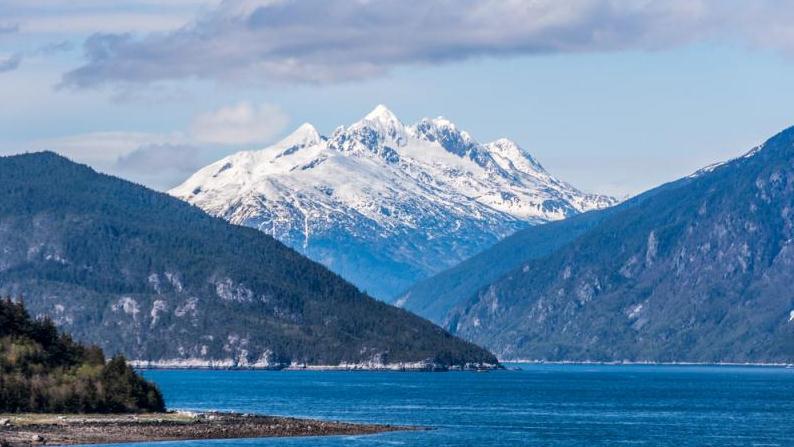
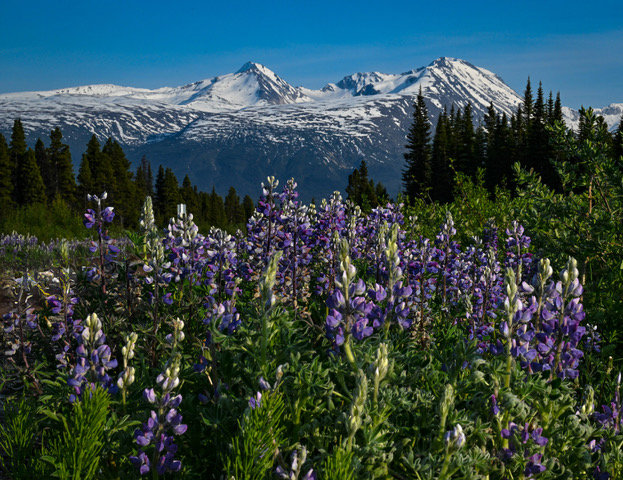
The physical setting of Skagway is as dramatic as its history. The town occupies a narrow valley at the head of the Lynn Canal — North America's longest and deepest fjord — hemmed in on both sides by mountains that rise precipitously from near sea level to jagged peaks above 7,000 feet. Waterfalls cascade down the valley walls, glaciers cling to the upper ridges, and on clear days the snow-capped summits reflect in the Skagway River. The panorama from Broadway Street itself is arresting, but even better views open up from the edges of town. Reid Falls, a short walk from the cruise dock, offers a close encounter with the cascade culture that defines this mountain landscape.
The Story of Soapy Smith: Skagway's Most Notorious Gold Rush Figure
No visit to Skagway is complete without an encounter with the legend of Jefferson Randolph 'Soapy' Smith, the charming and utterly ruthless con man who ran Skagway's criminal underworld in 1897 and 1898. Smith operated a network of saloons, shell games, and confidence schemes that systematically relieved arriving stampeders of their savings, all while cultivating a public image as a civic benefactor. His reign ended abruptly on July 8, 1898, in a shootout on the Juneau Wharf that killed both Smith and a local vigilante named Frank Reid. Both men are buried in the Gold Rush Cemetery north of town — a atmospheric walk through cottonwood forest that closes the chapter on Skagway's wildest year.
Dyea: The Ghost Town at the Foot of the Chilkoot Trail
Nine miles from Skagway by road, accessible by taxi or bicycle, the ghost town of Dyea was Skagway's twin during the Gold Rush — a rival port town at the foot of the Chilkoot Trail that housed an estimated 8,000 people at its peak. When the White Pass railroad made the Chilkoot route obsolete in 1900, Dyea emptied almost overnight. Today it's a hauntingly beautiful meadow landscape where only foundation outlines, a few rotting pilings in the tidal flats, and the original cemetery remain. The lower Chilkoot Trail begins here, and even a short hike into the forested lower section gives a sense of the journey's demands. The drive through the Skagway River valley to reach Dyea is itself spectacular.
Skagway Alaska travel tips
Book the White Pass Train Before You Board Your Ship. The White Pass & Yukon Route railroad is Skagway's most popular and time-consuming attraction, and departures fill weeks in advance during the peak summer season. If the train is a priority — and for many visitors it should be — book directly through the White Pass website before your cruise begins. Trains typically depart for the summit run in the morning, taking approximately 3 hours round-trip. Day-of tickets exist but cannot be counted on. The railroad's own website and the cruise ship's shore excursion desk both sell seats, though the independent rate is generally lower.
Arrive at the National Park Visitor Center First. The Klondike Gold Rush National Historical Park visitor center, steps from the dock in the original railroad depot building, is the ideal starting point for any Skagway visit. Rangers offer brief orientations and can tell you which walking tours are departing, what exhibits are open, and how to make the most of your time ashore. The 30-minute introductory film provides historical context that makes every subsequent stop on Broadway more meaningful. Admission is free. Even 20 minutes here changes the quality of the entire day.
Skagway Is Unusually Sunny for Southeast Alaska — Still Bring a Layer. Skagway sits in a distinct rain shadow created by the surrounding mountains, making it significantly drier and sunnier than Juneau, Ketchikan, or Sitka. Summer days frequently reach the high 60s to mid-70s°F under blue skies — more like a Pacific Northwest interior valley than a rainforest coast. That said, the mountains generate their own weather, temperatures drop quickly in shade, and mornings can be cool and overcast even on ultimately fine days. A light jacket or fleece handles most conditions; a full rain jacket is probably unnecessary but not foolish.
Walk to the Gold Rush Cemetery — It's Worth the Distance. The Gold Rush Cemetery sits about a mile and a half north of Broadway along State Street — a 25-minute walk through a quiet residential neighborhood and cottonwood forest. The graves of Soapy Smith and Frank Reid are the primary draws, but the cemetery as a whole is atmospheric and moving: headstones for men and women who came north chasing a dream and never made it back. Reid Falls is visible from the cemetery, and a short path leads to the base of the falls. The round-trip walk takes about an hour and a half at a comfortable pace and offers welcome respite from Broadway's crowds.
Manage Your Timing on Busy Ship Days. Skagway receives multiple large ships on most summer days, and Broadway Street can become genuinely crowded by mid-morning. The town handles the volume well — the historic district is long enough to absorb the crowds — but restaurants, gift shops, and popular viewpoints fill up. Consider an early departure from the ship if your itinerary allows it: the streets before 9 a.m. are tranquil in a way that simply doesn't exist by 11 a.m. Alternatively, the Gold Rush Cemetery walk, the Dyea road, and the lower Chilkoot Trail remain far less trafficked throughout the day.
The Canadian Border Is Closer Than You Think — Plan Accordingly. The White Pass summit and the Canadian border lie just 14 miles north of Skagway by road. If you're renting a vehicle, taking a taxi to White Pass, or cycling the highway, you'll reach the international border relatively quickly. US citizens and non-citizens alike need valid identification for border crossings — a passport is strongly recommended for non-US citizens and required for re-entry into the US from Canada. The train crosses into Canadian territory on certain longer excursions. Confirm your documentation requirements before any cross-border activity.
Port Facts Every Cruiser Needs To Know
Skagway Alaska shore excursion FAQs
Skagway is a direct dock port — your ship ties up at the cruise dock just steps from the edge of the historic district. No tender boats are required. The walk from the gangway to Broadway Street and the national historical park visitor center takes under five minutes. This makes Skagway one of the most convenient ports in Alaska for independent exploration, as every minute ashore can be spent in the destination rather than in transit.
The classic round-trip summit excursion to White Pass and back takes approximately 3 hours door-to-door from the Skagway depot. Trains typically depart in the morning, and the schedule is coordinated with ship arrivals. Some itineraries continue further into Canada (to Fraser or Bennett), which extends the journey to 5–8 hours. Confirm the specific excursion duration when booking. The train is a genuine highlight, but its time commitment means you'll want to plan the rest of your day around it rather than treating it as a quick side activity.
Jefferson Randolph 'Soapy' Smith was a professional confidence man who arrived in Skagway in 1897 and quickly established control of the town's criminal underworld. His network of saloons, shell games, and fake telegraph offices (charging fees to send messages over lines that weren't connected) systematically defrauded newly arrived stampeders. Despite his corruption, Smith cultivated a public persona as a civic booster. His reign ended on July 8, 1898, when vigilante Frank Reid shot and killed him during a confrontation — Reid died of his wounds days later. Both men are buried in the Gold Rush Cemetery north of town.
Both were routes used by Klondike-bound stampeders to cross the Coast Mountains from Skagway into Canada. The White Pass Trail (also called Dead Horse Trail) was lower in elevation but longer and extremely muddy, and it earned its grim nickname from the thousands of pack horses that died on it. The Chilkoot Trail, accessible from nearby Dyea, was steeper and more direct, with the infamous Golden Stairs section requiring stampeders to climb a 45-degree slope in single file. Today, the White Pass route is followed by the railroad; the Chilkoot Trail is a 33-mile National Historic Trail popular with backcountry hikers.
The core historic district is extremely walkable — Broadway Street's main attractions, the national historical park, the railroad depot, and the waterfront are all within a few blocks of each other and of the cruise dock. Most visitors can cover the central sites comfortably on foot in 2–3 hours. For attractions beyond the walkable core — Dyea ghost town, Reid Falls, White Pass overlooks — taxis depart from the waterfront, bicycle rentals are available, and organized transit options exist. The town itself requires no vehicle.
Dyea was Skagway's rival port town during the 1897–1899 Gold Rush, serving as the departure point for the Chilkoot Trail. After the White Pass railroad opened in 1900, Dyea emptied almost instantly and was largely reclaimed by the landscape. Today it's a meadow and forest site managed by the National Park Service, about 9 miles from downtown Skagway on an unpaved road. Taxis can make the trip, and the road is passable by bicycle for confident riders. The lower Chilkoot Trail begins at Dyea, and even a short hike into the forest is worthwhile. The drive through the Skagway River delta is beautiful in its own right.
Yes, though Skagway's small permanent population means dining options are concentrated and can get busy when multiple ships are in. Glacier Smoothies on Broadway is a reliable stop for quick, fresh options. The Sweet Tooth Café serves hearty breakfasts and lunches. Starfire Thai, a local institution in an unexpected genre for Alaska, has a loyal following. For something sweet, Klondike Doughnuts has become a destination stop. Aim for an early or late lunch to avoid the peak mid-day rush when Broadway is at its most crowded.
Yes, all National Park Service programs in Skagway are free. Rangers lead walking tours of the historic district departing from the visitor center multiple times daily during the summer season — these are among the best free activities available in any Alaska port. The visitor center itself features exhibits, period artifacts, and a film on the Gold Rush. Rangers can also provide information on self-guided walking routes, trail conditions for the lower Chilkoot, and current park programming. Check the visitor center bulletin board on arrival for that day's schedule.
Skagway can receive three or more large cruise ships simultaneously on peak summer days, which can temporarily push the town's pedestrian population well above its year-round count of roughly 1,000 residents. Broadway can feel genuinely crowded between roughly 10 a.m. and 3 p.m. on these days. That said, the crowds tend to concentrate along the few blocks nearest the dock, and attractions like the Gold Rush Cemetery, Dyea, and the lower Chilkoot Trail remain comparatively quiet throughout the day. Early departures from the ship and late returns make a significant difference in the experience.
Skagway is a pleasant surprise for travelers expecting the perpetual drizzle of Southeast Alaska. The town sits in a pronounced rain shadow at the head of the Lynn Canal, shielded from Pacific moisture by the surrounding mountain ranges. Summer days regularly see sunshine and temperatures in the high 60s to mid-70s°F — more reminiscent of British Columbia's interior than the Alaska coast. Mornings can be cool and the mountains generate their own localized weather, so a light jacket is always sensible. Overall, Skagway receives roughly half the annual rainfall of Juneau or Ketchikan, making it one of the drier and sunnier ports on the Inside Passage.
Filters
Select a filter to refine results.
Tour Type
Tour Activity
 Cart
Cart
 USD
USD GBP
GBP AUD
AUD EUR
EUR CAD
CAD