



Tours in Hiroshima


Cruising to Hiroshima in a group?
Skip the crowded ship excursion bus. One dedicated planner will design a private shore experience around exactly what your group wants — coordinated from first enquiry to the moment you're back on board. More memorable, more flexible, and more affordable than you might expect. Spend less time organising, more time enjoying.
Explore Group Travel →Cruising to Hiroshima
There are cities defined by what was built in them, and there are cities defined by what was destroyed. Hiroshima is both — and the tension between the two is what makes it unlike anywhere else in Japan. On 6 August 1945, a single atomic bomb reduced most of the city to ash in seconds, killing an estimated 140,000 people by the end of that year. The city that exists today was rebuilt almost entirely from 1950 onward, on the same delta of seven rivers, by the same people and their children.
The decision to make Hiroshima a city of peace — not as consolation but as active commitment — was made by its own citizens and government in the years immediately after the war. The Peace Memorial Museum, which opened in 1955, and the surrounding park were designed not as a monument to Japanese suffering alone but as a place that asks a universal question: what does the use of weapons capable of this mean for humanity? That question remains unresolved, which is part of why the museum retains its power seven decades on.
Beyond the gravity of that history, Hiroshima functions as a confident, medium-sized Japanese city with its own pleasures. The tram network, running since before the war (some of the original cars survived, having been outside the blast radius), connects the Peace Park to the city centre to the ferry terminal for Miyajima Island. That island — Itsukushima — with its great torii gate standing in the tidal shallows, its forested mountain, and its colony of unhurried deer, provides a counterpoint to the city that feels carefully calibrated by geography rather than design.
And there is okonomiyaki. Hiroshima's version of this layered savoury pancake — cabbage, bean sprouts, pork belly, noodles, egg, and a dark sauce, built up in stages on a flat iron griddle — differs decisively from the Osaka style and is debated with the seriousness the city brings to most things it cares about. Eating it in one of the specialised restaurants near the Hondori shopping arcade, on a cold evening with a glass of local Saijo sake, is as complete an experience of Hiroshima as the museum, approached differently.
Top things to do in Hiroshima on a cruise stopover
Peace Memorial Museum and Park: A Necessary Encounter
The museum is divided into two buildings. The East Building provides historical context — the political and military circumstances of August 1945, Hiroshima's role as a military city, and the decision-making behind the bombing. The West Building holds the testimonies, photographs, and physical remnants that make the abstract immediate: a child's tricycle, a lunchbox, a shadow burned into stone steps, a watch stopped at 8:15am. The exhibition is carefully curated for comprehension rather than shock, which makes it more affecting than a more graphic approach would be. Allow at least 90 minutes; many visitors need more. The park surrounding it, designed by architect Kenzo Tange, aligns the A-Bomb Dome, the cenotaph, and the flame that will burn until the last nuclear weapon is destroyed — a sight most clear in early morning.
The A-Bomb Dome: What Was Not Rebuilt
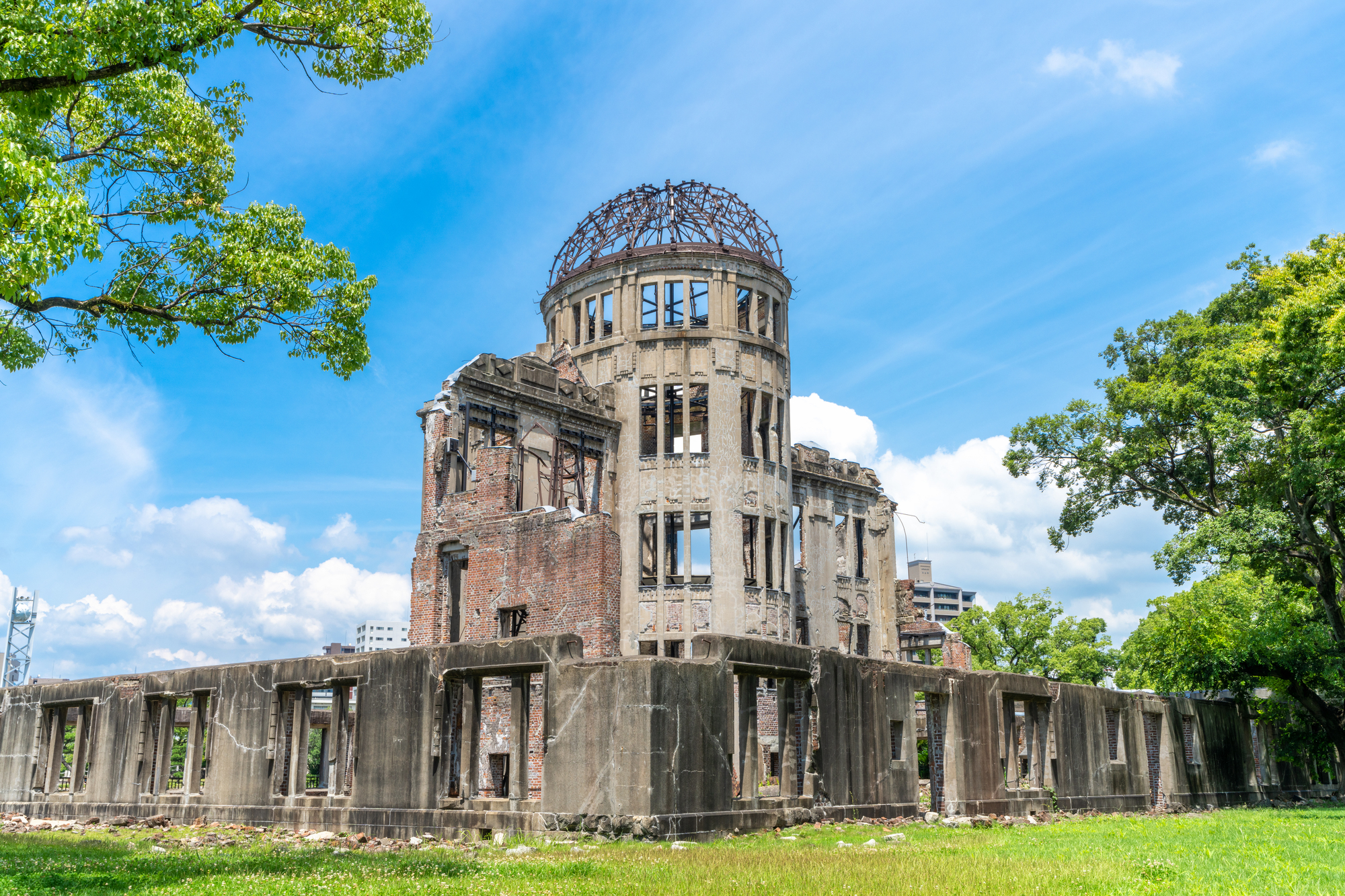
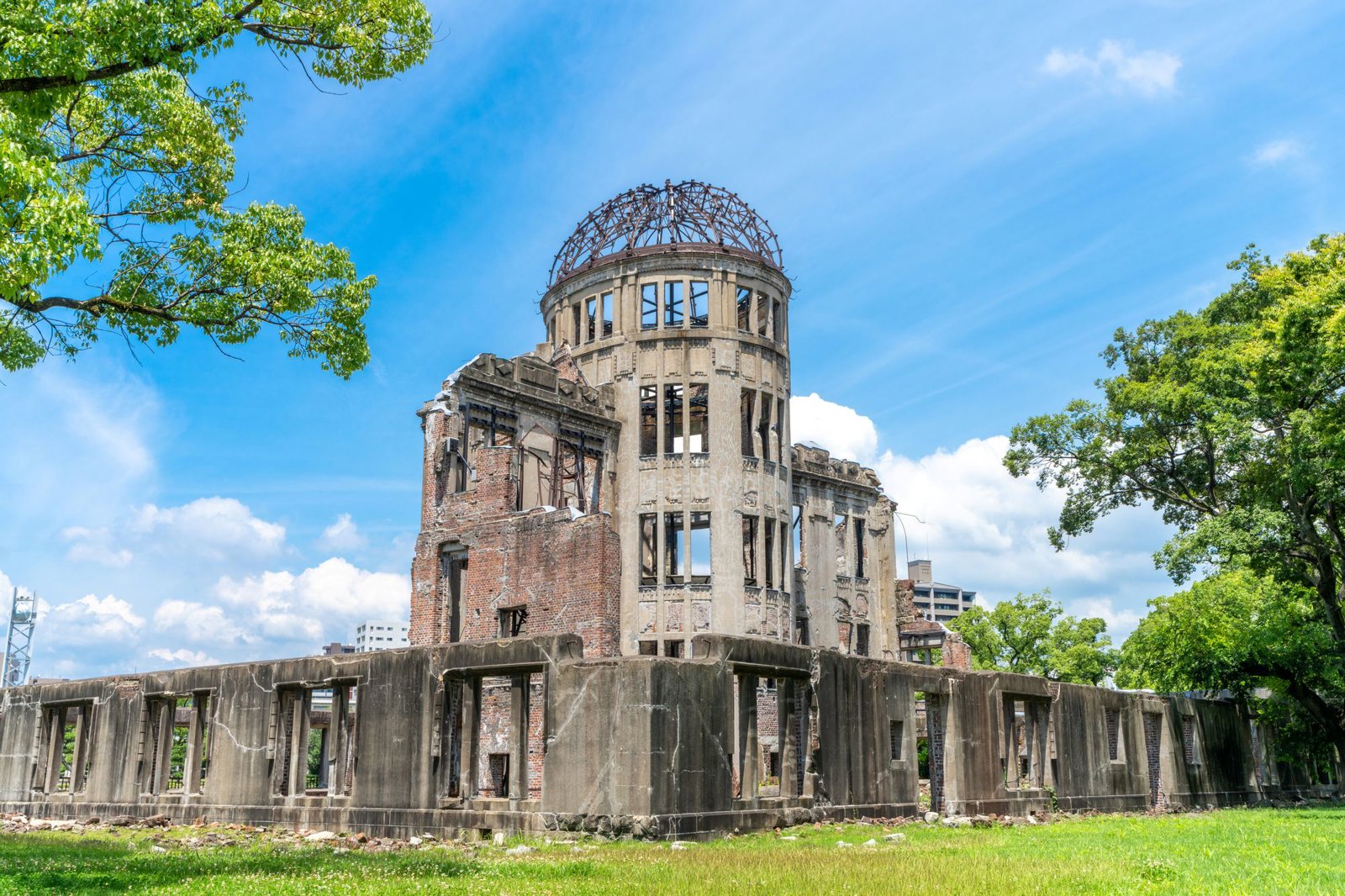
The Genbaku Dome — the skeletal iron framework over what was once the Hiroshima Prefectural Industrial Promotion Hall — was one of the few structures left partially standing near the bomb's hypocentre. The decision in 1966 to preserve it permanently, rather than demolish or restore it, was contested and deliberate. It has been a UNESCO World Heritage Site since 1996. Standing in front of it, particularly in the early morning before tour groups arrive, is a different experience from viewing it in photographs. The structure is lit at night, when its reflection appears in the Motoyasu River and the surrounding park is quiet.
Miyajima Island: The Floating Torii and the Mountain Behind It
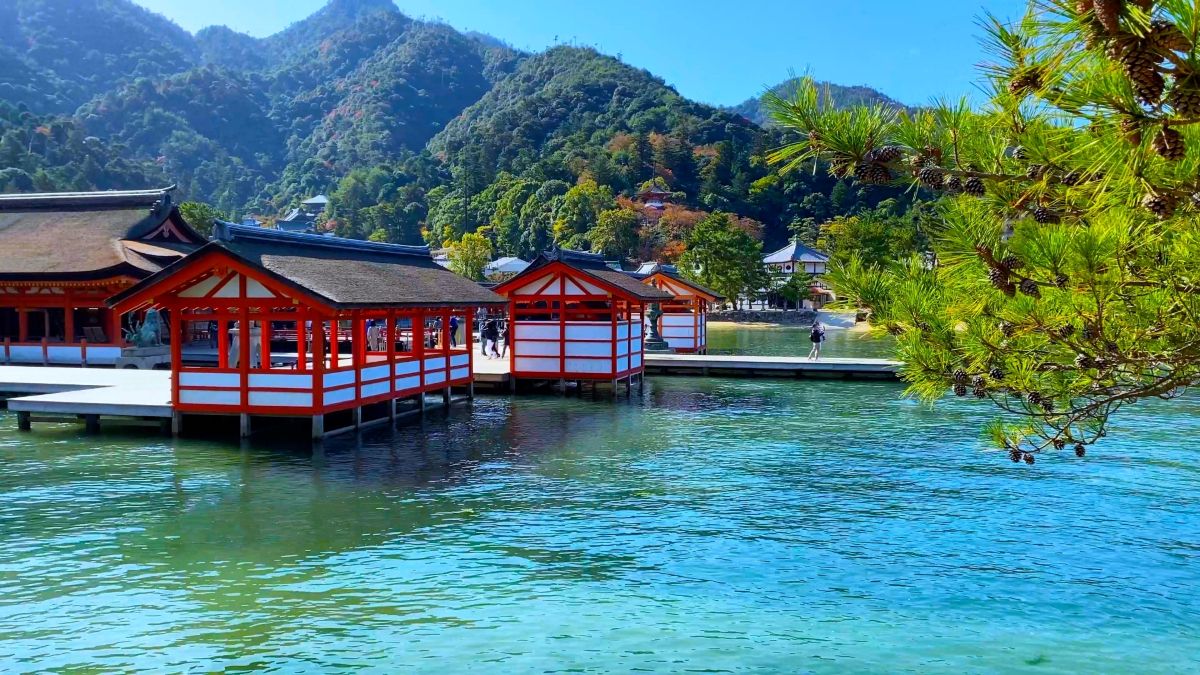
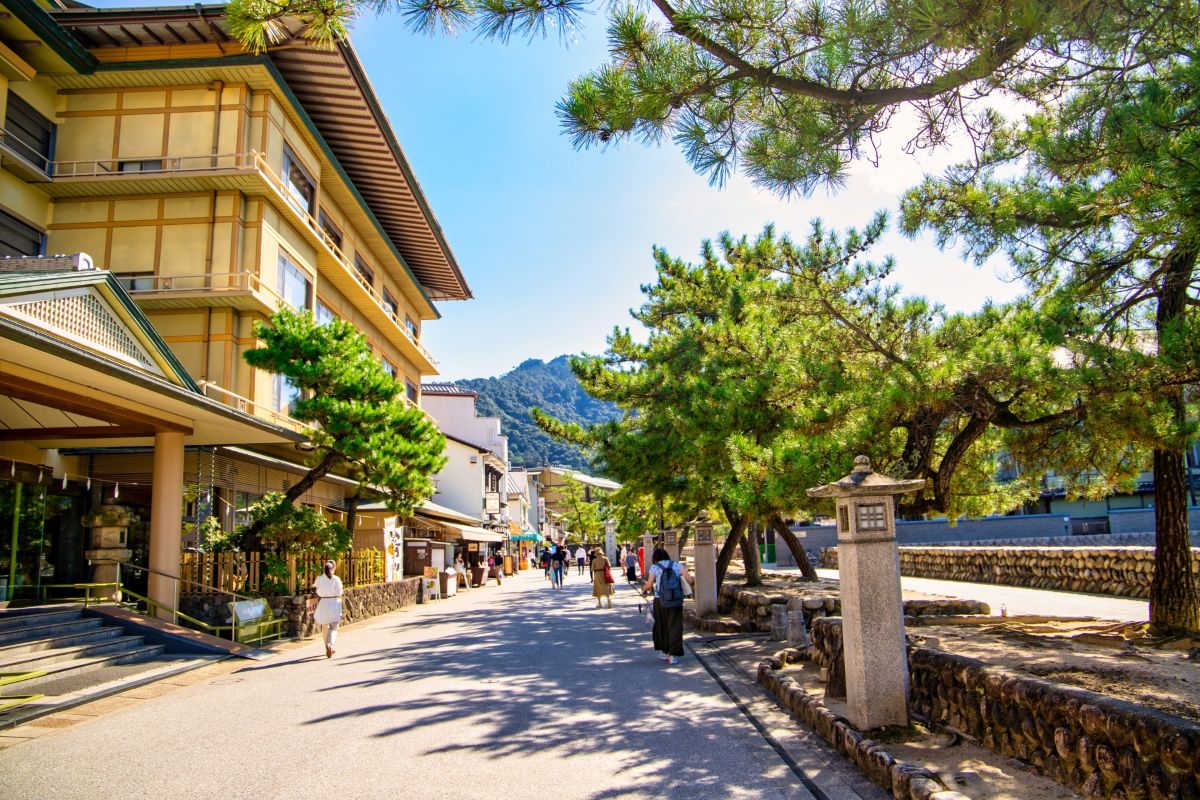
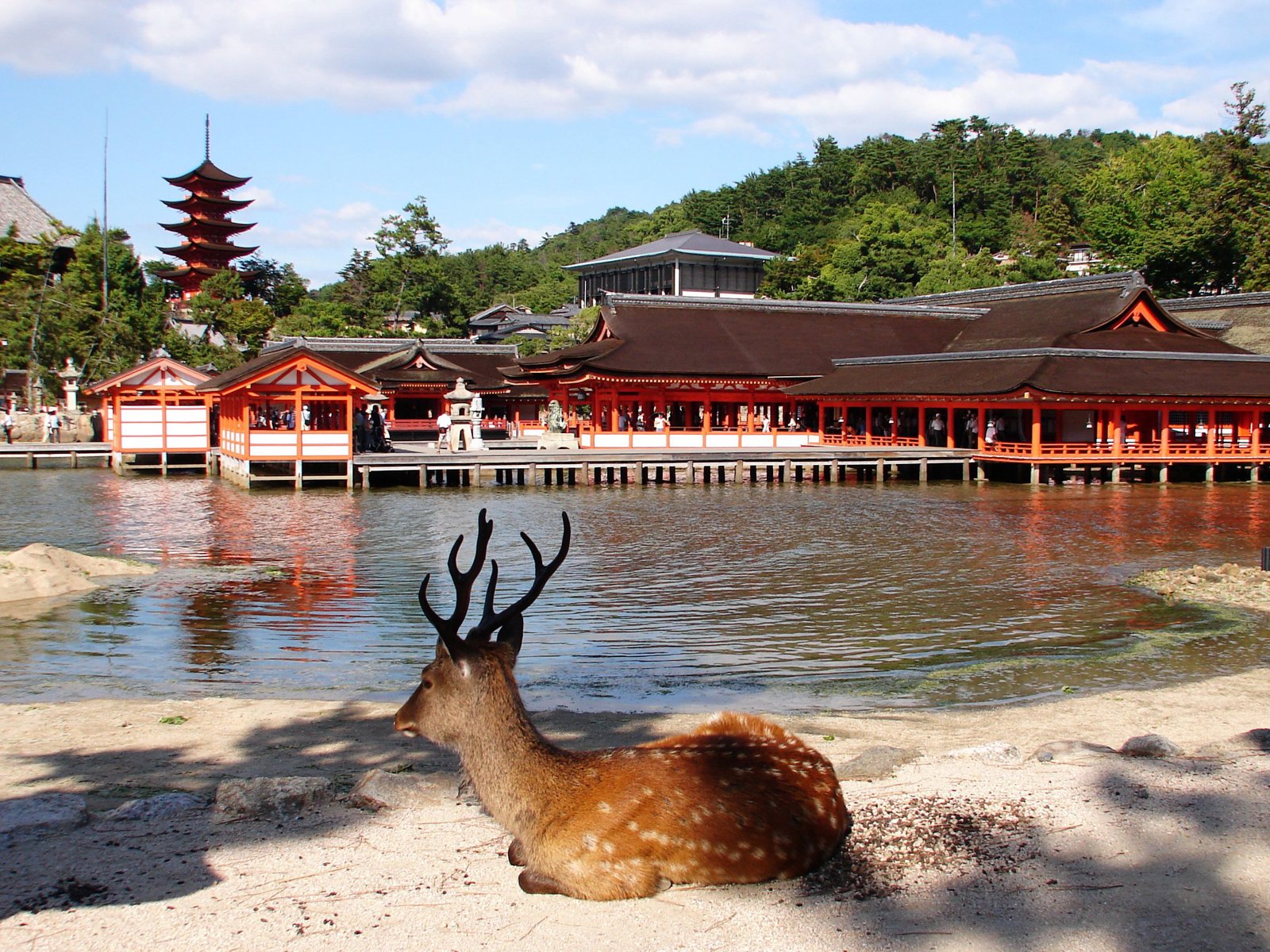
Itsukushima Island, known universally as Miyajima, sits 20 minutes by ferry from Hiroshima Port. The great torii gate of Itsukushima Shrine — orange-red lacquered wood standing in the tidal flats, appearing to float at high tide — is among the most reproduced images in Japan. At low tide, visitors wade out to it across the exposed sand. The shrine itself, built on stilts over the sea, dates to the 6th century in its current form. Beyond the immediately photogenic foreshore, the island rewards those who walk further: the ropeway ascends Mount Misen (535m), where a flame said to have been lit by the monk Kukai 1,200 years ago still burns in a small temple. The deer that wander freely on the island are genuinely unthreatened by humans and occasionally inconvenient.
Okonomiyaki: A Dish That Requires a Dedicated Visit
Hiroshima's okonomiyaki is not the same dish as Osaka's, and Hiroshima people will make this clear. Where Osaka-style mixes all ingredients into a batter before cooking, Hiroshima-style layers them: batter, cabbage, bean sprouts, pork belly or seafood, a nest of yakisoba noodles, egg, and a sweet-savoury Worcestershire-style sauce. The whole is assembled before you on a teppan grill. Okonomimura — a building near the Hondori arcade housing roughly 24 okonomiyaki restaurants across three floors — is the concentrated version of this experience. It is not a tourist trap; it is where locals go. Arrive by 12:30pm if you want to avoid queuing significantly.
Hiroshima Castle: A Reconstruction With Context
The original castle — built in the 1590s, used as a military headquarters during the war, destroyed in the blast — was rebuilt in concrete in 1958. This history is acknowledged straightforwardly within the museum housed inside. The five-storey keep contains a thoughtful exhibition on the Chugoku region's feudal history and the castle's own trajectory. The reconstruction is not the point so much as the park around it — moated, pine-shaded, and quieter than the Peace Park — and the view from the top floor over the river delta where the city rebuilt itself. The Hiroden tram stops directly nearby.
Shukkeien Garden: Hiroshima's Older Continuity
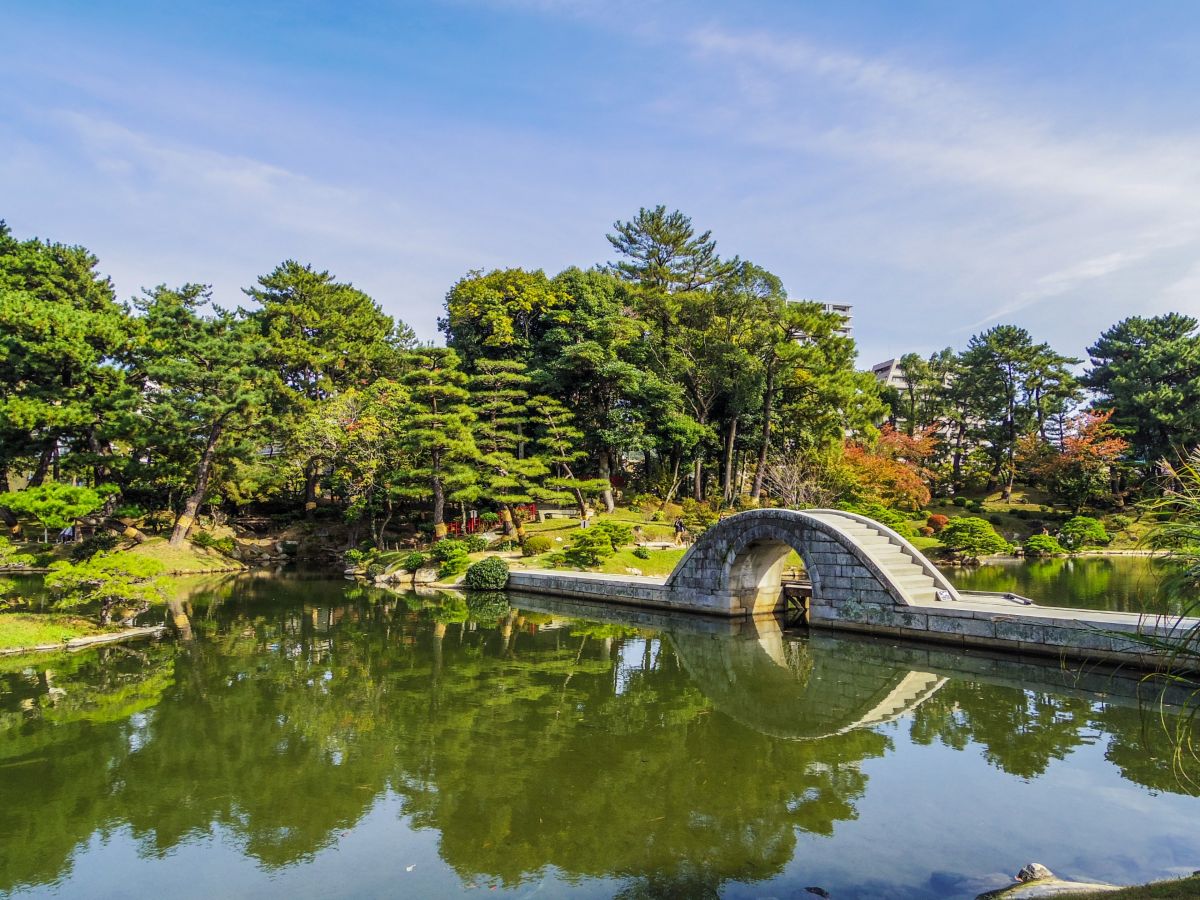
Laid out in 1620 and designed around a central pond with miniature landscapes representing mountains, rivers, and ocean bays, Shukkeien is one of western Japan's most admired gardens. It was severely damaged in 1945 — many survivors of the bomb came here seeking water from the pond — and was carefully restored afterward. The garden is quiet, deliberately composed, and represents a different layer of the city's history. In cherry blossom season, the weeping trees around the pond reach a particular intensity. It is a five-minute walk from Hiroshima Castle and a useful counterpoint to a morning spent in the Peace Park.
Hiroshima travel tips
Time the Peace Memorial Museum for Opening. The museum opens at 8:30am, and tour groups — many of them school excursions — arrive in volume from around 9:30am onward. Arriving at opening gives you the first 30–45 minutes with notably fewer people in the West Building's quieter gallery spaces, which matters for the type of attention the exhibits deserve. Admission is 200 JPY — one of the most affordable entry fees for a museum of this significance anywhere. Photography is permitted throughout, though some visitors choose not to in the West Building.
Use the Tram — It Is Exactly As Simple As It Looks. Hiroshima's tram system is one of the most straightforward in Japan. Board at the rear, take a ticket if the machine is present (or note the route number from the stop), alight at the front, pay 220 JPY or tap your IC card. Tram stops are announced in Japanese and displayed on screens with romanised names. Line 2 or 6 from Hiroshima Station takes you directly to the Peace Memorial Park stop (Genbaku Dome-mae). Line 3 from the park goes to Hiroshima-ko for the Miyajima ferry. A day pass (700 JPY) covers unlimited tram travel and may be worth buying if you plan to use the trams four or more times.
Check the Tide Table for Miyajima. The experience of the torii gate changes entirely with the tide. At high tide, it stands in deep water and appears to float — the intended effect when the shrine was designed. At low tide, the seabed is exposed and you can walk out to it. Both are worthwhile; neither is wrong. The Miyajima Tourism Association posts a tide calendar on its website, and your hotel or the tourist information office at Hiroshima Station can tell you the day's high and low tide times. Plan your ferry crossing to arrive at the tide moment you prefer.
The Japan Rail Pass Covers the Miyajima Ferry. JR Ferry operates the crossing between Miyajimaguchi (accessible by JR Sanyo Line from Hiroshima Station) and Miyajima Island, and this service is included in the Japan Rail Pass. The alternative Matsudai Ferry, while slightly more direct, is not JR-operated and is not covered. If you are travelling in Japan on a Rail Pass, take the JR route — board the JR Sanyo Line at Hiroshima Station (25 minutes to Miyajimaguchi), then the JR ferry (10 minutes). Without a pass, the combined fare is modest and either ferry company is perfectly good.
Hiroshima's Oysters Are Produced Here. Hiroshima Prefecture produces roughly 60% of Japan's farmed oysters, and the local restaurants serve them in forms ranging from raw to deep-fried (kaki furai) to grilled in the shell with a splash of soy. The oyster bars near Miyajima's ferry terminal grill them on charcoal braziers for immediate consumption — a practical and excellent lunch. In the city itself, the restaurant district around Nagarekawa serves grilled oysters throughout the evening season (typically October to March when they are at their peak, though available year-round frozen). If your visit falls in season, it would be worth making time for.
Approach the Peace Park With Time to Sit. The Peace Memorial Park is not only a museum precinct; it is a park where Hiroshima's residents walk, sit, and bring their children. The cenotaph, the Children's Peace Monument (decorated with paper cranes, a reference to the story of Sadako Sasaki), the flame, and the river walk all deserve time that cannot be scheduled. Many visitors find that 15 quiet minutes sitting on the grass across from the A-Bomb Dome, watching the city move around one of its defining silences, is as affecting as anything inside the museum. Build that time into your plan rather than moving directly from exhibit to exhibit.
Port Facts Every Cruiser Needs To Know
Hiroshima shore excursion FAQs
Cruise ships dock at Hiroshima Port (Ujina Port), located approximately 5km south of central Hiroshima and the Peace Memorial Park. The tram network connects directly from the port area — take tram line 1 or 3 from Hiroshima-ko tram stop (a short walk from the cruise terminal) to the Peace Park in about 20–25 minutes. The same port area has ferry services to Miyajima Island (Ujina Pier, operated by Setonaikaikisen), making it possible to visit Miyajima directly without first going into the city centre.
The museum is frequently visited by Japanese schoolchildren — the education system treats it as an essential part of the national curriculum — and it is designed with this in mind. The East Building, covering historical and political context, is accessible to older children (approximately 10 and above). The West Building contains more directly affecting material — personal effects of victims, survivor photographs, physical remnants. Many parents view this section with children thoughtfully, offering context as they go. The museum staff are experienced with visitors of all ages. The decision ultimately depends on the individual child's maturity and your own judgement about the material.
Yes — with planning, a day covering both is achievable and is the standard itinerary for cruise passengers with 8–9 hours ashore. A practical order: tram from the port to the Peace Park in the morning (arrive early — museum opens at 8:30am), spend 2.5–3 hours at the museum and park, lunch in the city (okonomiyaki takes about 45 minutes including queuing), tram back to Hiroshima-ko, ferry to Miyajima (25 minutes), 2–2.5 hours on the island (shrine, foreshore, short walk toward Mount Misen ropeway if time permits), ferry return, tram to port. Return to ship with approximately 30 minutes margin. This schedule is full but not rushed if transitions go smoothly.
Hiroshima was established as a castle town in 1589 by the feudal lord Mori Terumoto and grew into an important regional centre during the Edo period. By the Meiji era, it had become a significant military and industrial city — home to the Second Army headquarters and a major embarkation point for troops throughout the Sino-Japanese and Russo-Japanese wars. This military significance made it a target in 1945. The population at the time of the bombing was approximately 350,000. The Peace Memorial Museum's East Building covers this history comprehensively and honestly, acknowledging Hiroshima's military role alongside the civilian catastrophe that followed.
The monument depicts Sadako Sasaki, who was two years old at the time of the bombing and developed leukaemia ten years later as a result of radiation exposure. During her illness, she began folding paper cranes — based on the Japanese tradition that folding 1,000 cranes grants a wish — hoping to recover. She died in October 1955 at age 12, having folded several hundred. Her classmates completed the thousand and campaigned for a monument in her memory, which was unveiled in 1958. The tradition of sending paper cranes to the monument continues: approximately 10 million cranes arrive annually from around the world, displayed in covered cases around the monument's base.
Advance booking is not required — the museum operates on walk-up admission. Entry is 200 JPY, payable at the entrance. On peak dates (6 August, cherry blossom season, Golden Week in late April and early May, and major Japanese school holiday periods), queues can develop, particularly mid-morning. Arriving when the museum opens at 8:30am avoids the heaviest crowds. The museum is closed on 29–31 December; otherwise it is open daily, including Japanese public holidays (hours may vary slightly on certain dates).
Okonomiyaki is a savoury pancake assembled in layers on a flat iron griddle: a thin crepe batter base, a mountain of shredded cabbage, bean sprouts, pork belly slices (or squid or shrimp), yakisoba noodles, and a cracked egg, finished with a sweet-savoury brown sauce and Japanese mayonnaise. The Hiroshima version is layered rather than mixed — and locals consider this distinction non-trivial. Okonomimura, a multi-floor building near the Hondori shopping arcade (about a 10-minute walk from the Peace Park), houses around 24 okonomiyaki restaurants, most of which seat patrons at a counter facing the teppan grill. Point to what you want, watch it being built, eat it immediately. Expect to spend 1,000–1,300 JPY.
A full hike to the summit of Mount Misen takes approximately 1.5 hours each way on the most direct trail — too long for a short visit when combined with the city. The ropeway (cable car) provides a practical alternative: a two-stage gondola ascends to near the summit in about 15 minutes, with a 30-minute walk from the top ropeway station to the peak. The views from Mount Misen over the Seto Inland Sea are exceptional on a clear day. Factor in ropeway queuing time (20–30 minutes in busy periods), and budget at least 90 minutes for the ropeway experience. If your Miyajima time is under 2 hours, staying at sea level — the shrine, foreshore, and immediate village — is the more practical choice.
The museum is comprehensively presented in both Japanese and English, with audio guides also available in English, Japanese, Korean, and Chinese. The English translations are accurate and sensitive — clearly translated by people who understood the weight of the material rather than produced mechanically. Some personal testimonies and letters are presented in Japanese only with English summaries, but the essential information throughout the museum is fully accessible in English. The audio guide is particularly useful in the West Building for additional context beyond the panel text.
Hiroshima's memorials are actively used spaces, not exclusively tourist sites — the city itself has thoughts about how they are approached. Practical points: speak quietly in the museum and near the cenotaph; photography in the West Building is technically permitted but many visitors choose to put cameras away in certain sections; the park and dome are not backdrops for casual posed photography. Dress has no formal requirements, but the occasion calls for clothes that would not seem jarring at a place of contemplation. Hiroshima does not ask visitors for particular political commitments — people of all nationalities and perspectives visit, including citizens of countries involved in the bombing and its aftermath. The museum is designed to be experienced honestly, not to prescribe conclusions.
Filters
Select a filter to refine results.
Tour Type
Tour Activity
 Cart
Cart
 USD
USD GBP
GBP AUD
AUD EUR
EUR CAD
CAD