



Tours in Mumbai


Cruising to Mumbai in a group?
Skip the crowded ship excursion bus. One dedicated planner will design a private shore experience around exactly what your group wants — coordinated from first enquiry to the moment you're back on board. More memorable, more flexible, and more affordable than you might expect. Spend less time organising, more time enjoying.
Explore Group Travel →Cruising to Mumbai
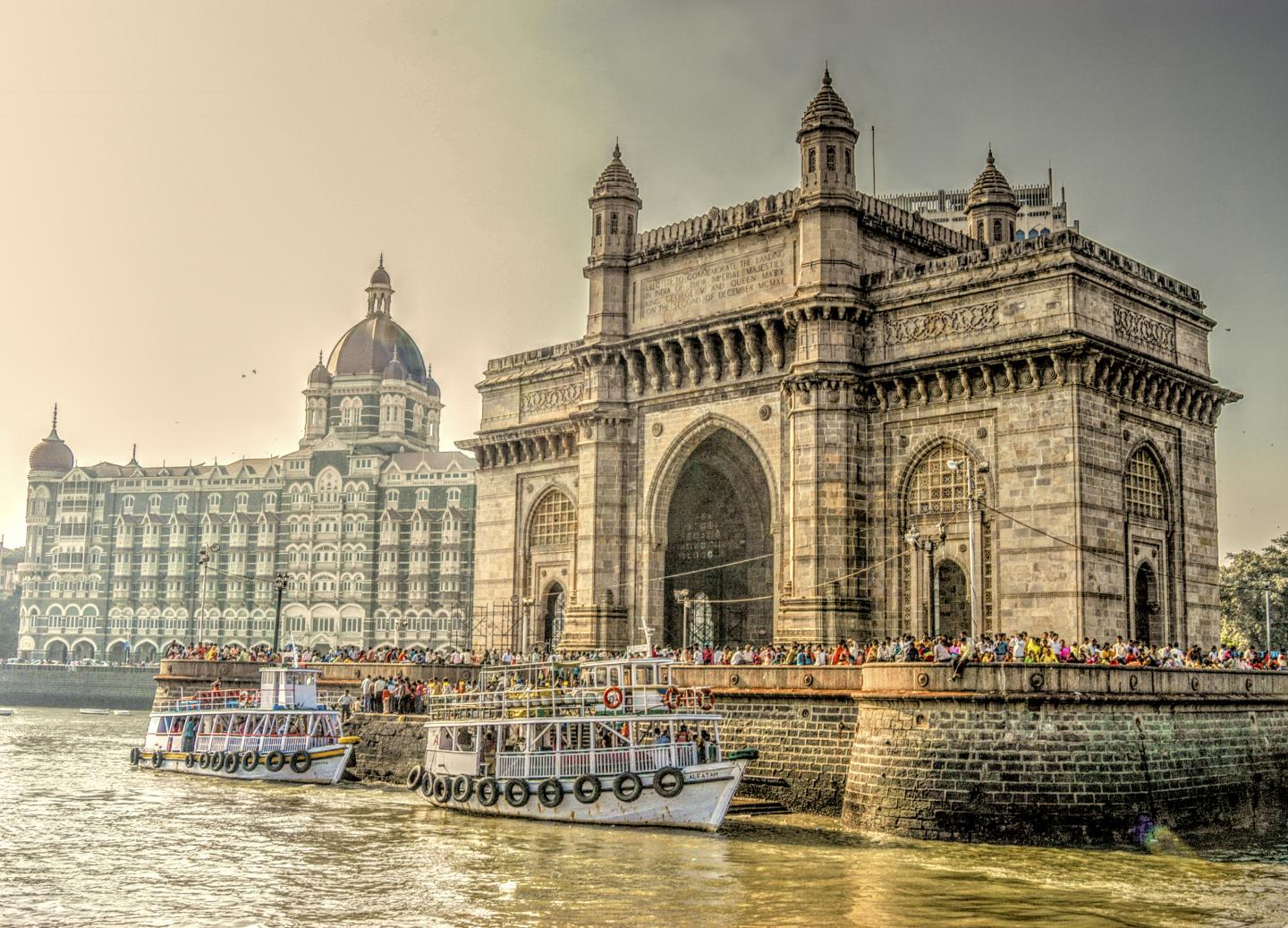
Mumbai does not ease you in. From the moment the ship slides past the Gateway of India's basalt arch — built to welcome King George V in 1911, now a landmark that belongs entirely to the city — the scale and intensity of the place makes itself felt. This is a metropolis of 21 million people pressed onto a narrow peninsula, and it wears that density not as a problem to be managed but as a kind of creative force.
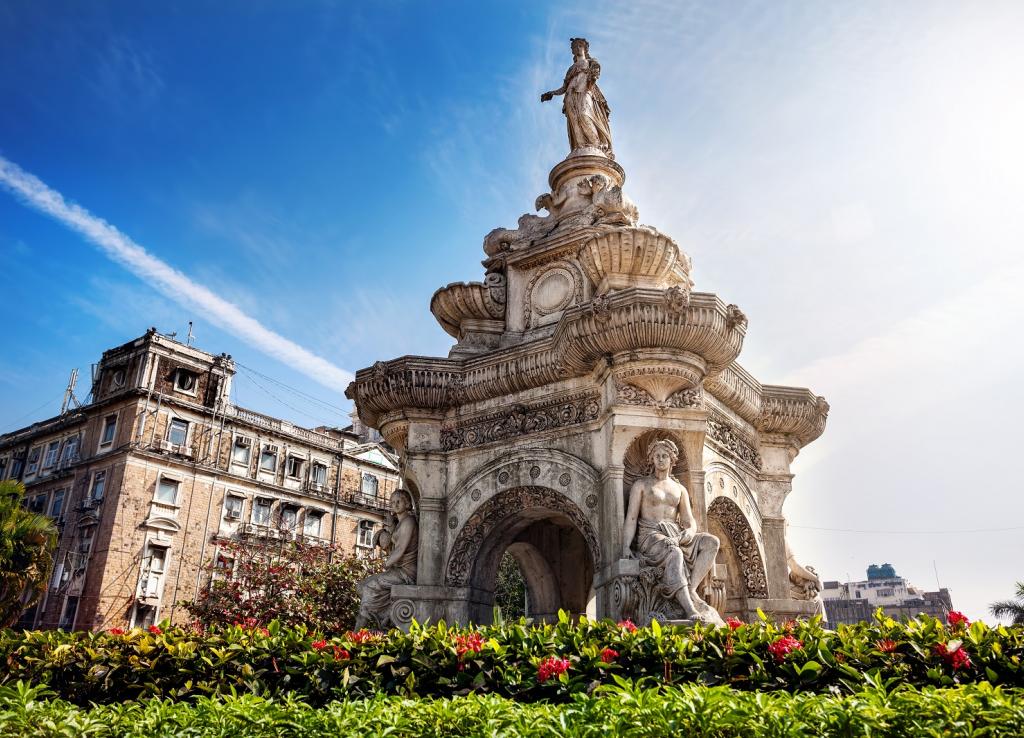
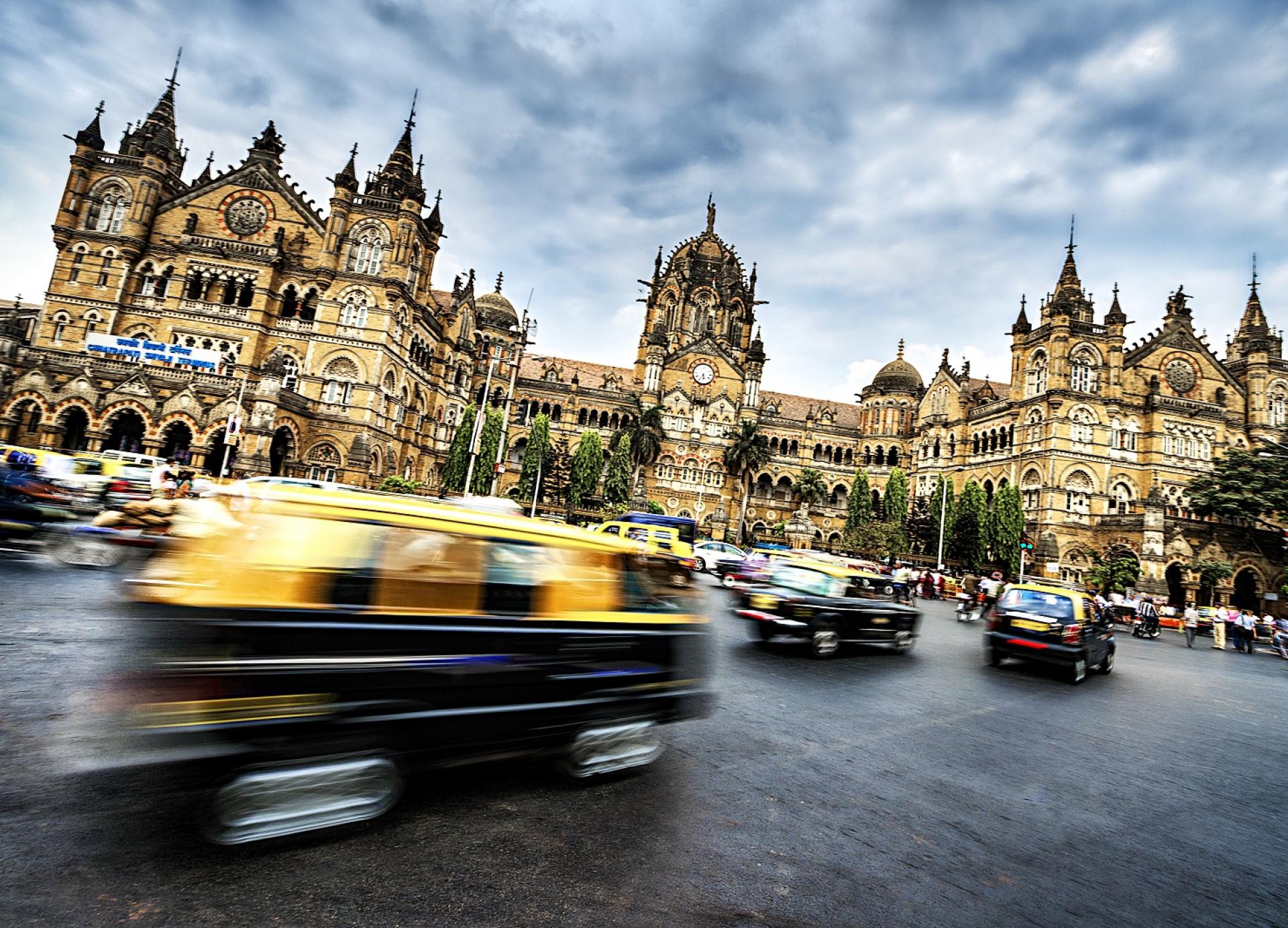
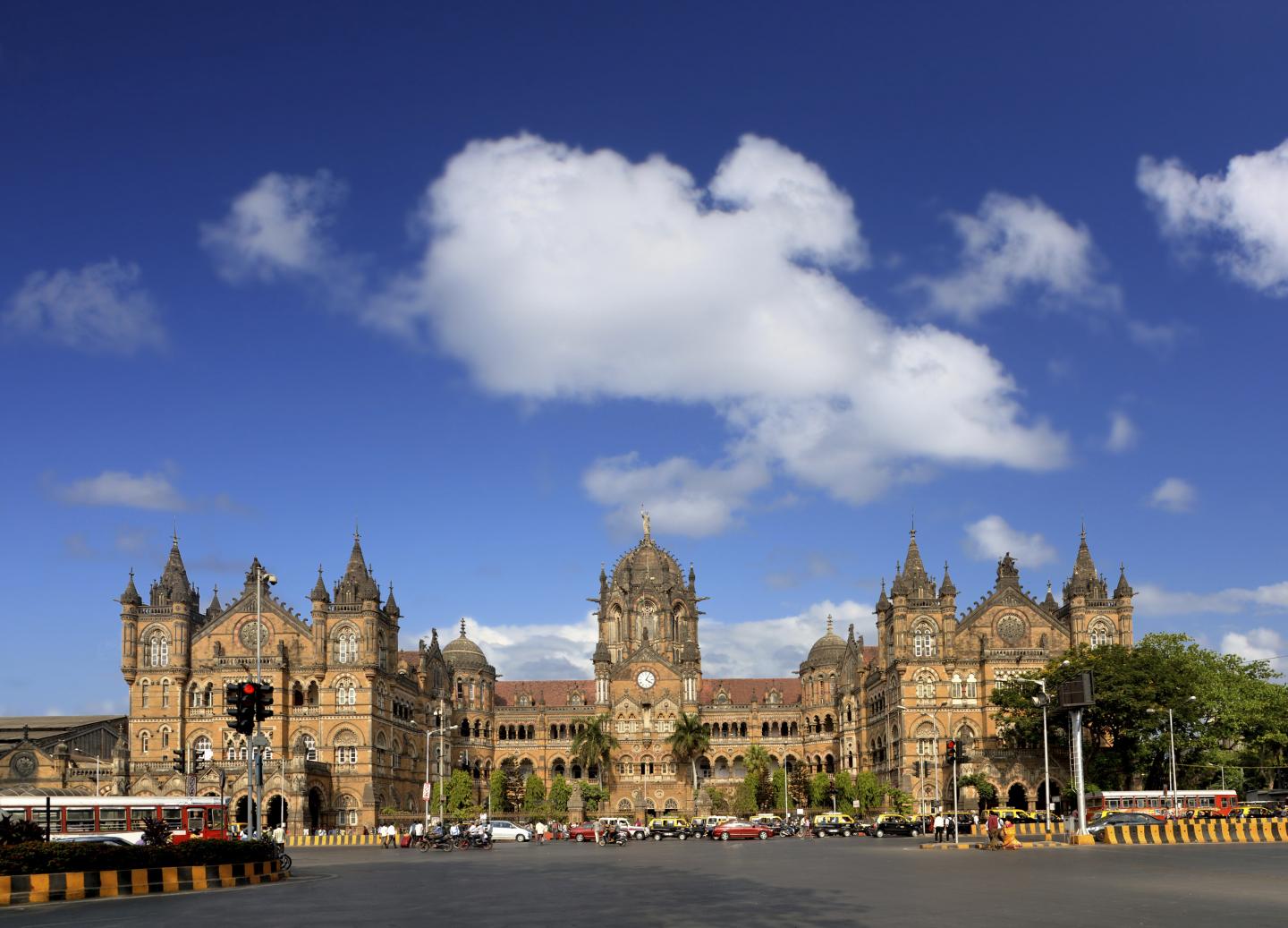
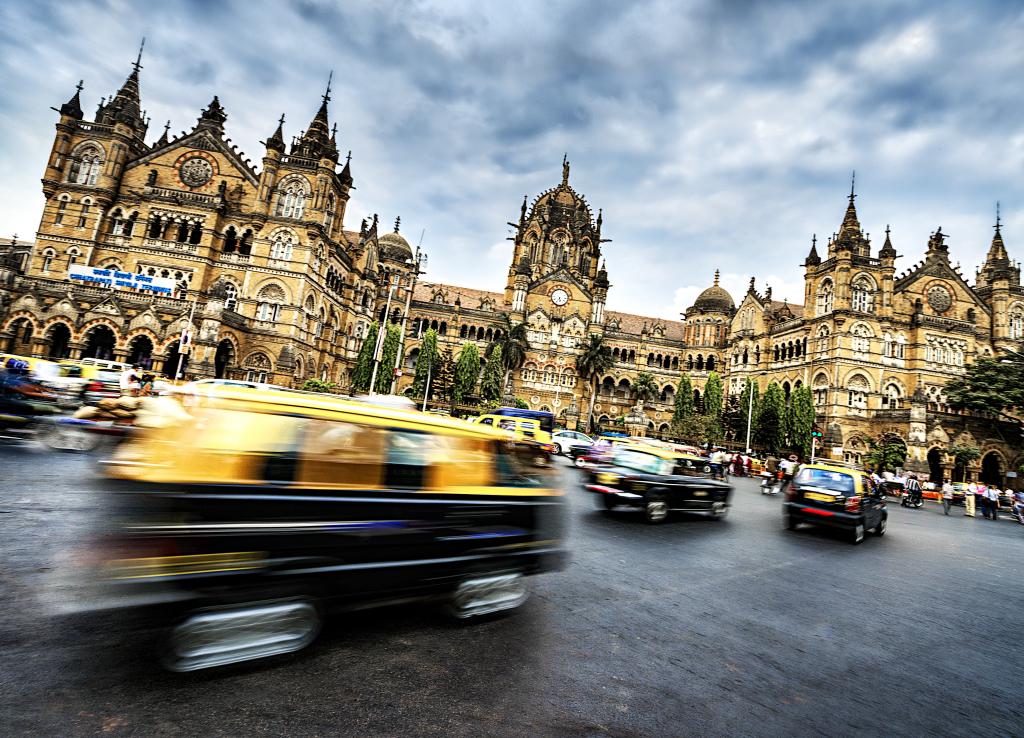
The city's layered history is legible in its architecture. The Victorian Gothic of Chhatrapati Shivaji Maharaj Terminus, a UNESCO World Heritage Site, sits a short drive from Art Deco apartment blocks along Marine Drive — the largest surviving ensemble of Art Deco buildings outside Miami. Both styles were grafted onto a city whose own traditions stretch back to the Koli fishing communities who were here long before the Portuguese arrived in 1534. That palimpsest quality — nothing fully replaced, everything accumulated — is what makes Mumbai so rewarding to read as a traveller.
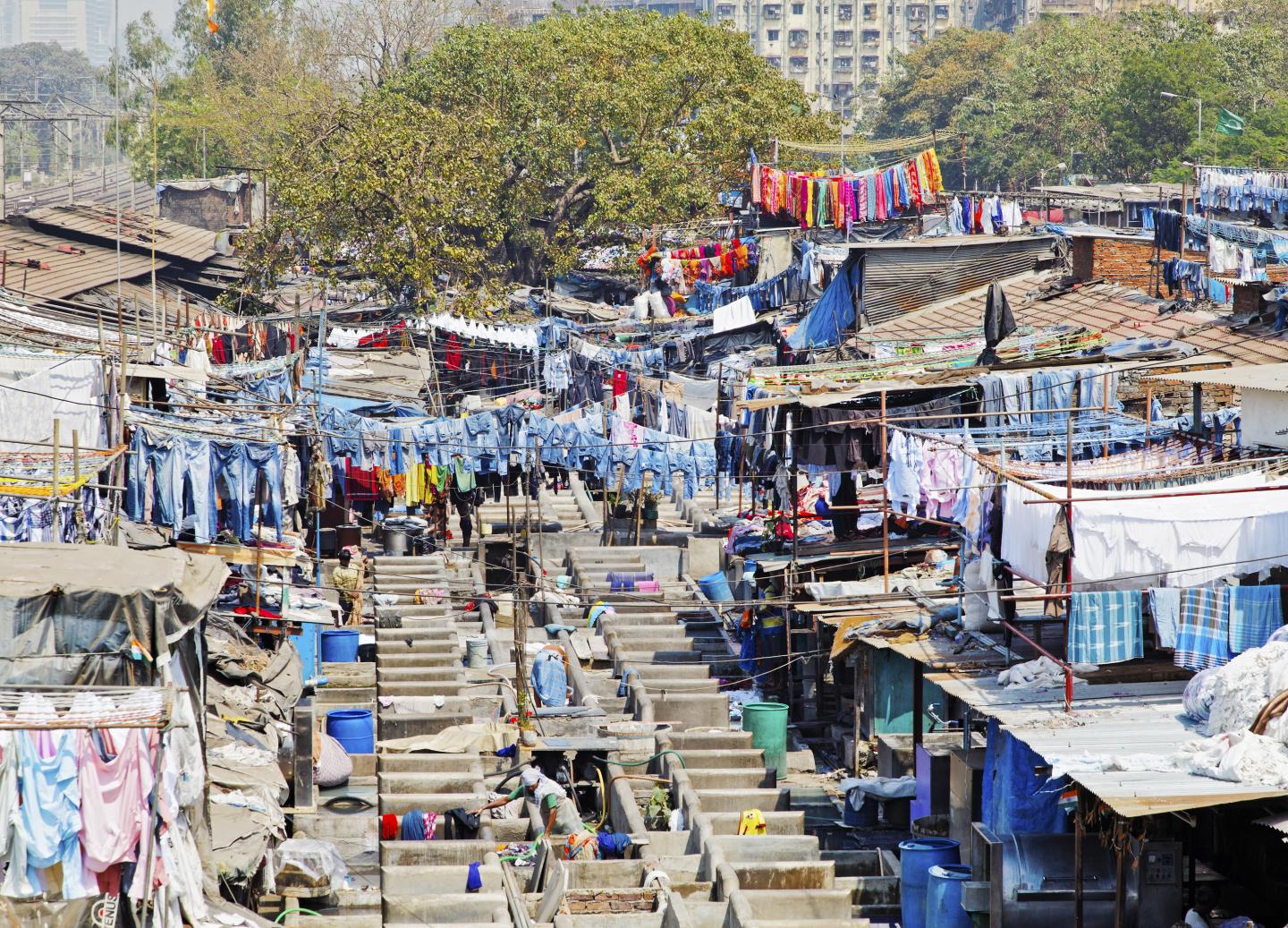
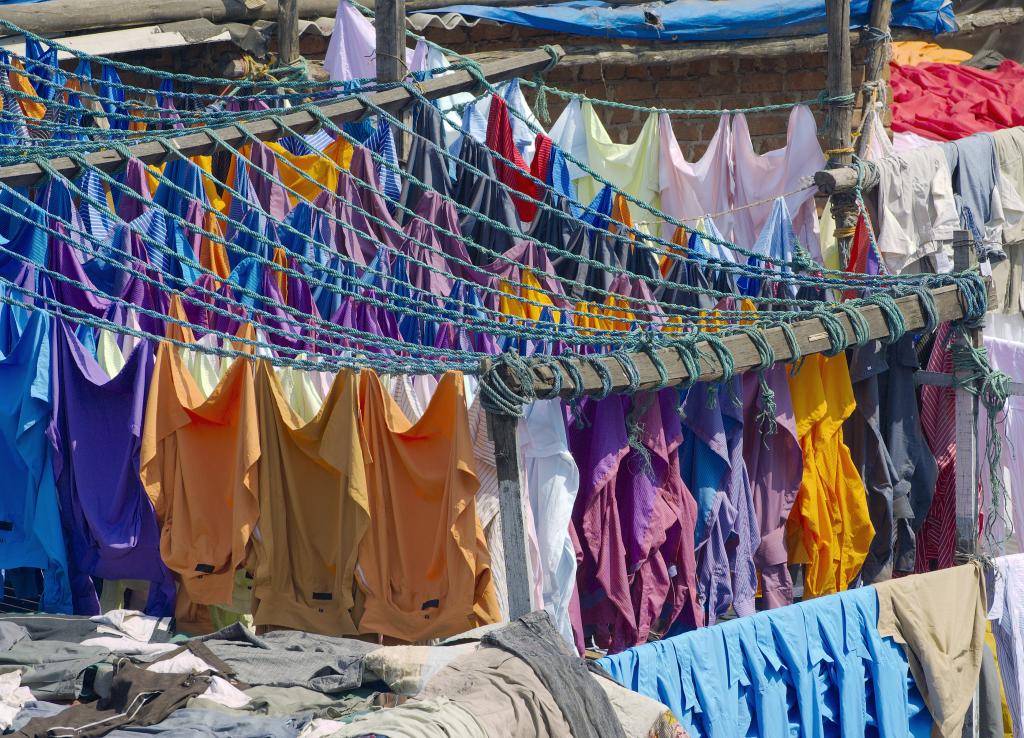
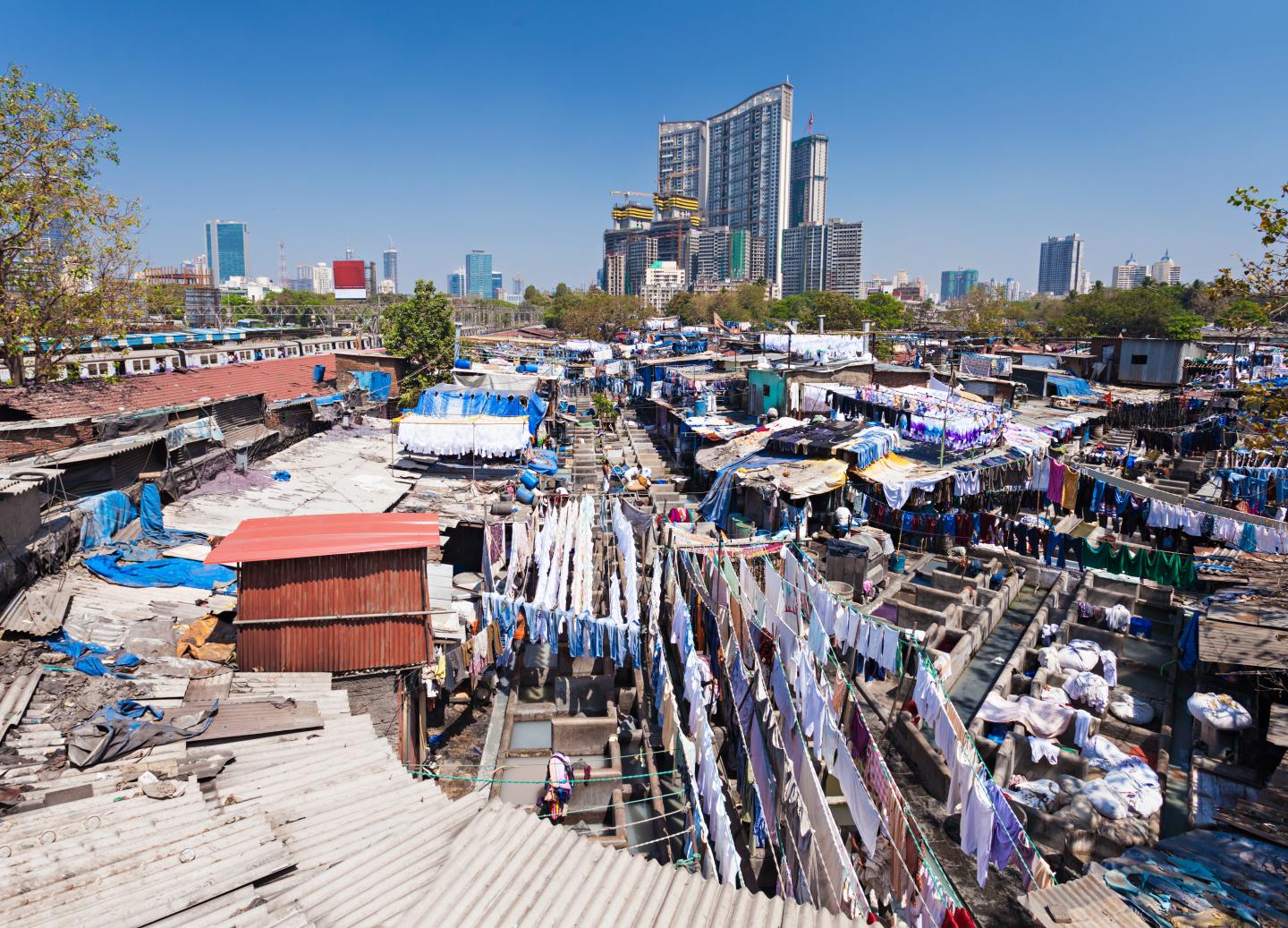
Beyond the monuments, Mumbai's street life is the attraction. The Dhobi Ghat open-air laundry, where tens of thousands of garments are washed and beaten daily in a grid of concrete tanks, offers one of the city's most photogenic and genuinely illuminating scenes. Dharavi, often described reductively as a slum, is in fact a dense urban village with a thriving informal economy — leather goods, pottery, recycling — best understood through a respectful, locally guided walk. Colaba Causeway, the main tourist artery near the waterfront, moves from antique dealers to street-food vendors to the Taj Mahal Palace Hotel with cinematic speed.
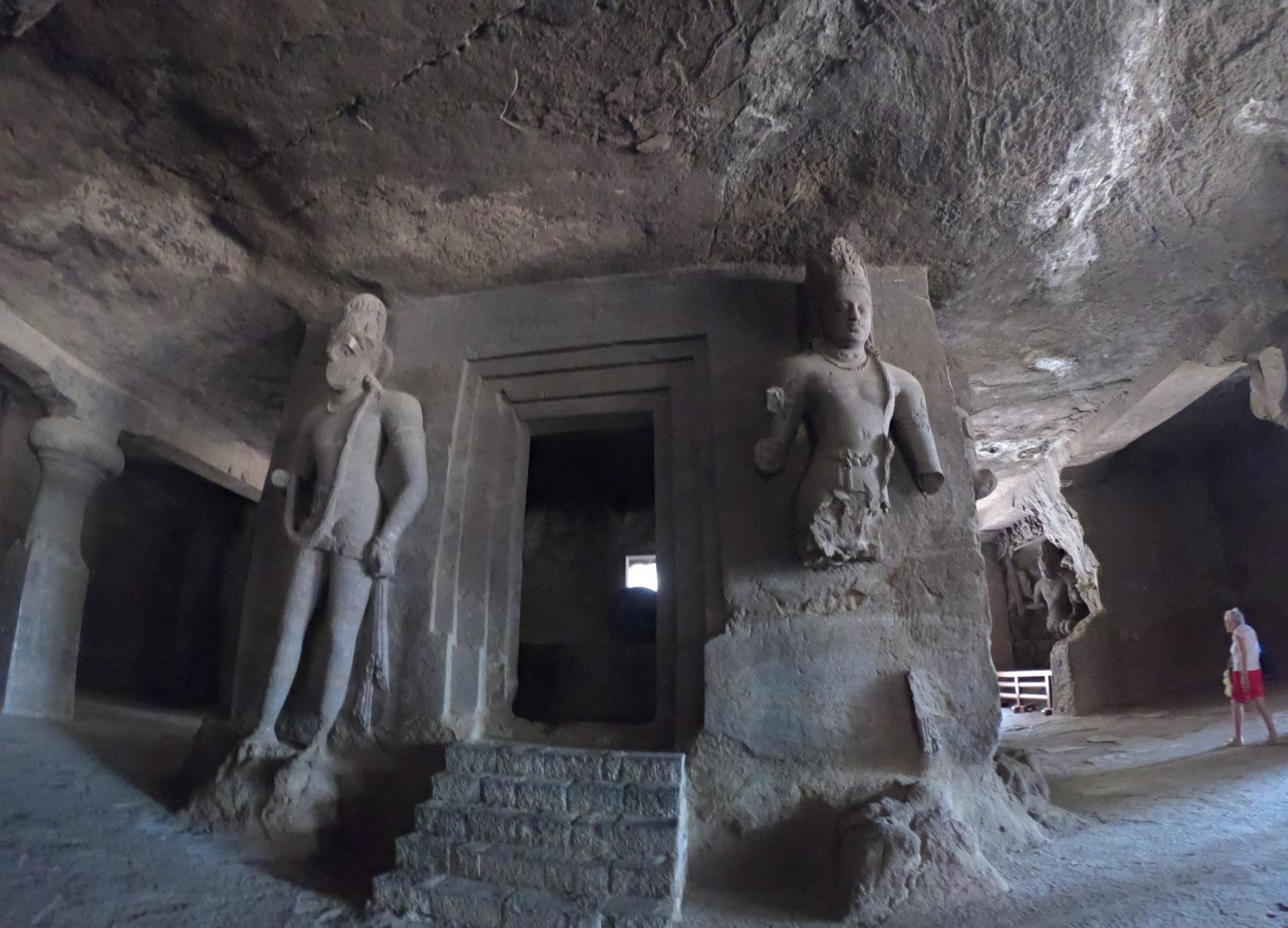
For those with limited hours ashore, the ferry to Elephanta Island — a 45-minute crossing from the Gateway — rewards the investment. The cave temples, carved from solid rock in the 5th to 8th centuries CE, contain some of the finest sculpture in India, including the triple-headed Trimurti of Shiva that anchors the main cave. It is a reminder that long before the British made this their commercial capital, this coastline was the site of extraordinary artistic and spiritual ambition.
Top things to do in Mumbai on a cruise stopover
Gateway of India & the Taj Mahal Palace
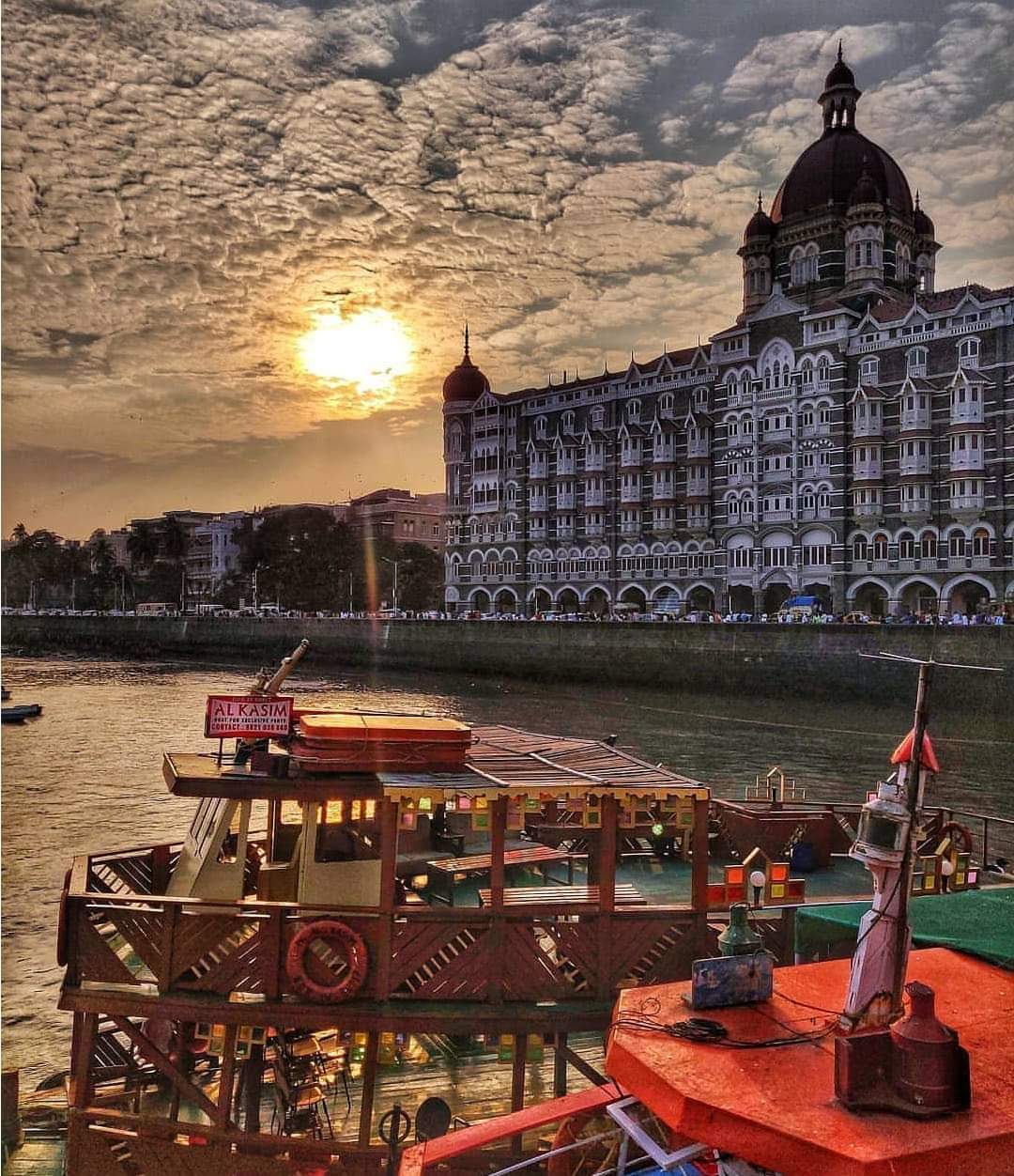
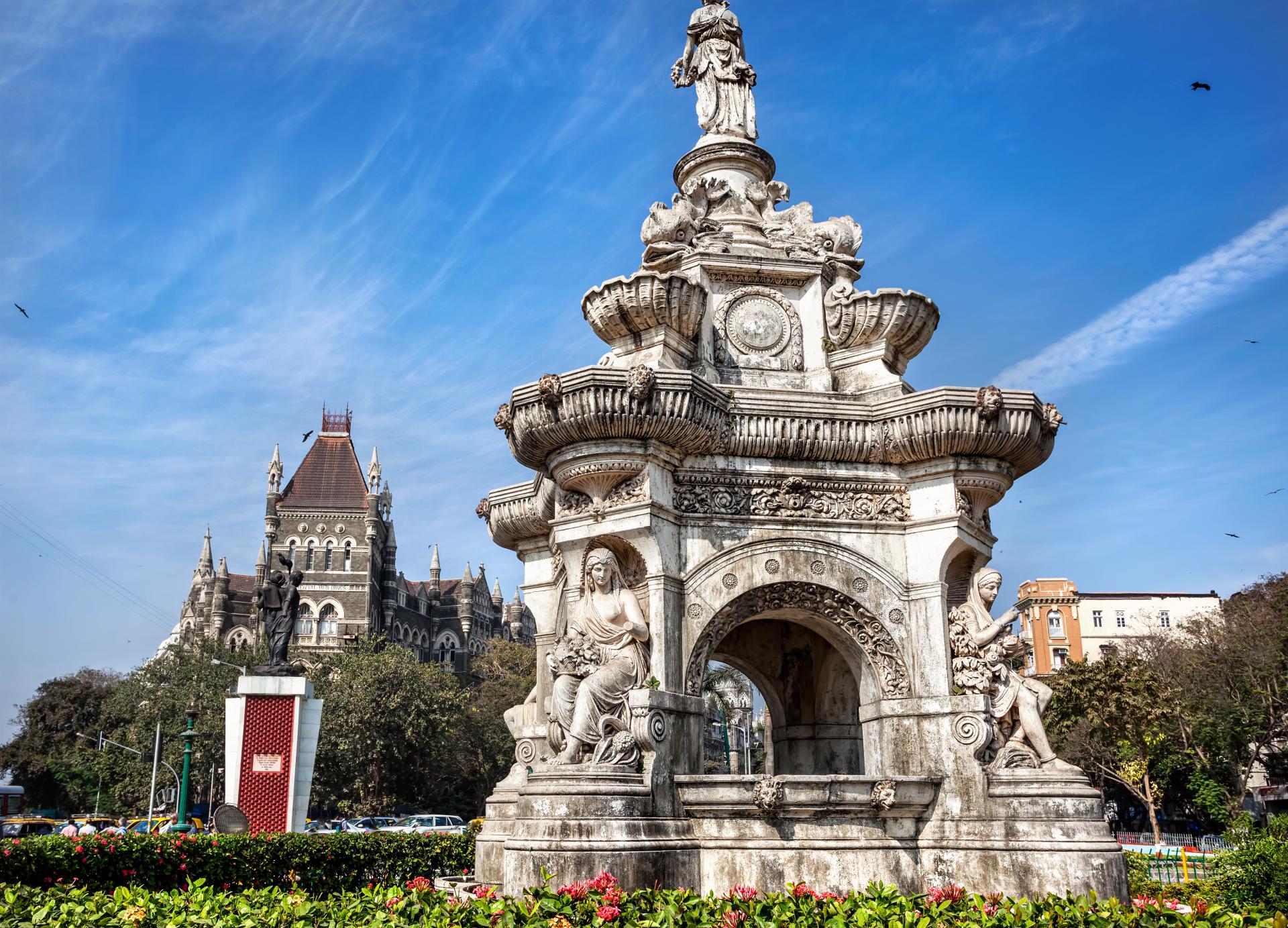
The Gateway of India — a 26-metre basalt arch completed in 1924, blending Indo-Saracenic and classical styles — faces the Arabian Sea and frames the view that defines Mumbai for most visitors. It was through this arch that the last British troops departed in 1948, a choreography of empire ending that the city has since reclaimed entirely as its own. Across the road, the Taj Mahal Palace Hotel (1903) represents a different kind of statement: built, according to founding legend, because the founder was turned away from a European hotel reserved for colonial guests. Its sea-facing dome and terracotta exterior remain among the most photographed in India. The waterfront promenade here is animated at all hours with families, vendors, photographers offering to shoot tourists with trained parakeets, and the persistent bustle of ferry traffic.
Elephanta Caves (UNESCO World Heritage Site)
A 45-minute ferry crossing from the Gateway brings you to Elephanta Island, where a series of rock-cut cave temples were carved into a basalt hillside between the 5th and 8th centuries CE. The main cave — dedicated to Shiva — is extraordinary: a hypostyle hall supported by carved columns, leading to a series of sculpted panels that include the Trimurti, a 6-metre triple-headed representation of Shiva as creator, preserver, and destroyer. The sculpture is considered among the finest in Indian art. The island is also populated by macaque monkeys who patrol the long stairway from the jetty; they are bold and will investigate bags. The ferry journey itself, with views back to the city skyline, is part of the experience. Ferries are operated by the Maharashtra Tourism Development Corporation; the island closes on Mondays.
Marine Drive: The Queen's Necklace
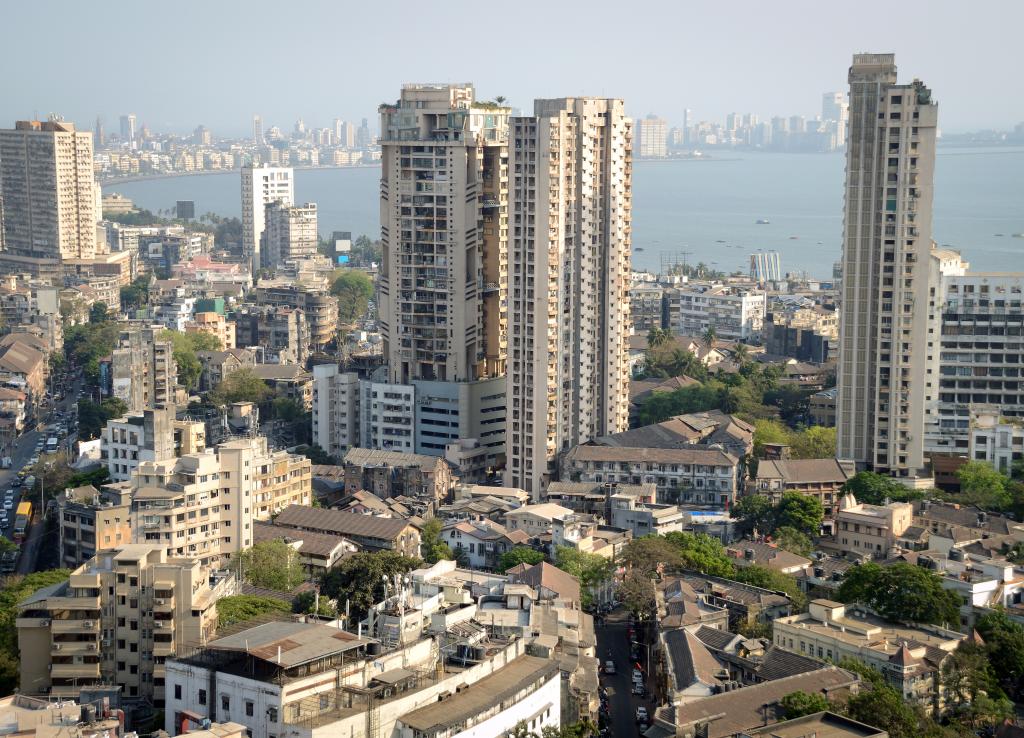
The 3.6-kilometre arc of Marine Drive curves along the Arabian Sea from Nariman Point in the south to Chowpatty Beach in the north — a promenade that has served as Mumbai's communal breathing space since the land was reclaimed from the sea in the 1920s. At street level it is a wide boulevard of Art Deco buildings — the residential apartment blocks facing the sea form one of the world's largest intact Art Deco ensembles, listed by UNESCO since 2018 alongside the Victorian Gothic civic buildings of the Fort district. At the northern end, Chowpatty Beach is the site of the city's great annual festivals — particularly Ganesh Chaturthi, when hundreds of thousands gather to immerse clay Ganesh idols in the sea. On any day, the promenade is where Mumbaikars walk, exercise, court, argue, eat pav bhaji from beachfront stalls, and generally conduct the open-air social life that the city's crowded interiors do not permit.
Dhobi Ghat: The City's Open-Air Laundry
Mahalaxmi Dhobi Ghat is a 140-year-old open-air laundry where some 10,000 washermen (dhobis) work in a grid of 800 concrete wash pens, processing linen, uniforms, and clothing from across the city. The best views are from the bridge on Dr. E Moses Road, which provides an elevated perspective across the entire operation — a mosaic of colour, movement, and water at work. It is often described as a curiosity, but it is more accurately a functioning piece of urban infrastructure at a scale that only Mumbai maintains. Nearby, the Mahalaxmi Temple on the seafront is one of the city's most important Hindu shrines, worth visiting for its architecture and the cultural context it provides for understanding the city's diverse religious life.
Bollywood: Mumbai's Film Industry and Its Cultural Footprint
Mumbai is the headquarters of Hindi-language cinema — known globally as Bollywood — and the industry's presence permeates the city in ways that go beyond film posters. The studio complexes of Film City in Goregaon, which cover over 500 acres and house dozens of permanent sets, represent one of the largest film production facilities in the world. The industry employs an estimated one million people in Mumbai directly and indirectly, from choreographers and costume designers to the thousands of extras (junior artists) who report daily to casting agents in the suburbs. The city's visual grammar — hoardings, billboards, the faces of stars on building-sized murals — reflects an industry that produces more than 1,000 films per year in Hindi and regional languages combined. The historical heart of the industry is the Bandra-Juhu coastal corridor, where stars have lived since the 1950s; the sea-facing bungalows are a fixture of film tourism and local celebrity geography.
Dharavi: Understanding the City's Engine
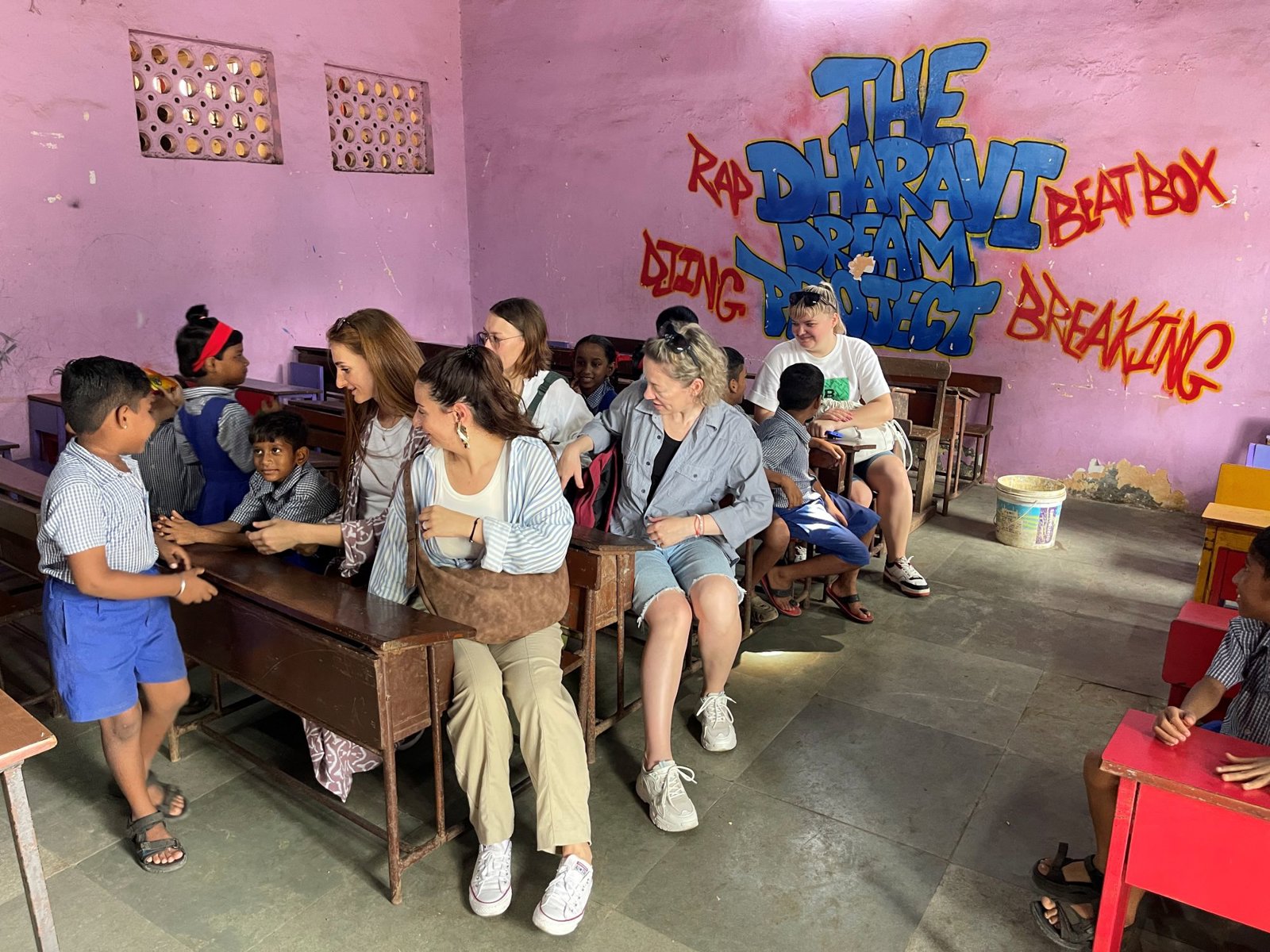
Dharavi, situated between two suburban rail lines and covering roughly 2.1 square kilometres, is one of Asia's most densely populated neighbourhoods and the site of an informal economy estimated at over one billion US dollars annually. Leather goods, pottery, textiles, plastic recycling, and food production are among its major industries. Visiting with a responsible local guide — several social enterprises run tours where proceeds support community initiatives — provides a counterpoint to the image of Mumbai projected by its waterfront hotels. The neighbourhood's complexity, resilience, and internal organisation challenge easy assumptions. This is not a tourist attraction in a conventional sense; it is an opportunity to understand a city that is never simply the sum of its monuments.
Mumbai travel tips
Prioritise Elephanta Early. If you intend to visit Elephanta Island, make it your first commitment of the day. Ferries from the Gateway of India typically begin around 9:00 and the last return can be mid-afternoon — confirm current schedules with your ship's staff or at the jetty. The crossing plus site visit requires 3–4 hours, and the caves are best seen before midday heat peaks. Arrive at the jetty before 10:00 to secure tickets and avoid the longest queues. Mondays are a non-starter: the island is closed.
Traffic in Mumbai Is Not a Minor Consideration. Mumbai traffic is genuinely severe and unpredictable — a 4-kilometre journey can take 10 minutes or 45 minutes depending on time of day and road events. Build generous margins into every leg of your itinerary, particularly the return to the ship. App-based ride services (Uber (where available)) provide fare estimates upfront and are generally more reliable than hailing a cab; however, app connectivity can lag in heavy traffic zones. If your schedule is tight, arrange a driver for the full day through your ship or a reputable local agency.
Dress Conservatively for Temples and Markets. Shoulders and knees should be covered when entering any temple, including Mahalaxmi. Lightweight cotton or linen works well in Mumbai's climate — the goal is coverage without overheating. Comfortable, closed-toe shoes are advisable for any site involving uneven ground, including Elephanta's steps and the lanes around Crawford Market. A small scarf or shawl is useful to have on hand and doubles as sun protection.
Street Food Is Worth Eating — Strategically. Mumbai's street food culture is genuinely excellent: vada pav (spiced potato fritter in a soft roll), bhel puri, pav bhaji, and freshly cut fruit with chaat masala are all staples. For visitors unaccustomed to the local food environment, eating at stalls with high turnover (the busiest ones, not the quietest) reduces risk. Bottled water from sealed containers is preferable to ice. If your tolerance for street food is uncertain, the restaurant options in Colaba and around CST are extensive and generally well-priced.
Bargain, But Know the Floor. Negotiating prices is standard at Colaba Causeway and most street markets. The starting price for tourist goods is typically two to three times what a vendor expects to accept; working toward 50–60% of the opening price is reasonable in most cases. Being firm but genuinely cheerful works better than aggressive haggling. Fixed-price shops (clearly marked) exist throughout Colaba and relieve the process entirely if you find negotiation draining.
The Monsoon Changes Everything. If your cruise visits Mumbai between June and September, prepare for very different conditions. Rainfall can be intense and prolonged; some outdoor sites become difficult to access, and ferry services to Elephanta may be suspended on rough-weather days. The city functions through the monsoon — it has to — and there is something genuinely dramatic about seeing Mumbai in the rain. Pack waterproof layers, confirm ferry availability with local staff, and adjust expectations accordingly. The upside: indoor venues such as the Chhatrapati Shivaji Maharaj Vastu Sangrahalaya (the city's main museum) make excellent wet-weather alternatives.
Port Facts Every Cruiser Needs To Know
Mumbai shore excursion FAQs
Cruise ships dock at Indira Dock or Ballard Pier in the port area, approximately 3–4 kilometres north of the Gateway of India in the Colaba district. Licensed taxis and pre-arranged transfers are available at the terminal. In normal traffic, the drive to Colaba takes 15–25 minutes, but Mumbai traffic is unpredictable and the journey can take longer during peak hours or if any road event causes disruption. It is not practical to walk from the port to central tourist areas.
Most international visitors to India require a visa, and this applies to cruise passengers going ashore. India's e-Visa system allows citizens of many countries to apply online before departure; processing typically takes 3–5 business days. A small number of nationalities are exempt. Check the official Indian government e-Visa portal for current eligibility and requirements specific to your nationality well before your departure date, as requirements do change. Your cruise line's documentation guidelines will specify what is required for your itinerary.
South Mumbai, where most tourist sites are located, is generally considered safe for independent travel during daylight hours. Petty crime such as bag-snatching and opportunistic scams targeting tourists does occur — stay aware of your surroundings, keep valuables secure, and be cautious of overly helpful strangers offering to guide you to shops (a commission arrangement usually follows). Solo travellers, including solo women, regularly explore the city independently, though exercising the same caution as in any large city is sensible. Using established app-based taxis rather than unmarked vehicles is advisable.
Both are useful. Credit and debit cards are widely accepted at hotels, upmarket restaurants, larger shops, and ticketed attractions. However, cash is essential for street food, auto-rickshaws, smaller market stalls, and tips. ATMs are available near the cruise terminal and throughout Colaba. Carry a mix — having ₹2,000–3,000 in smaller notes covers most day-to-day transactions comfortably. Currency exchange desks operate at the port and in the city; rates at ATMs are generally competitive.
Ferries to Elephanta Island depart from the Gateway of India jetty, operated by the Maharashtra Tourism Development Corporation and private operators. The crossing takes approximately 45 minutes each way. At the island, a further 10-minute walk (or an optional mini-train ride) leads to the cave entrance, then a stairway ascends to the temples. Allow 1.5–2 hours on the island to see the main cave complex properly. In total, budget 3.5–4 hours for the round trip including site time. Ferries typically run from around 9:00; the last return is in mid-to-late afternoon — confirm current schedules at the jetty or with your ship. The island is closed on Mondays.
For tourists with limited time, app-based taxis (Uber or Ola) offer the most practical combination of reliability and fixed pricing. Both apps function in Mumbai and drivers generally navigate well. Traditional metered black-and-yellow taxis are also legitimate and widely available — ensure the driver uses the meter. Auto-rickshaws are restricted to suburban areas (not South Mumbai where tourist sites concentrate). Mumbai's suburban rail is fast and cheap but very crowded, making it less practical for visitors carrying bags or unfamiliar with the system. For a full day of sightseeing, hiring a driver through a reputable agency or your ship gives the most flexibility.
Several social enterprises offer guided tours of Dharavi that are designed to be respectful, informative, and community-beneficial — a portion of proceeds goes directly to local organisations. These tours are the recommended way to visit, as they provide context that would be impossible to gather independently, and they are structured to avoid the voyeuristic dynamic that unaccompanied wandering can create. Photography policies vary by operator and area; always follow your guide's instructions. Research and book a reputable operator before your cruise — availability can be limited on short notice. Dharavi is not a spectacle; it is a functioning neighbourhood, and the best tours treat it accordingly.
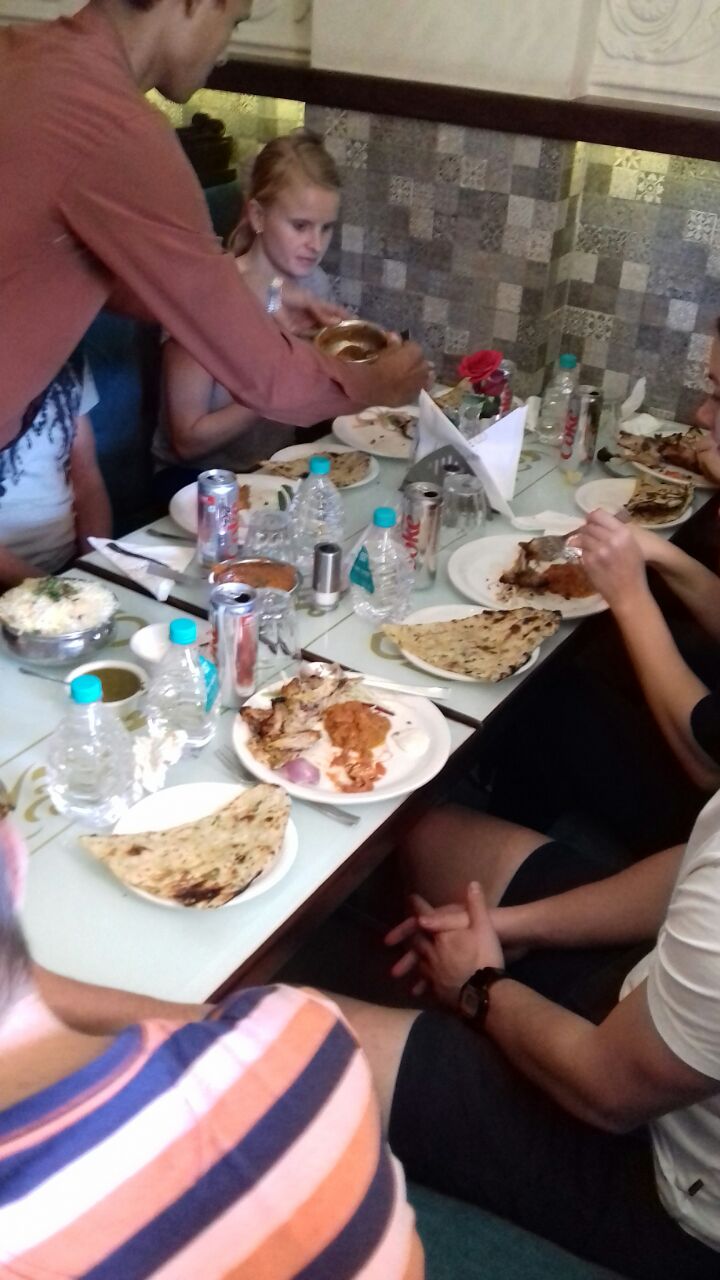
Mumbai's food culture rewards curiosity. For street food: vada pav (a spiced potato fritter in a bread roll, often called Mumbai's own snack) is available at stalls throughout the city and is excellent when fresh and hot. Pav bhaji — a spiced vegetable mash served with buttered rolls — originated in Mumbai and is widely available near Crawford Market. Café Mondegar in Colaba is a long-standing institution for a sit-down meal in informal surroundings. For a more considered experience, Britannia & Co. in the Ballard Estate area serves Parsi cuisine — a distinct culinary tradition from Mumbai's Zoroastrian community — in a setting that has barely changed in decades. Booking is not required, but go early as it closes by mid-afternoon.
Remove shoes before entering any temple or mosque, and dress modestly — covered shoulders and knees are the baseline. Photography inside places of worship should be done discreetly and only where clearly permitted. Public displays of affection beyond hand-holding are generally frowned upon. Cows may be encountered on some streets; they are considered sacred and should not be interfered with. When negotiating prices at markets, a tone of cheerful persistence works better than confrontation. Accepting food or drink from strangers is something to approach cautiously in any unfamiliar city. Overall, Mumbai is accustomed to international visitors and the city's residents are generally patient and helpful.
Mumbai is excellent for textiles — cotton, silk, and embroidered fabrics — which are available in a wide range of quality and price. Colaba Causeway is the most accessible market for tourists, covering antiques, brassware, leather goods, jewellery, and clothing. Crawford Market near CST is particularly good for spices and food items. For fixed-price, quality-controlled goods including Indian crafts and textiles, the Cottage Industries Emporium on Colaba Causeway is a government-backed store worth visiting. Avoid purchasing antiques claimed to be over 100 years old for export without verifying export legality — India has strict regulations on the export of genuine antiques.
Filters
Select a filter to refine results.
Tour Type
Tour Activity
 Cart
Cart
 USD
USD GBP
GBP AUD
AUD EUR
EUR CAD
CAD