



Tours in Amsterdam


Cruising to Amsterdam in a group?
Skip the crowded ship excursion bus. One dedicated planner will design a private shore experience around exactly what your group wants — coordinated from first enquiry to the moment you're back on board. More memorable, more flexible, and more affordable than you might expect. Spend less time organising, more time enjoying.
Explore Group Travel →Cruising to Amsterdam
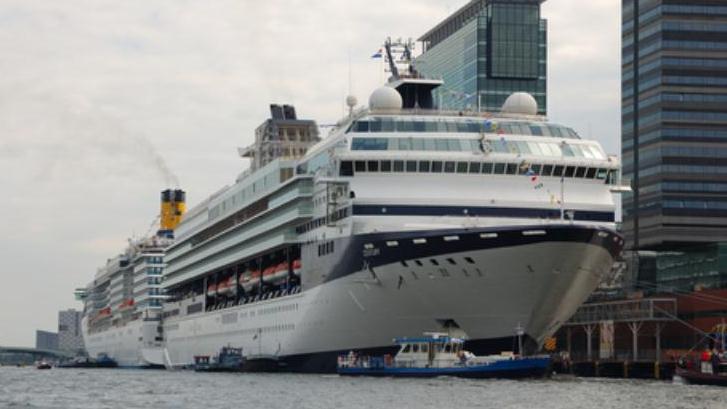
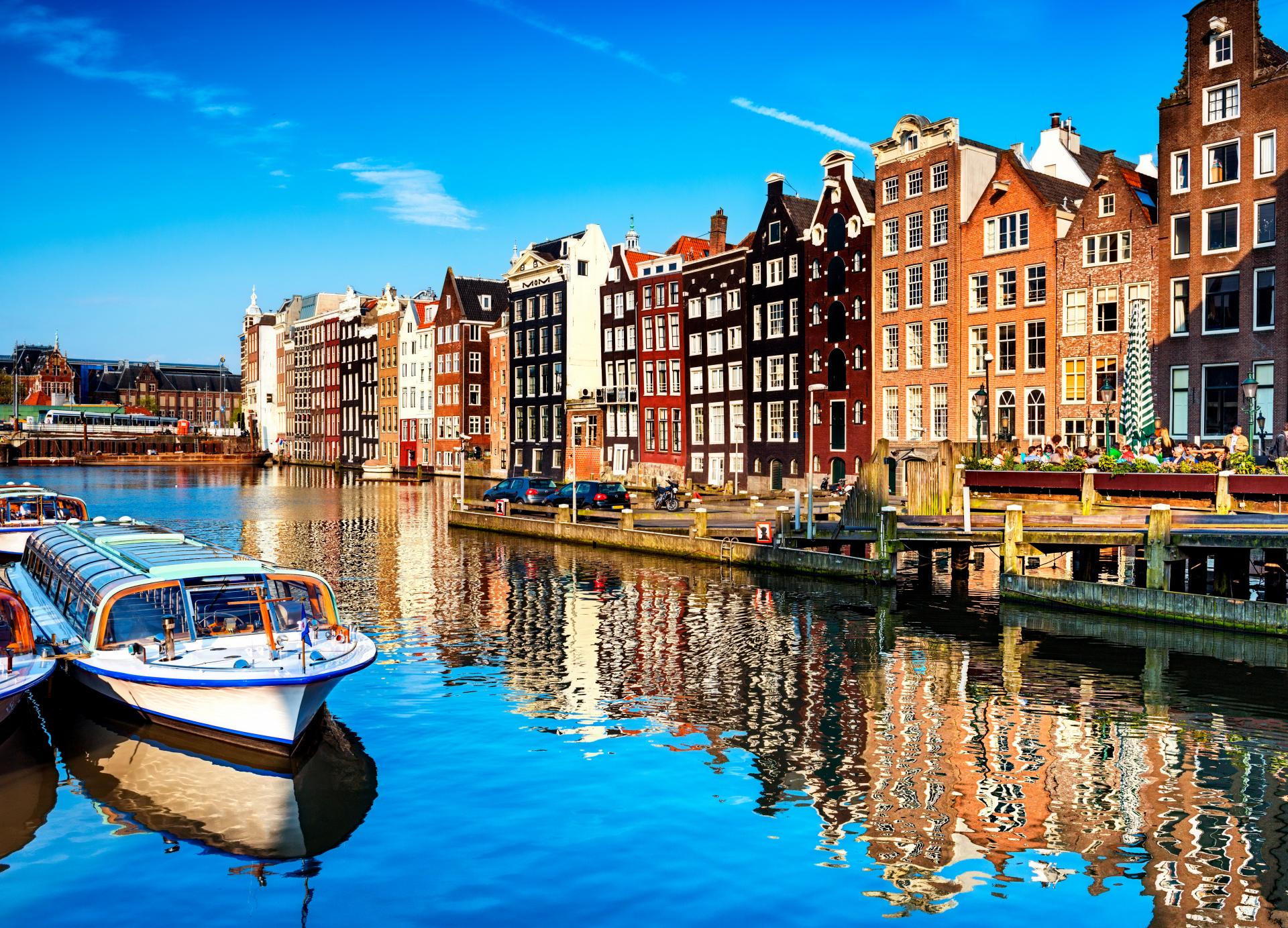
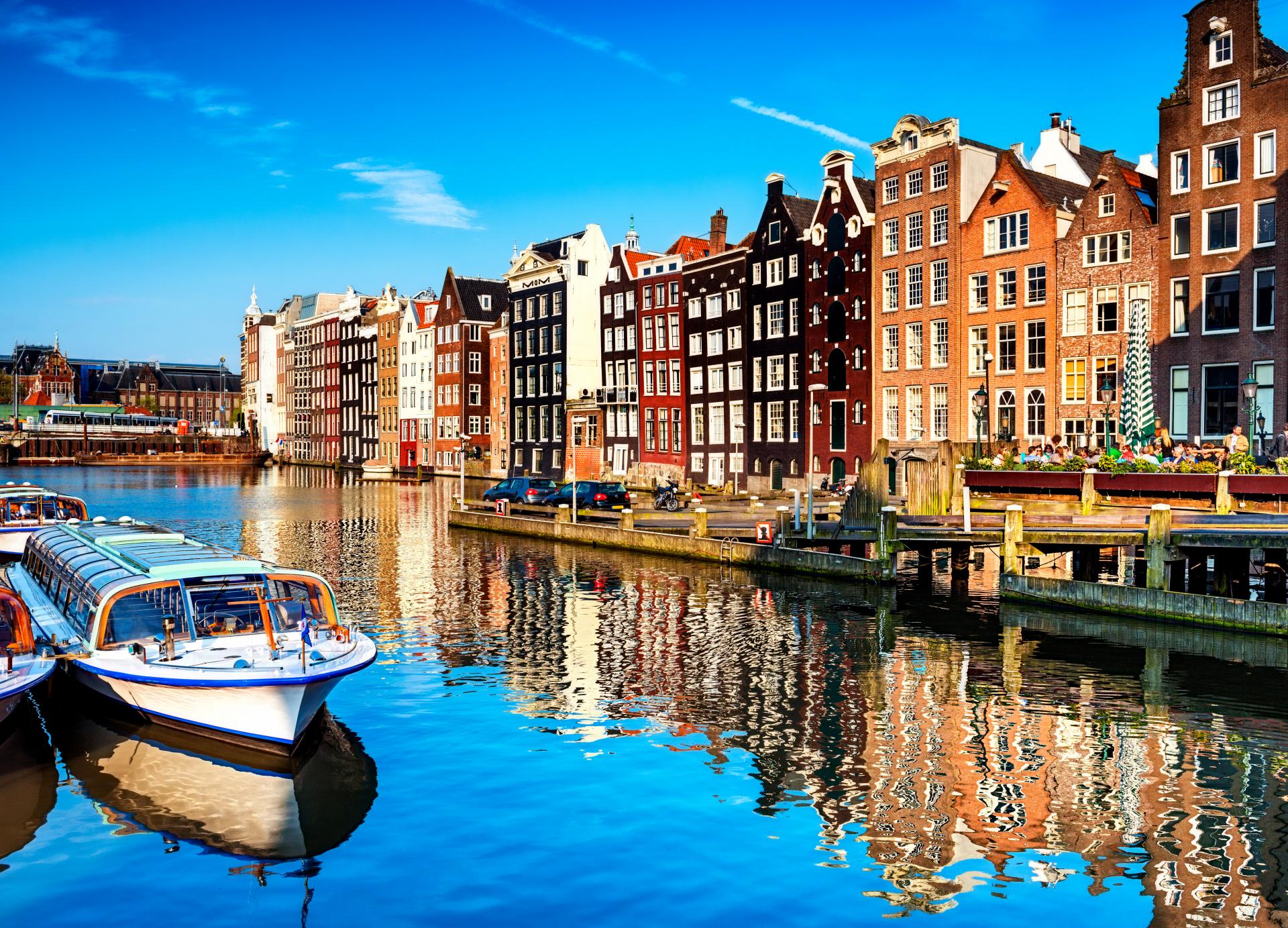
Amsterdam is one of Europe's most iconic waterway cities, built on a network of 165 canals and more than 1,500 bridges. The Dutch capital blends a rich Golden Age heritage — visible in its distinctive step-gabled canal houses, grand museums, and historic trading routes — with a lively contemporary culture. Cruise ships dock at the Passenger Terminal Amsterdam in the Eastern Docklands, just minutes from the city centre, making Amsterdam one of the most accessible ports on any European itinerary. Within a compact, walkable area, visitors can cover world-class museums, UNESCO-listed waterways, vibrant food markets, and the classic Dutch countryside of windmills and tulip fields.
Top things to do in Amsterdam on a cruise stopover
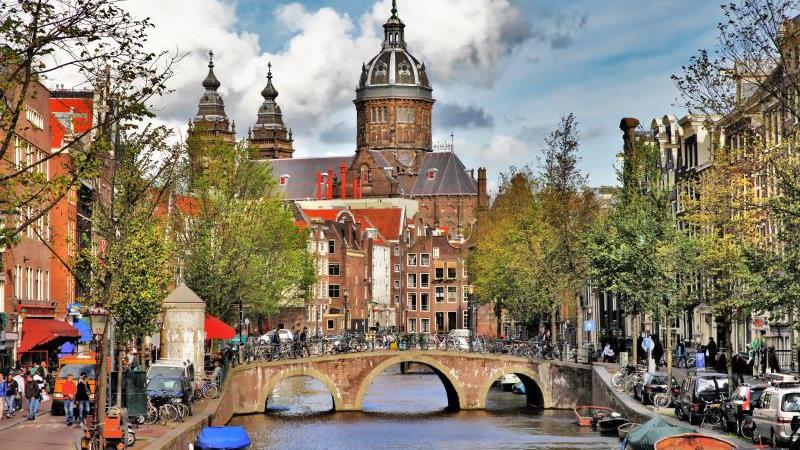
Amsterdam's UNESCO Canal Ring
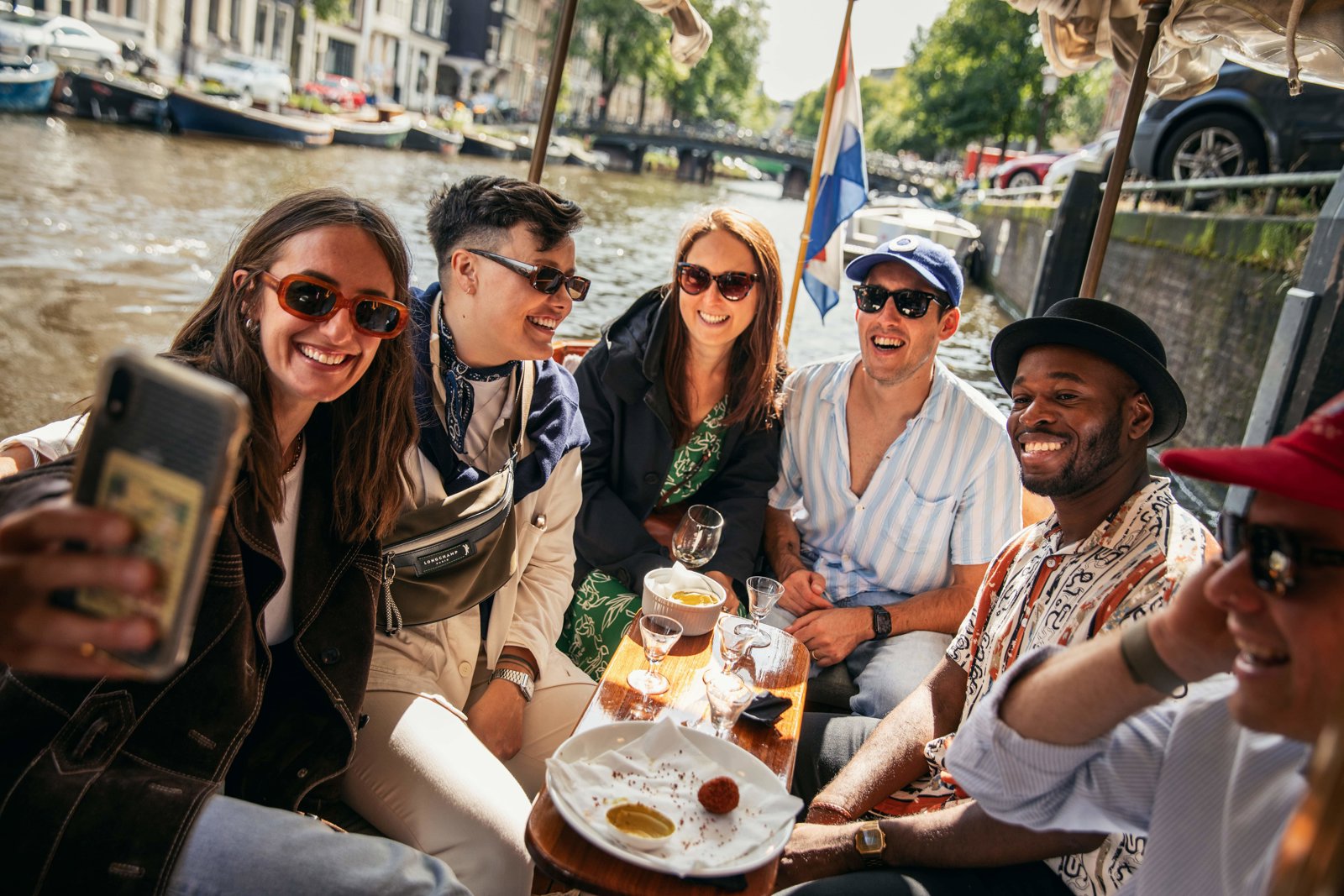
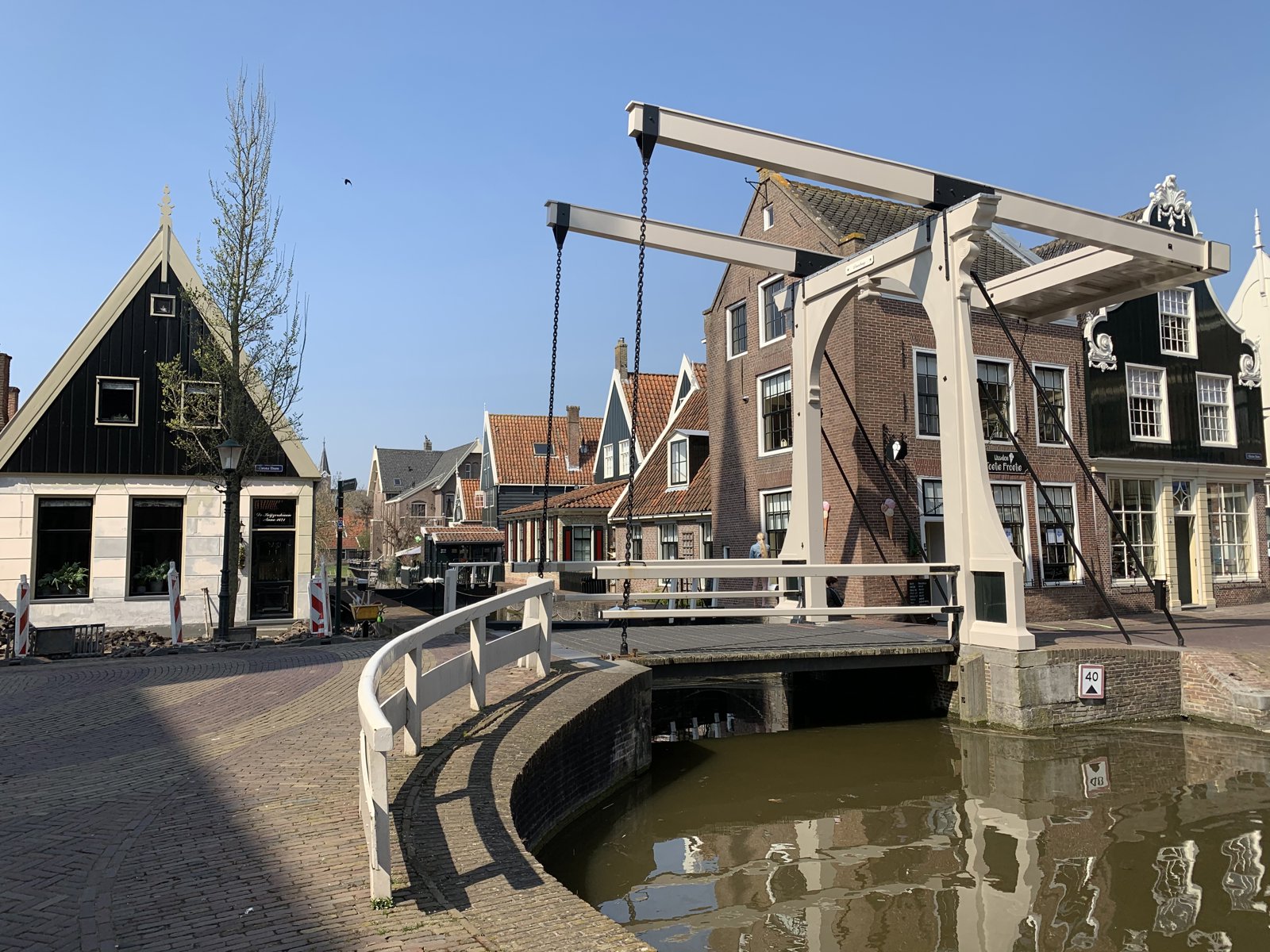
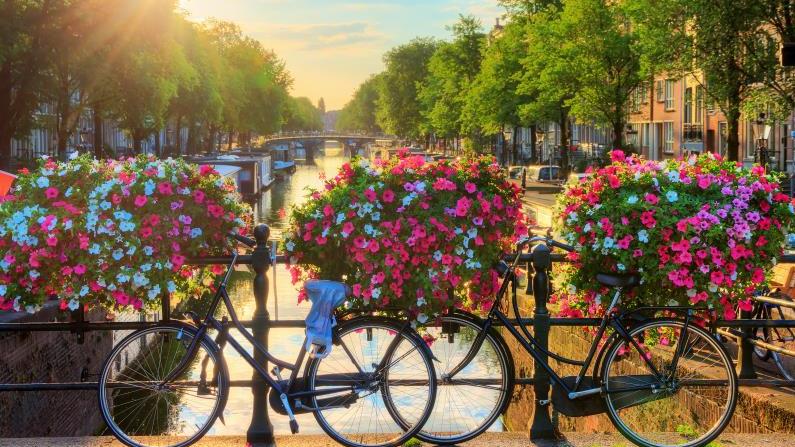
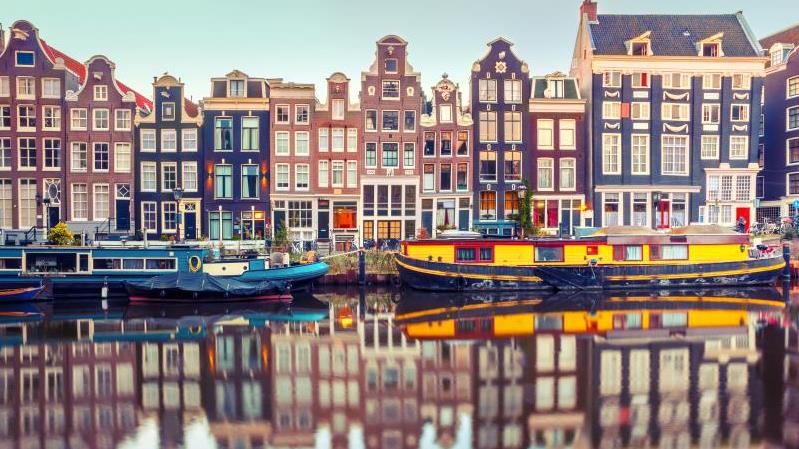
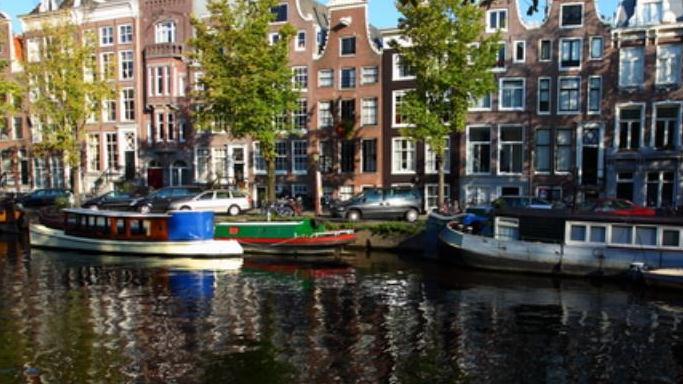
The concentric arc of 17th-century canals — Herengracht, Keizersgracht, and Prinsengracht — forms the heart of Amsterdam's UNESCO World Heritage historic district. Lined with distinctive step-gabled canal houses built by Dutch merchants during the Golden Age, this is one of the most visually distinctive urban landscapes in Europe. Canal cruises offer an unhurried perspective on the city's architecture, working drawbridges, and daily waterway life that no walking tour can replicate. Amsterdam canal and food walk experiences combine time on the water with street-level exploration of the city's culinary culture.
Keukenhof Gardens — The Netherlands' Tulip Showcase
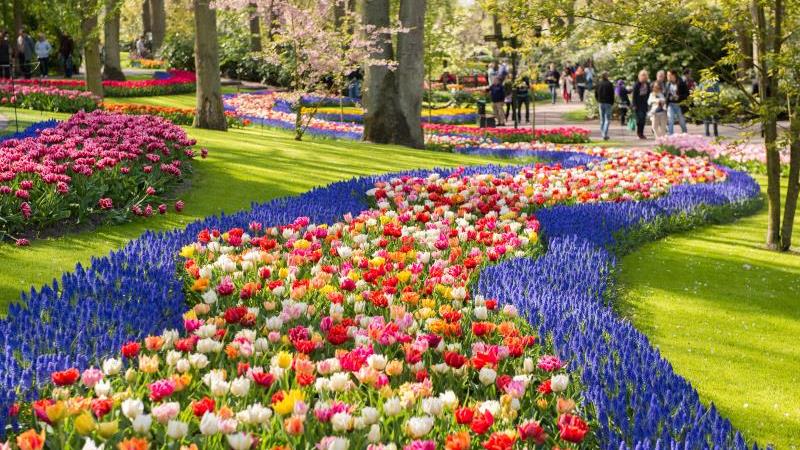
Located 40 km from Amsterdam near Lisse, Keukenhof Gardens is the world's largest flower park, encompassing 32 hectares of blooming tulips, daffodils, and hyacinths. Open only from mid-March to mid-May, the gardens draw visitors during spring cruise season with extraordinary displays of Dutch horticultural heritage — around seven million bulbs planted each year across formal beds, woodland walks, and glass pavilions. Private transport from Amsterdam to Keukenhof takes approximately 45 minutes each way, making this a half-day excursion that requires an early departure to allow adequate time in the gardens.
Amsterdam's Golden Age Art Museums
The Rijksmuseum houses the world's finest collection of Dutch Golden Age paintings, including Rembrandt's Night Watch and Vermeer's The Milkmaid, displayed in a grand 19th-century building in the Museum Quarter. Nearby, the Van Gogh Museum holds the largest collection of Vincent van Gogh's works globally, tracing the artist's complete creative evolution. Both museums are accessible on foot from the canal ring and together anchor Amsterdam's celebrated museum district. Pre-booked timed entry tickets are essential during cruise season — walk-in availability is extremely limited from April to September.
Dutch Windmills and Countryside
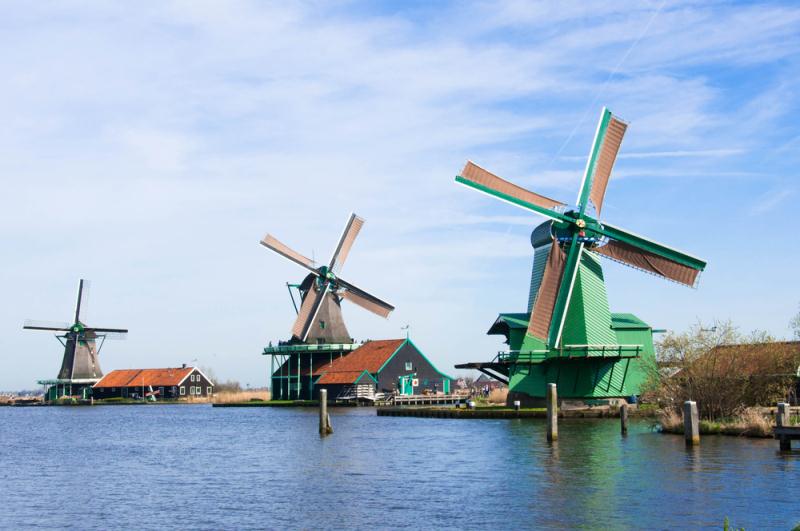
Beyond Amsterdam's city limits lies the classic Dutch landscape of windmills, polders, and traditional villages that has defined the Netherlands' image for centuries. The Zaanse Schans open-air museum, 15 km north of Amsterdam, preserves working wooden windmills alongside traditional Dutch craftsmanship including cheese-making and clog workshops. Villages along the Markermeer lake offer glimpses of traditional fishing culture and painted wooden architecture. Private windmill and countryside tours from Amsterdam combine multiple sites in a half or full-day itinerary, covering terrain that is difficult to access efficiently using public transport alone.
Amsterdam's Culinary and Food Market Culture
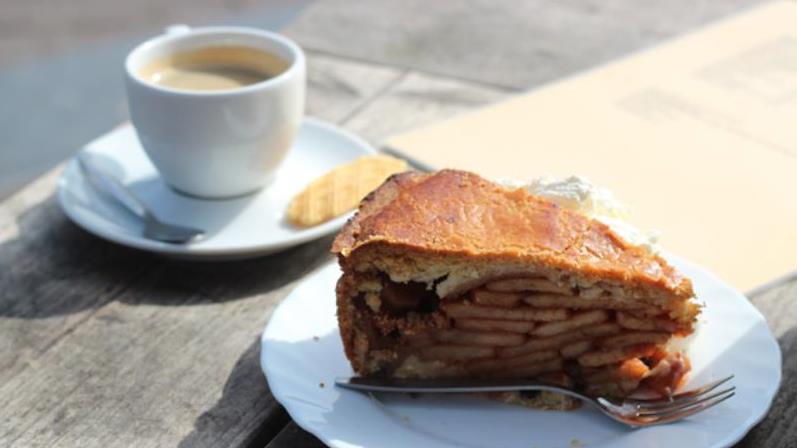
Amsterdam's food culture reflects the city's history as a global trading hub, blending traditional Dutch street food with one of Europe's most diverse culinary scenes. The Albert Cuyp Market in De Pijp — the Netherlands' largest street market — offers Dutch cheeses, fresh produce, and street food alongside clothing and household goods. Culinary walking tours through the canal ring combine tastings of stroopwafels, aged Gouda, raw herring, and Dutch baked goods with the story of Amsterdam's food traditions. Traditional bruine kroegen (brown cafés) are the most atmospheric spots to sample bitterballen and jenever in settings that have changed little since the 17th century.
Amsterdam Hop On Hop Off Sightseeing
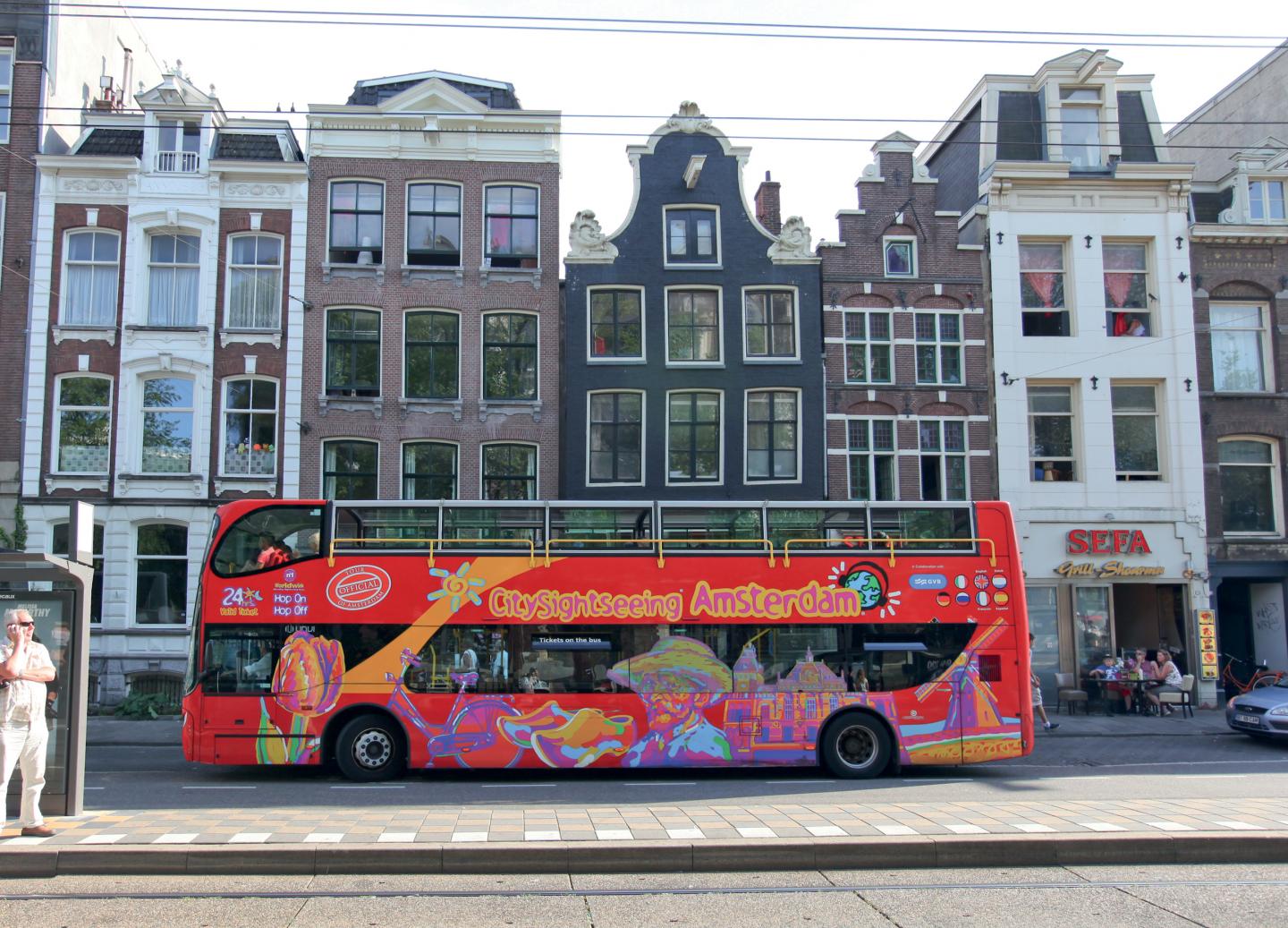
Amsterdam's compact layout and well-connected waterfront make it well-suited to structured hop-on, hop-off sightseeing. Routes cover the main historic canals, museum district, Vondelpark, Jordaan neighbourhood, and the Eastern Docklands, allowing cruise guests to orient themselves quickly and visit multiple areas within a half-day without committing to a single fixed route. Stops are positioned within easy walking distance of the major museums, canal attractions, and market squares. Hop-on, hop-off options give visitors the flexibility to linger at stops of particular interest and rejoin the circuit at their own pace.
Amsterdam travel tips
Pre-Book Museum Entry Well in Advance. The Rijksmuseum and Van Gogh Museum operate timed-entry ticketing and sell out weeks ahead during spring and summer cruise season. Arriving without pre-booked tickets typically means missing both museums entirely. Purchase timed entry tickets online before your cruise departure date. The Stedelijk Museum (modern art) and Anne Frank House also require advance booking, with the Anne Frank House particularly difficult to access without a reservation.
Respect Amsterdam's Cycling Culture. Amsterdam has more bicycles than residents, and cyclists have absolute right of way on the dedicated red-marked lanes that border most streets and bridges. Tram tracks, cycle lanes, and crowded pavements require careful attention when walking. Always look both ways before crossing any lane marked in red or displaying cycle symbols — bicycle traffic moves quickly and silently. Avoid stopping to consult maps or take photographs while standing in a cycle lane.
Confirm Keukenhof Season Dates Before Planning. The Keukenhof Gardens are only open from mid-March to mid-May each year. No visit is possible outside this window, regardless of season. Confirm your cruise call date falls within the opening period before planning this excursion. Peak bloom typically occurs in mid-April, when the majority of the seven million tulip bulbs are simultaneously in flower. The 40 km journey from Amsterdam takes approximately 45 minutes each way.
Explore the Jordaan Beyond the Main Tourist Circuit. The Jordaan district, just west of the main canal ring, offers a quieter, more residential side of Amsterdam with independent boutiques, antique dealers, gallery spaces, and neighbourhood cafés away from the busiest visitor areas. The neighbourhood's narrow streets and hidden courtyards (hofjes) give a sense of daily Amsterdam life. The Anne Frank House is located at the edge of the Jordaan on Prinsengracht — note that entry requires pre-booked tickets purchased well in advance.
Pack for Amsterdam's Changeable Weather. Amsterdam's maritime climate means weather can shift quickly throughout the day, even in summer. Light rain showers are common from spring through autumn, and temperatures can be cooler than expected in April and May. Packing a compact waterproof layer and wearing layers allows adaptation to changing conditions. The city's covered markets — particularly the Waterlooplein flea market and the indoor Markthal — provide good shelter during showers.
Tram Line 2 and 12 Connect the Cruise Terminal to the City. Tram lines running along the waterfront connect the Eastern Docklands cruise terminal area to the main city centre stops near Dam Square and the museum district. The journey takes around 10–15 minutes. Trams run frequently during the day and are straightforward to navigate with the GVB transit app or paper maps available at the terminal. Single-journey tickets can be purchased from machines at stops or on board using contactless payment.
Port Facts Every Cruiser Needs To Know
Amsterdam shore excursion FAQs
The Passenger Terminal Amsterdam (PTA) is located in the Eastern Docklands, approximately 1.5 km from Amsterdam Centraal station. The historic canal ring and Dam Square are within 20–25 minutes on foot or a short tram ride. Trams run directly from the waterfront area into the city centre.
Keukenhof is approximately 40 km from Amsterdam and only open from mid-March to mid-May each year. A visit requires a half-day and organised transport, with the journey taking around 45 minutes each way. Confirm your cruise call date falls within the gardens' opening season — no visits are possible outside this window.
Yes, strongly. Both museums operate timed-entry systems and sell out weeks in advance during spring and summer. Walk-in availability during cruise season is very limited. Purchase timed tickets online before your cruise departure to guarantee entry and avoid lengthy queues.
Amsterdam's historic centre is compact and well-signposted, making independent exploration very manageable. English is spoken widely throughout the city. The tram network is straightforward to navigate, and most major attractions are within walking distance of each other from the canal ring. Cycling is popular but not essential — the city is equally walkable.
Yes. Zaanse Schans windmill village is approximately 15 km north of Amsterdam and accessible by direct train from Centraal station (around 17 minutes). It is the most practical windmill destination for a cruise day visit, with working wooden windmills, traditional craft demonstrations, and Dutch countryside scenery within easy reach of the city.
The currency is the Euro (€). Amsterdam is largely cashless — contactless credit and debit cards are accepted in most restaurants, museums, shops, and transport. A small amount of Euro cash is useful for street market stalls, some traditional cafés, and smaller independent shops that prefer cash payment.
Canal cruises are the most atmospheric way to see the UNESCO-listed waterway district. Guided tour boats offer commentary on the historic canal houses and bridges. Several VA tours incorporate canal experiences combined with food walks or city exploration, giving a multi-dimensional perspective on Amsterdam's waterway culture.
Amsterdam's major museums have no formal dress code. Historic churches — including the Westerkerk near the Anne Frank House — request modest dress with covered shoulders and knees. There are no general dress restrictions for exploring the city, though comfortable walking shoes are strongly recommended for cobblestone streets.
The canal ring, Dam Square, and a thorough visit to the Rijksmuseum can be covered in a focused 5–6 hour day. Adding the Van Gogh Museum or a canal cruise extends this to a full 7–8 hour day. A Keukenhof Gardens excursion requires most of the day and works best as the primary focus rather than a combination with museum visits.
Classic Dutch street food worth seeking out includes haring (raw herring served with pickles) from a street stall, stroopwafels (caramel-filled waffle cookies, best eaten warm), and bitterballen (crispy deep-fried meat snacks) at a traditional brown café. Aged Gouda and Edam cheeses are widely available at market stalls. Jenever, the original Dutch gin that predates London gin, can be sampled at traditional tasting houses in the city centre.
Filters
Select a filter to refine results.
Tour Type
Tour Activity
 Cart
Cart
 USD
USD GBP
GBP AUD
AUD EUR
EUR CAD
CAD