



Tours in Berlin



Cruising to Berlin in a group?
Skip the crowded ship excursion bus. One dedicated planner will design a private shore experience around exactly what your group wants — coordinated from first enquiry to the moment you're back on board. More memorable, more flexible, and more affordable than you might expect. Spend less time organising, more time enjoying.
Explore Group Travel →Cruising to Berlin
Berlin sits roughly 200 kilometres south of the Baltic coast, making it one of the most ambitious day trips in European cruising. Ships dock at Warnemunde or the nearby port of Rostock, from which direct trains reach Berlin Hauptbahnhof in around two to two and a half hours. The city rewards travellers who arrive with a clear focus: its Cold War legacy, Third Reich history, Holocaust memorials, and Jewish heritage are concentrated in a walkable central area, while Potsdam's Prussian palaces offer an entirely different register thirty minutes further west. Plan for a long day — roughly twelve to fourteen hours including transit — and choose one historical thread to follow rather than attempting to cover everything Berlin holds in a single visit.
Top things to do in Berlin on a cruise stopover
Cold War Berlin and the Iron Curtain's Remnants
Few cities bear the physical scars of the Cold War as visibly as Berlin. The Wall divided a city and a nation for 28 years; today its path is traced by a double cobblestone line through the streets, punctuated by the East Side Gallery — a 1.3-kilometre open-air mural on one of the last surviving sections. Checkpoint Charlie, where American and Soviet tanks once faced each other across a painted line, remains one of the most viscerally evocative sites in Europe. The neighbourhood of Prenzlauer Berg, once solidly East German, retains its pre-unification architecture and a particular quiet beneath its current café culture. A guided exploration of the Iron Curtain's legacy traces not just physical remnants but the lived reality of a city cut in two for nearly three decades.
Third Reich and Germania: The Architecture of Power
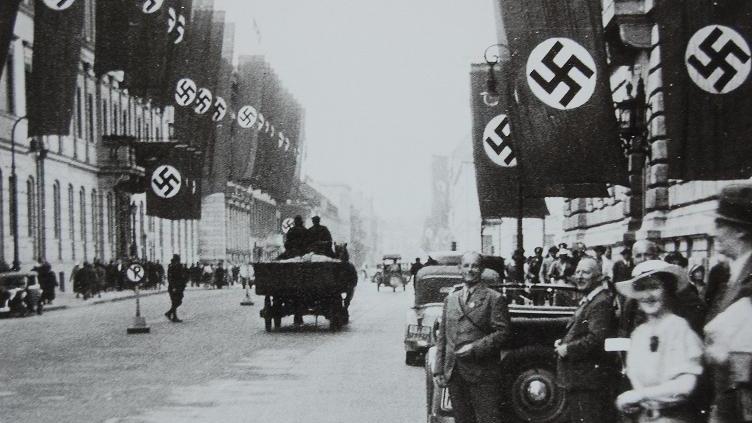
Hitler intended to remake Berlin as 'Germania,' a monumental capital for an empire that never came. What remains — the ruins of ambition, repurposed halls, unmarked lots — tells a story of ideology inscribed in stone and then violently unmade. The Reich Chancellery site, the 1936 Olympic Stadium, the Topography of Terror exhibition atop the former SS and Gestapo headquarters, and the vast open field of Tempelhof Airport all speak to an era whose physical evidence Berlin has worked carefully to contextualise. A guided tour of this period brings together sites easily missed without historical framing, and ensures that the full gravity of each location is understood rather than simply photographed.
Jewish Berlin: Memory, History, and Continuity
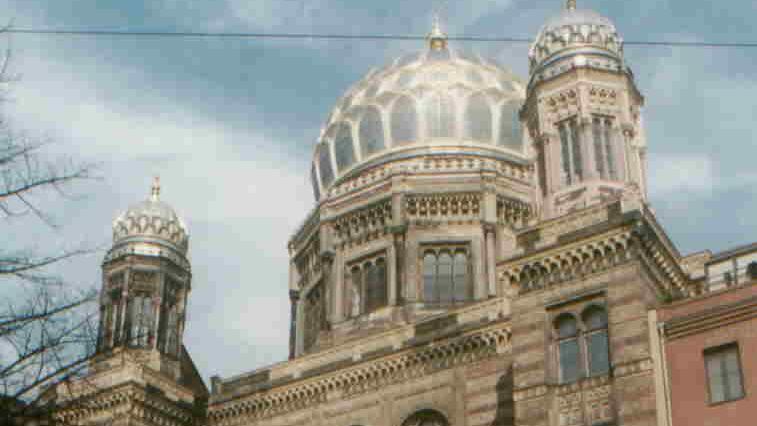
Berlin has one of Europe's most thoughtfully constructed Jewish memorial landscapes. The Memorial to the Murdered Jews of Europe — 2,711 concrete stelae arranged in an undulating grid near Brandenburg Gate — is one of the most architecturally powerful public memorials anywhere. The Jewish Museum, designed by Daniel Libeskind with deliberate disorientation, traces two millennia of Jewish life in Germany. Beyond the memorials, Berlin's Jewish community — decimated by the Holocaust and partially rebuilt through post-war immigration — has active synagogues and cultural centres in Mitte and Prenzlauer Berg. A guided exploration of Jewish Berlin addresses both the catastrophe and the continuity that survived it, a distinction that passive sightseeing rarely achieves.
Potsdam: Prussian Palaces and Garden Kingdoms
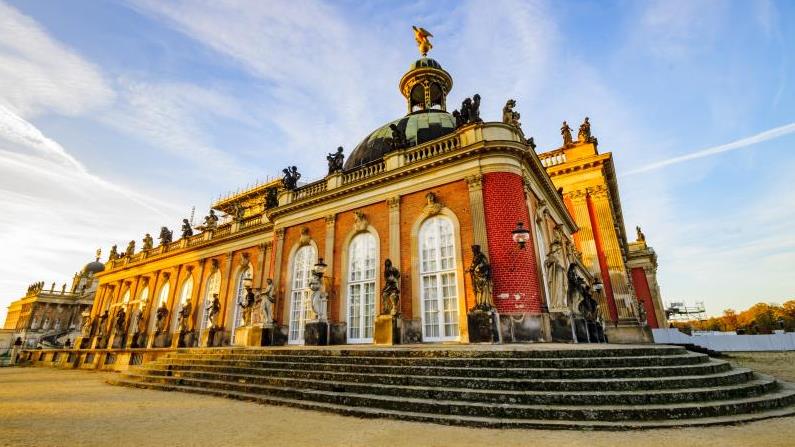
Thirty minutes west of Berlin by S-Bahn lies Potsdam, the royal seat of the Hohenzollern dynasty and one of Europe's finest concentrations of palace gardens. Sanssouci, Frederick the Great's summer palace, is the centrepiece — a rococo jewel set in terraced gardens descending to fountains and vineyards. The surrounding Park Sanssouci encompasses the Chinese House, the New Palace, and the Orangery across 290 hectares of UNESCO World Heritage landscape. Cecilienhof Palace, where the 1945 Potsdam Conference was held, adds a decisive twentieth-century dimension. A guided excursion combining Berlin and Potsdam is ambitious; dedicating the full day to Potsdam alone allows a more considered experience of both the gardens and the palace interiors.
Berlin's Full Spectrum: Landmarks and Living City
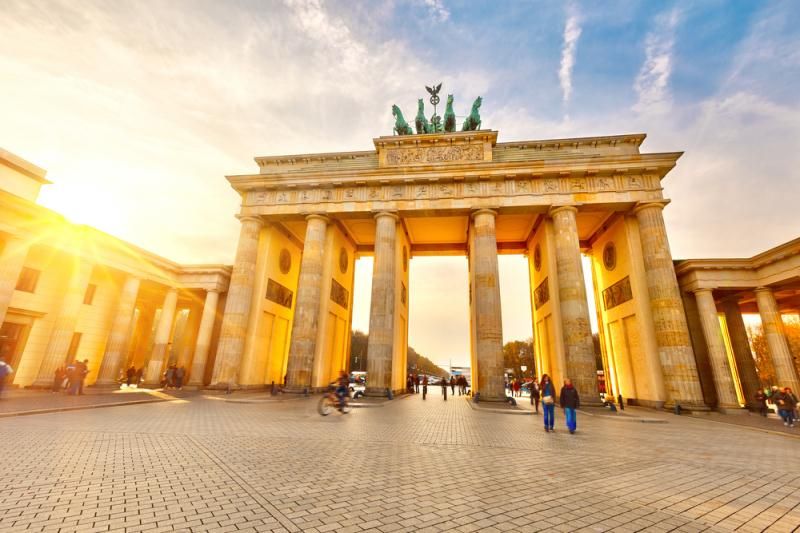
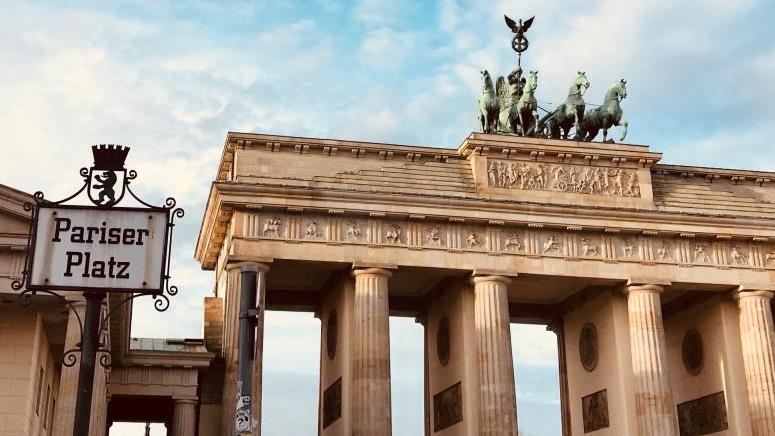
Beyond its historical weight, Berlin is a living city of 3.6 million people in constant transformation. Museumsinsel (Museum Island), a UNESCO World Heritage Site in the Spree River, concentrates five world-class museums — the Pergamon, the Neues Museum housing the bust of Nefertiti, the Altes Museum, the Bode, and the Alte Nationalgalerie — within walking distance. The Brandenburg Gate anchors the Pariser Platz; the Reichstag's glass dome, designed by Norman Foster, offers panoramic views and a powerful symbol of democratic reconstruction. A full-day highlights itinerary weaves between these landmarks and the quieter streets that connect eras of German history across a single walkable district.
Pre- and Post-Cruise Berlin: Making the Most of Either End
For cruise passengers beginning or ending their voyage at Warnemunde, an extra day or two in Berlin transforms a transit into a genuine visit. The city's hotel options range from budget to luxury across all neighbourhoods, with Mitte and Prenzlauer Berg offering the most convenient access to historical sites. Berlin Brandenburg Airport connects to the city centre by S-Bahn in around 30 to 45 minutes. Planning an additional night allows for an evening in the city — even a quiet dinner in a neighbourhood restaurant or a walk along the illuminated Unter den Linden rewards those who arrive early or linger after disembarkation.
Berlin travel tips
Time the Train, Not Just the Sightseeing. The return train from Berlin to Warnemunde is the hard constraint of the day. Work backward from the ship's final boarding time, add two to two and a half hours for the journey, and build in 30 minutes of buffer. Missing the last viable train is not a theoretical risk — it happens to cruise travellers every season on this route. Set a phone alarm for the departure point.
Choose One Historical Focus and Follow It Deeply. Berlin's history spans multiple eras with distinct geographies: Third Reich and Germania, the Holocaust and Jewish life, Cold War division, and Prussian Potsdam. Attempting to cover all of these in a single cruise day produces rushed, surface-level impressions. Choosing one focus and exploring it with depth — ideally with a knowledgeable guide — is far more rewarding, and more honest to what each era deserves.
Wear Comfortable Shoes — This Is a Walking City. Berlin's key historical sites in the Mitte district are spread across a walkable area, but the distances accumulate quickly. Brandenburg Gate, the Holocaust Memorial, Checkpoint Charlie, Potsdamer Platz, and the Topography of Terror can be connected on foot, but plan for six to eight kilometres over a full day. Comfortable, broken-in footwear is essential — the cobbled sections between sites add strain.
Respect the Memorial Sites. The Memorial to the Murdered Jews of Europe and Berlin's other Holocaust sites are not conventional tourist attractions. Photography is permitted at most, but climbing on the stelae at the Holocaust Memorial is explicitly prohibited and widely enforced. At Checkpoint Charlie, heavy commercialisation around the site contrasts with its genuine historical weight; the nearby museum provides the substance that the street-level experience often lacks.
Carry Some Cash for Street Food and Small Stops. Major Berlin museums and most restaurants accept cards without issue. Street food stalls, smaller cafes, some public toilet facilities, and market vendors often operate cash-only. Carrying 20 to 30 euros in cash avoids awkward moments. ATMs near Berlin Hauptbahnhof and along major shopping streets are plentiful and typically charge minimal fees for foreign cards.
Potsdam or Berlin — Not Both at Full Depth. Potsdam's Park Sanssouci deserves three to four hours to see the main palace and gardens properly. Combined with the train journey from Warnemunde and travel between Berlin and Potsdam (30 minutes each way by S-Bahn), a combined day leaves little time for either destination. Travellers who attempt both often feel they shortchanged Potsdam. Choosing one focus produces a more satisfying and memorable experience.
Port Facts Every Cruiser Needs To Know
Berlin shore excursion FAQs
Berlin lies approximately 200 kilometres south of Warnemunde. Direct regional and intercity trains from Warnemunde or Rostock Hauptbahnhof reach Berlin Hauptbahnhof in around two to two and a half hours. The round trip is four to five hours of travel, leaving five to seven hours in the city depending on the ship's schedule.
Yes, though it requires an early start and careful planning. Ships typically dock by 7–8am; trains from Warnemunde depart regularly and reach Berlin by mid-morning. With a 5–6pm return departure, a substantial afternoon in Berlin is achievable. The key is knowing the ship's last boarding time precisely and planning the return train with buffer time.
For popular sites like the Pergamon Museum and the Jewish Museum, advance booking is strongly recommended, especially during July and August. Online tickets eliminate queues that can run 30 to 60 minutes at busy sites. The Museumsinsel day pass covers five museums on Museum Island and offers good value for a museum-focused visit.
Most Museum Island institutions are open daily 10am–6pm, with extended Thursday hours. The Topography of Terror is open daily 10am–8pm. The Holocaust Memorial grounds are accessible around the clock; the underground information centre closes Mondays. The Jewish Museum typically opens daily from 10am. Check specific sites in advance as seasonal variations apply.
English is widely spoken in Berlin's central tourist areas, museums, hotels, and most restaurants. Public transport signage is in German but straightforward to navigate. In residential neighbourhoods and smaller cafes, basic German phrases are appreciated; staff at major attractions and transport hubs almost universally speak English.
The Topography of Terror is a free outdoor and indoor exhibition built on the former site of the SS, Gestapo, and Reich Security headquarters. It documents the Nazi terror apparatus through original documents, photographs, and artefacts. One of the most substantive historical exhibitions in Europe, it remains free of charge and is typically open daily.
Combining both is possible but results in a rushed experience at each. Potsdam's Park Sanssouci alone warrants three to four hours. Adding the train journey from Warnemunde and the Berlin–Potsdam segment (30 minutes each way) leaves little time for either destination. Most travellers who attempt both feel they shortchanged Potsdam. Choosing one focus produces a stronger experience.
Germany uses the Euro (EUR). Card payments are accepted at most museums, hotels, and restaurants in central Berlin. Cash is useful for street food stalls, market vendors, smaller cafes, and public toilet facilities. ATMs are readily available at Berlin Hauptbahnhof and throughout Mitte.
Warnemunde is a charming Baltic seaside resort with a long sandy beach, a historic lighthouse from 1897, a fishing harbour, and a pedestrianised street lined with cafes and fish restaurants. For travellers who prefer to stay local rather than making the long journey to Berlin, Warnemunde and nearby Rostock offer a genuinely pleasant and unhurried day.
Direct trains are the primary option, running regularly between Warnemunde/Rostock and Berlin Hauptbahnhof. Private transfer services that collect from Berlin hotels or Berlin Brandenburg Airport and deliver to the cruise pier in Warnemunde or Rostock are available for passengers arriving or departing on cruise day, avoiding the need to navigate public transport with luggage.
Filters
Select a filter to refine results.
Tour Type
Tour Activity
 Cart
Cart
 USD
USD GBP
GBP AUD
AUD EUR
EUR CAD
CAD