



Tours in Invergordon



Cruising to Invergordon in a group?
Skip the crowded ship excursion bus. One dedicated planner will design a private shore experience around exactly what your group wants — coordinated from first enquiry to the moment you're back on board. More memorable, more flexible, and more affordable than you might expect. Spend less time organising, more time enjoying.
Explore Group Travel →Cruising to Invergordon
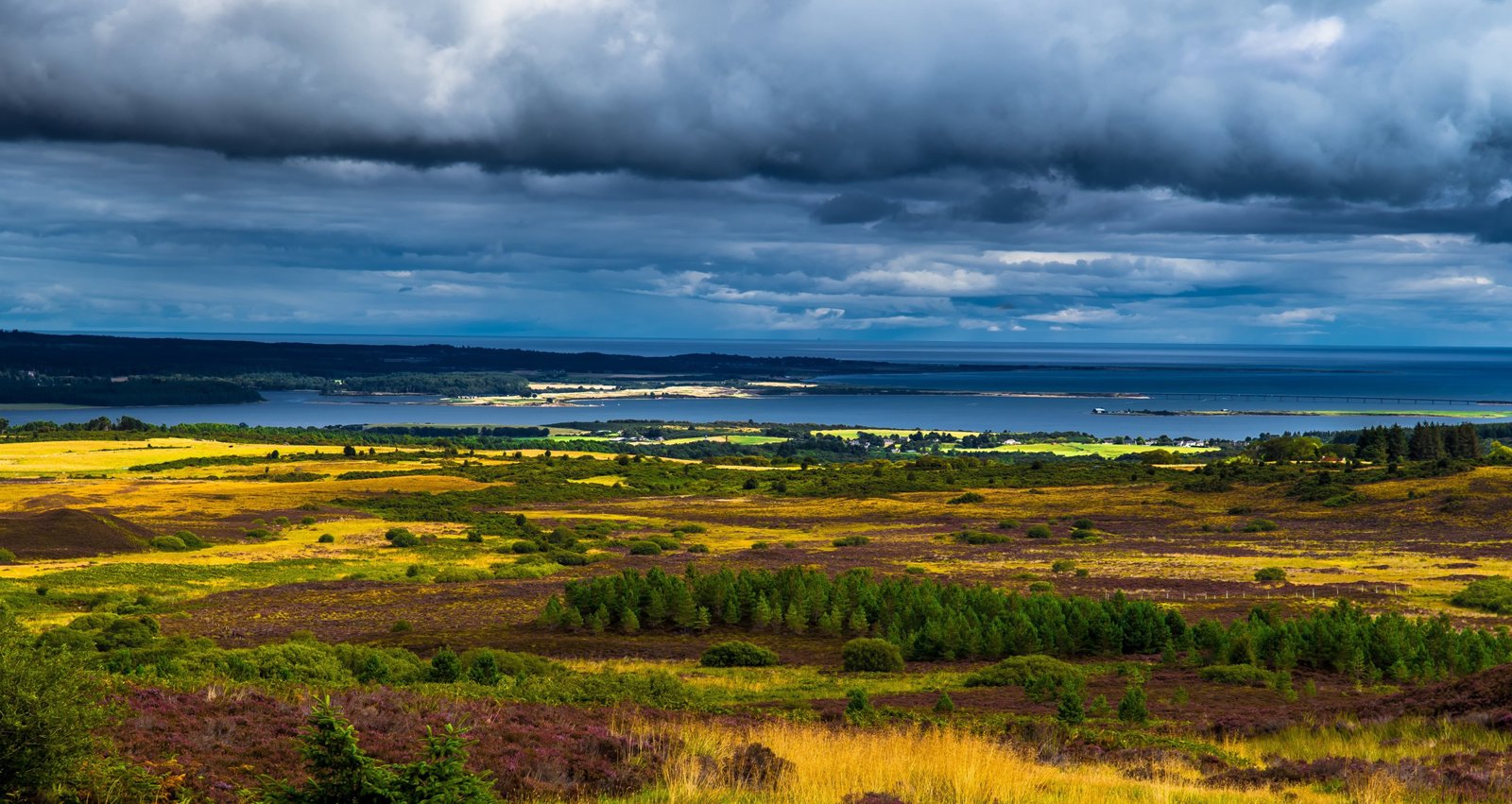
Invergordon sits on the southern shore of the Cromarty Firth, a sheltered sea loch cutting deep into the Easter Ross peninsula of the Scottish Highlands. As a port it is functional rather than showy — a former naval base turned industrial harbour — but its surroundings are anything but ordinary. Within an hour's drive lie some of Scotland's most celebrated landscapes, castles, and cultural landmarks, making Invergordon one of the most rewarding Highland ports of call for cruise travellers.
The town's compact High Street is within walking distance of the cruise pier, offering cafes, pubs, and independent shops where you can pick up a first taste of Highland character before heading further afield. But most visitors use Invergordon primarily as a launchpad. The regional capital of Inverness — with its riverside walks, Victorian architecture, and position at the head of the Great Glen — is just 30 kilometres away. Beyond it, Loch Ness stretches southwest, carrying its cargo of myth and extraordinary scenery into the heart of the Highlands.
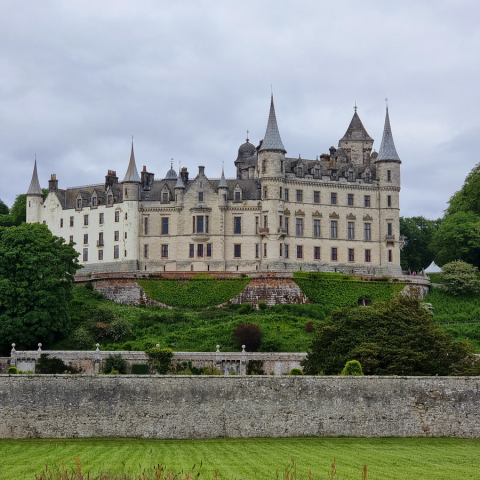
The region's historical depth rivals its natural beauty. Culloden Moor, site of the last pitched battle fought on British soil, lies close to Inverness and remains one of the most emotionally resonant historical sites in Scotland. To the north, Dunrobin Castle — with its French chateau silhouette rising above formal gardens and the North Sea coast — represents a different kind of Highland grandeur. Cawdor Castle, shadowed by Shakespearean association, combines genuine antiquity with extraordinary gardens and a family eccentricity that makes it one of Scotland's most rewarding castle visits.
For lovers of liquid heritage, the Highlands contain more whisky distilleries per square mile than almost anywhere on earth. A distillery visit from Invergordon — whether to Glenmorangie in nearby Tain or other celebrated producers — delivers the full sensory experience: copper stills, warehouse silence, and the slow maturation of spirit in charred oak. Invergordon gives you the whole Highland story, compressed into a single remarkable day.
Top things to do in Invergordon on a cruise stopover
Inverness: The Highland Capital
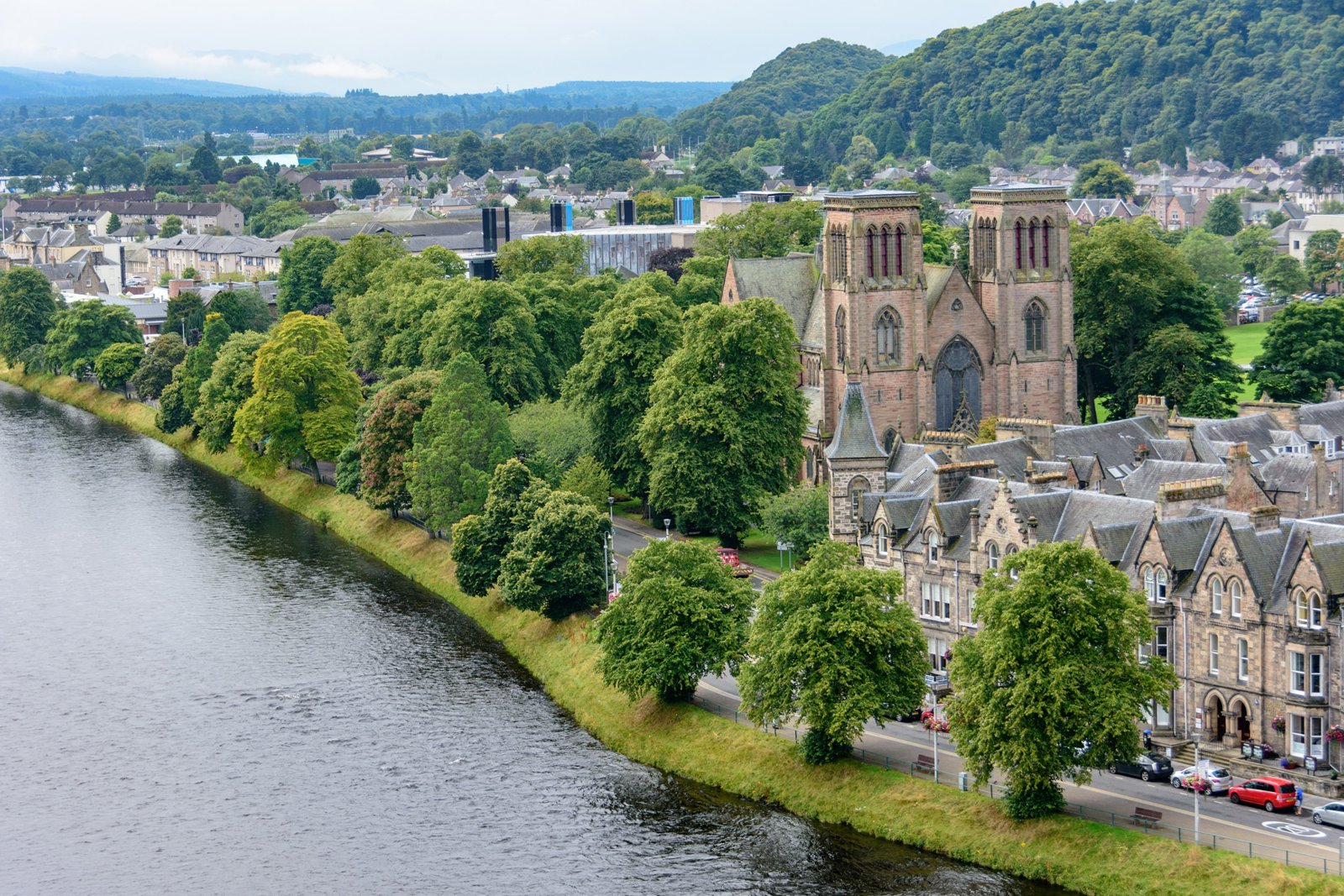
Scotland's most northerly city rewards visitors who look beyond its compact size. The River Ness flows through the heart of town, lined with Victorian terraces and crossed by graceful footbridges. Inverness Castle commands the skyline above the water, while the Victorian Market arcade and the Old High Church add genuine historical texture to the streets below. The Ness Islands — wooded islets connected by Victorian footbridges a short walk upstream — offer one of the most pleasant riverside strolls in Scotland. As the effective capital of the Highlands, Inverness also serves as the natural gateway to Loch Ness and the Great Glen, making it both a rewarding destination and a crossroads for the wider region.
Loch Ness: Myth, Depth and Highland Drama
Few bodies of water carry the cultural weight of Loch Ness. Stretching 37 kilometres through the Great Glen, it holds more fresh water than all the lakes of England and Wales combined — dark, peaty, and cold enough to sustain any number of mysteries. The monster legend is excellent marketing, but the loch itself needs no embellishment: flanked by ancient forest, sheer hillsides, and the ruins of Urquhart Castle on a midpoint promontory, it delivers some of Scotland's most cinematic scenery. A cruise on Loch Ness transforms the perspective entirely, the shoreline receding as open water reveals the true scale of this glacier-carved trench. Whether you believe in Nessie or not, Loch Ness leaves a lasting impression.
Cawdor Castle: Scotland's Most Storied Stronghold
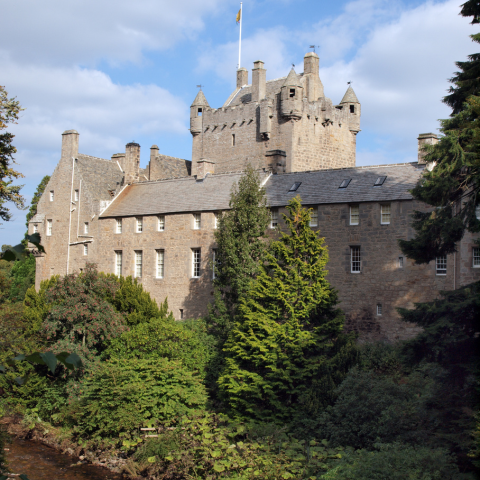
Though historians note that Shakespeare's Macbeth predates the castle's construction, Cawdor leans into its literary association with considerable charm. This lived-in fortress — home to the Cawdor family for over 600 years — contains a remarkable collection of tapestries, portraits, and eccentricities, including a holly tree said to have grown within the original medieval keep. The grounds spread across formal walled gardens, a wildflower section, and a nature trail through ancient woodland, each worthy of a leisurely hour. Cawdor avoids the overly curated feel of some heritage properties, retaining the atmosphere of a house that is genuinely inhabited, genuinely historic, and genuinely surprising at every turn.
Highland Whisky: The Distillery Experience
The Highlands produce some of Scotland's most celebrated single malts, and a distillery visit from Invergordon goes well beyond the tasting glass. The production process — malting barley, mashing, fermenting, double-distilling through copper pot stills, then years of maturation in charred oak casks — unfolds in buildings where the smell of yeast, spirit, and wood fills the air with something between industry and artistry. Highland malts tend toward full-bodied, complex flavours: heather, honey, dried fruit, gentle smoke, and a warmth that reflects the northern landscape. The final tasting room delivers the reward, with knowledgeable guides steering visitors through expressions that tell the story of their specific location and method.
Dunrobin Castle: Scotland's Fairy-Tale Fortress
Rising from manicured grounds above the North Sea coast, Dunrobin is the largest house in the northern Highlands and one of Scotland's most visually arresting buildings. Its French chateau-style turrets and whitewashed walls look more Loire Valley than rugged north — a deliberate Victorian transformation of a much older seat. The interior houses a museum of aristocratic artefacts and Highland history belonging to the Earls and Dukes of Sutherland. The formal gardens, modelled loosely on Versailles, descend in terraces toward the sea. Regular falconry displays on the lawn add living theatricality to the visit. The nearby cathedral town of Dornoch, with its 13th-century cathedral and championship golf links, makes a natural and rewarding companion stop.
Highland History: Blood, Stone and Spirit
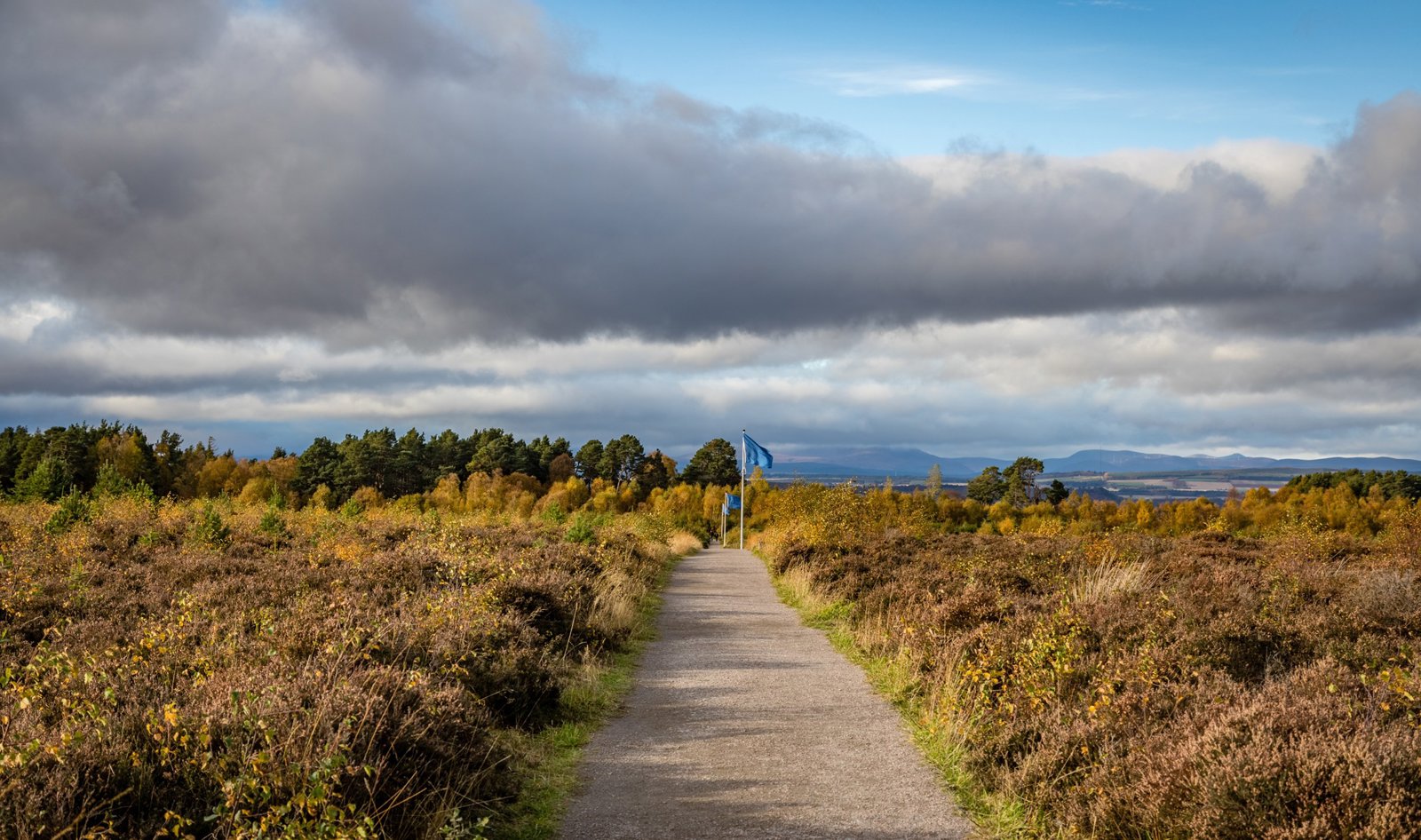
The Scottish Highlands contain layers of history that reward those willing to look beyond the surface scenery. Culloden Moor, just east of Inverness, marks the site of the 1746 defeat that ended the Jacobite Rising and broke the Highland clan system — a turning point whose reverberations shaped Scottish cultural identity for generations. The National Trust for Scotland visitor centre interprets the battle with intelligence and care, and the battlefield itself remains a place of genuine solemnity. Elsewhere in the region, Pictish carved standing stones predate recorded Scottish history, and Bronze Age burial cairns dot the open moorland. This is a landscape where violent history, ancient monuments, and enduring Highland character exist in close and meaningful company.
Invergordon travel tips
Dress for Four Seasons in One Day. Highland weather is famously unpredictable even in midsummer. A bright morning at the pier can become overcast and blustery by the time you reach Loch Ness or the moors above Culloden. Pack a compact waterproof jacket regardless of forecast, and bring a warm mid-layer — castle courtyards and lochside viewpoints are considerably cooler than sheltered town streets. Comfortable, grippy walking shoes are essential: castle grounds, nature trails, and waterfall paths involve uneven surfaces, and wet Highland grass can be treacherous underfoot.
Head to the Furthest Point First. If your day includes both a distant destination and something closer to the port, visit the furthest point first while energy and time are fully on your side. This avoids the anxiety of a last-minute return sprint and allows you to linger where something catches your interest. Dunrobin Castle (45 minutes north) and Cawdor Castle (around 50 minutes) are both easily combined with a stop in Inverness on the return. Loch Ness destinations add another 15 to 30 minutes beyond Inverness. Always confirm your ship's all-aboard time before leaving the pier.
Scottish Banknotes: Spend Them Locally. Several Scottish banks issue their own pound notes — Bank of Scotland, Royal Bank of Scotland, and Clydesdale all produce distinctive currency carrying the same face value as Bank of England notes. Businesses in England occasionally decline Scottish notes, making them most useful while you're still in Scotland. Receive them as change throughout the day, use them freely at shops, cafes, and distilleries, and consider keeping a note as a memento of the region's quietly defiant sense of identity.
Respect the Solemnity of Culloden. Culloden Moor is a place of genuine emotional weight — clan grave markers stand across the battlefield, and many Scottish and diaspora visitors find the site deeply affecting. Keep voices low when walking the field, avoid stepping on or over the grave markers, and give other visitors space for their own experience. The National Trust visitor centre provides essential historical context before you walk the ground. Allow at least 90 minutes to do justice to both the interpretation centre and the battlefield itself.
Whisky Tasting: Nose First, Water Welcome. At a Highland distillery tasting, take a moment to nose the glass before drinking — the aromas are often the most complex element of a fine single malt, and rushing past them means missing much of the experience. Adding a few drops of water is not only acceptable but positively encouraged: it opens up flavours that alcohol concentration can suppress. You are under no obligation to finish every sample, and no distillery guide will mind if you simply smell and observe. Buying direct from the distillery guarantees provenance and often provides access to expressions unavailable anywhere else.
Photograph Loch Ness from the Northern Shore. The A82 along the southern shore of Loch Ness is the primary tourist route and carries heavy traffic during the day. The northern shore, accessible from Inverness via smaller roads, offers cleaner views across open water with fewer vehicles in frame. Early morning — before tour coaches arrive from Inverness — produces the most atmospheric photography: mist lifting off dark water, the ruins of Urquhart Castle emerging from the opposite bank. For the castle itself, a loch cruise provides the definitive vantage point; from the water, the ruin's dramatic position on its rocky promontory becomes fully apparent.
Port Facts Every Cruiser Needs To Know
Invergordon shore excursion FAQs
No. Cruise ships dock directly alongside the pier in Invergordon, which sits adjacent to the town's main street. There is no tendering process, and disembarkation is typically smooth. The High Street, cafes, and pubs are within a short walk of the gangway.
Inverness is approximately 30 kilometres (19 miles) from Invergordon — a journey of around 30 to 40 minutes by road. This makes it one of the most accessible day-trip destinations from the port. Many visitors combine Inverness with Loch Ness or another Highland attraction, using the city as a natural midpoint between the pier and further destinations.
Loch Ness is not easily reached within cruise timescales using public transport alone. Buses connect Invergordon with Inverness, but onward connections toward Loch Ness are infrequent and time-consuming. Most visitors find pre-arranged group or private tours the practical solution, ensuring enough time at the loch itself — including a water cruise or Urquhart Castle visit — rather than being absorbed by connection logistics.
Absolutely. Dunrobin is approximately 45 minutes north of Invergordon and is one of Scotland's most extraordinary stately homes — its fairy-tale turrets, formal terraced gardens, and regular falconry displays make it a full and satisfying half-day. Combining Dunrobin with the nearby cathedral town of Dornoch makes for a complete and varied northern Highlands excursion.
Several celebrated distilleries are accessible from Invergordon within a cruise day. Glenmorangie in Tain, around 20 minutes from the port, is among the most visitor-friendly. Dalmore, located in Alness close to Invergordon itself, is another option, as are Balblair and Clynelish further north toward Dunrobin. Most distillery tours run 60 to 90 minutes including the guided walk and tasting, so factor this into overall day planning.
The Highland cruise season runs from approximately May to September. Summer temperatures average 14–20°C (57–68°F), with July and August being warmest. The Cromarty Firth area is generally one of the drier parts of the Highlands, but rain is possible at any time and conditions can change quickly. Wind is a factor at exposed sites. Layering and a waterproof layer are always advisable regardless of the morning forecast.
Yes. Culloden Moor lies approximately 40 kilometres from Invergordon — around a 45-minute drive via Inverness. The National Trust for Scotland operates an excellent visitor centre on site, and the battlefield is carefully maintained and deeply moving. Culloden is commonly combined with an Inverness visit or incorporated into a Loch Ness day. Allow at least 90 minutes to do justice to both the centre and the battlefield walk.
Scotland uses pound sterling (GBP), and euros are not accepted as payment. Invergordon has limited banking facilities, so having GBP before arriving is advisable. Cards are widely accepted at major attractions, distilleries, and larger restaurants, but rural stops and village cafes may be cash-only. Scottish bank notes are legal tender and work normally throughout Scotland.
Cawdor Castle is a medieval fortified tower house in Nairnshire, around 50 kilometres from Invergordon. Shakespeare named his tragic protagonist Thane of Cawdor, though the castle was not built until after Macbeth's historical period. The Cawdor family have owned and lived in it for over 600 years. Beyond the literary connection, the castle is remarkable in its own right: richly historic interiors, fine tapestries, and exceptional gardens including formal, wild, and walled sections make it one of Scotland's most rewarding castle visits.
As a practical guide: Inverness city centre warrants 1.5 to 2 hours including the riverside walk. Loch Ness with a boat cruise and Urquhart Castle requires 2.5 to 3 hours minimum. Cawdor Castle including gardens suits 1.5 to 2 hours. Dunrobin Castle with gardens and falconry takes 1.5 to 2.5 hours. A distillery tour with tasting runs 60 to 90 minutes. Culloden visitor centre and battlefield together need at least 90 minutes. Most visitors choose two or three stops rather than attempting all in one day.
Filters
Select a filter to refine results.
Tour Type
Tour Activity
 Cart
Cart
 USD
USD GBP
GBP AUD
AUD EUR
EUR CAD
CAD