



Tours in Lisbon



Cruising to Lisbon in a group?
Skip the crowded ship excursion bus. One dedicated planner will design a private shore experience around exactly what your group wants — coordinated from first enquiry to the moment you're back on board. More memorable, more flexible, and more affordable than you might expect. Spend less time organising, more time enjoying.
Explore Group Travel →Cruising to Lisbon
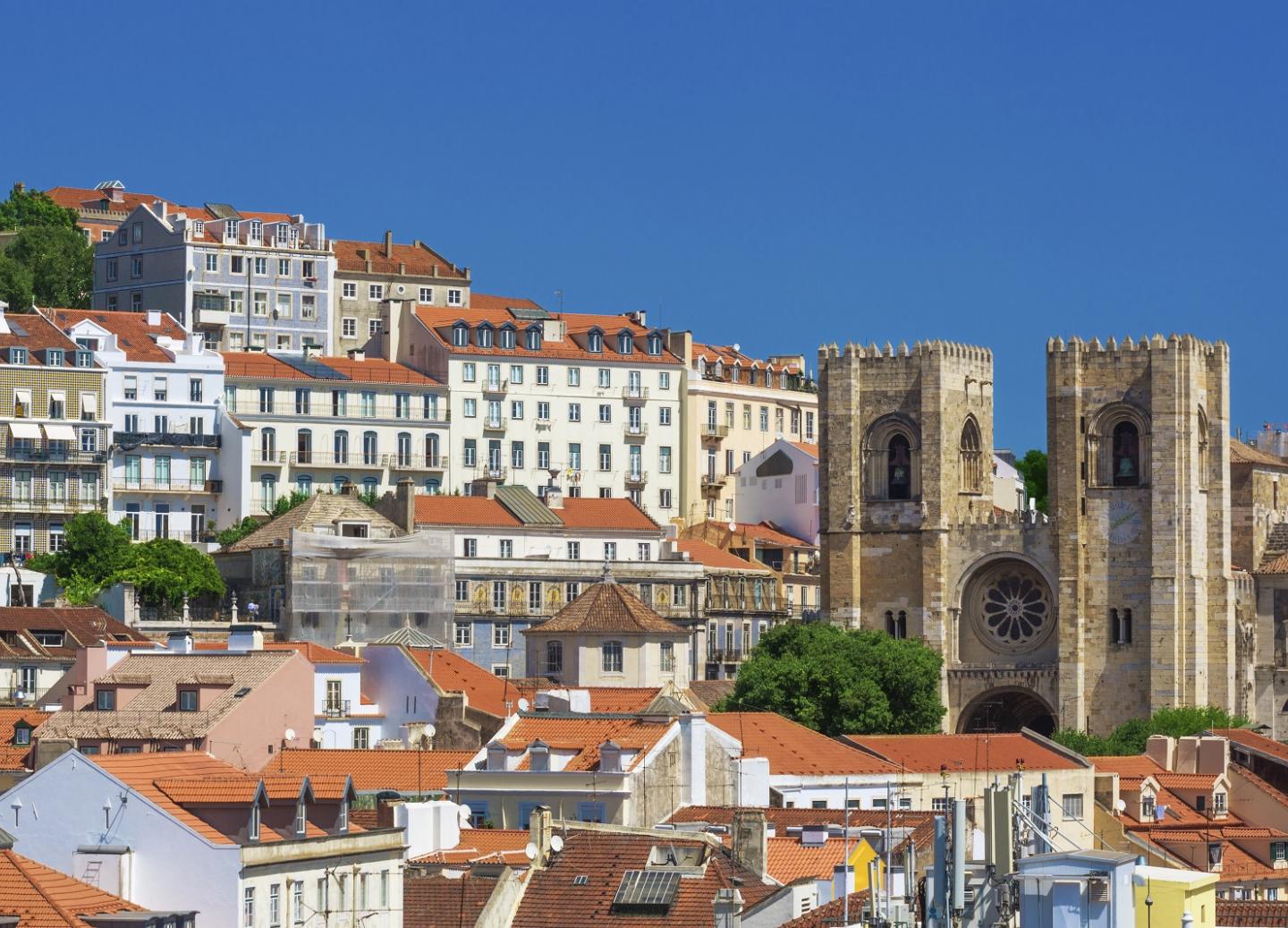
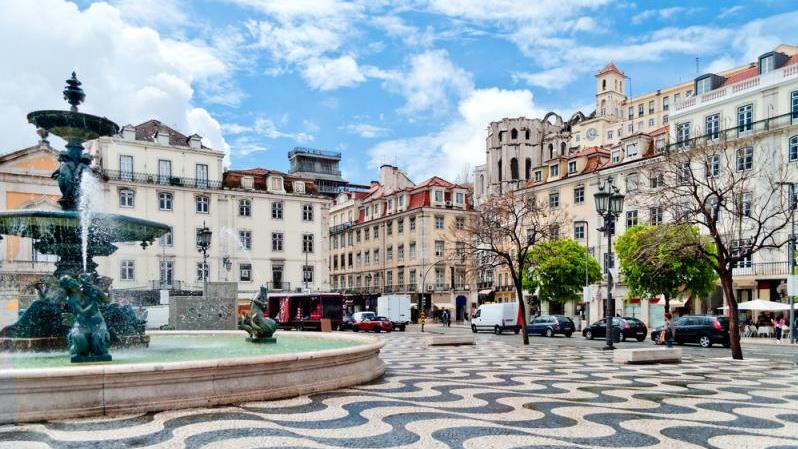
Lisbon is one of Europe's most beguiling capitals — a city that wears its history lightly while delivering pleasures that feel entirely contemporary. Built across seven hills above the wide Tagus estuary, it faces west towards the Atlantic with the confidence of a nation that once charted the sea routes to India, Brazil, and the Far East. For cruise visitors arriving at its riverside terminal, the city unfolds immediately: the pastel facades, the rattle of vintage trams, the scent of pastéis de nata from a nearby pastelaria, the distant shimmer of the Tagus. Few European ports make so strong a first impression.
The city's distinct neighbourhoods each tell a different chapter of a very long story. Alfama, tumbling down the hill below the São Jorge Castle, is the oldest quarter, its Moorish street plan largely unchanged since before the Reconquista. Belém, a short distance west along the river, is where the great Age of Discovery left its most spectacular monuments — the Tower of Belém rising from the water's edge, the Jerónimos Monastery filling an entire city block in extravagant Manueline stone. Graça, on the hill opposite Alfama, offers the finest viewpoints in the city and a neighbourhood character that remains defiantly local despite growing tourist interest.
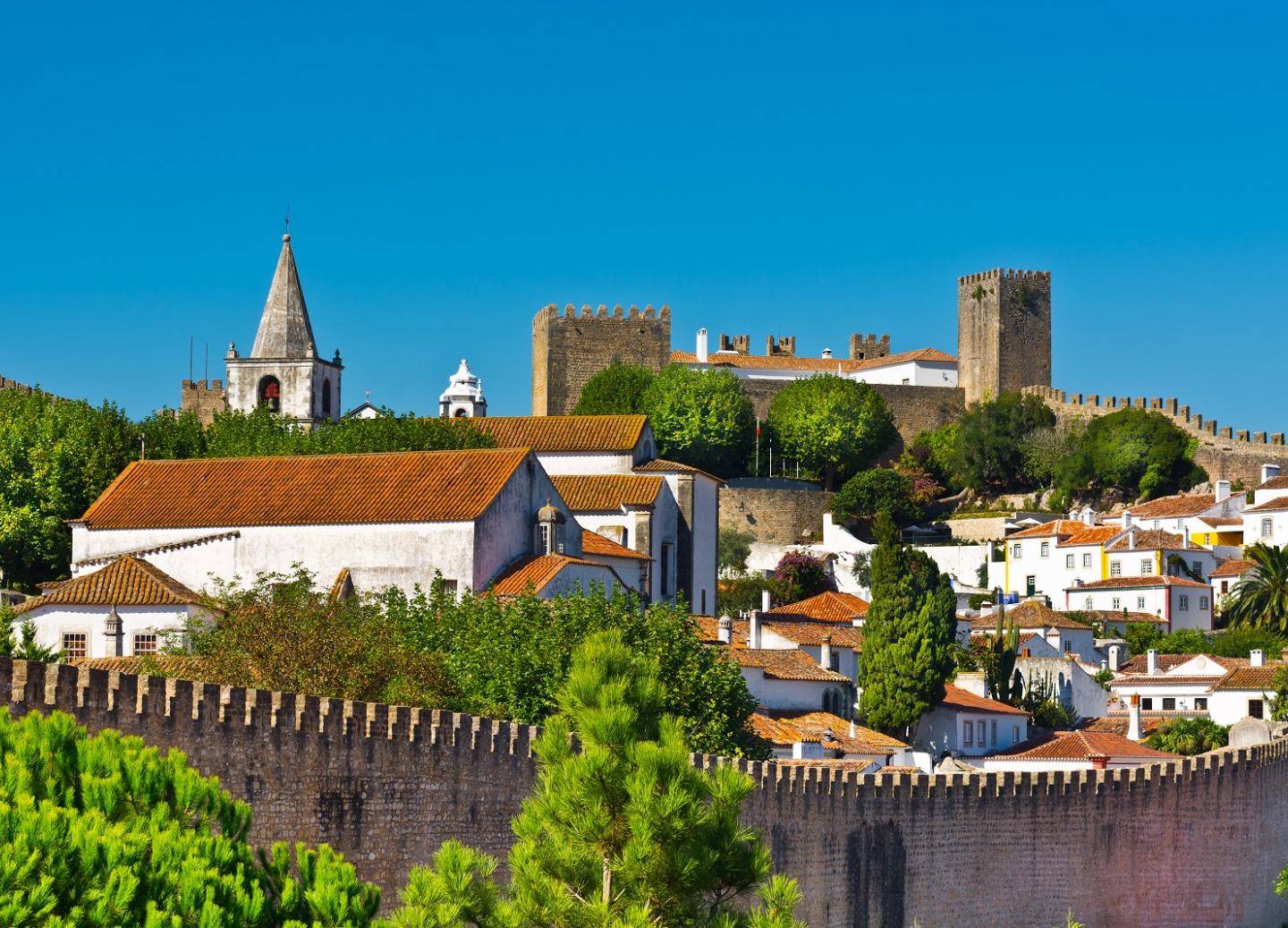
Beyond the city, the surrounding region amplifies Lisbon's already considerable appeal. The UNESCO-listed town of Sintra, just 40 minutes by train into the forested Serra de Sintra hills, is an almost absurdly beautiful collection of royal palaces, gothic follies, and romantic gardens that would not look out of place in a fairy tale. Further afield, the pilgrimage city of Fátima, the university city of Évora surrounded by its Roman walls, and the charming walled town of Óbidos represent some of Portugal's most compelling inland destinations, all accessible on a port day with good planning.
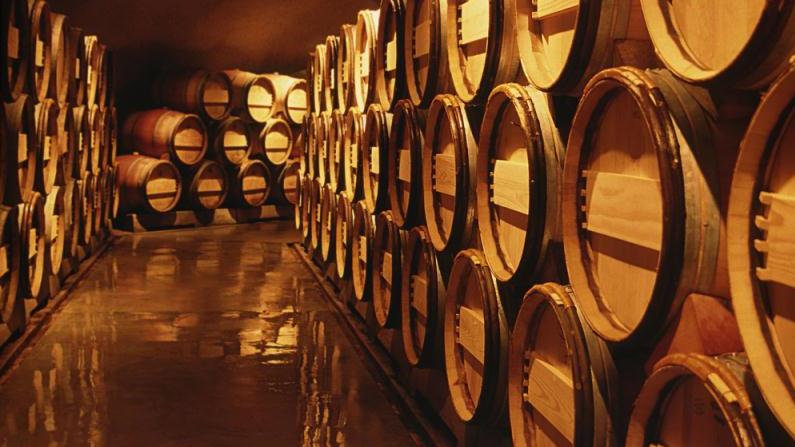
Lisbon's food and wine culture has surged in international recognition over the past decade, yet the city retains an authenticity that many more-visited capitals have surrendered. Traditional tascas serving petiscos alongside house wine coexist happily with acclaimed contemporary restaurants. The wine list — whether a robust Alentejo red, a crisp Vinho Verde, or a glass of aged Setúbal Moscatel — is invariably excellent and priced with a generosity that visitors from northern Europe find almost startling. A day in Lisbon is never quite enough, but it is always memorable.
Top things to do in Lisbon on a cruise stopover
Alfama: Lisbon's Moorish Soul
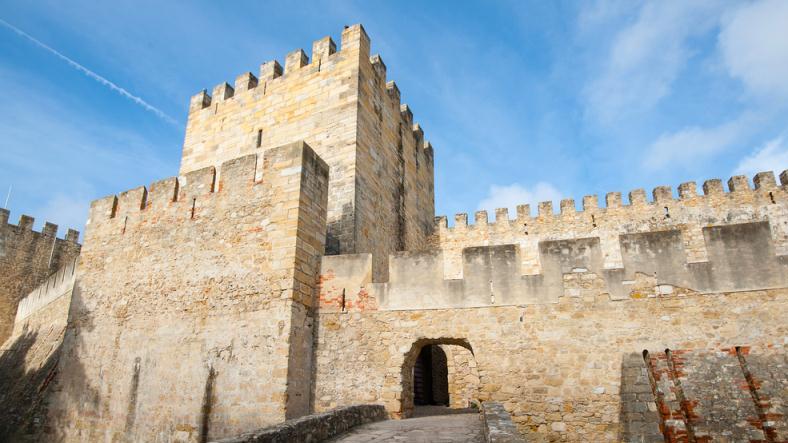
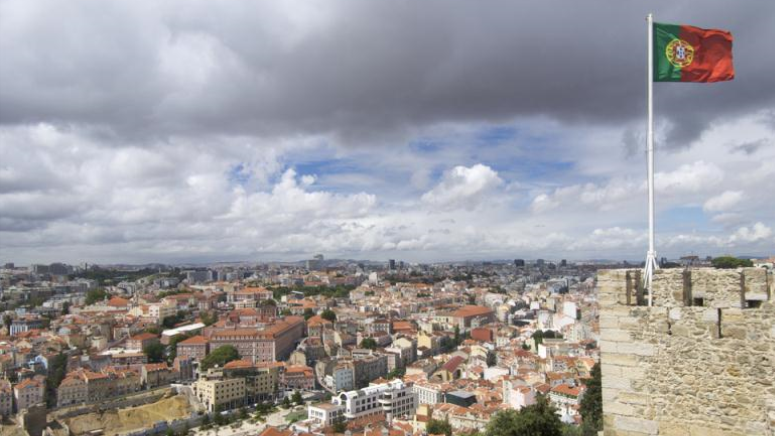
Of all Lisbon's neighbourhoods, Alfama feels most irreducibly itself. Clinging to the hillside below the São Jorge Castle, its labyrinthine lanes follow a Moorish street plan over a thousand years old — the 1755 earthquake that levelled much of Lisbon spared Alfama almost entirely, leaving its medieval character intact. Walking here means getting lost, which is the point: around each bend comes a new courtyard strung with laundry, a tiny chapel, or a miradouro where the Tagus appears unexpectedly below. The neighbourhood is the home of fado, Portugal's haunting national music of longing and fate, and the Museu do Fado in the lower Alfama offers an excellent introduction. Above it all, the São Jorge Castle provides the city's finest panoramic viewpoint, its Moorish-era ramparts enclosing gardens and peacocks and sweeping views across the terracotta roofscape to the river. The Alfama is the starting point for VA's Private Lisbon City Tour and multiple tuk tuk routes exploring the area.
Belém: Where the Age of Discovery Left Its Mark
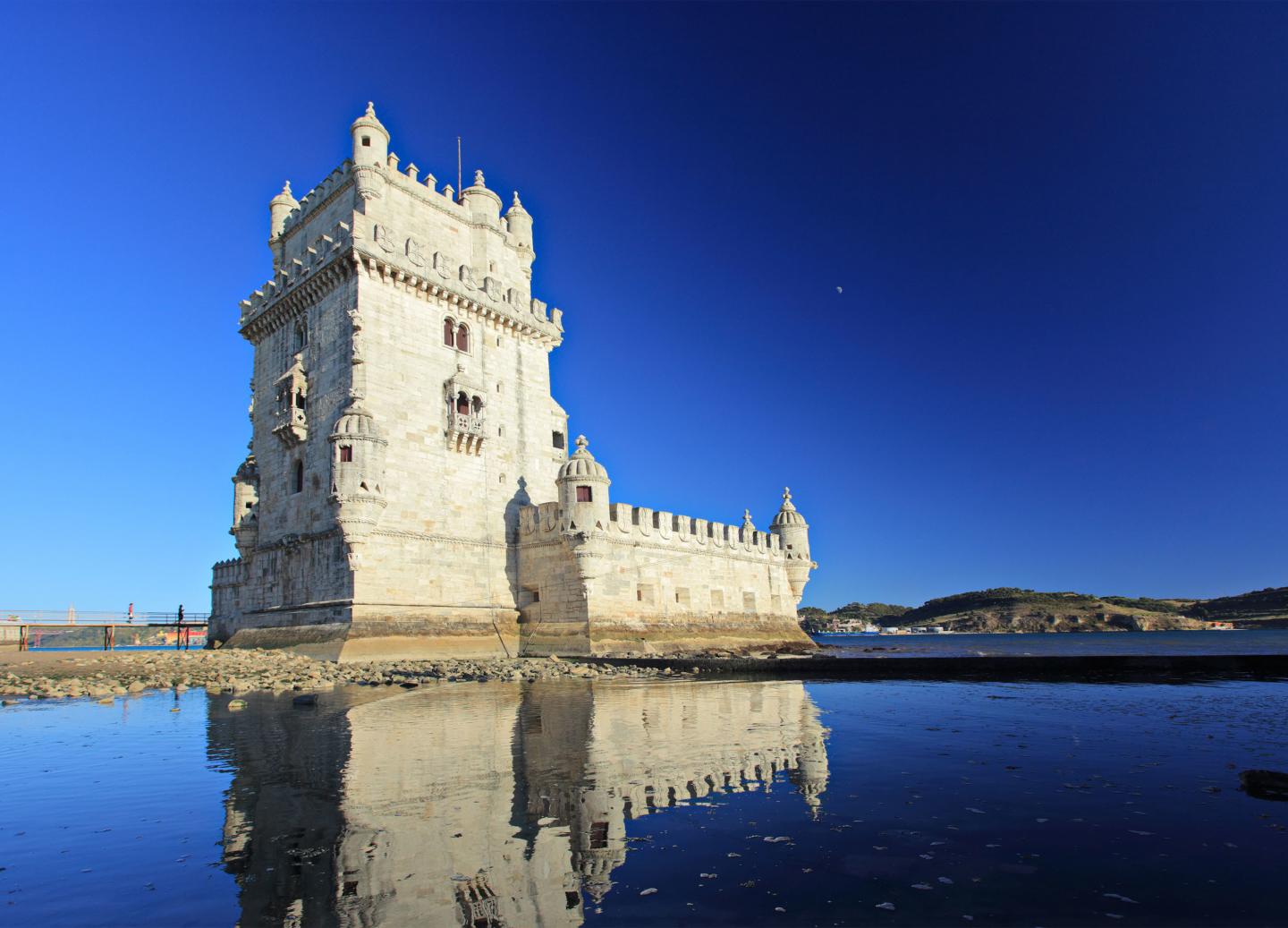
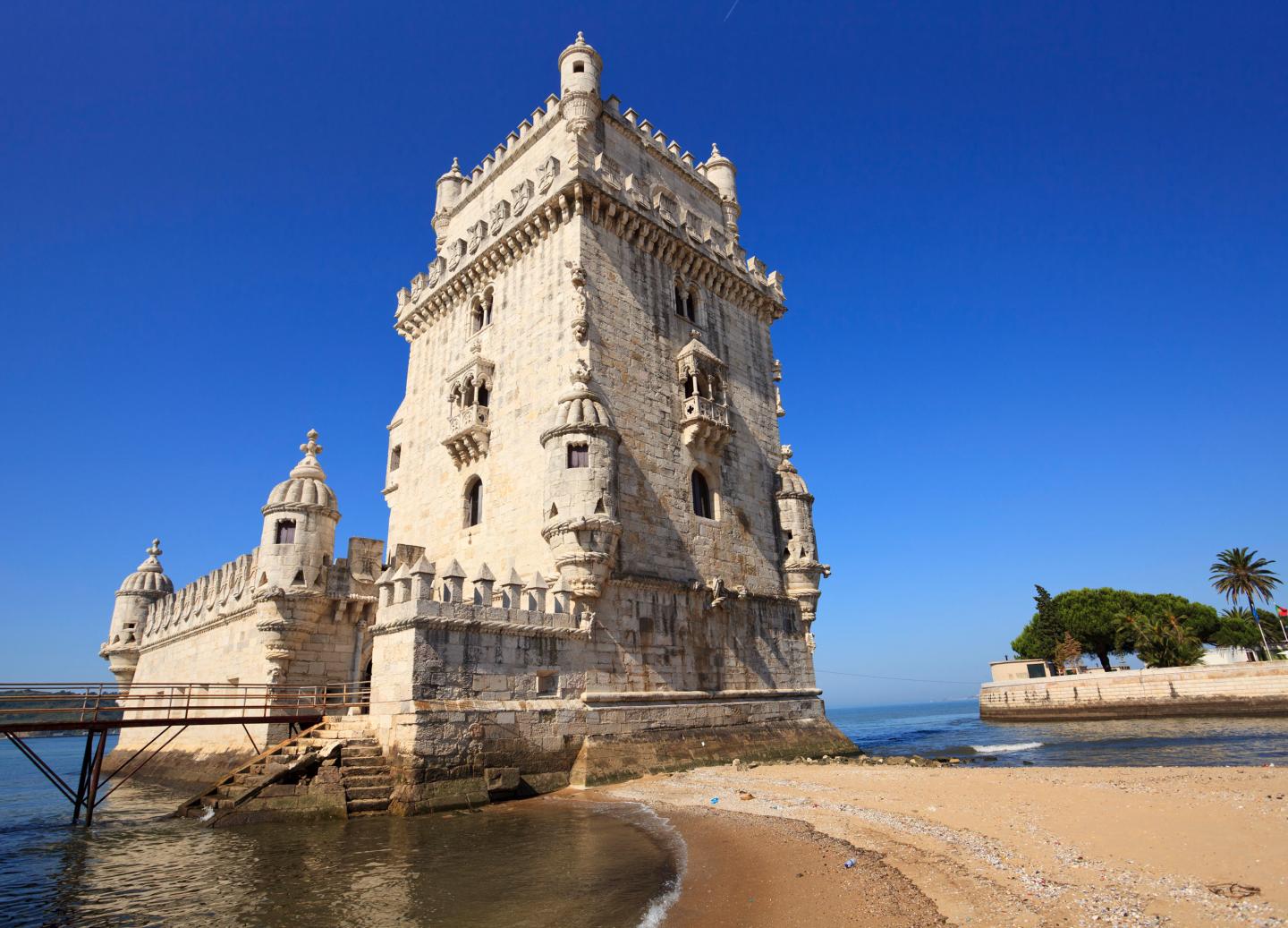
A few kilometres west along the Tagus, Belém is where Lisbon's most dramatic history is written in stone. It was from this shore that Vasco da Gama departed in 1497 to find the sea route to India. The Jerónimos Monastery, completed in 1601 in exuberant Manueline style — incorporating maritime motifs of rope, coral, and armillary spheres — is one of the finest examples of late medieval architecture in Europe, and contains the tombs of Vasco da Gama and poet Luís de Camões. The Tower of Belém stands a short distance away on the riverbank: built between 1516 and 1521 as a ceremonial gateway to Lisbon, it is the defining image of Portuguese maritime heritage. The district also contains the monumental Padrão dos Descobrimentos and — in a very different register — the original Pastéis de Belém patisserie, serving its incomparable custard tarts to permanent queues since 1837. VA's Belém Tower Tuk Tuk tour covers these highlights efficiently.
Graça & Lisbon's Miradouros: The City from Above
The Graça neighbourhood, reached by the vintage 28E tram or on foot through the Alfama, is home to the Miradouro da Graça and the Miradouro da Nossa Senhora do Monte — offering arguably the best panoramic view in the city, taking in the castle, the river, the 25 de Abril suspension bridge, and the Cristo Rei statue across the water. Graça itself has an authentically lived-in character that many find more rewarding than more heavily visited areas: local cafes, a weekly antiques market, and residential streets where daily life continues undisturbed. The Miradouro da Senhora do Monte is particularly magical in the late afternoon when the city glows golden in the Atlantic light. VA's Graça Tuk Tuk tour navigates the neighbourhood's hills and viewpoints with ease, accessing vantage points that would require significant exertion on foot.
Sintra: Palaces in the Forest Hills
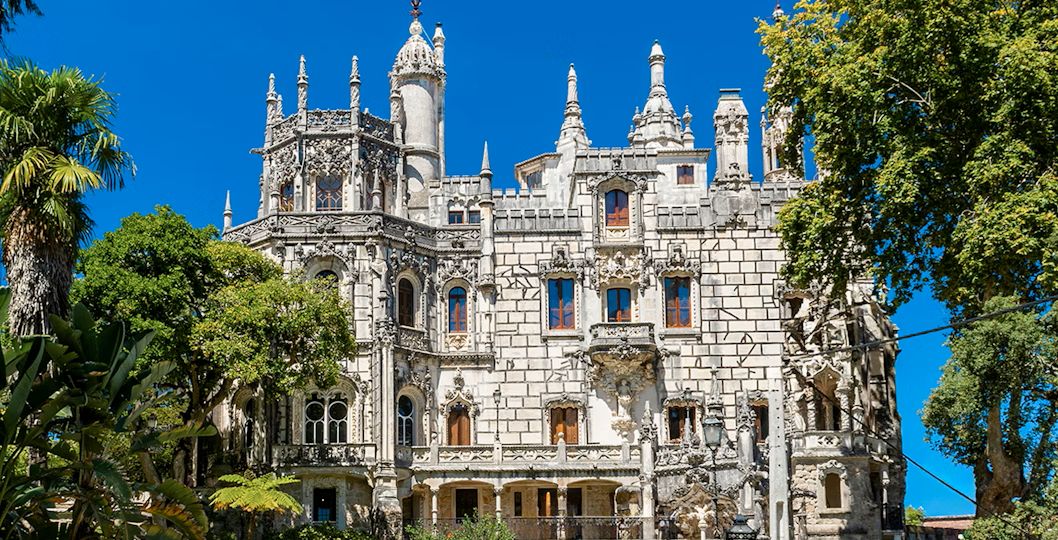
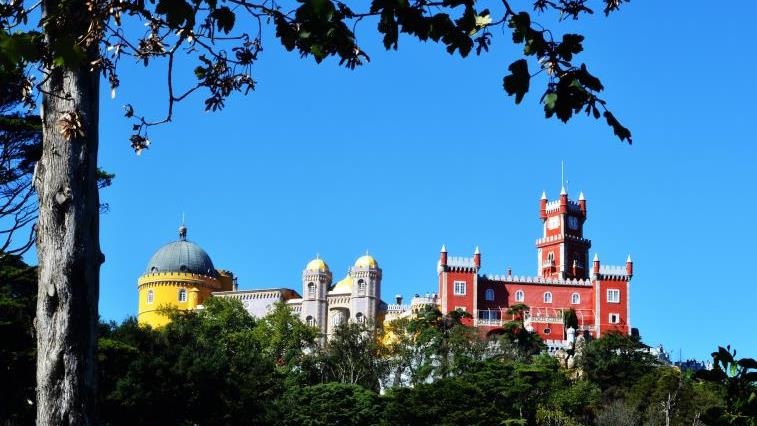
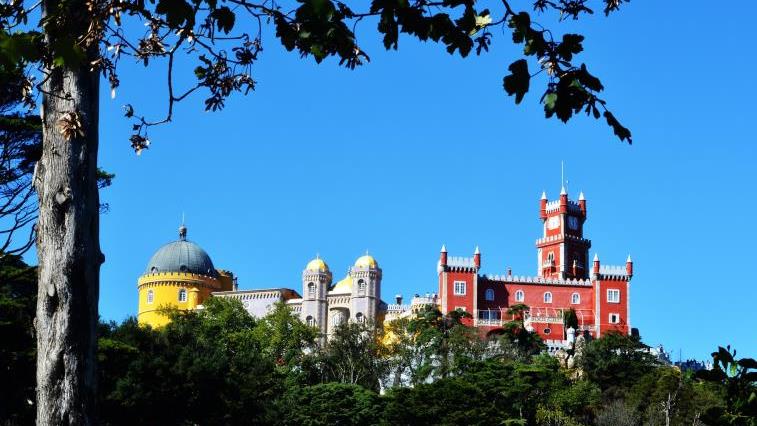
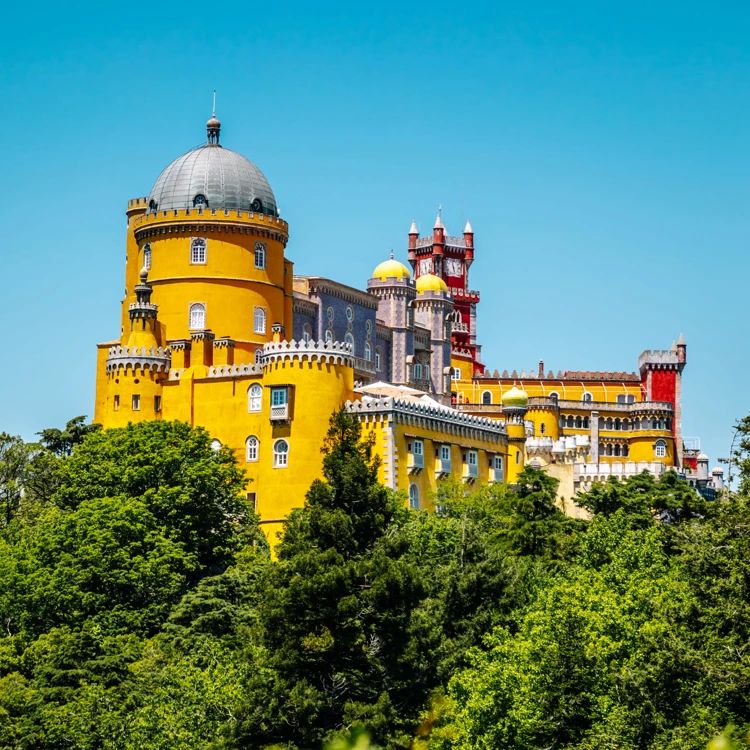
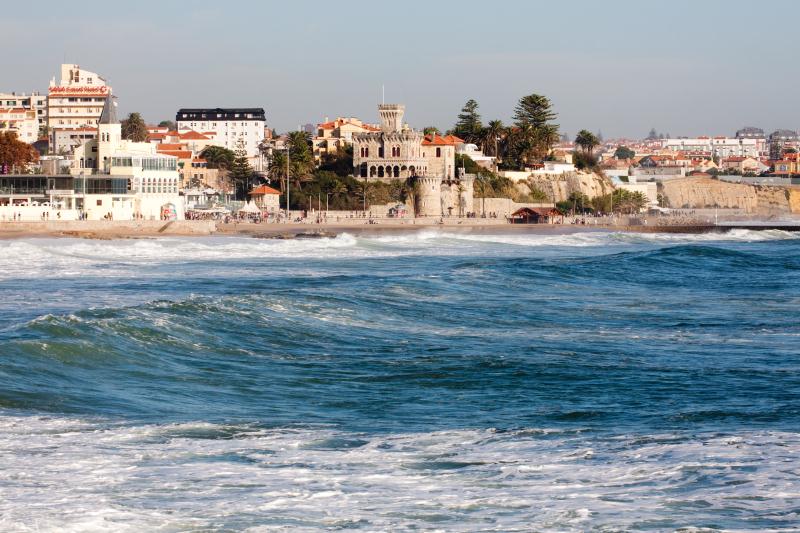
Forty minutes by direct train from Lisbon's Rossio station, Sintra occupies a UNESCO World Heritage hillside above the Serra de Sintra, its wooded slopes dotted with royal palaces and romantic follies that Byron called 'glorious Eden.' The Palácio Nacional da Pena — a polychrome confection of yellow and red towers, Moorish arches, and Renaissance domes perched on the highest peak — is the most visually dramatic. The Palácio da Regaleira features a spiral initiation well descending nine levels underground, decorated with Templar and Rosicrucian symbols. The older Palácio Nacional in the town centre, identifiable by its twin conical chimneys, served as a royal residence from the fifteenth to the twentieth century. VA offers multiple Sintra itineraries — including the Private Enchantment of Sintra and combinations with the scenic Estoril Coast — covering both the palace highlights and the broader landscape.
Lisbon's Food Scene: From Tascas to Tuk Tuk Tastings
Lisbon's food culture has become one of the most admired in Europe, yet the city retains a groundedness that keeps gastronomy from ever feeling pretentious. The traditional tasca — a small family-run restaurant serving honest Portuguese cooking at prices that feel almost impossibly reasonable — remains the backbone of the scene. Petiscos, the Portuguese take on tapas, have become a refined art form: tiny dishes of salt cod fritters, razor clams, pork cheek, and local cheeses consumed over long lunches with excellent house wine. The Mouraria and Intendente quarters are particularly fertile ground, while the Time Out Market in Cais do Sodré conveniently concentrates the city's best food vendors under one roof. VA offers dedicated food experiences including Taste of Lisbon: Hidden Gems and Local Flavors and the Tuk Tuk Tastes food adventure, which navigate neighbourhood tascas and market stalls with local expertise.
Fatima, Évora & Beyond: Day Trips into the Portuguese Soul
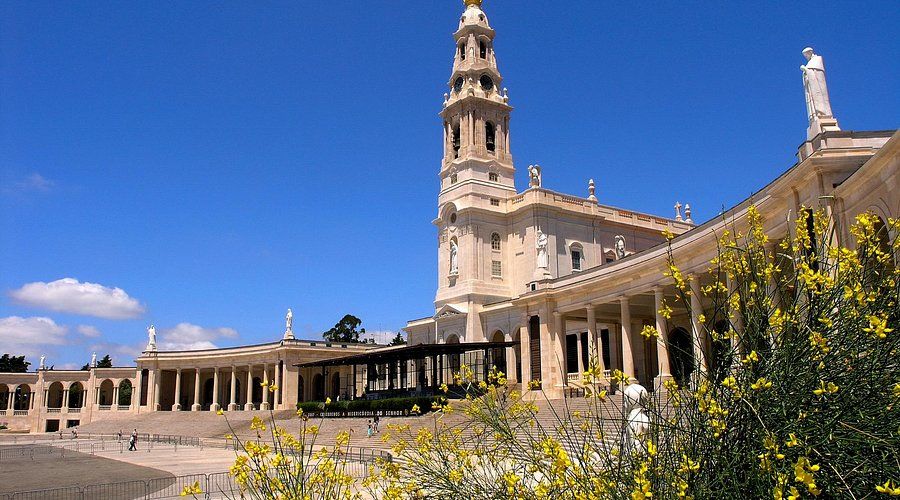
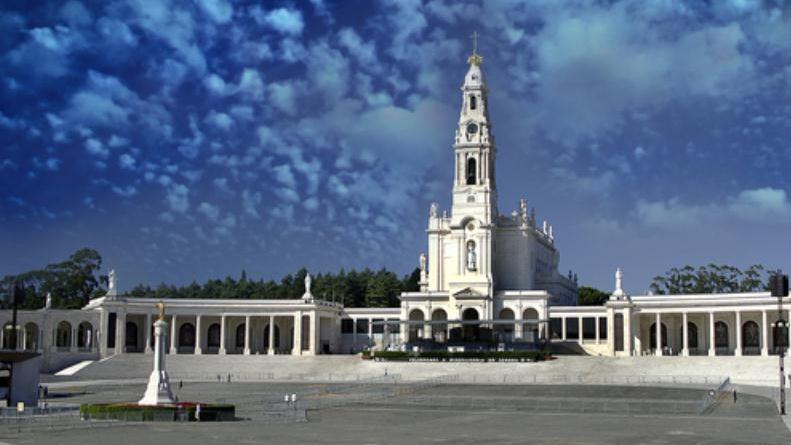
Portugal's interior, often overlooked by visitors focused on Lisbon, contains some of the country's most profound experiences. Fátima, 130 km north, is one of the most important Marian pilgrimage sites in the Roman Catholic world, drawing millions annually to the vast basilica complex where apparitions were reported in 1917. On the same route, the Batalha Monastery — a UNESCO site begun in 1386 — ranks among the masterpieces of Gothic architecture. Évora, capital of the Alentejo region, is encircled by Roman walls and contains a remarkably intact Roman temple, a medieval cathedral, and a UNESCO-recognised historic core of considerable elegance. VA offers dedicated itineraries to each destination, including the Private Sacred Fátima, Batalha Monastery, Nazaré and Óbidos Day Tour and the Private Guided Tour of Enchanting Évora, allowing cruise visitors to experience Portugal beyond the capital in a single well-planned day.
Lisbon travel tips
Tram 28E is Scenic, But Know Its Limitations. The vintage yellow 28E tram is one of Lisbon's most photographed icons, and riding it through the Alfama and Graça is a genuinely enjoyable experience. However, in peak season (June–September) the queues at the main stops can exceed 45 minutes, the trams are extremely crowded, and pickpockets operate specifically on this route. Consider boarding at less popular intermediate stops, travelling before 9am or after 4pm, or walking the same route instead — the hills are steep but the journey on foot reveals far more of the neighbourhood texture. The metro is faster and more comfortable for longer journeys across the city.
Book Jerónimos Monastery in Advance in High Season. The Jerónimos Monastery in Belém is one of Portugal's most visited monuments, and in July and August queues for entry can easily exceed 45 minutes to an hour. Tickets can be purchased online in advance, which typically allows entry to a separate, faster queue. If you are visiting in high season without an advance booking, arriving at opening time (10am) gives the best chance of a short wait. The monument is closed on Mondays. Combined tickets covering the Tower of Belém and the Monument to the Discoveries offer better value if you plan to visit multiple Belém sites.
Carry Small Change for Markets and Traditional Cafes. Lisbon is largely card-friendly, but the city's most characterful spots — covered markets, neighbourhood tascas, street food vendors — often prefer or insist on cash. The Feira da Ladra flea market in Alfama (Tuesdays and Saturdays) is entirely cash-based, as are many of the petiscos bars in the Mouraria. Having €20–30 in small denominations covers most situations. ATMs are found on virtually every main street; those attached to bank branches rather than standalone machines generally offer better rates and lower fees for foreign-issued cards.
Wear Comfortable Shoes — Lisbon's Hills are Serious. Lisbon is built across seven hills and the cobblestone streets — beautiful as they are — can be treacherous on slippery soles and energy-sapping on feet unaccustomed to steep gradients. Flat, comfortable shoes with good grip are essential; heels are a guaranteed recipe for discomfort. The calçada portuguesa (traditional Portuguese paving) becomes extremely slippery when wet. The city's funiculars (elevadores) and the Santa Justa lift provide welcome assistance on some of the steeper climbs, though queues build during the middle of the day. Budget more energy for getting around than a flat European city would require.
Don't Leave Without Trying a Pastel de Nata in Belém. The custard tart — pastel de nata — is Lisbon's most beloved pastry and found in every pastelaria across the city. But the original recipe remains the property of the Antiga Confeitaria de Belém, on Rua de Belém, which has been serving them from the same premises since 1837 using a recipe that remains a closely guarded secret. Eaten warm from the oven, dusted with cinnamon and powdered sugar, they are in a different category from imitations elsewhere. The queue at the counter moves efficiently despite its length, and a takeaway bag of six costs just a few euros. This is not a tourist cliché — it is a genuine gastronomic highlight.
Time Sintra to Avoid the Coach Tour Rush. Sintra is Portugal's single most visited attraction and in high season the combination of coach tours and independent visitors on day trips from Lisbon creates serious congestion between 10am and 3pm. The town itself becomes almost impassably crowded on July and August weekends. Arriving on the first train from Rossio (departing around 7:30am) gives a precious hour or two before the crowds arrive, and the morning light on the palaces is exceptional. Alternatively, arriving in the mid-afternoon allows the morning coach groups to depart and the site to breathe again. The Regaleira estate opens at 9:30am and is consistently less crowded than Pena Palace, making it a better choice for a shorter visit.
Port Facts Every Cruiser Needs To Know
Lisbon shore excursion FAQs
Lisbon has two main cruise terminals. The Santa Apolónia terminal and the adjacent Jardim do Tabaco terminal are the closest to the city centre — within easy walking distance (10–15 minutes) of Alfama and the historic core, and directly on the metro and bus network. The Alcântara terminal, used by some larger vessels, is located west of the city near the 25 de Abril bridge, around 3–4 km from the centre — a short taxi ride or 15-minute walk to the Belém district. Check your cruise documents to confirm which terminal applies to your sailing; the journey time to the city centre differs significantly between the two.
Yes — Lisbon is one of the most accessible and navigable cruise ports in Europe. The metro, trams, and buses are well-signposted and straightforward to use with an English-language navigation app. The city centre is largely compact enough to explore on foot between the main hills. For Sintra, direct trains run from Rossio station every 30 minutes and require no advance booking (purchase tickets at the station). English is spoken throughout the tourist areas, staff at information points are helpful, and Lisbon's general orientation towards international visitors makes independent exploration easy and rewarding.
From the Santa Apolónia terminal, allow around 30–40 minutes to reach Rossio station by metro or taxi, then a further 40 minutes on the direct train to Sintra. Total travel time each way is therefore approximately 70–80 minutes. From the Alcântara terminal, travel times are similar. Budget a minimum of 4–5 hours in Sintra itself to see the main palaces without feeling rushed — a full day is preferable if your ship's schedule allows. The last train back from Sintra to Lisbon departs around 10–11pm, so there is considerable flexibility for later sailings.
For a short port call of 4–6 hours, Alfama and Belém are the two most rewarding neighbourhoods, though combining both requires efficient planning and travel time between them. If forced to choose one, Alfama offers the most concentrated and authentic Lisbon experience — the castle, the Moorish street plan, the fado connections, and the views — within a walkable area. Belém suits those prioritising the Age of Discovery history and the legendary custard tarts. If the ship docks at Alcântara, Belém is the obvious starting point given proximity. A tuk tuk tour is an efficient way to cover the highlights of both areas in limited time.
Fátima is feasible on a port day but requires an early start and careful time management. The sanctuary is approximately 130 km north of Lisbon — roughly 90 minutes each way by road — leaving around 2–3 hours at the site itself on a standard port call. For those to whom the pilgrimage dimension is meaningful, or who have a particular interest in twentieth-century religious history, the journey is deeply worthwhile. For purely sightseeing visitors, the time investment versus time ashore is significant, and the Batalha Monastery on the same route adds both time and considerable reward. A full-day shore excursion maximises the experience.
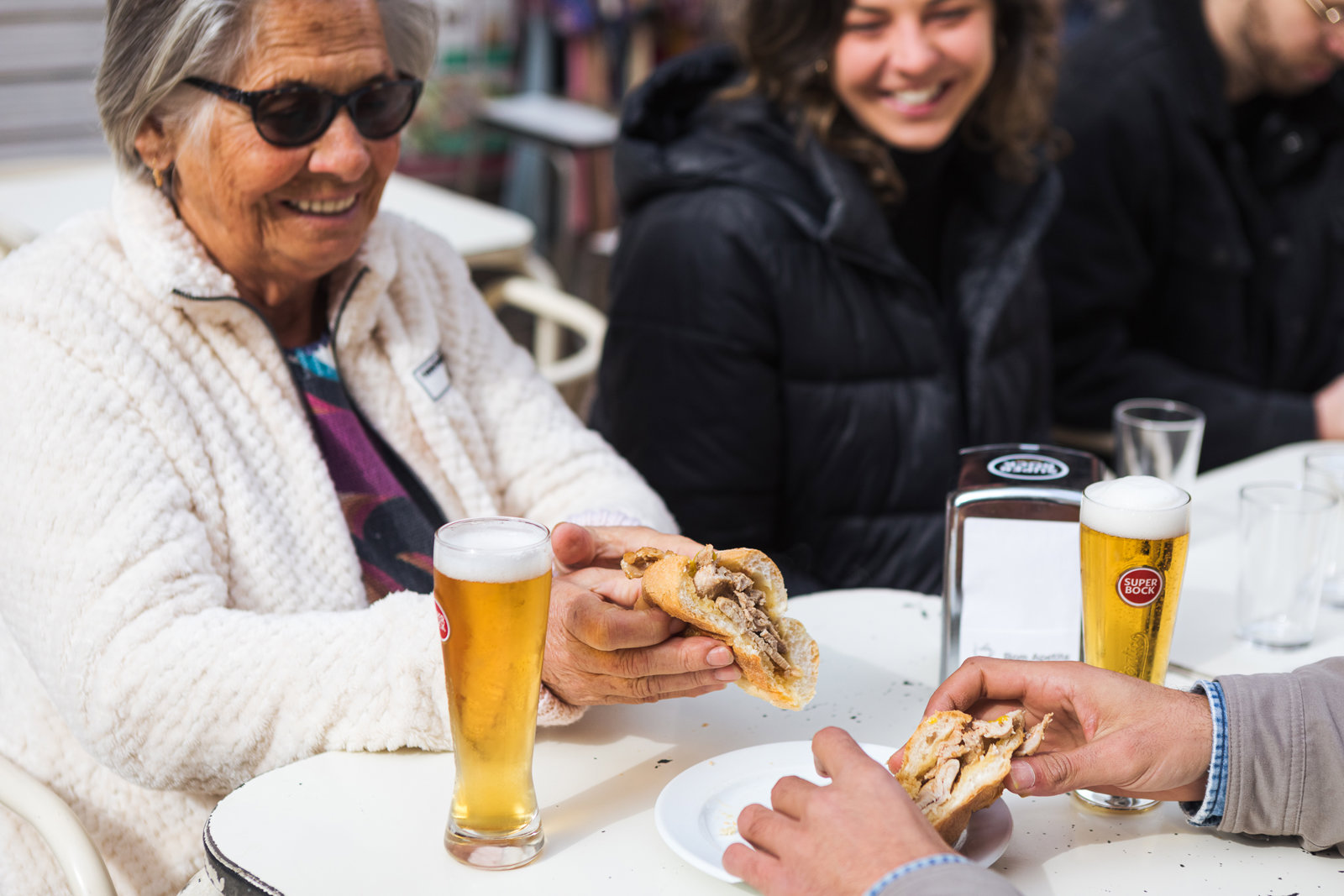
Start with a pastel de nata (custard tart) — either at the famous Antiga Confeitaria de Belém or at any neighbourhood pastelaria. For lunch, a traditional tasca serving bacalhau (salt cod) or grilled fish with house wine represents both the best value and the most authentic Lisbon experience. The Time Out Market in Cais do Sodré conveniently concentrates the city's top food vendors under one roof and is ideal for shorter port calls. Petiscos bars in Mouraria and Alfama offer an excellent alternative to a sit-down lunch. A bifana (seasoned pork roll) from a neighbourhood café costs just €2–3 and is one of Lisbon's great simple pleasures.
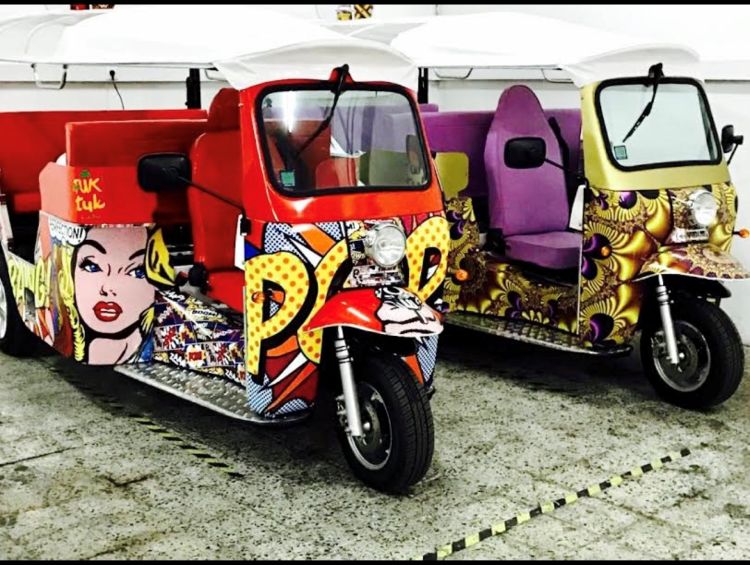
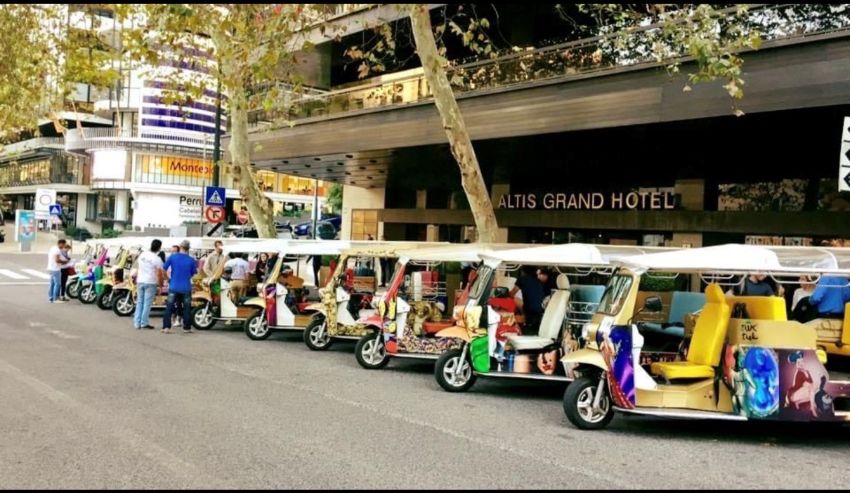
Tuk tuks have become a genuinely useful way to cover Lisbon's hilly terrain, particularly for visitors with mobility considerations or those with limited time who want to reach multiple viewpoints and neighbourhoods without the exertion of the hills. The three-wheeled vehicles navigate the narrow lanes of Alfama and Graça that are inaccessible to larger vehicles and taxis. Tours typically cover the main miradouros and historic quarters over 1–2 hours. They are significantly more expensive than public transport and considerably slower than taxis for cross-city travel, but as a sightseeing format in the historic centre they offer a distinctive and enjoyable perspective.
For most independent city exploration — Alfama, Belém, the Graça viewpoints — advance booking is not necessary. However, several specific elements benefit significantly from advance planning in high season: online tickets for the Jerónimos Monastery avoid long queues; Sintra's Pena Palace has capacity limits and timed-entry tickets sell out on summer weekends; and specialist tours such as wine excursions and food experiences often have limited capacity. If Lisbon is your only Portugal port call and you have specific priorities, booking key elements a few weeks in advance provides peace of mind.
Lisbon and Portugal have a rich and complex Jewish heritage. The Jewish community — known as the Sephardic Jews — flourished in Portugal until the forced conversions and expulsions of 1496–97, when the Inquisition's reach extended to the Iberian Peninsula. Many converted Jews (known as Cristãos-Novos or Conversos) remained in Lisbon, practising their faith secretly for generations. A guided Jewish heritage tour of Lisbon explores the former Jewish quarter (Judiaria) in Alfama, the site of the Lisbon pogrom of 1506, significant Inquisition-era sites, and the story of the Portuguese Jewish diaspora. Portugal issued a landmark law in 2013 allowing descendants of Sephardic Jews expelled in 1496 to apply for Portuguese citizenship, adding contemporary resonance to this history.
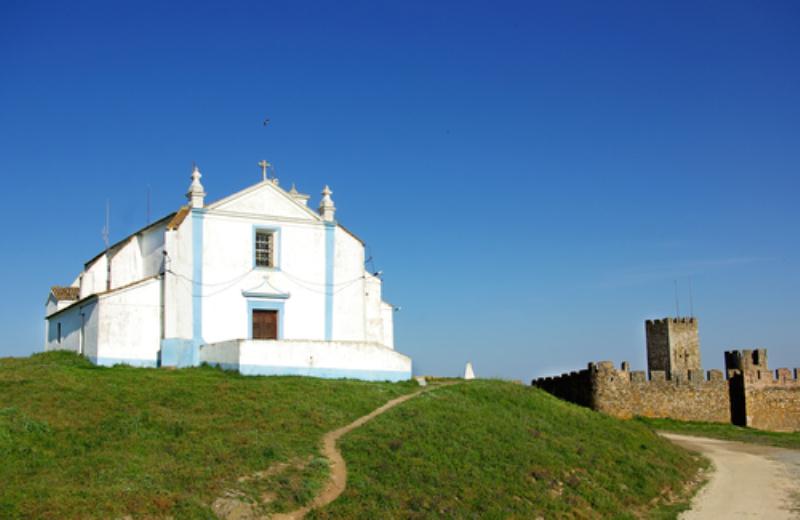
Évora is the beautifully preserved capital of the Alentejo region, about 130 km east of Lisbon. Encircled by Roman walls and designated a UNESCO World Heritage City, it contains a remarkably intact Roman temple dating from the first century AD, a Gothic-Manuelino cathedral, a Jesuit university founded in 1559, and the macabre but fascinating Chapel of Bones (Capela dos Ossos), whose walls are lined with the skulls and bones of approximately 5,000 monks. The surrounding Alentejo landscape — golden plains of cork oaks, olive groves, and vineyards — is one of Portugal's most characterful regions. As a port-day excursion the logistics are challenging (roughly 90 minutes each way), making it best suited to a full-day itinerary combining it with Arraiolos or a winery visit.
Filters
Select a filter to refine results.
Tour Type
Tour Activity
 Cart
Cart
 USD
USD GBP
GBP AUD
AUD EUR
EUR CAD
CAD