



Tours in Mykonos


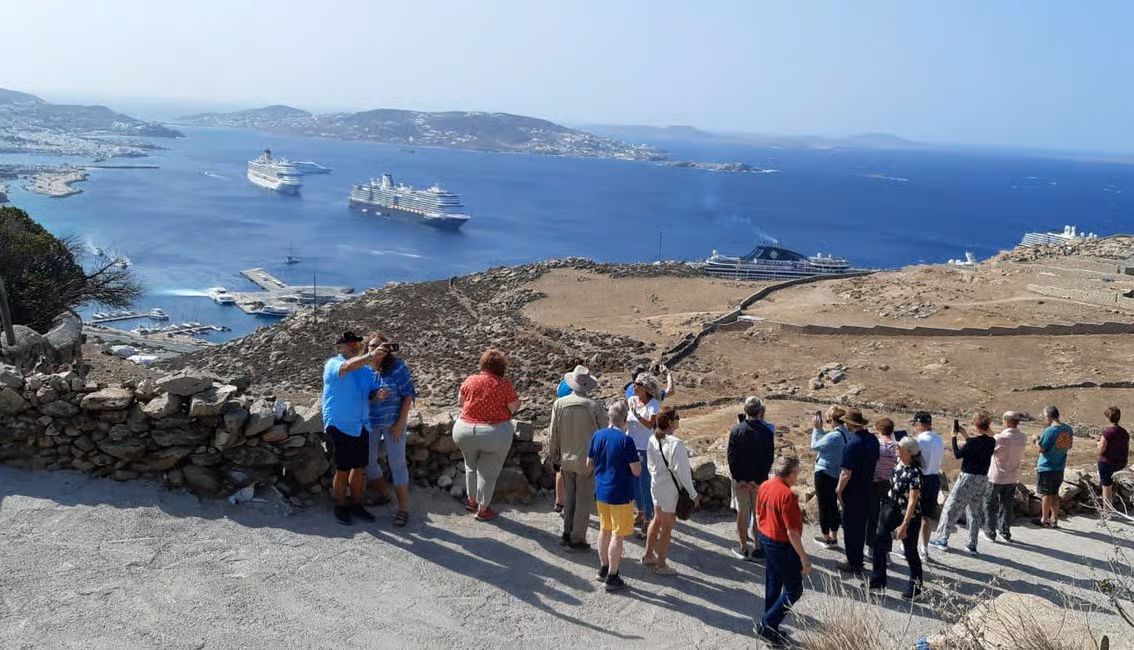


Cruising to Mykonos in a group?
Skip the crowded ship excursion bus. One dedicated planner will design a private shore experience around exactly what your group wants — coordinated from first enquiry to the moment you're back on board. More memorable, more flexible, and more affordable than you might expect. Spend less time organising, more time enjoying.
Explore Group Travel →Cruising to Mykonos
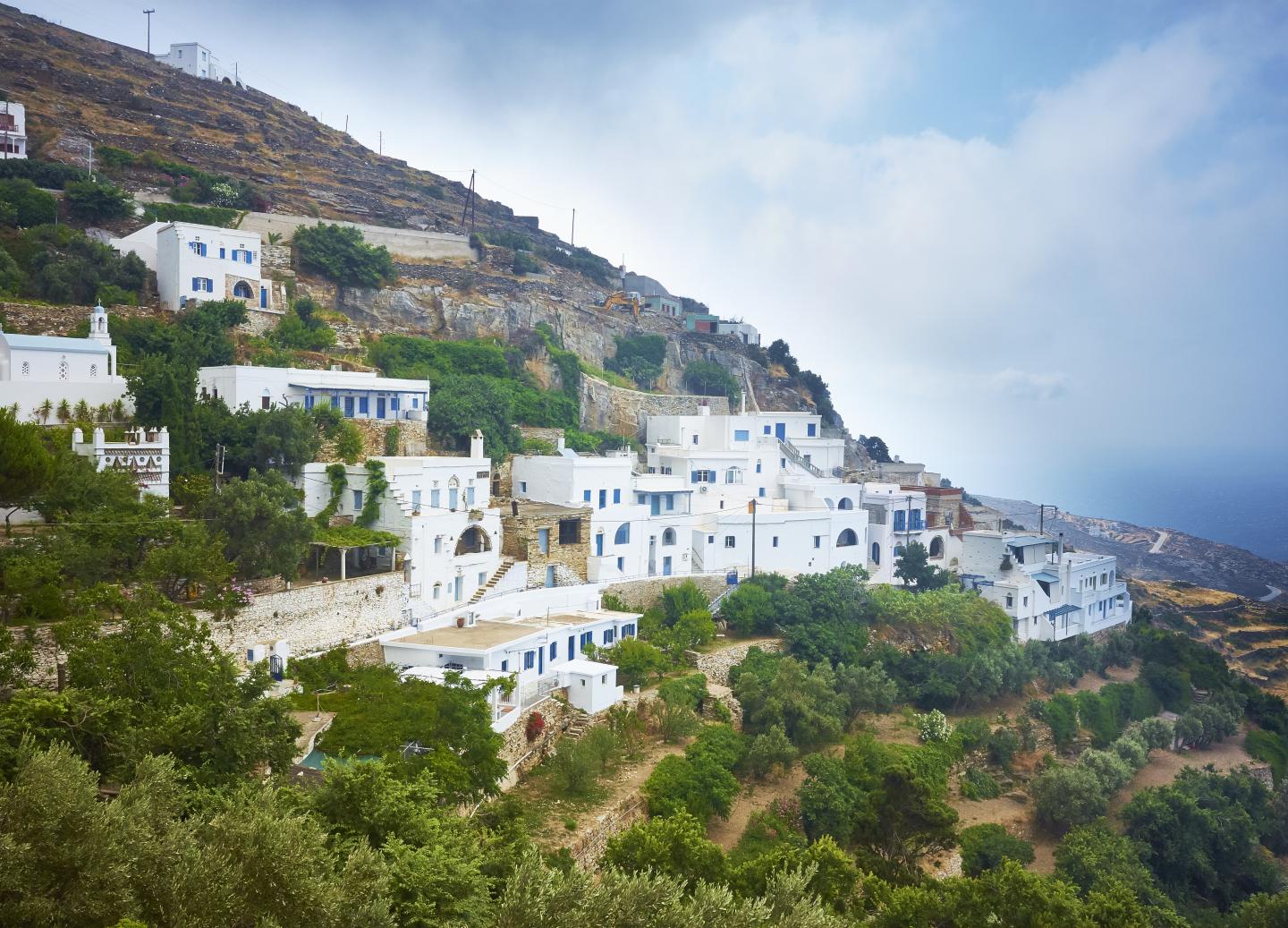
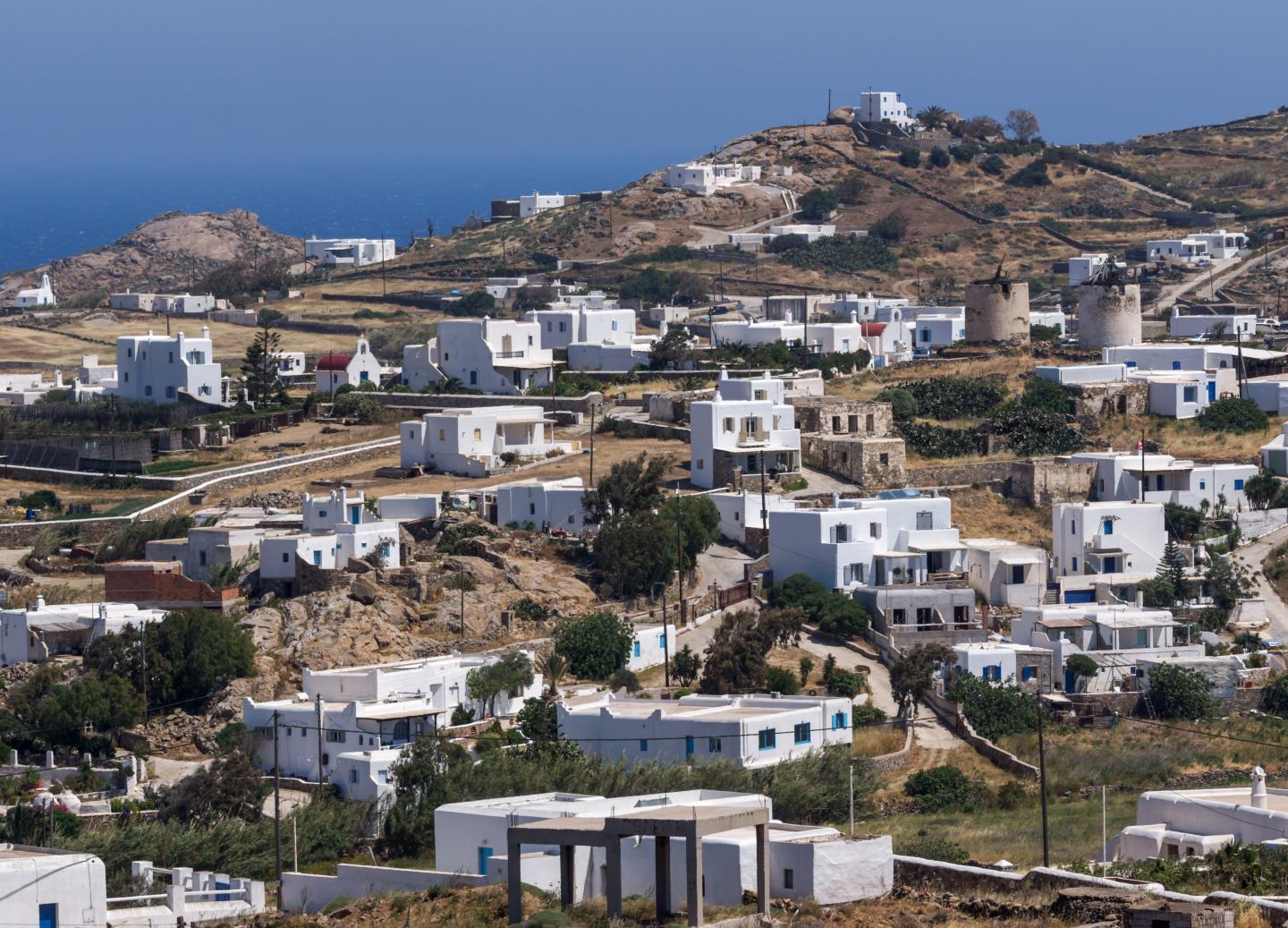
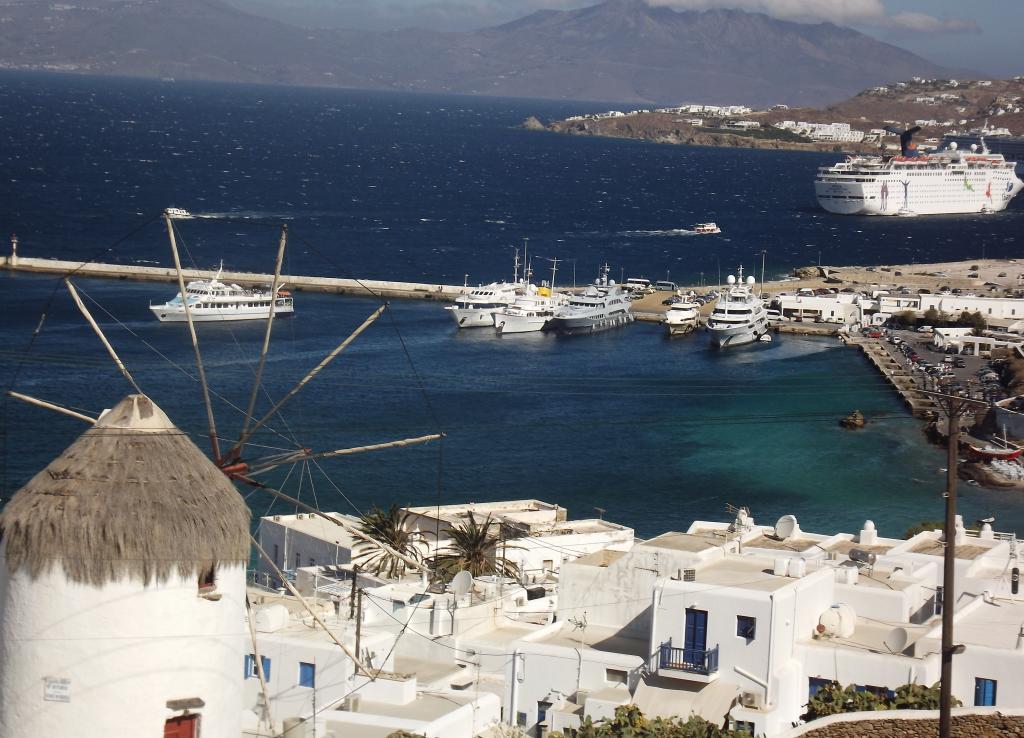
Few islands in the world have achieved the kind of fame that Mykonos wears with such effortless grace. Perched in the heart of the Cyclades, this compact island of whitewashed cubic architecture, cobalt-blue domes, and centuries-old windmills has long drawn travellers in search of beauty, warmth, and the particular magic of the Aegean summer. For cruise passengers arriving by sea, the first view of Chora — Mykonos Town — rising above its natural harbour is one of the great visual arrivals in all of Mediterranean cruising.
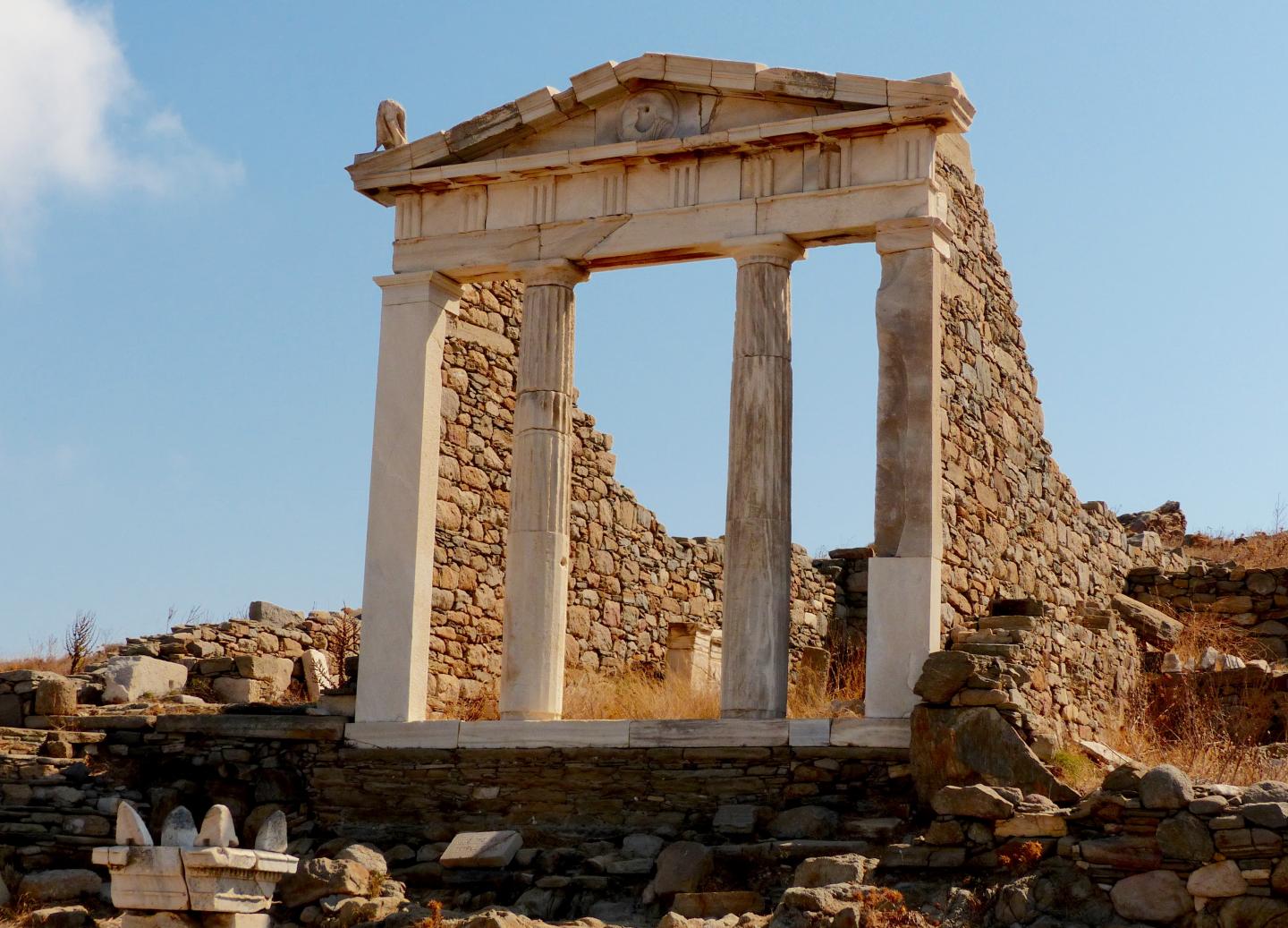
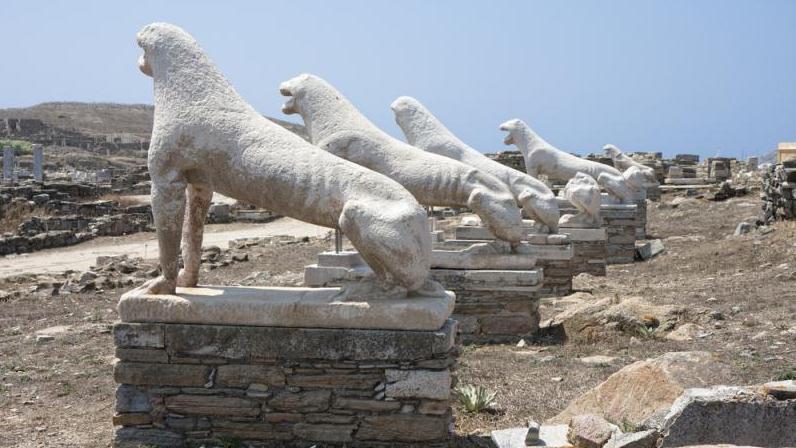
Yet Mykonos conceals depths that its glamorous reputation rarely hints at. Just a short boat ride from the Old Port lies Delos, one of the most important archaeological sites in the ancient world — a sacred island, uninhabited today, where Apollo and Artemis were said to have been born. Its extraordinary ruins, from the Terrace of the Lions to intricate Roman-era mosaic floors, sit remarkably undisturbed beneath the Aegean sun. A morning spent on Delos is a morning spent at the very roots of Western civilisation.
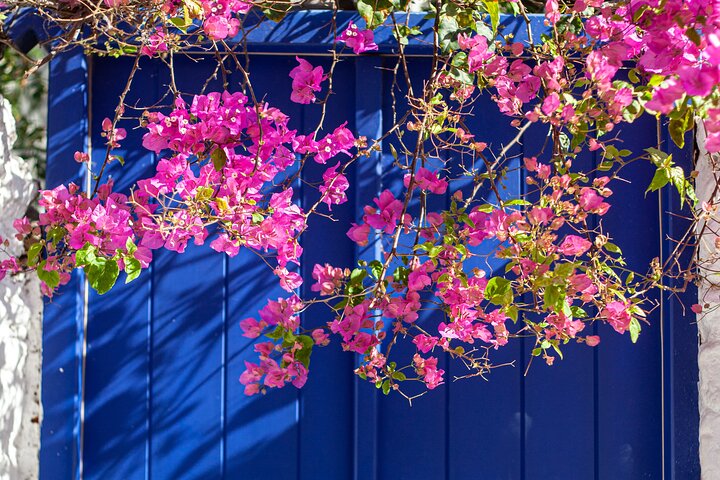
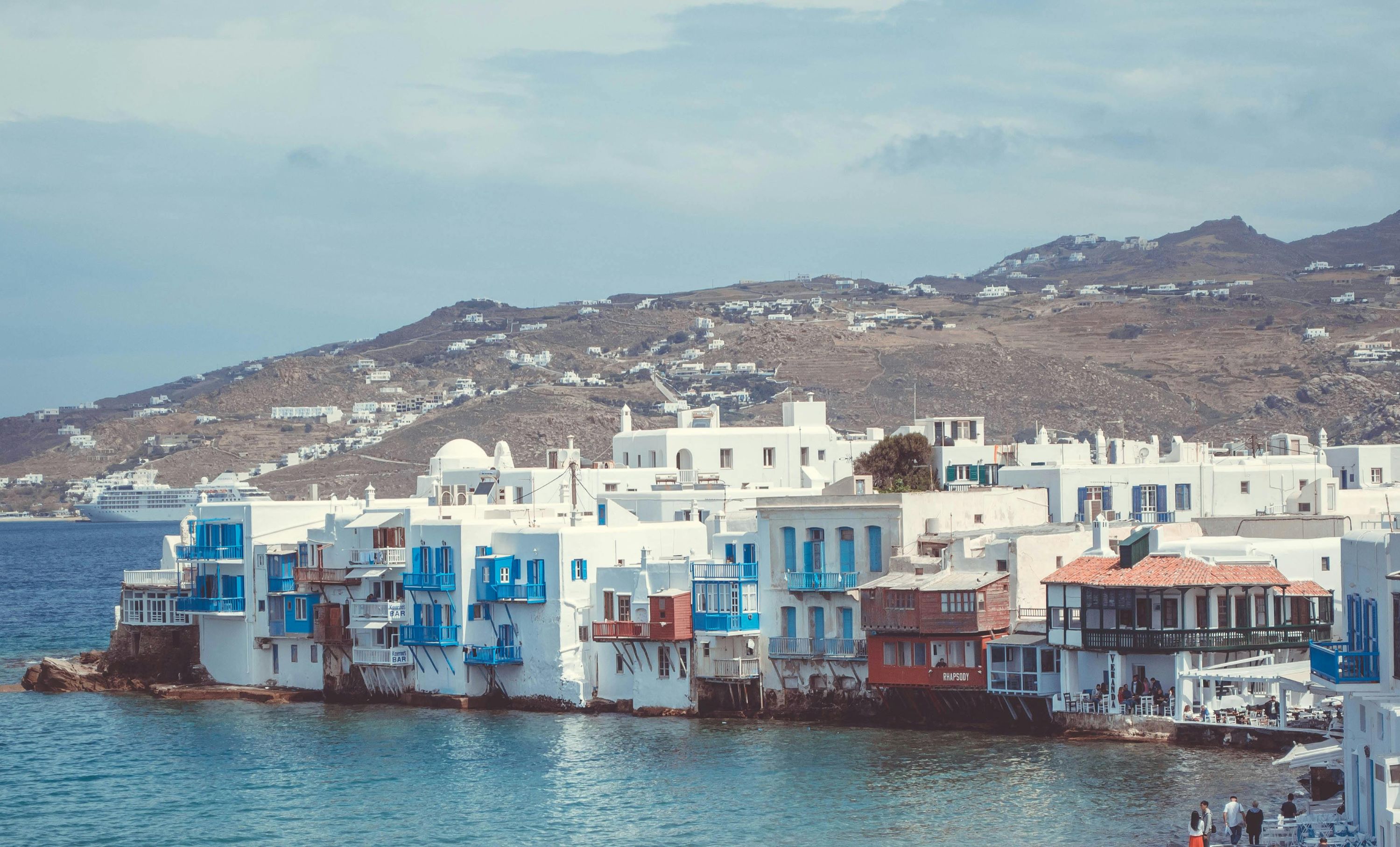
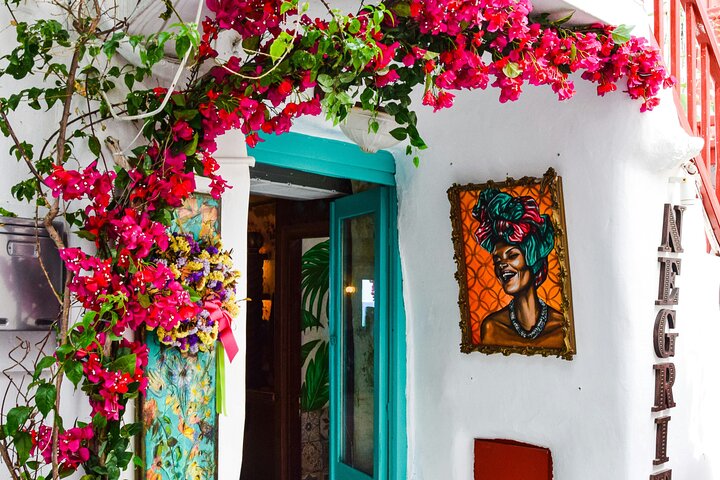
Back on Mykonos itself, the island rewards both wanderers and sun-seekers in equal measure. The labyrinthine alleys of Chora were famously designed to disorient pirates, and they remain delightfully confusing today — every turn revealing a hidden chapel, a bougainvillea-draped courtyard, or a sudden glimpse of the shimmering sea below. The neighbourhood of Little Venice, where painted balconies cantilever directly over the Aegean, is among the most photographed waterfronts anywhere in Greece, and remains breathtaking regardless of how many times it has been photographed.
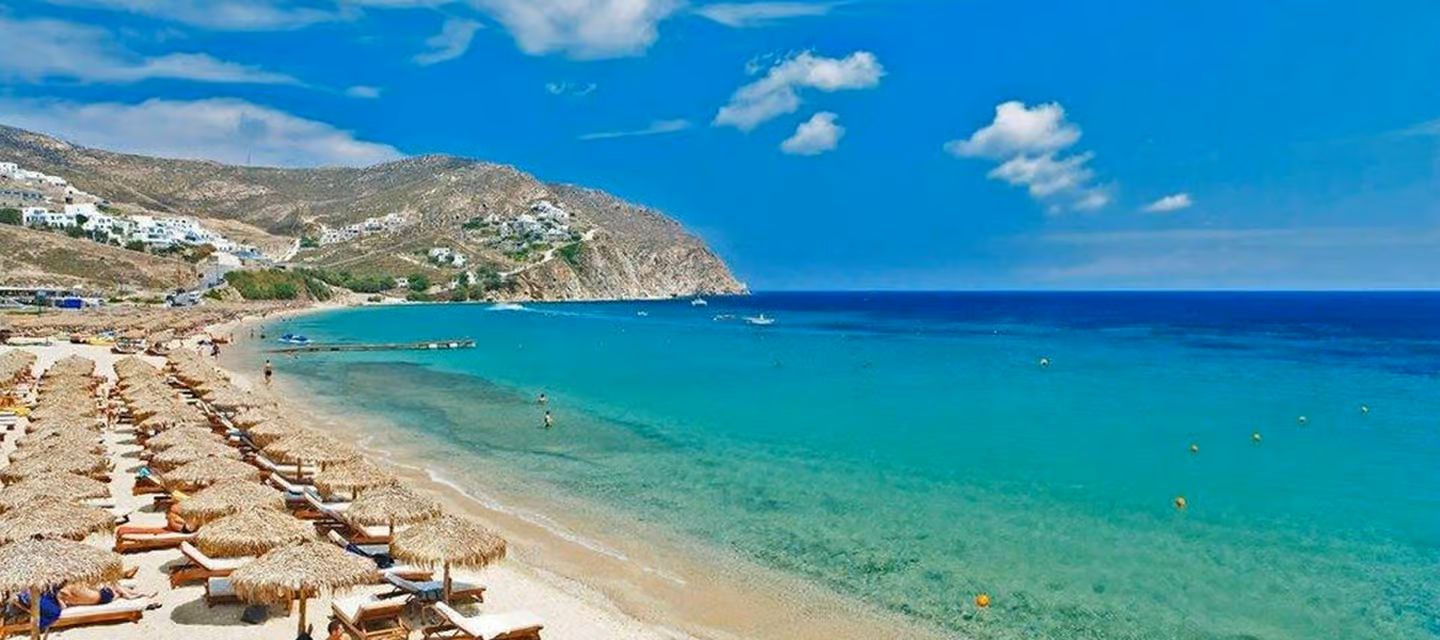
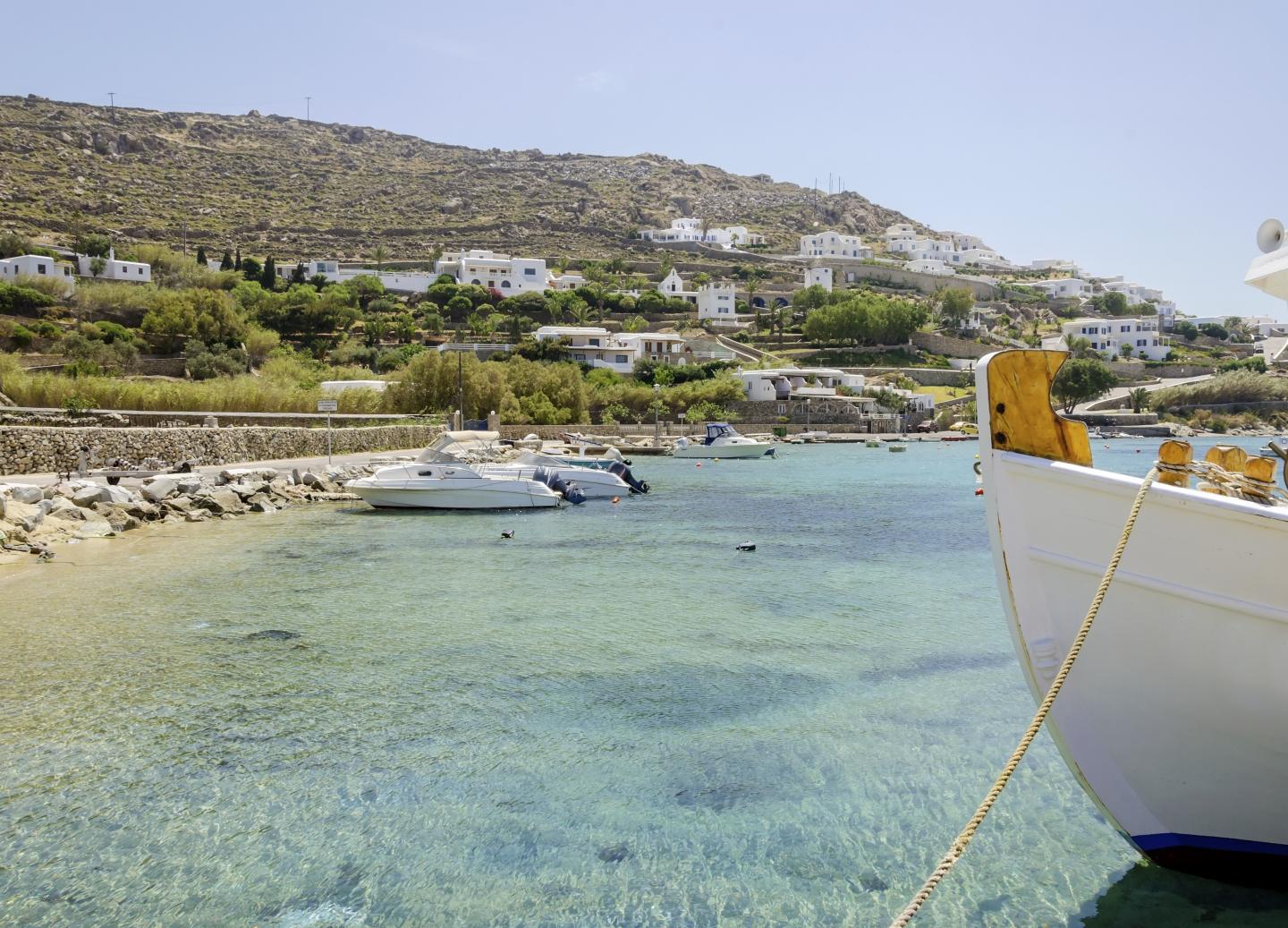
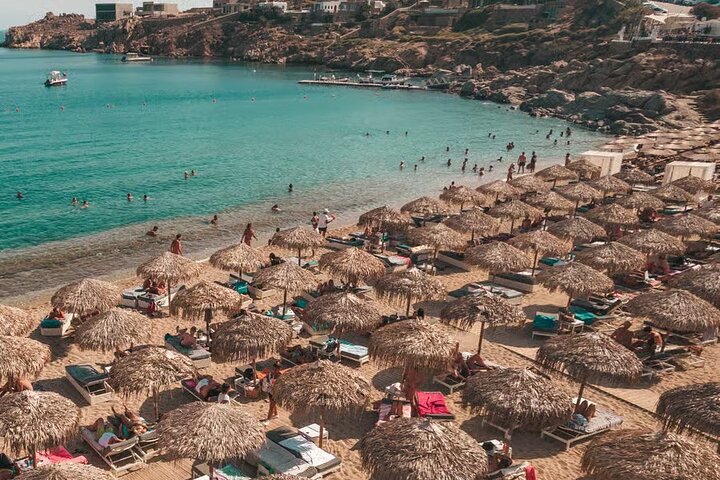
Beyond the town, Mykonos offers south coast beaches of startling beauty — Paradise, Super Paradise, and Elia among them — whose vivid turquoise waters and fine golden sand invite an afternoon of unhurried Mediterranean ease. The inland village of Ano Mera provides a quieter counterpoint, its monastery courtyard and traditional taverna offering a glimpse of an older, calmer Mykonos. For cruise passengers with a single day to spend, the island delivers a concentrated, luminous experience that lingers long after the ship has sailed.
Top things to do in Mykonos on a cruise stopover
Old Town Walking: The Labyrinthine Heart of Chora
Mykonos Town — known locally as Chora — is one of the most photogenic settlements in the entire Aegean. Its narrow, flower-lined alleys were designed deliberately to disorient invaders, and they remain wonderfully confusing today, rewarding those who wander with hidden chapels, bougainvillea-draped doorways, and unexpected sea views. The town's famous whitewashed cubic architecture, adorned with vivid blue and red accents, creates an endlessly picturesque backdrop. Guided walking tours thread through the maze of Chora, uncovering the stories behind its Venetian-era churches, its bustling market streets, and the waterfront neighbourhood of Alefkandra — known the world over as Little Venice — where the balconies of centuries-old buildings hang directly above the Aegean.
The Sacred Island of Delos: Birthplace of Apollo
Just a short boat ride from Mykonos, the tiny island of Delos is one of the most significant archaeological sites in the entire Mediterranean world. According to Greek mythology, it was the birthplace of Apollo and Artemis, and for centuries it served as the spiritual and commercial heart of the ancient Aegean. Today, the entire island is an open-air museum, its ruins spanning temples, merchant houses, intricate mosaic floors, and the iconic Terrace of the Lions. A UNESCO World Heritage Site, Delos receives no permanent residents — only day-trippers who arrive, explore, and depart before dusk. Guided tours bring this extraordinary landscape to life, tracing the arc of a civilisation that shaped Western culture at its very foundations.
Mykonos Island Tour: Windmills, Villages, and Panoramic Views
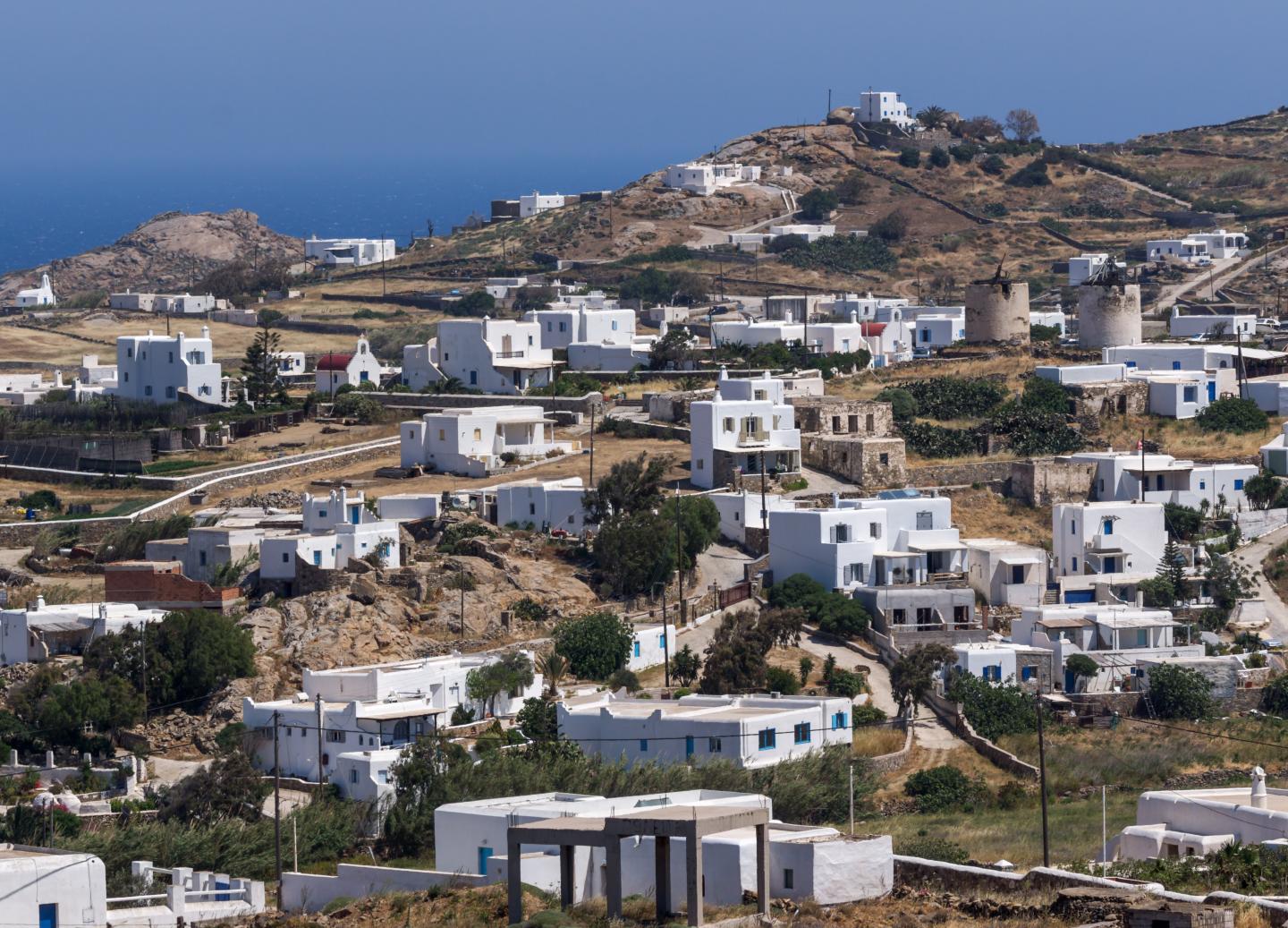
Beyond Chora, the wider island of Mykonos reveals a quieter, more authentic character. Scenic van and coach tours carry guests through the island's rolling terrain, past centuries-old windmills, fields of wild herbs, and traditional farmhouses. The inland village of Ano Mera — Mykonos' second settlement — is home to the serene Monastery of Panagia Tourliani, its ornate marble iconostasis one of the island's great artistic treasures. Panoramic stops along the way offer sweeping views across the Aegean, with neighbouring Delos visible on clear days. These island tours provide essential context for understanding Mykonos beyond the glamour of its famous waterfront.
South Coast Beaches and Azure Aegean Waters
Mykonos is home to some of the most celebrated beaches in Greece, and the south coast is where the island truly shines for those in search of sun and sea. Paradise Beach and Super Paradise are the most famous, known for their vivid turquoise waters and lively atmosphere. Further along, Elia and Agrari offer calmer, more spacious stretches of golden sand. Beach transfers make it straightforward to reach these coastal retreats, while south coast cruises offer a spectacular perspective from the water — revealing sea caves, dramatic rocky promontories, and the wild natural beauty that lies beyond the island's whitewashed façade. A few hours by the water provides the perfect counterpoint to a morning in Chora.
Flavors of Mykonos: Culinary Traditions and Wine Tasting
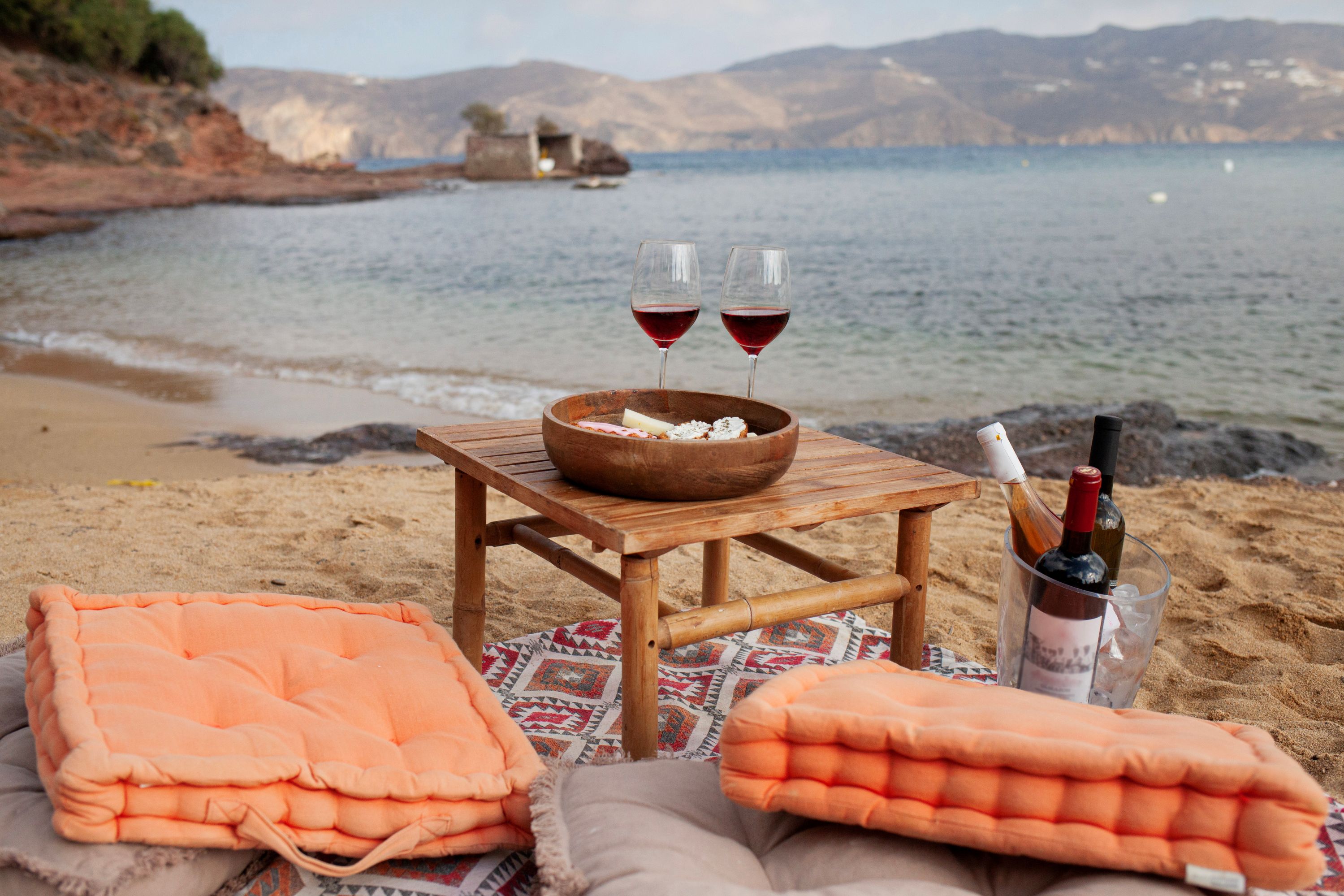
Mykonian cuisine is rooted in the agricultural and fishing traditions of the Cyclades, shaped by centuries of island life and enlivened by the fresh produce of the Aegean. Culinary tours and tastings guide guests through the island's most distinctive flavours — from kopanisti cheese, whose spicy pungency is unique to the island, to loukoumades drizzled in thyme honey, to fresh-caught fish prepared with the simplest of seasonings. Wine tasting experiences introduce guests to the wider world of Cycladic and Aegean viticulture, pairing regional varieties with local food in settings that range from traditional tavernas to scenic hillside terraces. For those who love to eat their way through a destination, Mykonos delivers handsomely.
Sunset at the Windmills and Little Venice
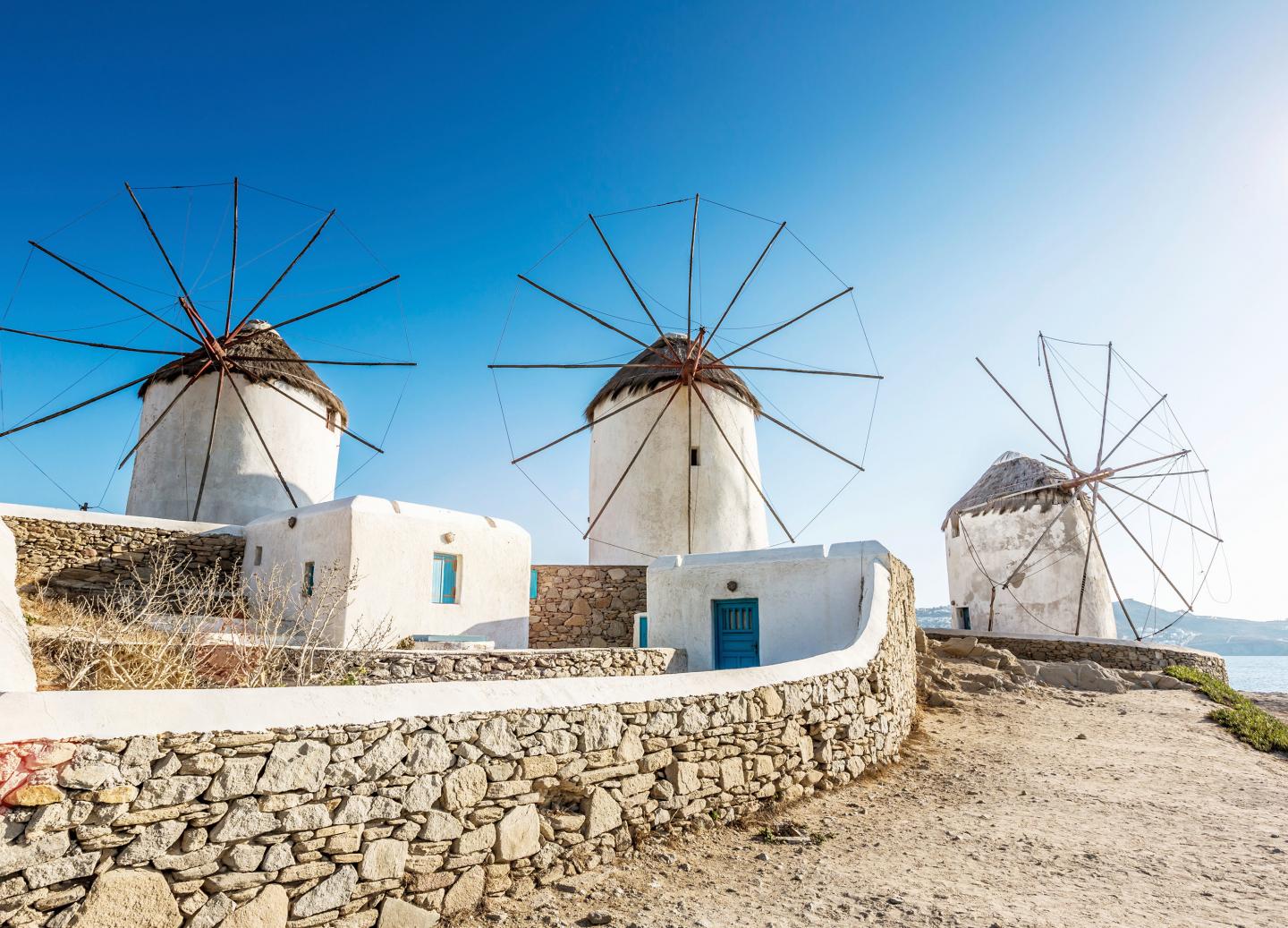
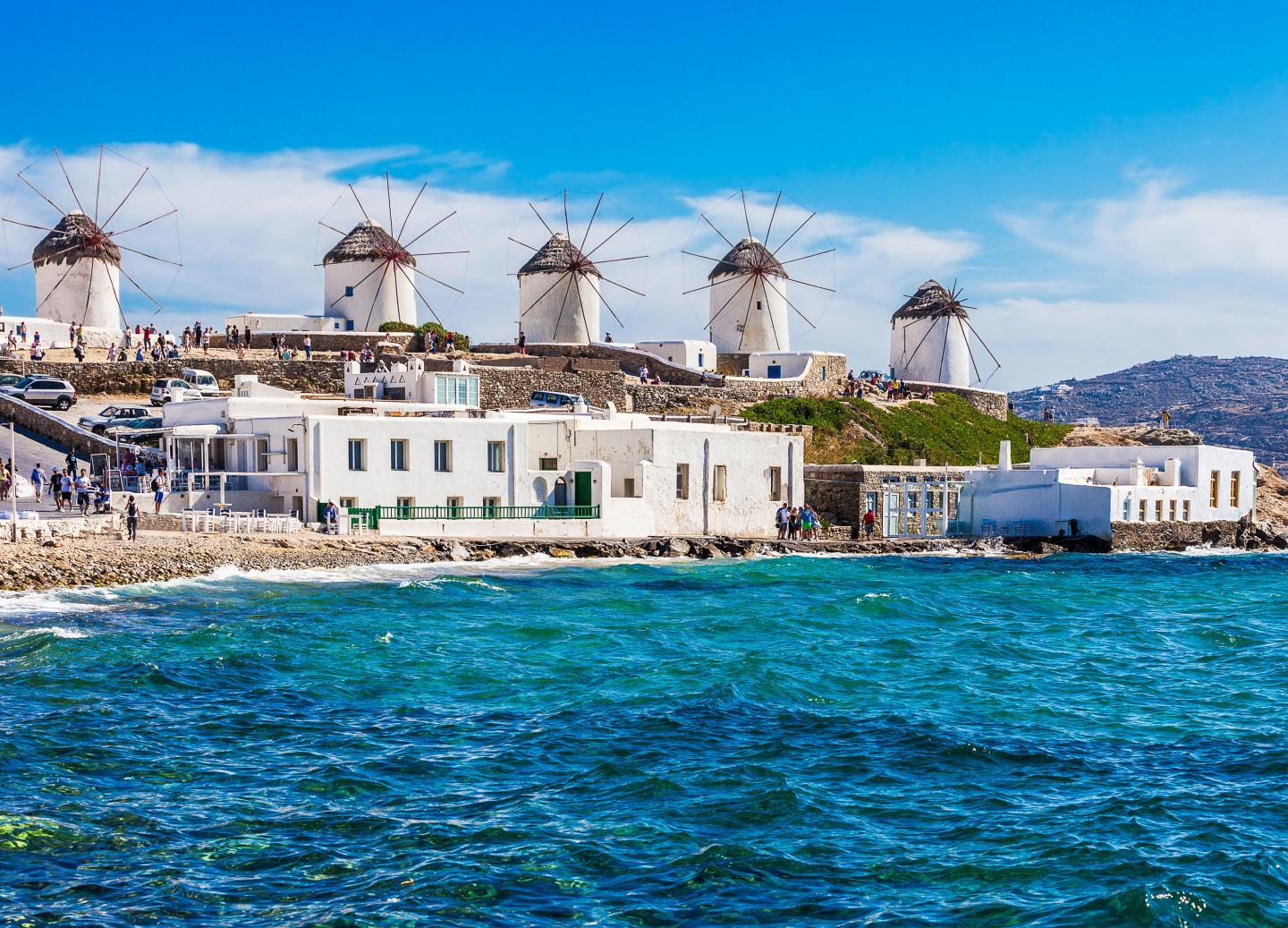
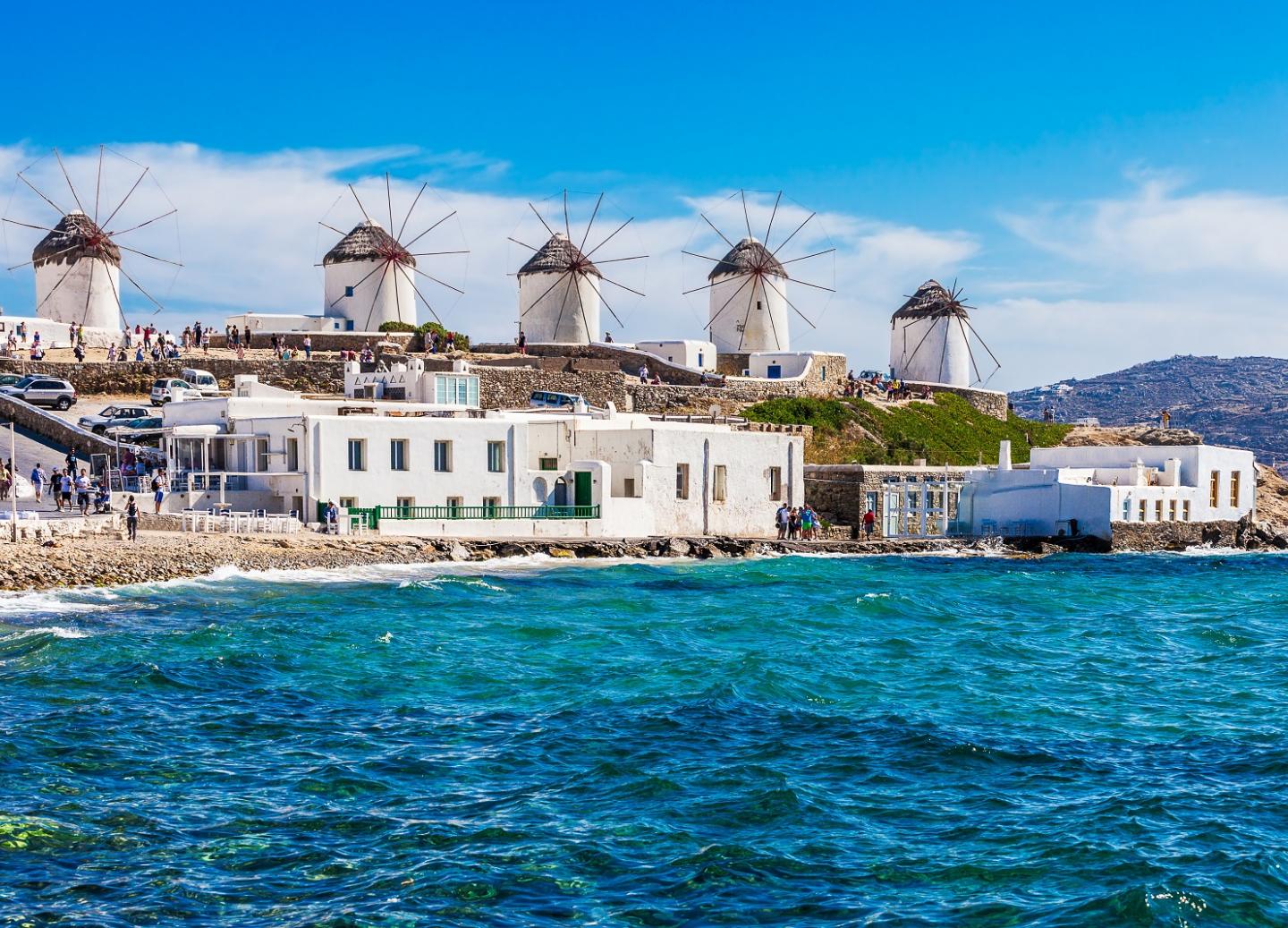
Few images are more synonymous with Mykonos than its five iconic Kato Mili windmills, perched on a hillside above the waterfront and silhouetted against the golden Aegean sky at dusk. Built by the Venetians in the 16th century to mill grain imported from the surrounding islands, they have become the most photographed landmarks in all the Cyclades. Below them, the neighbourhood of Alefkandra — Little Venice — offers an extraordinary setting, its multicoloured balconies cantilevered directly above the lapping sea. Sunset cruises and private evening experiences capture this magical hour from the water, watching the sky turn from gold to rose to deep violet over one of the most romantic harbours in Greece.
Mykonos travel tips
Embrace Getting Lost in Chora. Mykonos Town's winding alleys were designed deliberately to confuse invading pirates — and they work. Getting temporarily turned around is part of the experience, not a cause for concern. Use the five iconic Kato Mili windmills or the distinctive dome of the Panagia Paraportiani church as landmarks to reorient yourself. The town is small enough that every path eventually leads back to the waterfront.
Protect Yourself from the Aegean Sun. The Cycladic summer sun is intense, and the brilliant whitewashed walls of Mykonos reflect it from every direction. Wear high-SPF sunscreen, a wide-brimmed hat, and lightweight, breathable clothing. Sunglasses are essential — not optional. If visiting Delos, pack extra sun protection: the archaeological site has minimal shade and limited shelter throughout.
Dress Respectfully at Religious Sites. Mykonos has more than 400 churches and chapels — a staggering number for an island of its size. If you plan to enter any of them, including the iconic Panagia Paraportiani complex near the waterfront, carry a light scarf or shawl to cover your shoulders. Some religious sites enforce a modest dress code, particularly for bare shoulders and short hemlines.
Arrive at Delos Early. The UNESCO-listed island of Delos is one of the Mediterranean's most extraordinary archaeological sites and deserves more time than a rushed visit allows. Morning is by far the best time to go — cooler temperatures, fewer visitors, and sharper light for photography. Delos has limited shade throughout its expansive ruins and only a small café on site; carry water and sunscreen regardless of the season.
Time the Windmills for Golden-Hour Light. The Kato Mili windmills above Little Venice offer their most photogenic aspect in the late afternoon, when the light turns warm and golden across the whitewashed hillside. Early morning visits are quieter and cooler, but the late-afternoon glow is genuinely spectacular. Position yourself near the Alefkandra waterfront for views that combine the windmills, the sea, and the colourful balconied buildings in a single frame.
Venture Inland to Ano Mera Village. While most cruise visitors never leave the coastal bustle of Chora, the inland village of Ano Mera offers a completely different experience of Mykonos — quieter, more authentic, and considerably cooler in the heat of summer. The Monastery of Panagia Tourliani, founded in 1542, features an elaborately carved marble iconostasis and a serene courtyard garden. The village taverna on the central square is an excellent spot for traditional Mykonian cooking away from the tourist-facing restaurants of the waterfront.
Port Facts Every Cruiser Needs To Know
Mykonos shore excursion FAQs
Greece is a member of the European Union and the Schengen Area. Citizens of EU and EEA countries do not require a visa. Visitors from the United States, Canada, Australia, and the United Kingdom can enter Greece visa-free for stays of up to 90 days within a 180-day period. Passengers from other countries should verify requirements with their national embassy or consulate well before departure.
Most large cruise ships dock at the New Port (Tourlos), located approximately 2 km north of Mykonos Town (Chora). The port operates shuttle buses that ferry passengers between the terminal and the town centre. The walk along the coast road is manageable on flat terrain and takes around 25 to 30 minutes in comfortable conditions, though the midday summer heat makes the shuttle the wiser option for most visitors.
Yes — Delos is just a short boat ride from Mykonos Old Port, making it a natural and highly rewarding excursion for cruise passengers. Boats depart regularly in the morning and the crossing takes around 20 to 30 minutes. Allow a minimum of two to three hours on the island itself to do justice to the archaeological site. Note that Delos has limited shade, no accommodation, and only basic refreshment facilities, so plan accordingly.
The five Kato Mili windmills, perched on a hillside above the waterfront, are Mykonos' most recognisable image. The Panagia Paraportiani — a complex of four interconnected chapels forming one of the most unusual church buildings in Greece — is another unmissable sight. Little Venice (Alefkandra), where the balconies of centuries-old buildings hang directly over the sea, is among the most photographed waterfront neighbourhoods in the entire Mediterranean.
Paradise Beach and Super Paradise Beach, on the south coast, are Mykonos' most famous and easily the liveliest. For something more relaxed, Elia Beach offers a long stretch of fine golden sand with calmer waters. Beach transfers make these destinations accessible within a cruise day, though guests should allow sufficient return time. South coast boat cruises offer an excellent alternative, combining coastal scenery with swimming opportunities without the need to navigate the island independently.
Delos is a UNESCO World Heritage Site and one of the most important archaeological sites in the ancient world — the mythological birthplace of the gods Apollo and Artemis. The island is uninhabited, receives no overnight visitors, and is protected in its entirety as a museum. Wear sturdy walking shoes, bring ample water, and apply sunscreen generously: the ruins are extensive, the terrain uneven, and shade is scarce throughout the site. A knowledgeable guide makes an enormous difference to understanding what you are seeing.
Yes. Mykonos is one of the most internationally visited islands in Greece, and English is very widely spoken throughout the tourism-facing areas — hotels, restaurants, tour operators, and shops in Chora and at the beaches. Away from these areas, Greek remains dominant. A few words of Greek (efcharistó for thank you, parakalo for please) are always warmly received by locals.
The main cruise season runs from April through October. Summer months (June–August) are hot, dry, and intensely sunny, with temperatures typically between 25°C and 33°C (77–91°F). July and August bring the meltemi — strong northerly winds that cool the air considerably but can occasionally affect smaller boat crossings. Spring and early autumn offer milder temperatures, clearer air for photography, and a slower pace throughout the island.
Absolutely. Beyond the tourist-facing restaurants of Chora's waterfront, Mykonos has a genuine culinary culture rooted in Cycladic island tradition. Kopanisti cheese — sharp, spicy, and entirely unique to the island — is the defining local product. Fresh seafood, grilled octopus, slow-roasted meats, and excellent local honey feature prominently on traditional menus. Culinary tours and food-focused walking experiences offer structured introductions to Mykonian flavours, including wine tastings featuring Cycladic and Aegean varieties.
Little Venice — known locally as Alefkandra — is a neighbourhood of centuries-old fishing and merchant buildings whose brightly painted wooden balconies extend directly over the Aegean Sea. It is one of the most photographed spots in all of Greece, particularly at sunset when the fading light turns the scene extraordinary shades of gold and amber. The name was coined by visitors who saw a resemblance to Venice's canals, though the setting here is entirely Cycladic in character — the balconies hang not over a canal, but directly above the open sea.
Filters
Select a filter to refine results.
Tour Type
Tour Activity
 Cart
Cart
 USD
USD GBP
GBP AUD
AUD EUR
EUR CAD
CAD