



Tours in Sitka Alaska





Cruising to Sitka Alaska in a group?
Skip the crowded ship excursion bus. One dedicated planner will design a private shore experience around exactly what your group wants — coordinated from first enquiry to the moment you're back on board. More memorable, more flexible, and more affordable than you might expect. Spend less time organising, more time enjoying.
Explore Group Travel →Cruising to Sitka Alaska
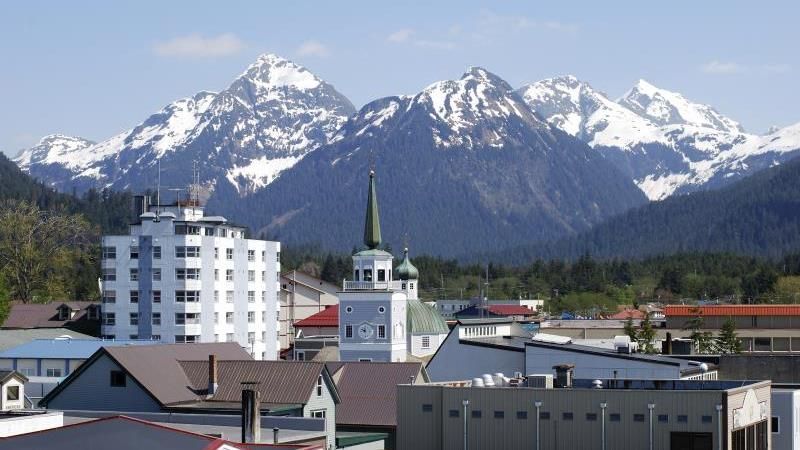
Sitka occupies a singular place in Alaska's story. Long before Russian fur traders arrived in the early 1800s, this corner of Baranof Island was the heart of Tlingit civilization — and it remains so today. The city that czarist Russia once called New Archangel served as the capital of Russian America until 1867, when Alaska was transferred to the United States in a ceremony held on the hill that still bears the name Castle Hill. Walking Sitka's streets, you sense the weight of that layered past in everything from the golden onion domes of St. Michael's Cathedral to the clan crests carved into towering totem poles standing in a cathedral of Sitka spruce.
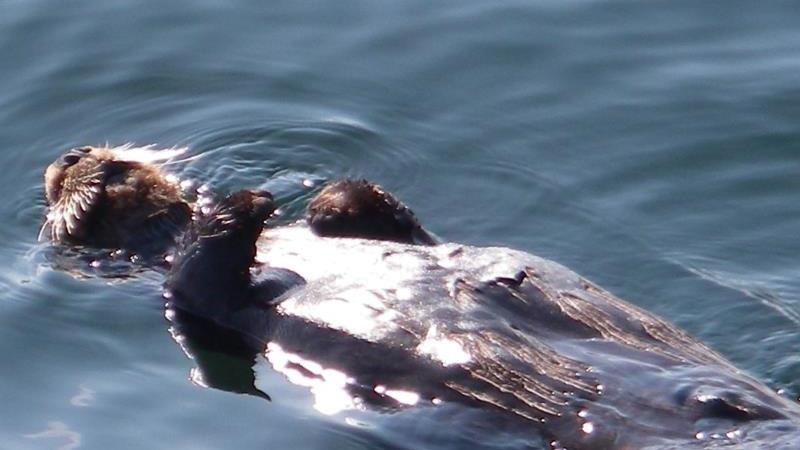
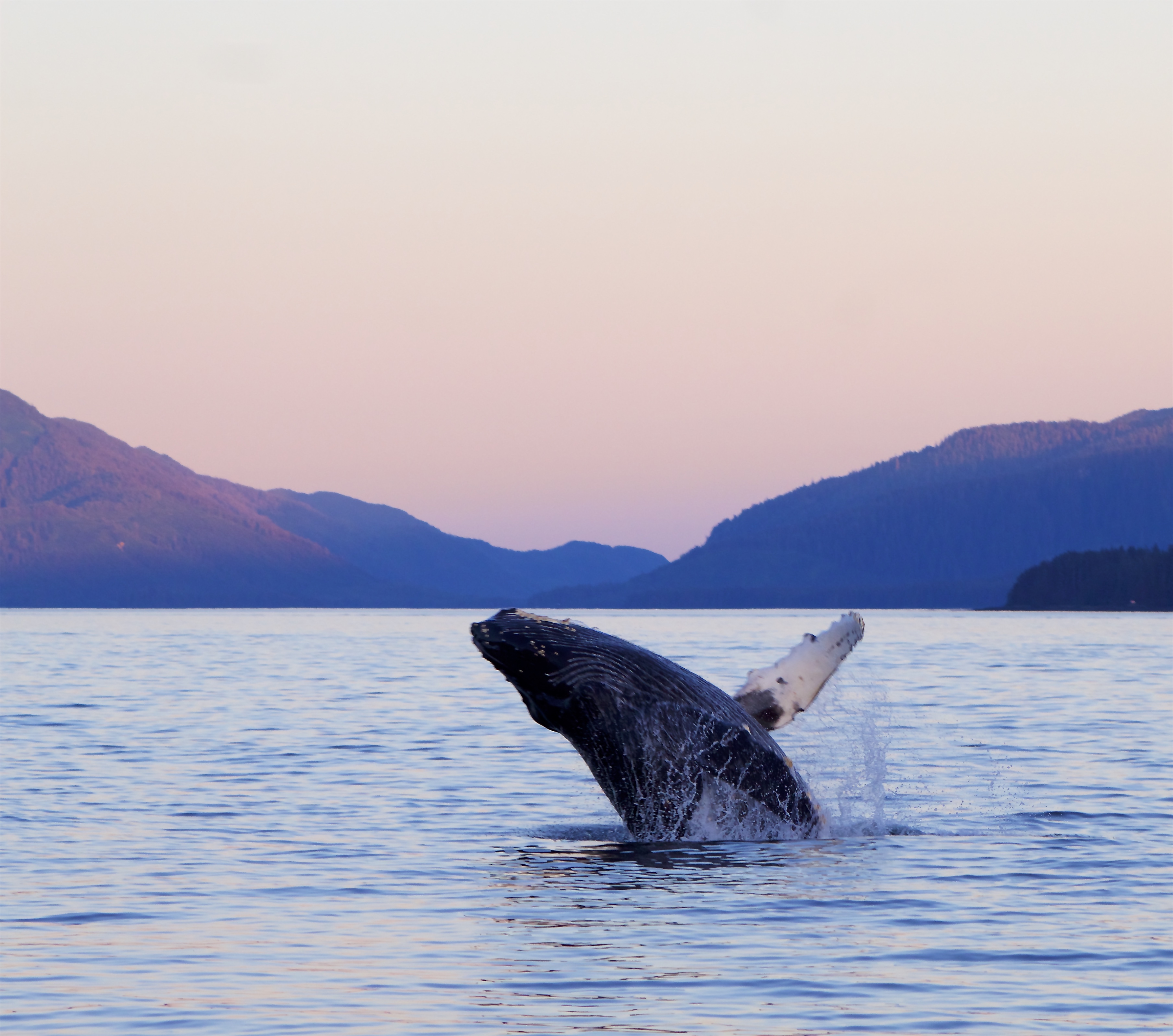
Unlike most Alaska ports, Sitka faces the open Pacific rather than sheltering inside a fjord, which lends it a wilder, more elemental character. The surrounding waters teem with marine life — sea otters rafting in the kelp beds, Steller sea lions hauled out on rocky islets, and humpback whales breaching in Sitka Sound. The temperate rainforest presses right up to the edges of town, and the volcanic cone of Mount Edgecumbe rises from Kruzof Island across the water like a Pacific Northwest version of Mount Fuji. On a clear day, the view from Crescent Harbor stops people mid-stride.
Because ships anchor offshore and passengers tender into town, Sitka greets visitors with a slightly slower, more intimate arrival than a conventional dock port. That pace suits the destination perfectly. The historic core is compact enough to cover on foot, the cultural institutions are genuinely world-class, and the surrounding wilderness is accessible without hours of travel. A day here rewards curiosity more than itinerary-checking — linger in the national historical park, duck into a Russian Orthodox church fragrant with incense, or watch a bald eagle being rehabilitated just minutes from the waterfront.
Top things to do in Sitka Alaska on a cruise stopover
Sitka National Historical Park: Totem Poles in a Rainforest Cathedral
Alaska's oldest federally designated park preserves the site of the 1804 Battle of Sitka — the last major armed resistance by the Tlingit people against Russian colonization. Today, a mile-long coastal trail winds through old-growth Sitka spruce, lined with some of Alaska's most striking totem poles, their carved figures softened by rain and time but no less commanding. The visitor center houses additional poles undergoing restoration and offers exhibits on Tlingit history and Russian colonial ambitions. Resident Tlingit artists work in the Southeast Alaska Indian Cultural Center inside the park, where visitors can watch carving, weaving, and beadwork in progress — a living demonstration rather than a museum display. Allow at least 90 minutes to walk the full trail and explore the center.
St. Michael's Cathedral: The Golden Domes of Russian America
Standing at the center of Lincoln Street, St. Michael's Cathedral is the spiritual and architectural heart of Sitka's Russian legacy. The current structure is a faithful 1976 reconstruction of the 1848 original, which burned in a 1966 fire — townspeople famously ran into the flames to rescue the cathedral's irreplaceable collection of Russian Orthodox icons, vestments, and artifacts. Those rescued treasures now fill the interior: 19th-century icons painted on wood, silver altar vessels, and elaborately embroidered vestments that were gifts from the Russian imperial court. The cathedral remains an active place of worship for Sitka's Russian Orthodox community, and visitors are welcome during posted hours. The iconic green onion domes and white clapboard exterior have become the defining image of the city.
Alaska Raptor Center: Eye to Eye with Bald Eagles
About a mile and a half from the tender dock, the Alaska Raptor Center rehabilitates injured birds of prey with the goal of returning them to the wild. Those that cannot be released — due to permanent injuries — become educational ambassadors in the center's outdoor flight facility. Bald eagles are the stars, but visitors also encounter great horned owls, peregrine falcons, Steller's jays, and ravens at close range. The 20,000-square-foot flight training center, built to rehabilitate eagles with wing injuries, is the largest of its kind in the world. The forest setting along Indian River adds to the experience — the walk from town is pleasant in dry weather and takes about 25 minutes each way. Knowledgeable staff offer context on each bird's story and Alaska's raptor populations.
Castle Hill and the Russian Bishop's House: Where Empires Changed Hands
The rocky prominence of Castle Hill, just steps from the tender landing, is where the formal transfer of Alaska from Russia to the United States took place on October 18, 1867. Russian and American flags were raised and lowered on that October afternoon, and the date is still celebrated as Alaska Day. The hill offers commanding views over Crescent Harbor and Sitka Sound on clear days, and interpretive panels recount the transfer ceremony. A short walk away, the Russian Bishop's House is one of only four surviving Russian colonial buildings in North America. Built in 1842, the log-framed structure has been meticulously restored by the National Park Service; guided tours reveal the bishop's private chapel, living quarters, and a revealing portrait of life in czarist-era Sitka.
Sitka Sound: Sea Otters, Whales, and a Volcanic Horizon
The waters surrounding Sitka are among the most biologically productive in Alaska. Sea otters — reintroduced after being hunted to local extinction during the Russian fur trade — now number in the thousands, and rafts of them floating on their backs among the kelp beds are a common sight from shore. Humpback whales feed in the sound from spring through fall, and orca sightings are not unusual. The dormant volcano Mount Edgecumbe presides over the western horizon from Kruzof Island, its symmetrical cone a constant, dramatic backdrop. Even from the waterfront boardwalk and Crescent Harbor, the marine panorama is exceptional — bring binoculars for wildlife spotting without leaving town.
Fortress of the Bear: Rescued Brown Bear Siblings
A few miles from downtown, Fortress of the Bear provides a permanent sanctuary for orphaned brown bears that cannot be returned to the wild. The facility currently houses several large adult brown bears — siblings rescued as cubs after their mothers were killed — in a spacious, naturalistic enclosure built inside a repurposed pulp mill settling pond. Unlike zoo exhibits, this is an explicitly rescue-focused operation, and the bears' individual backstories are part of the visit. Guides explain bear behavior and Alaska's complex relationship with its wildlife as the animals roam, forage, and interact below the viewing platforms. A taxi or local bus makes the trip manageable within a half-day shore visit.
Sitka Alaska travel tips
Account for Tender Time in Every Plan. Sitka is a tender port — ships anchor in the sound and passengers ride smaller boats to the dock. Tenders run frequently, but each round trip adds 30–40 minutes to your day. Check your ship's schedule for the last tender departure time and build in a 20-minute buffer. Missing the last tender is a serious situation. If you're planning to visit the raptor center or Fortress of the Bear, confirm that there's enough time to return comfortably.
Dress in Waterproof Layers, Not Rain Ponchos. Sitka's temperate rainforest climate means moisture can arrive at any moment, even under a partly sunny sky. A packable waterproof jacket is far more practical than a disposable poncho — the trails through the national historical park and along Indian River can be damp underfoot as well. Waterproof or water-resistant footwear is worth considering. That said, light rain here is atmospheric rather than miserable; most visitors find it adds to the wild, lush character of the landscape.
Visit the National Historical Park Early. The totem pole trail through the national historical park is the single most memorable experience in Sitka, and it's best experienced before the full flow of cruise passengers arrives midmorning. The park opens at 8 a.m. during the summer season. Walking the coastal trail in relative quiet — with the sound of the Indian River and the smell of spruce in the air — is a fundamentally different experience than navigating a crowd. The cultural center's artists typically begin working mid-morning, so an early trail walk followed by a return visit to watch the carvers is a natural sequence.
Carry Small Bills for the Saturday Market. If your ship is in port on a Saturday, the Sitka Farmers Market at the Alaska Native Brotherhood Hall is worth a detour. Local vendors sell smoked salmon, wild berry jams, Tlingit-made jewelry and crafts, fresh-baked bread, and seasonal produce. While some vendors accept cards, cash moves faster and is preferred by smaller artisan sellers. The market is a genuine community gathering — far removed from the tourist souvenir circuit — and a direct way to support local Sitka residents.
The Waterfront Walk Connects Everything. Lincoln Street and the harbor boardwalk form the spine of Sitka's compact historic district. From the tender dock, you can reach Castle Hill in two minutes on foot, St. Michael's Cathedral in five, and the national historical park entrance in about 20. Signs along the route point to key attractions. Rather than trying to organize a taxi or bus for the core historic sites, simply walk — the distances are short, the scenery is lovely, and the spontaneous encounters (a totem pole around a corner, a harbor seal at the dock) are part of the experience.
Respect Active Sacred and Cultural Spaces. Both St. Michael's Cathedral and the Southeast Alaska Indian Cultural Center inside the national historical park are living cultural spaces, not simply tourist attractions. The cathedral is an active Russian Orthodox church — speak quietly, refrain from touching the icons, and be aware that services may be in progress during posted visiting hours. When watching Tlingit artists work in the cultural center, take your cues from the artists themselves about conversation and photography. A respectful, attentive approach invariably leads to richer exchanges than treating either space as a photo opportunity.
Port Facts Every Cruiser Needs To Know
Sitka Alaska shore excursion FAQs
Sitka's harbor configuration and the size of modern cruise ships mean that most vessels anchor in Sitka Sound and ferry passengers to the downtown tender dock via small tender boats. The process is well-organized and runs continuously throughout the day, but it does add roughly 15–20 minutes each direction to any shore visit. The tender dock drops passengers right in the heart of town, within walking distance of all major historic sites.
The majority of Sitka's most significant attractions are walkable from the tender dock. Castle Hill, St. Michael's Cathedral, the Russian Bishop's House, Crescent Harbor, and the entrance to Sitka National Historical Park are all within a 20-minute walk. The Alaska Raptor Center is about 1.5 miles away — a 25-minute walk each way through a pleasant neighborhood. Fortress of the Bear is the one major attraction that genuinely requires a taxi or bus, as it sits several miles outside the walkable core.
The poles in the park represent several distinct Tlingit and Haida artistic traditions, collected from various Southeast Alaska communities in the late 19th and early 20th centuries. Totem poles are not objects of worship but rather monumental storytelling forms — recording clan histories, commemorating events, and honoring ancestors. The park's trail setting among old-growth spruce gives the poles a context that museum display cannot replicate. Interpretive signs explain individual poles, and rangers and cultural center staff can provide deeper context.
Yes, with a reasonable degree of reliability. Sea otters are frequently spotted in the waters around Crescent Harbor and along the waterfront — scan the kelp beds with binoculars. Humpback whales feed in Sitka Sound throughout the summer season, and while sightings from shore are less predictable, they're not uncommon from the harbor boardwalk. Bald eagles are virtually guaranteed; they perch on pilings, utility lines, and spruce tops throughout town.
The Russian Bishop's House is one of only four surviving examples of Russian colonial architecture in North America, built in 1842 as the residence of the Bishop of Russian America. It has been meticulously restored by the National Park Service to its mid-19th-century appearance. Guided tours — included with entry — walk through the bishop's private chapel, his formal reception rooms, and the seminary quarters, painting a vivid portrait of life in czarist-era Sitka. For anyone interested in this chapter of American history, the visit is genuinely absorbing and takes about 45 minutes.
The Tlingit people have lived in the Sitka region for thousands of years, and their culture remains vigorously alive — this is not a heritage preserved only in museums. You'll encounter Tlingit clan crests, language, art, and community throughout the city. The Southeast Alaska Indian Cultural Center inside the national historical park offers the most direct engagement, with resident artists working in traditional forms. Approaching Tlingit cultural spaces with curiosity and respect — listening more than photographing, asking before assuming — will enrich every interaction.
The main loop trail through the park is approximately one mile and takes 30–45 minutes at a leisurely pace that allows you to stop at each of the 18 totem poles along the way. Add another 30–45 minutes if you plan to spend meaningful time in the Southeast Alaska Indian Cultural Center watching artists at work or browsing the exhibits. The trail is relatively flat and well-maintained, accessible to most visitors. Allow at least 90 minutes total for a satisfying visit.
Yes — Sitka's compact downtown has several solid options within easy walking distance of the tender landing. The Larkspur Café on Lincoln Street is a local favorite for chowder, sandwiches, and coffee. The Beak restaurant offers more substantial Pacific Northwest-influenced meals. For casual fish and chips or a salmon burger, several waterfront spots near the harbor fit the bill. The Saturday farmers market, when in season, is a great option for local snacks. Reservations are generally not needed for lunch at casual spots, but popular restaurants can fill up during peak ship days.
For most visitors, yes — particularly anyone with an interest in wildlife or birds of prey. The 1.5-mile walk takes about 25 minutes through a quiet residential neighborhood and along Indian River. The center's staff are passionate and knowledgeable, and the up-close experience with bald eagles and other raptors is genuinely memorable rather than a typical zoo visit. Budget approximately two hours round-trip including time at the center itself. If walking both ways feels like too much, local taxis are available for the return.
Sitka's climate is temperate maritime — meaning mild temperatures (typically 50–65°F in summer) moderated by the Pacific, but with significant rainfall year-round. July and August are statistically the driest months, though 'dry' is relative in a rainforest environment. Overcast skies are the norm; clear days with views of Mount Edgecumbe are spectacular but not guaranteed. Dress in waterproof, breathable layers rather than heavy rain gear. A compact umbrella or packable rain jacket, comfortable walking shoes with some water resistance, and the flexibility to enjoy the landscape under cloud cover will serve you well.
Filters
Select a filter to refine results.
Tour Type
Tour Activity
 Cart
Cart
 USD
USD GBP
GBP AUD
AUD EUR
EUR CAD
CAD