





Looking for another Cruise?
Tours in Civitavecchia (Rome)


Cruising to Civitavecchia (Rome) in a group?
Skip the crowded ship excursion bus. One dedicated planner will design a private shore experience around exactly what your group wants — coordinated from first enquiry to the moment you're back on board. More memorable, more flexible, and more affordable than you might expect. Spend less time organising, more time enjoying.
Explore Group Travel →Cruising to Civitavecchia (Rome)
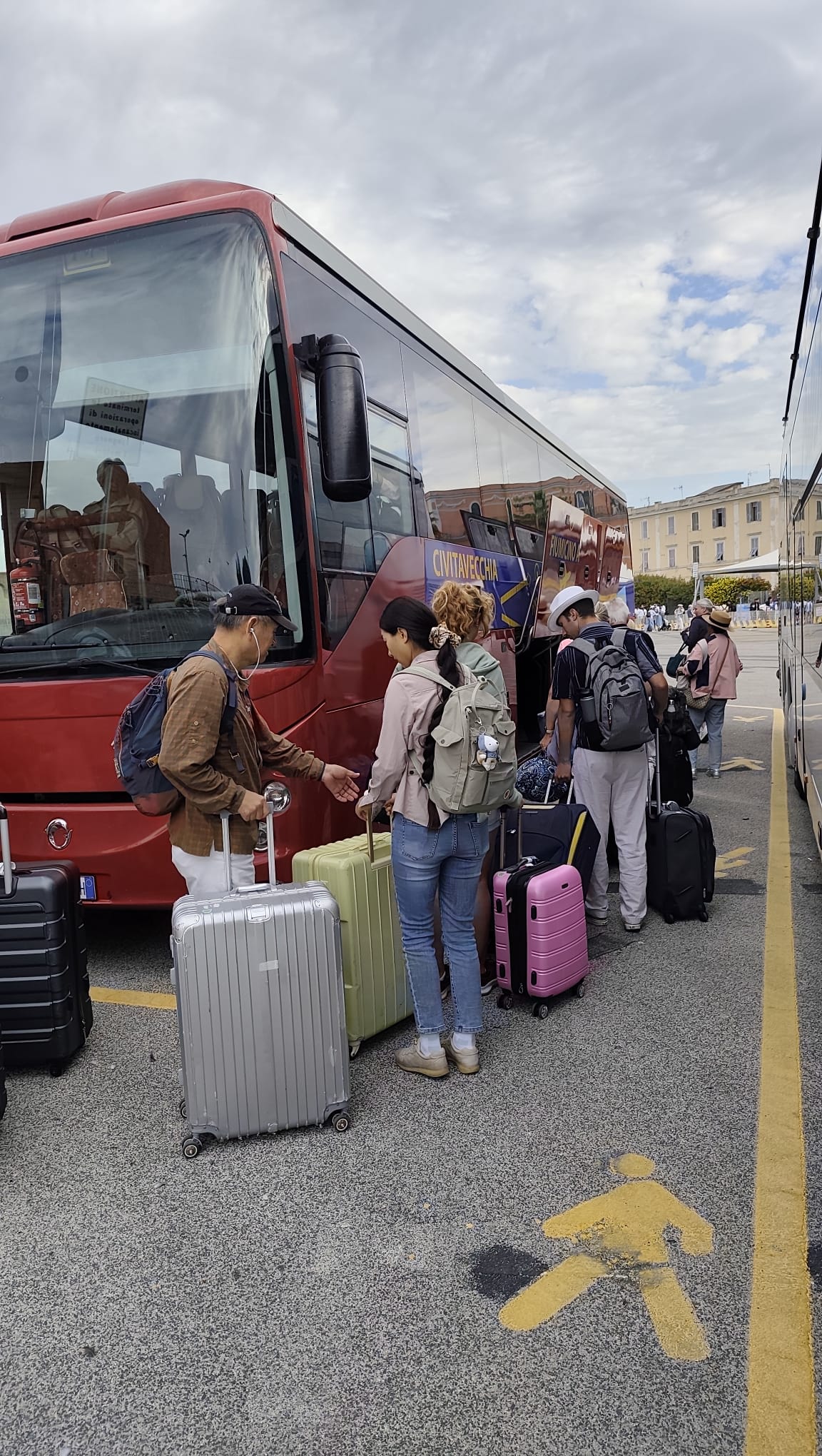
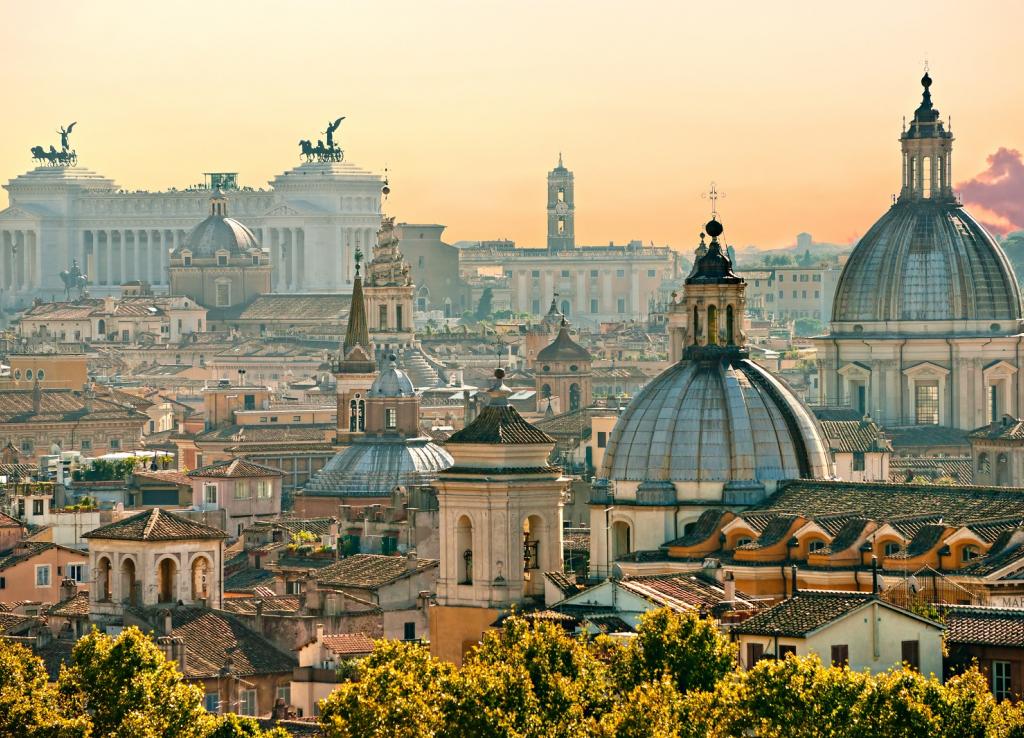
Civitavecchia is Rome's principal cruise port, situated 80 kilometres northwest of the capital along the Tyrrhenian coast. The port itself is compact and functional, designed to move passengers efficiently toward the city. Rome, however, rewards those who slow down, wander between ancient monuments, and linger over a coffee. A day ashore means navigating two and a half millennia of history: imperial forums, Renaissance churches, baroque fountains, and contemporary street life all compressed into a city that still feels lived-in and immediate. Beyond Rome, the surrounding Lazio region offers Etruscan hilltop towns such as Civita di Bagnoregio, volcanic lakes, the gardens of Tivoli, and the early Christian underground world of the Appian Way catacombs — each a compelling counterpoint to the intensity of the capital.
Top things to do in Civitavecchia (Rome) on a cruise stopover
The Colosseum and Roman Forum
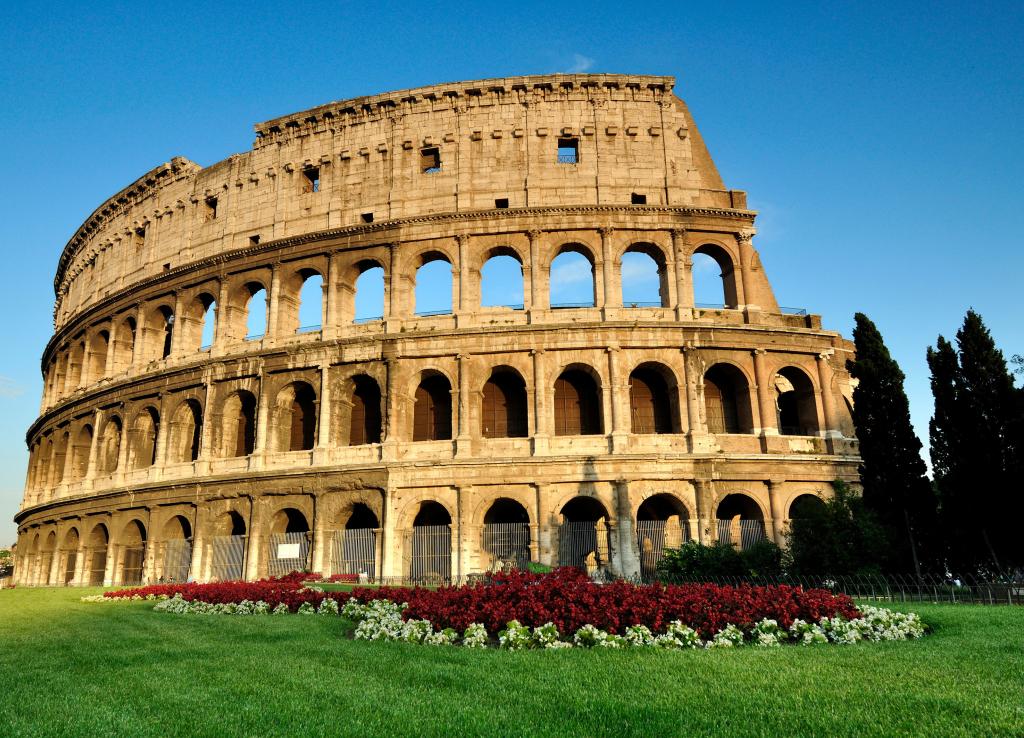
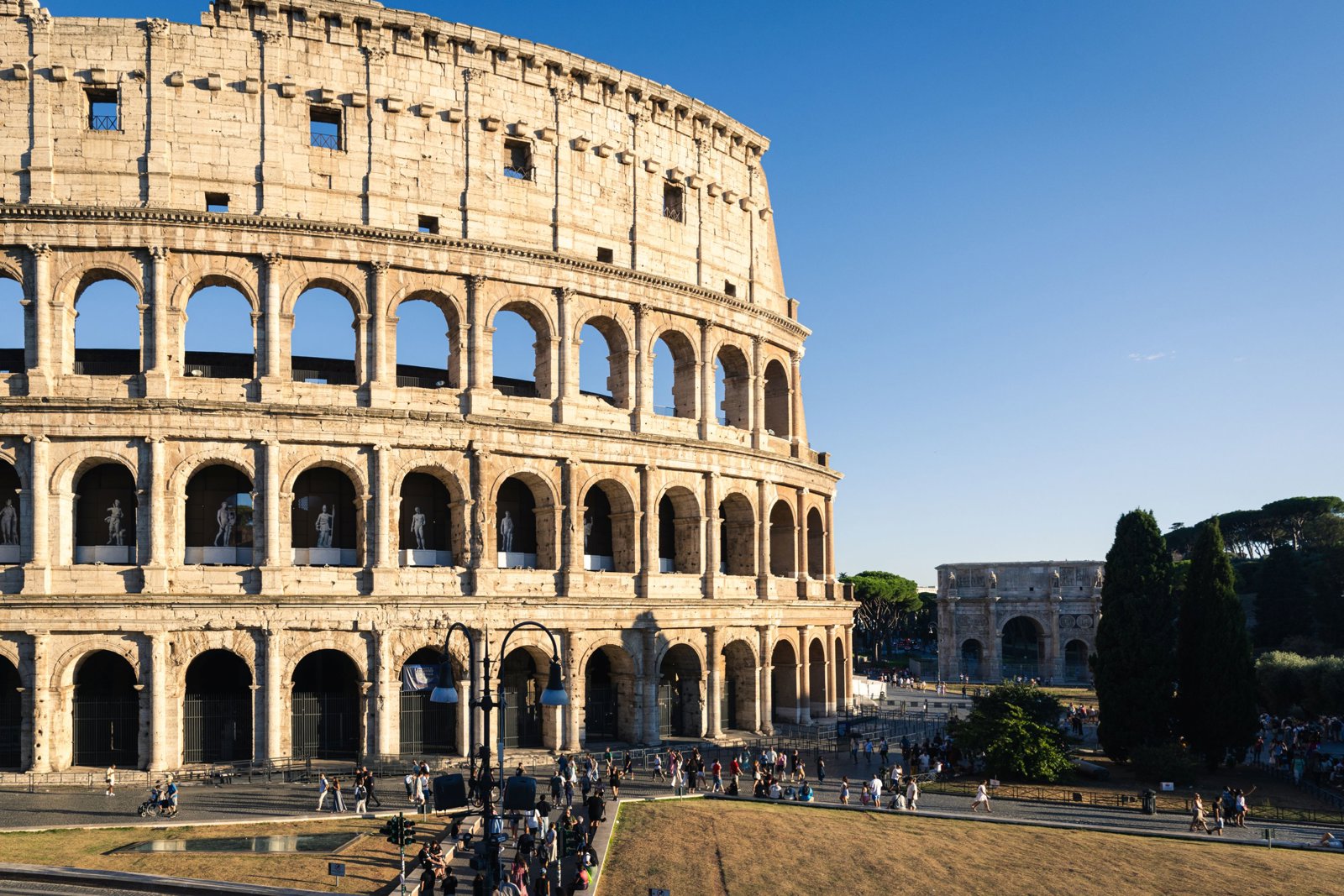
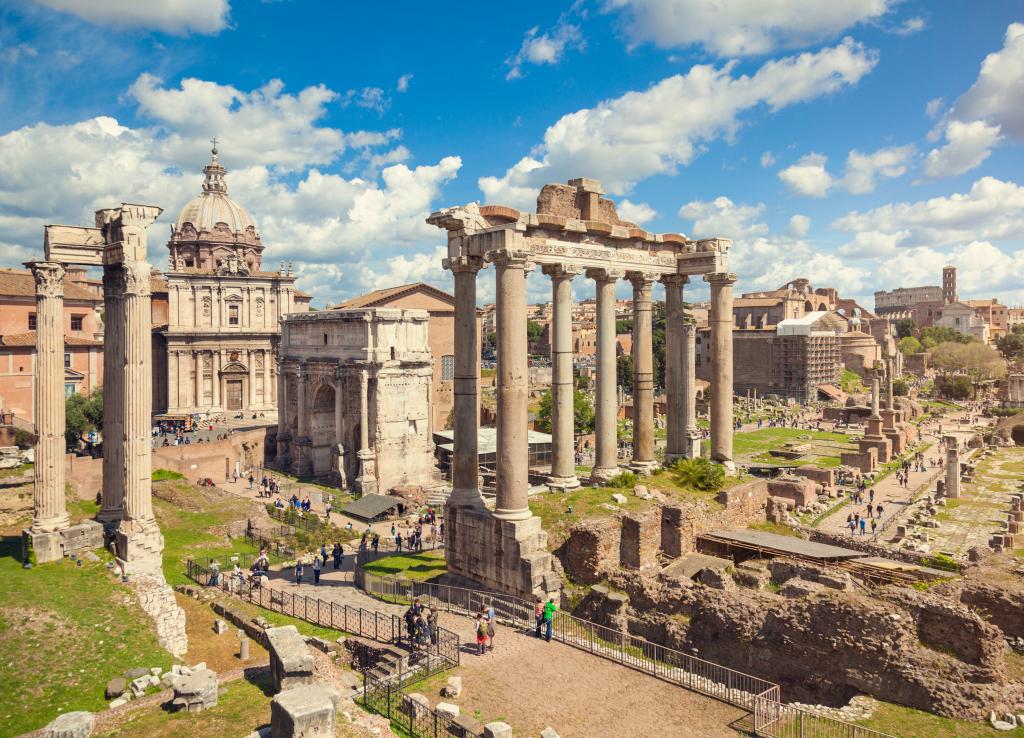
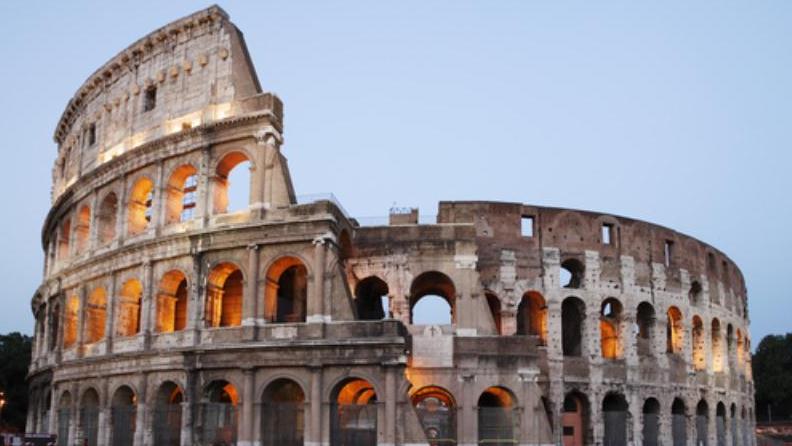
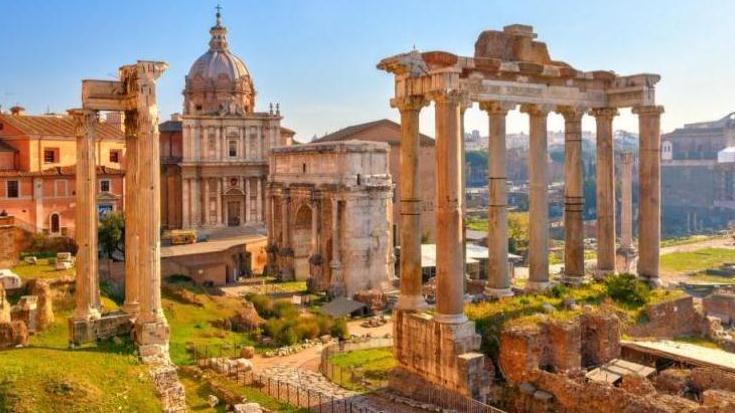
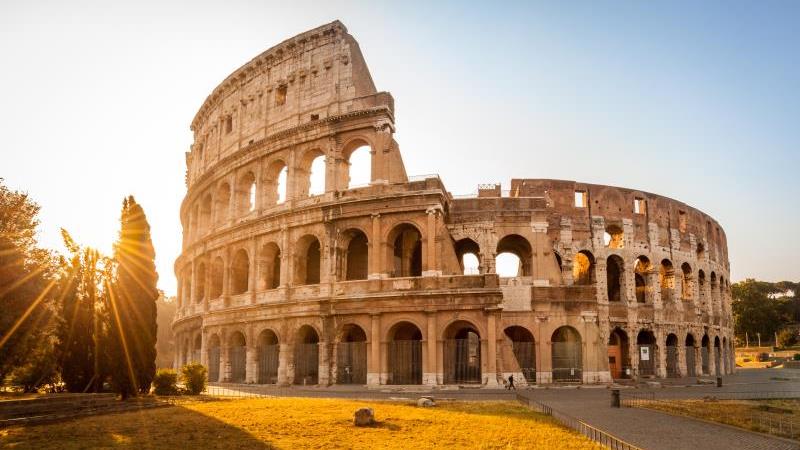
The Flavian Amphitheatre — the Colosseum — is among the most recognisable structures in human history: an elliptical arena built from 70 AD that once held up to 80,000 spectators for gladiatorial contests and public spectacles. Immediately adjacent, the Roman Forum stretches across what was once the commercial, political, and social heart of ancient Rome. Temples, triumphal arches, and the Via Sacra crowd into a remarkable open-air site that rewards unhurried exploration. Together, the Colosseum and Forum represent the clearest available window into imperial Roman life. Entry requires advance timed booking; queues without pre-reserved tickets can easily consume an hour or more of limited shore time. Venture Ashore offers multiple Rome sightseeing tours with included Colosseum tickets, removing the queuing uncertainty from the day.
The Vatican — Museums, Sistine Chapel, and St. Peter's Basilica
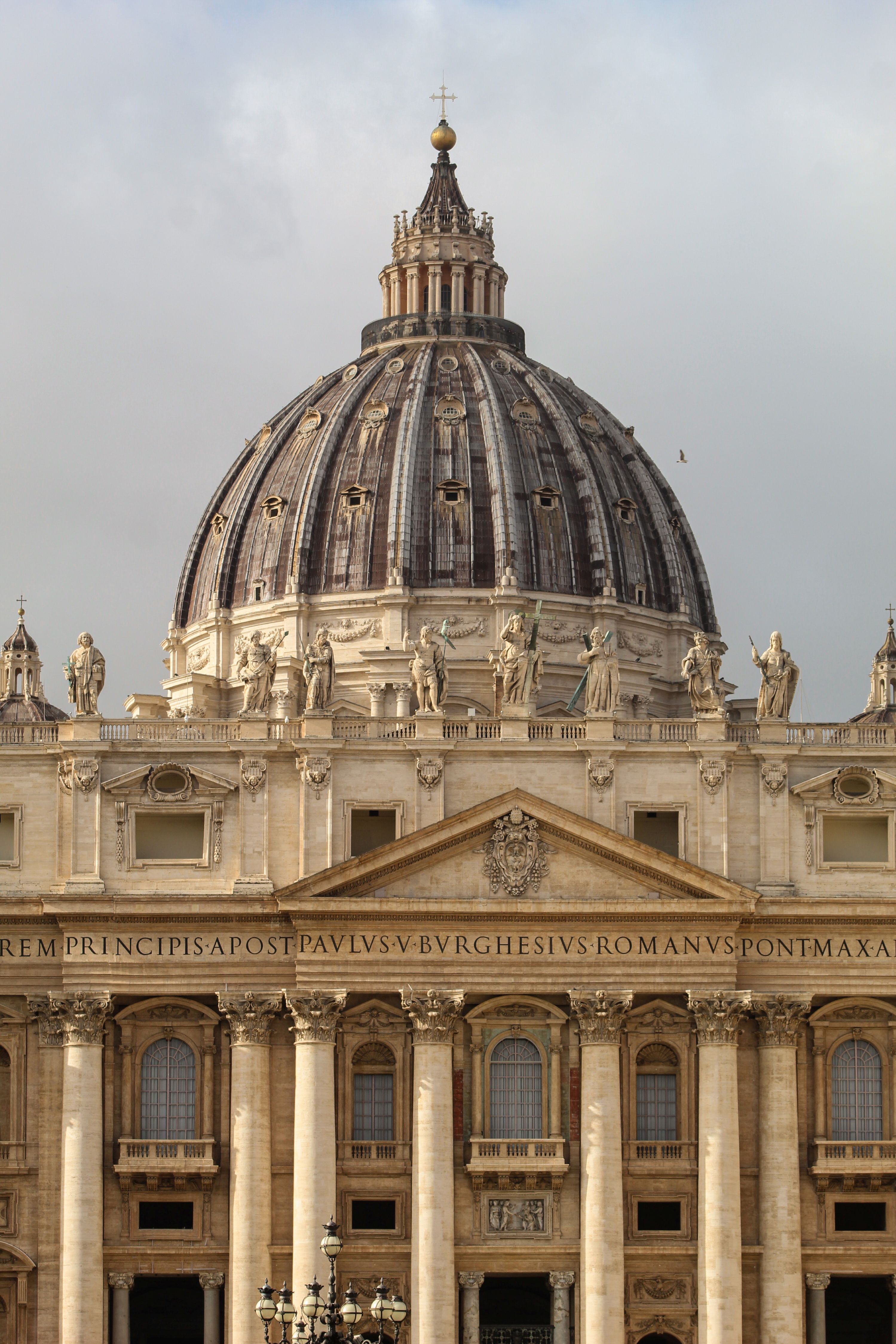
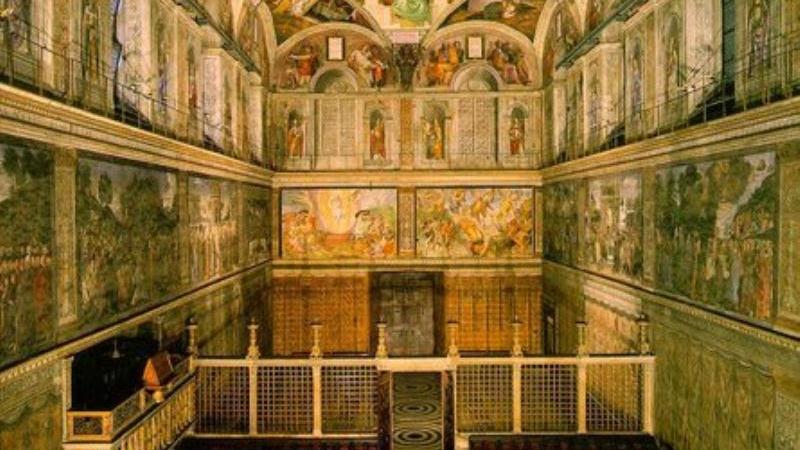
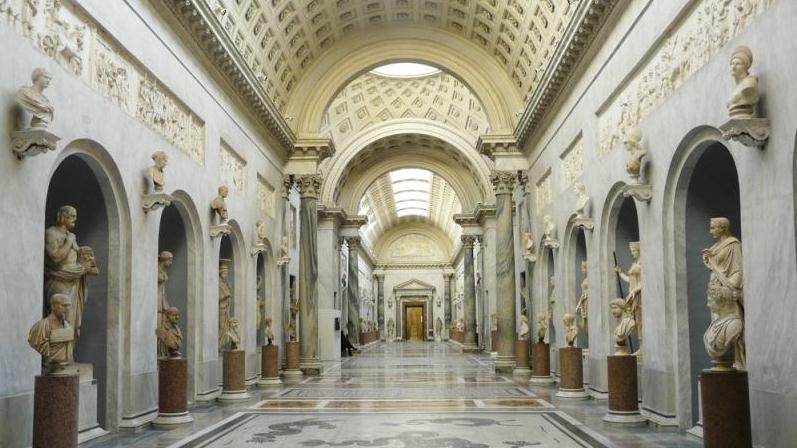
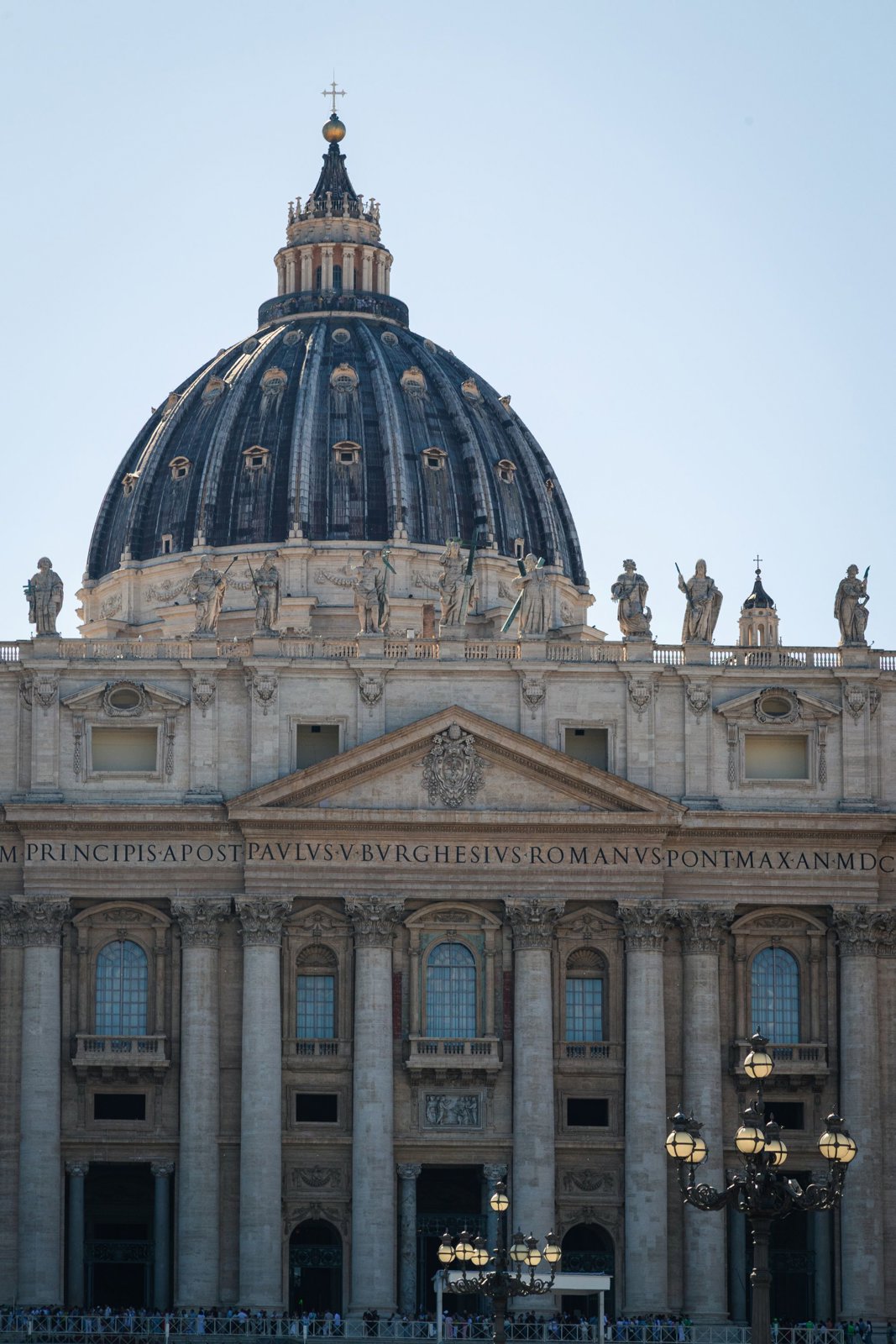
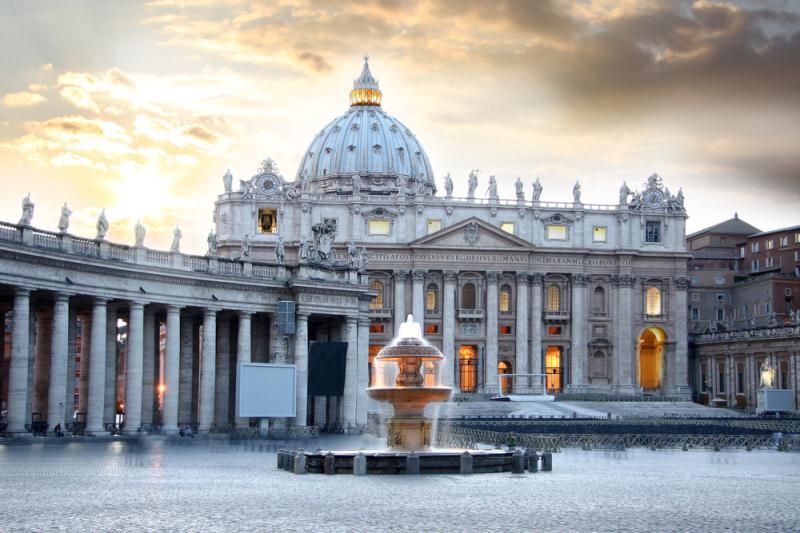
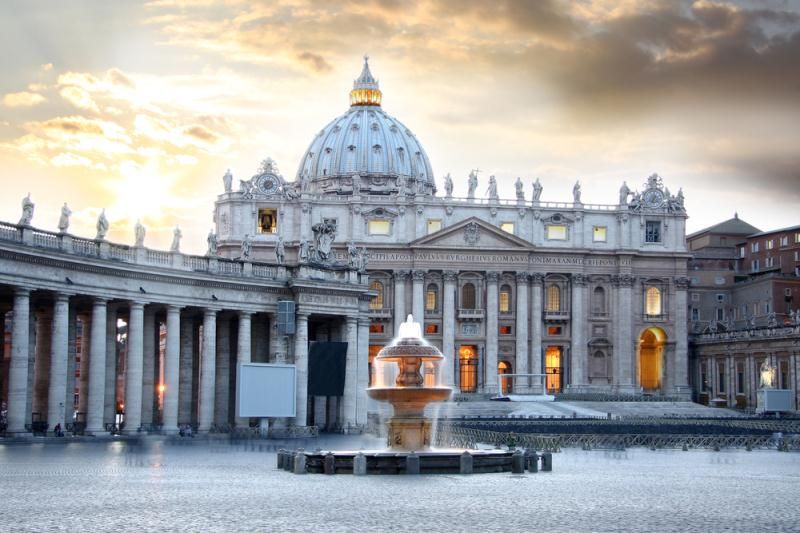
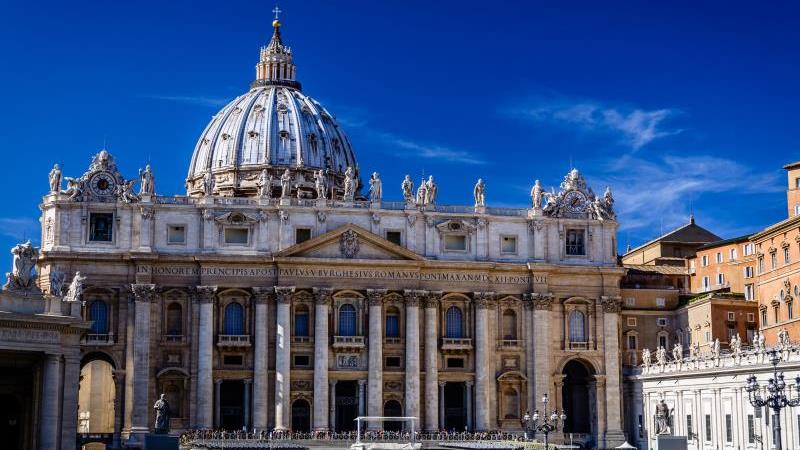
Few places anywhere compress art, history, and spiritual significance into as compact an area as Vatican City. The Vatican Museums house one of the world's great art collections — ancient sculpture, Renaissance painting, and a gallery of maps line the corridors leading to the Sistine Chapel, where Michelangelo's ceiling, painted between 1508 and 1512, remains breathtaking regardless of prior familiarity with the images. St. Peter's Basilica — shaped by Bramante, Michelangelo, and Bernini across two centuries — dominates the vast piazza and rewards close attention to its sculpture and scale. The combined Vatican complex can occupy most of a full day; selective planning is wise. Skip-the-line entry is essential to protect limited ashore time. Venture Ashore offers Vatican tours with pre-reserved tickets.
Panoramic Rome by Open Bus
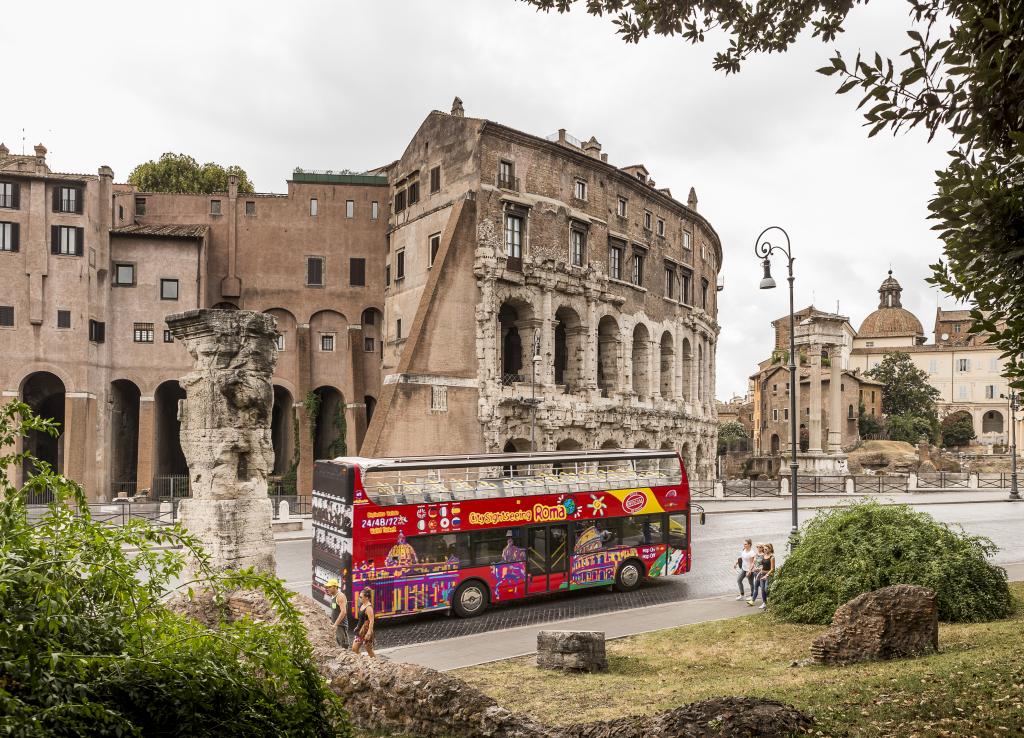
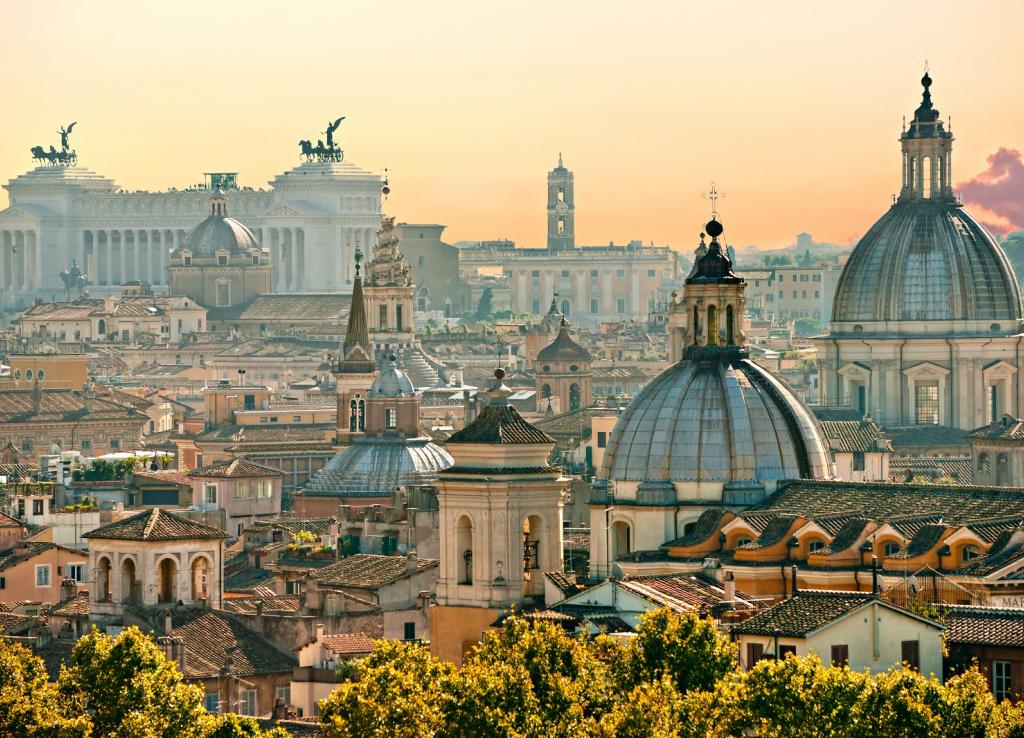
Rome's skyline — domes, obelisks, triumphal arches — reveals itself differently from elevated vantage points, and an open-top bus circuit provides a structured overview difficult to replicate independently in a single day. A hop-on hop-off route links the Colosseum, Circus Maximus, Trastevere, the Vatican, Piazza del Popolo, and the historic centre in a circuit taking approximately two hours to complete without stops. The format suits those wanting orientation before exploring on foot, or those covering maximum ground with limited time or mobility. Multilingual audio commentary provides historical context at each landmark. Venture Ashore also offers live-guided panoramic bus tours of Civitavecchia port town — a coastal alternative for those preferring a shorter or lower-intensity excursion.
The Catacombs of San Callisto
Beneath Rome's ancient Appian Way, an extensive network of underground burial tunnels preserves one of the most atmospheric early Christian sites in the world. The Catacombs of San Callisto — among the largest of Rome's catacomb networks — contain the tombs of multiple early popes and thousands of early Christian martyrs across a multi-level gallery system stretching several kilometres. Guided tours descend through narrow, dimly lit passages where ancient frescoes, inscriptions, and marble fragments survive in remarkable condition. The experience is genuinely atmospheric: underground temperature remains around 15°C year-round regardless of surface heat, making this a welcome midday respite during Rome's intense summer months. Venture Ashore includes the Catacombs of San Callisto as part of a combined panoramic Rome excursion.
Civita di Bagnoregio — The Dying Town
Perched atop a rapidly eroding tufa plateau above the Tiber valley, Civita di Bagnoregio is one of the most visually striking villages in central Italy. Access is via a long pedestrian bridge only; vehicles cannot enter, and only a handful of permanent residents remain in what locals call 'la città che muore' — the dying town. Etruscan origins are visible in the street grid and carved cave systems beneath the buildings; the medieval church of San Donato occupies the central piazza, and the views across the eroded badlands below are extraordinary. The site draws far fewer visitors than Rome's headline attractions, offering a pace of discovery rare on a cruise day ashore. The surrounding Lazio countryside — rolling hills, vineyards, volcanic geology — provides compelling contrast to the capital's intensity. Venture Ashore offers this as a private guided excursion.
The Gardens and Villas of Tivoli
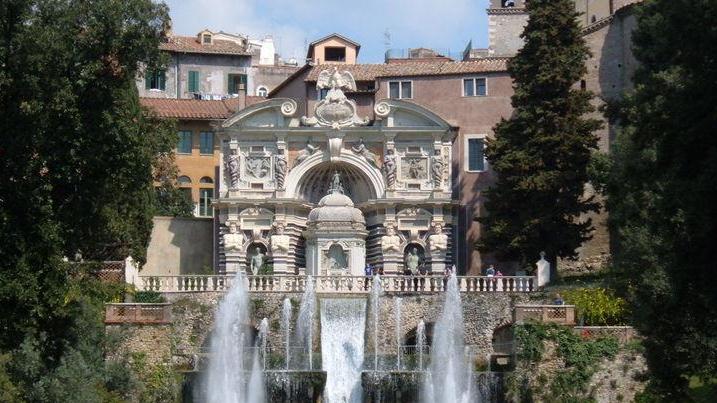
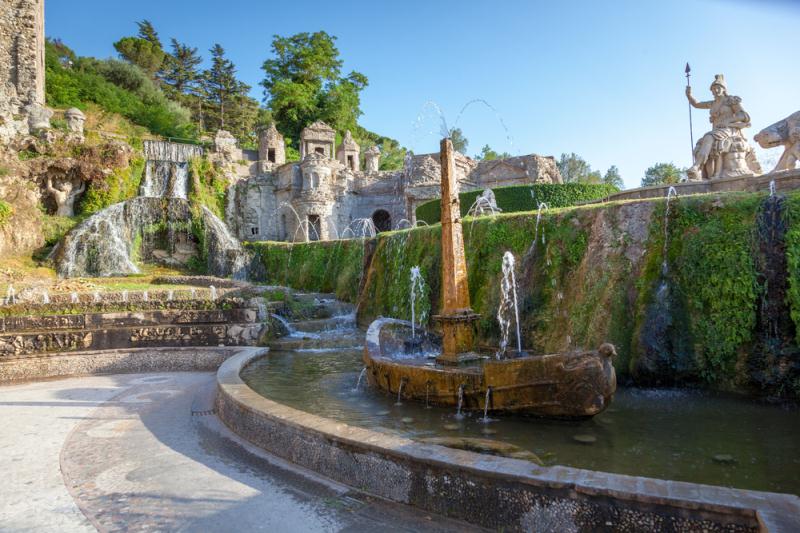
Some 30 kilometres east of Rome, the hilltop town of Tivoli preserves two UNESCO World Heritage sites within a short distance of each other. Villa d'Este, built in the 16th century for Cardinal Ippolito II d'Este, contains some of the most ambitious Renaissance garden design in existence: hundreds of fountains — including the Fountain of the Ovato and the Avenue of a Hundred Fountains — are fed by a hydraulic system drawing water from the Aniene River. Villa Adriana, a short distance below town, is older still — a vast imperial complex built between 118 and 138 AD as Emperor Hadrian's personal retreat, incorporating architectural references to sites visited across the Roman Empire. Together they offer a compelling alternative for those seeking beauty and tranquillity over the concentrated intensity of central Rome. Venture Ashore offers a private half-day excursion.
Civitavecchia (Rome) travel tips
Pre-book Colosseum and Vatican entry well in advance. Timed-entry tickets for the Colosseum (which also grant access to the Roman Forum and Palatine Hill) and the Vatican Museums are strongly recommended, particularly from April through October. Daily visitor caps mean popular time slots sell out days or weeks ahead in peak season. Attempting entry without a pre-booked ticket typically means waiting one to three hours — a significant proportion of a cruise day ashore. Check availability as early as possible after your itinerary is confirmed.
Dress appropriately for religious sites. Entry to St. Peter's Basilica, the Vatican Museums, and many of Rome's churches requires covered shoulders and knees — this applies to all visitors regardless of season or outdoor temperature. Lightweight scarves or wraps pack easily and solve the problem entirely. Some churches maintain strict enforcement and will turn visitors away without appropriate covering. Keeping a wrap accessible throughout the day is advisable, as Rome's neighbourhood churches are worth stepping into even without a formal visit planned.
Order coffee at the bar like a local. Coffee culture in Rome operates on distinct rules. Standing at the counter (al banco) to order an espresso or macchiato costs significantly less than table service — sometimes half the price. Ordering a cappuccino after midday marks you as a visitor; Romans drink milky coffee only in the morning. A cornetto (the Italian croissant, often filled with cream, jam, or chocolate) pairs naturally with morning coffee. These small rituals cost almost nothing and connect a visitor to genuine local rhythm.
Carry some cash for neighbourhood Rome. Card payment is increasingly accepted in central Rome, but smaller trattorias, neighbourhood bars, market stalls, and some museum shops still prefer or require cash. The Mercato di Campo de' Fiori and similar markets operate largely on cash. Withdrawing euros from an ATM (Bancomat) in a visible public location is straightforward. If your itinerary includes areas outside the main tourist circuit, having cash on hand avoids inconvenience.
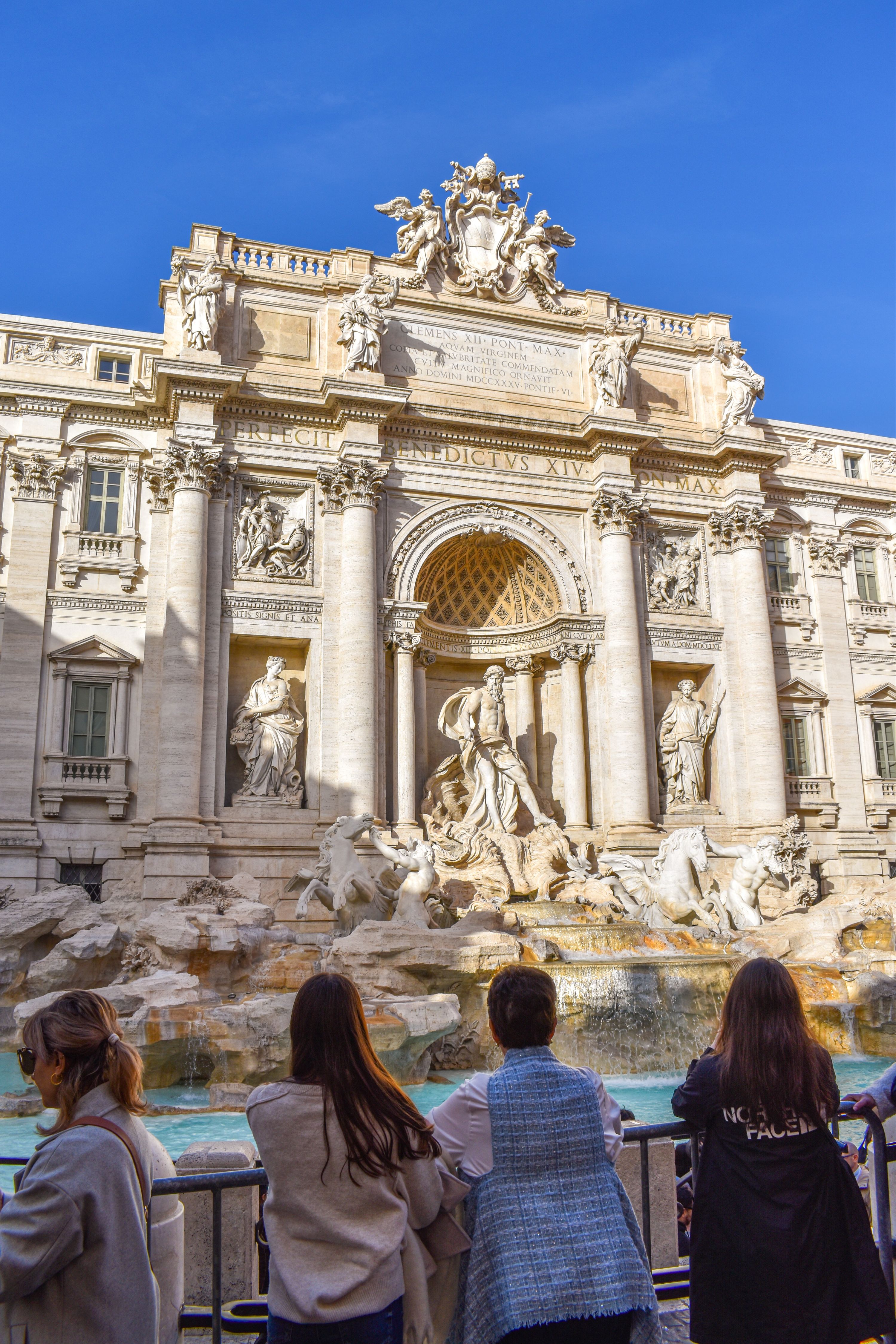
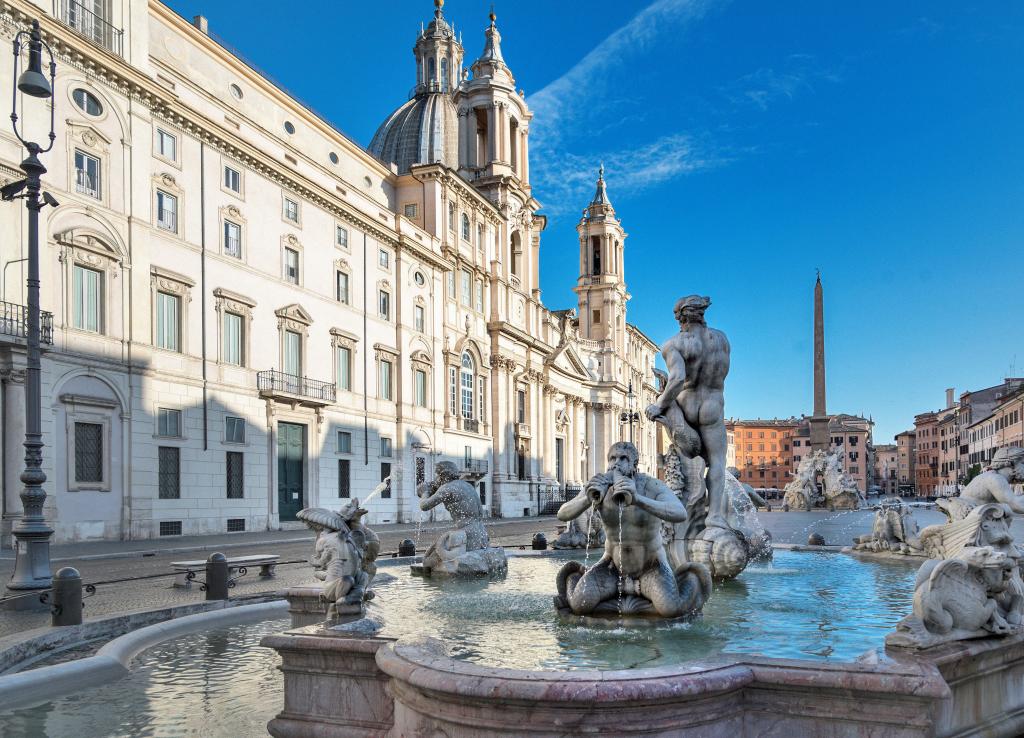
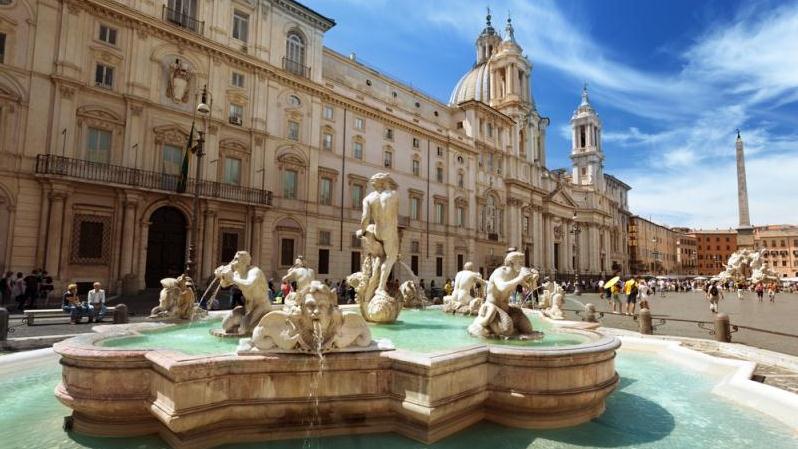
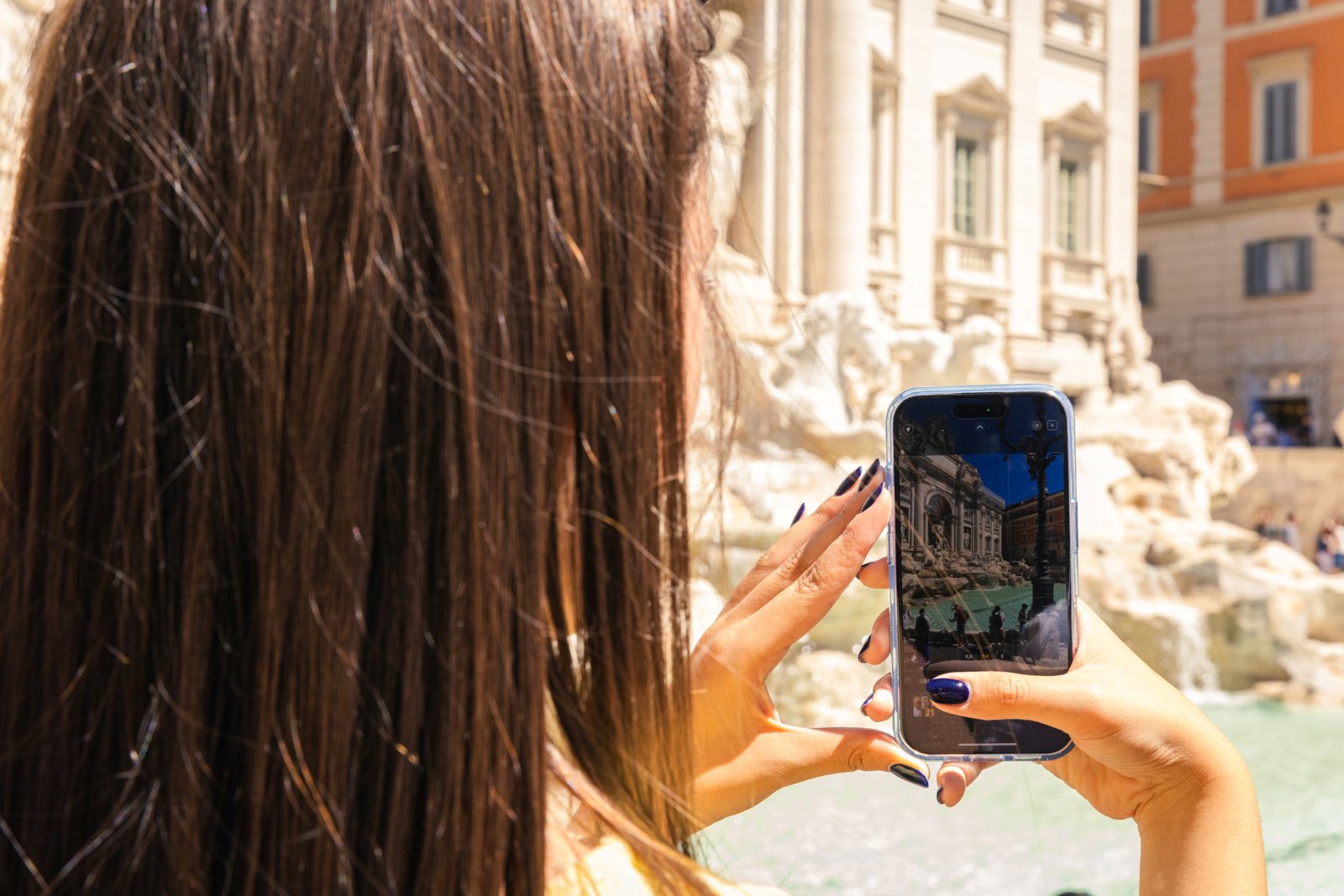
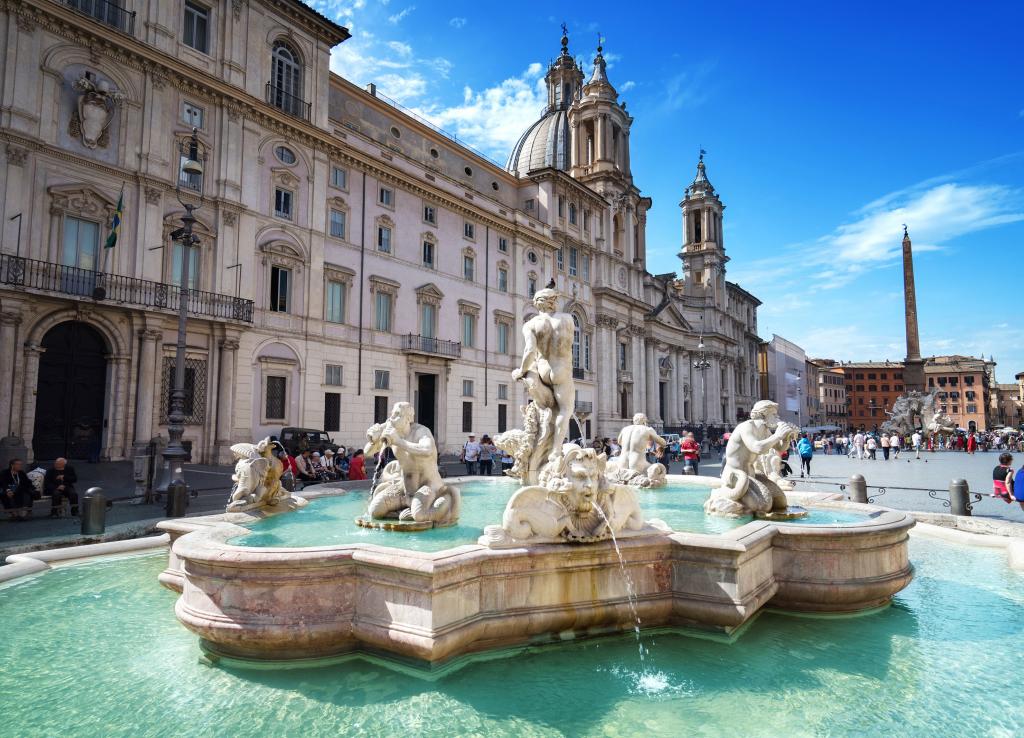
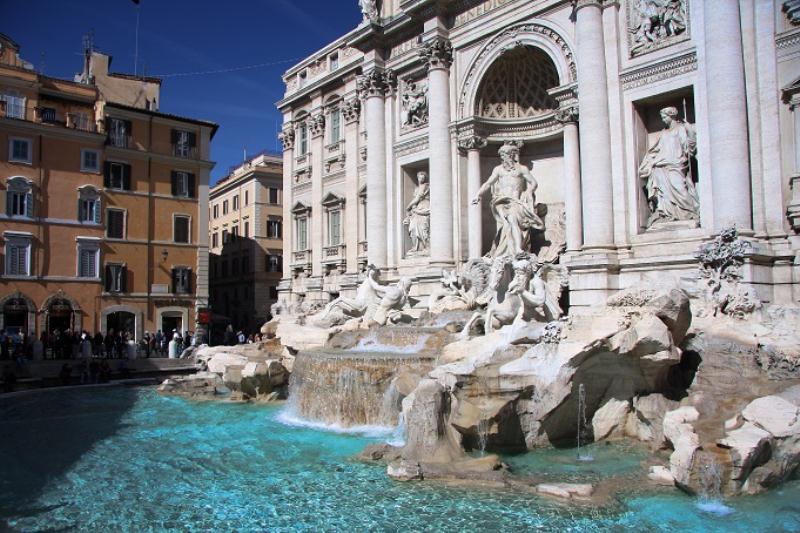
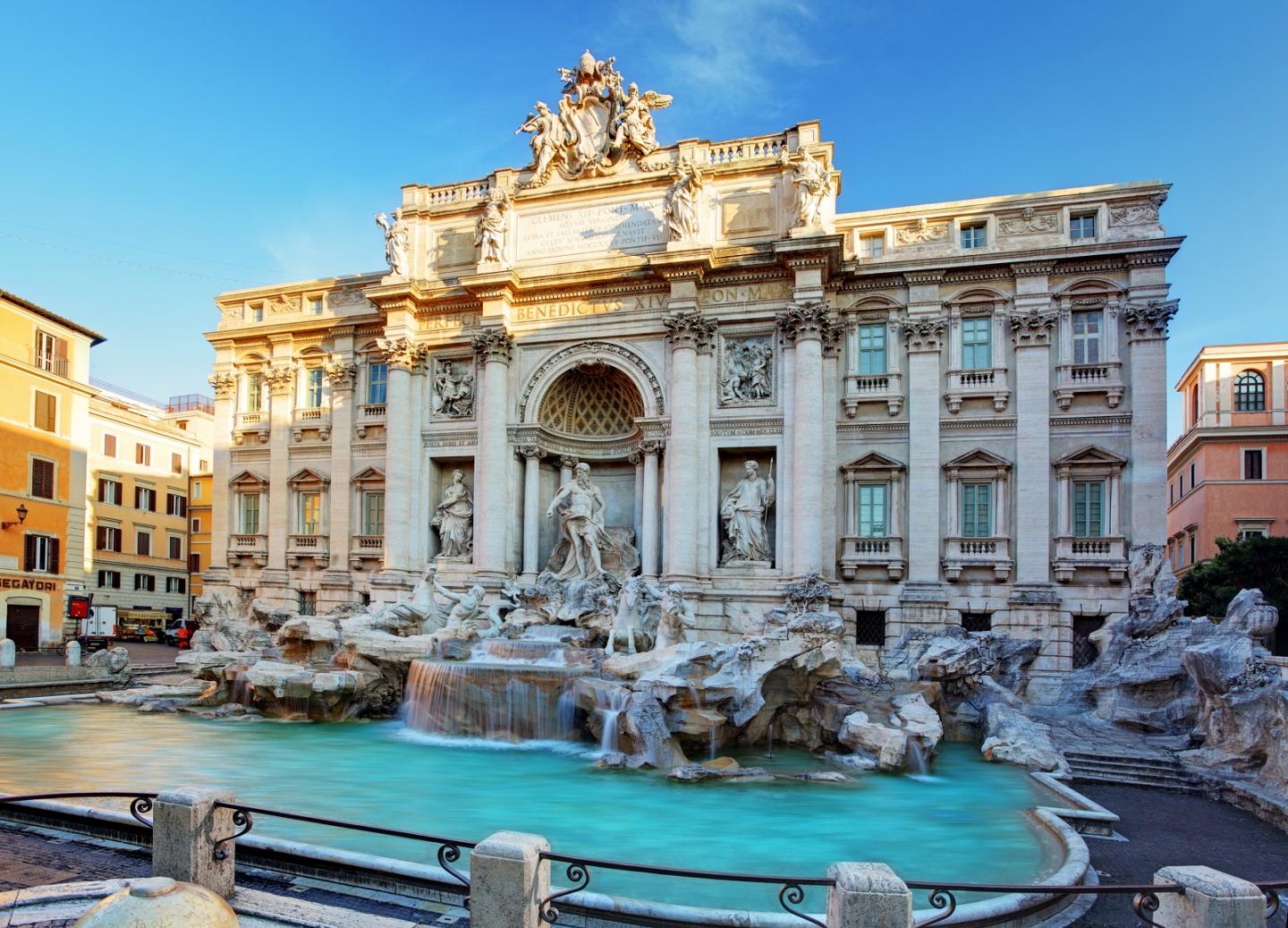
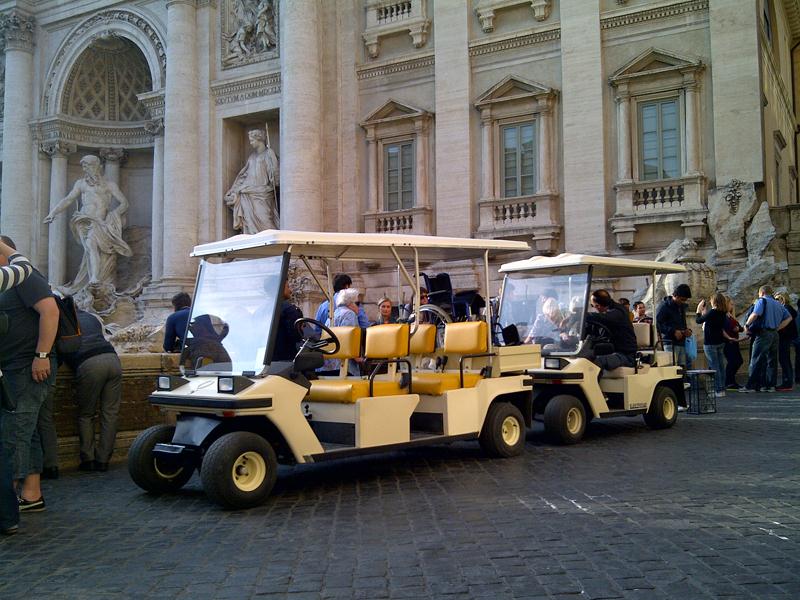
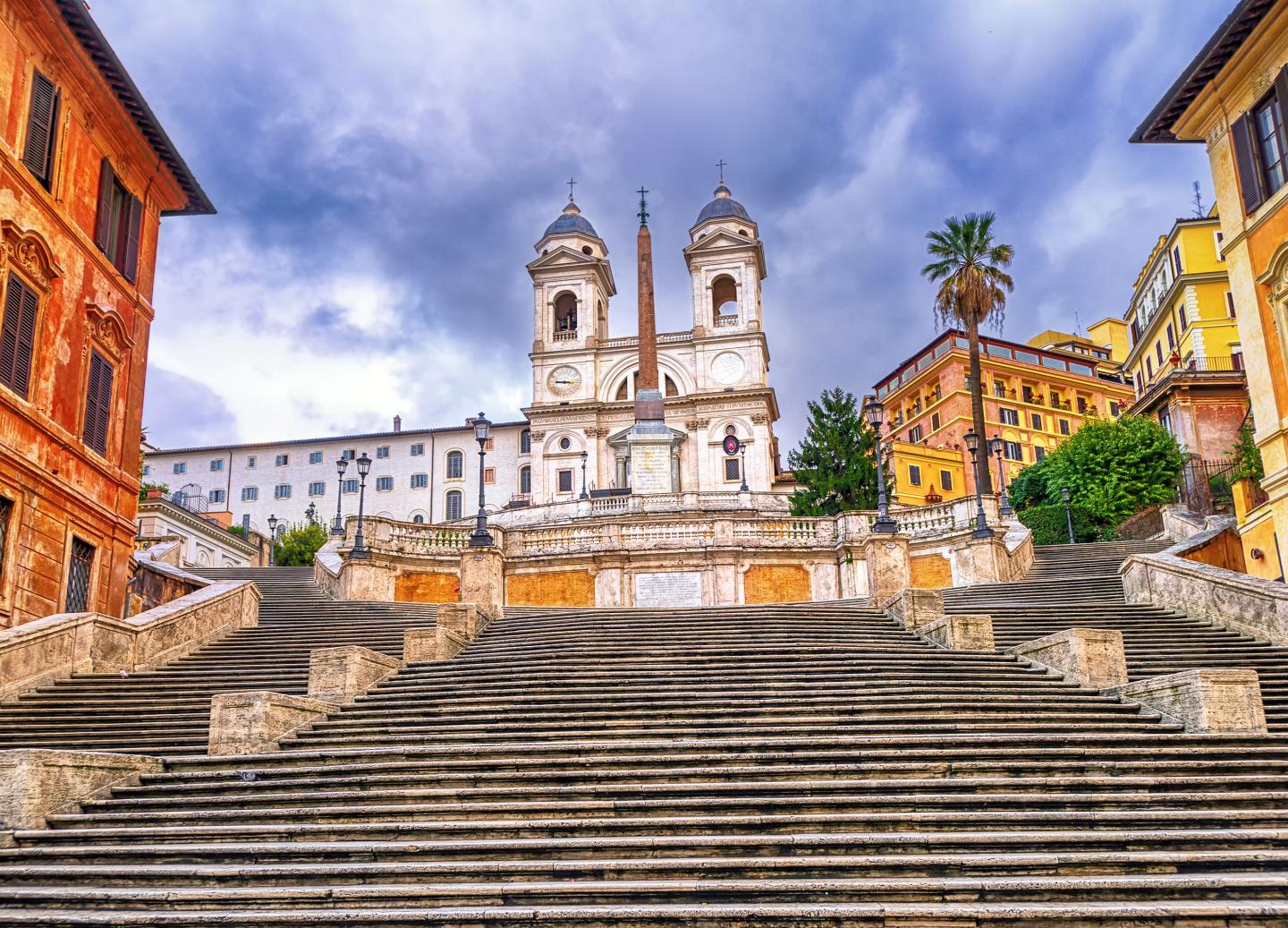
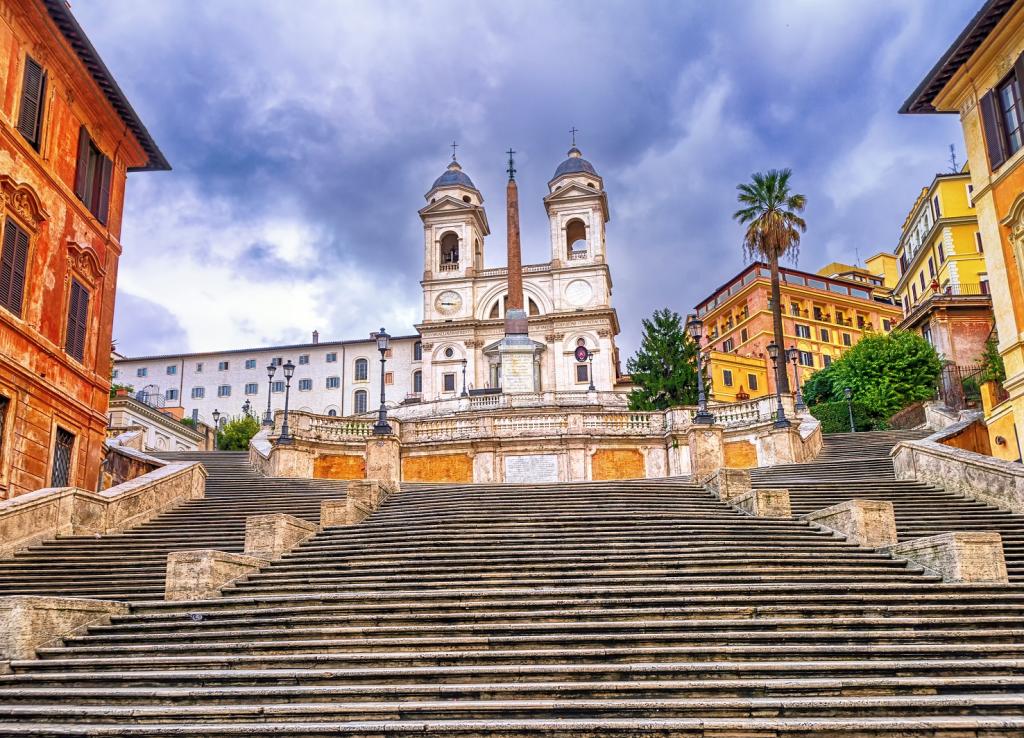
Time the Trevi Fountain and popular piazzas carefully. The Trevi Fountain draws Rome's largest crowds and is genuinely overwhelming at peak afternoon hours. Early morning before 8 AM or evening after 9 PM offer the most atmospheric experience — the fountain is floodlit at night and the surrounding Trevi neighbourhood takes on a noticeably more local character after dark. Similar logic applies to the Spanish Steps and Piazza Navona. Planning to visit these iconic spaces at off-peak hours rather than as midday stops makes a meaningful difference to the experience.
Wear proper walking shoes — Rome's streets demand them. Rome's cobblestone streets (sampietrini) are uneven, often irregular, and extend across virtually every neighbourhood worth visiting. Comfortable, supportive walking shoes are not optional — inappropriate footwear will cause real discomfort on a full day of exploration. The historic centre is compact enough that most points of interest are walkable between each other, making total daily step counts high. In summer, carry a refillable water bottle: Rome's public drinking fountains (nasoni) provide free, cold, drinkable water throughout the city.
Port Facts Every Cruiser Needs To Know
Civitavecchia (Rome) shore excursion FAQs
Central Rome is approximately 80 kilometres southeast of Civitavecchia port. Regional trains from Civitavecchia station (a short walk from the port gate) reach Roma Termini in approximately 1 hour 15 to 1 hour 30 minutes. Road transfers take similar time but are more susceptible to traffic congestion, particularly on summer weekends and public holidays.
Yes. Timed-entry tickets for the Colosseum — which also cover the Roman Forum and Palatine Hill — are strongly recommended, especially between April and October. Daily capacity limits mean popular slots sell out well in advance. Attempting entry without a ticket typically results in a wait of one to three hours, which is rarely manageable on a cruise day ashore. Venture Ashore tours with Colosseum access include pre-reserved entry.
It is possible but demands tight timing. Each site typically takes 2–3 hours to visit properly, and transit between them adds around 30–40 minutes. Combined with 3 hours of port-to-city travel, a dual itinerary leaves almost no margin for delays or queues. Most visitors find that focusing on one area per day — Colosseum and Forum, or Vatican — produces a more rewarding experience than rushing both.
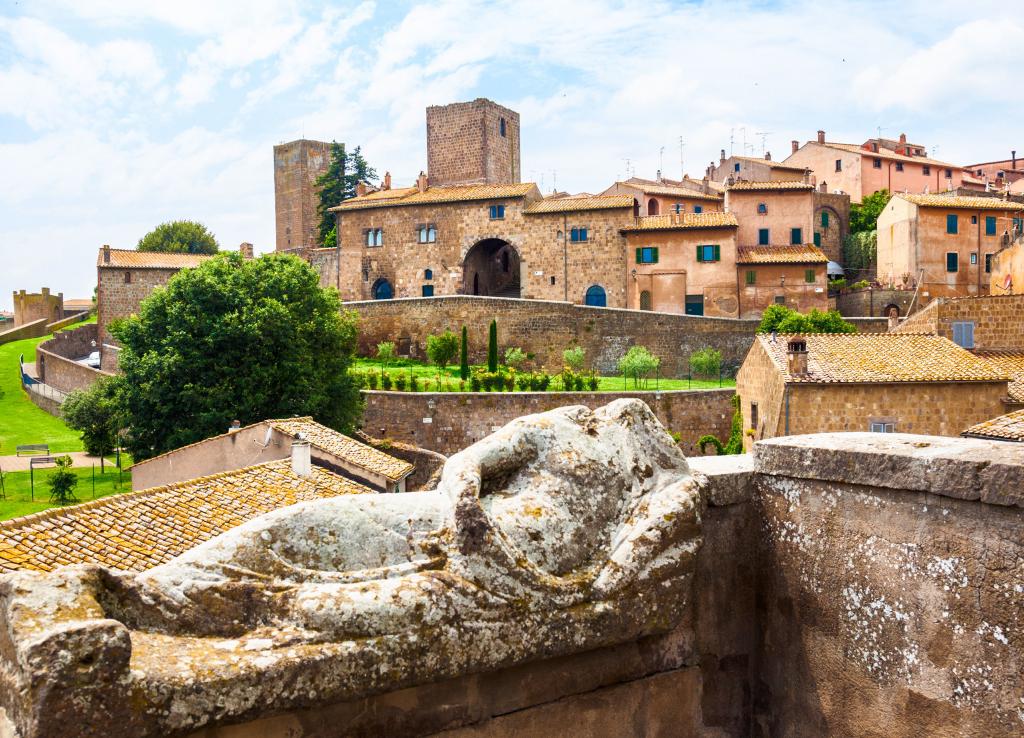
Yes. The Etruscan hilltop town of Tuscania, the volcanic crater Lake Bolsena, and the village of Civita di Bagnoregio are all within 1–1.5 hours of the port and offer a very different Italian experience from Rome's intensity. Venture Ashore offers private excursions to Tuscania and Lake Bolsena, and to Civita di Bagnoregio, for passengers seeking countryside alternatives to the capital.
The Catacombs of San Callisto is an early Christian burial network on the Appian Way, containing the tombs of multiple early popes and thousands of martyrs. Guided tours descend through narrow passages with ancient frescoes and inscriptions. The site is not suitable for visitors with severe claustrophobia or significant mobility limitations, as passages are narrow and involve stairs. Underground temperature is approximately 15°C year-round — a welcome break in summer heat.
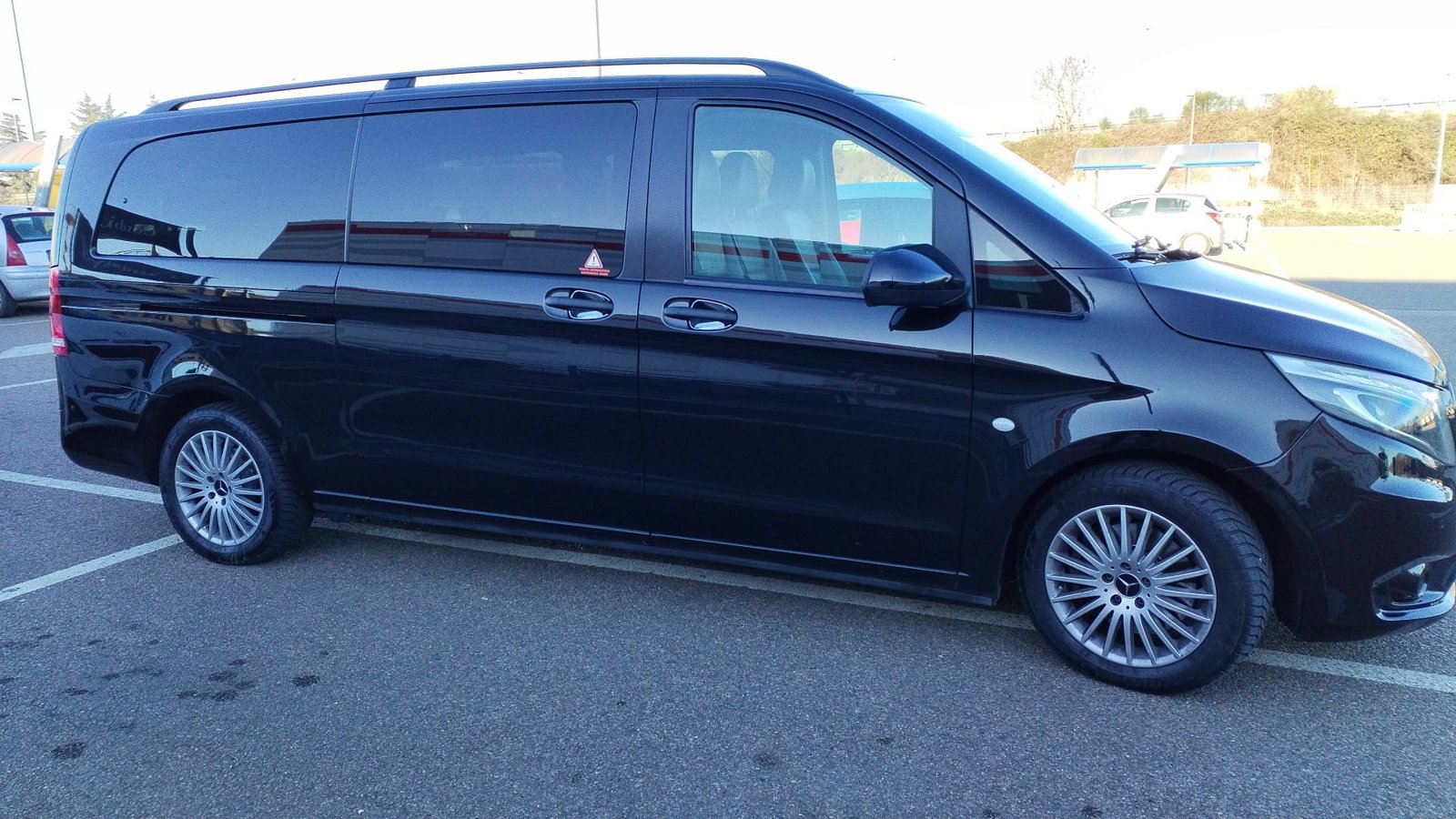
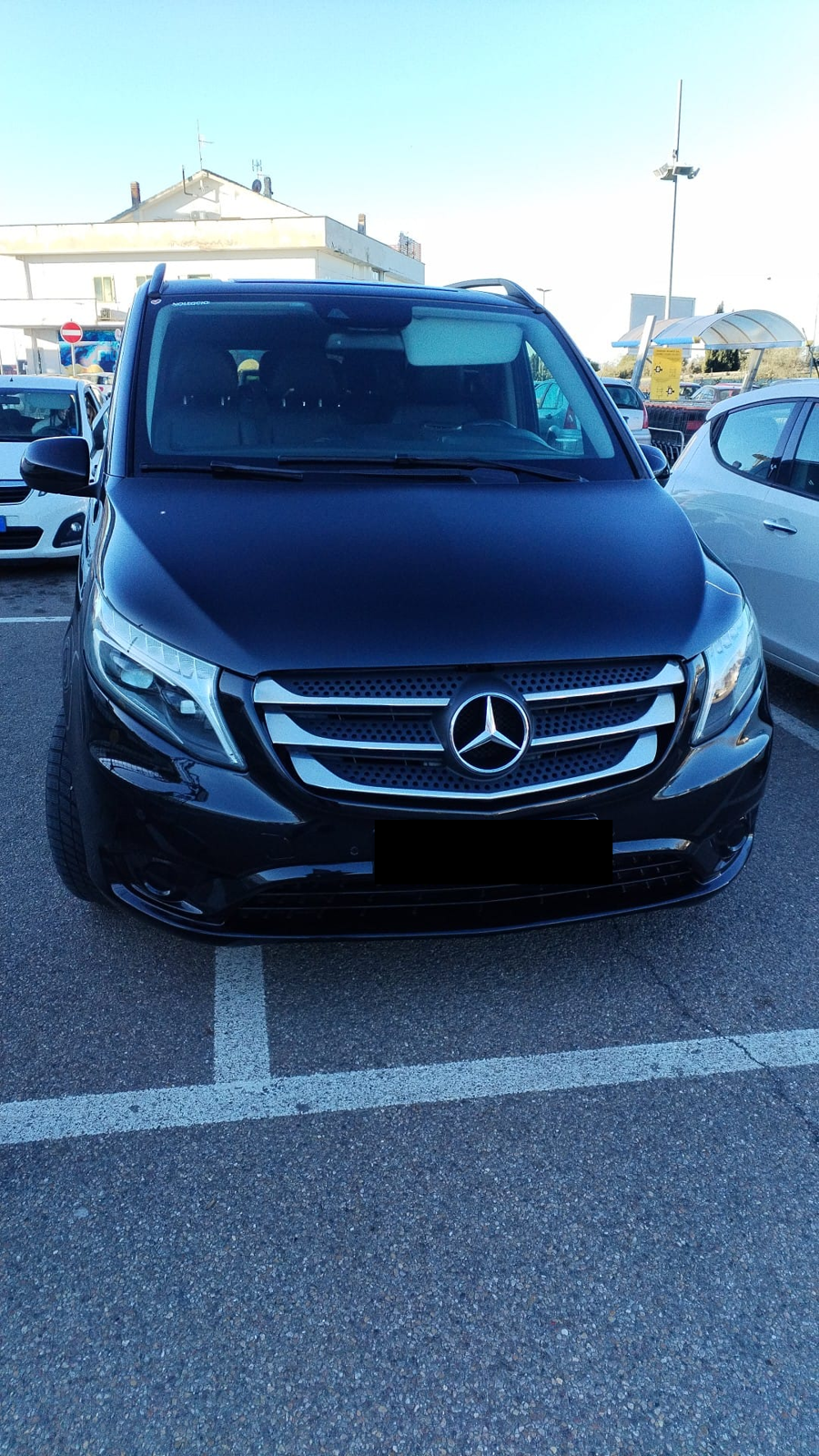
Rome's cobblestone streets and crowded monuments present real challenges for visitors with mobility limitations. Many major sites have accessible entrances but are not fully wheelchair-navigable throughout. Venture Ashore offers wheelchair-adapted vehicle options for several Rome itineraries, including a classic Rome private tour and a Tuscania and Lake Bolsena excursion specifically designed for passengers with mobility needs.
Italy uses the Euro. ATMs (Bancomat) are widely available throughout central Rome. Card payments are accepted at the majority of restaurants, shops, and attraction ticket offices, though smaller neighbourhood businesses may prefer cash. There is no need to exchange currency before arrival if you have access to an ATM at or near the port.
Yes. Tivoli is approximately 80 kilometres from Civitavecchia by road and contains two UNESCO World Heritage sites: the Renaissance garden complex of Villa d'Este and the ancient imperial retreat of Villa Adriana. A private excursion makes efficient use of limited time by combining both sites. Visiting Tivoli independently by public transport from Rome is possible but time-consuming and not well-suited to the constraints of a cruise day.
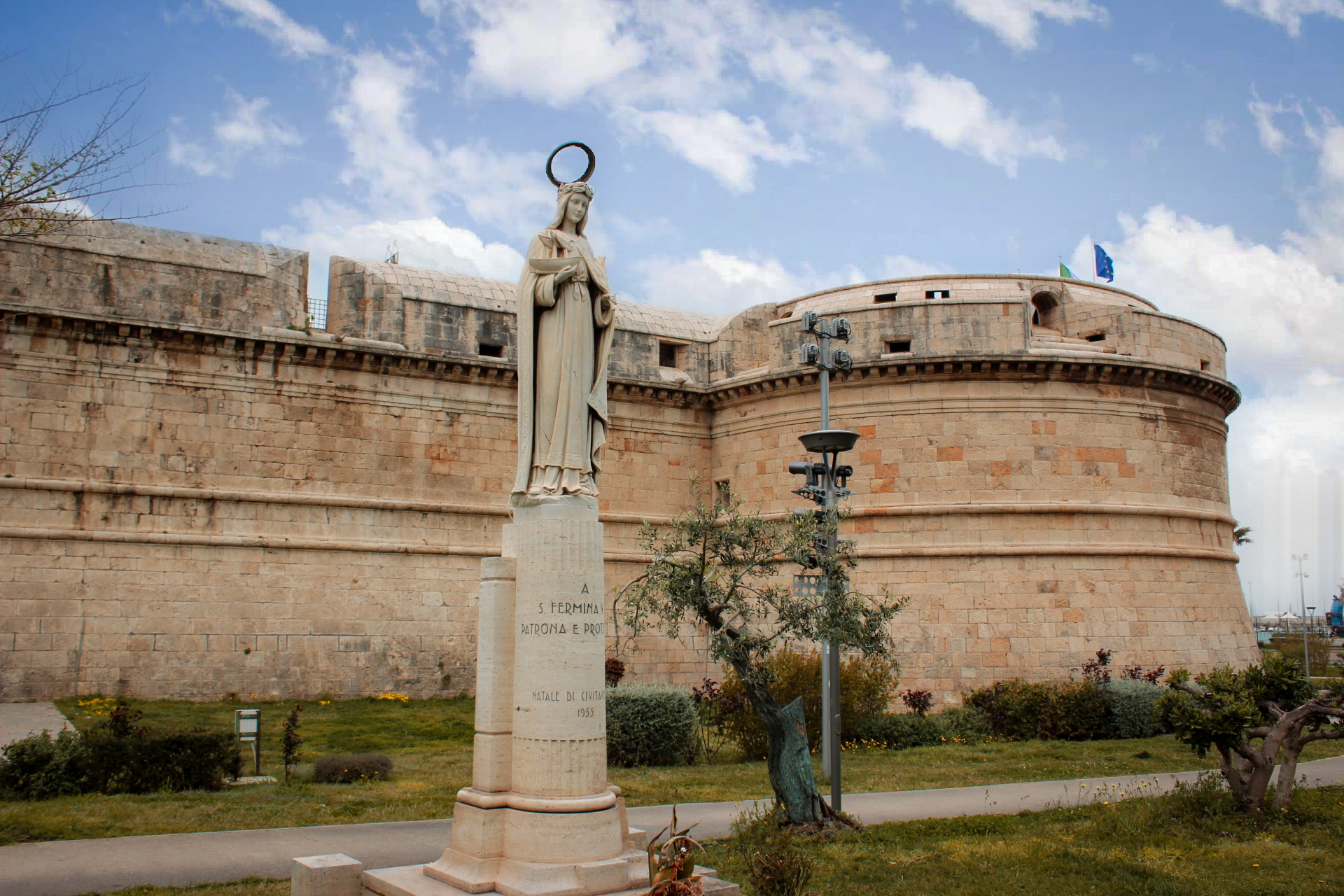
The panoramic open bus tour of Civitavecchia is a live-guided circuit of the port town itself, covering the seafront, the historic centre — including the Forte Michelangelo fortification — and the surrounding Tyrrhenian coastline. It suits passengers who prefer not to make the journey to Rome, or those managing fatigue or mobility considerations, providing a structured and comfortable introduction to the local area.
Rome in July and August is genuinely hot, with temperatures regularly exceeding 35°C. Light, breathable clothing and sun protection are essential. Comfortable walking shoes are critical on cobblestone streets. Rome's public drinking fountains (nasoni) provide free cold water throughout the city — carrying a refillable bottle is practical. Religious sites require covered shoulders and knees regardless of outdoor temperature, so keep a lightweight layer accessible.
Filters
Select a filter to refine results.
Tour Type
Tour Activity
 Cart
Cart
 USD
USD GBP
GBP AUD
AUD EUR
EUR CAD
CAD