





Looking for another Cruise?
Tours in Dubrovnik




Cruising to Dubrovnik in a group?
Skip the crowded ship excursion bus. One dedicated planner will design a private shore experience around exactly what your group wants — coordinated from first enquiry to the moment you're back on board. More memorable, more flexible, and more affordable than you might expect. Spend less time organising, more time enjoying.
Explore Group Travel →Cruising to Dubrovnik
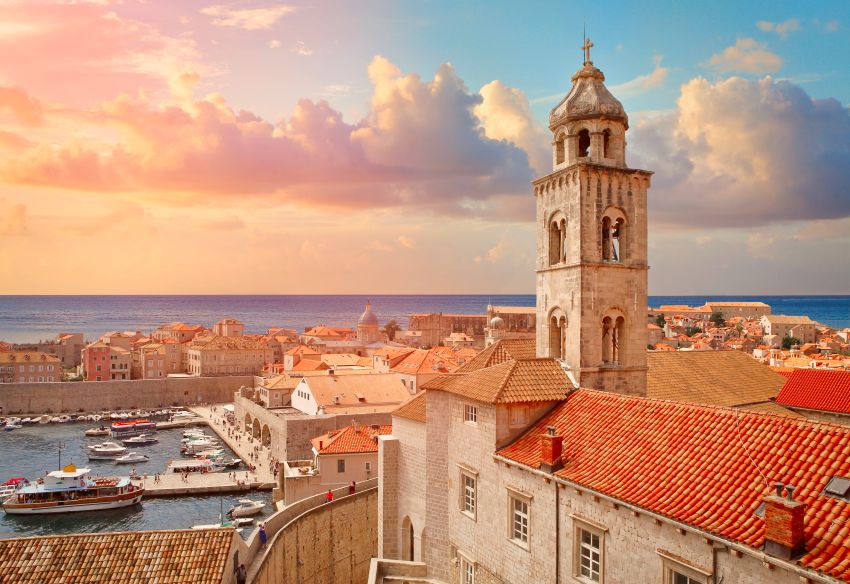
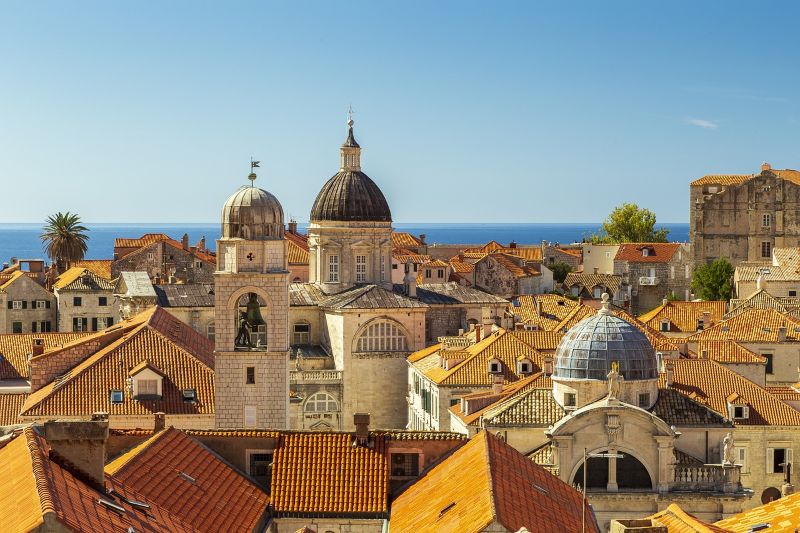
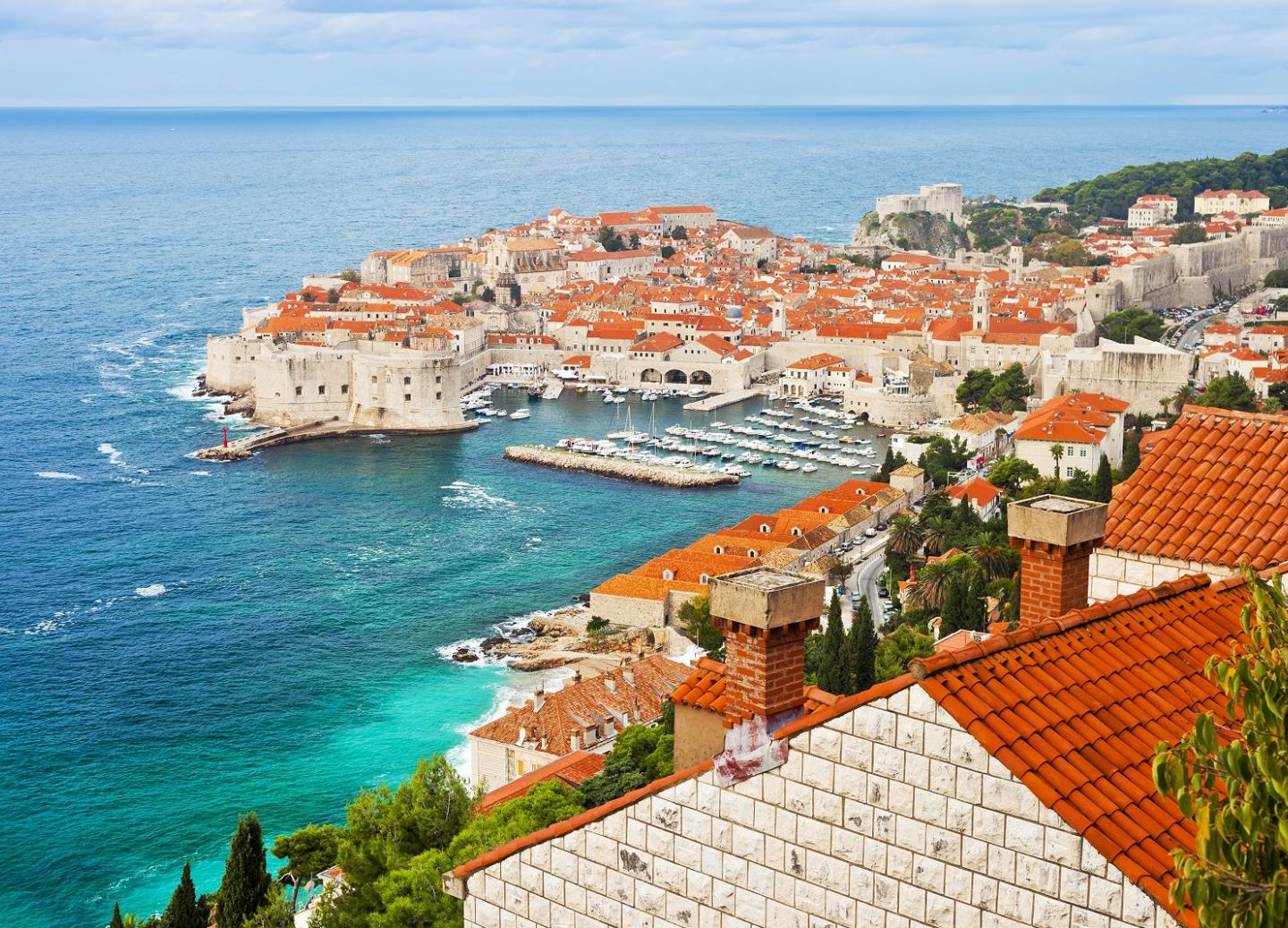
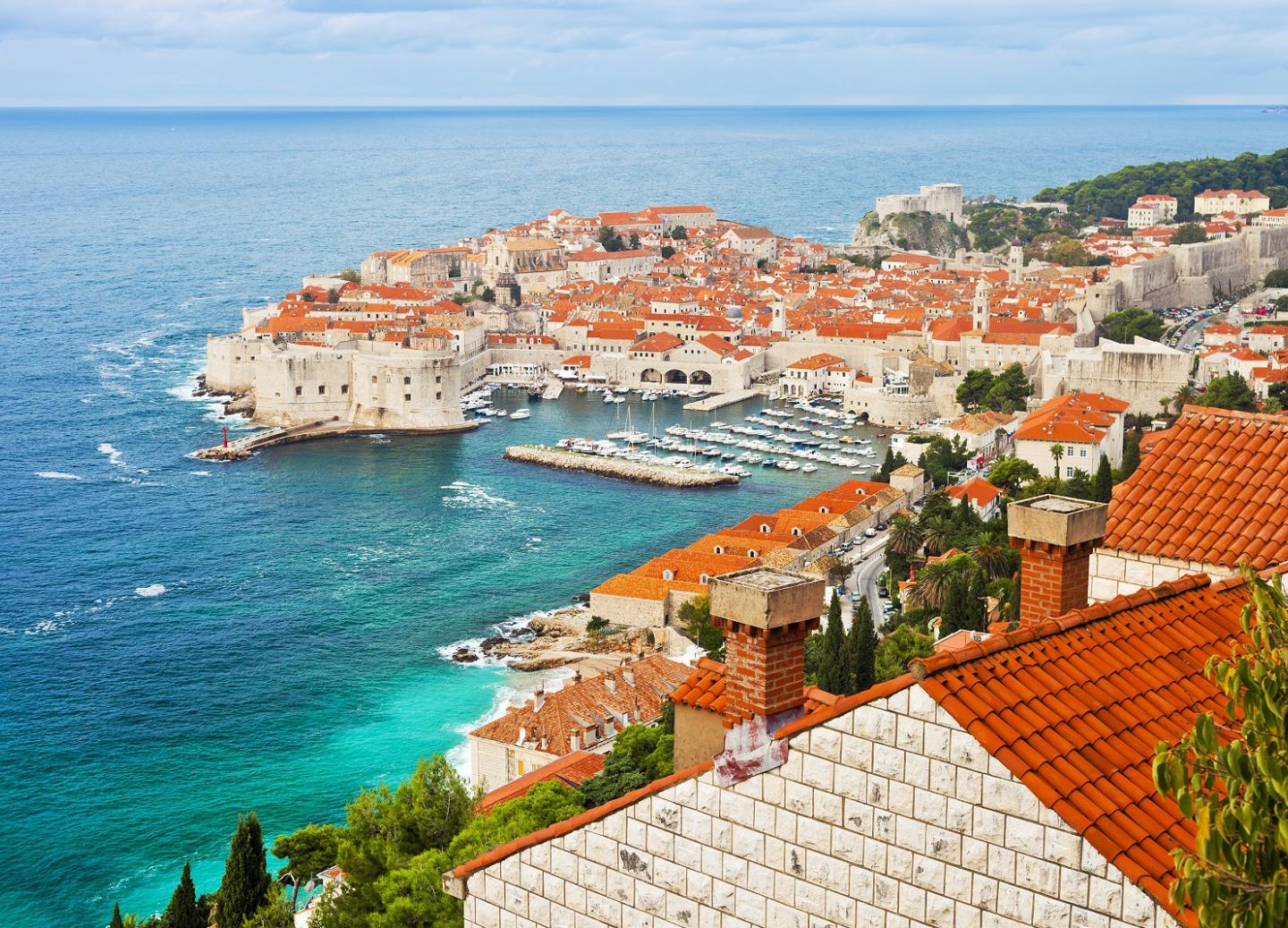
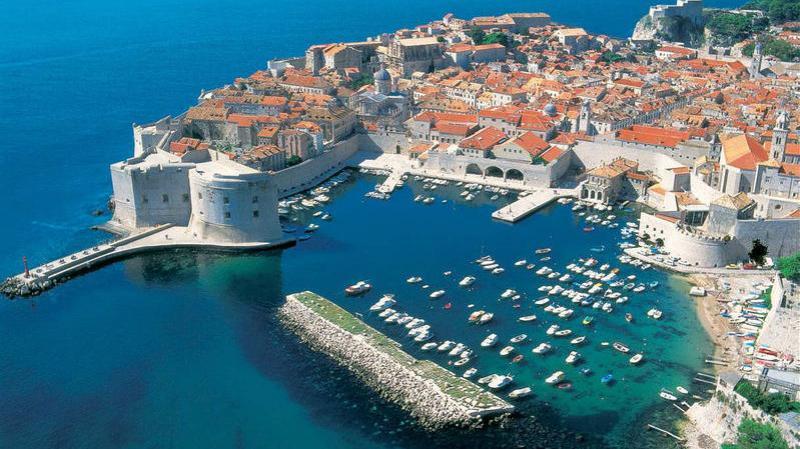
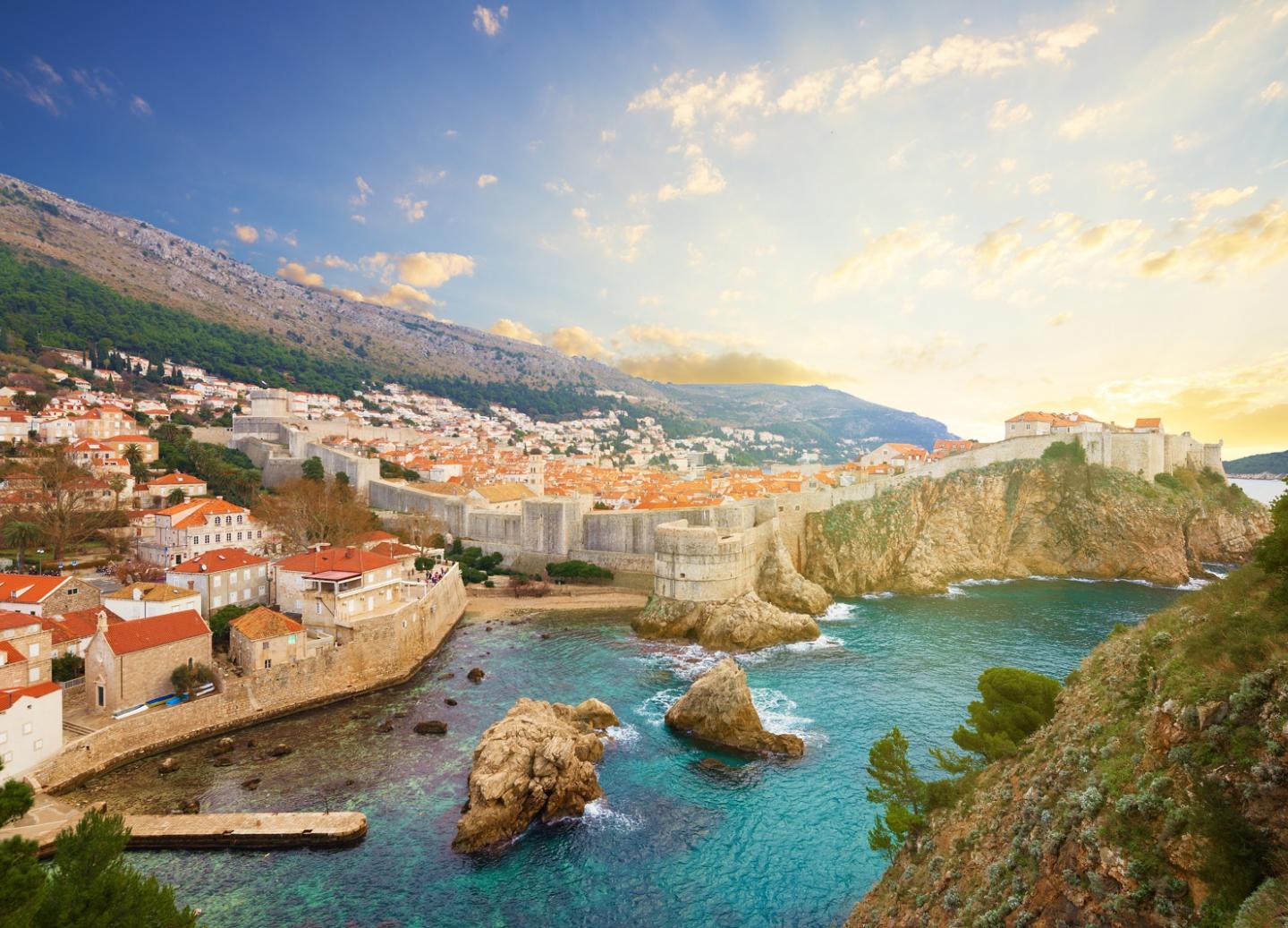
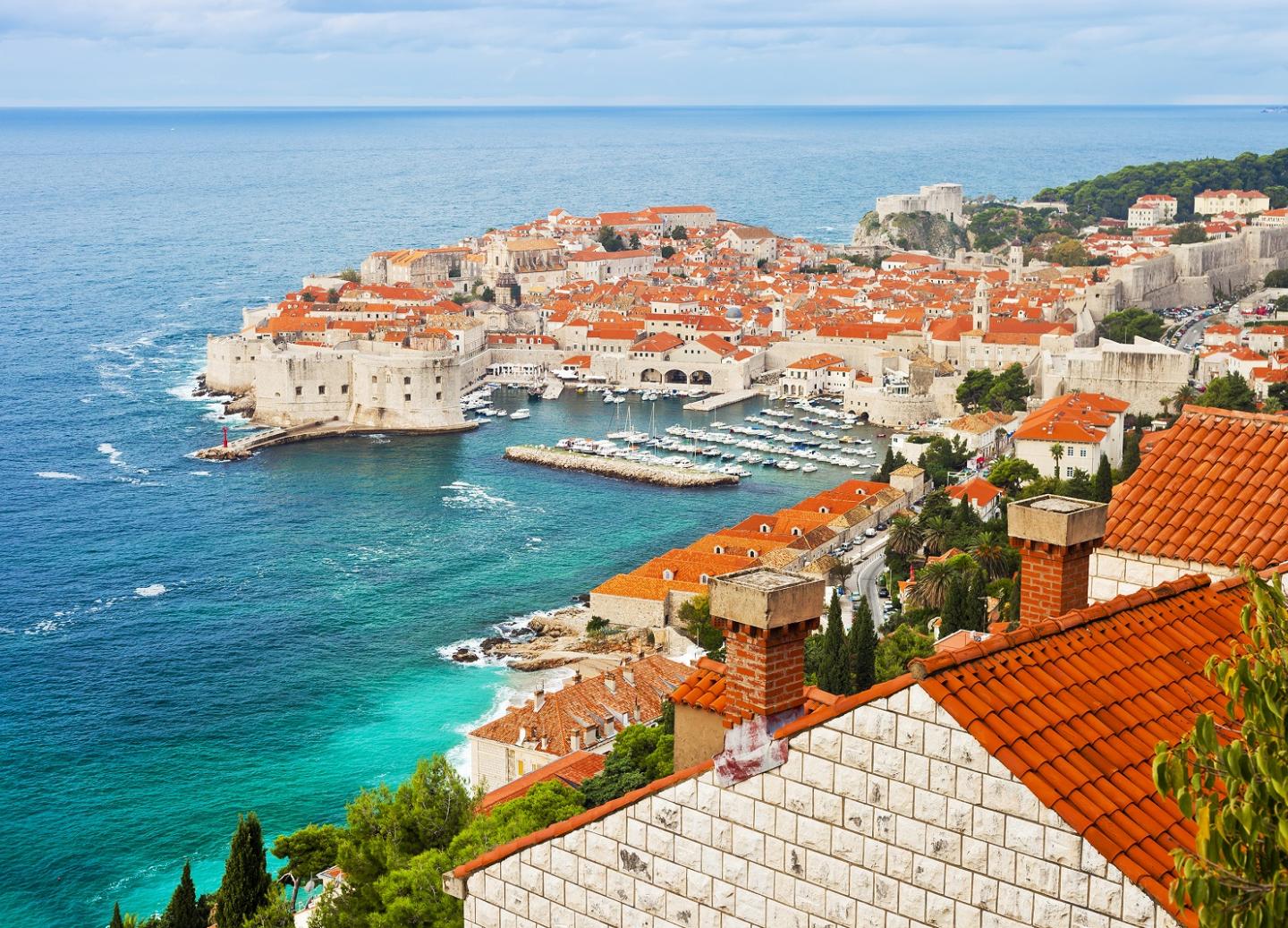
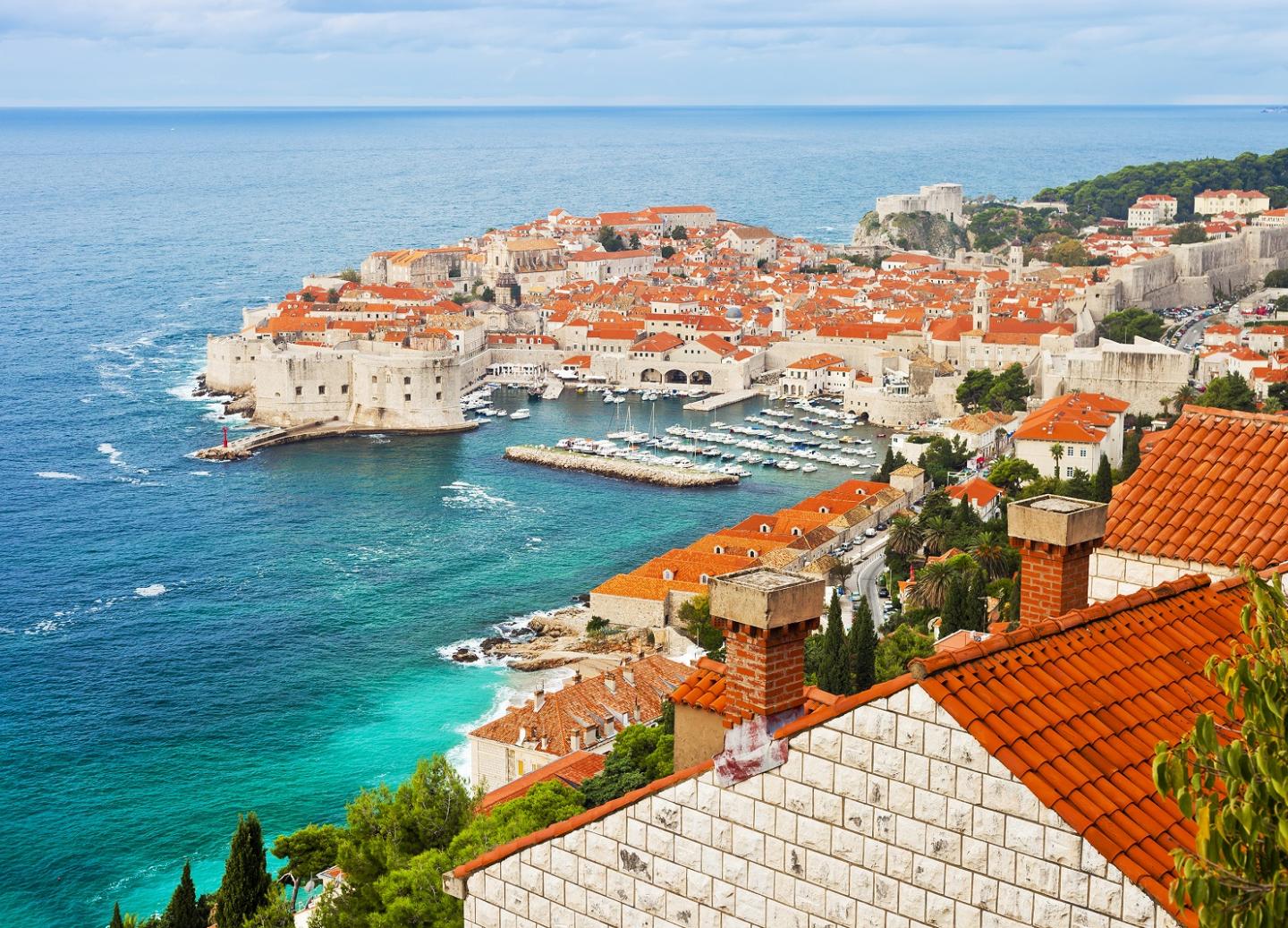
Dubrovnik sits at the southern tip of Croatia's Dalmatian coast, its UNESCO-listed walled city rising dramatically above the Adriatic Sea. Founded in the 7th century, the city flourished as the Republic of Ragusa — a prosperous maritime state that rivalled Venice in trade and diplomacy. Within its 2 km of medieval walls, baroque churches, Renaissance fountains, and marble-paved streets create one of Europe's most cohesive historic cityscapes. Beyond the walls, the surrounding coastline offers sea kayaking, island day trips to Korcula and the Elafiti archipelago, and the wine country of the Pelješac peninsula. Dubrovnik's role as a filming location for King's Landing in Game of Thrones has added a layer of global recognition to its already considerable appeal. Cruise passengers typically have 6–10 hours ashore — enough time to walk the City Walls, explore the Old Town, ride the cable car for panoramic views, and perhaps venture to a nearby village or winery.
Top things to do in Dubrovnik on a cruise stopover
The Old Town: A Living Medieval City
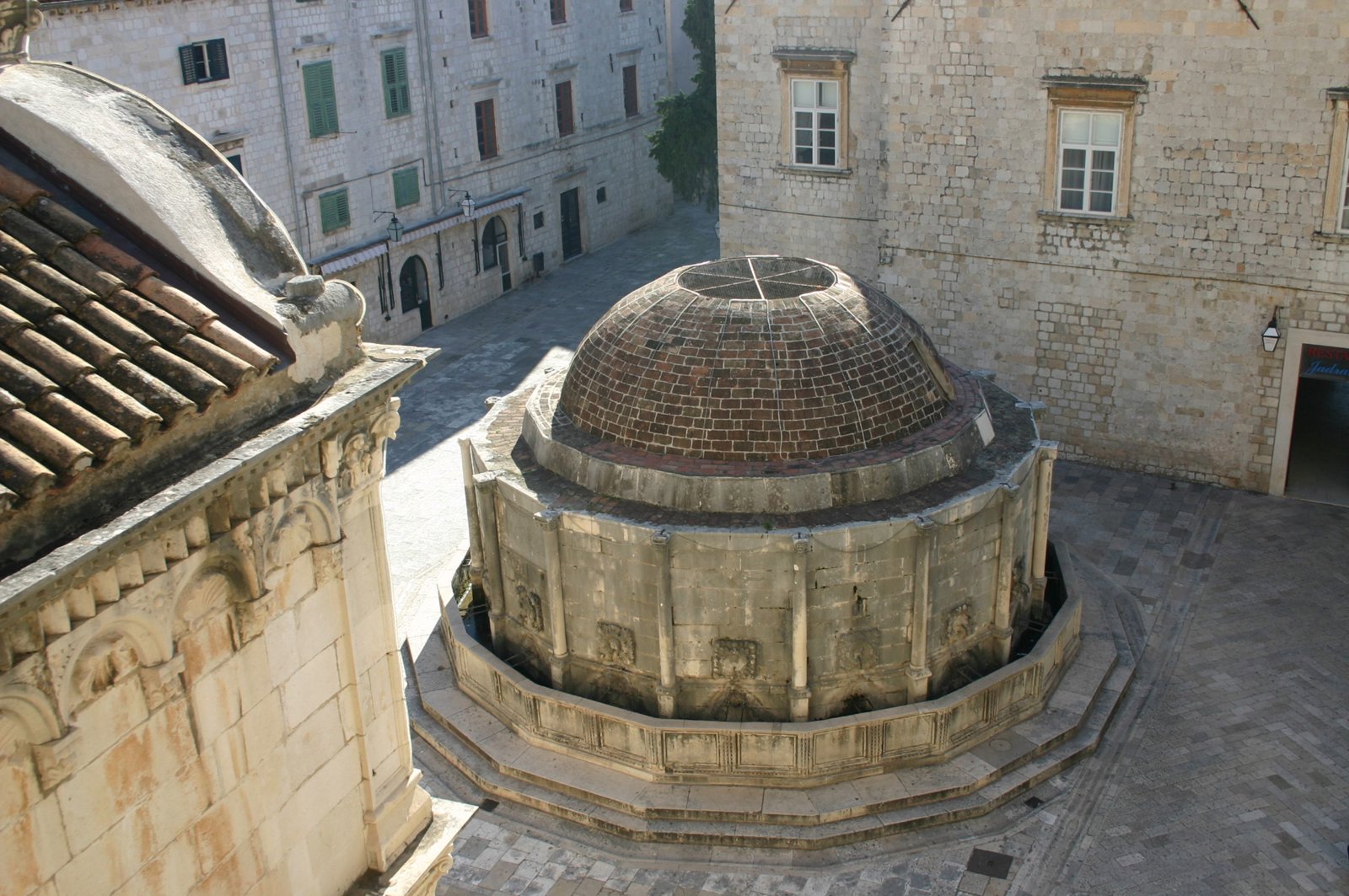
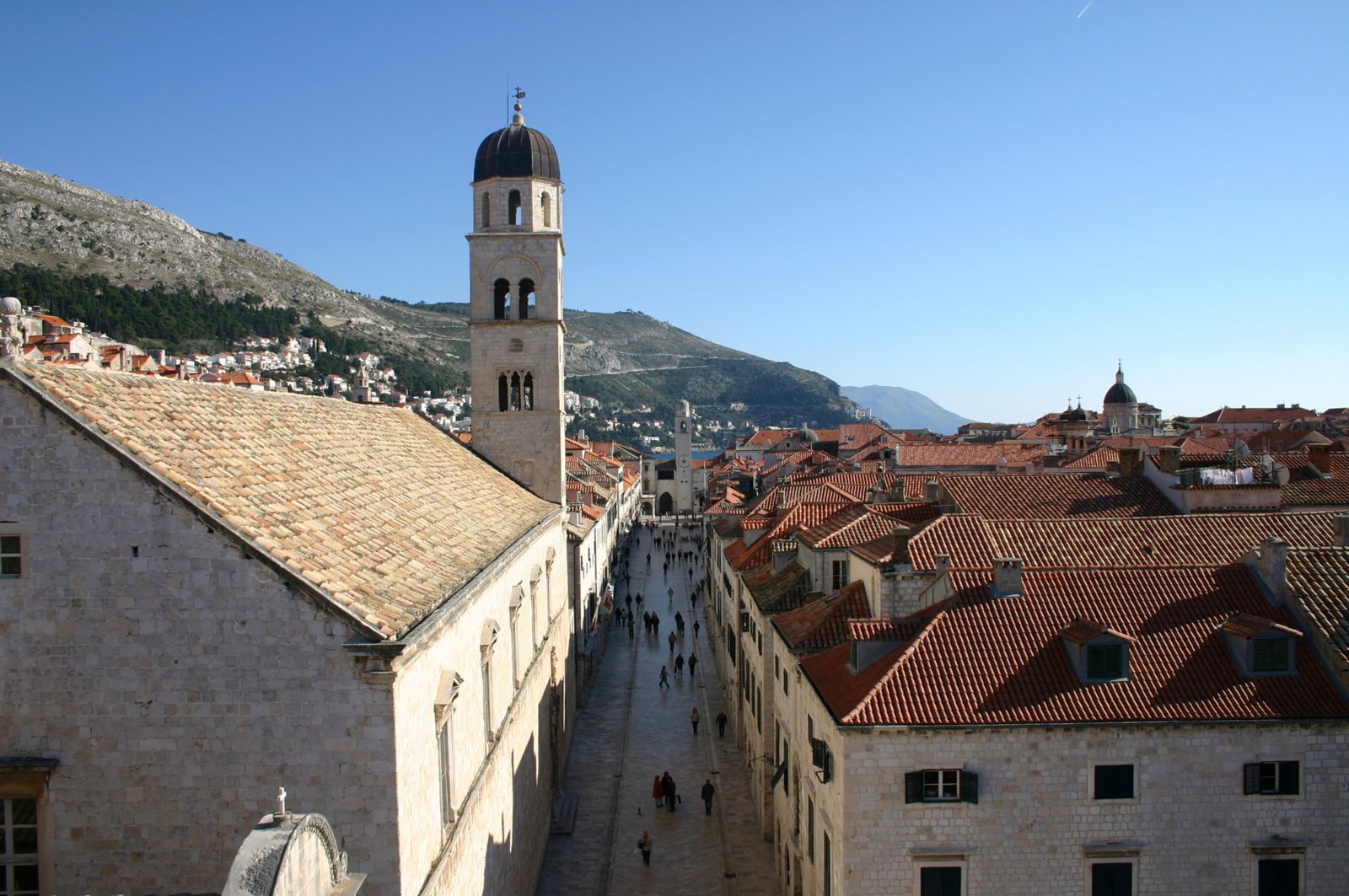
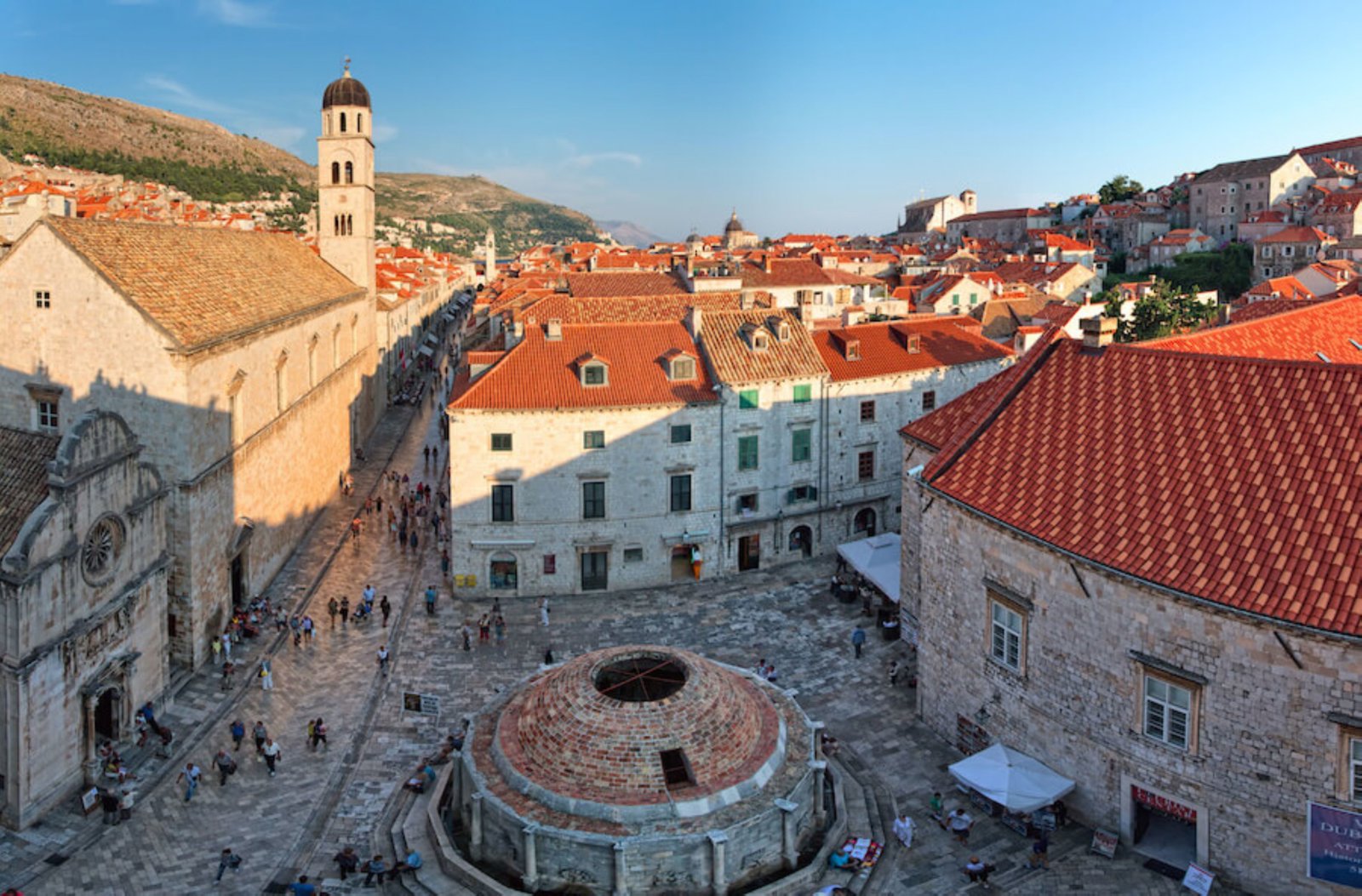
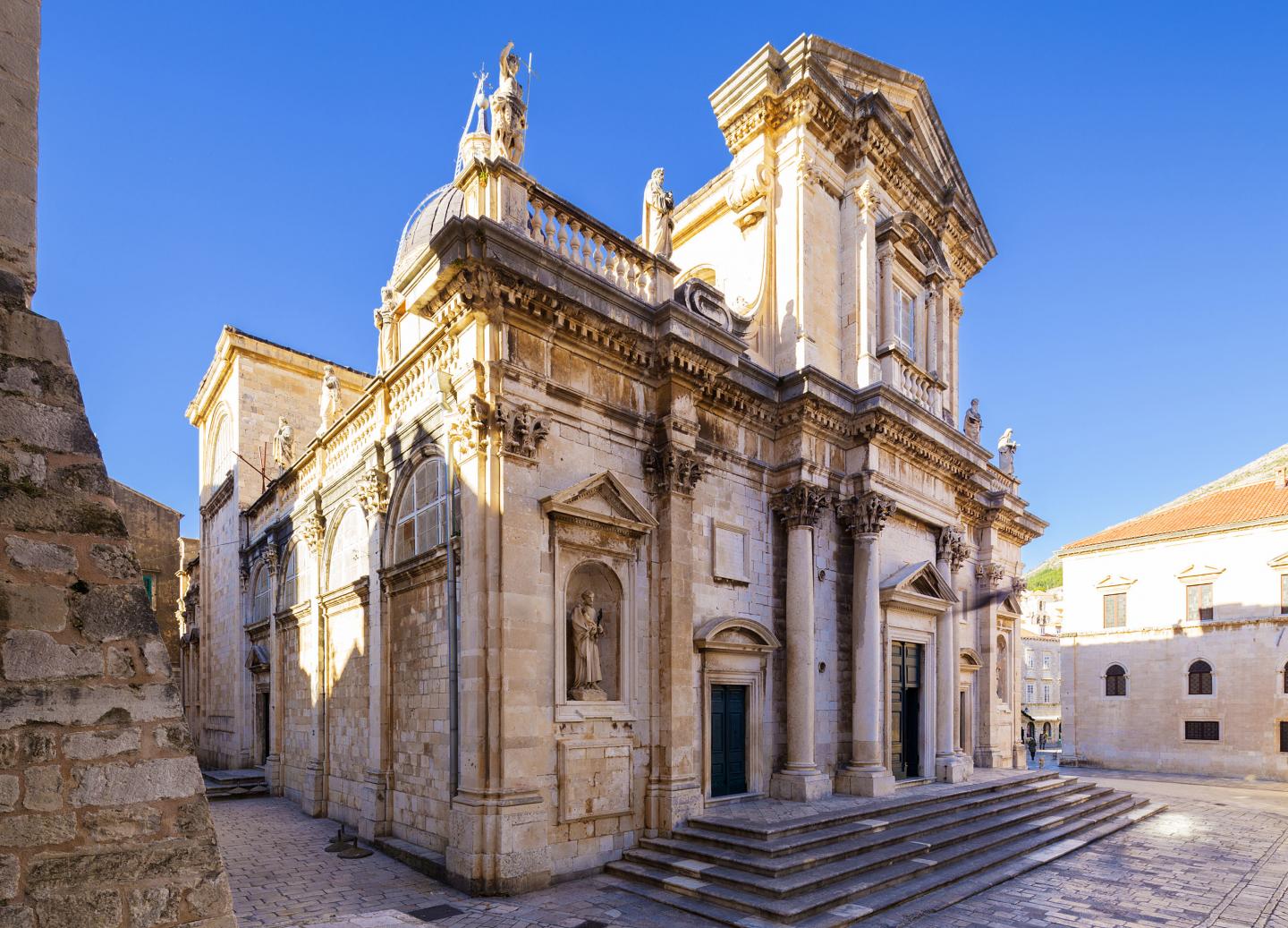
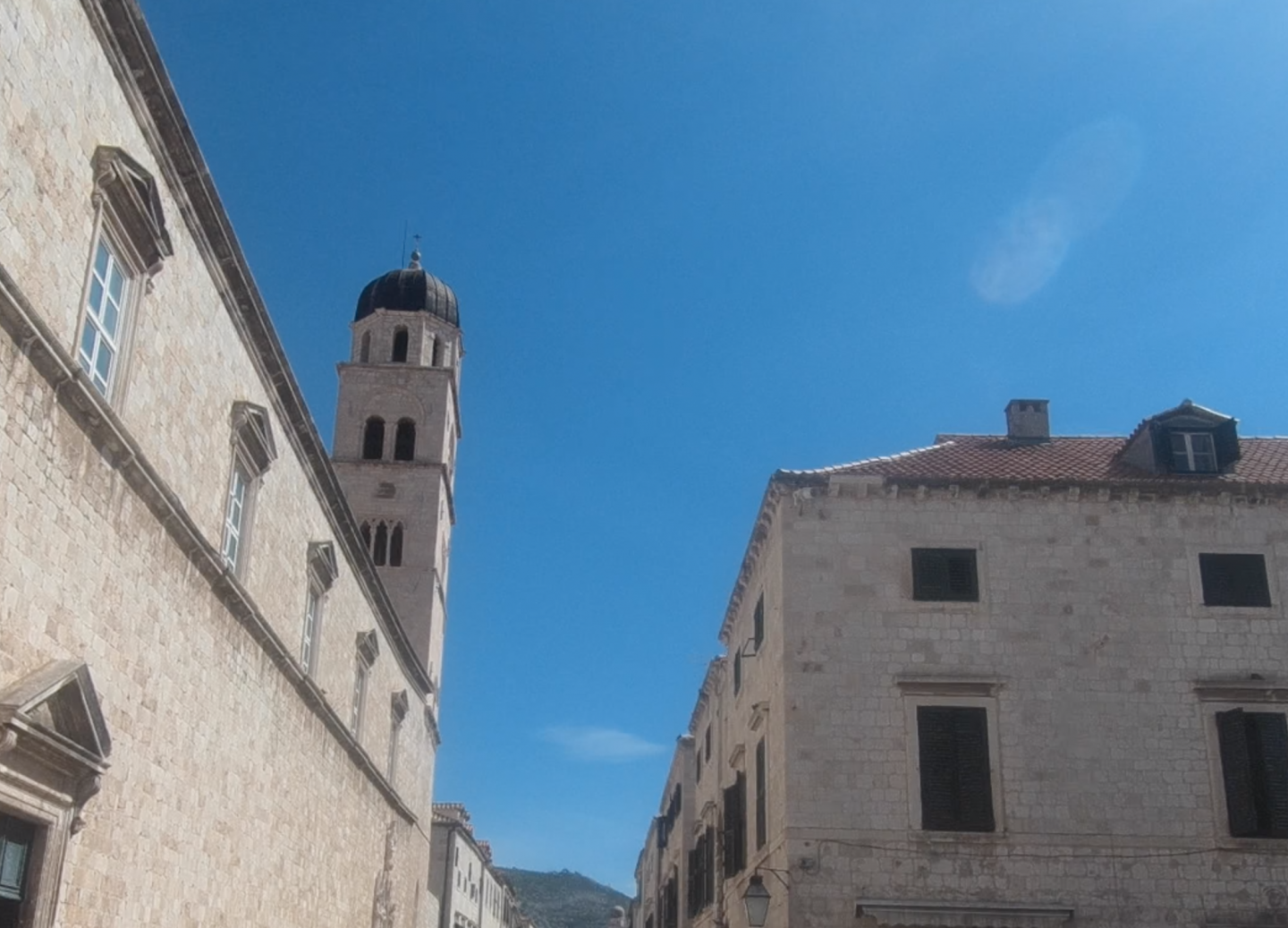
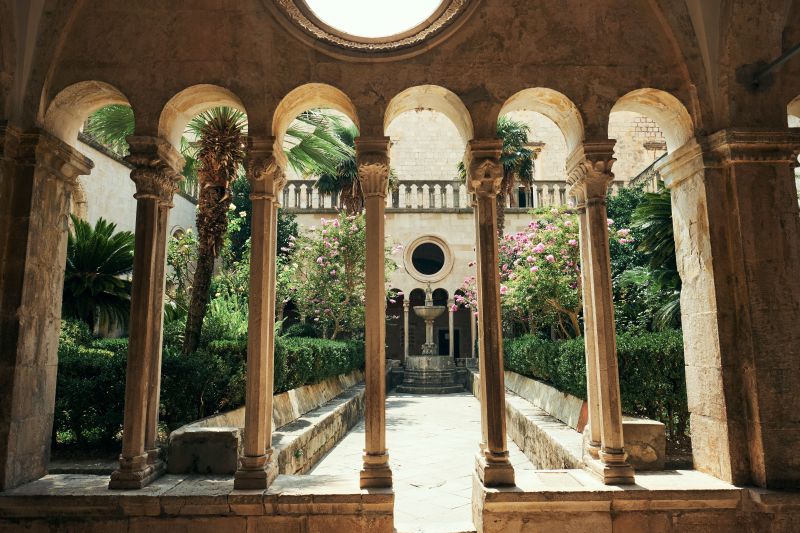
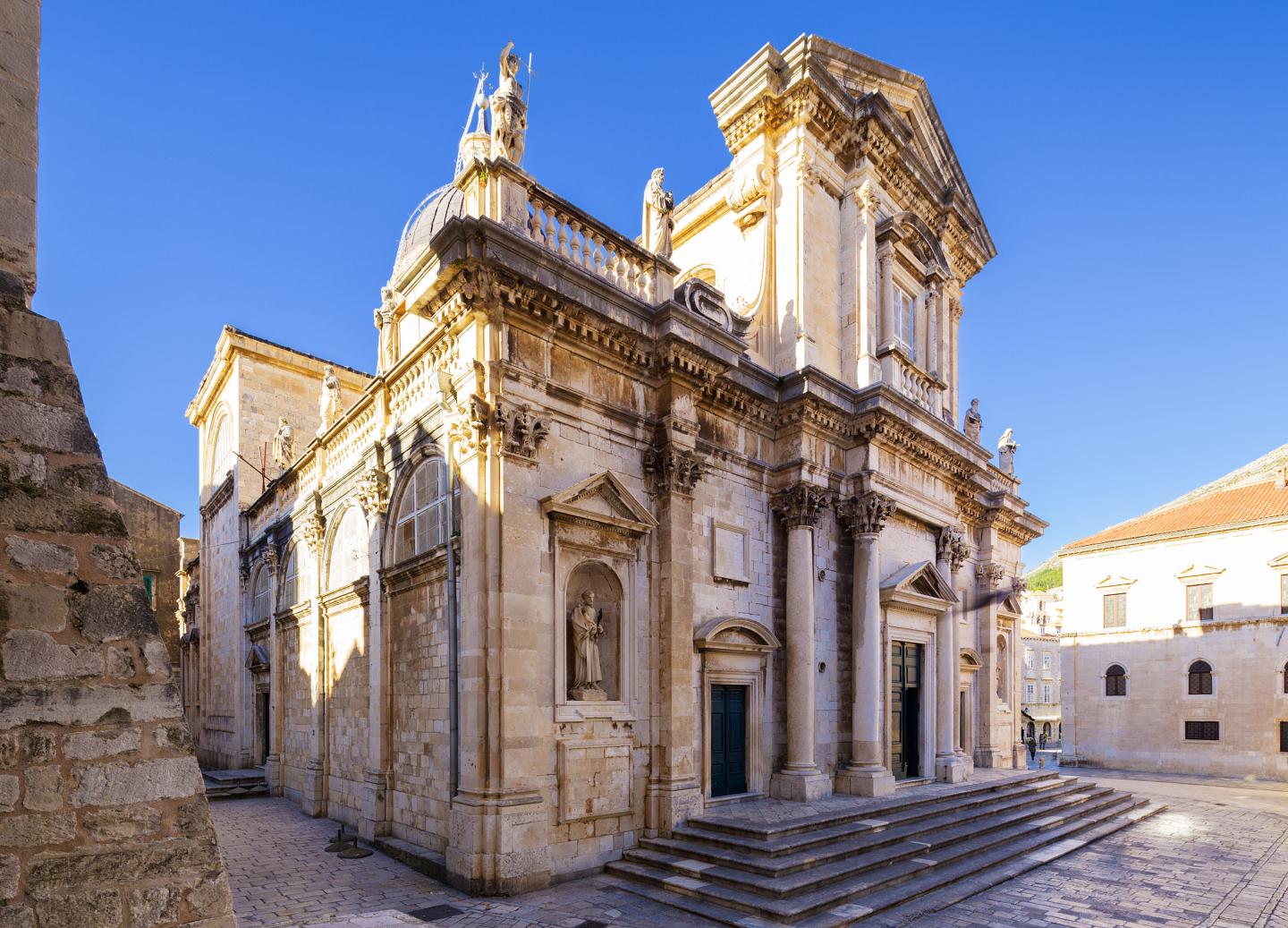
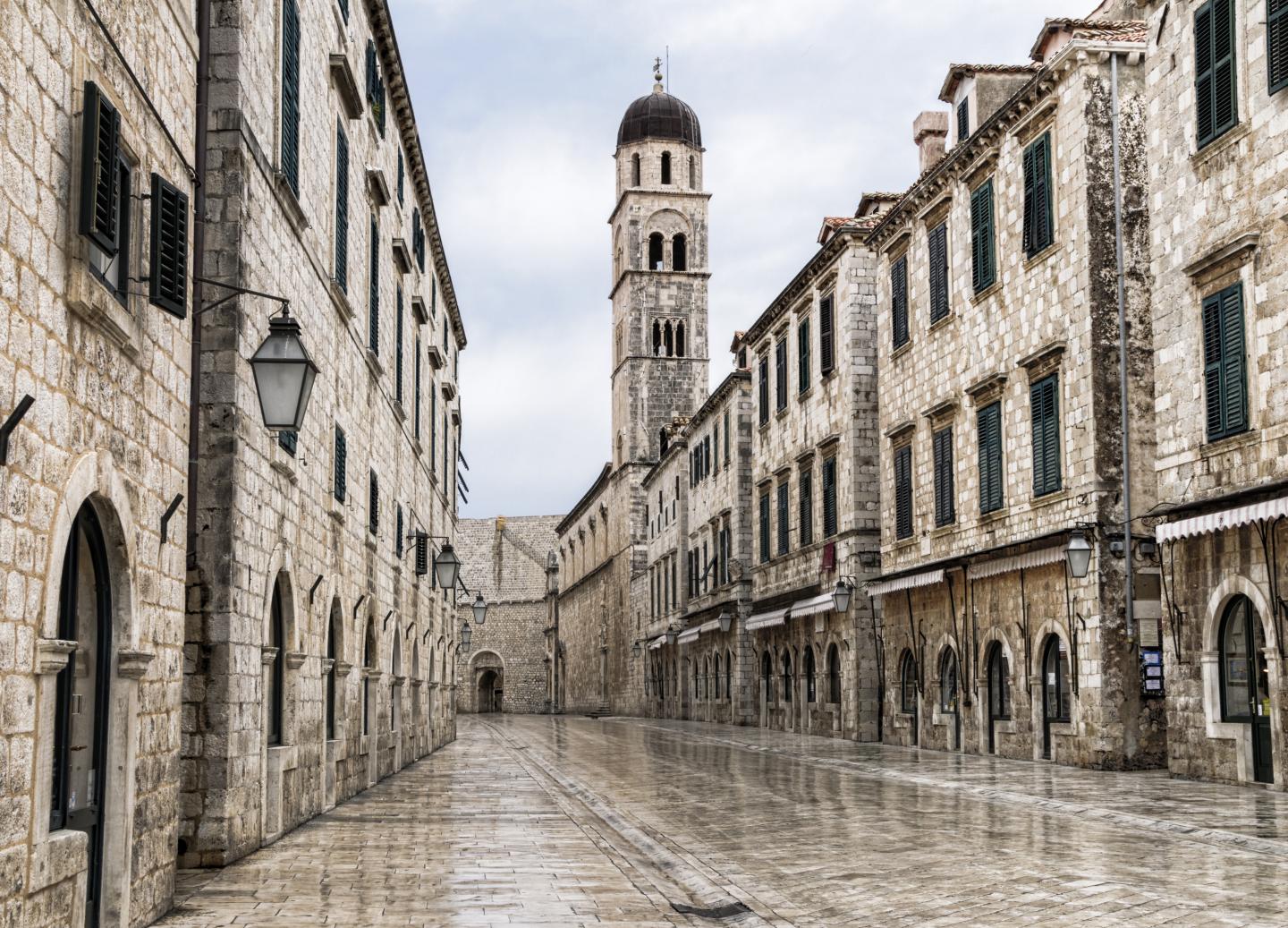
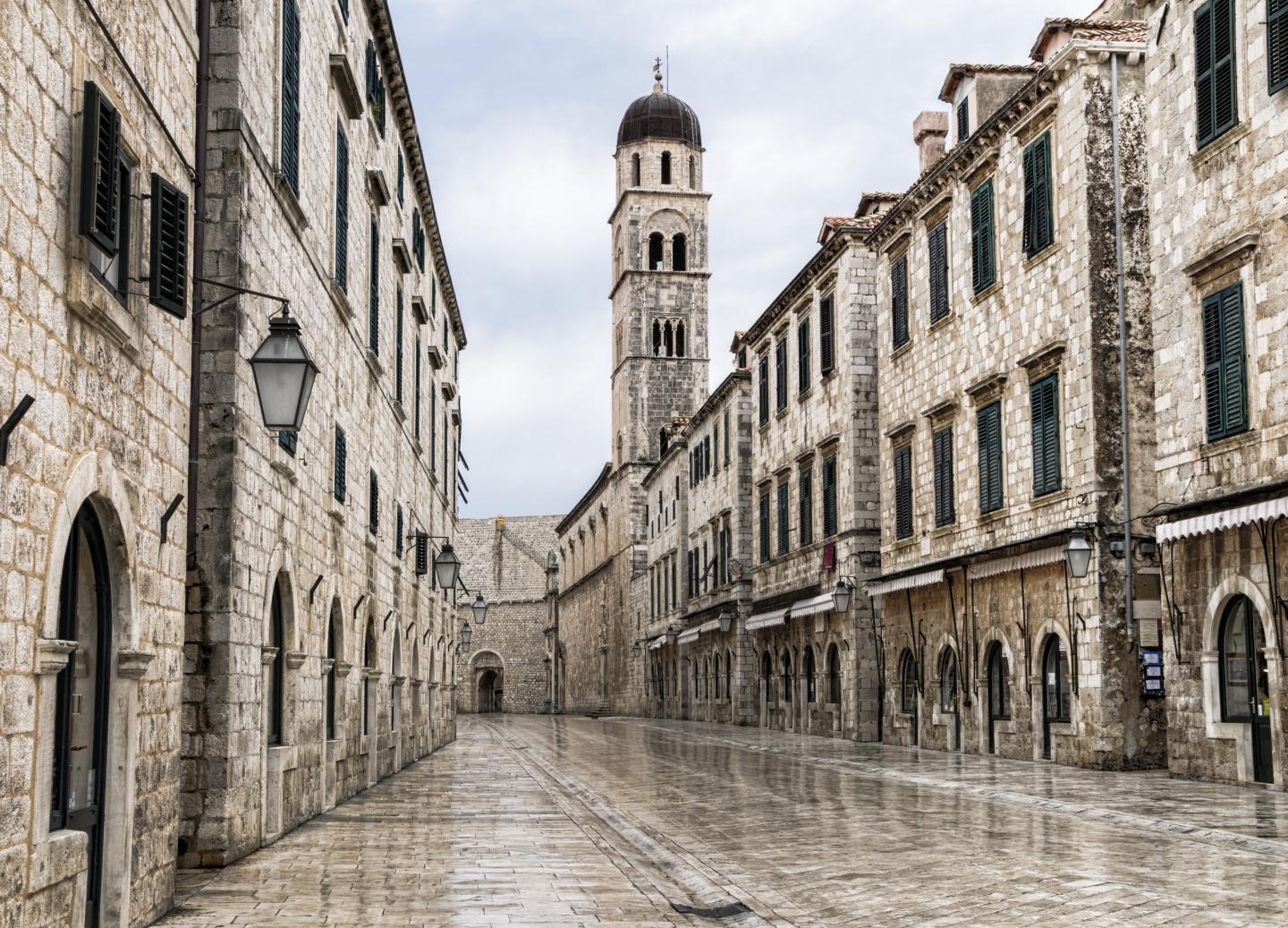
Dubrovnik's walled Old Town is a UNESCO World Heritage Site and one of Europe's best-preserved medieval urban centres. The main artery, Stradun (also called Placa), runs the length of the city — a broad limestone promenade flanked by baroque palaces, churches, and cafes. Key landmarks include the Rector's Palace, the 16th-century Onofrio's Fountain, the Dominican and Franciscan monasteries, and the Cathedral of the Assumption. Guided walking tours provide historical context that transforms a stroll into a vivid account of Ragusan merchant culture, plague survival, and architectural resilience following the 1667 earthquake.
City Walls: A Circuit Above the Adriatic
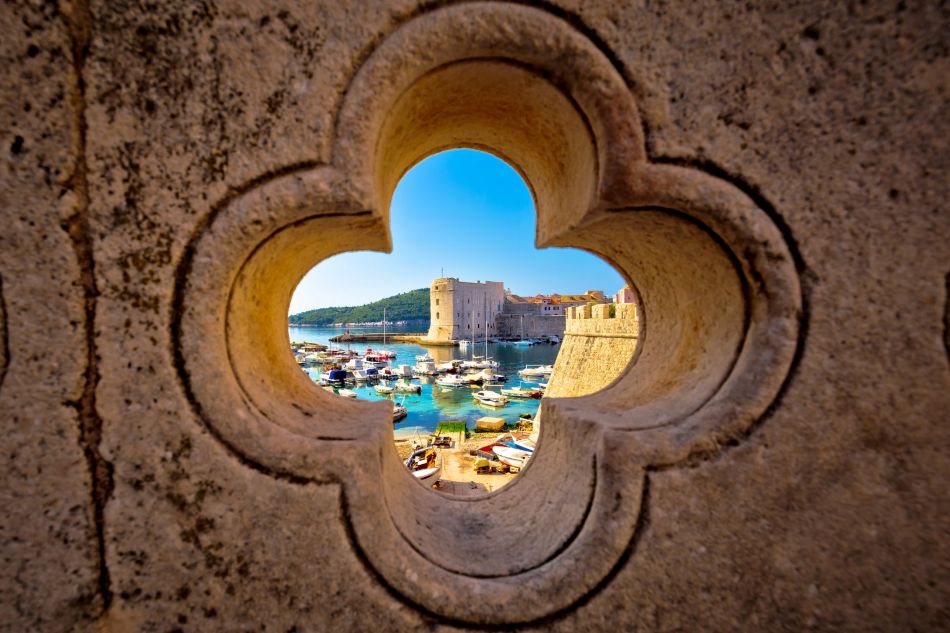
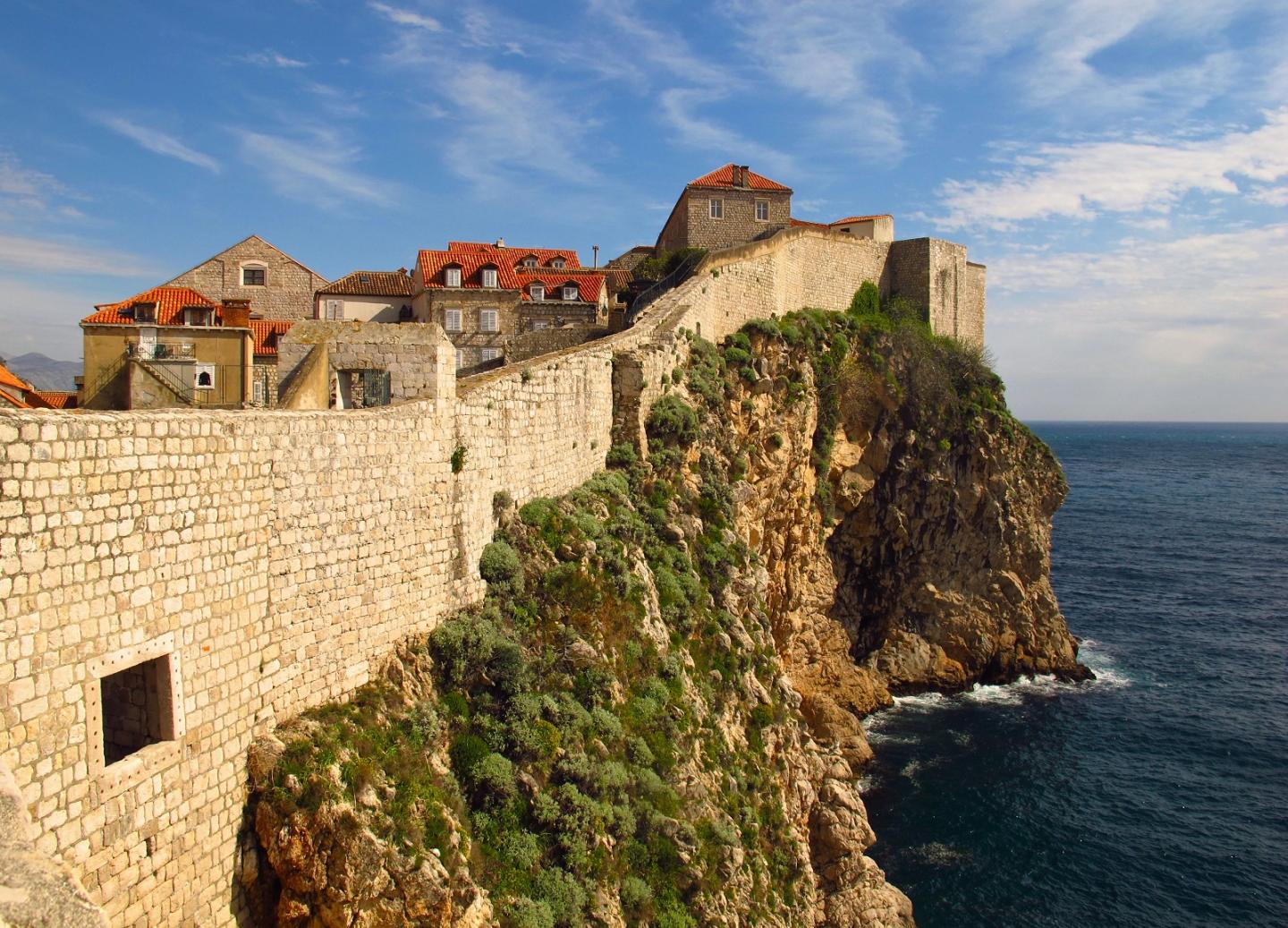
Dubrovnik's City Walls stretch nearly 2 km around the Old Town and rank among the most complete medieval fortifications in Europe. The walk offers constantly changing perspectives — seaward views of the Adriatic and the island of Lokrum on one side, rooftop terraces and church towers on the other. The circuit passes four corner towers and several bastions, including the imposing Minčeta Tower to the north. The full route takes between 90 minutes and two hours depending on pace. Morning or late-afternoon visits avoid the worst of the midday heat and the largest visitor numbers.
Cable Car and Panoramic Views from Mount Srđ
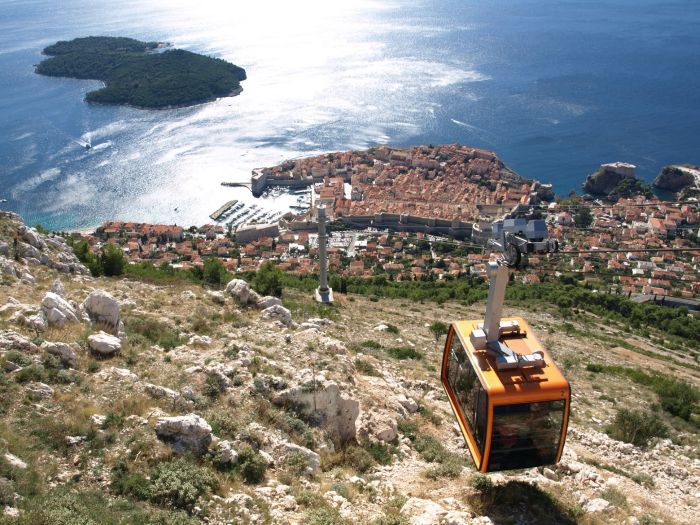
A modern cable car ascends from just outside the Pile Gate to the summit of Mount Srđ, 405 metres above sea level. The ride takes under four minutes, but the views — the entire Old Town, the Elafiti Islands, the Pelješac peninsula, and the Croatian coastline — are among the most dramatic in the Adriatic. At the top, a terrace cafe and the Imperial Fortress (now housing a museum about the 1991–92 Siege of Dubrovnik) provide reasons to linger. The cable car and walking tour combination is one of the most popular ways to open or close a day in the city.
Game of Thrones and Lovrijenac Fortress
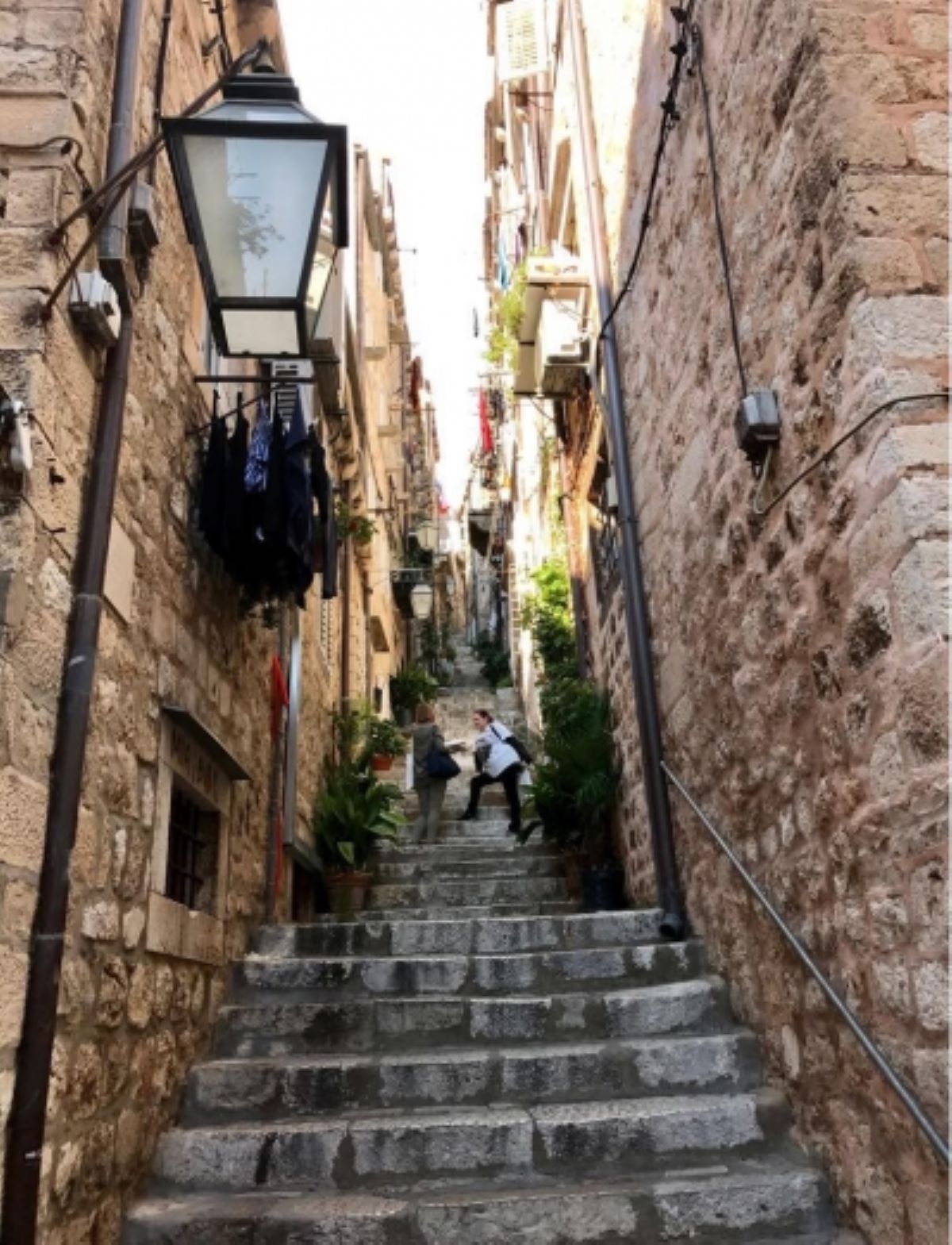
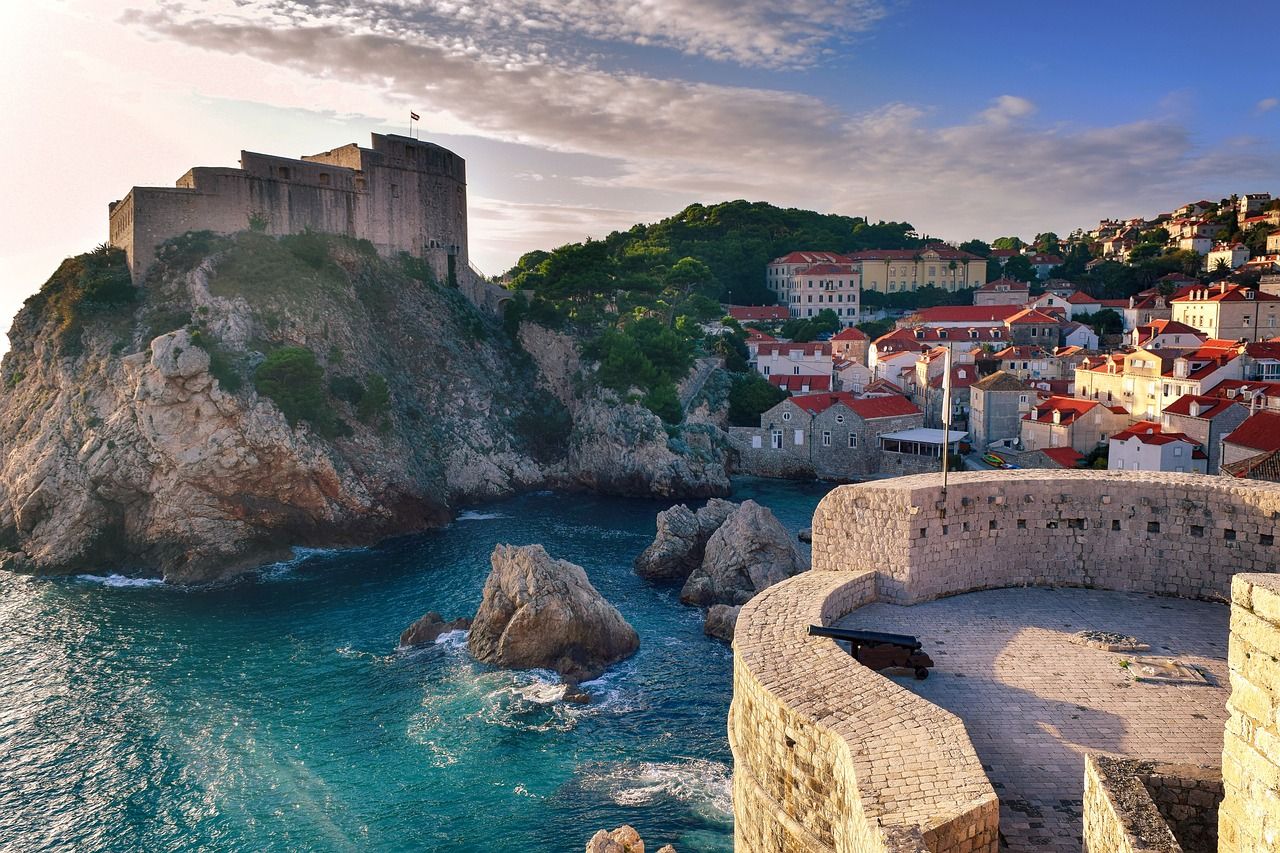
Dubrovnik served as the primary filming location for King's Landing across multiple seasons of Game of Thrones. The 11th-century Lovrijenac Fortress, which doubled as the Red Keep, stands on a 37-metre rock just outside the western walls and is included in the City Walls ticket. Dedicated tours trace specific filming locations — from the Jesuit Staircase to Fort Bokar and Minčeta Tower — while weaving in genuine historical context that makes the city interesting with or without familiarity with the series.
Sea Kayaking the Adriatic Coastline
Dubrovnik's coastline is best appreciated from water level. Guided kayaking excursions launch from just outside the Old Town walls and paddle beneath the city's southern ramparts, passing sea caves, rocky coves, and the base of the cliffs that support the medieval fortifications. The island of Lokrum — a forested nature reserve visible from the walls — is a common destination. The Adriatic's clarity and calm conditions make kayaking accessible to beginners, while the visual experience of the walled city seen from the sea is genuinely distinctive.
Korcula, Pelješac, and Excursions Beyond the City
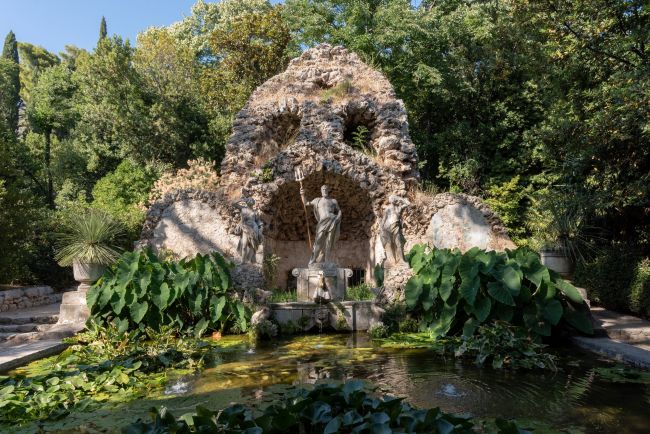
Dubrovnik's position at the southern end of Dalmatia makes it a base for exploring the surrounding region. The medieval island town of Korčula — sometimes claimed as Marco Polo's birthplace — sits around two hours by road and ferry, its old quarter resembling a miniature Dubrovnik. The Pelješac peninsula is Croatia's principal wine-producing region, home to robust Plavac Mali reds grown on steep coastal terraces. Trsteno Arboretum, a 15th-century Renaissance garden also used as a Game of Thrones filming location, lies just 20 km north along the coastal road.
Dubrovnik travel tips
Time Your Old Town Entry Early. The Pile Gate and Stradun are noticeably quieter before 9am. Cruise ships often dock mid-morning, but if yours arrives overnight or at dawn, heading straight to the Old Town before the main visitor wave transforms the experience. Mornings also bring cooler temperatures, better photographic light, and open seating at the Franciscan Monastery cafe — one of Europe's oldest continuously operating pharmacies, now also a cafe worth visiting for its historical setting alone.
Wear the Right Shoes. The Old Town's Stradun and surrounding lanes are paved with polished limestone that becomes genuinely slippery in wet conditions — even smooth-soled sandals can lose grip on the marble. Comfortable closed shoes with grip are strongly recommended, particularly for the City Walls, which include steep stairways and uneven surfaces. The walls have no shade for most of the circuit, so a hat and sunscreen are essential from May through September.
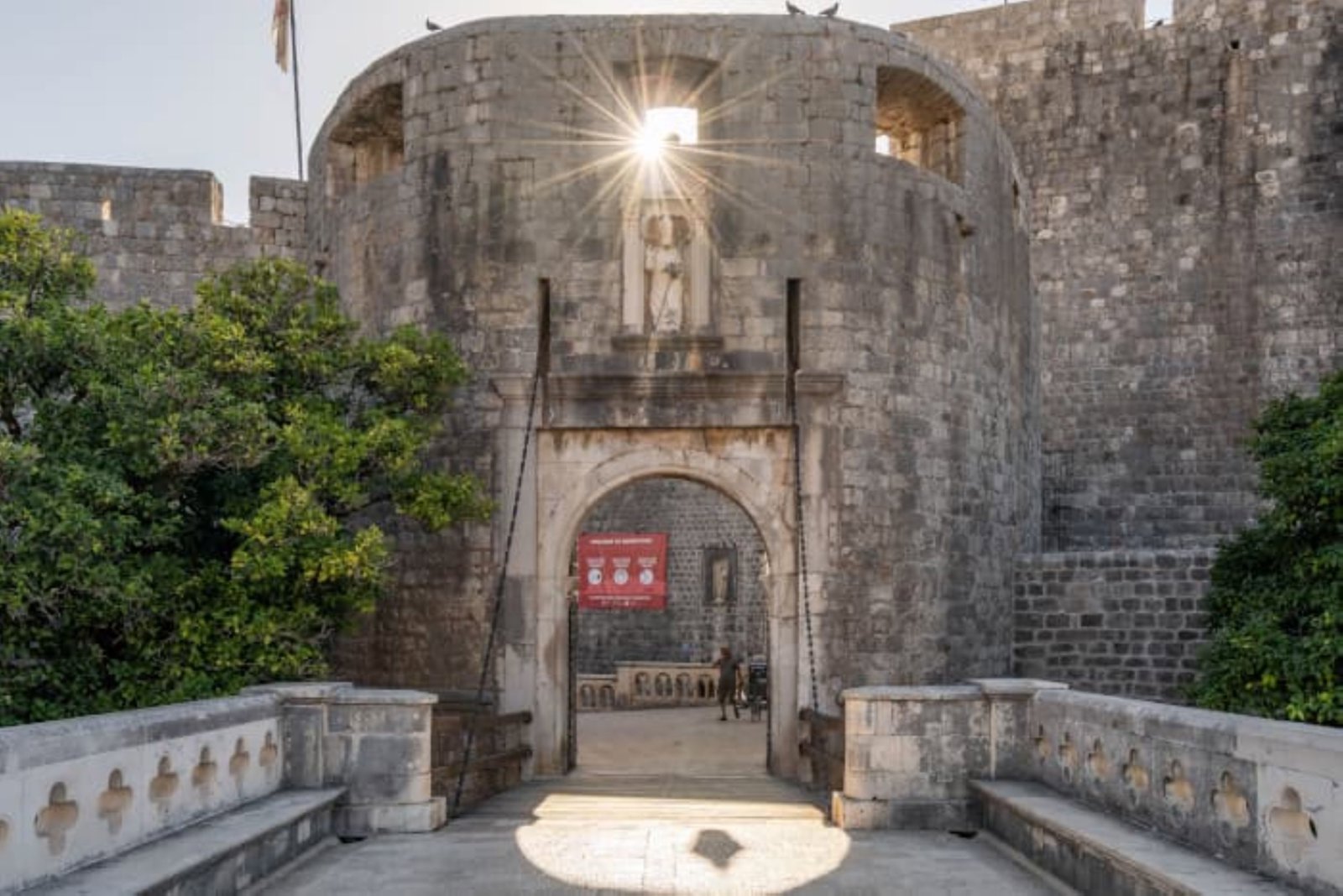
Plan the City Walls Visit Strategically. City Walls tickets can be purchased at multiple gates but queues build in high season. Entry is permitted at Pile Gate (west), Ploče Gate (east), and the Maritime Museum (south). Walking anti-clockwise — starting from Pile and heading south along the sea wall — puts the best views early in the circuit before the heat of the day sets in. Budget at least 90 minutes for the full loop and carry water, as there are very few vendors on the route itself.
The Cable Car Queue Moves Quickly. The cable car to Mount Srđ is popular, but gondolas run continuously and capacity is high — waits are rarely more than 20–30 minutes even at peak times. Going up mid-morning and returning before noon avoids the busiest window. On clear days views extend well into Bosnia and Herzegovina. The summit fortress museum is small but genuinely informative in its documentation of the 1991–92 siege of the city.
Eat Away from the Main Promenade. Restaurants directly on Stradun and immediately around the Pile Gate apply significant tourist premiums. A few minutes' walk into the side streets — particularly towards Prijeko Street and the area around the Jesuit Staircase — reveals restaurants with similar quality at noticeably lower prices. For a casual lunch, bakeries selling burek (flaky pastry filled with cheese or meat) offer a filling and inexpensive break from sightseeing.
Understand the Crowds and Plan Accordingly. Dubrovnik is one of Croatia's most visited cities and the Old Town has a relatively small surface area. The city imposes visitor caps on the walls during peak season. If your ship is one of several docked simultaneously, the mid-afternoon window when one group leaves and another has not yet arrived can be significantly quieter. The daily visitor flow is usually most intense between 10am and 2pm — planning key activities outside this window makes a noticeable difference.
Port Facts Every Cruiser Needs To Know
Dubrovnik shore excursion FAQs
The cruise terminal at Gruž is approximately 3 km west of the Pile Gate entrance to the Old Town. Local buses cover the route in around 15 minutes and run frequently during cruise season. The distance is too far for a comfortable walk in summer heat, but the bus connection is straightforward and inexpensive.
Advance booking is not always required, but during peak summer months queues at the ticket booths can extend waiting times significantly. Tickets purchased on arrival are valid for the same day. The walls open from around 8am and arriving at opening time offers the least crowded experience and the best light for photography.
The Old Town's marble streets and the City Walls circuit involve significant steps and uneven surfaces, making them challenging for those with limited mobility. The Stradun promenade itself is relatively flat. The cable car is accessible at both base and summit stations. Several shore excursions use vehicles for hilly sections, which reduces walking distances considerably.
Key locations include the Jesuit Staircase (the Walk of Shame), Fort Lovrijenac (the Red Keep exterior), Minčeta Tower (House of the Undying), and the alleyways used for various King's Landing street scenes. Trsteno Arboretum, about 20 km north, served as the Red Keep gardens. Dedicated tours explain both fictional and historical context at each location.
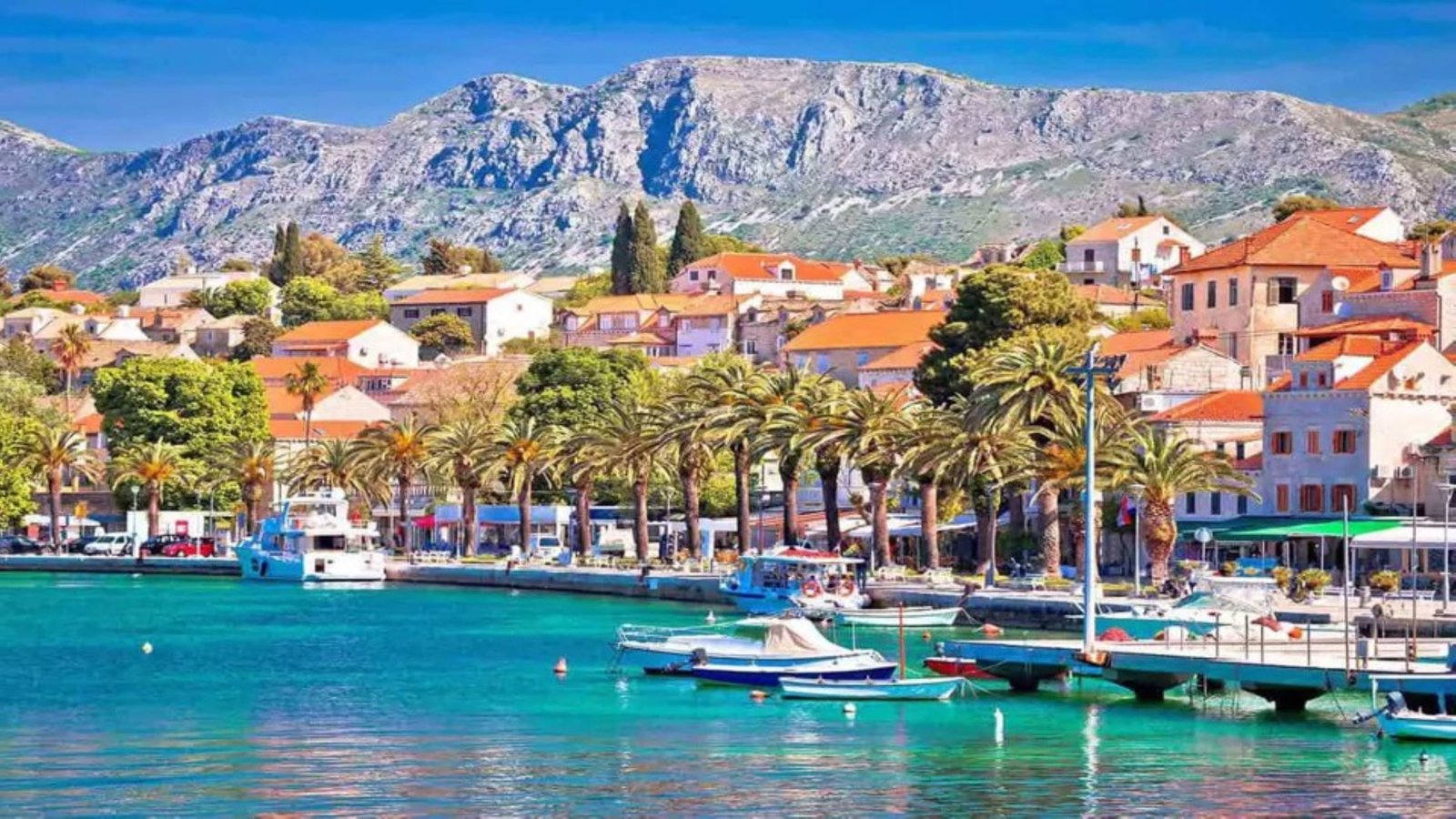
Yes — Cavtat, a quieter fishing town 17 km south, is reachable by ferry from the Old Town harbour in around 45 minutes. Korčula island and the Pelješac wine country are accessible on longer excursions of 4–6 hours. The Elafiti Islands (Šipan, Lopud, Koločep) are served by regular ferries from Gruž harbour and offer calm beaches and walking trails.
City Walls admission prices are reviewed annually but have generally been in the range of 35–40 EUR per adult in recent seasons. The ticket includes access to Lovrijenac Fortress. Children under certain ages are often admitted at a reduced rate or free. Prices are in euros and cards are accepted at most ticket booths.
The Adriatic around Dubrovnik is exceptionally clear and warm from June through September. There are no sandy beaches directly adjacent to the Old Town — the coastline is primarily rocky with concrete bathing platforms — but water quality is excellent. Banje Beach, just outside the Ploče Gate, is the closest swimming spot to the Old Town and popular with both visitors and locals.
Dubrovnik is notably more expensive than most other Croatian cities and among the pricier destinations in the broader Adriatic region. Restaurants in the Old Town command tourist-area pricing. Stepping a few streets off Stradun, or eating near Gruž harbour, brings prices down considerably. The local bus is very affordable; attractions are priced at the higher end for Croatia but reasonable by Western European standards.
Yes — Dubrovnik's Jewish Ghetto dates from the 16th century and contains the second-oldest continuously active synagogue in Europe, located in a narrow lane off Stradun. The synagogue houses a small museum with Torah scrolls, historical documents, and religious artefacts from the Ragusan Jewish community. Dedicated heritage tours provide context on the Jewish presence in this former maritime republic.
A well-planned six hours allows for the City Walls circuit (90 minutes), a walk along Stradun with stops at the main churches and fountains (60–90 minutes), the cable car ascent and summit visit (60–90 minutes), and a sit-down lunch. Adding a boat trip to Lokrum or a visit to Lovrijenac Fortress extends the day but is feasible within an eight-to-ten-hour port call.
Filters
Select a filter to refine results.
Tour Type
Tour Activity
 Cart
Cart
 USD
USD GBP
GBP AUD
AUD EUR
EUR CAD
CAD