





Looking for another Cruise?
Tours in Kotor


Cruising to Kotor in a group?
Skip the crowded ship excursion bus. One dedicated planner will design a private shore experience around exactly what your group wants — coordinated from first enquiry to the moment you're back on board. More memorable, more flexible, and more affordable than you might expect. Spend less time organising, more time enjoying.
Explore Group Travel →Cruising to Kotor
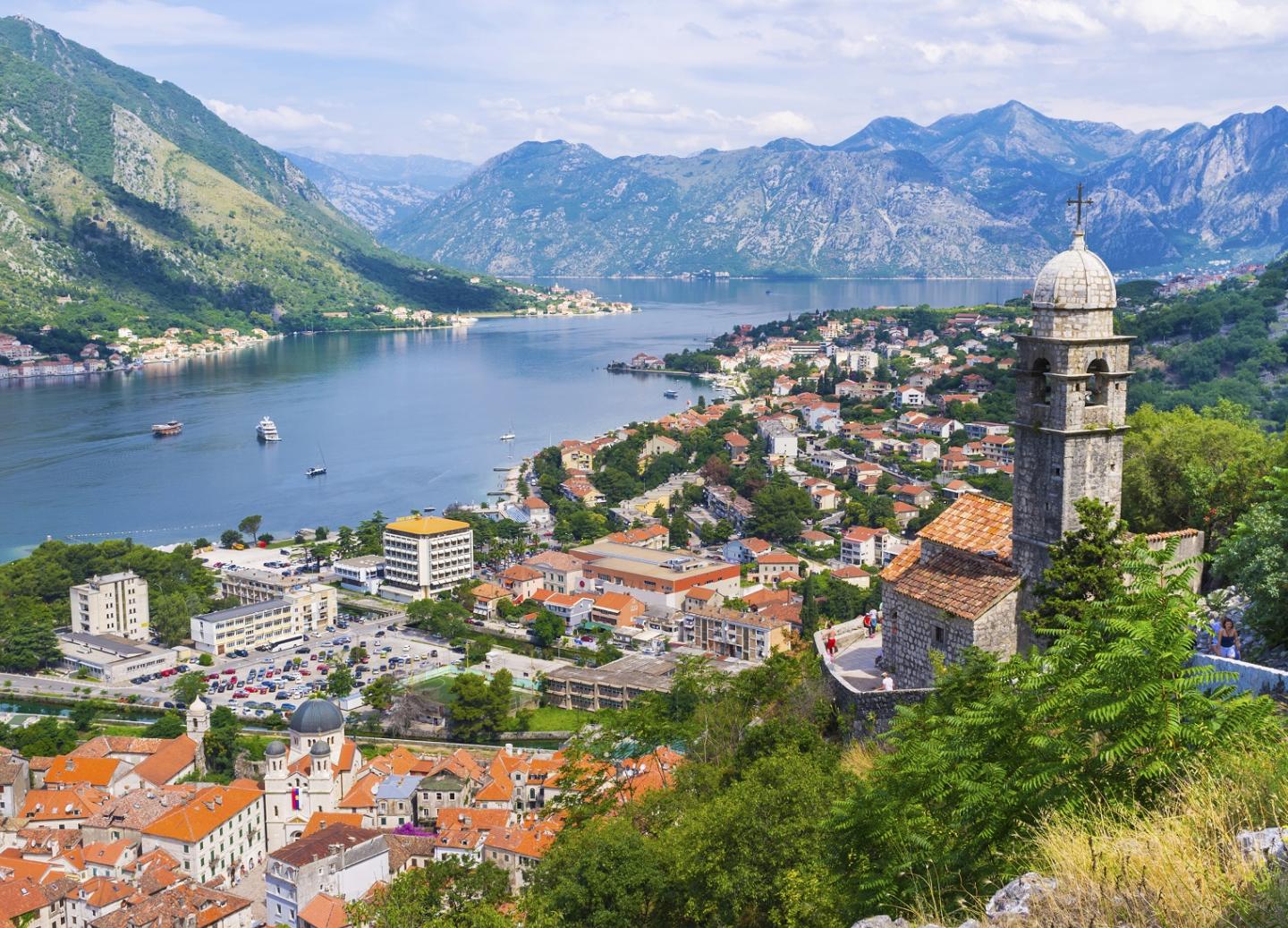
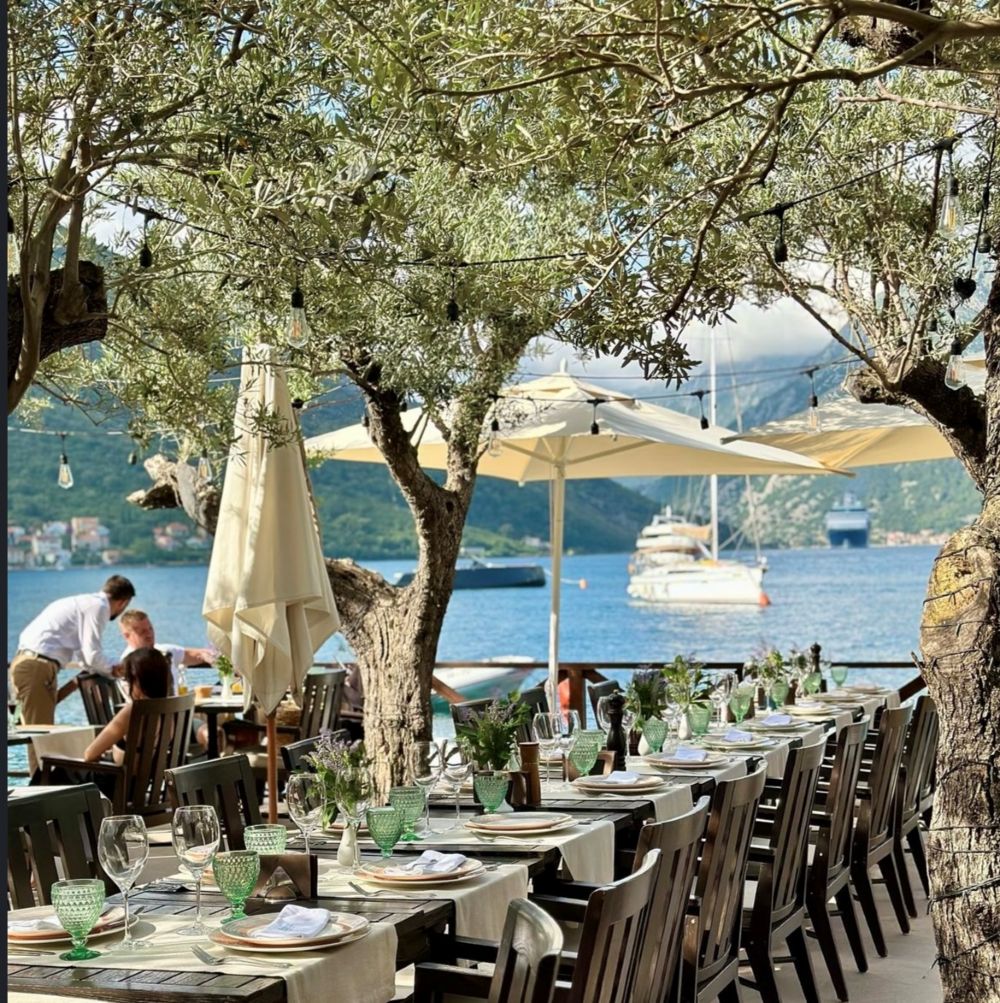
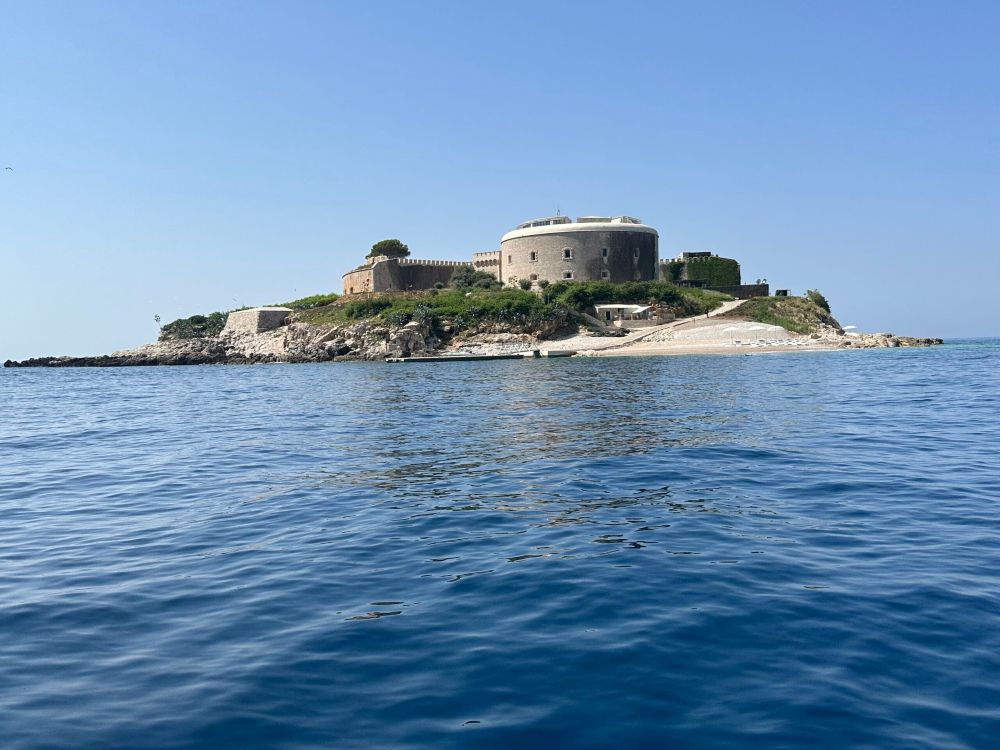
Kotor sits at the innermost tip of the Bay of Kotor — a dramatic fjord-like inlet carved into Montenegro's limestone coast that is often described as the southernmost fjord in Europe, though geologically it is a submerged river canyon. The effect is the same regardless of classification: mountains rise nearly vertically from the water's edge, the bay changes colour from turquoise to deep cobalt as depth increases, and the fortified medieval town at the water's edge looks as though it was painted into the landscape rather than built upon it.
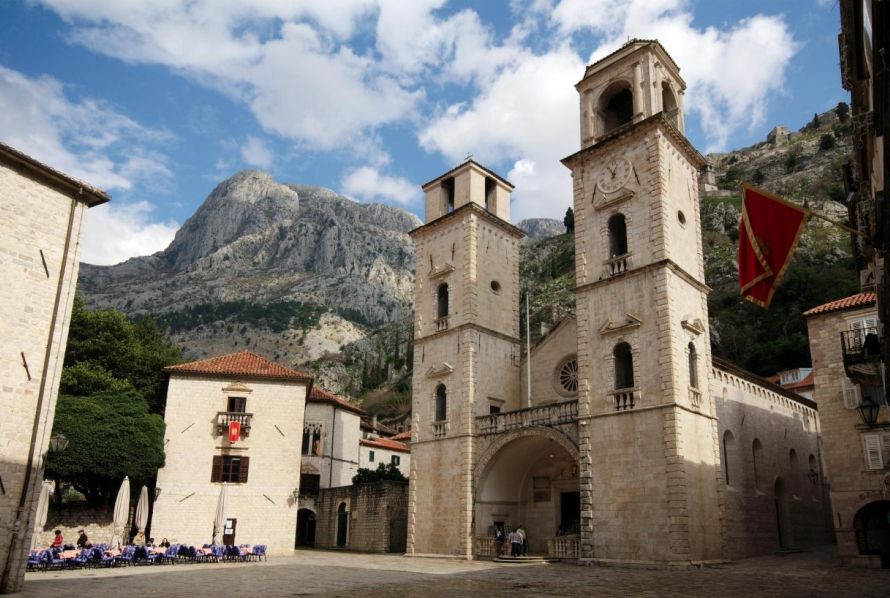
The Old Town of Kotor is a remarkably preserved example of Venetian Adriatic urbanism — the Republic of Venice controlled the city for nearly four centuries, and the imprint is visible in every palazzo, cathedral, and carved lion of St. Mark above a doorway. The city walls, ascending the steep rocky hillside directly behind the town to a fortress at 280 metres, are one of the defining images of the entire Adriatic cruise circuit. Climbing them rewards with views that expand with every switchback, eventually revealing the full geometry of the bay far below.
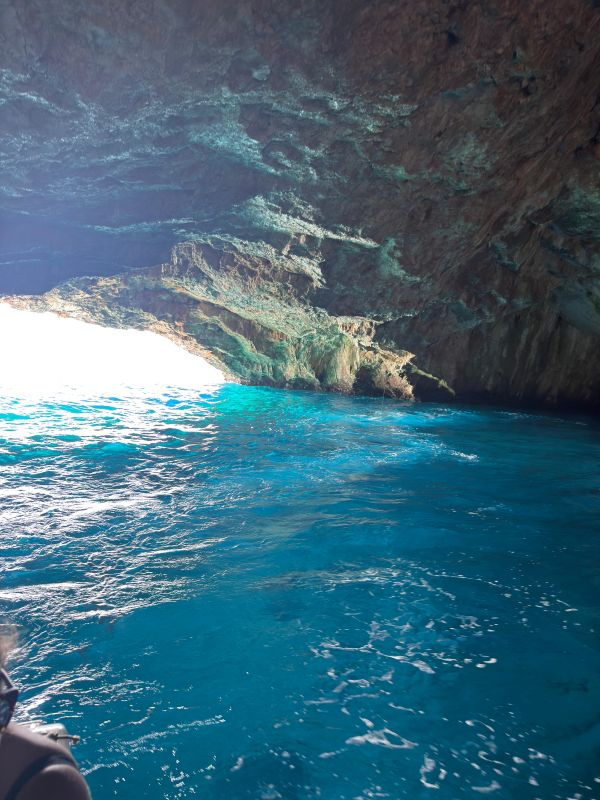
Beyond the Old Town, the Bay of Kotor offers experiences that are impossible to replicate elsewhere in the region. The Blue Cave — a sea cave on the nearby Lustica peninsula — glows with an otherworldly electric blue created by refracted light filtering through an underwater opening. The village of Perast, a baroque gem with two tiny island churches in the middle of the bay, represents one of the Adriatic's most photographed scenes. Kayaking on the bay's mirror-calm inner waters, with those sheer cliffs as a backdrop, is among the most memorable active experiences in the entire Mediterranean.
For those drawn inland, Montenegro's Lovcen mountain and the historic former capital of Cetinje lie within reasonable driving distance, while the coastal resort town of Budva offers beaches and a compact old town of its own. Kotor is one of those rare ports where the challenge is not finding things to do, but choosing between an exceptional range of options.
Top things to do in Kotor on a cruise stopover
The Blue Cave: Nature's Most Electrifying Light Show
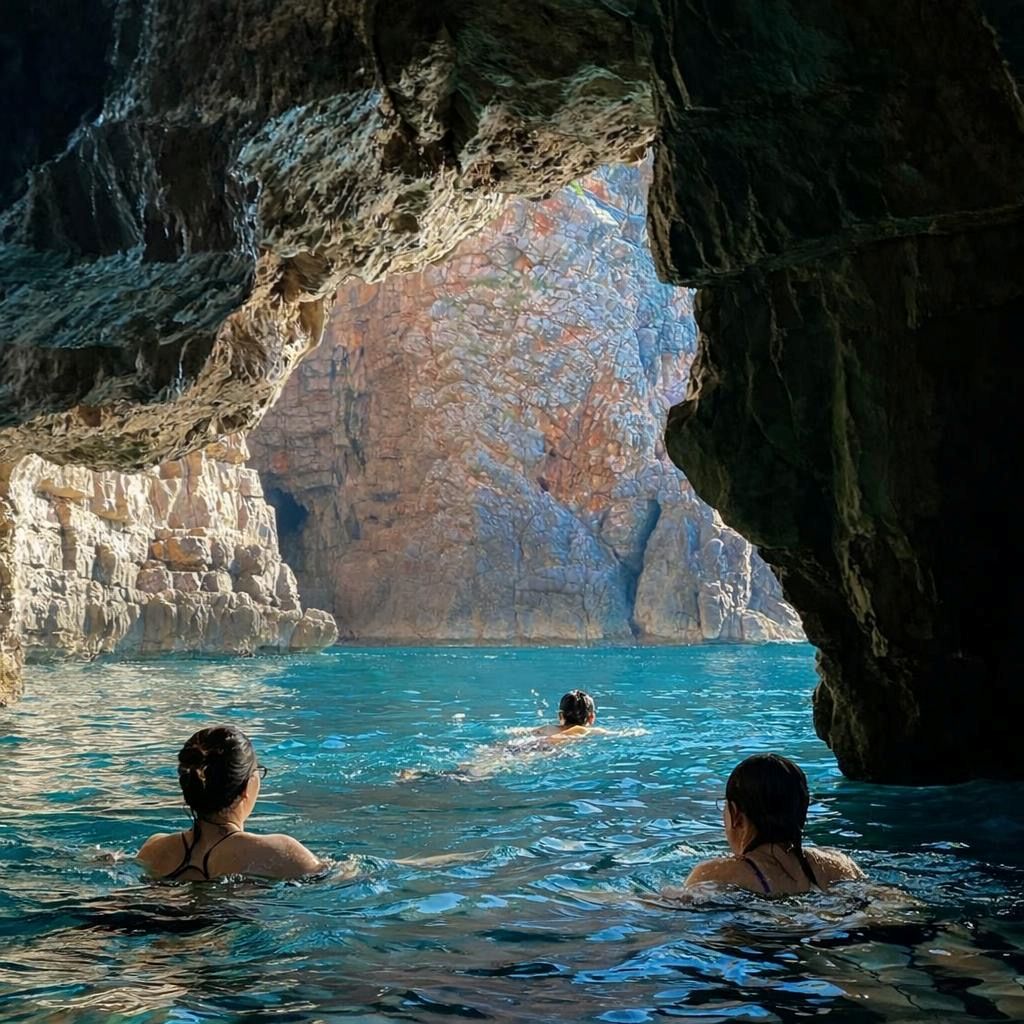
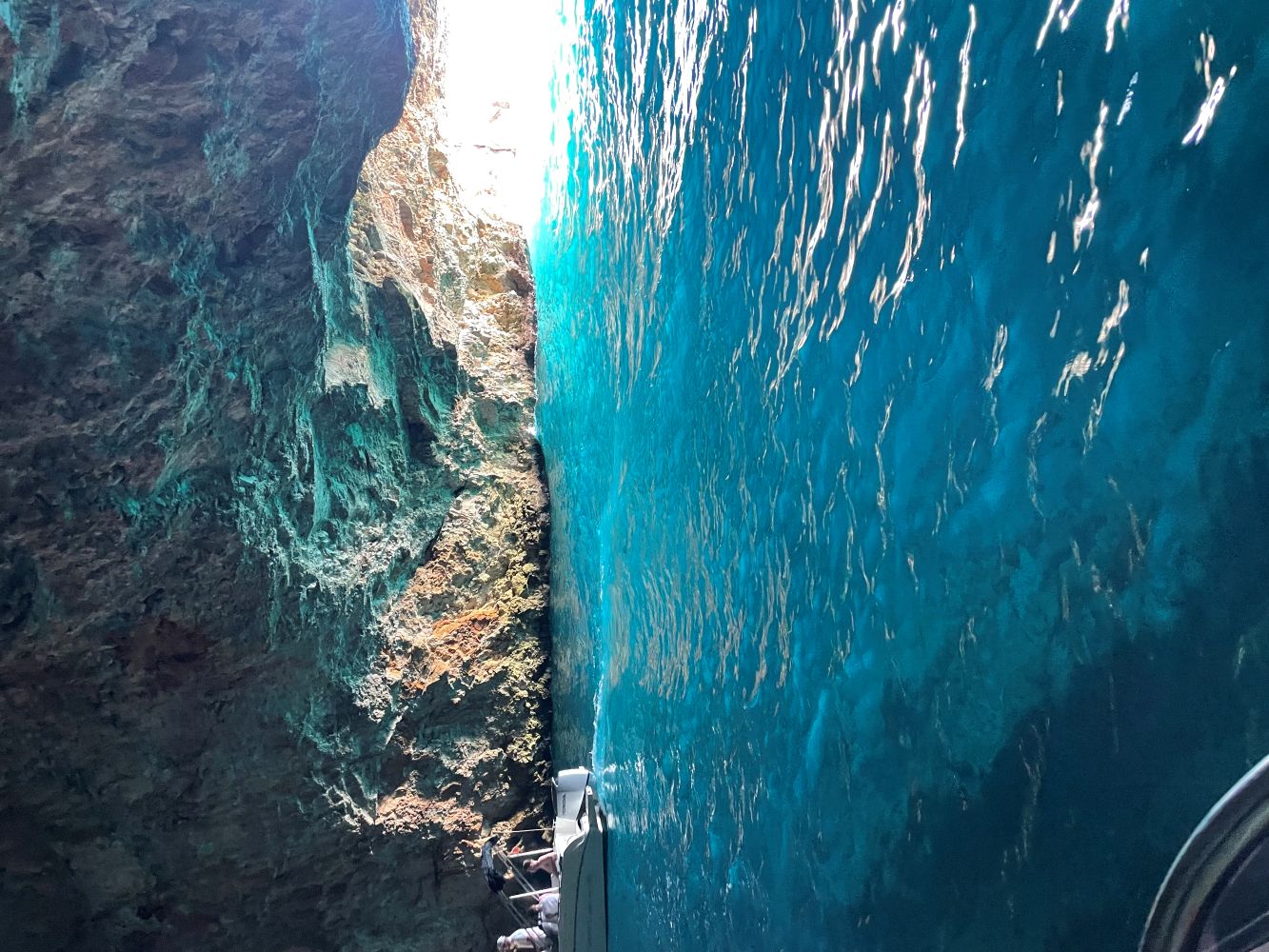
The Blue Cave on the Lustica peninsula, accessible by boat from Kotor, is among the most visually dramatic natural phenomena in the entire Adriatic. A sea cave accessible only by small boat or by swimming through a low entrance, its interior glows with an intense, luminous blue — sunlight filtered through an underwater opening in the cave floor refracts upward through the water column, casting everything inside in an ethereal electric light that seems to emanate from the water itself rather than from above. The effect is most vivid between late morning and early afternoon when the sun angle is optimal. Venture Ashore operates multiple excursions to the Blue Cave, from scenic boat excursions and classic tours combining Porto Novi and Perast to high-speed speedboat adventures and private tours that allow longer time inside. No two visits feel quite identical — cloud cover, tide, and the number of boats present all affect the intensity of the blue — but the experience consistently ranks among guests' most memorable moments in Montenegro.
Kayaking the Bay of Kotor: Paddling the World's Most Dramatic Inlet
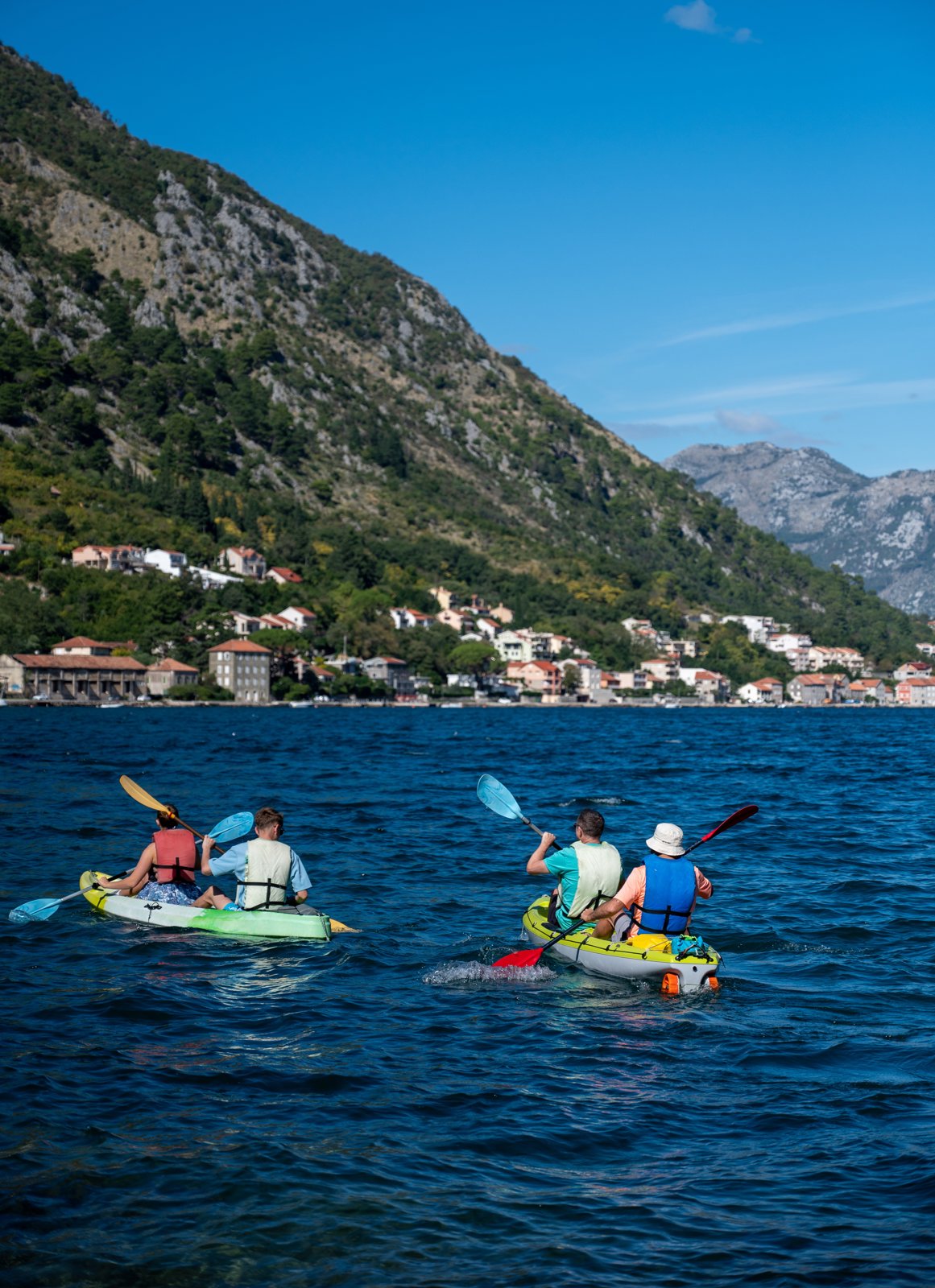
The Bay of Kotor presents a kayaking environment that is genuinely exceptional — sheltered from ocean swells by the complex inlet geography, the inner bay offers calm, clear water while the surrounding scenery is on a scale that makes every paddle stroke feel significant. Limestone mountains rise nearly vertically from the water's edge to heights of over 1,700 metres; medieval villages cling to the lower slopes; island churches sit like jewellery on the bay's surface. Venture Ashore's kayak adventure excursion puts guests on the water under the guidance of experienced local instructors, exploring sections of the bay otherwise inaccessible except by small craft. No prior kayaking experience is required. The physical connection with the water — the silence broken only by paddles and distant church bells — delivers an intimacy with this landscape that no boat can replicate. This is one of the genuinely active highlights of any Adriatic cruise.
Speedboat Thrills and Mussel Tasting on the Bay
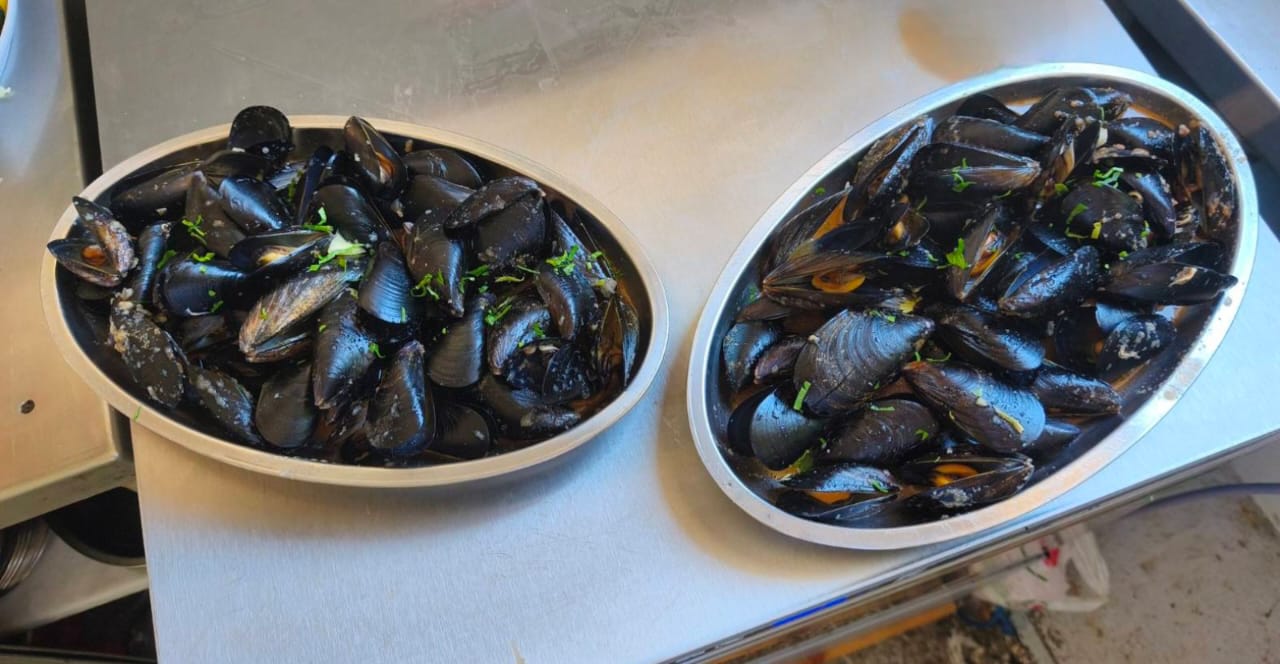
For those who want speed, sea air, and local flavour combined in a single excursion, Venture Ashore's speedboat adventure through the Bay of Kotor delivers all three. High-speed craft cover more of the bay in less time, reaching the Blue Cave and other highlights efficiently while delivering the exhilaration of open-throttle running on deep blue water with mountains as a backdrop. The mussel tasting element adds a distinctly local dimension — Bay of Kotor mussels are cultivated on rope lines throughout the bay's sheltered inner reaches, and the conditions produce specimens of exceptional quality. Tasting them freshly cooked on a boat in the middle of the water where they were grown, with the walled city visible in the distance, is one of those travel experiences that is completely specific to place and impossible to replicate elsewhere.
Lovcen National Park and Budva: Montenegro's Interior and Coast
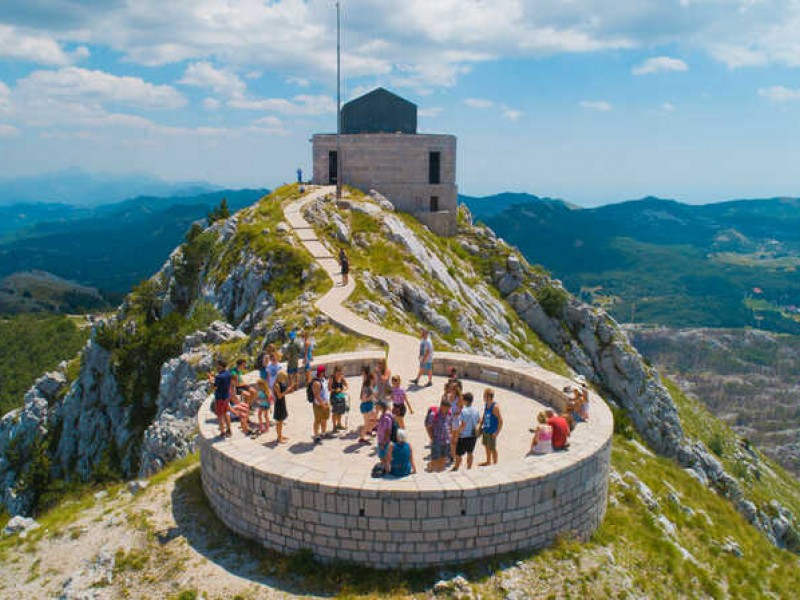
The road from Kotor climbs from sea level to the heights of Lovcen mountain via a series of dramatic serpentine switchbacks — 25 hairpin turns ascending through limestone karst terrain to a national park of extraordinary beauty. Lovcen's summit hosts the mausoleum of Petar II Petrovic-Njegos, Montenegro's poet-prince and national hero, reached by 461 steps from the road and offering a 360-degree panorama across Montenegro, the Adriatic, and — on clear days — Albania. Venture Ashore's excursion combines the mountain with Budva, the ancient coastal city that is Montenegro's most popular resort. Budva's Venetian-walled old town is smaller than Kotor but similarly well-preserved, and its beaches make it the coast's most visited destination. Together, Lovcen and Budva represent the best of both Montenegro's landscapes in a single day.
Perast and Our Lady of the Rocks: Baroque Beauty on the Bay
Perast is arguably the most beautiful village in the Bay of Kotor — a compact collection of baroque palaces and church towers arranged along a narrow waterfront, the legacy of a wealthy maritime trading past under Venetian patronage. The village's two offshore islands are its defining visual element: St. George Island (a Benedictine monastery on a natural islet) and Our Lady of the Rocks, an artificial island built gradually over centuries as sailors returning from successful voyages added stones to a submerged reef in fulfilment of vows. The church on Our Lady of the Rocks contains an extraordinary accumulation of ex-votos — hundreds of silver plaques donated by Perast sailors seeking or thanking the Virgin's intercession — and a remarkable cycle of paintings depicting maritime scenes and miracles. Venture Ashore boat tours include Perast as a key stop, with small boats ferrying guests to the island church. The scene — a baroque church on a man-made island in a mountain-ringed bay — is one of the Mediterranean's great visual spectacles.
Kotor Old Town Walls and Lovcen Cable Car: Heights Above the Bay
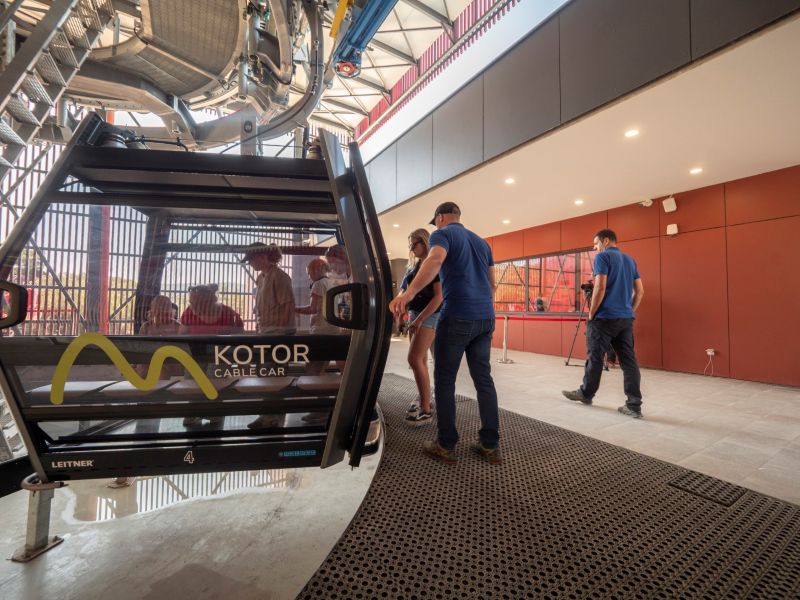
The Kotor city walls ascend directly from the Old Town's upper reaches to the fortress of San Giovanni at 280 metres above sea level — a climb of approximately 1,350 steps through zigzagging ramparts that took centuries to build and require considerable stamina to ascend. The reward is perspective: at the top, the geometry of the Old Town below, the silver expanse of the bay, and the dark limestone mountains surrounding it all resolve into a panorama of startling clarity. Venture Ashore combines this Old Town walking experience with the Lovcen Cable Car — a recent addition that carries passengers up the mountain face with even more dramatic elevation. The combination of ground-level urban exploration and aerial perspective delivers Kotor in full, from the detail of carved doorways at eye level to the overview that reveals why this location was chosen, fortified, and celebrated for a thousand years.
Kotor travel tips
Climb the City Walls Early — Before the Heat and the Crowds. The climb to the fortress of San Giovanni via the Old Town walls is the port's most demanding and most rewarding physical activity. It involves approximately 1,350 steps on exposed stone ramparts with limited shade. In July and August, midday temperatures on the walls can be punishing — start the ascent as soon as the walls open (typically 8am) to benefit from morning light for photography, cooler temperatures, and the relative quiet before the majority of cruise passengers arrive. Carry water, wear sun protection, and allow 45–60 minutes up and 35–45 minutes down, plus time at the top for views and recovery.
The Old Town Square Cats Are Not a Tourist Attraction — They Are Citizens. Kotor is genuinely famous throughout Europe for its free-roaming cat population, which has lived within the city walls for centuries — the cats historically kept the port's rodent population in check. There is even a small cat museum in the Old Town. The cats are well-fed, semi-tame, and photogenic, and locals take their wellbeing seriously. Do not feed them human food, do not attempt to pick them up, and do not crowd them for photographs. Respectful observation is fine; the cats will make their own decisions about proximity. The Cats of Kotor wall calendar, sold in several Old Town shops, is one of the port's most specific and charming souvenirs.
Dress Modestly for Cathedral and Church Visits. Kotor's Cathedral of St. Tryphon — the Old Town's most important building — requires covered shoulders and knees for entry, as do the island churches in Perast visited on boat tours. The dress code is standard for religious sites throughout Montenegro and the Adriatic. Carry a light scarf or wrap in your daypack; in peak summer the heat is considerable and a wrap doubles as sun protection on boat excursions. Being turned away from the cathedral's remarkable interior for a wardrobe oversight would be a poor use of limited port time.
Book Blue Cave Boat Excursions Promptly — Light Conditions Are Time-Sensitive. The Blue Cave's legendary blue glow is most vivid when the sun is at the optimal angle to refract through the underwater opening — generally between approximately 10am and 2pm. Morning departures are therefore preferable for the best visual effect. The cave is also accessed by multiple operators, and the experience diminishes when several boats are inside simultaneously. Planning your excursion in advance with Venture Ashore ensures you are on the water at the right time. Cloud cover reduces the effect significantly; clear days between late May and September offer the most reliable results.
The Sea Gate Is Not the Only Entrance — But It Is the Best One. The Sea Gate is Kotor Old Town's main waterfront entrance and the one most passengers naturally use. However, the River Gate at the northern corner and the Gurdic Gate at the southern end also give access to the Old Town and are far less congested. Entering and exiting by different gates naturally creates a circuit of the walls and reveals different neighbourhoods. The southern Gurdic area, near the small river that once powered the town's mills, is notably quieter than the main square area and worth exploring for the contrast it offers with the tourist intensity near the Sea Gate.
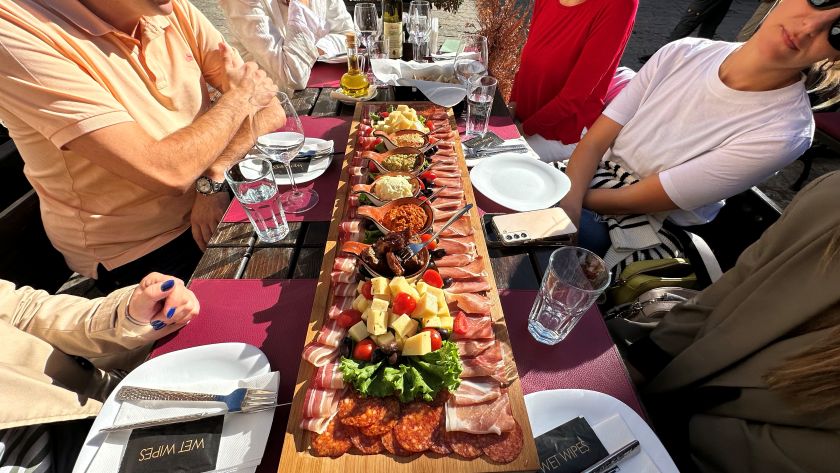
Montenegro's Mountain Food Is Different from the Coast — Try It If You Go Inland. If your excursion includes Lovcen, Cetinje, or any inland destination, the cuisine shifts noticeably from the Adriatic seafood focus of Kotor. Mountain Montenegro is meat and dairy country: njeguski prsut (mountain-smoked ham from the village of Njeguski, on the Lovcen plateau) is among the finest cured meats in the Balkans, and kajmak (a rich, lightly fermented cream cheese) appears on almost every plate. The local Vranac grape produces robust red wines well-suited to grilled meats and mountain air. Eating in a roadside restaurant on the Lovcen plateau, with panoramic views and a plate of local ham and cheese, is a distinctly different — and equally valid — Montenegrin experience from the seafood konoba in Kotor.
Port Facts Every Cruiser Needs To Know
Kotor shore excursion FAQs
The main cruise dock is approximately 500 metres from the Sea Gate entrance to the Old Town — about an 8-minute walk along the waterfront promenade. If your ship tenders, the tender landing point is similarly close. The walk is flat, on a paved promenade, and easily manageable for most passengers.
The Blue Cave is genuinely one of the most remarkable natural sights in the Adriatic and consistently rates among visitors' top memories from a Kotor port call. The quality of the experience depends on three factors: time of day (late morning to early afternoon is optimal for the light), cloud cover (clear skies produce the most vivid blue), and the number of boats inside simultaneously (fewer boats means a better experience). Venture Ashore boat excursions are timed to maximise the light conditions and minimise congestion.
Moderately to quite demanding, depending on your fitness level. The ascent to the fortress involves approximately 1,350 steps on stone ramparts with significant sections of exposed climbing. The gradient is steep in places. There is limited shade on the upper sections and no seating until the fortress itself. Most reasonably fit adults can complete the climb in 45–60 minutes. It is not recommended for passengers with significant mobility limitations, heart conditions, or severe heat sensitivity in July–August. Comfortable walking shoes are essential; sandals are inadvisable.
Perast is a small baroque village 12 km from Kotor along the bay road, best known for its two offshore island churches — particularly Our Lady of the Rocks, an artificial island built over centuries by Adriatic sailors. It is widely considered one of the most beautiful spots in the entire Bay of Kotor. The journey by boat is the best way to visit, combining the coastal scenery with a stop at the island church. Venture Ashore includes Perast in several boat tour itineraries from Kotor.
Montenegro uses the Euro (EUR) despite not being an EU member state. Card payments are accepted at hotels, larger restaurants, and tourist businesses in Kotor Old Town. However, smaller restaurants, market vendors, and remote village stops (including on Lovcen excursions) often prefer or require cash. Carry €30–50 in mixed denominations. ATMs are available near the Old Town entrance and along the waterfront.
Yes, but plan carefully. A thorough Old Town visit (including the city walls climb) takes 3–4 hours; a boat excursion to the Blue Cave or Perast takes 3–5 hours depending on the itinerary. Combining both in a single port call is possible if your ship has a long port stay (8+ hours) and you move efficiently, but most visitors find choosing one primary focus produces a better, less rushed day. Venture Ashore's Kotor walking tour with Lovcen Cable Car is a good option if you want to combine Old Town exploration with an elevated perspective in a single booking.
They genuinely are. The Bay of Kotor's enclosed, deep-water conditions — cold freshwater springs mixing with warm saltwater, protected from wave action — create an ideal environment for mussel cultivation. Bay mussels are notably plump, clean-tasting, and intensely briny compared to open-sea farmed varieties. They appear on virtually every restaurant menu in Kotor Old Town and are a feature of Venture Ashore's speedboat adventure excursion, which includes a mussel tasting stop at a working farm on the bay.
The Cathedral of St. Tryphon (12th century, one of the finest Romanesque buildings in the Adriatic) is the architectural centrepiece and should not be missed. The Maritime Museum covers Kotor's extraordinary seafaring history — the Bockelese navy served the Republic of Venice with distinction for centuries. The Church of St. Luke (12th century) and Church of St. Nicholas offer further religious art and architecture. The old town's four main squares — Arms Square, Flour Square, Gurlic Square, and St. Luke's Square — each have distinct character. And the cat museum, small but charming, celebrates the Old Town's famous feline residents.
Budva is approximately 25 km south of Kotor by road — roughly 30–40 minutes in normal traffic, longer in peak summer. It has a compact Venetian-influenced old town similar in character to Kotor but smaller, plus beaches that are the most popular on the Montenegro coast. Venture Ashore combines Budva with Lovcen National Park in a single excursion. Visiting independently by public bus is possible but time-consuming; the combination tour is a more efficient use of limited port hours.
Lovcen National Park sits at altitude — the summit mausoleum of Njegos is at approximately 1,660 metres. Even in summer, temperatures at the top can be 10–15°C cooler than at sea level in Kotor, and winds can be strong. Bring a light layer regardless of conditions on the coast. The 461 steps from the parking area to the mausoleum are steep but manageable for most fit visitors. The panoramic views — on a clear day extending across Montenegro, the Bay of Kotor, and into Albania — reward the effort substantially. The road up is dramatic and is itself part of the experience.
Filters
Select a filter to refine results.
Tour Type
Tour Activity
 Cart
Cart
 USD
USD GBP
GBP AUD
AUD EUR
EUR CAD
CAD